














Strategic Doing: 
A Framework for Economic Development Strategy 
Scott Hutcheson, Ph.D. 
ANZRSAI 38th Annual Conference 
December 2014 - Christchurch, New Zealand
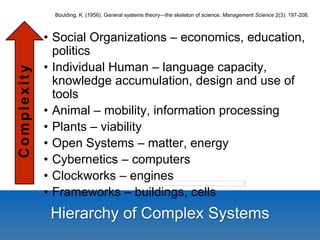
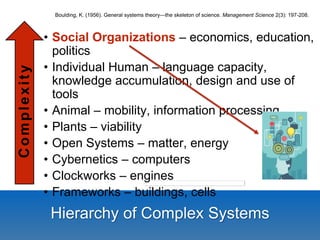
• Social Organizations – economics, education, 
politics 
• Individual Human – language capacity, 
knowledge accumulation, design and use of 
tools 
• Animal – mobility, information processing 
• Plants – viability 
• Open Systems – matter, energy 
• Cybernetics – computers 
• Clockworks – engines 
• Frameworks – buildings, cells 
Hierarchy of Complex Systems 
Complexi ty 
Boulding, K. (1956). General systems theory—the skeleton of science. Management Science 2(3): 197-208.
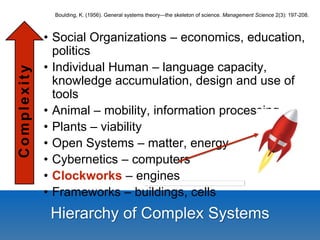
• Social Organizations – economics, education, 
politics 
• Individual Human – language capacity, 
knowledge accumulation, design and use of 
tools 
• Animal – mobility, information processing 
• Plants – viability 
• Open Systems – matter, energy 
• Cybernetics – computers 
• Clockworks – engines 
• Frameworks – buildings, cells 
Hierarchy of Complex Systems 
Complexi ty 
Boulding, K. (1956). General systems theory—the skeleton of science. Management Science 2(3): 197-208.
• Social Organizations – economics, education, 
politics 
• Individual Human – language capacity, 
knowledge accumulation, design and use of 
tools 
• Animal – mobility, information processing 
• Plants – viability 
• Open Systems – matter, energy 
• Cybernetics – computers 
• Clockworks – engines 
• Frameworks – buildings, cells 
Hierarchy of Complex Systems 
Complexi ty 
Boulding, K. (1956). General systems theory—the skeleton of science. Management Science 2(3): 197-208.
Strategy 
10 
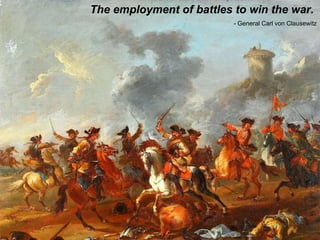
The employment of battles to win the war. 
- General Carl von Clausewitz
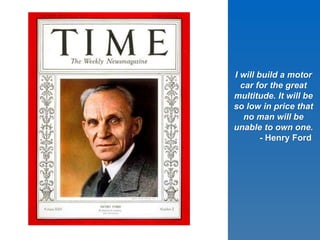
I will build a motor 
car for the great 
multitude. It will be 
so low in price that 
no man will be 
unable to own one. 
- Henry Ford
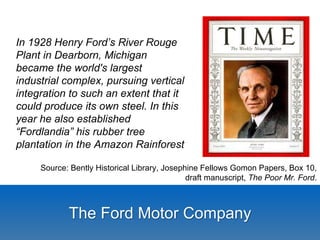
Source: Bently Historical Library, Josephine Fellows Gomon Papers, Box 10, 
draft manuscript, The Poor Mr. Ford. 
In 1928 Henry Ford’s River Rouge 
Plant in Dearborn, Michigan 
became the world's largest 
industrial complex, pursuing vertical 
integration to such an extent that it 
could produce its own steel. In this 
year he also established 
“Fordlandia” his rubber tree 
plantation in the Amazon Rainforest 
The Ford Motor Company
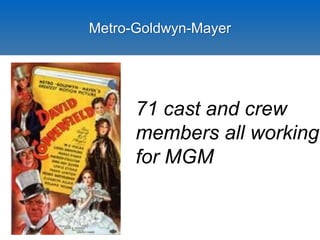
Metro-Goldwyn-Mayer 
71 cast and crew 
members all working 
for MGM
14
15
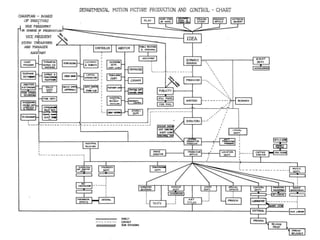
What do the military and vertical business 
models have in common? 
16
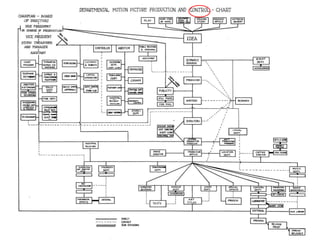
What do the military and vertical business 
models have in common? 
17
Metro-Goldwyn-Mayer
Metro-Goldwyn-Mayer
Metro-Goldwyn-Mayer
Metro-Goldwyn-Mayer 
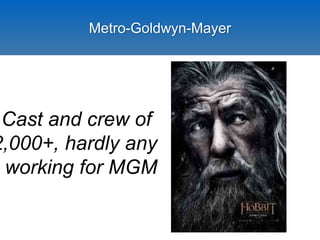
Cast and crew of 
2,000+, hardly any 
working for MGM
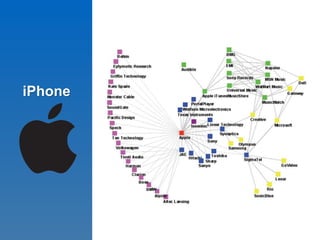
iPhone
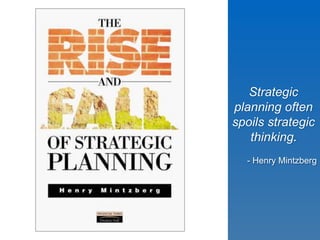
Strategic 
planning often 
spoils strategic 
thinking. 
- Henry Mintzberg
24
Strategic Doing enables people to 
form action-oriented collaborations 
quickly, move them toward 
measurable outcomes, and make 
adjustments along the way.
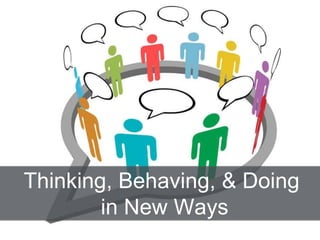
Thinking, Behaving, & Doing 
in New Ways
Thinking in New Ways
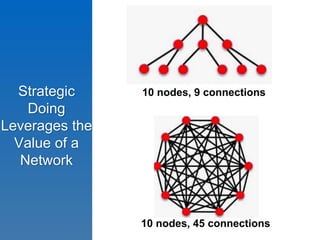
Strategic 
Doing 
Leverages the 
Value of a 
Network 
10 nodes, 9 connections 
10 nodes, 45 connections
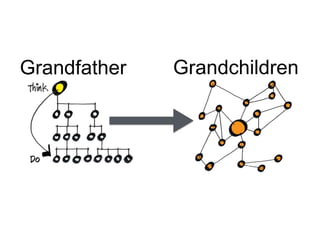
Grandfather Grandchildren
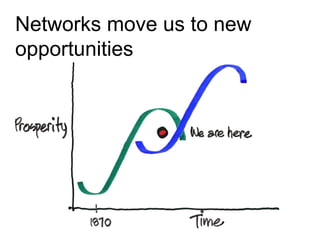
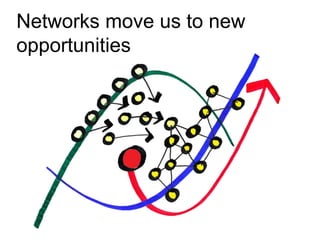
Networks move us to new 
opportunities
Networks move us to new 
opportunities
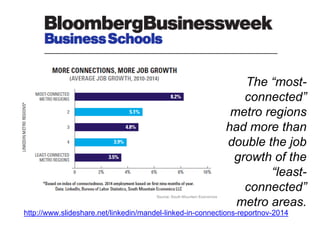
The “most-connected” 
metro regions 
had more than 
double the job 
growth of the 
“least-connected” 
metro areas. 
http://www.slideshare.net/linkedin/mandel-linked-in-connections-reportnov-2014
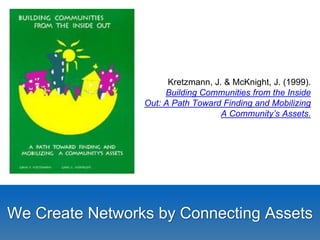
Kretzmann, J. & McKnight, J. (1999). 
Building Communities from the Inside 
Out: A Path Toward Finding and Mobilizing 
A Community’s Assets. 
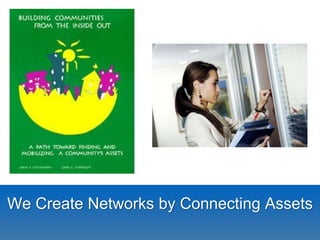
We Create Networks by Connecting Assets
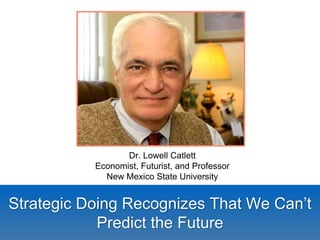
Dr. Lowell Catlett 
Economist, Futurist, and Professor 
New Mexico State University 
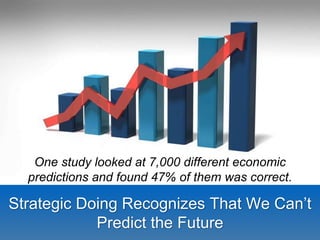
Strategic Doing Recognizes That We Can’t 
Predict the Future
One study looked at 7,000 different economic 
predictions and found 47% of them was correct. 
Strategic Doing Recognizes That We Can’t 
Predict the Future
Flip a coin and you beat the economists by 3%. 
Strategic Doing Recognizes That We Can’t 
Predict the Future
Behaving in New Ways
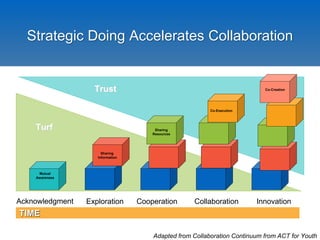
Strategic Doing Accelerates Collaboration 
Turf 
Trust 
TIME 
Sharing 
Resources 
Sharing 
Information 
Mutual 
Awareness 
Co-Execution 
Co-Creation 
Acknowledgment Exploration Cooperation Collaboration Innovation 
Adapted from Collaboration Continuum from ACT for Youth
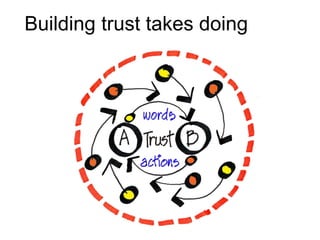
Building trust takes doing
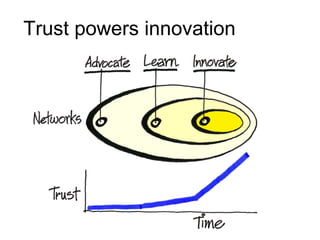
Trust powers innovation
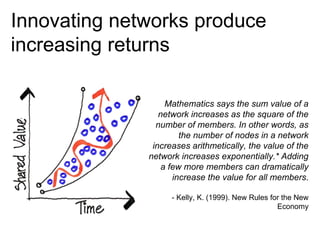
Innovating networks produce 
increasing returns 
Mathematics says the sum value of a 
network increases as the square of the 
number of members. In other words, as 
the number of nodes in a network 
increases arithmetically, the value of the 
network increases exponentially.* Adding 
a few more members can dramatically 
increase the value for all members. 
- Kelly, K. (1999). New Rules for the New 
Economy
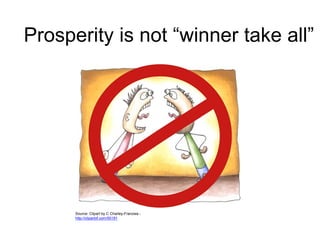
Prosperity is not “winner take all” 
Source: Clipart by C Charley-Franzwa - 
http://clipartof.com/50191
Doing in New Ways
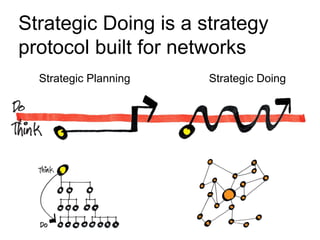
Strategic Doing is a strategy 
protocol built for networks 
Strategic Planning Strategic Doing
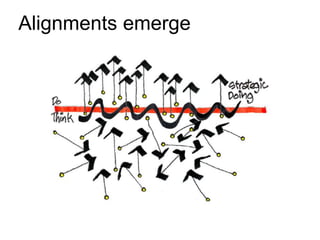
Alignments emerge
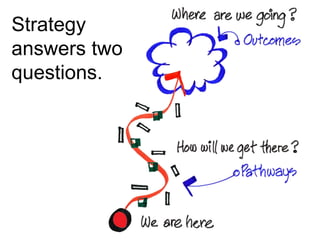
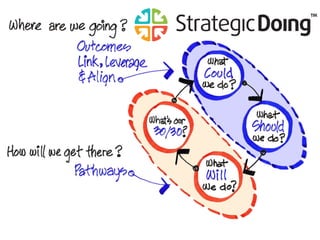
Strategy 
answers two 
questions.
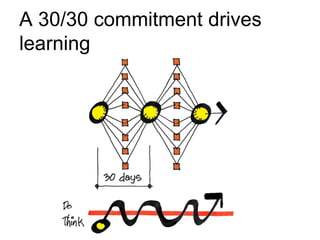
A 30/30 commitment drives 
learning
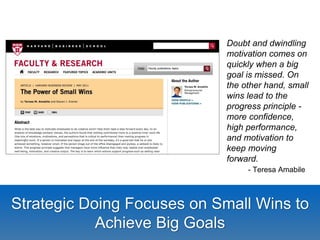
Strategic Doing Focuses on Small Wins to 
Achieve Big Goals 
Doubt and dwindling 
motivation comes on 
quickly when a big 
goal is missed. On 
the other hand, small 
wins lead to the 
progress principle - 
more confidence, 
high performance, 
and motivation to 
keep moving 
forward. 
- Teresa Amabile
• Think about strategy development strategy 
differently 
• Accelerate the collaborations 
• Create and guide agile, asset-based 
strategic action plans to meet a progressive 
series of clearly defined objectives 
Addressing 
Economic 
Development 
Strategy
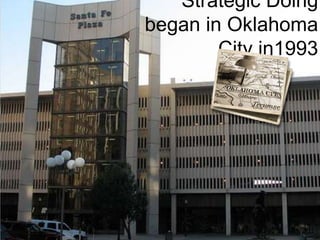
Strategic Doing 
began in Oklahoma 
City in1993
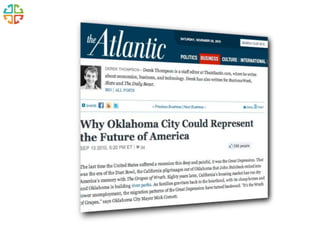
Oklahoma City Today 
Photo by: Luke Barrett
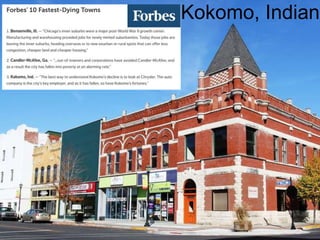
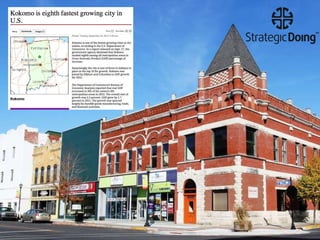
Kokomo, Indiana
Kokomo, Indiana
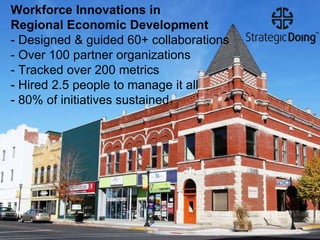
Workforce Innovations in 
Regional Economic Development 
- Designed & guided 60+ collaborations 
- Over 100 partner organizations 
- Tracked over 200 metrics 
- Hired 2.5 people to manage it all 
- 80% of initiatives sustained
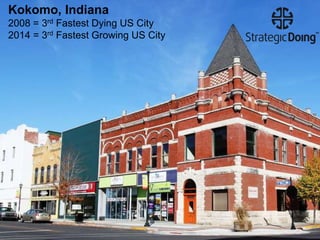
Kokomo, Indiana 
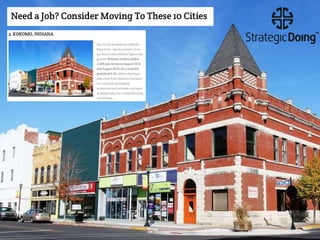
2008 = 3rd Fastest Dying US City 
2014 = 3rd Fastest Growing US City
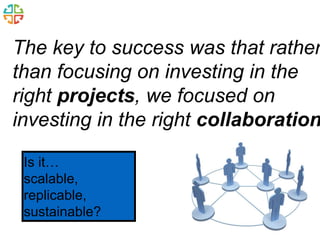
The key to success was that rather 
than focusing on investing in the 
right projects, we focused on 
investing in the right collaborations 
Is it… 
scalable, 
replicable, 
sustainable?
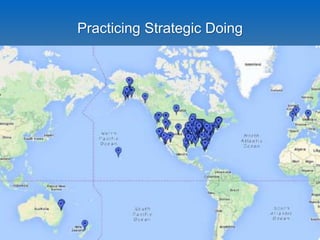
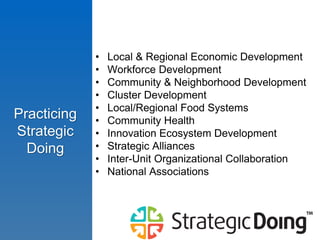
Practicing Strategic Doing 
70
• Local & Regional Economic Development 
• Workforce Development 
• Community & Neighborhood Development 
• Cluster Development 
• Local/Regional Food Systems 
• Community Health 
• Innovation Ecosystem Development 
• Strategic Alliances 
• Inter-Unit Organizational Collaboration 
• National Associations 
Practicing 
Strategic 
Doing
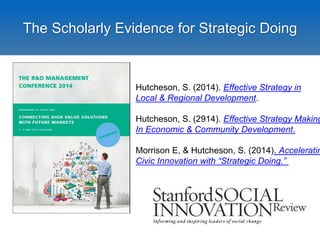
The Scholarly Evidence for Strategic Doing 
Hutcheson, S. (2014). Effective Strategy in 
Local & Regional Development. 
Hutcheson, S. (2914). Effective Strategy Making 
In Economic & Community Development. 
Morrison E, & Hutcheson, S. (2014). Accelerating 
Civic Innovation with “Strategic Doing.”
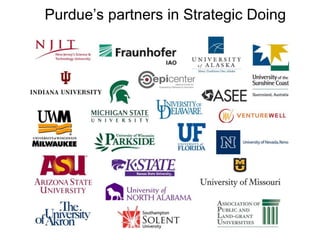
Purdue’s partners in Strategic Doing
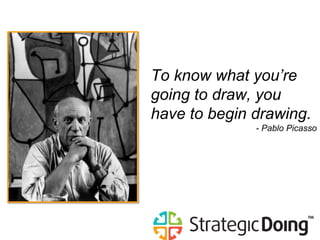
To know what you’re 
going to draw, you 
have to begin drawing. 
- Pablo Picasso
To learn more and to connect 
Scott Hutcheson, Ph.D. 
Find these slides 
Purdue University 
hutcheson@purdue.edu 
www.pcrd.purdue.edu 
www.strategicdoing.net 
www.facebook.com/stratdoing 
www.slideshare.net/jshutch

Strategic Doing: A Framework for Economic Development Strategy

  • 1.
    Strategic Doing: AFramework for Economic Development Strategy Scott Hutcheson, Ph.D. ANZRSAI 38th Annual Conference December 2014 - Christchurch, New Zealand
  • 5.
    • Social Organizations– economics, education, politics • Individual Human – language capacity, knowledge accumulation, design and use of tools • Animal – mobility, information processing • Plants – viability • Open Systems – matter, energy • Cybernetics – computers • Clockworks – engines • Frameworks – buildings, cells Hierarchy of Complex Systems Complexi ty Boulding, K. (1956). General systems theory—the skeleton of science. Management Science 2(3): 197-208.
  • 6.
    • Social Organizations– economics, education, politics • Individual Human – language capacity, knowledge accumulation, design and use of tools • Animal – mobility, information processing • Plants – viability • Open Systems – matter, energy • Cybernetics – computers • Clockworks – engines • Frameworks – buildings, cells Hierarchy of Complex Systems Complexi ty Boulding, K. (1956). General systems theory—the skeleton of science. Management Science 2(3): 197-208.
  • 7.
    • Social Organizations– economics, education, politics • Individual Human – language capacity, knowledge accumulation, design and use of tools • Animal – mobility, information processing • Plants – viability • Open Systems – matter, energy • Cybernetics – computers • Clockworks – engines • Frameworks – buildings, cells Hierarchy of Complex Systems Complexi ty Boulding, K. (1956). General systems theory—the skeleton of science. Management Science 2(3): 197-208.
  • 10.
    Strategy 10 Theemployment of battles to win the war. - General Carl von Clausewitz
  • 11.
    I will builda motor car for the great multitude. It will be so low in price that no man will be unable to own one. - Henry Ford
  • 12.
    Source: Bently HistoricalLibrary, Josephine Fellows Gomon Papers, Box 10, draft manuscript, The Poor Mr. Ford. In 1928 Henry Ford’s River Rouge Plant in Dearborn, Michigan became the world's largest industrial complex, pursuing vertical integration to such an extent that it could produce its own steel. In this year he also established “Fordlandia” his rubber tree plantation in the Amazon Rainforest The Ford Motor Company
  • 13.
    Metro-Goldwyn-Mayer 71 castand crew members all working for MGM
  • 14.
  • 15.
  • 16.
    What do themilitary and vertical business models have in common? 16
  • 17.
    What do themilitary and vertical business models have in common? 17
  • 18.
  • 19.
  • 20.
  • 21.
    Metro-Goldwyn-Mayer Cast andcrew of 2,000+, hardly any working for MGM
  • 22.
  • 23.
    Strategic planning often spoils strategic thinking. - Henry Mintzberg
  • 24.
  • 26.
    Strategic Doing enablespeople to form action-oriented collaborations quickly, move them toward measurable outcomes, and make adjustments along the way.
  • 27.
    Thinking, Behaving, &Doing in New Ways
  • 28.
  • 29.
    Strategic Doing Leveragesthe Value of a Network 10 nodes, 9 connections 10 nodes, 45 connections
  • 30.
  • 31.
    Networks move usto new opportunities
  • 32.
    Networks move usto new opportunities
  • 33.
    The “most-connected” metroregions had more than double the job growth of the “least-connected” metro areas. http://www.slideshare.net/linkedin/mandel-linked-in-connections-reportnov-2014
  • 35.
    Kretzmann, J. &McKnight, J. (1999). Building Communities from the Inside Out: A Path Toward Finding and Mobilizing A Community’s Assets. We Create Networks by Connecting Assets
  • 36.
    We Create Networksby Connecting Assets
  • 37.
    We Create Networksby Connecting Assets
  • 38.
    We Create Networksby Connecting Assets
  • 40.
    Dr. Lowell Catlett Economist, Futurist, and Professor New Mexico State University Strategic Doing Recognizes That We Can’t Predict the Future
  • 41.
    One study lookedat 7,000 different economic predictions and found 47% of them was correct. Strategic Doing Recognizes That We Can’t Predict the Future
  • 42.
    Flip a coinand you beat the economists by 3%. Strategic Doing Recognizes That We Can’t Predict the Future
  • 43.
  • 44.
    Strategic Doing AcceleratesCollaboration Turf Trust TIME Sharing Resources Sharing Information Mutual Awareness Co-Execution Co-Creation Acknowledgment Exploration Cooperation Collaboration Innovation Adapted from Collaboration Continuum from ACT for Youth
  • 45.
  • 46.
  • 47.
    Innovating networks produce increasing returns Mathematics says the sum value of a network increases as the square of the number of members. In other words, as the number of nodes in a network increases arithmetically, the value of the network increases exponentially.* Adding a few more members can dramatically increase the value for all members. - Kelly, K. (1999). New Rules for the New Economy
  • 48.
    Prosperity is not“winner take all” Source: Clipart by C Charley-Franzwa - http://clipartof.com/50191
  • 49.
  • 50.
    Strategic Doing isa strategy protocol built for networks Strategic Planning Strategic Doing
  • 51.
  • 52.
  • 54.
    A 30/30 commitmentdrives learning
  • 55.
    Strategic Doing Focuseson Small Wins to Achieve Big Goals Doubt and dwindling motivation comes on quickly when a big goal is missed. On the other hand, small wins lead to the progress principle - more confidence, high performance, and motivation to keep moving forward. - Teresa Amabile
  • 57.
    • Think aboutstrategy development strategy differently • Accelerate the collaborations • Create and guide agile, asset-based strategic action plans to meet a progressive series of clearly defined objectives Addressing Economic Development Strategy
  • 58.
    Strategic Doing beganin Oklahoma City in1993
  • 59.
    Oklahoma City Today Photo by: Luke Barrett
  • 61.
  • 62.
  • 63.
    Workforce Innovations in Regional Economic Development - Designed & guided 60+ collaborations - Over 100 partner organizations - Tracked over 200 metrics - Hired 2.5 people to manage it all - 80% of initiatives sustained
  • 68.
    Kokomo, Indiana 2008= 3rd Fastest Dying US City 2014 = 3rd Fastest Growing US City
  • 69.
    The key tosuccess was that rather than focusing on investing in the right projects, we focused on investing in the right collaborations Is it… scalable, replicable, sustainable?
  • 70.
  • 71.
    • Local &Regional Economic Development • Workforce Development • Community & Neighborhood Development • Cluster Development • Local/Regional Food Systems • Community Health • Innovation Ecosystem Development • Strategic Alliances • Inter-Unit Organizational Collaboration • National Associations Practicing Strategic Doing
  • 72.
    The Scholarly Evidencefor Strategic Doing Hutcheson, S. (2014). Effective Strategy in Local & Regional Development. Hutcheson, S. (2914). Effective Strategy Making In Economic & Community Development. Morrison E, & Hutcheson, S. (2014). Accelerating Civic Innovation with “Strategic Doing.”
  • 73.
  • 77.
    To know whatyou’re going to draw, you have to begin drawing. - Pablo Picasso
  • 78.
    To learn moreand to connect Scott Hutcheson, Ph.D. Find these slides Purdue University hutcheson@purdue.edu www.pcrd.purdue.edu www.strategicdoing.net www.facebook.com/stratdoing www.slideshare.net/jshutch