Downloaded 20 times


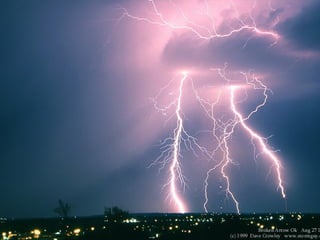


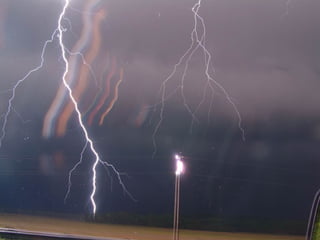


Static electricity is a stationary electric charge that builds up on the surface of materials. It can be created through triboelectric charging when materials are rubbed together, causing electrons to be transferred. This leads one material to gain electrons and become negatively charged while the other loses electrons and becomes positively charged. The interaction between these separated static electric charges is called electrostatics. Common examples of static electricity include attracting scraps of paper to a plastic ruler after rubbing or a balloon becoming negatively charged after rubbing it with wool.


