Tester: One Step Forward


                       Jacky Guo
About this presentation
 Overview

   Testing vs. Quality Engineering


   Start preventing bugs
Objectives
 After this presentation, you'll be able to:

   Identify a phased approach for preventing bugs


   Identify two actions for tomorrow to prevent
   bugs
Test vs. Quality Engineering (SQE)
     "Test: to try something out… in order to find out… how well it
                               works…"


    "Engineering: the application of science in the design planning,
      construction and maintenance of… manufactured things"
Test vs. Quality Engineering (SQE)
(continued)

Test                     Quality Engineering
 Late in the timeline    First in the timeline
 Reactive                Proactive and reactive
 Find defects            Understand defects
 Singular in affect      Multiplicative in affect
Phase 1: how do I start?
 Written requirements
    Clarify user& user scenario
    Have your design principle
• Simple
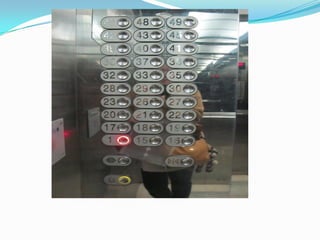
    One Step instead of two or three
    Avoid repeated things
    Batch command
 Bug the documents
    "Does everyone see the same picture?"
    "Will" versus "might, should, desirable"
 Testability/ Sustainability
 SMART
Case Studies
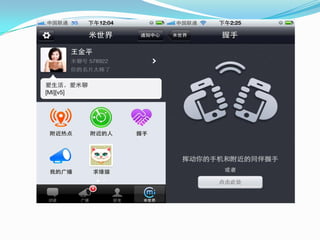
 Weibo
 360
 Douban
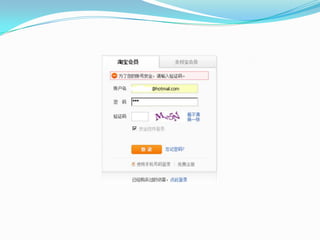
 Alipay
 Dianping
 Online Game
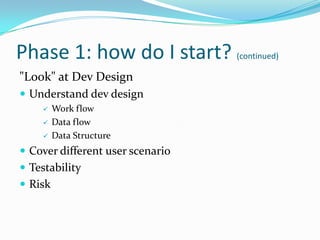
Phase 1: how do I start? (continued)
"Look" at Dev Design
 Understand dev design
        Work flow
        Data flow
        Data Structure
 Cover different user scenario
 Testability
 Risk
Phase 1: how do I start? (continued)
"Look" at code
 API & Parameters
 Code inspections or reviews
    Reviews are light-weight
    Target code subsets
    Inspect only the most critical/difficult sections
 Debugging skill
Phase 1: done
Congratulations
 You have just grabbed low-hanging fruit
 You have prevented countless bugs
 You have risen above at least 50% of the Industry


Now what?
Phase 2: change the process
Learn about your bugs
 Find the cause
   Unexpected customer requirement?
   Vague spec?
   Rushed design?
   Domain knowledge?
   Code error?
       Be gentle, accurate and honest
 Make a change
 Bug “Social Network” & Data mining
Call to action
 Start small, get a win
   What are people most upset about?
   What is the low-hanging fruit?
   What does the RCA data say?
 Be prepared to set the example
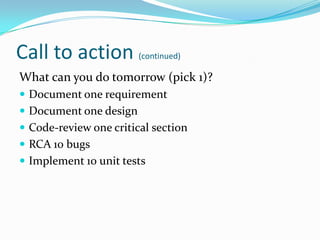
Call to action (continued)
What can you do tomorrow (pick 1)?
 Document one requirement
 Document one design
 Code-review one critical section
 RCA 10 bugs
 Implement 10 unit tests
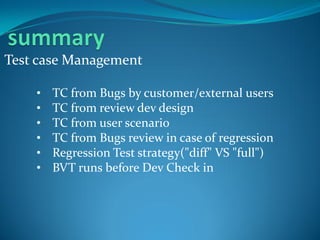
Test case Management

    •   TC from Bugs by customer/external users
    •   TC from review dev design
    •   TC from user scenario
    •   TC from Bugs review in case of regression
    •   Regression Test strategy("diff" VS "full")
    •   BVT runs before Dev Check in
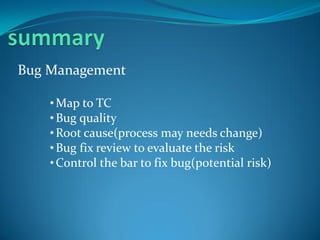
Bug Management

    • Map to TC
    • Bug quality
    • Root cause(process may needs change)
    • Bug fix review to evaluate the risk
    • Control the bar to fix bug(potential risk)
测试向前一步
测试向前一步

测试向前一步

  • 1.
    Tester: One StepForward Jacky Guo
  • 2.
    About this presentation Overview  Testing vs. Quality Engineering  Start preventing bugs
  • 3.
    Objectives  After thispresentation, you'll be able to:  Identify a phased approach for preventing bugs  Identify two actions for tomorrow to prevent bugs
  • 4.
    Test vs. QualityEngineering (SQE) "Test: to try something out… in order to find out… how well it works…" "Engineering: the application of science in the design planning, construction and maintenance of… manufactured things"
  • 5.
    Test vs. QualityEngineering (SQE) (continued) Test Quality Engineering  Late in the timeline  First in the timeline  Reactive  Proactive and reactive  Find defects  Understand defects  Singular in affect  Multiplicative in affect
  • 8.
    Phase 1: howdo I start?  Written requirements  Clarify user& user scenario  Have your design principle • Simple  One Step instead of two or three  Avoid repeated things  Batch command  Bug the documents  "Does everyone see the same picture?"  "Will" versus "might, should, desirable"  Testability/ Sustainability  SMART
  • 11.
    Case Studies  Weibo 360  Douban  Alipay  Dianping  Online Game
  • 16.
    Phase 1: howdo I start? (continued) "Look" at Dev Design  Understand dev design  Work flow  Data flow  Data Structure  Cover different user scenario  Testability  Risk
  • 17.
    Phase 1: howdo I start? (continued) "Look" at code  API & Parameters  Code inspections or reviews  Reviews are light-weight  Target code subsets  Inspect only the most critical/difficult sections  Debugging skill
  • 19.
    Phase 1: done Congratulations You have just grabbed low-hanging fruit  You have prevented countless bugs  You have risen above at least 50% of the Industry Now what?
  • 20.
    Phase 2: changethe process Learn about your bugs  Find the cause  Unexpected customer requirement?  Vague spec?  Rushed design?  Domain knowledge?  Code error?  Be gentle, accurate and honest  Make a change  Bug “Social Network” & Data mining
  • 21.
    Call to action Start small, get a win  What are people most upset about?  What is the low-hanging fruit?  What does the RCA data say?  Be prepared to set the example
  • 22.
    Call to action(continued) What can you do tomorrow (pick 1)?  Document one requirement  Document one design  Code-review one critical section  RCA 10 bugs  Implement 10 unit tests
  • 24.
    Test case Management • TC from Bugs by customer/external users • TC from review dev design • TC from user scenario • TC from Bugs review in case of regression • Regression Test strategy("diff" VS "full") • BVT runs before Dev Check in
  • 25.
    Bug Management • Map to TC • Bug quality • Root cause(process may needs change) • Bug fix review to evaluate the risk • Control the bar to fix bug(potential risk)