Does a solution exists
for each equation?
Explain!
without actually solving the equation
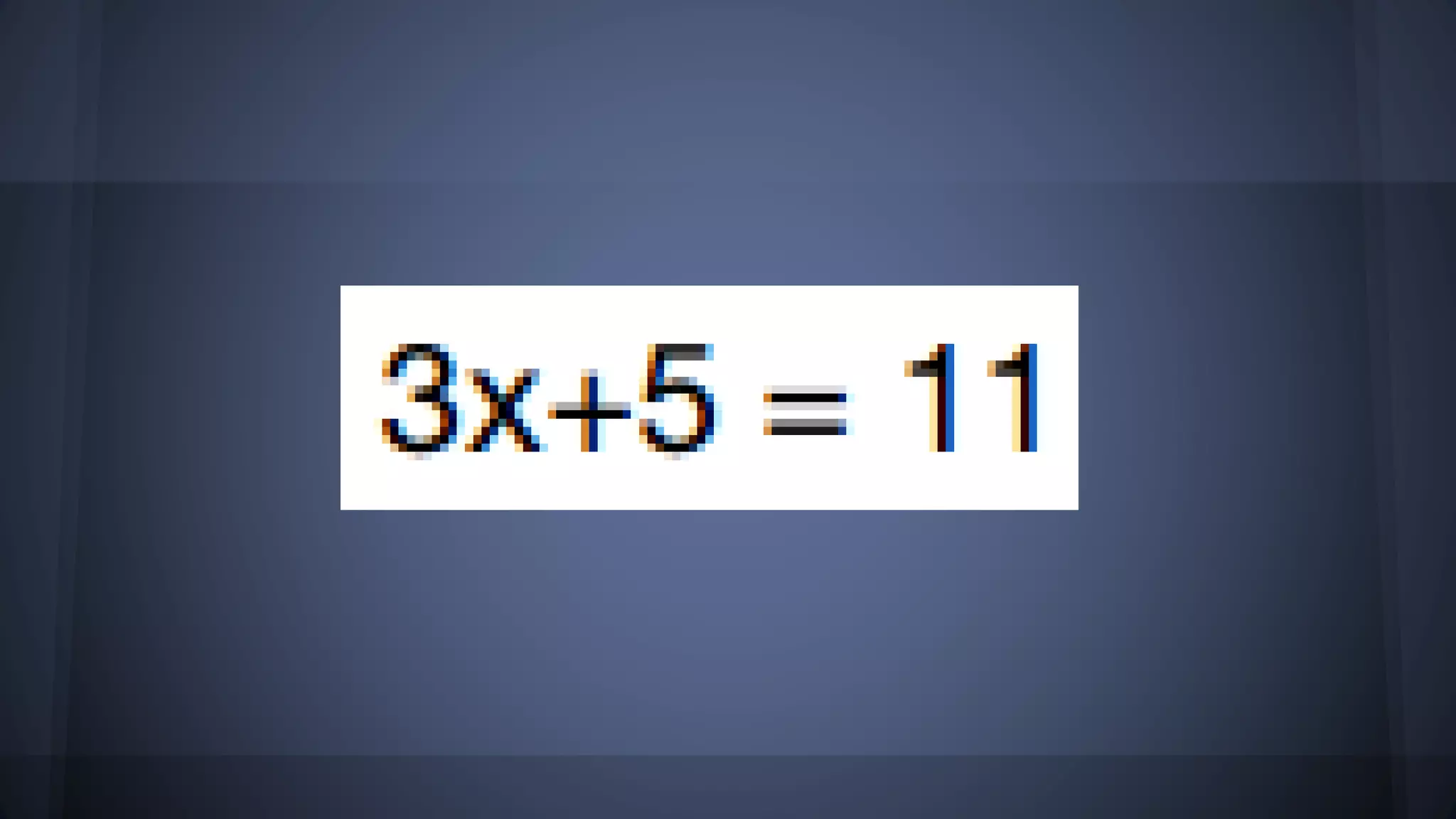
Yes
If you add six to five you get 11, and there
exists a value of x such that 3x = 6
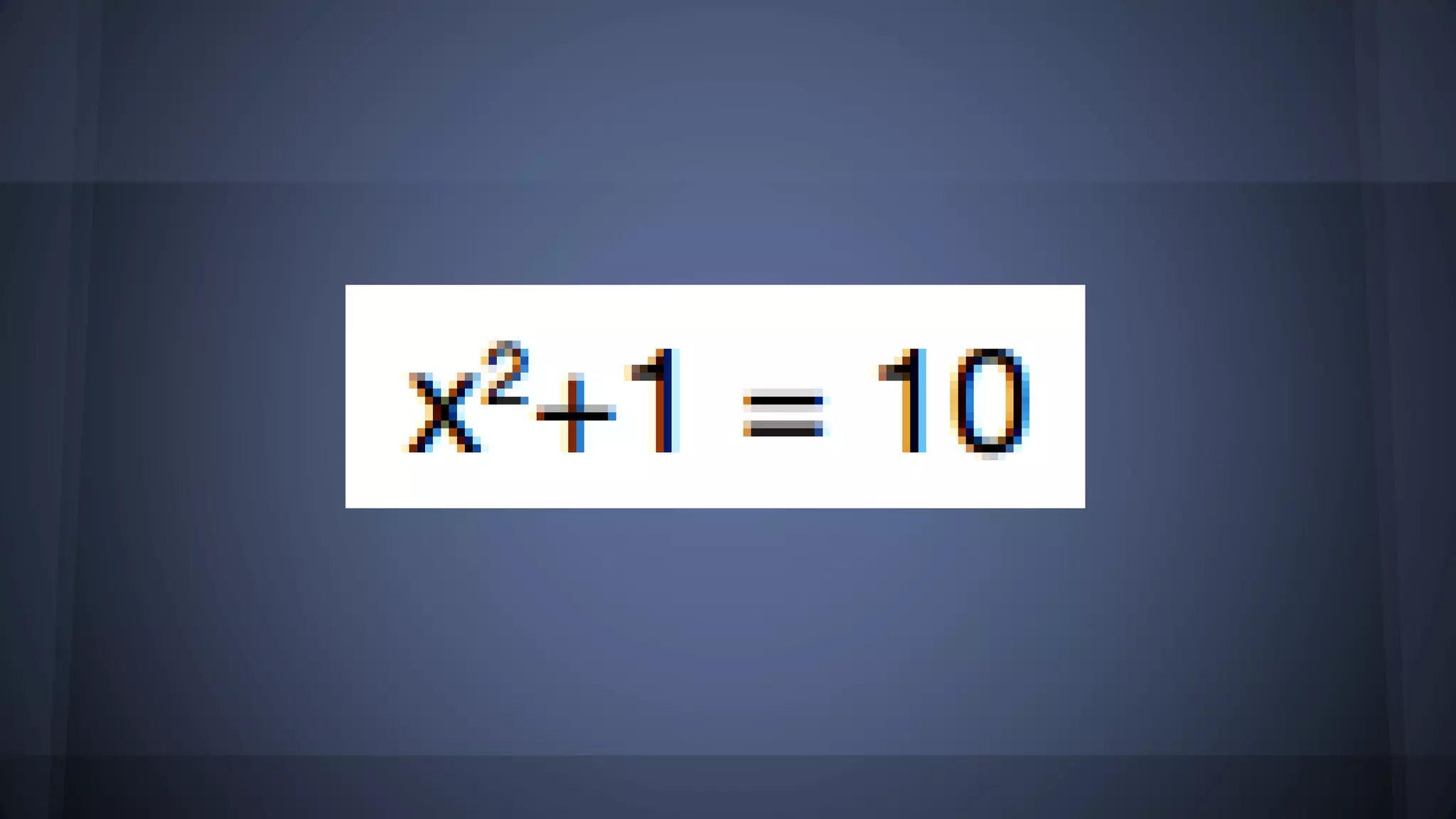
Yes
Adding nine to one gives you 10,
and there exists a value of x such that x2 = 9.
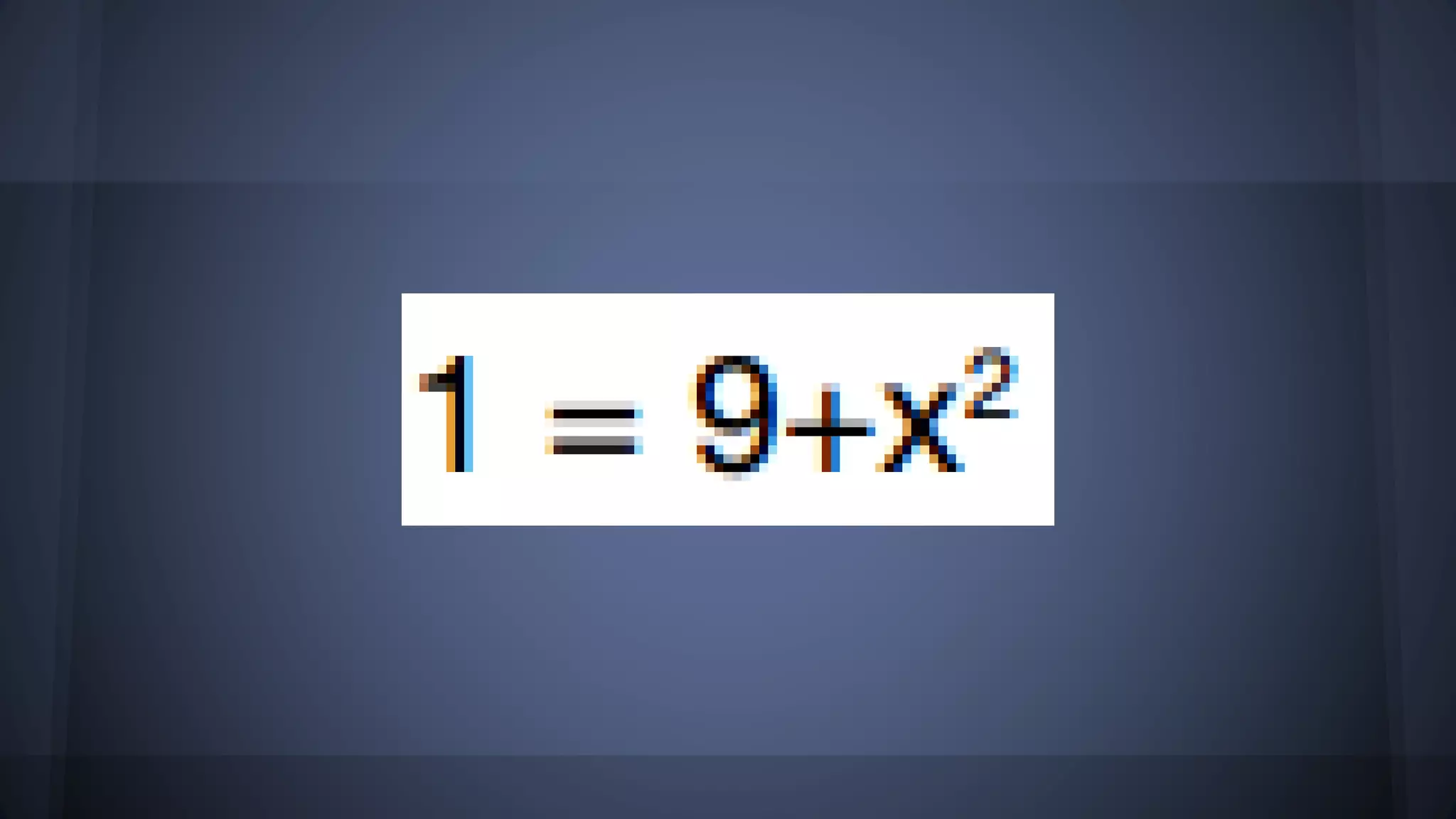
No
For any value of x,
x2 will be greater than or equal to zero.
If we add a non-negative number to nine,
it is impossible to end up with one.
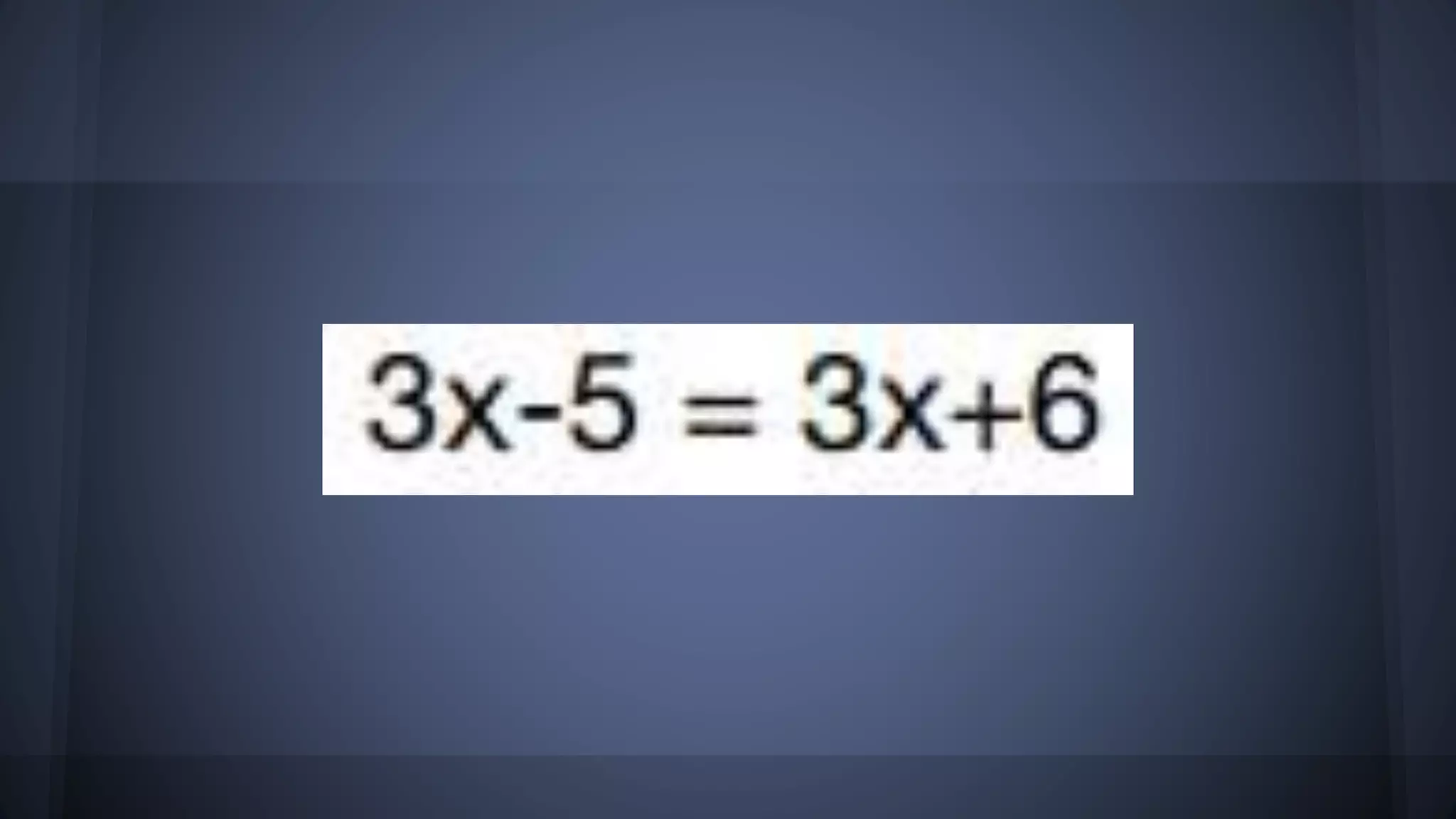
No
No matter what x is, 3x is the same on both sides.
Thus the number 3x minus 5 cannot be the same as
the number 3x plus 6.
No
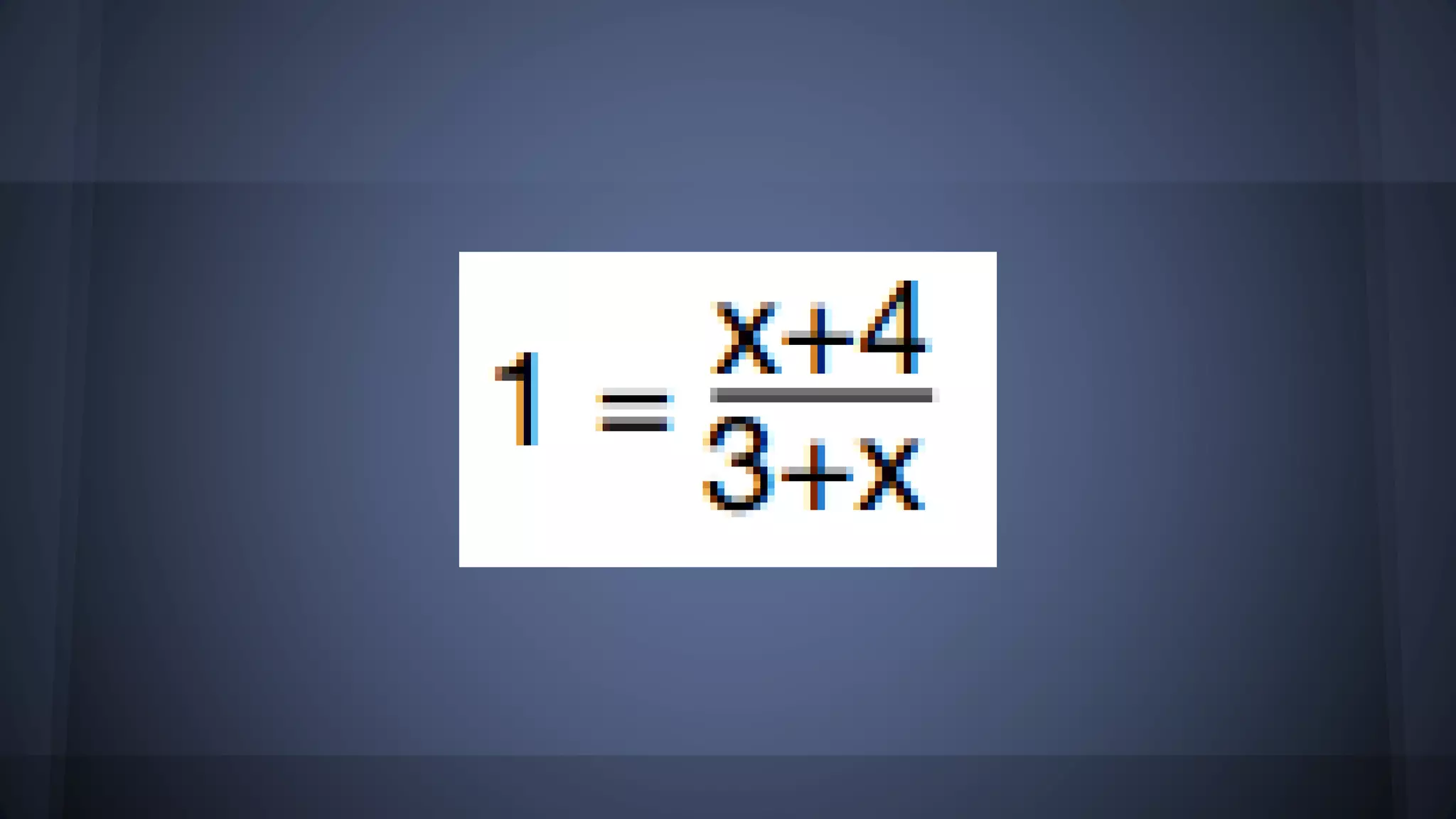
A fraction is equal to one
when the numerator and denominator
are equal to each other (and not zero);
x+4 and x+3 can never be equal
to each other no matter the value of x.
No
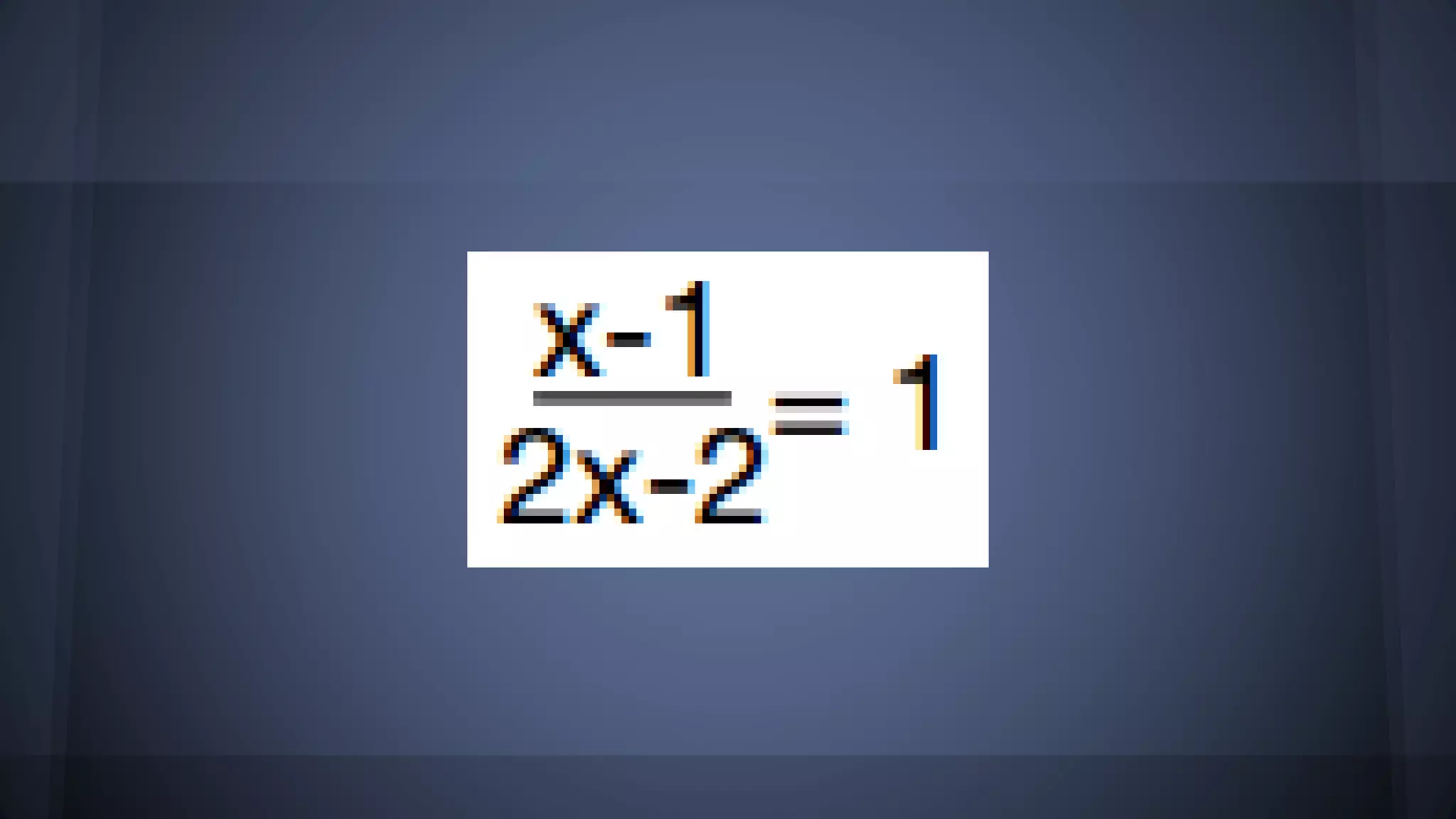
A fraction is equal to one when the numerator and
denominator are equal to each other (and not zero).
If the top equation = 2(x-1),
the numerator and denominator would be equal.
With the numerator only x - 1, the denominator is always
twice the value of the numerator no matter the value of x.

Sreb unit2 lesson2

  • 1.
    Does a solutionexists for each equation? Explain! without actually solving the equation
  • 3.
    Yes If you addsix to five you get 11, and there exists a value of x such that 3x = 6
  • 5.
    Yes Adding nine toone gives you 10, and there exists a value of x such that x2 = 9.
  • 7.
    No For any valueof x, x2 will be greater than or equal to zero. If we add a non-negative number to nine, it is impossible to end up with one.
  • 9.
    No No matter whatx is, 3x is the same on both sides. Thus the number 3x minus 5 cannot be the same as the number 3x plus 6.
  • 11.
    No A fraction isequal to one when the numerator and denominator are equal to each other (and not zero); x+4 and x+3 can never be equal to each other no matter the value of x.
  • 13.
    No A fraction isequal to one when the numerator and denominator are equal to each other (and not zero). If the top equation = 2(x-1), the numerator and denominator would be equal. With the numerator only x - 1, the denominator is always twice the value of the numerator no matter the value of x.