Downloaded 33 times
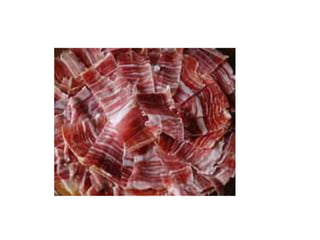
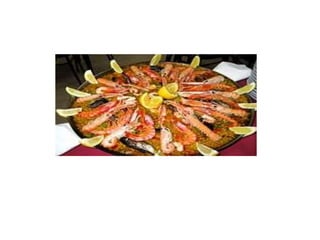

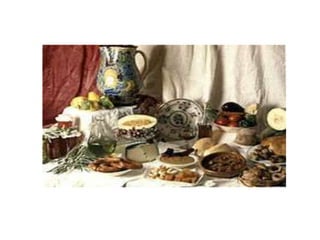

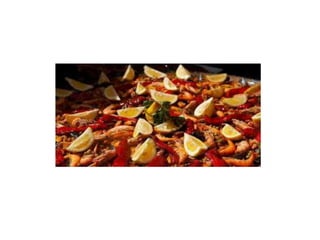
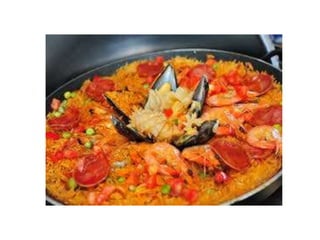


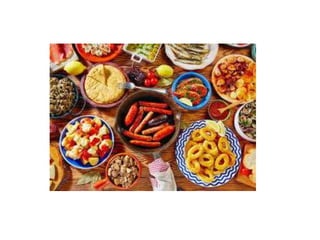
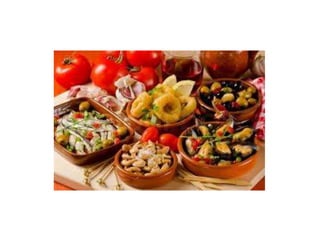

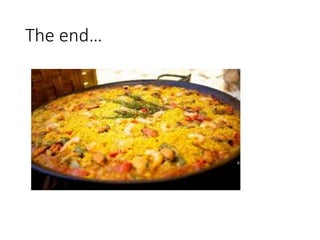

Spanish cuisine is influenced by regional cuisines and historical processes that shaped cultures in different territories. Geography and climate impacted available ingredients and cooking methods. The Romans introduced viticulture and mushroom gathering. The Muslims brought new ingredients like rice, spinach, and citrus fruits. The arrival of Europeans in America added tomatoes, potatoes, peppers, vanilla, and chocolate to Spanish cuisine. Meals consist of a light breakfast, large midday lunch followed by socializing, and lighter dinner. Tapas are commonly consumed as appetizers. Each region has distinctive specialties reflecting their histories and environments, such as paella in Valencia, gazpacho in Andalusia, and seafood dishes in Galicia.


