Download to read offline





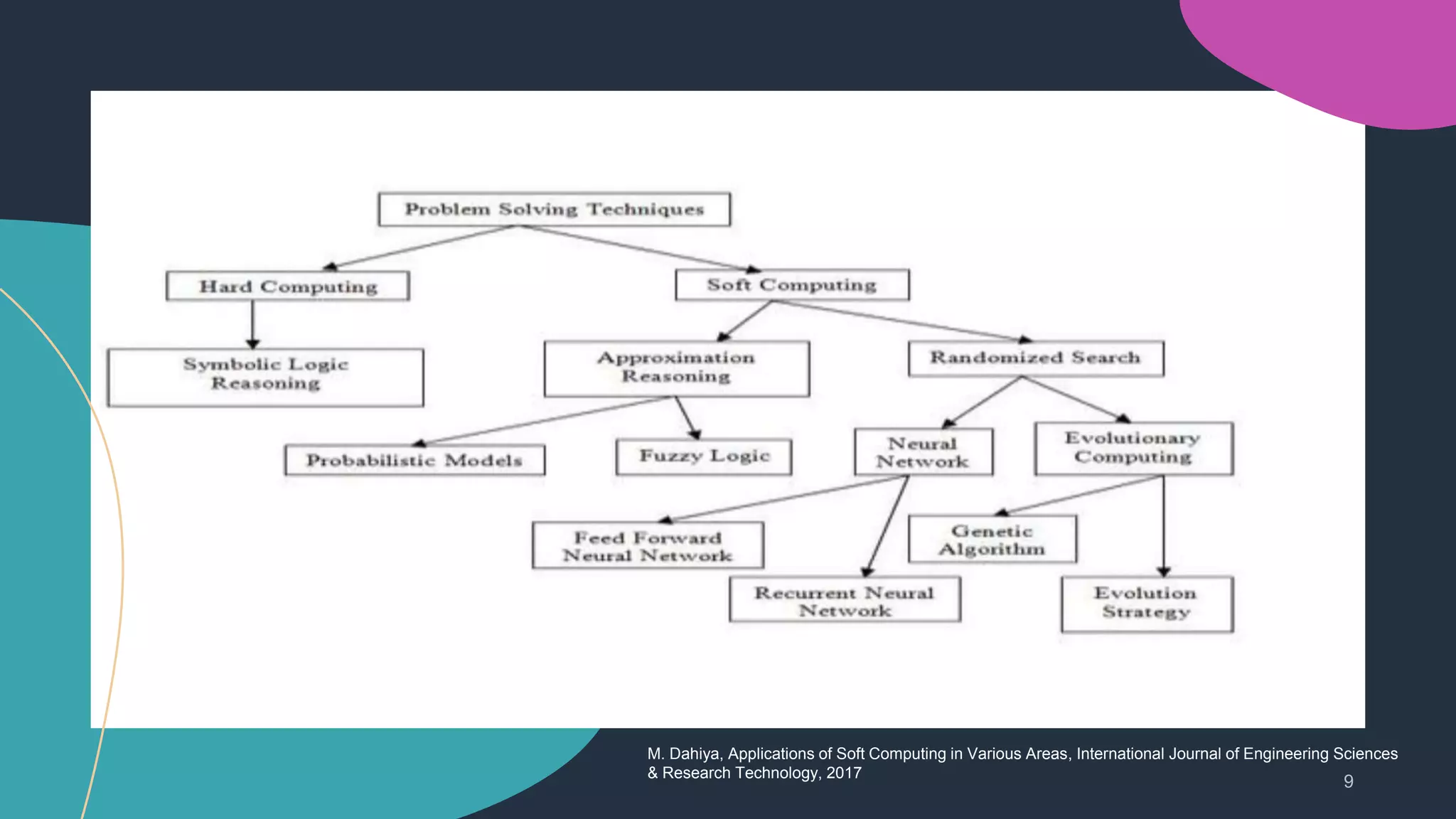

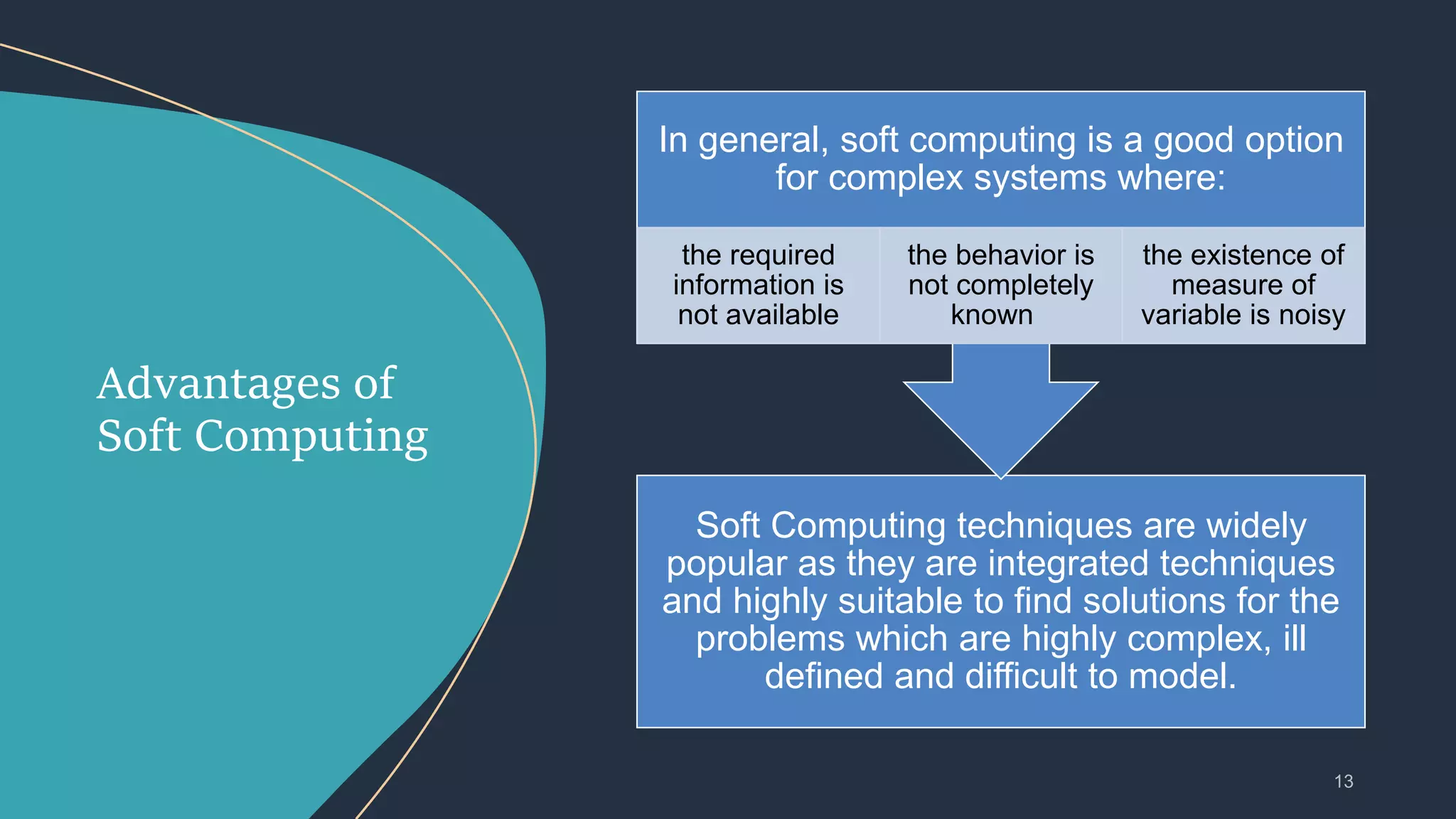

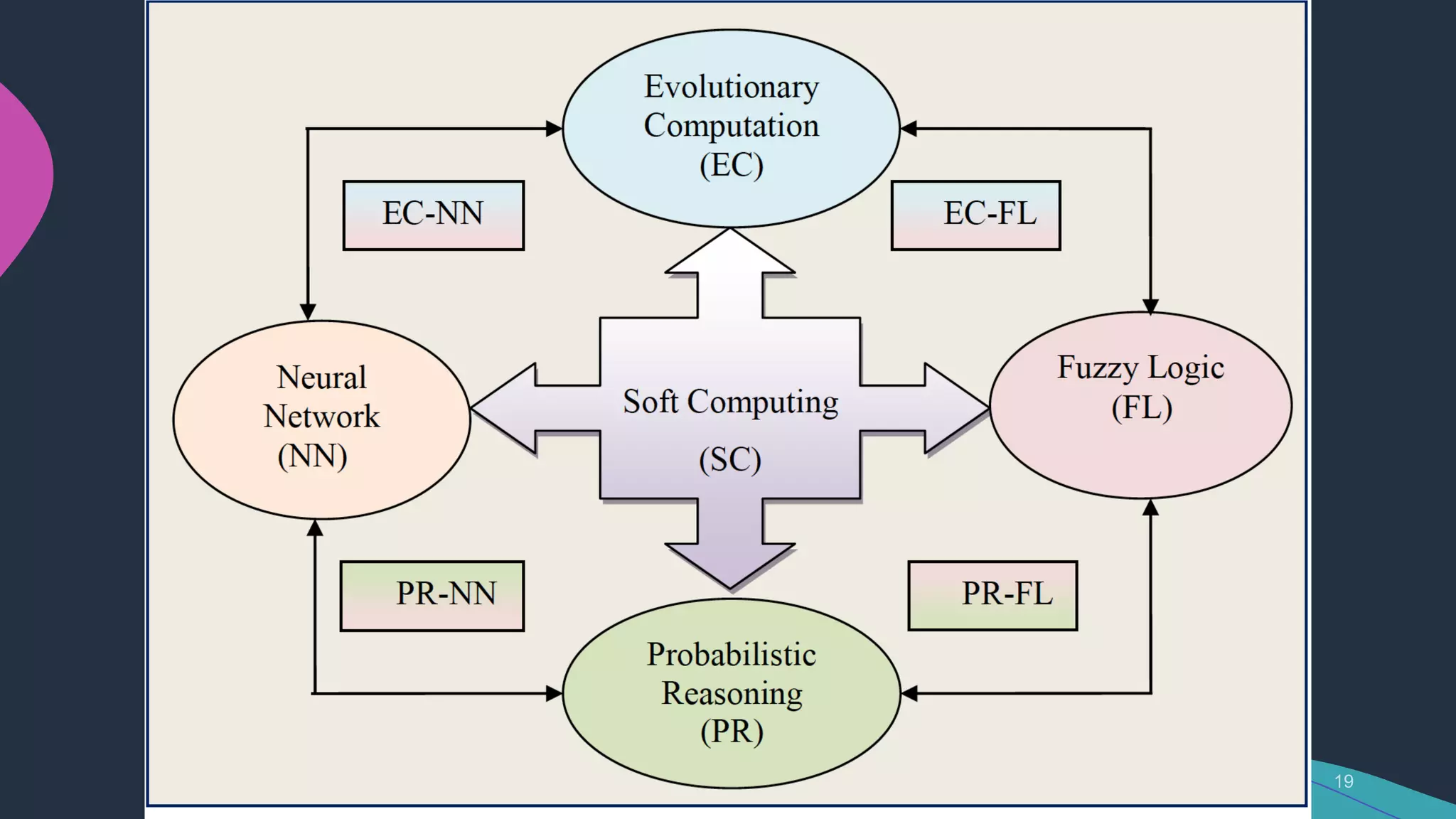
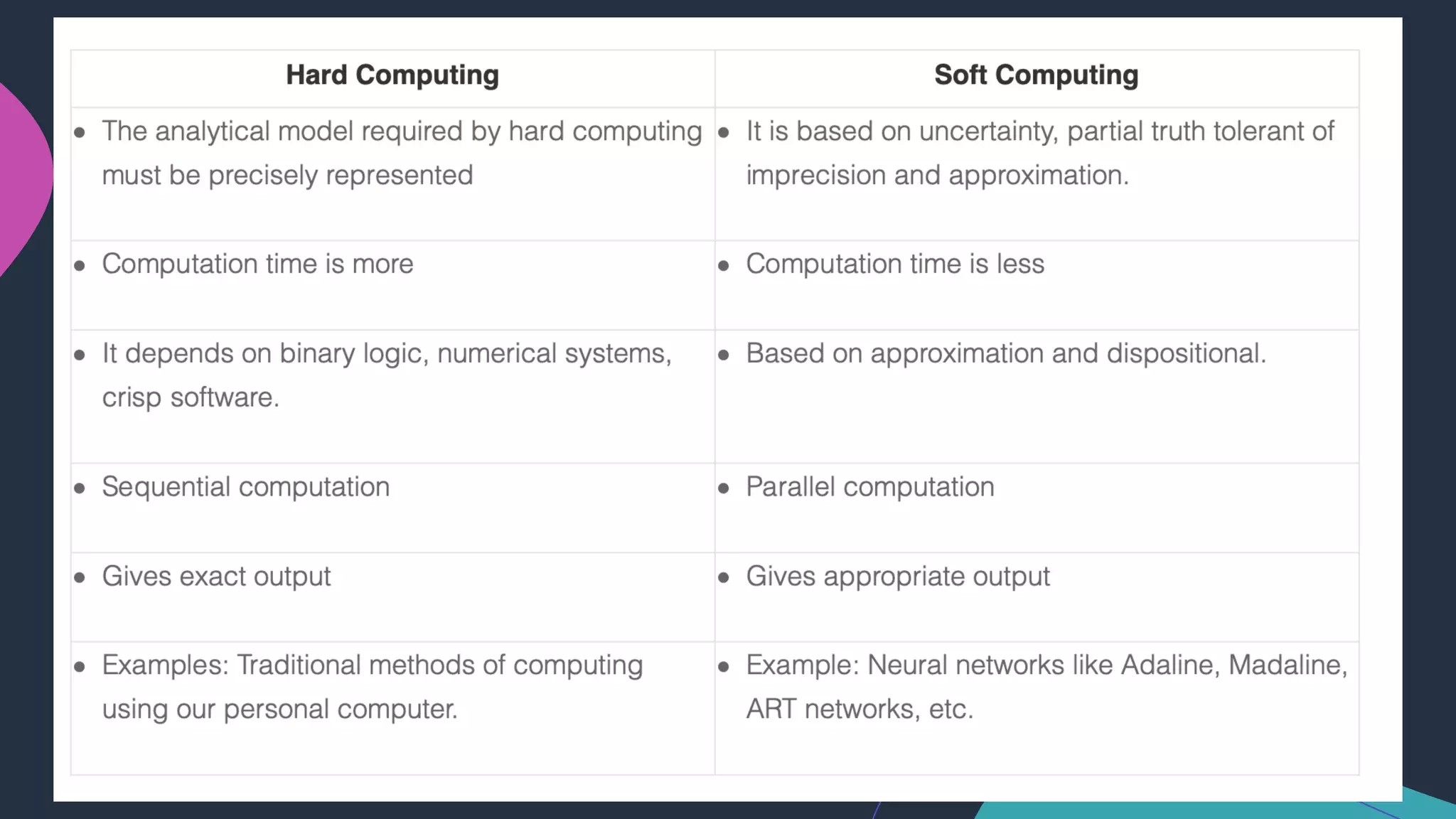

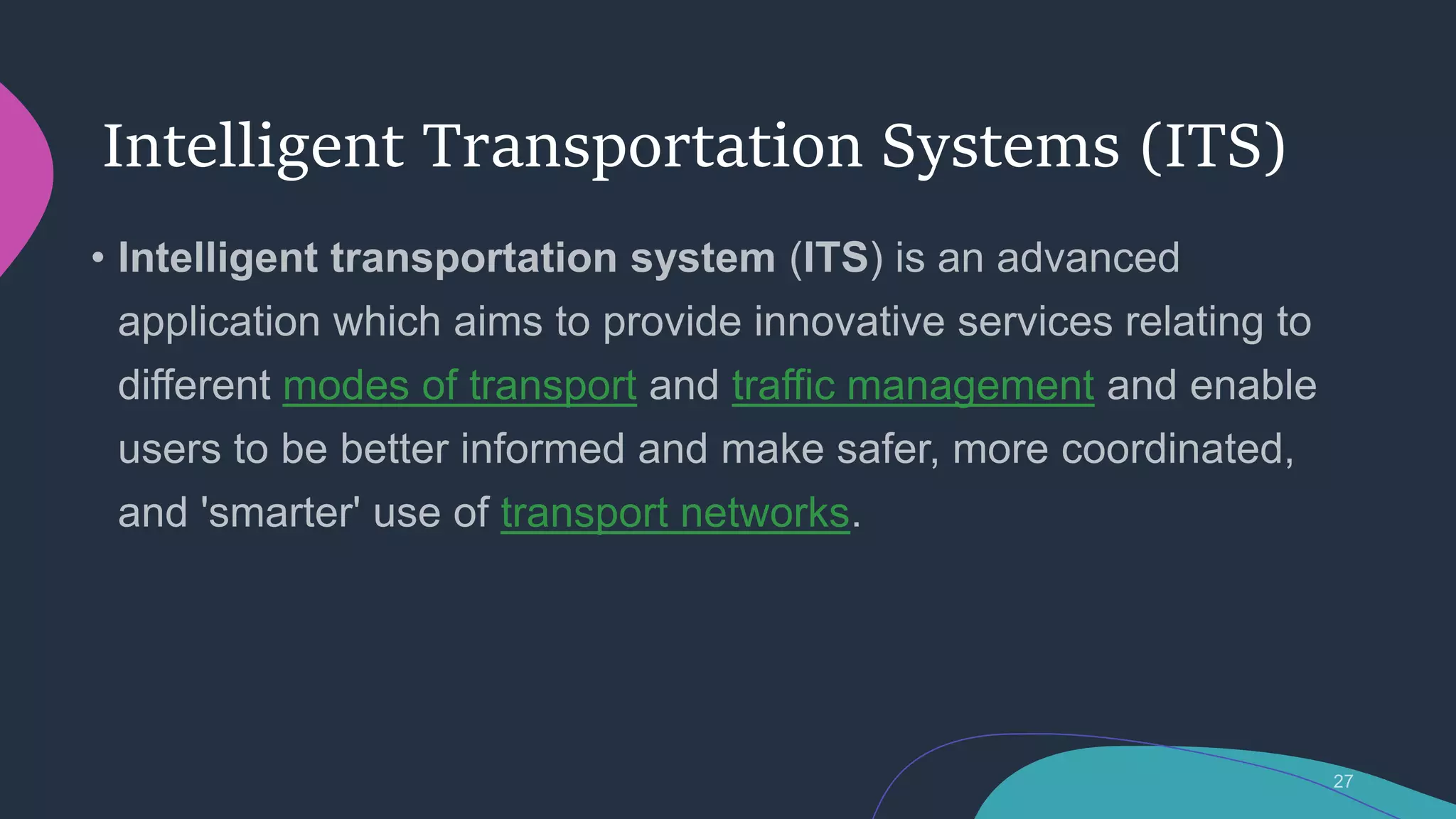
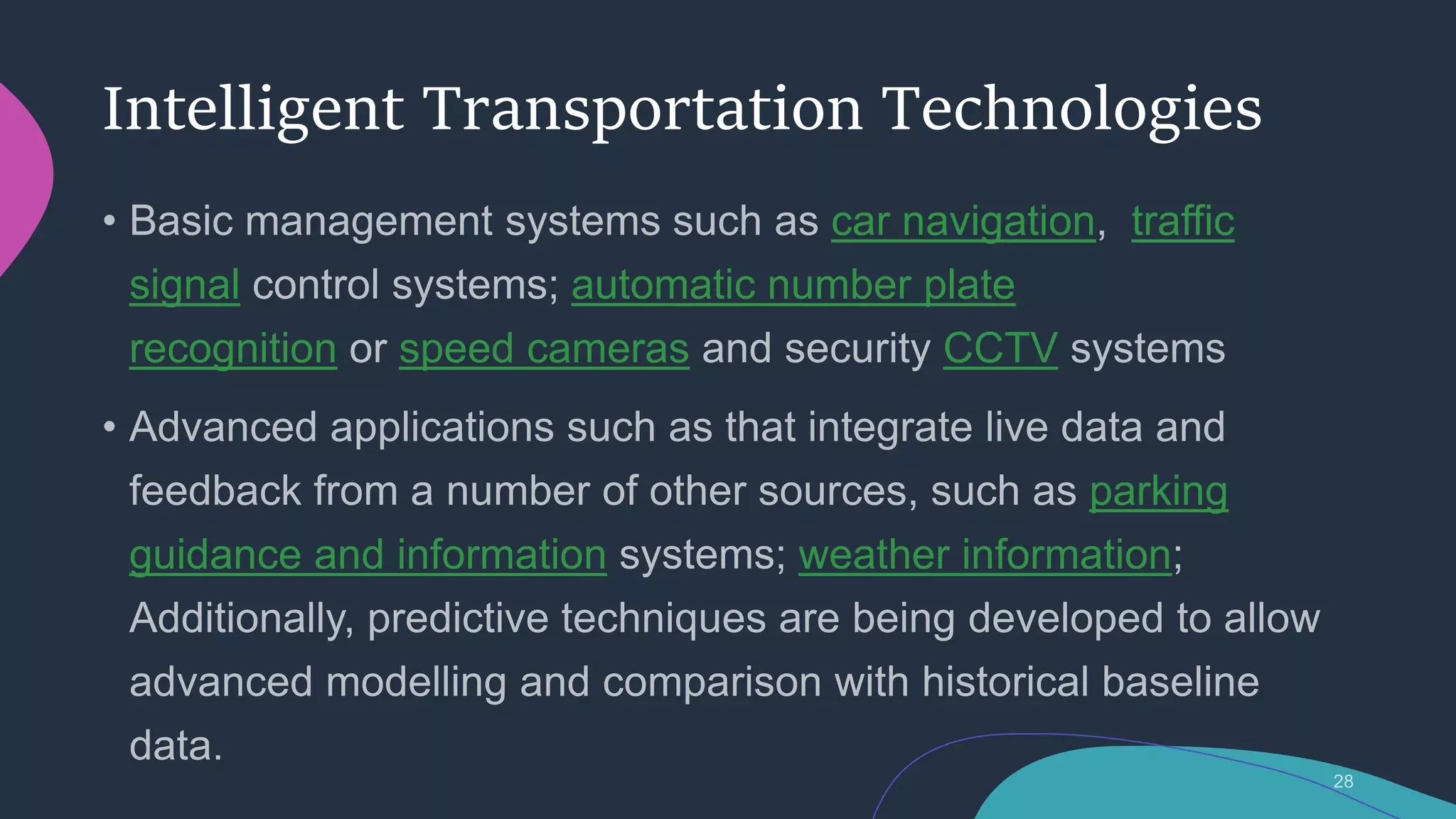



Soft computing techniques like fuzzy logic, neural networks, and probabilistic reasoning are well-suited for complex problems where information is incomplete or behavior is not fully known. Soft computing has opportunities in intelligent transportation systems through applications like autonomous vehicle control, traffic congestion prediction, vehicle routing, and vehicular ad-hoc networks. However, soft computing approaches for transportation also face challenges of noisy or incomplete data, and ensuring safety and reliability in autonomous systems.


