













Pooja Sen
Nursing Lecturer ( MHN)
1. A structure of society that intends to meet
the needs of society’s members.
2. Institution is a humanly devised structures
of rules and norms that shape the individual
behavior.
3. According to Horton & Hunt – An
institution is an organized system of
relationship which embodies certain common
rules & procedures and meets certain basic
needs of the society.
4. According to Bogardus– An institution is a
structure of society organized to meet the
needs of people chiefly through well
established procedures.
Elements & Characteristics of
institution
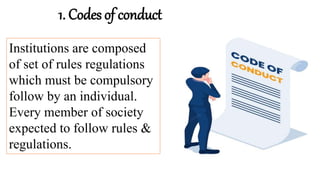
1. Codes of conduct
Institutions are composed
of set of rules regulations
which must be compulsory
follow by an individual.
Every member of society
expected to follow rules &
regulations.
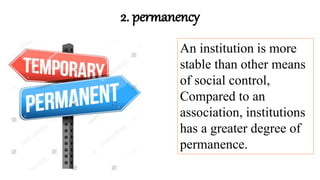
2. permanency
An institution is more
stable than other means
of social control,
Compared to an
association, institutions
has a greater degree of
permanence.
3. Well defined objectives
All institutions
have well defined
objectives or aims
to control the
society.
4. Having symbols
Symbols are the
main features of
any institutions,
every institutions
has a symbol.
5. Universal phenomenon
Institutions are
universal, they exit
in all Societies at all
the stages of social
development.
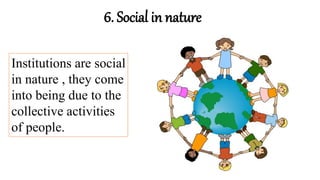
6. Social in nature
Institutions are social
in nature , they come
into being due to the
collective activities
of people.
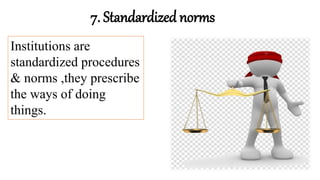
7. Standardized norms
Institutions are
standardized procedures
& norms ,they prescribe
the ways of doing
things.
8. Particular Role & status
Every Institutions
gives a particular
role & status to the
individual involved
in it.
The family is one of the most important social
institutions. It is considered a “building block” of
society because it is the primary unit through
which socialization occurs.
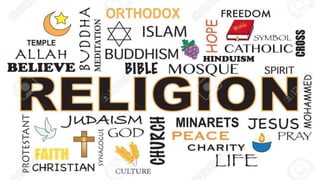
Religion is another social institution that plays a
significant role in society. It is an organized
system of beliefs and practices designed to fill
the human need for meaning and purpose
Examples of religious institutions include;
churches, mosques, temples.
The government is another social institution
that plays a vital role in society. It is responsible
for maintaining order, protecting citizens from
harm, and providing for the common good.
Democracy , Autocracy
The economy is a social institution that is
responsible for the production and distribution
of services. It is also responsible for the exchange
of money and other resources.
Examples of economic institutions include; Banking
credit unions, insurance companies, the stock market,
Education is the social institution through which
society provides its members with important
knowledge, including basic facts, jobs, skills
& cultural norms & values .”
Examples of educational institutions are;
elementary schools, middle schools, high
schools, school districts, community colleges,
graduate schools, junior colleges, technical
colleges
The judicial system or legal institutions is
yet another institution, typically
controlled by the government. However,
some there are societies separate these
institutions.
Examples include Supreme courts, district
courts , state courts, etc.
The media influences the communication and
opinion of the people.
Examples of media institutions include
broadcasting corporations, the filming
industry, the music industry, newspapers, etc
These institutions ensure the social welfare
of people across the world, such as non-profit
and charitable organizations.
Examples include: the Cancer Research
Society,
Social Welfare Institutions

Social Institutions AND ITS TYPES .pptx

  • 1.
  • 2.
    1. A structureof society that intends to meet the needs of society’s members. 2. Institution is a humanly devised structures of rules and norms that shape the individual behavior.
  • 3.
    3. According toHorton & Hunt – An institution is an organized system of relationship which embodies certain common rules & procedures and meets certain basic needs of the society. 4. According to Bogardus– An institution is a structure of society organized to meet the needs of people chiefly through well established procedures.
  • 4.
  • 5.
    1. Codes ofconduct Institutions are composed of set of rules regulations which must be compulsory follow by an individual. Every member of society expected to follow rules & regulations.
  • 6.
    2. permanency An institutionis more stable than other means of social control, Compared to an association, institutions has a greater degree of permanence.
  • 7.
    3. Well definedobjectives All institutions have well defined objectives or aims to control the society.
  • 8.
    4. Having symbols Symbolsare the main features of any institutions, every institutions has a symbol.
  • 9.
    5. Universal phenomenon Institutionsare universal, they exit in all Societies at all the stages of social development.
  • 10.
    6. Social innature Institutions are social in nature , they come into being due to the collective activities of people.
  • 11.
    7. Standardized norms Institutionsare standardized procedures & norms ,they prescribe the ways of doing things.
  • 12.
    8. Particular Role& status Every Institutions gives a particular role & status to the individual involved in it.
  • 15.
    The family isone of the most important social institutions. It is considered a “building block” of society because it is the primary unit through which socialization occurs.
  • 17.
    Religion is anothersocial institution that plays a significant role in society. It is an organized system of beliefs and practices designed to fill the human need for meaning and purpose Examples of religious institutions include; churches, mosques, temples.
  • 19.
    The government isanother social institution that plays a vital role in society. It is responsible for maintaining order, protecting citizens from harm, and providing for the common good. Democracy , Autocracy
  • 21.
    The economy isa social institution that is responsible for the production and distribution of services. It is also responsible for the exchange of money and other resources. Examples of economic institutions include; Banking credit unions, insurance companies, the stock market,
  • 23.
    Education is thesocial institution through which society provides its members with important knowledge, including basic facts, jobs, skills & cultural norms & values .” Examples of educational institutions are; elementary schools, middle schools, high schools, school districts, community colleges, graduate schools, junior colleges, technical colleges
  • 25.
    The judicial systemor legal institutions is yet another institution, typically controlled by the government. However, some there are societies separate these institutions. Examples include Supreme courts, district courts , state courts, etc.
  • 27.
    The media influencesthe communication and opinion of the people. Examples of media institutions include broadcasting corporations, the filming industry, the music industry, newspapers, etc
  • 29.
    These institutions ensurethe social welfare of people across the world, such as non-profit and charitable organizations. Examples include: the Cancer Research Society, Social Welfare Institutions