




SDME Exam Prep
Exam theme = Tourism
Focus = What are the impacts of tourism?
SDME Exam
• What is it?
• What are the examiners interested in?
• When is it?
• Marks available / % of grade:
Sustainable Decision Making ExerciseSustainable Decision Making Exercise
Your ability to make informed decisions & justify these,
consider pros & cons, use information
2020thth
January 2011January 2011
40 marks.
25% of grade25% of grade
Mock SDME exam
17th
November
Sports Hall
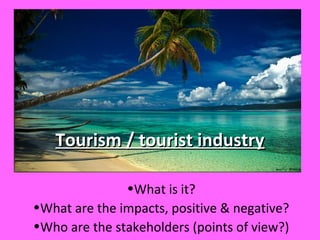
Tourism / tourist industryTourism / tourist industry
•What is it?
•What are the impacts, positive & negative?
•Who are the stakeholders (points of view?)
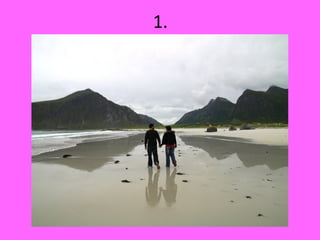
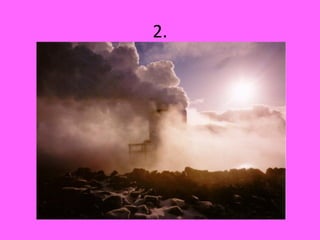
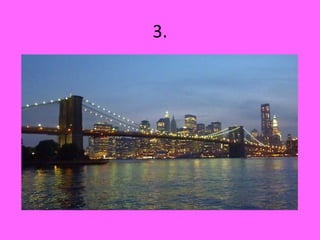
Physical vs Human Features
Quick quiz
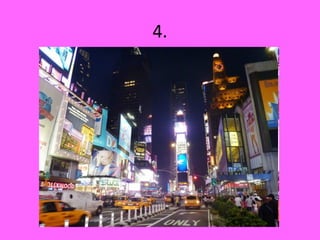
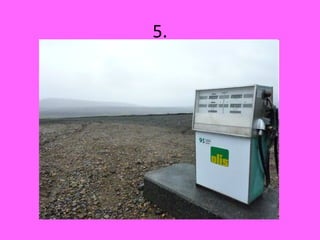
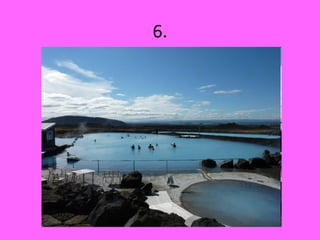
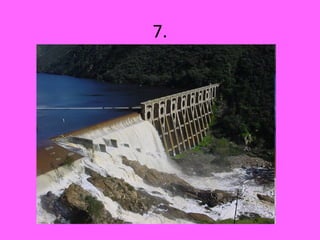
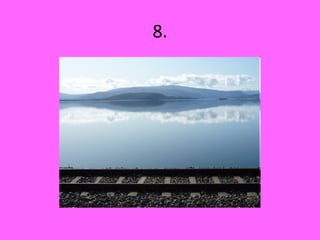
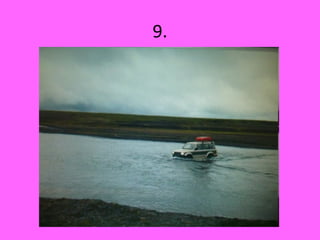
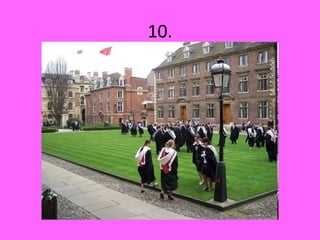
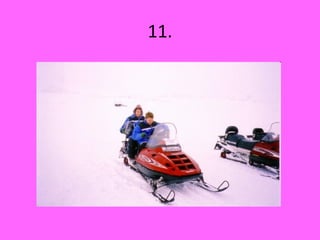
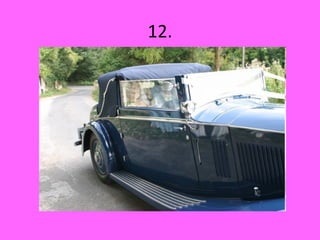
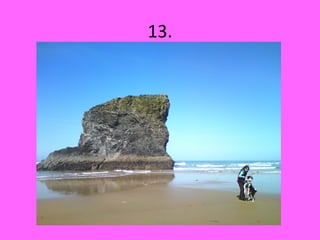
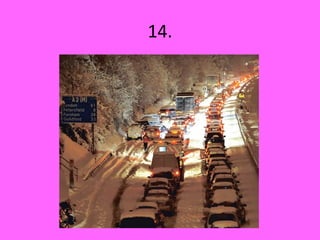
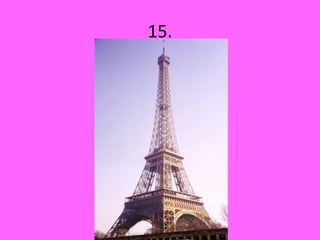
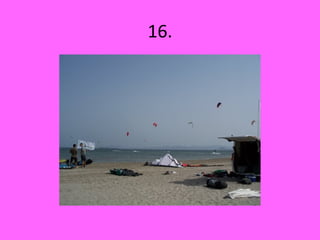
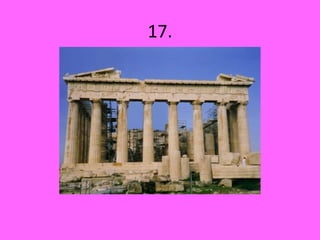
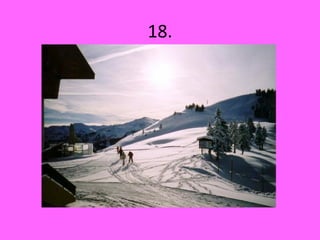
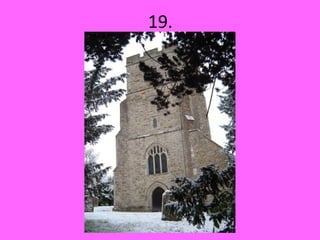
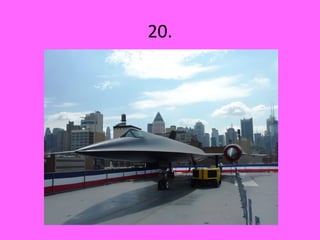
1-20. Write physical or human.
1.
2.
3.
4.
5.
6.
7.
8.
9.
10.
11.
12.
13.
14.
15.
16.
17.
18.
19.
20.
• Physical Features = created by nature, e.g.
beaches, mountains, lakes, etc. .
• Human Features = created by people, e.g.
shops, churches, roads, etc. .
What is tourism?
• Try to create definitions for these keywords (you may
discuss or use textbooks to help):
- Tourism/tourist industry
- Long haul
- Short haul
- International tourism
- Home tourism
- (Staycation = when people stay at home, maybe just
taking days out for their holiday)
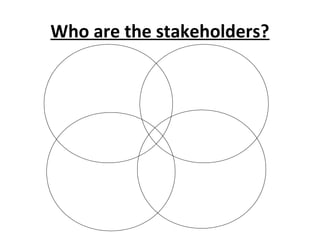
Who are the stakeholders?
What patterns of tourism might
exist?
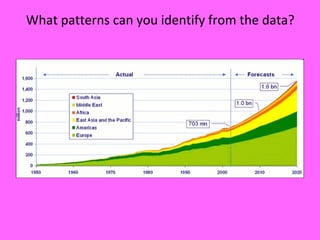
What patterns can you identify from the data?
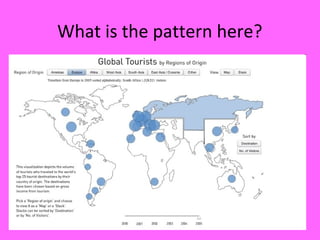
What is the pattern here?
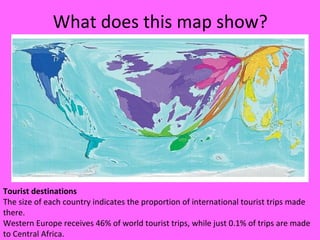
What does this map show?
Tourist destinations
The size of each country indicates the proportion of international tourist trips made
there.
Western Europe receives 46% of world tourist trips, while just 0.1% of trips are made
to Central Africa.
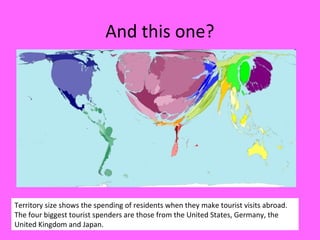
And this one?
Territory size shows the spending of residents when they make tourist visits abroad.
The four biggest tourist spenders are those from the United States, Germany, the
United Kingdom and Japan.
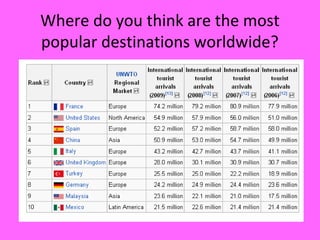
Where do you think are the most
popular destinations worldwide?
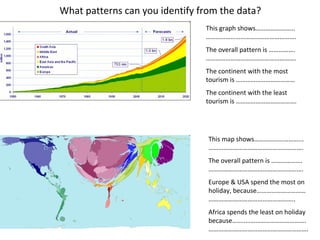
What patterns can you identify from the data?
This graph shows…………………...
……………………………………………….
The overall pattern is …………….
……………………………………………….
The continent with the most
tourism is ………………………………
The continent with the least
tourism is ……………………………….
This map shows………………………...
………………………………………………….
The overall pattern is ……………….
………………………………………………….
Europe & USA spend the most on
holiday, because…………………………
……………………………………………..
Africa spends the least on holiday
because……..……………………………….
…………………………………………………….
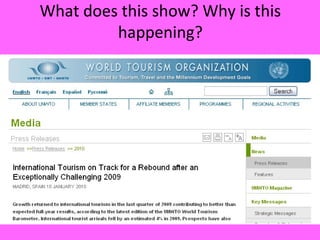
What does this show? Why is this
happening?
World Tourism
• Tourism is one of the world's fastest growing
industries.
• 1960 = approx 25.3 million international
tourist arrivals
• 2010 = 1 billion international tourists
• 2020 prediction = 1.6 billion people.
Tourism hasTourism has
increasedincreased
because…because…
What kinds of jobs are involved?
• Who is involved in the tourist industry?
• Or in ‘knock on’ jobs? (The multiplier effect)
• Primary industries =
• Secondary industries =
• Tertiary industries =
‘take it’ (e.g. miners)
‘make it’ (e.g. aircraft
engineers)
‘service it’ (e.g. air
hostesses)
Exam Qs
• “Mass tourism has more than doubled since
1960. Describe and explain why this has
happened.” (3marks)
• “Certain events have a negative effect on
tourism. Name and explain two events that
may cause tourism to decrease.” (4marks)
HomeworkHomework
• Research tourism in the UK.
• What are the most popular sites?
• How much tourism does the UK receive?
• What are the possible effects of this tourism?
• Due:

SDME exam prep

  • 1.
    SDME Exam Prep Examtheme = Tourism Focus = What are the impacts of tourism?
  • 2.
    SDME Exam • Whatis it? • What are the examiners interested in? • When is it? • Marks available / % of grade: Sustainable Decision Making ExerciseSustainable Decision Making Exercise Your ability to make informed decisions & justify these, consider pros & cons, use information 2020thth January 2011January 2011 40 marks. 25% of grade25% of grade
  • 3.
  • 4.
    Tourism / touristindustryTourism / tourist industry •What is it? •What are the impacts, positive & negative? •Who are the stakeholders (points of view?)
  • 5.
    Physical vs HumanFeatures Quick quiz 1-20. Write physical or human.
  • 6.
  • 7.
  • 8.
  • 9.
  • 10.
  • 11.
  • 12.
  • 13.
  • 14.
  • 15.
  • 16.
  • 17.
  • 18.
  • 19.
  • 20.
  • 21.
  • 22.
  • 23.
  • 24.
  • 25.
  • 26.
    • Physical Features= created by nature, e.g. beaches, mountains, lakes, etc. . • Human Features = created by people, e.g. shops, churches, roads, etc. .
  • 27.
    What is tourism? •Try to create definitions for these keywords (you may discuss or use textbooks to help): - Tourism/tourist industry - Long haul - Short haul - International tourism - Home tourism - (Staycation = when people stay at home, maybe just taking days out for their holiday)
  • 28.
    Who are thestakeholders?
  • 29.
    What patterns oftourism might exist?
  • 30.
    What patterns canyou identify from the data?
  • 31.
    What is thepattern here?
  • 32.
    What does thismap show? Tourist destinations The size of each country indicates the proportion of international tourist trips made there. Western Europe receives 46% of world tourist trips, while just 0.1% of trips are made to Central Africa.
  • 33.
    And this one? Territorysize shows the spending of residents when they make tourist visits abroad. The four biggest tourist spenders are those from the United States, Germany, the United Kingdom and Japan.
  • 34.
    Where do youthink are the most popular destinations worldwide?
  • 35.
    What patterns canyou identify from the data? This graph shows…………………... ………………………………………………. The overall pattern is ……………. ………………………………………………. The continent with the most tourism is ……………………………… The continent with the least tourism is ………………………………. This map shows………………………... …………………………………………………. The overall pattern is ………………. …………………………………………………. Europe & USA spend the most on holiday, because………………………… …………………………………………….. Africa spends the least on holiday because……..………………………………. …………………………………………………….
  • 36.
    What does thisshow? Why is this happening?
  • 37.
    World Tourism • Tourismis one of the world's fastest growing industries. • 1960 = approx 25.3 million international tourist arrivals • 2010 = 1 billion international tourists • 2020 prediction = 1.6 billion people.
  • 39.
  • 40.
    What kinds ofjobs are involved? • Who is involved in the tourist industry? • Or in ‘knock on’ jobs? (The multiplier effect) • Primary industries = • Secondary industries = • Tertiary industries = ‘take it’ (e.g. miners) ‘make it’ (e.g. aircraft engineers) ‘service it’ (e.g. air hostesses)
  • 41.
    Exam Qs • “Masstourism has more than doubled since 1960. Describe and explain why this has happened.” (3marks) • “Certain events have a negative effect on tourism. Name and explain two events that may cause tourism to decrease.” (4marks)
  • 42.
    HomeworkHomework • Research tourismin the UK. • What are the most popular sites? • How much tourism does the UK receive? • What are the possible effects of this tourism? • Due: