







Scleroderma
interstitial lung
diseases
- what they are
and what’s new
Dean Schraufnagel, MD
University of Illinois at Chicago
March 15, 2014
Nothing financial to disclose.
Lung disease -
leading cause of death
Steen and Medsger. Ann Rheum Dis 2007; 66:940–4
Not one, but many diseases
What is “scleroderma lung?”
Respiratory diseases of SSc
• Vascular
• Interstitial fibrosis
• Alveolar ductitis (organizing pneumonia)
• Quiescent scarring
• Aspiration-induced
• Drug-induced
Respiratory diseases of SSc
• Neoplastic
– 8.6/1000 person-years
– Risk ratio 16.5
– ↑ with fibrosis and smoking
• Extra pulmonary
– Pleural
– Chest wall restriction
– Deconditioning
– Drugs affecting breathing
– Depression
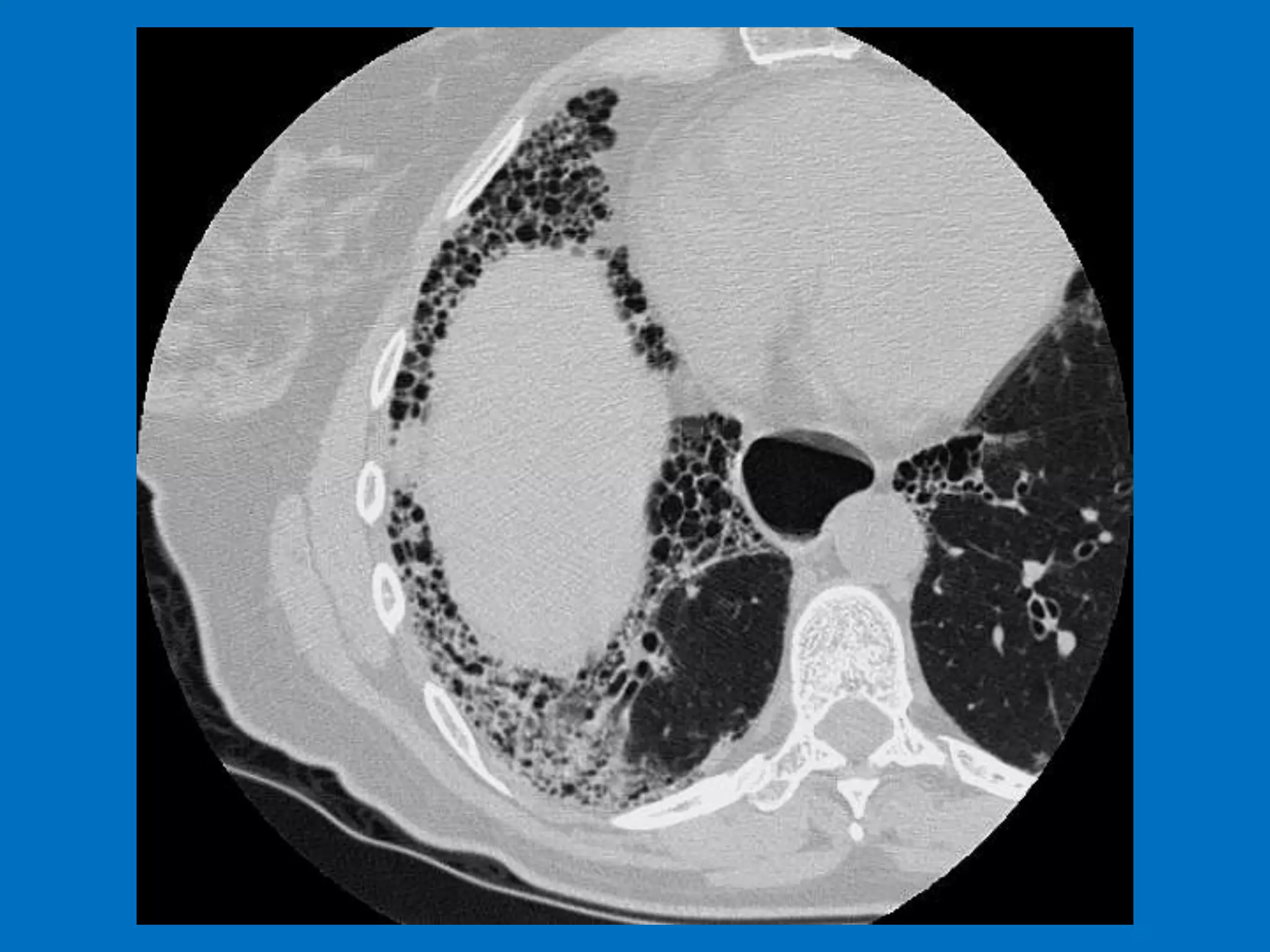
Interstitial fibrosis
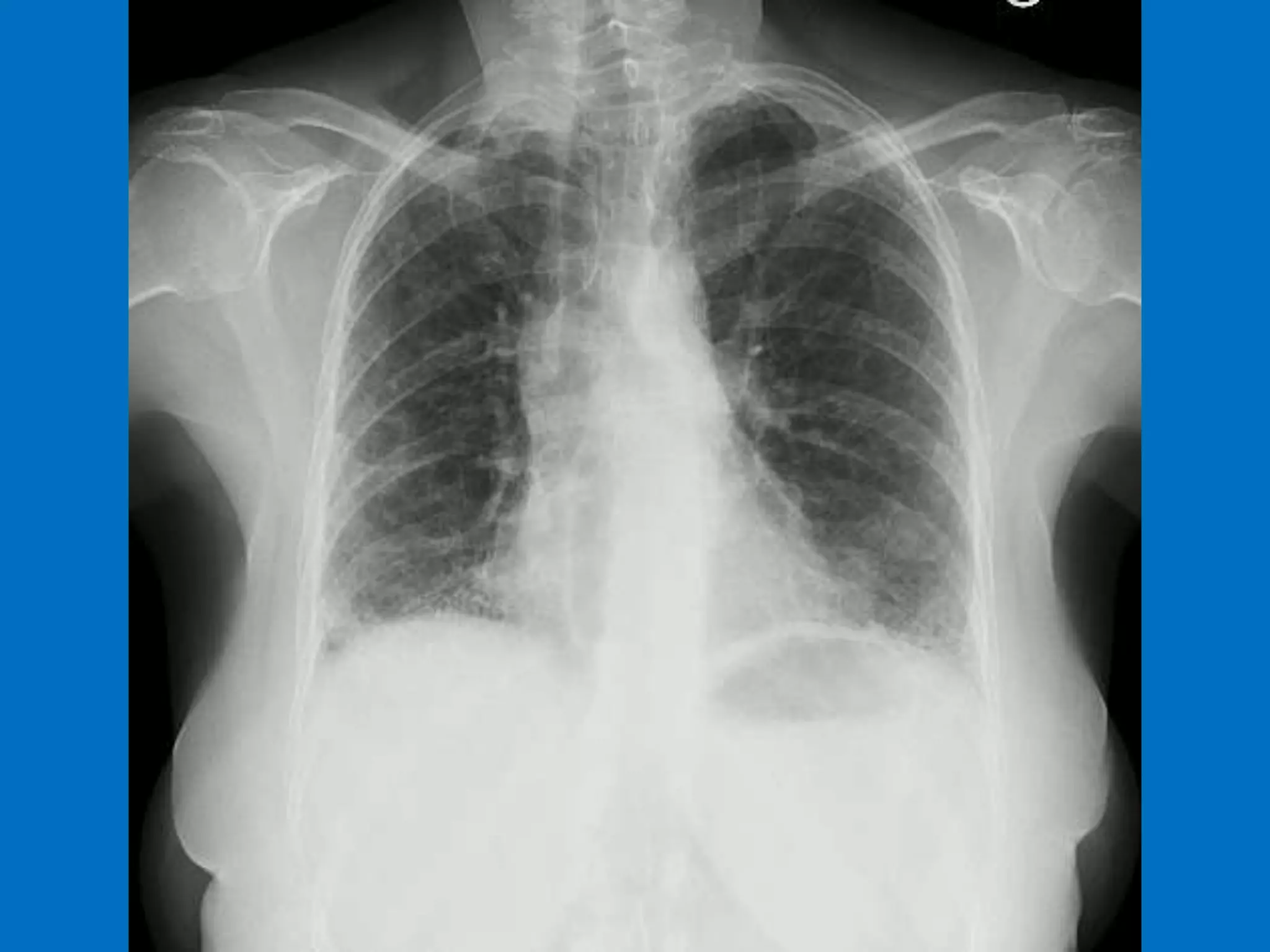
Fibrotic disease
• Present in 70-80% at autopsy
• Inflammatory changes occur early
• Progression variable
– Exaggerated TGFß to injury
• Prognosis: better than IPF
Other forms
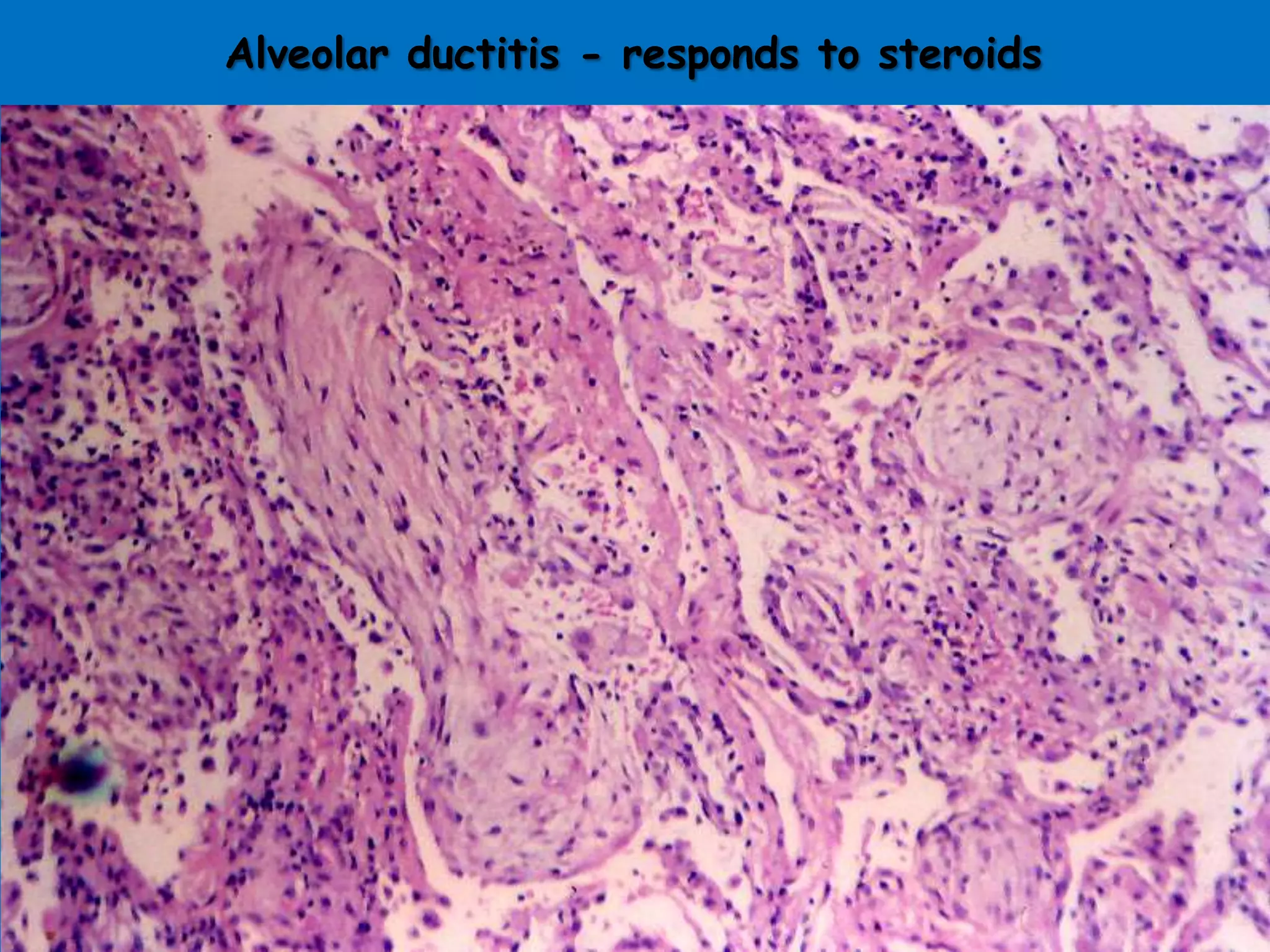
Alveolar ductitis - responds to steroids
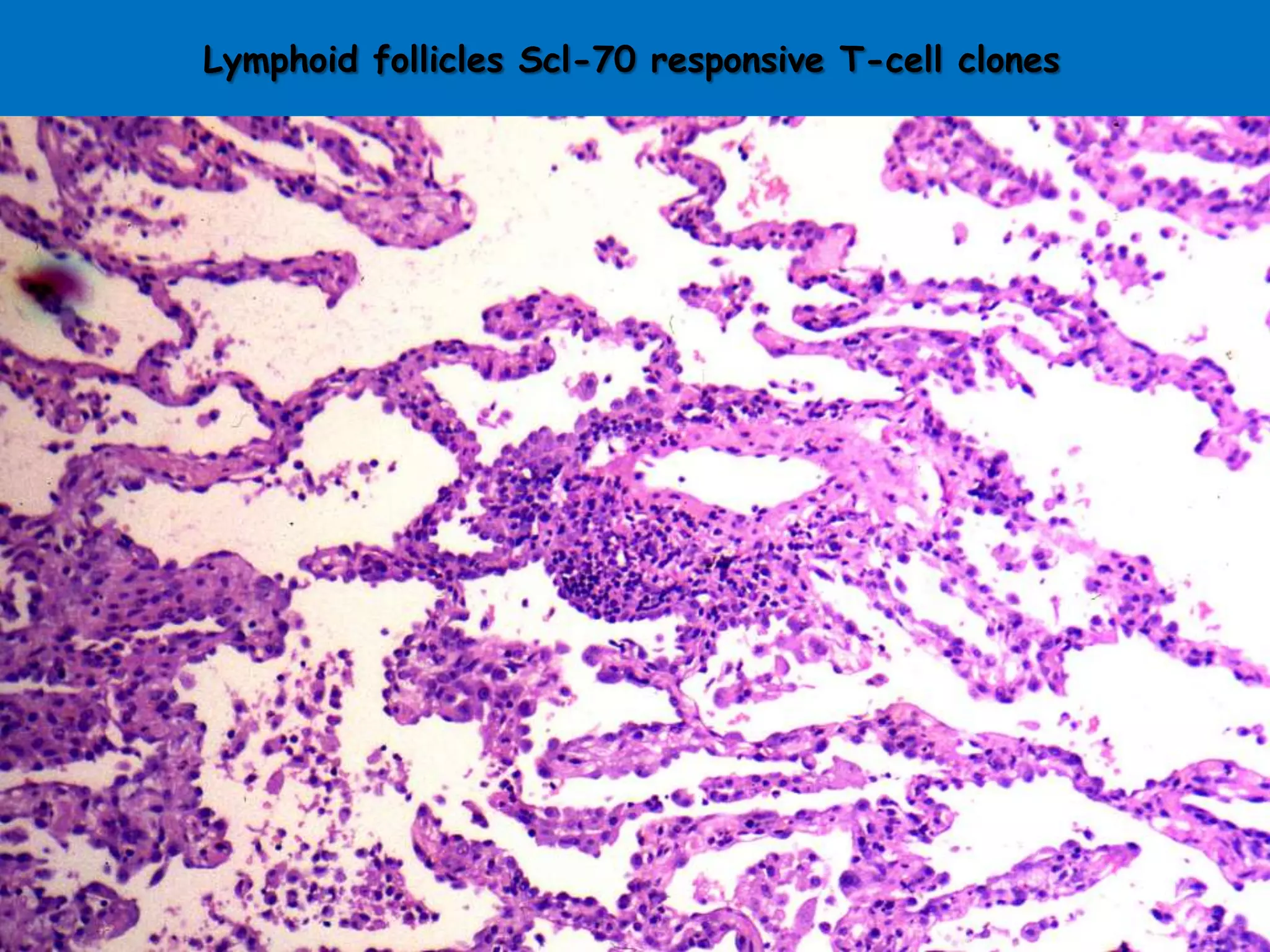
Lymphoid follicles Scl-70 responsive T-cell clones
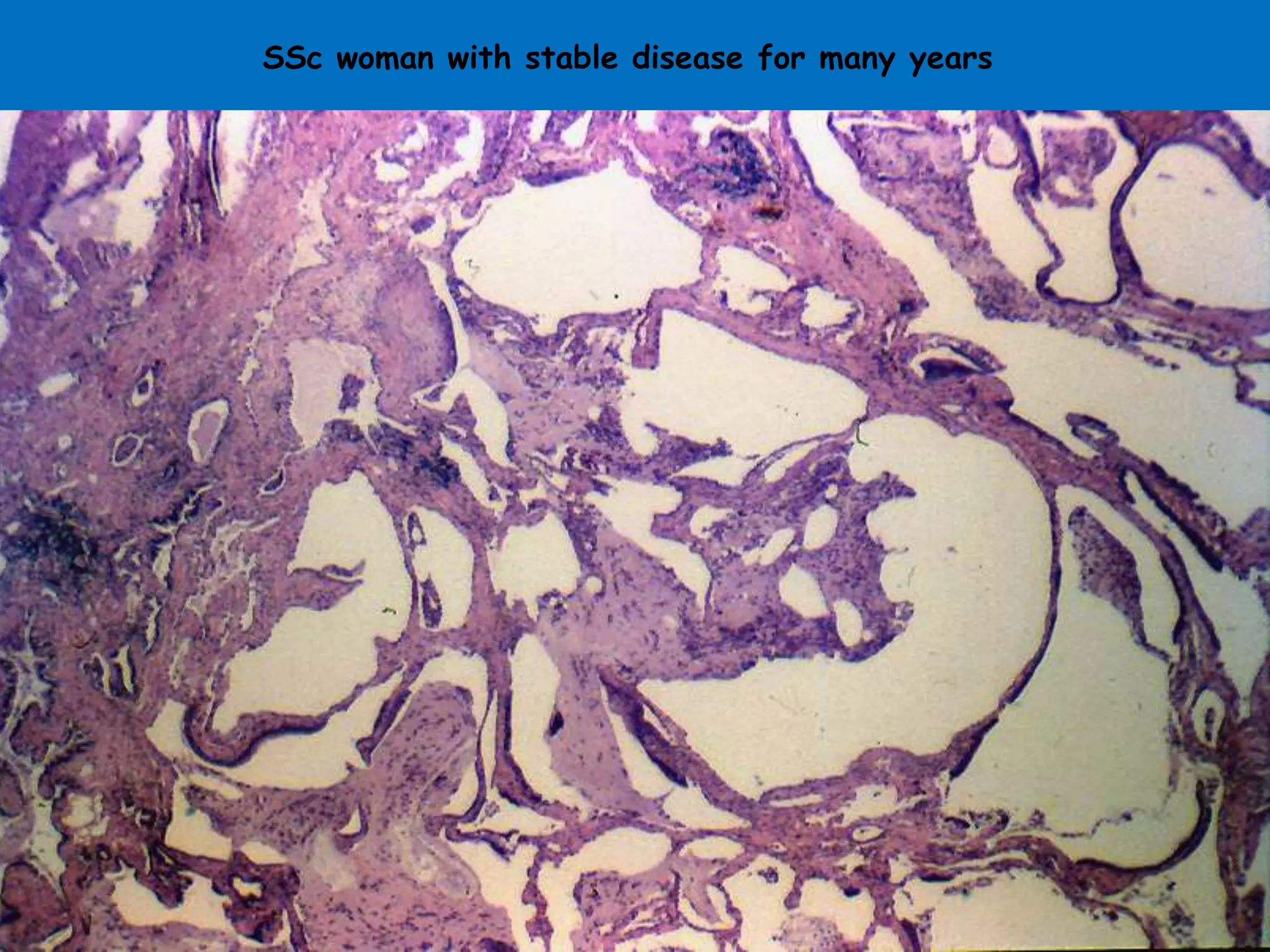
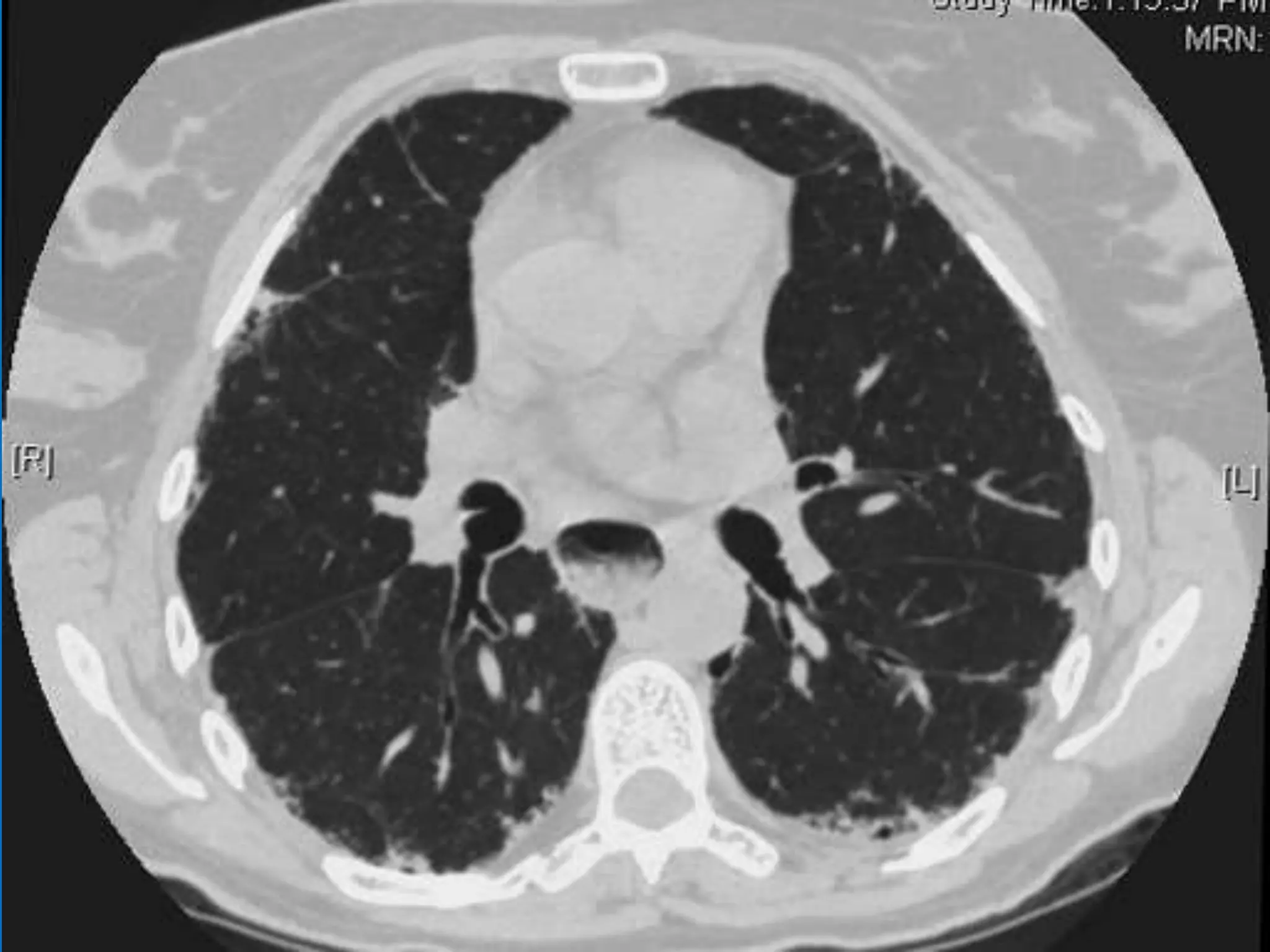
SSc woman with stable disease for many years
Aspiration
Aspiration
• Many studies relate to lung disease
• SSc: Lower esophageal sphincter
• Upper laryngopharyngeal reflexes
• Acid vs bland contents
• One of our interests
– Schraufnagel et al. Am J Roentgenol 2008;191:748-52.
What new in Ssc-ILD?
Classification
New classification scleroderma (2013)
– “Skin thickening of the fingers extending
proximal to the metacarpophalangeal joints”
– If not present, 7 other criteria that include
interstitial lung disease or pulmonary
hypertension
– American College of Rheumatology and European
League against Rheumatism. Arthritis Rheum
2013;65:2737-47
Basic Science
Basic science
• 843 genes differentially expressed in lung
fibroblasts from SSc-ILD
– These are therapy targets
• Lindahl et at., Respir Res. 2013;14:80
– TGFß and related molecules
• Many studies (770 in 2013)
• Our interests
– Endothelial cell rigidity (Levitan and colleagues)
– Caveolin-1 (Minshall and colleagues)
Treatments
Treatment
• Antifibrotic & anti-inflammatory drugs (ILD)
– e.g. Pirfenidone, nintedanib, N-acetylcysteine
– Lota and Wells. Expert Opin Pharmacother 2013;14:79-89.
• Lysophosphatidic acid receptor
– Zhao and Natarajan. Biochim Biophys Acta 2013;1831:86-92
• Scleroderma mouse model
– Castelino et al. Arthritis Rheum 2011;63:1405-15
Transplantation
• Survival - same nonconnective tissue ILD
– Esophageal does not impact outcome
– Sottlie et al., Transplantation. 2013;95:975-80
• CRP predicts outcome - useful measure
– Liu et al., Arthritis Care Res 2013;65:1375-80.
Summary
Summary
• Scleroderma lung disease has many forms
• Take clues from Hx, Px, radiographs
– Biopsy if need be
• Although Rx of SSc lung disease is
generally poor, many components can be
treated.
• Exciting research is helping to understand
the basis of the disease
Questions?
Scleroderma Interstitial Lung Diseases - What they are and what's new

Scleroderma Interstitial Lung Diseases - What they are and what's new

  • 1.
    Scleroderma interstitial lung diseases - whatthey are and what’s new Dean Schraufnagel, MD University of Illinois at Chicago March 15, 2014 Nothing financial to disclose.
  • 2.
    Lung disease - leadingcause of death Steen and Medsger. Ann Rheum Dis 2007; 66:940–4 Not one, but many diseases
  • 3.
  • 4.
    Respiratory diseases ofSSc • Vascular • Interstitial fibrosis • Alveolar ductitis (organizing pneumonia) • Quiescent scarring • Aspiration-induced • Drug-induced
  • 5.
    Respiratory diseases ofSSc • Neoplastic – 8.6/1000 person-years – Risk ratio 16.5 – ↑ with fibrosis and smoking • Extra pulmonary – Pleural – Chest wall restriction – Deconditioning – Drugs affecting breathing – Depression
  • 6.
  • 7.
    Fibrotic disease • Presentin 70-80% at autopsy • Inflammatory changes occur early • Progression variable – Exaggerated TGFß to injury • Prognosis: better than IPF
  • 10.
  • 11.
    Alveolar ductitis -responds to steroids
  • 12.
    Lymphoid follicles Scl-70responsive T-cell clones
  • 13.
    SSc woman withstable disease for many years
  • 14.
  • 15.
    Aspiration • Many studiesrelate to lung disease • SSc: Lower esophageal sphincter • Upper laryngopharyngeal reflexes • Acid vs bland contents • One of our interests – Schraufnagel et al. Am J Roentgenol 2008;191:748-52.
  • 17.
    What new inSsc-ILD?
  • 18.
  • 19.
    New classification scleroderma(2013) – “Skin thickening of the fingers extending proximal to the metacarpophalangeal joints” – If not present, 7 other criteria that include interstitial lung disease or pulmonary hypertension – American College of Rheumatology and European League against Rheumatism. Arthritis Rheum 2013;65:2737-47
  • 20.
  • 21.
    Basic science • 843genes differentially expressed in lung fibroblasts from SSc-ILD – These are therapy targets • Lindahl et at., Respir Res. 2013;14:80 – TGFß and related molecules • Many studies (770 in 2013) • Our interests – Endothelial cell rigidity (Levitan and colleagues) – Caveolin-1 (Minshall and colleagues)
  • 22.
  • 23.
    Treatment • Antifibrotic &anti-inflammatory drugs (ILD) – e.g. Pirfenidone, nintedanib, N-acetylcysteine – Lota and Wells. Expert Opin Pharmacother 2013;14:79-89. • Lysophosphatidic acid receptor – Zhao and Natarajan. Biochim Biophys Acta 2013;1831:86-92 • Scleroderma mouse model – Castelino et al. Arthritis Rheum 2011;63:1405-15
  • 24.
    Transplantation • Survival -same nonconnective tissue ILD – Esophageal does not impact outcome – Sottlie et al., Transplantation. 2013;95:975-80 • CRP predicts outcome - useful measure – Liu et al., Arthritis Care Res 2013;65:1375-80.
  • 25.
  • 26.
    Summary • Scleroderma lungdisease has many forms • Take clues from Hx, Px, radiographs – Biopsy if need be • Although Rx of SSc lung disease is generally poor, many components can be treated. • Exciting research is helping to understand the basis of the disease
  • 27.