Ask the Dentist:
A Conversation About Scleroderma from the Neck Up
Saturday May 3, 2025
Scleroderma Patient Education Conference
Martin J. Hogan DDS
Associate Professor, Department of Surgery
Division of Dental Medicine
Director, General Practice Residency Program
Margaret Miller, DDS
Assistant Professor, Department of Surgery
Division of Dental Medicine
• No Disclosures
Objectives
• Interactive Conversation!!
• Discuss common oral findings associated with scleroderma
• Discuss how these things might all be interconnected
• Discuss how patients and oral health care providers can
work together to manage oral conditions
• Q&A
Most Common Oral Findings
• Xerostomia
• Limited Opening
• Things we often hear
• Mobile teeth, periodontal/gum disease
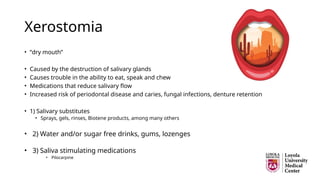
Xerostomia
• “dry mouth”
• Caused by the destruction of salivary glands
• Causes trouble in the ability to eat, speak and chew
• Medications that reduce salivary flow
• Increased risk of periodontal disease and caries, fungal infections, denture retention
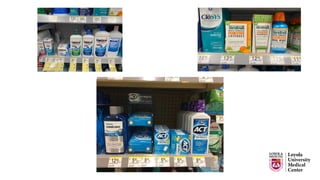
• 1) Salivary substitutes
• Sprays, gels, rinses, Biotene products, among many others
• 2) Water and/or sugar free drinks, gums, lozenges
• 3) Saliva stimulating medications
• Pilocarpine
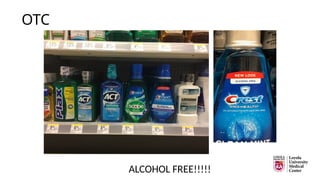
OTC
ALCOHOL FREE!!!!!
Mouthrinse
• Prescribe appropriate combination based on clinical findings
• Bacterial
• Viral
• Fungal
• Palliative
• Other
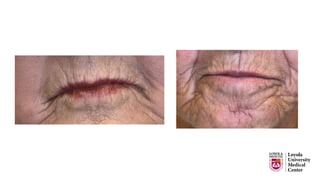
Limited Mouth Opening
• Collagen deposition in connective tissue leads to fibrosis
and progressive limitation of mouth opening
• Microstomia
• Always measure at initial appointment
• Monitor and ways to help
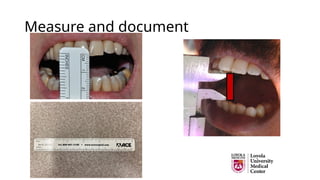
Measure and document
Ways to Improve Maximum Opening
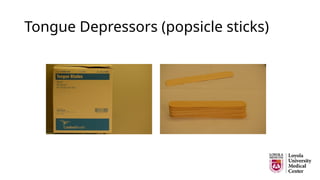
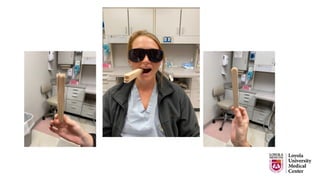
• Tongue depressors (popsicle sticks)
• Stacked
• Easy
• Cheap
Tongue Depressors (popsicle sticks)
Ways to Improve Maximum Opening
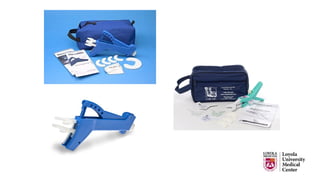
• TheraBite and Orastretch
• Requires a prescription, parts, insurance/letter
• Helps increase max opening
• Easy to use
• Great success
“My scleroderma makes my teeth loose.”
• First and foremost: ALL of these things are multifactorial-
ALL of them.
• Periodontal disease  loss of bone  mobility of teeth
• Widening of PDL  mobility of teeth
• Patients with scleroderma  widening of PDL
• Challenges with manual dexterity  challenges with oral
hygiene practices  periodontal disease  (see above)
“My scleroderma
makes my teeth
loose.”
• Limited opening + dexterity
challenges  challenges with
oral hygiene practices 
increased risk of periodontal
disease  (see previous chain
of events)
“My scleroderma makes my teeth more susceptible to cavities.”
“Scleroderma gives me really bad dry mouth. Is that bad for my teeth?”
• Saliva is KEY!!!
• Xerostomia (from Sjogren’s +/- meds)  higher risk of decay
due to inability to regulate pH in mouth and inability to help
‘clean’ teeth following meals
• Saliva is VERY valuable!!!!!
• Dexterity challenges  challenges with oral hygiene
practices
Recap
• Review of the most common oral findings
• Things we often hear
• Q&A
Ask the Dentist: A Conversation about Scleroderma from the Neck Up

Ask the Dentist: A Conversation about Scleroderma from the Neck Up

  • 1.
    Ask the Dentist: AConversation About Scleroderma from the Neck Up Saturday May 3, 2025 Scleroderma Patient Education Conference
  • 2.
    Martin J. HoganDDS Associate Professor, Department of Surgery Division of Dental Medicine Director, General Practice Residency Program Margaret Miller, DDS Assistant Professor, Department of Surgery Division of Dental Medicine
  • 3.
  • 4.
    Objectives • Interactive Conversation!! •Discuss common oral findings associated with scleroderma • Discuss how these things might all be interconnected • Discuss how patients and oral health care providers can work together to manage oral conditions • Q&A
  • 5.
    Most Common OralFindings • Xerostomia • Limited Opening • Things we often hear • Mobile teeth, periodontal/gum disease
  • 6.
    Xerostomia • “dry mouth” •Caused by the destruction of salivary glands • Causes trouble in the ability to eat, speak and chew • Medications that reduce salivary flow • Increased risk of periodontal disease and caries, fungal infections, denture retention • 1) Salivary substitutes • Sprays, gels, rinses, Biotene products, among many others • 2) Water and/or sugar free drinks, gums, lozenges • 3) Saliva stimulating medications • Pilocarpine
  • 8.
  • 9.
    Mouthrinse • Prescribe appropriatecombination based on clinical findings • Bacterial • Viral • Fungal • Palliative • Other
  • 10.
    Limited Mouth Opening •Collagen deposition in connective tissue leads to fibrosis and progressive limitation of mouth opening • Microstomia • Always measure at initial appointment • Monitor and ways to help
  • 11.
  • 13.
    Ways to ImproveMaximum Opening • Tongue depressors (popsicle sticks) • Stacked • Easy • Cheap
  • 14.
  • 16.
    Ways to ImproveMaximum Opening • TheraBite and Orastretch • Requires a prescription, parts, insurance/letter • Helps increase max opening • Easy to use • Great success
  • 19.
    “My scleroderma makesmy teeth loose.” • First and foremost: ALL of these things are multifactorial- ALL of them. • Periodontal disease  loss of bone  mobility of teeth • Widening of PDL  mobility of teeth • Patients with scleroderma  widening of PDL • Challenges with manual dexterity  challenges with oral hygiene practices  periodontal disease  (see above)
  • 20.
    “My scleroderma makes myteeth loose.” • Limited opening + dexterity challenges  challenges with oral hygiene practices  increased risk of periodontal disease  (see previous chain of events)
  • 21.
    “My scleroderma makesmy teeth more susceptible to cavities.” “Scleroderma gives me really bad dry mouth. Is that bad for my teeth?” • Saliva is KEY!!! • Xerostomia (from Sjogren’s +/- meds)  higher risk of decay due to inability to regulate pH in mouth and inability to help ‘clean’ teeth following meals • Saliva is VERY valuable!!!!! • Dexterity challenges  challenges with oral hygiene practices
  • 22.
    Recap • Review ofthe most common oral findings • Things we often hear • Q&A