Genetic Studies in Scleroderma
Shervin Assassi, MD, MS
Associate Professor
McGovern Medical School
School of Biomedical Informatics
University of Texas Health Science Center at Houston
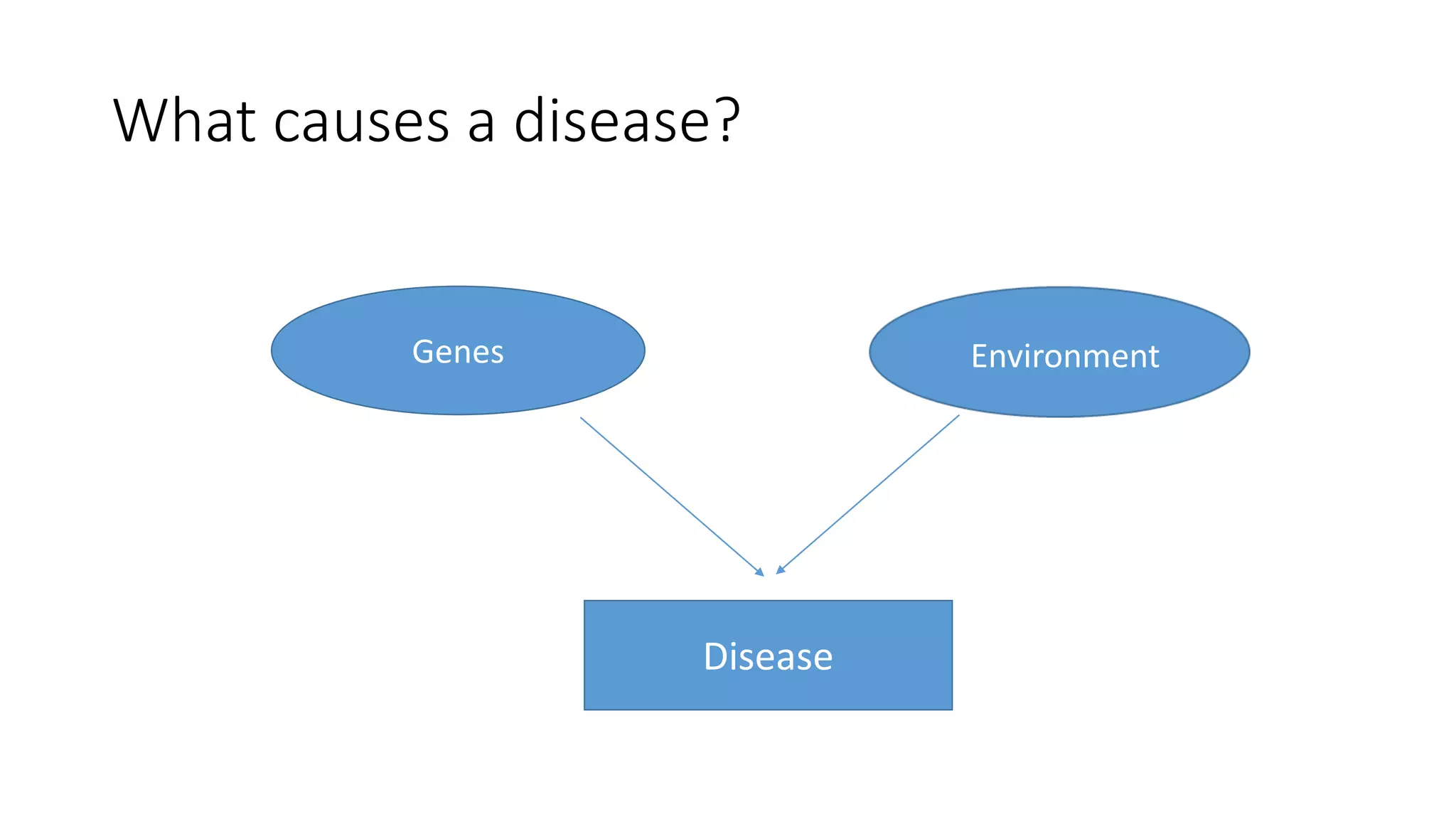
What causes a disease?
Genes
Disease
Environment
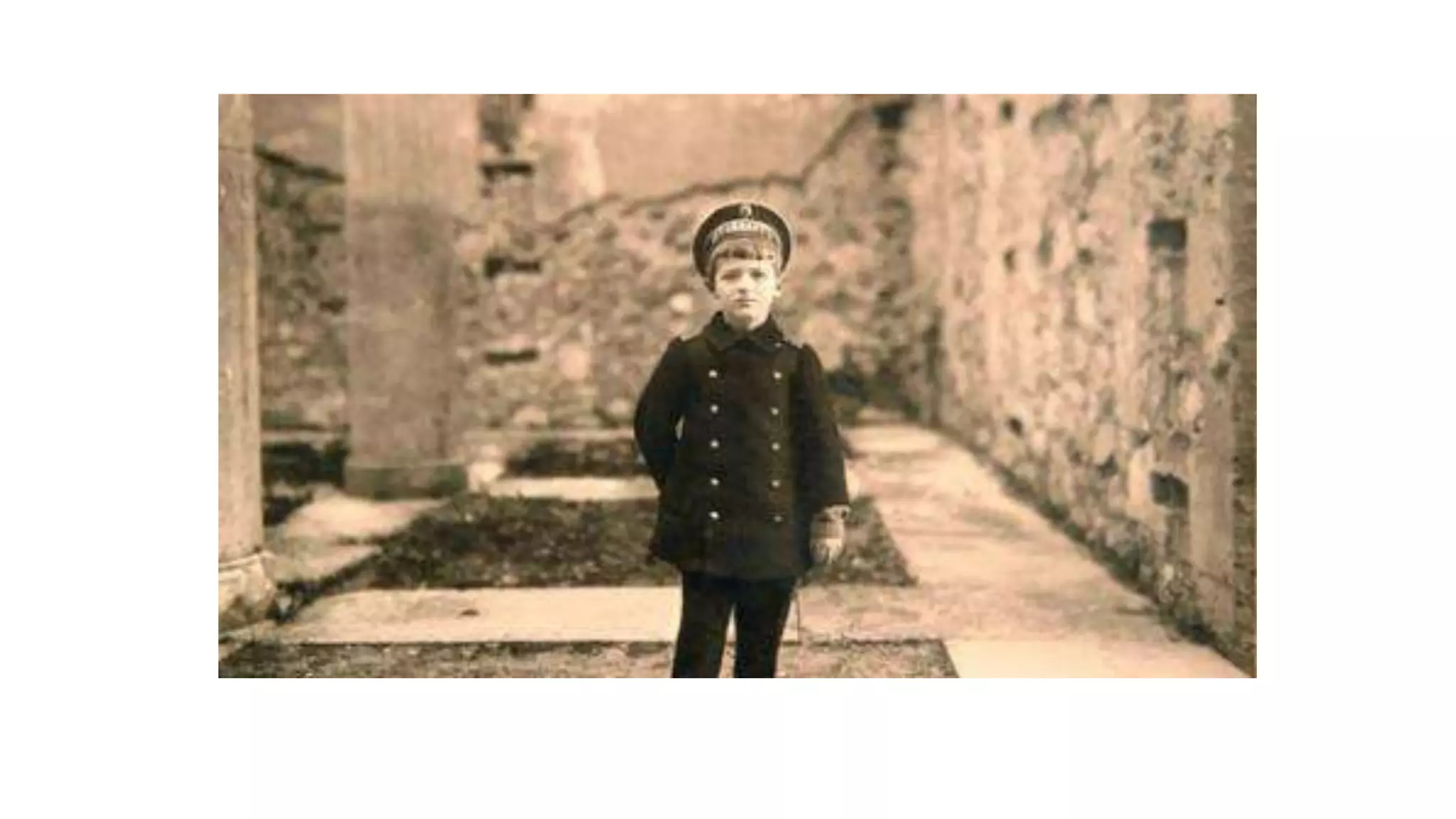
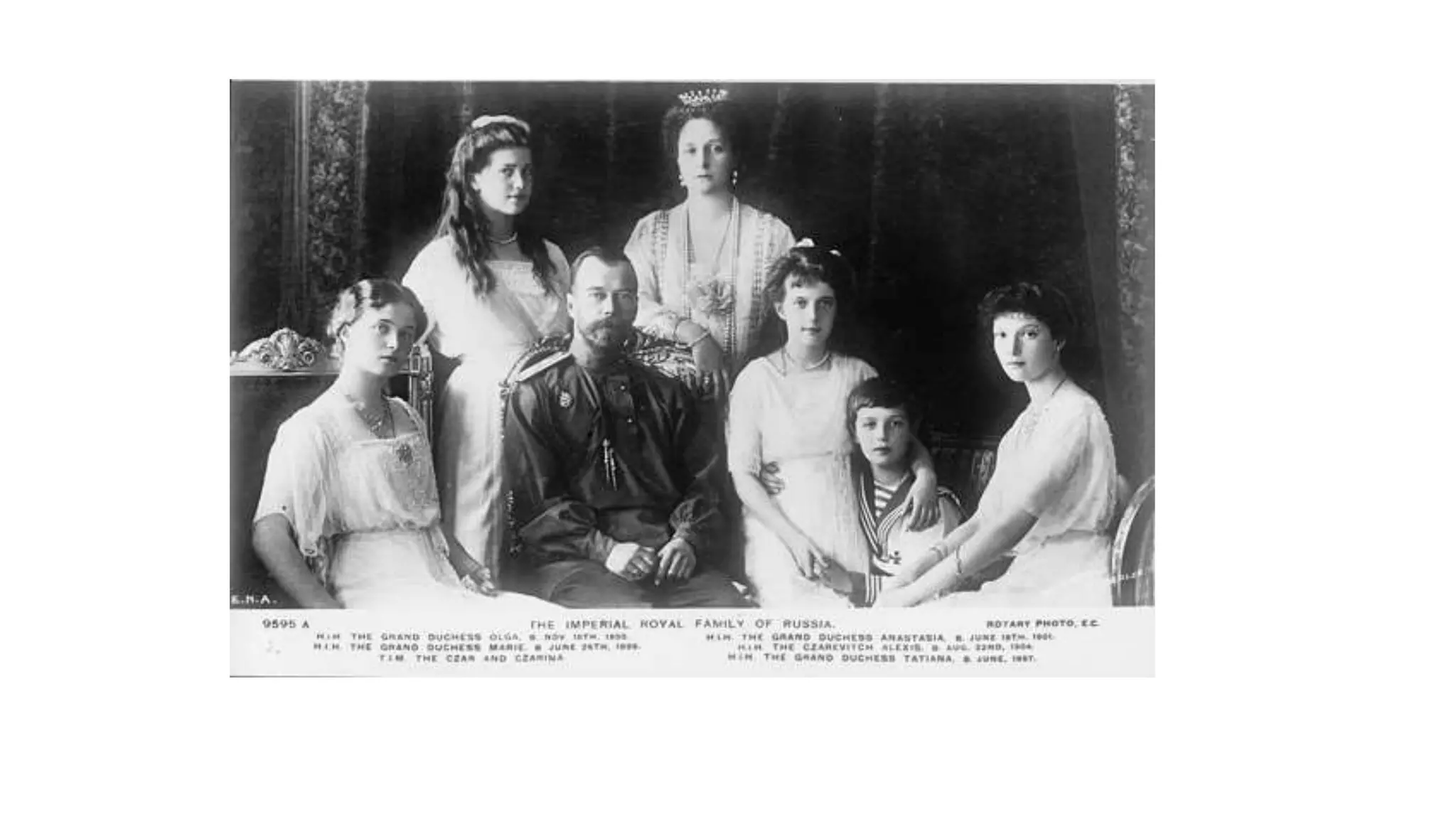
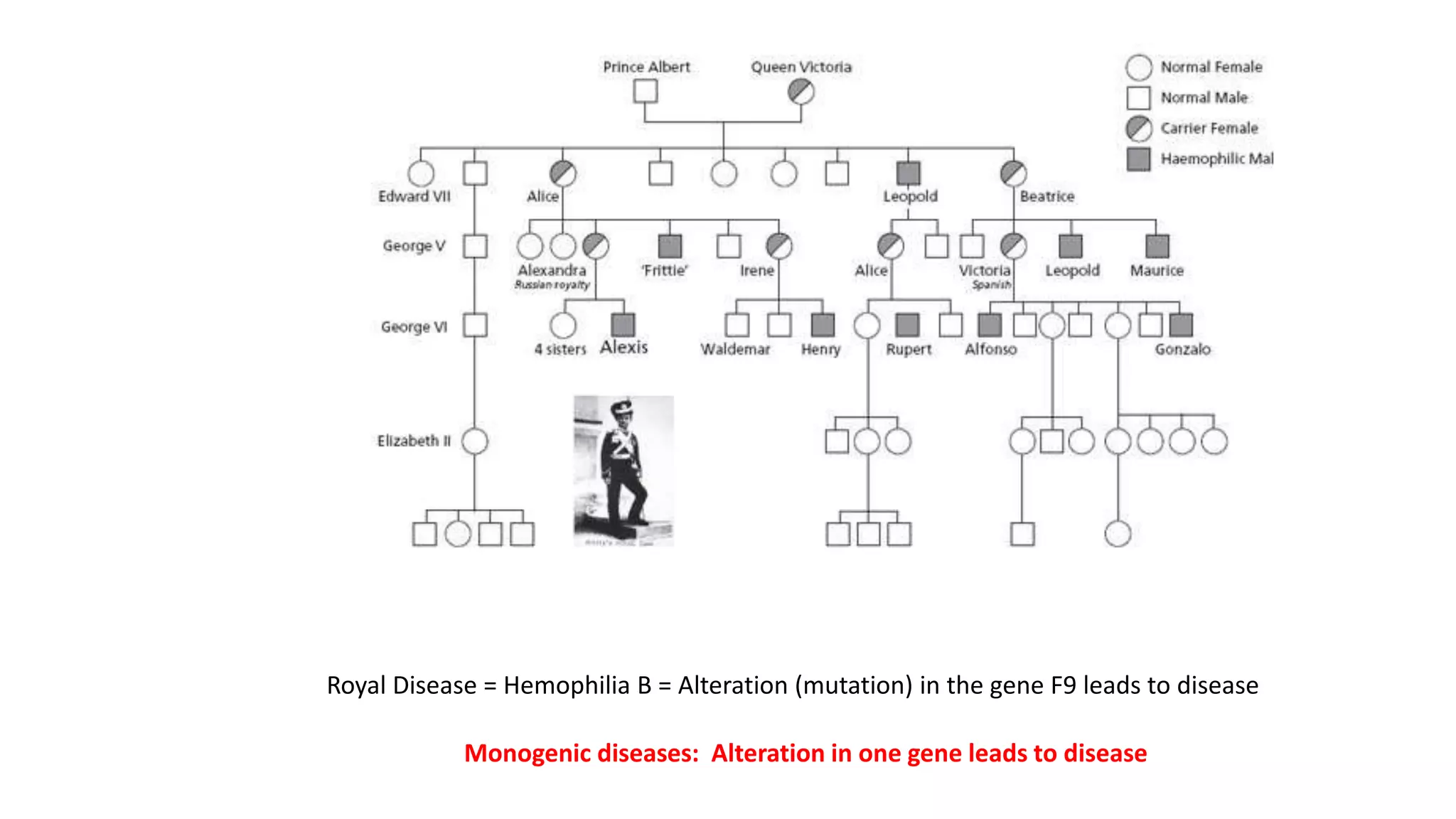
Royal Disease = Hemophilia B = Alteration (mutation) in the gene F9 leads to disease
Monogenic diseases: Alteration in one gene leads to disease
Monogenic diseases vs. polygenic diseases
• Monogenic diseases (like Hemophilia B)  Alterations in one gene
leads to disease
• Complex, polygenic diseases: Predisposition to these diseases is
caused by several genes, with each gene contributing a relatively
small effect
• Scleroderma (systemic sclerosis) like most human diseases is a
complex, polygenic disease
WHAT CAUSES SCLERODERMA?
NATURE or NURTURE (ENVIRONMENT)?
YES and YES
EVIDENCE for HERITABILITY: Family Studies
Systemic Lupus
Erythematosus
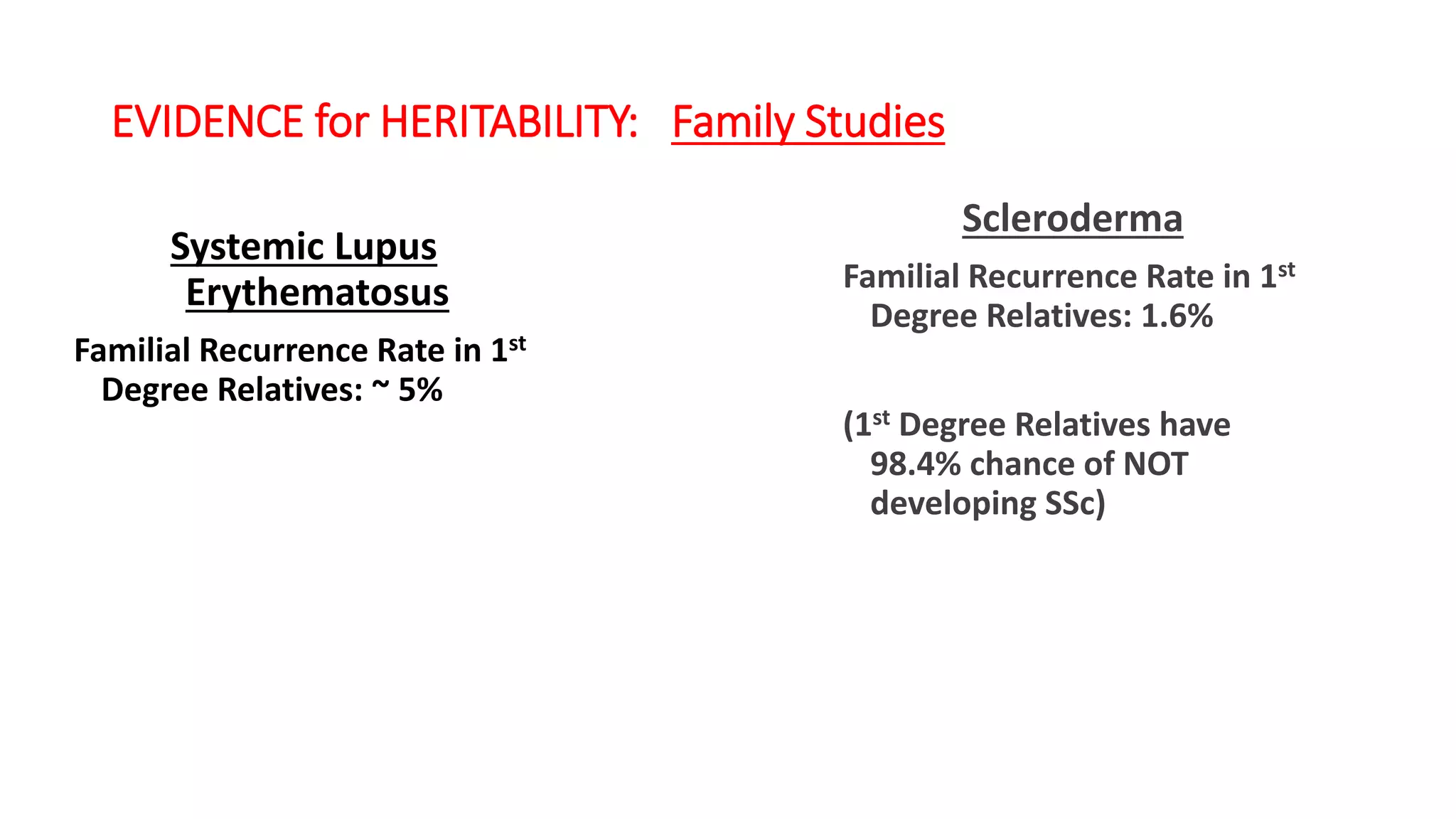
Familial Recurrence Rate in 1st
Degree Relatives: ~ 5%
Scleroderma
Familial Recurrence Rate in 1st
Degree Relatives: 1.6%
(1st Degree Relatives have
98.4% chance of NOT
developing SSc)
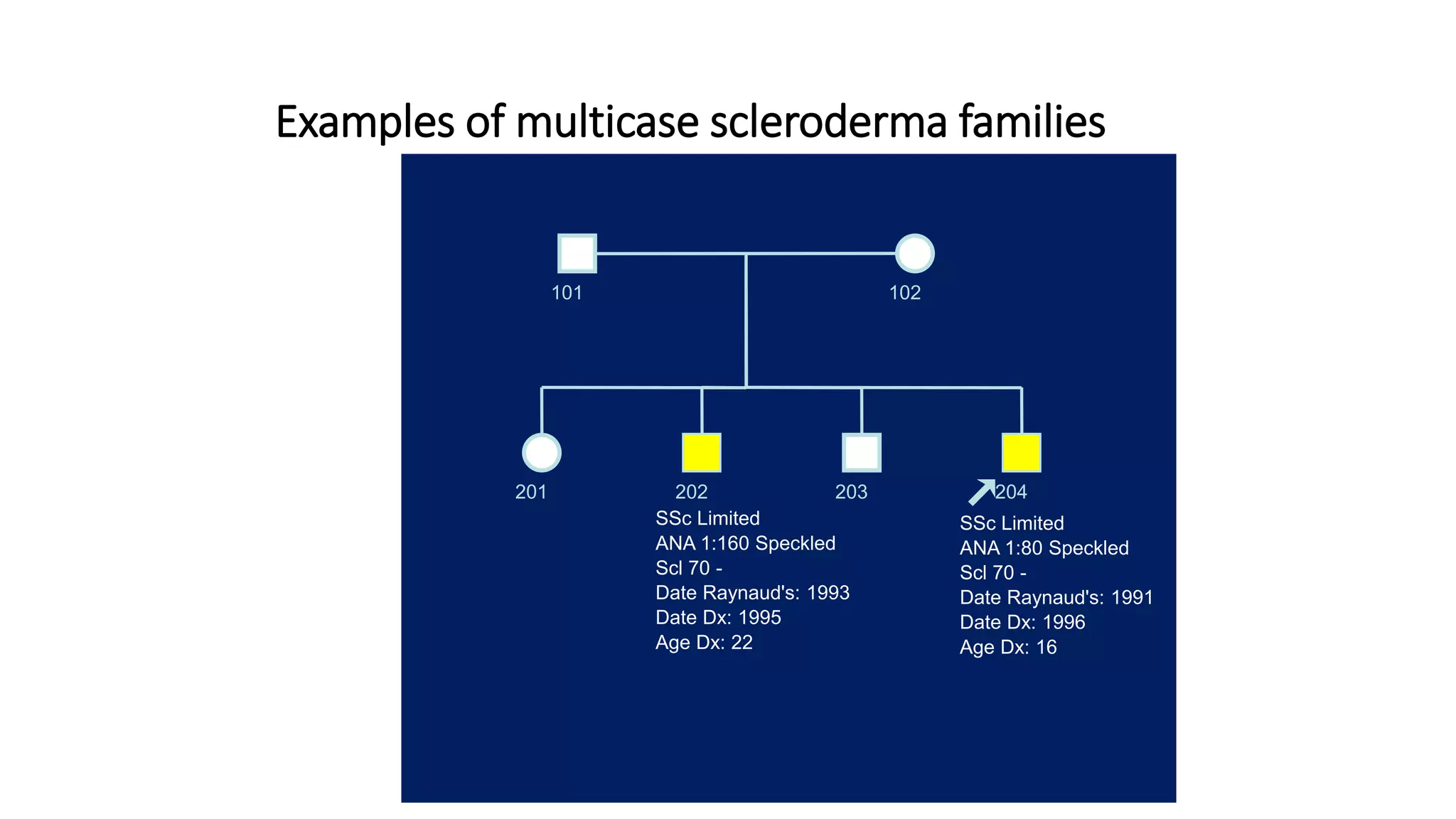
Examples of multicase scleroderma families
201 202
101 102
203 204
SSc Limited
ANA 1:80 Speckled
Scl 70 -
Date Raynaud's: 1991
Date Dx: 1996
Age Dx: 16
SSc Limited
ANA 1:160 Speckled
Scl 70 -
Date Raynaud's: 1993
Date Dx: 1995
Age Dx: 22
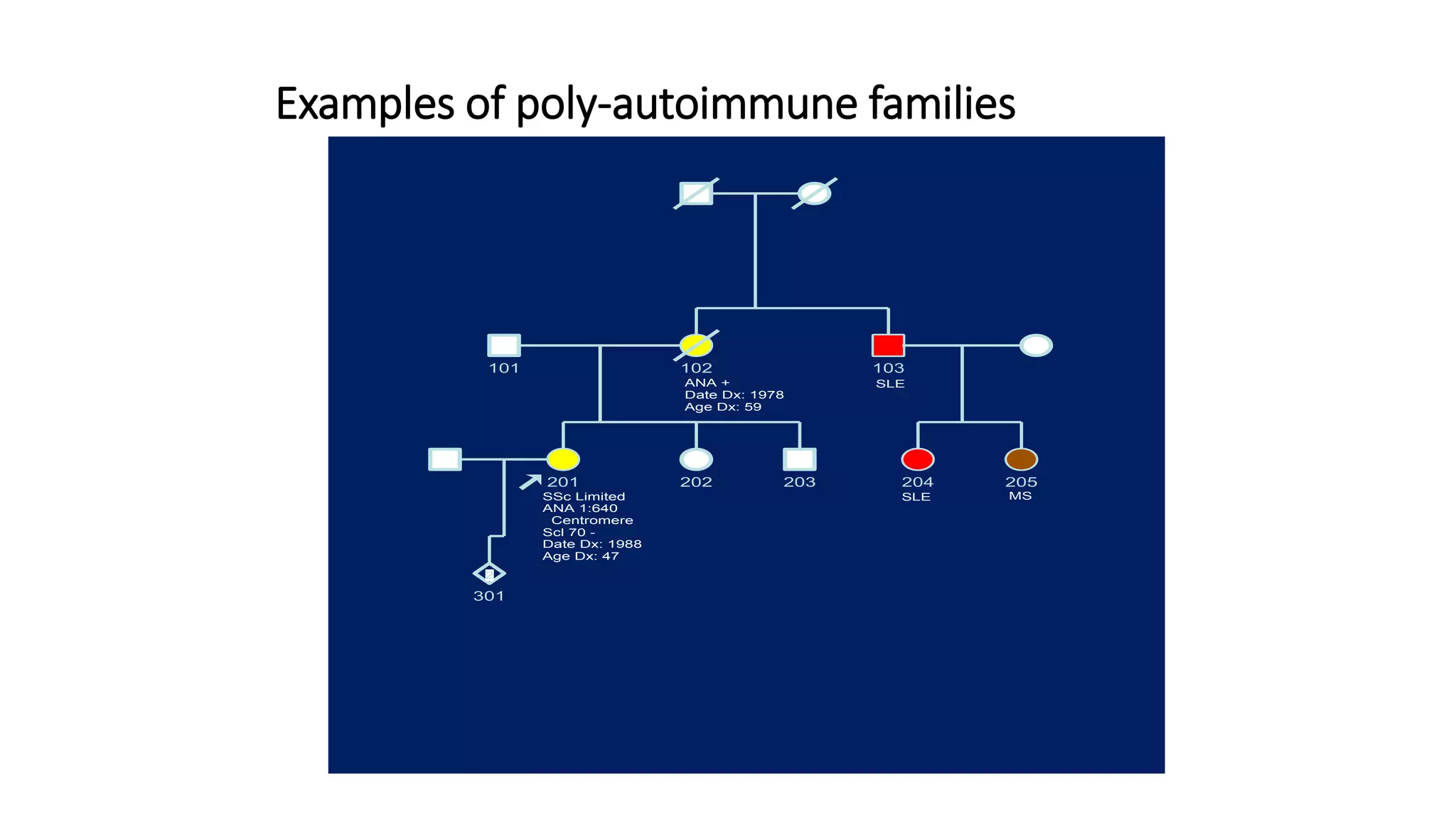
Examples of poly-autoimmune families
204
101 102 103
205201 202 203
301
2
ANA +
Date Dx: 1978
Age Dx: 59
SSc Limited
ANA 1:640
Centromere
Scl 70 -
Date Dx: 1988
Age Dx: 47
SLE
SLE MS
GENETICS 101
Refresher
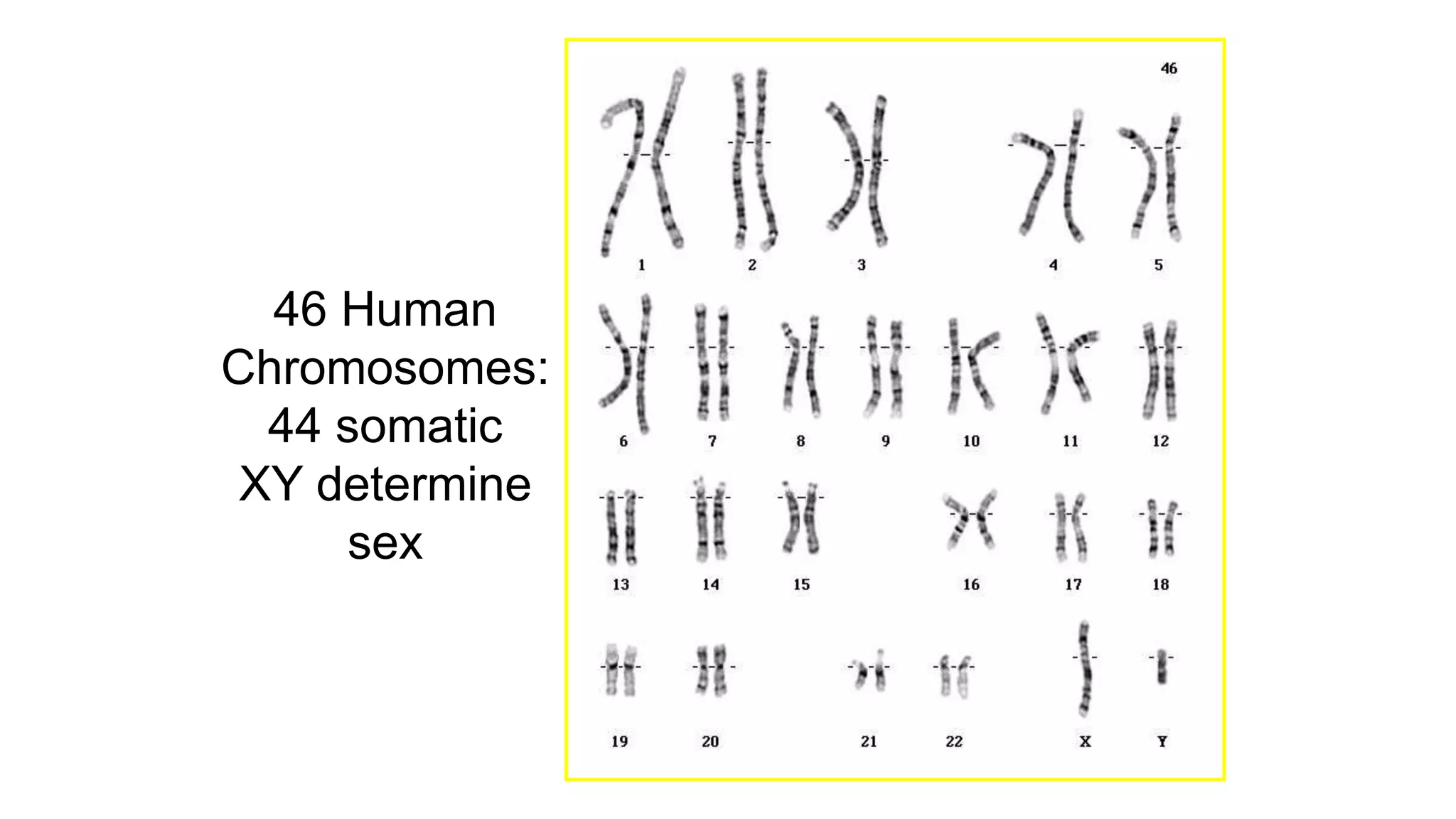
46 Human
Chromosomes:
44 somatic
XY determine
sex
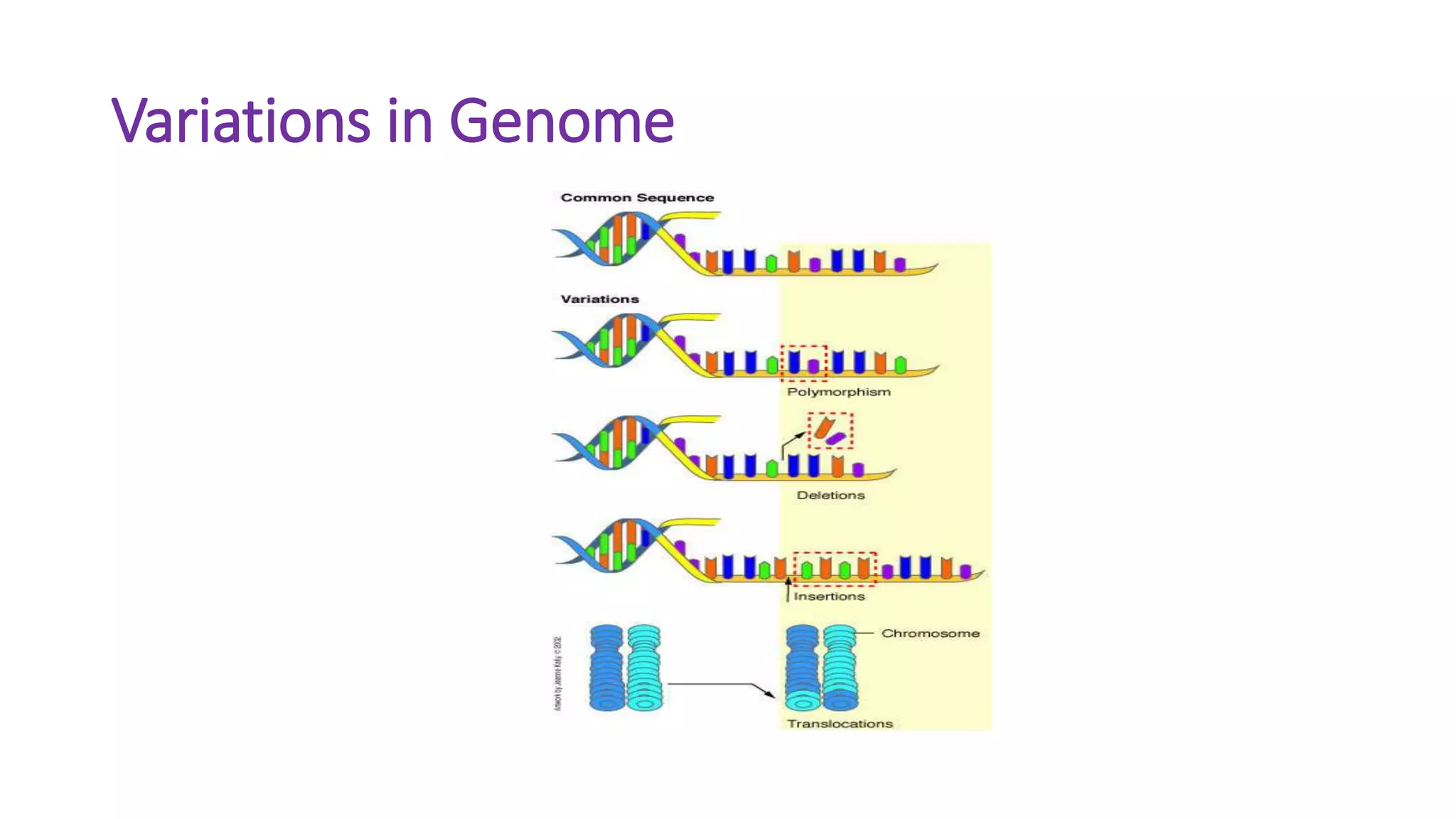
Variations in Genome
WHAT ARE THE GENE VARIANTS RESPONSIBLE
FOR SSc HERITABILITY?
Genome Wide Association
Study (GWAS)
Collaboration with 10 U.S. sites (including Northwestern University)
Canadian Scleroderma Research Group
Multiple European Researchers
SSc GWAS Results
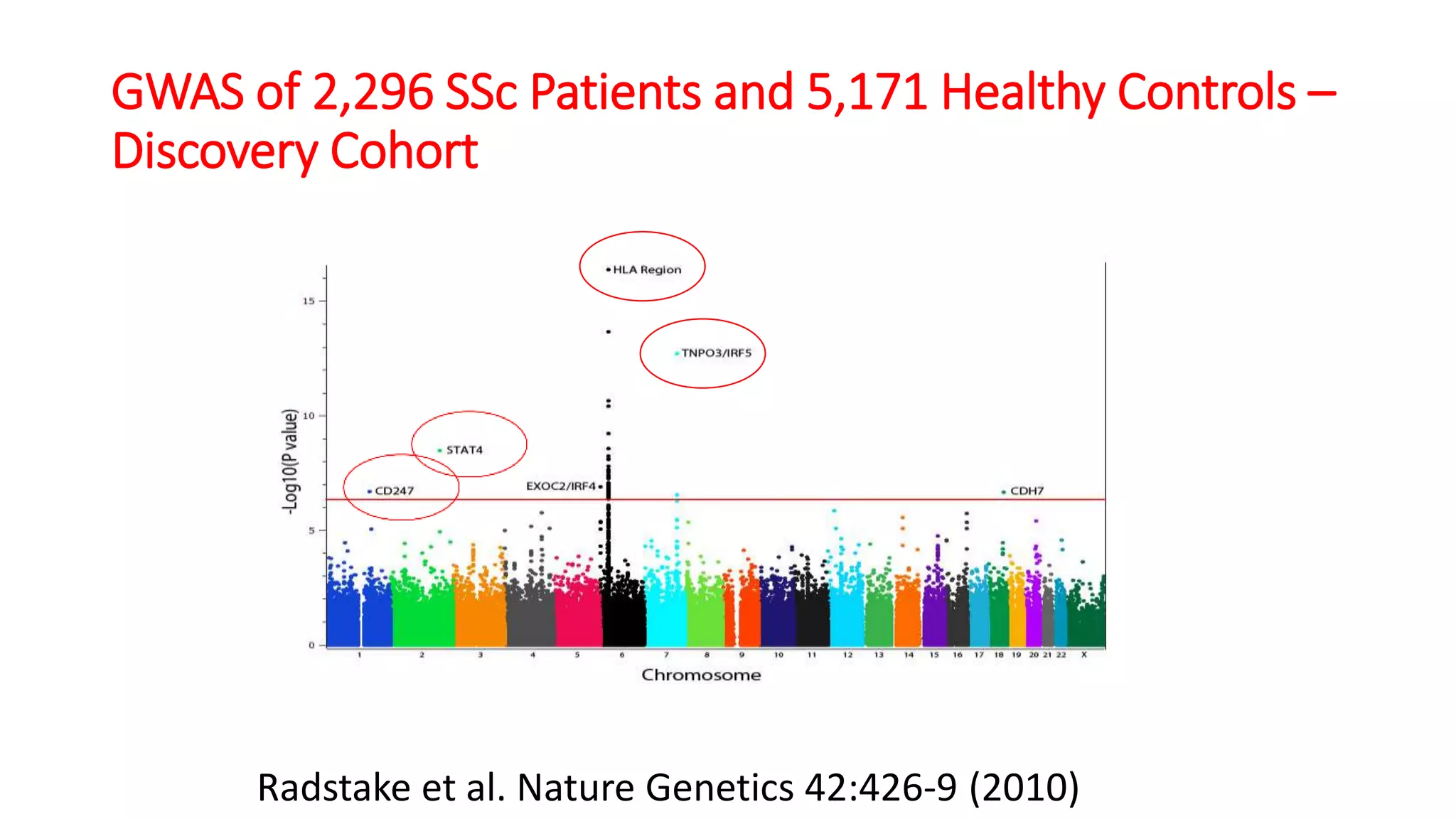
GWAS of 2,296 SSc Patients and 5,171 Healthy Controls –
Discovery Cohort
Radstake et al. Nature Genetics 42:426-9 (2010)
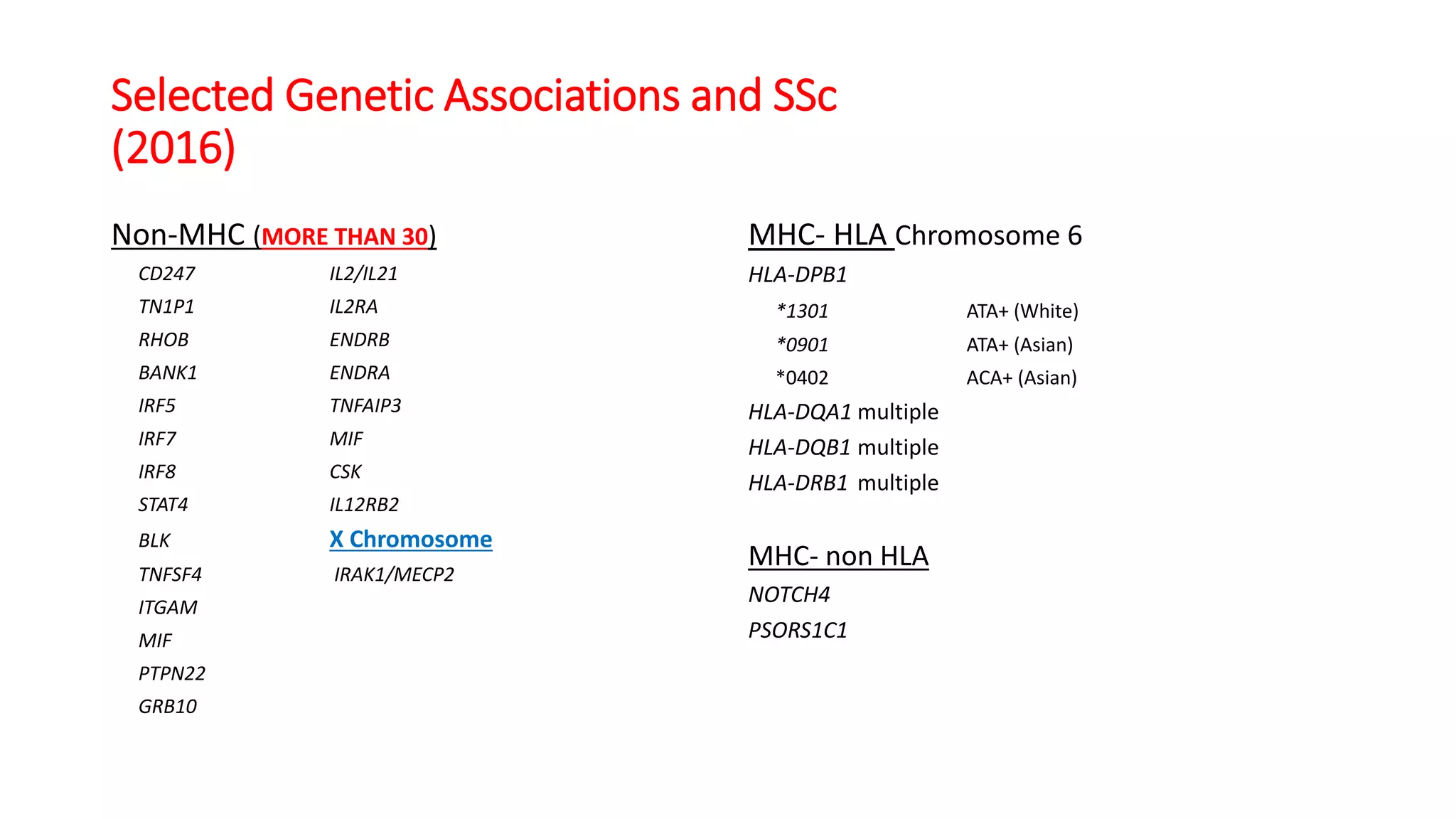
Selected Genetic Associations and SSc
(2016)
Non-MHC (MORE THAN 30)
CD247 IL2/IL21
TN1P1 IL2RA
RHOB ENDRB
BANK1 ENDRA
IRF5 TNFAIP3
IRF7 MIF
IRF8 CSK
STAT4 IL12RB2
BLK X Chromosome
TNFSF4 IRAK1/MECP2
ITGAM
MIF
PTPN22
GRB10
MHC- HLA Chromosome 6
HLA-DPB1
*1301 ATA+ (White)
*0901 ATA+ (Asian)
*0402 ACA+ (Asian)
HLA-DQA1 multiple
HLA-DQB1 multiple
HLA-DRB1 multiple
MHC- non HLA
NOTCH4
PSORS1C1
INTERPRETATION of GENETIC STUDIES
• Most of the associated genes influence immune-related pathways (T-
cells, B-cells, and interferon) rather than fibrosis or vascular pathways
• The precise role of the genetic variants has not yet been identified 
How does the alteration in the gene leads to autoimmunity, vascular
damage, and fibrosis?
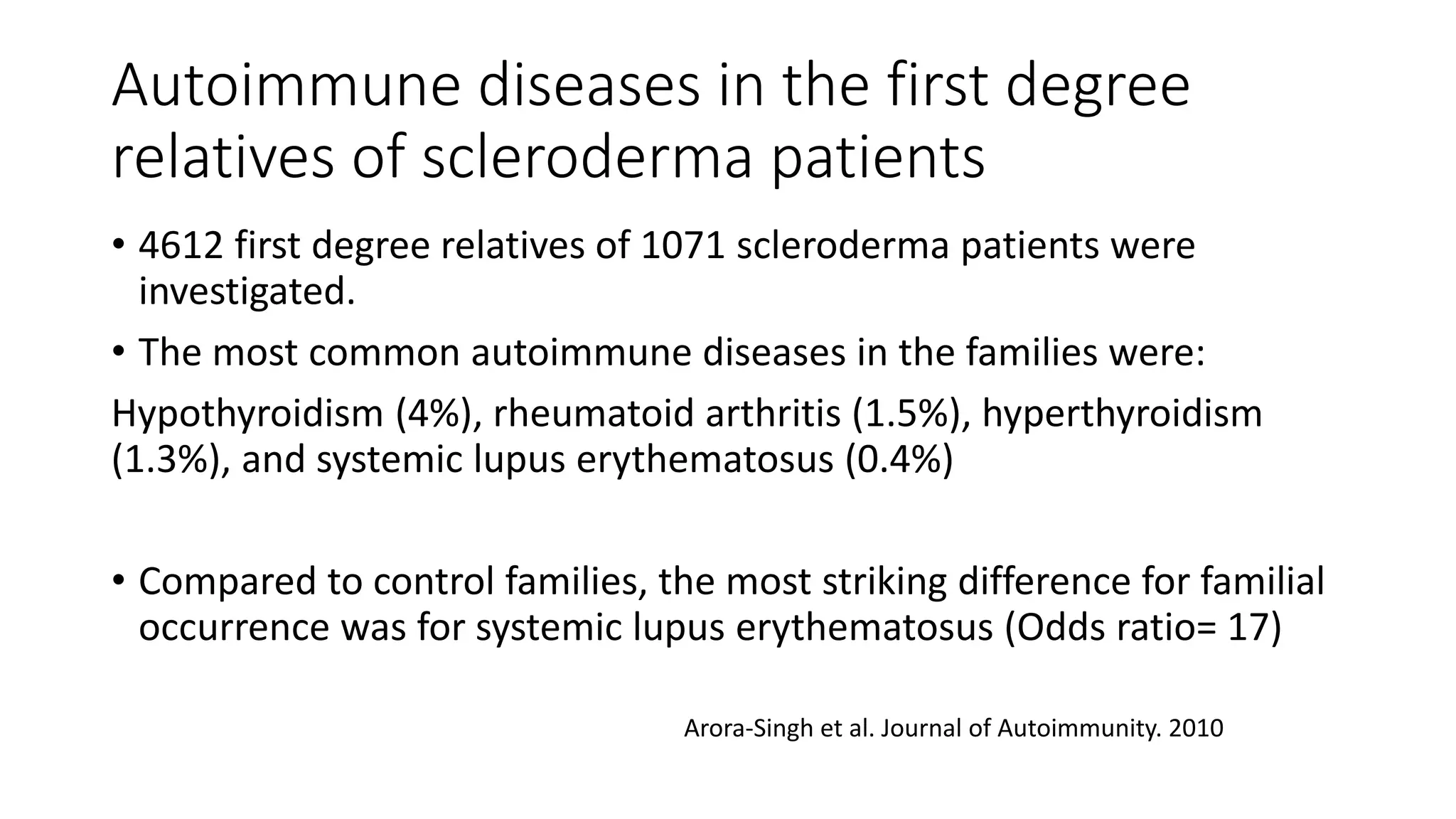
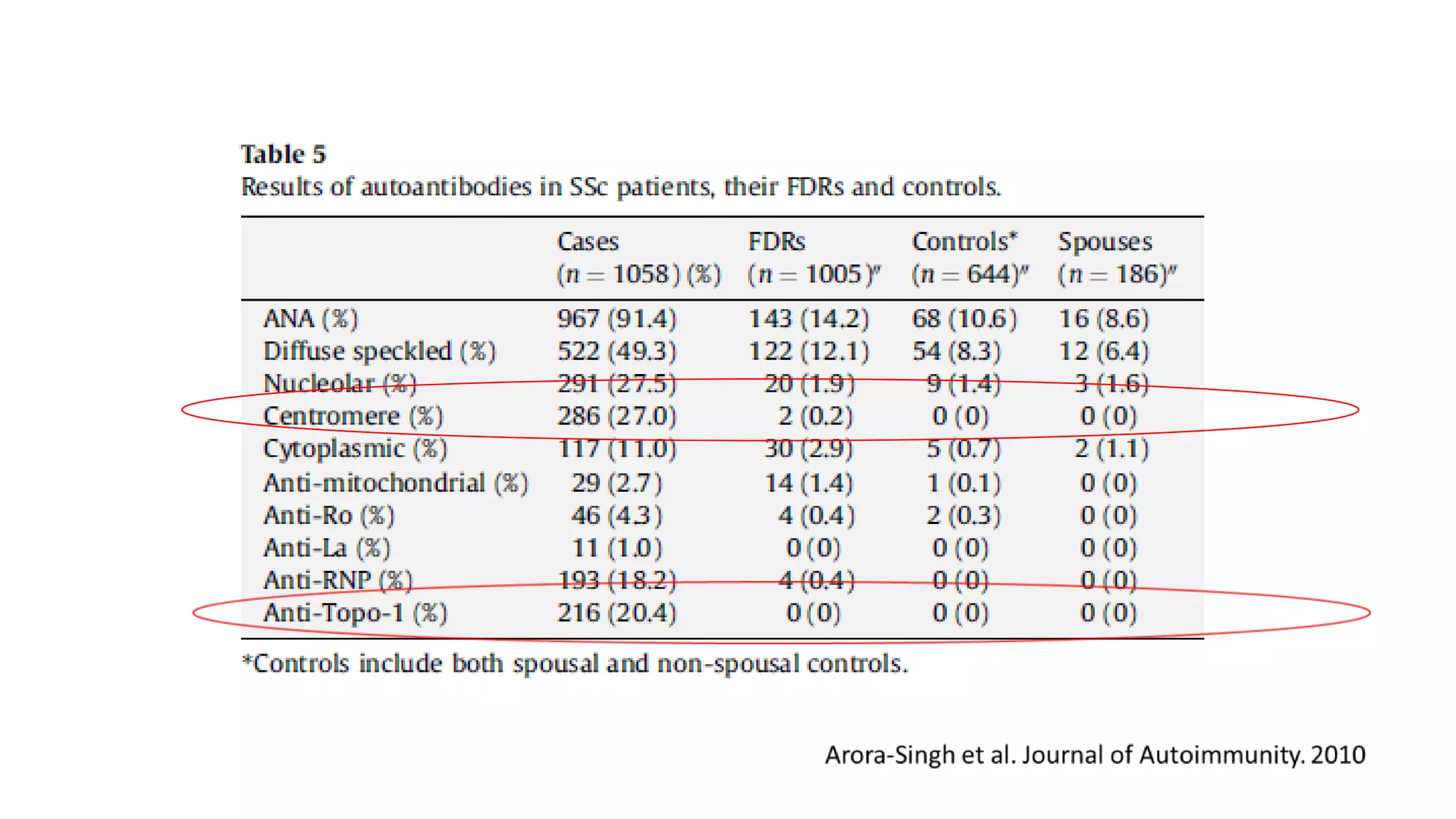
Autoimmune diseases in the first degree
relatives of scleroderma patients
• 4612 first degree relatives of 1071 scleroderma patients were
investigated.
• The most common autoimmune diseases in the families were:
Hypothyroidism (4%), rheumatoid arthritis (1.5%), hyperthyroidism
(1.3%), and systemic lupus erythematosus (0.4%)
• Compared to control families, the most striking difference for familial
occurrence was for systemic lupus erythematosus (Odds ratio= 17)
Arora-Singh et al. Journal of Autoimmunity. 2010
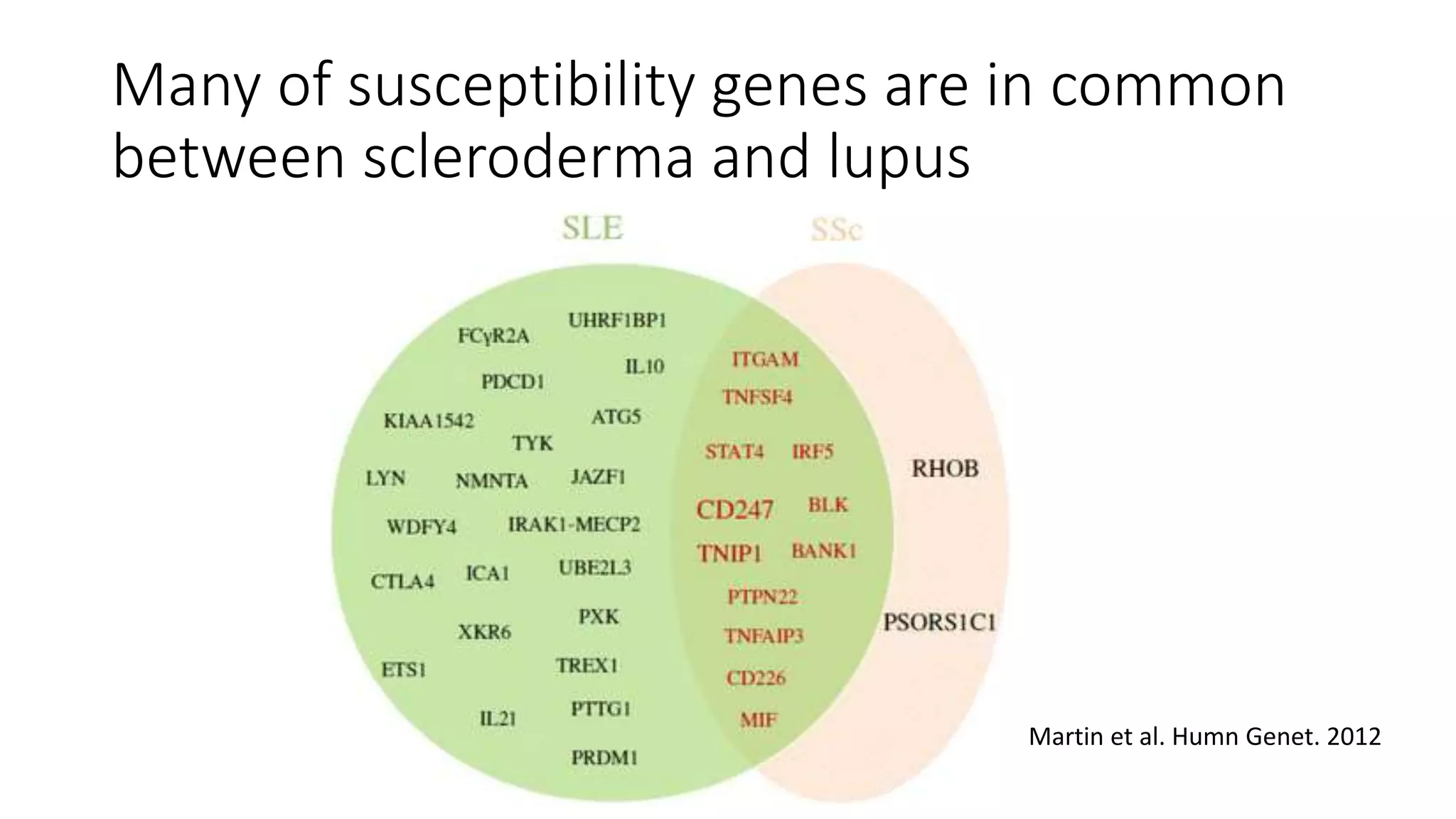
Many of susceptibility genes are in common
between scleroderma and lupus
Martin et al. Humn Genet. 2012
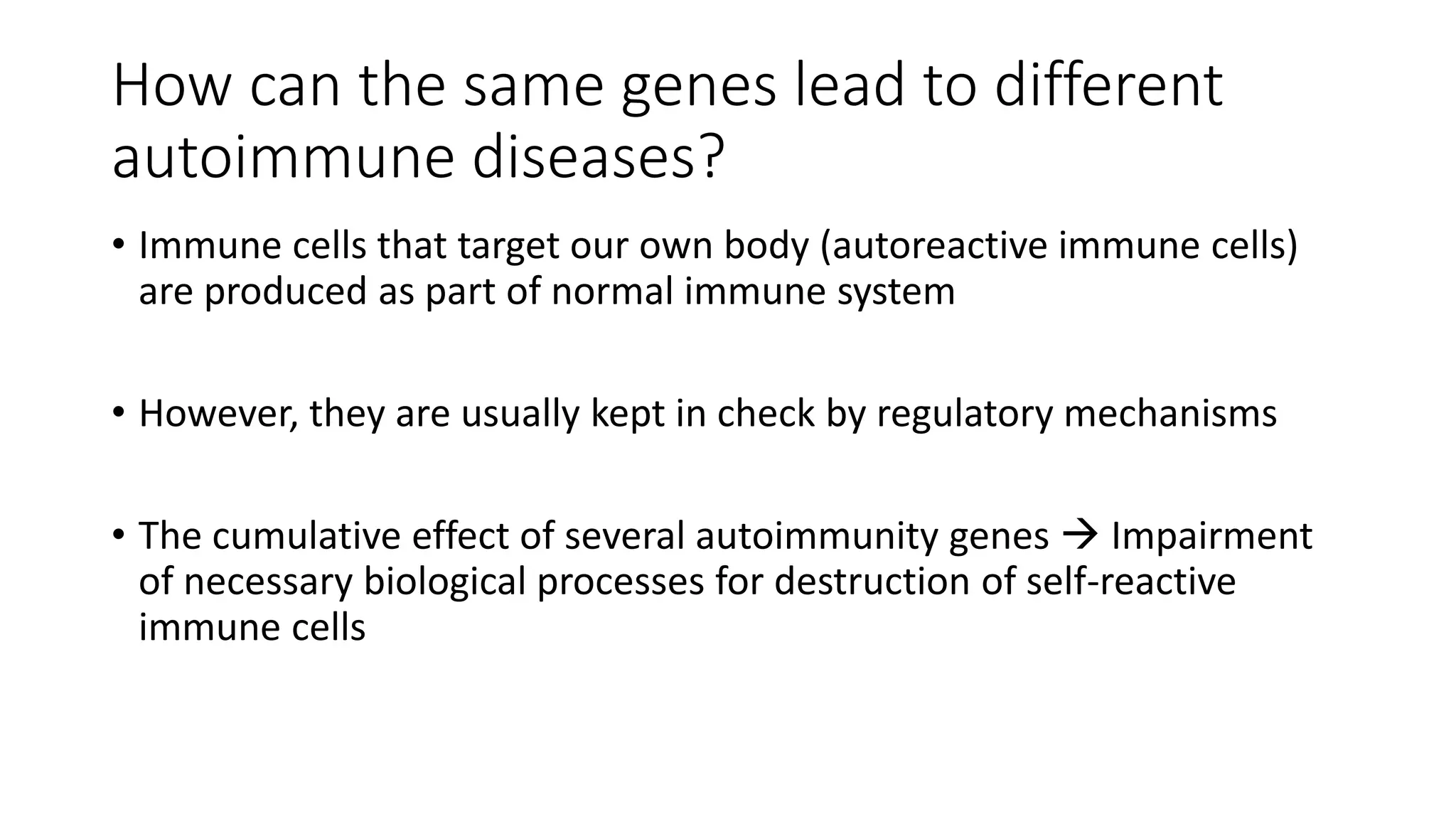
How can the same genes lead to different
autoimmune diseases?
• Immune cells that target our own body (autoreactive immune cells)
are produced as part of normal immune system
• However, they are usually kept in check by regulatory mechanisms
• The cumulative effect of several autoimmunity genes  Impairment
of necessary biological processes for destruction of self-reactive
immune cells
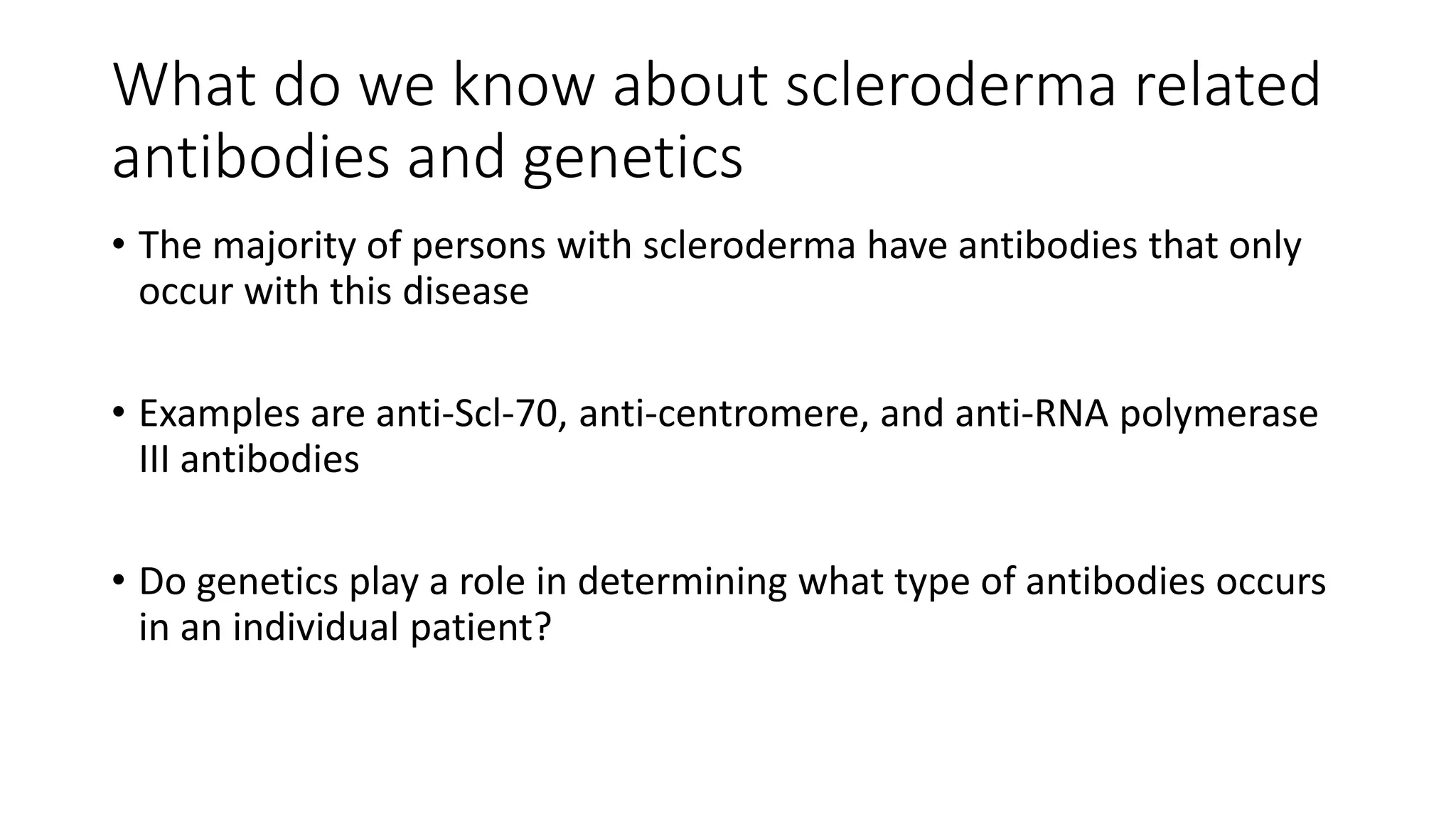
What do we know about scleroderma related
antibodies and genetics
• The majority of persons with scleroderma have antibodies that only
occur with this disease
• Examples are anti-Scl-70, anti-centromere, and anti-RNA polymerase
III antibodies
• Do genetics play a role in determining what type of antibodies occurs
in an individual patient?
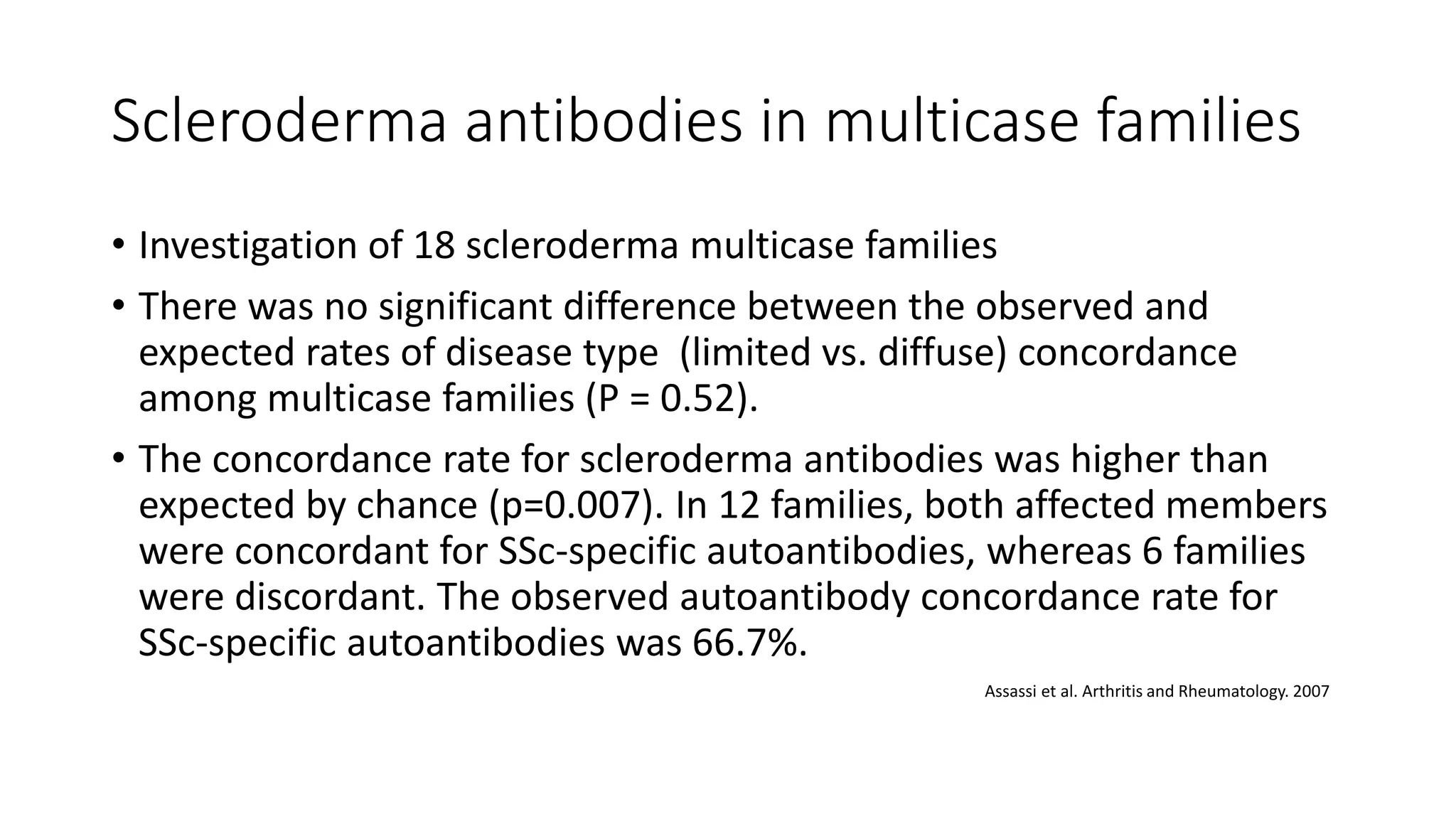
Scleroderma antibodies in multicase families
• Investigation of 18 scleroderma multicase families
• There was no significant difference between the observed and
expected rates of disease type (limited vs. diffuse) concordance
among multicase families (P = 0.52).
• The concordance rate for scleroderma antibodies was higher than
expected by chance (p=0.007). In 12 families, both affected members
were concordant for SSc-specific autoantibodies, whereas 6 families
were discordant. The observed autoantibody concordance rate for
SSc-specific autoantibodies was 66.7%.
Assassi et al. Arthritis and Rheumatology. 2007
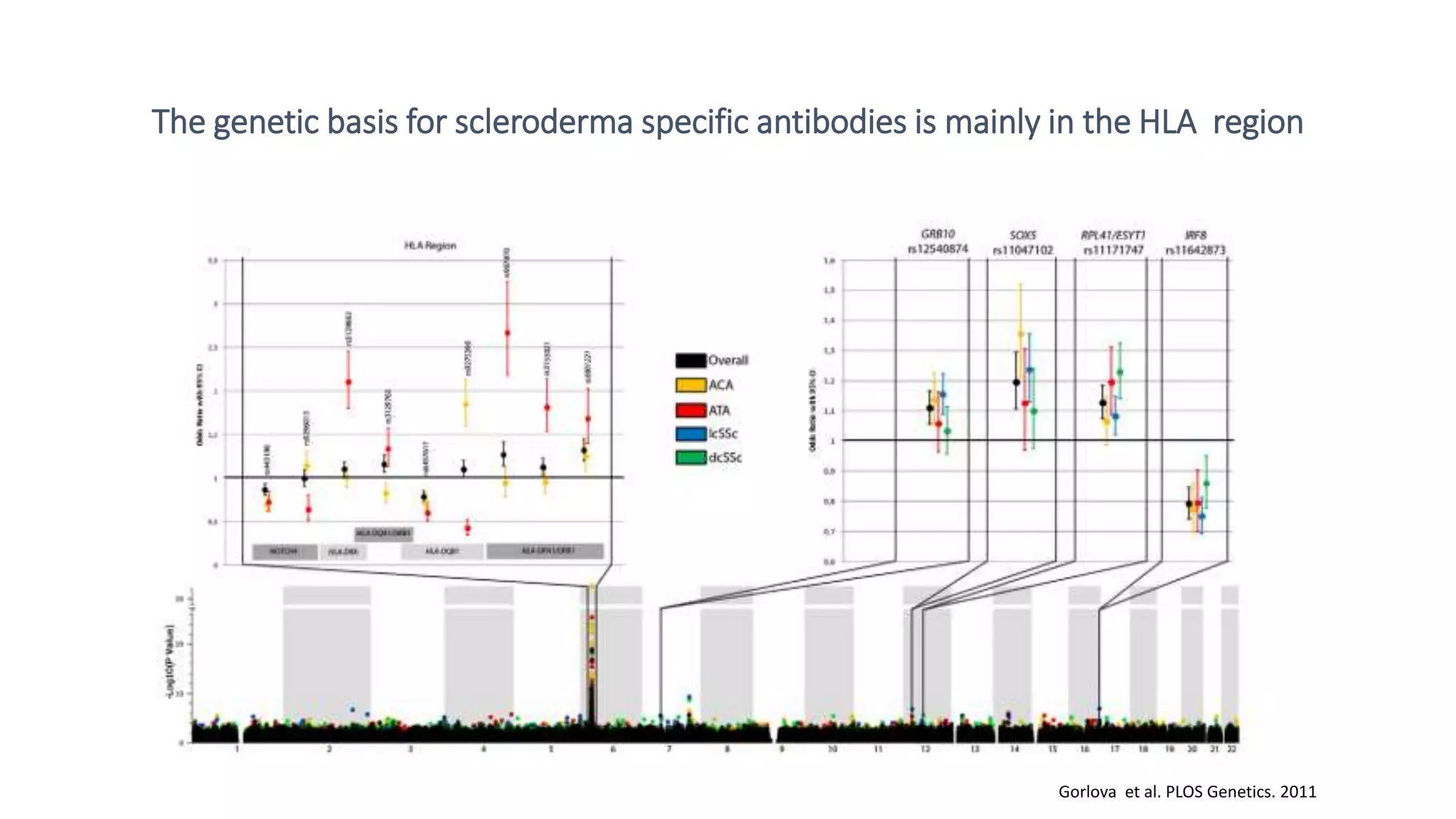
The genetic basis for scleroderma specific antibodies is mainly in the HLA region
Gorlova et al. PLOS Genetics. 2011
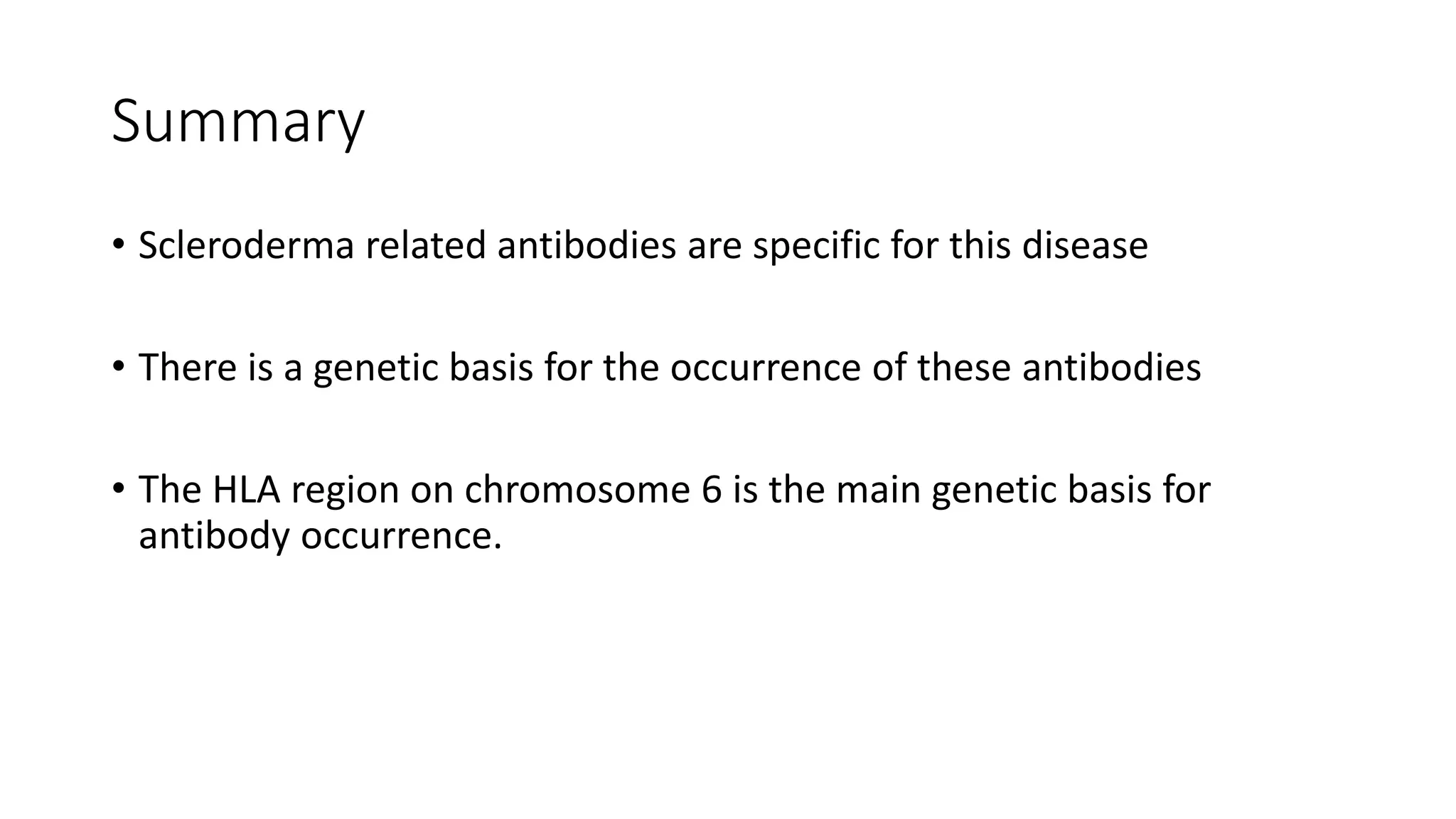
Summary
• Scleroderma related antibodies are specific for this disease
• There is a genetic basis for the occurrence of these antibodies
• The HLA region on chromosome 6 is the main genetic basis for
antibody occurrence.
Genetic Studies in Scleroderma

Genetic Studies in Scleroderma

  • 1.
    Genetic Studies inScleroderma Shervin Assassi, MD, MS Associate Professor McGovern Medical School School of Biomedical Informatics University of Texas Health Science Center at Houston
  • 2.
    What causes adisease? Genes Disease Environment
  • 5.
    Royal Disease =Hemophilia B = Alteration (mutation) in the gene F9 leads to disease Monogenic diseases: Alteration in one gene leads to disease
  • 6.
    Monogenic diseases vs.polygenic diseases • Monogenic diseases (like Hemophilia B)  Alterations in one gene leads to disease • Complex, polygenic diseases: Predisposition to these diseases is caused by several genes, with each gene contributing a relatively small effect • Scleroderma (systemic sclerosis) like most human diseases is a complex, polygenic disease
  • 7.
    WHAT CAUSES SCLERODERMA? NATUREor NURTURE (ENVIRONMENT)? YES and YES
  • 8.
    EVIDENCE for HERITABILITY:Family Studies Systemic Lupus Erythematosus Familial Recurrence Rate in 1st Degree Relatives: ~ 5% Scleroderma Familial Recurrence Rate in 1st Degree Relatives: 1.6% (1st Degree Relatives have 98.4% chance of NOT developing SSc)
  • 9.
    Examples of multicasescleroderma families 201 202 101 102 203 204 SSc Limited ANA 1:80 Speckled Scl 70 - Date Raynaud's: 1991 Date Dx: 1996 Age Dx: 16 SSc Limited ANA 1:160 Speckled Scl 70 - Date Raynaud's: 1993 Date Dx: 1995 Age Dx: 22
  • 10.
    Examples of poly-autoimmunefamilies 204 101 102 103 205201 202 203 301 2 ANA + Date Dx: 1978 Age Dx: 59 SSc Limited ANA 1:640 Centromere Scl 70 - Date Dx: 1988 Age Dx: 47 SLE SLE MS
  • 11.
  • 12.
  • 13.
  • 14.
    WHAT ARE THEGENE VARIANTS RESPONSIBLE FOR SSc HERITABILITY?
  • 15.
    Genome Wide Association Study(GWAS) Collaboration with 10 U.S. sites (including Northwestern University) Canadian Scleroderma Research Group Multiple European Researchers
  • 16.
  • 17.
    GWAS of 2,296SSc Patients and 5,171 Healthy Controls – Discovery Cohort Radstake et al. Nature Genetics 42:426-9 (2010)
  • 18.
    Selected Genetic Associationsand SSc (2016) Non-MHC (MORE THAN 30) CD247 IL2/IL21 TN1P1 IL2RA RHOB ENDRB BANK1 ENDRA IRF5 TNFAIP3 IRF7 MIF IRF8 CSK STAT4 IL12RB2 BLK X Chromosome TNFSF4 IRAK1/MECP2 ITGAM MIF PTPN22 GRB10 MHC- HLA Chromosome 6 HLA-DPB1 *1301 ATA+ (White) *0901 ATA+ (Asian) *0402 ACA+ (Asian) HLA-DQA1 multiple HLA-DQB1 multiple HLA-DRB1 multiple MHC- non HLA NOTCH4 PSORS1C1
  • 19.
    INTERPRETATION of GENETICSTUDIES • Most of the associated genes influence immune-related pathways (T- cells, B-cells, and interferon) rather than fibrosis or vascular pathways • The precise role of the genetic variants has not yet been identified  How does the alteration in the gene leads to autoimmunity, vascular damage, and fibrosis?
  • 20.
    Autoimmune diseases inthe first degree relatives of scleroderma patients • 4612 first degree relatives of 1071 scleroderma patients were investigated. • The most common autoimmune diseases in the families were: Hypothyroidism (4%), rheumatoid arthritis (1.5%), hyperthyroidism (1.3%), and systemic lupus erythematosus (0.4%) • Compared to control families, the most striking difference for familial occurrence was for systemic lupus erythematosus (Odds ratio= 17) Arora-Singh et al. Journal of Autoimmunity. 2010
  • 21.
    Many of susceptibilitygenes are in common between scleroderma and lupus Martin et al. Humn Genet. 2012
  • 22.
    How can thesame genes lead to different autoimmune diseases? • Immune cells that target our own body (autoreactive immune cells) are produced as part of normal immune system • However, they are usually kept in check by regulatory mechanisms • The cumulative effect of several autoimmunity genes  Impairment of necessary biological processes for destruction of self-reactive immune cells
  • 23.
    What do weknow about scleroderma related antibodies and genetics • The majority of persons with scleroderma have antibodies that only occur with this disease • Examples are anti-Scl-70, anti-centromere, and anti-RNA polymerase III antibodies • Do genetics play a role in determining what type of antibodies occurs in an individual patient?
  • 25.
    Scleroderma antibodies inmulticase families • Investigation of 18 scleroderma multicase families • There was no significant difference between the observed and expected rates of disease type (limited vs. diffuse) concordance among multicase families (P = 0.52). • The concordance rate for scleroderma antibodies was higher than expected by chance (p=0.007). In 12 families, both affected members were concordant for SSc-specific autoantibodies, whereas 6 families were discordant. The observed autoantibody concordance rate for SSc-specific autoantibodies was 66.7%. Assassi et al. Arthritis and Rheumatology. 2007
  • 26.
    The genetic basisfor scleroderma specific antibodies is mainly in the HLA region Gorlova et al. PLOS Genetics. 2011
  • 27.
    Summary • Scleroderma relatedantibodies are specific for this disease • There is a genetic basis for the occurrence of these antibodies • The HLA region on chromosome 6 is the main genetic basis for antibody occurrence.