CHAPTER 16 
Building a New Venture Team 
and 
Planning for the Next Generation 
Copyright © 2011 Pearson Education, Inc. Publishing as Prentice Hall
Leadership 
 The process of influencing and 
inspiring others to work to achieve a 
common goal and then giving them 
the power and the freedom to 
achieve it. 
 Entrepreneurs must take on many 
roles in their companies, but none is 
more important than that of leader. 
Copyright © 2011 Pearson Education, Inc. Publishing Ch. 16: Building a Team & Succession Planning as Prentice Hall 16 - 2
Business Leaders Are… 
 Innovative 
 Passionate 
 Willing to take risks 
 Adaptable 
Copyright © 2011 Pearson Education, Inc. Publishing Ch. 16: Building a Team & Succession Planning as Prentice Hall 16 - 3
Effective Leaders 
 Create a set of values and beliefs for 
employees and passionately pursue them. 
 Establish a culture of ethics. 
 Define and then constantly reinforce 
the vision they have for the company. 
 Respect and support their employees. 
 Set the example for their employees. 
 Create a climate of trust in the organization. 
 Build credibility with their employees. 
Copyright © 2011 Pearson Education, Inc. Publishing Ch. 16: Building a Team & Succession Planning as Prentice Hall 16 - 4
Effective Leaders 
(continued) 
 Focus employees’ efforts on challenging 
and driving toward those goals. 
 Provide the resources employees need to 
achieve their goals. 
 Listen to their employees. 
 Value the diversity of their workers. 
 Celebrate their workers’ successes. 
 Are willing to take risks. 
 Encourage creativity among their workers. 
 Maintain a sense of humor. 
Copyright © 2011 Pearson Education, Inc. Publishing Ch. 16: Building a Team & Succession Planning as Prentice Hall 16 - 5
Effective Leaders 
(continued) 
 Create an environment in which people 
have the motivation, the training, and the 
freedom to achieve the goals they have set. 
 Create a work climate that encourages 
maximum performance. 
 Become a catalyst for change 
when change is needed. 
 Develop leadership talent. 
 Keep their eyes on the horizon. 
Copyright © 2011 Pearson Education, Inc. Publishing Ch. 16: Building a Team & Succession Planning as Prentice Hall 16 - 6
Three Vital Tasks of a Leader 
1. Add the right employees and 
constantly improve their skills. 
2. Create a culture for 
retaining employees. 
3. Plan for “passing the torch” to 
the next generation of leadership. 
Copyright © 2011 Pearson Education, Inc. Publishing Ch. 16: Building a Team & Succession Planning as Prentice Hall 16 - 7
Building an 
Entrepreneurial Team 
 Study: 80% of employees turnover is caused 
by bad hiring decisions. 
 Leadership IQ study: 
 46% of newly hired employees will fail in their 
jobs within 18 months. 
 19% of newly hired employees will achieve 
unequivocal success. 
 Study: 34% of hiring managers admit to 
making bad hiring decisions because they 
were under pressure to fill a job. 
Copyright © 2011 Pearson Education, Inc. Publishing Ch. 16: Building a Team & Succession Planning as Prentice Hall 16 - 8
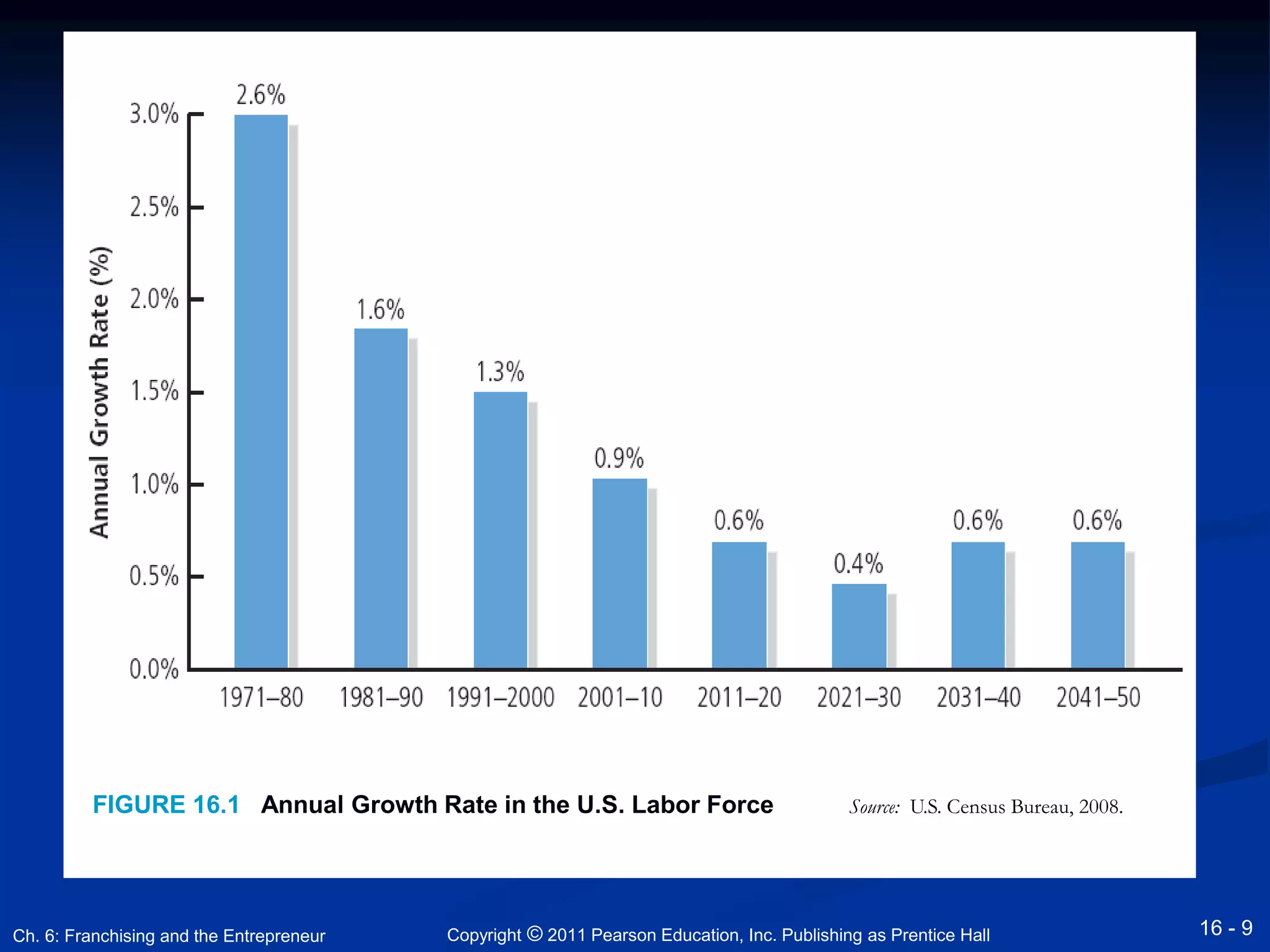
FIGURE 16.1 Annual Growth Rate in the U.S. Labor Force Source: U.S. Census Bureau, 2008. 
Copyright © 2011 Pearson Education, Inc. Ch. 6: Franchising and the Entrepreneur Publishing as Prentice Hall 
16 - 9
How to Hire Winners 
 Commit to hire the best talent. 
 Elevate recruiting to a strategic position. 
Copyright © 2011 Pearson Education, Inc. Publishing Ch. 16: Building a Team & Succession Planning as Prentice Hall 16 - 10
Strategic Recruiting 
 Look inside the company first. 
 Encourage employee referrals. 
 Make employment advertisements 
stand out. 
 Use multiple channels to recruit talent. 
 Recruit on campus. 
Copyright © 2011 Pearson Education, Inc. Publishing Ch. 16: Building a Team & Succession Planning as Prentice Hall 16 - 11
Strategic Recruiting 
(continued) 
 Get involved in a college internship 
program. 
 Recruit “retired” workers. 
 Consider using offbeat recruiting 
techniques. 
 Offer what workers want. 
Copyright © 2011 Pearson Education, Inc. Publishing Ch. 16: Building a Team & Succession Planning as Prentice Hall 16 - 12
How to Hire Winners 
(continued) 
 Commit to hire the best talent. 
 Elevate recruiting to a strategic position. 
 Create practical job descriptions and job 
specifications. 
Copyright © 2011 Pearson Education, Inc. Publishing Ch. 16: Building a Team & Succession Planning as Prentice Hall 16 - 13
Conducting a Job Analysis 
 Create a job description - a written 
statement of the duties, responsibilities, 
reporting relationships, working conditions, 
and materials and equipment used in a job. 
 Handy tool: Dictionary of Occupational Titles 
 Create a job specification - written 
statement of the qualifications and 
characteristics needed for a job, stated in 
terms such as education, skills, and 
experience. 
Copyright © 2011 Pearson Education, Inc. Publishing Ch. 16: Building a Team & Succession Planning as Prentice Hall 16 - 14
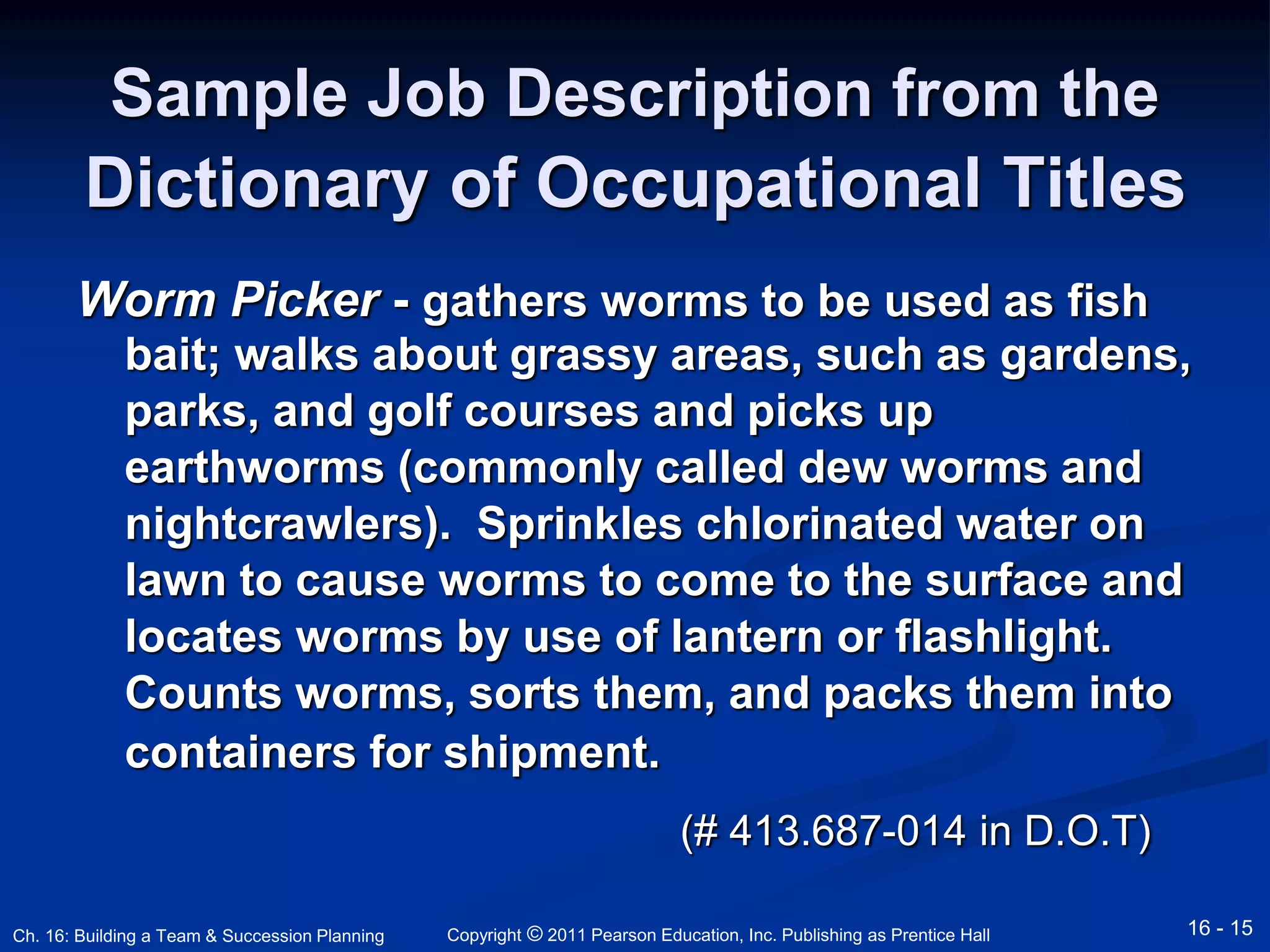
Sample Job Description from the 
Dictionary of Occupational Titles 
Worm Picker - gathers worms to be used as fish 
bait; walks about grassy areas, such as gardens, 
parks, and golf courses and picks up 
earthworms (commonly called dew worms and 
nightcrawlers). Sprinkles chlorinated water on 
lawn to cause worms to come to the surface and 
locates worms by use of lantern or flashlight. 
Counts worms, sorts them, and packs them into 
containers for shipment. 
(# 413.687-014 in D.O.T) 
Copyright © 2011 Pearson Education, Inc. Publishing Ch. 16: Building a Team & Succession Planning as Prentice Hall 16 - 15
How to Hire Winners 
(continued) 
 Commit to hire the best talent. 
 Elevate recruiting to a strategic position. 
 Create practical job descriptions and job 
specifications. 
 Plan an effective interview. 
Copyright © 2011 Pearson Education, Inc. Publishing Ch. 16: Building a Team & Succession Planning as Prentice Hall 16 - 16
Planning an Effective Interview 
 Involve others in the interview process. 
 Develop a series of core questions and 
ask them of every job candidate. 
 Ask open-ended questions rather than 
questions calling for “yes or no” answers. 
 Create hypothetical situations candidates 
would encounter on the job and ask how 
they would handle them. 
 Situational interviews 
Copyright © 2011 Pearson Education, Inc. Publishing Ch. 16: Building a Team & Succession Planning as Prentice Hall 16 - 17
Planning an Effective Interview 
(continued) 
 Probe for specific examples in the 
candidate’s work history that demonstrate 
the necessary traits and characteristics. 
 Ask candidates to describe a recent 
success and a recent failure and how they 
dealt with them. 
 Arrange a “non-interview” setting that 
allows others to observe the candidate in 
an informal setting. 
Copyright © 2011 Pearson Education, Inc. Publishing Ch. 16: Building a Team & Succession Planning as Prentice Hall 16 - 18
How to Hire Winners 
(continued) 
 Commit to hire the best talent. 
 Elevate recruiting to a strategic position. 
 Create practical job descriptions and job 
specifications. 
 Plan an effective interview. 
 Conduct the interview. 
Copyright © 2011 Pearson Education, Inc. Publishing Ch. 16: Building a Team & Succession Planning as Prentice Hall 16 - 19
Conducting an 
Effective Interview 
 Break the ice. 
 Goal: to diffuse nervous tension. 
 Ask questions. 
 Puzzle interviews. 
 Remember the 25/75 Rule. 
 Be respectful and keep it legal! 
 Sell the candidate on the company. 
Best candidates will have other job offers. 
Your job: to convince the best candidates 
that your company is a great place to work. 
Copyright © 2011 Pearson Education, Inc. Publishing Ch. 16: Building a Team & Succession Planning as Prentice Hall 16 - 20
How to Hire Winners 
(continued) 
 Commit to hire the best talent. 
 Elevate recruiting to a strategic position. 
 Create practical job descriptions and job 
specifications. 
 Plan an effective interview. 
 Conduct the interview. 
 Contact references and conduct a 
background check. 
Copyright © 2011 Pearson Education, Inc. Publishing Ch. 16: Building a Team & Succession Planning as Prentice Hall 16 - 21
Checking References 
Checking an applicant’s references is an 
important part of protecting a company 
against making a “bad hire.” 
Is it really necessary? Yes ! 
According to a CareerBuilder survey, 49% 
of all candidates either exaggerate or 
falsify information about their previous 
employment on their résumés. 
Copyright © 2011 Pearson Education, Inc. Publishing Ch. 16: Building a Team & Succession Planning as Prentice Hall 16 - 22
Company Culture 
 Distinctive, unwritten, informal code 
of conduct that governs the behavior, 
attitudes, relationships, and style of 
an organization. 
 “The way we do things around here.” 
 In small companies, culture plays as 
important a part in gaining a 
competitive edge as strategy does. 
Copyright © 2011 Pearson Education, Inc. Publishing Ch. 16: Building a Team & Succession Planning as Prentice Hall 16 - 23
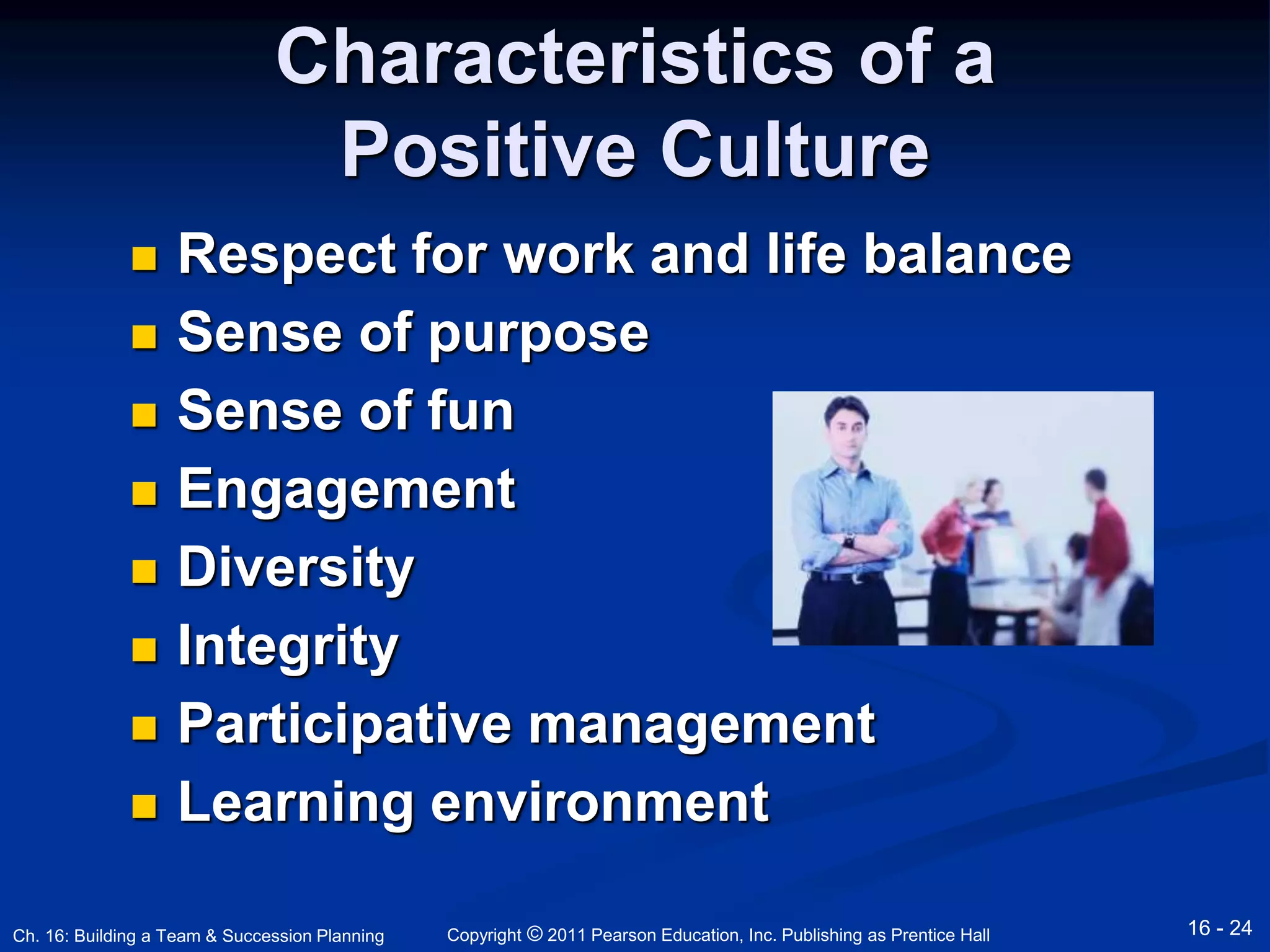
Characteristics of a 
Positive Culture 
 Respect for work and life balance 
 Sense of purpose 
 Sense of fun 
 Engagement 
 Diversity 
 Integrity 
 Participative management 
 Learning environment 
Copyright © 2011 Pearson Education, Inc. Publishing Ch. 16: Building a Team & Succession Planning as Prentice Hall 16 - 24
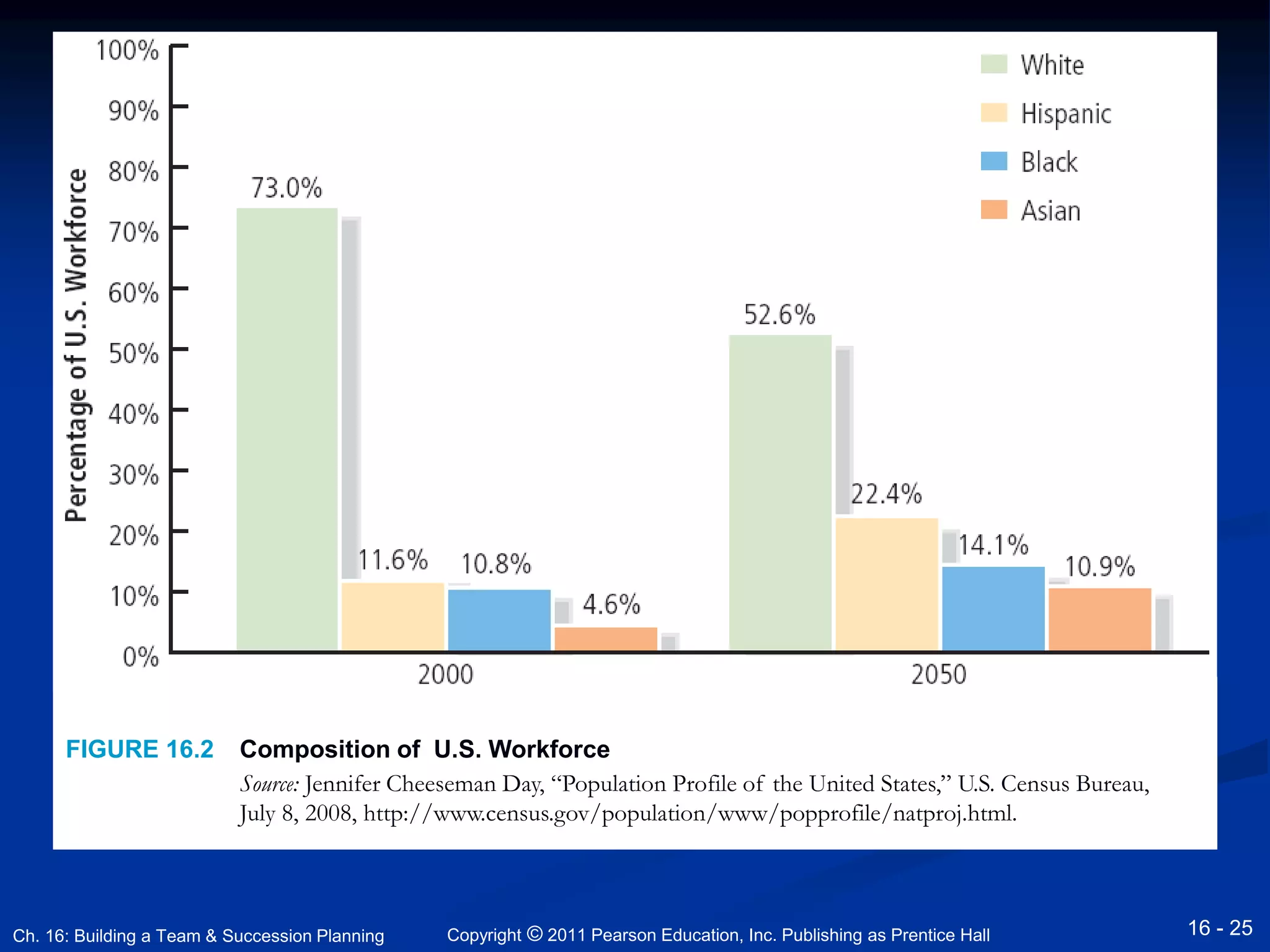
FIGURE 16.2 Composition of U.S. Workforce 
Source: Jennifer Cheeseman Day, “Population Profile of the United States,” U.S. Census Bureau, 
July 8, 2008, http://www.census.gov/population/www/popprofile/natproj.html. 
Copyright © 2011 Pearson Education, Inc. Ch. 16: Building a Team & Succession Planning Publishing as Prentice Hall 
16 - 25
Job Design Strategies 
 Job simplification - breaks work down into 
its simplest form and standardizes each 
task. 
 Job enlargement (horizontal job loading) - 
adds more tasks to a job to broaden its 
scope. 
 Job rotation - cross-trains workers so they 
can move from one job in a company to 
others, giving them a greater number and 
variety of tasks to perform. Often used with 
a skill-based pay system. 
Copyright © 2011 Pearson Education, Inc. Publishing Ch. 16: Building a Team & Succession Planning as Prentice Hall 16 - 26
Job Design Strategies 
(continued) 
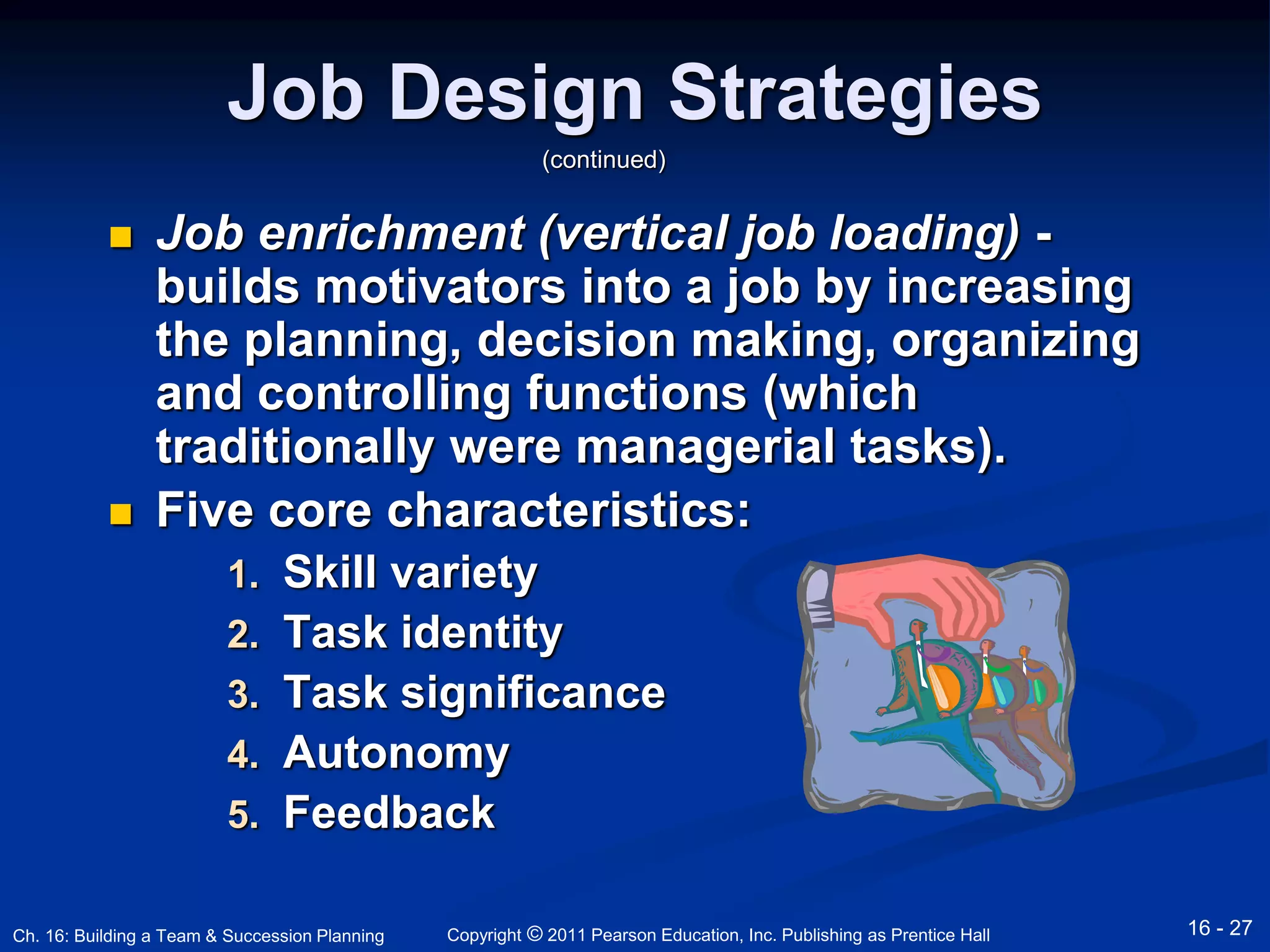
 Job enrichment (vertical job loading) - 
builds motivators into a job by increasing 
the planning, decision making, organizing 
and controlling functions (which 
traditionally were managerial tasks). 
 Five core characteristics: 
1. Skill variety 
2. Task identity 
3. Task significance 
4. Autonomy 
5. Feedback 
Copyright © 2011 Pearson Education, Inc. Publishing Ch. 16: Building a Team & Succession Planning as Prentice Hall 16 - 27
Job Design Strategies 
(continued) 
 Flextime - an arrangement under which 
employees build their work schedules 
around a set of “core hours” - such as 
11 a.m. to 2 p.m. - but have flexibility 
about when they start and stop work. 
 Job sharing - a work arrangement in 
which two or more people share a 
single full-time job. 
Copyright © 2011 Pearson Education, Inc. Publishing Ch. 16: Building a Team & Succession Planning as Prentice Hall 16 - 28
Job Design Strategies 
(continued) 
 Flexplace - a work arrangement in which 
employees work at a place other than the 
traditional office, such as a satellite 
branch closer to their homes or, in some 
cases, at home. 
 Telecommuting - an arrangement in which 
employees have employees working from 
their homes use modern communications 
equipment to hook up to their workplaces. 
Copyright © 2011 Pearson Education, Inc. Publishing Ch. 16: Building a Team & Succession Planning as Prentice Hall 16 - 29
Rewards and Compensation 
 The key to using rewards to motivate 
workers is tailoring them to the 
needs and characteristics of 
individual workers. 
 Money is an effective motivator … 
up to a point. 
 Pay-for-performance systems 
 Profit-sharing plans 
 Open book management 
 Cafeteria benefit plan 
Copyright © 2011 Pearson Education, Inc. Publishing Ch. 16: Building a Team & Succession Planning as Prentice Hall 16 - 30
Rewards and Compensation 
 Intangible rewards – such as praise, 
recognition, celebrations, and others – 
can be powerful, yet inexpensive, 
motivators. 
 Entrepreneurs tend to rely 
on non-monetary rewards. 
Copyright © 2011 Pearson Education, Inc. Publishing Ch. 16: Building a Team & Succession Planning as Prentice Hall 16 - 31
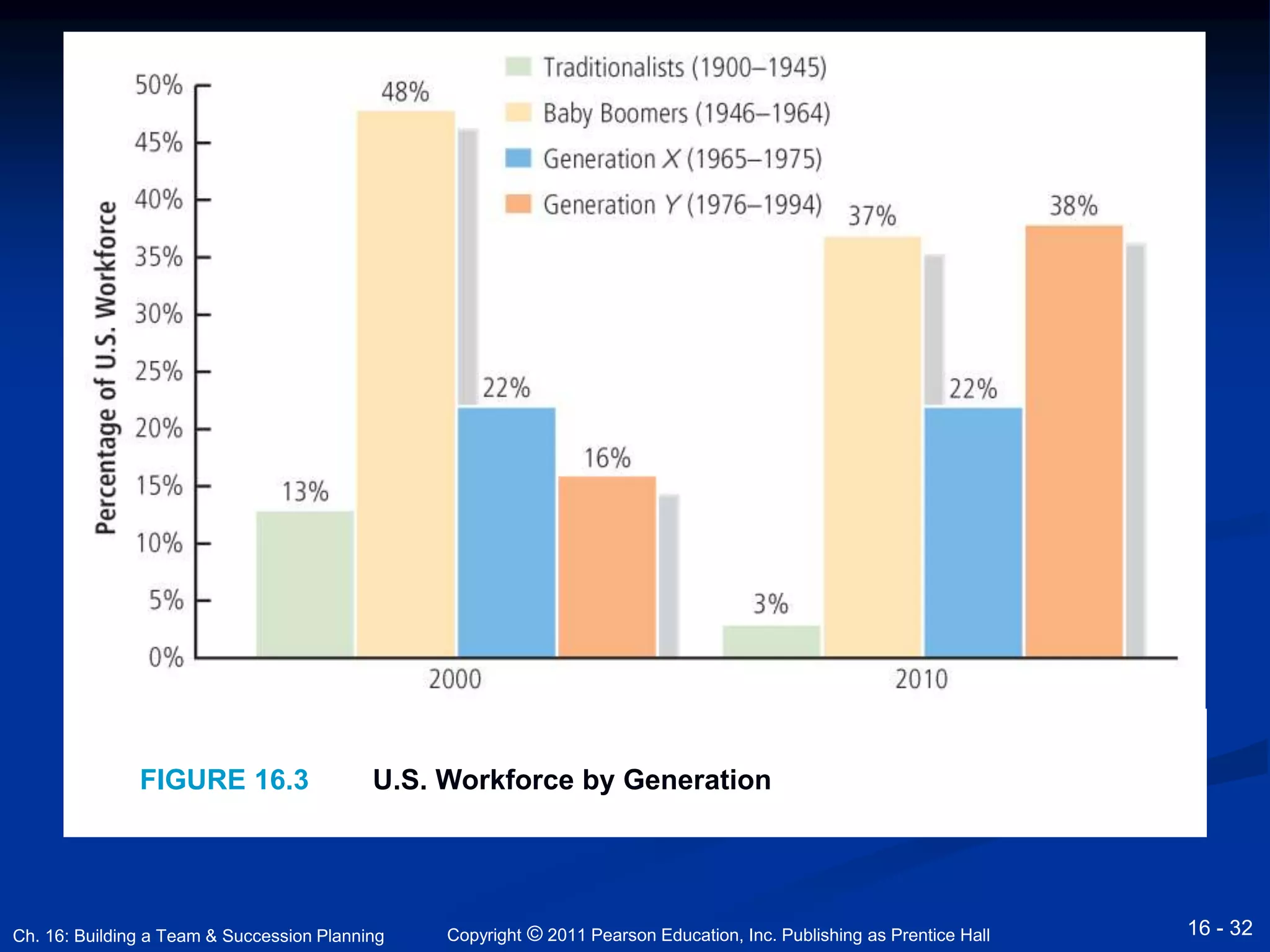
FIGURE 16.3 U.S. Workforce by Generation 
Copyright © 2011 Pearson Education, Inc. Ch. 16: Building a Team & Succession Planning Publishing as Prentice Hall 
16 - 32
Family Businesses 
 Make up 90% of all U.S. businesses. 
 Account for 64% of U.S. GDP. 
 Employ 62% of private sector work force. 
 Comprise 37% of the Fortune 500 
companies. 
 Created 80% of the U.S. economy’s net 
new jobs over the last two decades. 
Copyright © 2011 Pearson Education, Inc. Publishing Ch. 16: Building a Team & Succession Planning as Prentice Hall 16 - 33
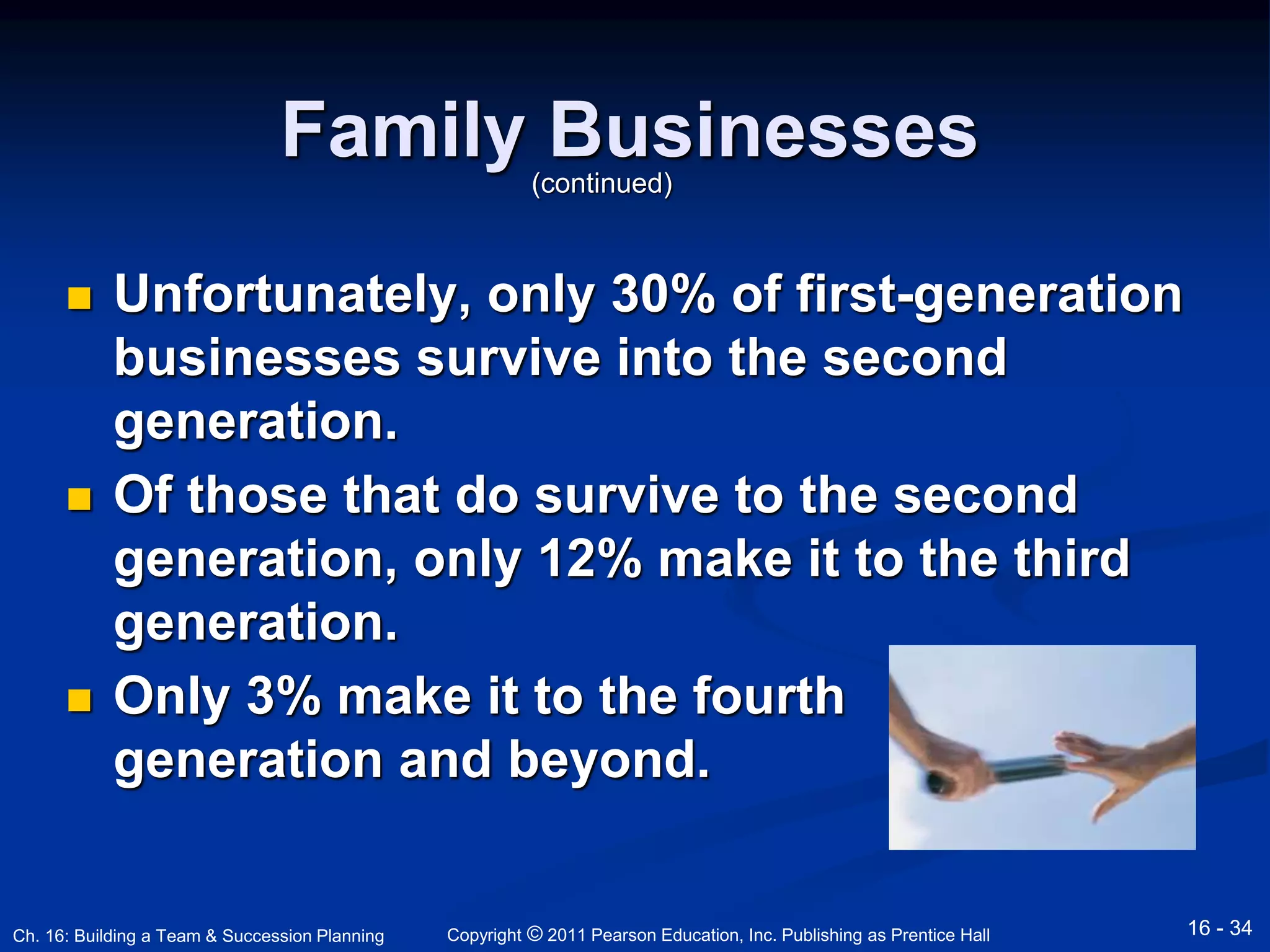
Family Businesses 
(continued) 
 Unfortunately, only 30% of first-generation 
businesses survive into the second 
generation. 
 Of those that do survive to the second 
generation, only 12% make it to the third 
generation. 
 Only 3% make it to the fourth 
generation and beyond. 
Copyright © 2011 Pearson Education, Inc. Publishing Ch. 16: Building a Team & Succession Planning as Prentice Hall 16 - 34
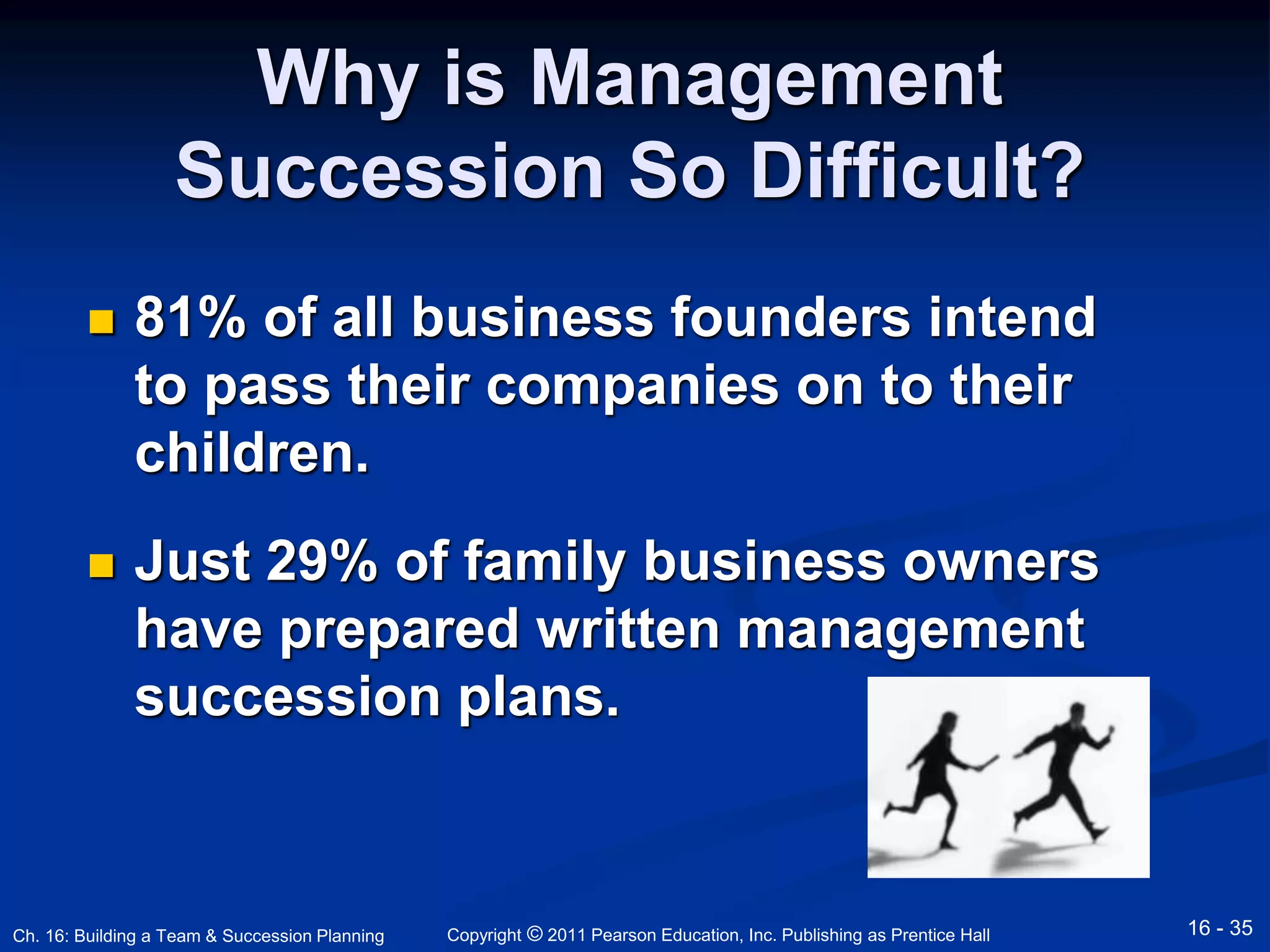
Why is Management 
Succession So Difficult? 
 81% of all business founders intend 
to pass their companies on to their 
children. 
 Just 29% of family business owners 
have prepared written management 
succession plans. 
Copyright © 2011 Pearson Education, Inc. Publishing Ch. 16: Building a Team & Succession Planning as Prentice Hall 16 - 35
How to Develop a 
Management Succession Plan 
Step 1. Select the successor. 
Step 2. Create a survival kit for the 
successor. 
Step 3. Groom the successor. 
Step 4. Promote an environment of trust 
and respect. 
Step 5. Cope with the financial realities of 
estate and gift taxes. 
Copyright © 2011 Pearson Education, Inc. Publishing Ch. 16: Building a Team & Succession Planning as Prentice Hall 16 - 36
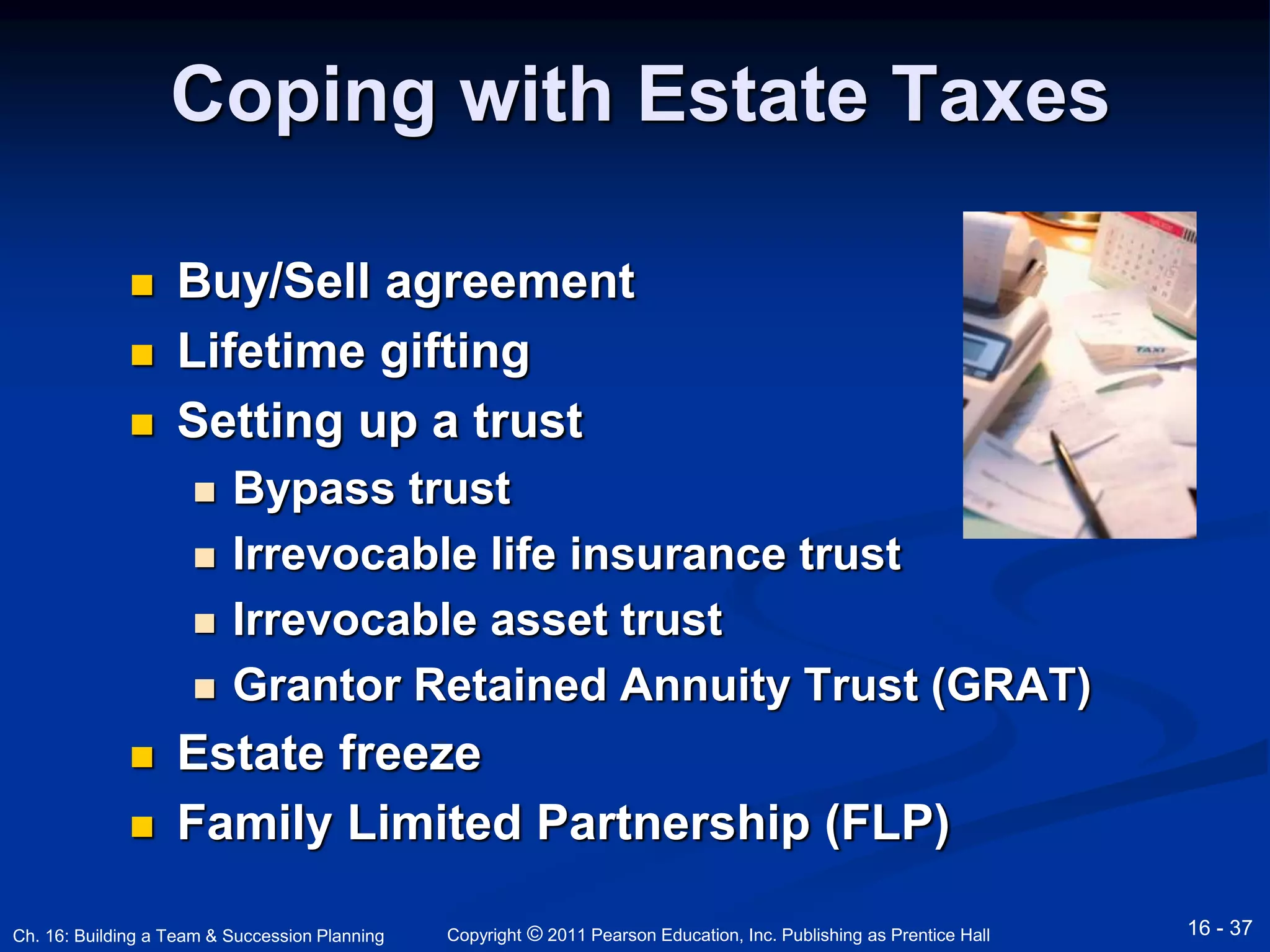
Coping with Estate Taxes 
 Buy/Sell agreement 
 Lifetime gifting 
 Setting up a trust 
 Bypass trust 
 Irrevocable life insurance trust 
 Irrevocable asset trust 
 Grantor Retained Annuity Trust (GRAT) 
 Estate freeze 
 Family Limited Partnership (FLP) 
Copyright © 2011 Pearson Education, Inc. Publishing Ch. 16: Building a Team & Succession Planning as Prentice Hall 16 - 37
Exit Strategies 
 Entrepreneurs planning to retire often 
use two exit strategies: 
 Sell to outsiders 
 Sell to insiders 
Leveraged buyout (LBO) 
Employee Stock Ownership Plan (ESOP) 
Copyright © 2011 Pearson Education, Inc. Publishing Ch. 16: Building a Team & Succession Planning as Prentice Hall 16 - 38
Conclusion 
 Leadership is the process of influencing 
and inspiring others. 
 Leadership shapes company culture. 
 A succession plan is a crucial element 
in transferring leadership. 
 An exit plan allows entrepreneurs to 
step down and benefit most 
from the sale of the company. 
Copyright © 2011 Pearson Education, Inc. Publishing Ch. 16: Building a Team & Succession Planning as Prentice Hall 16 - 39
All rights reserved. No part of this publication may be 
reproduced, stored in a retrieval system, or transmitted, in any 
form or by any means, electronic, mechanical, photocopying, 
recording, or otherwise, without the prior written permission of 
the publisher. Printed in the United States of America. 
Copyright © 2011 Pearson Education, Inc. Publishing Ch. 16: Building a Team & Succession Planning as Prentice Hall 16 - 40

Scarb eesbm6e ppt_16

  • 1.
    CHAPTER 16 Buildinga New Venture Team and Planning for the Next Generation Copyright © 2011 Pearson Education, Inc. Publishing as Prentice Hall
  • 2.
    Leadership  Theprocess of influencing and inspiring others to work to achieve a common goal and then giving them the power and the freedom to achieve it.  Entrepreneurs must take on many roles in their companies, but none is more important than that of leader. Copyright © 2011 Pearson Education, Inc. Publishing Ch. 16: Building a Team & Succession Planning as Prentice Hall 16 - 2
  • 3.
    Business Leaders Are…  Innovative  Passionate  Willing to take risks  Adaptable Copyright © 2011 Pearson Education, Inc. Publishing Ch. 16: Building a Team & Succession Planning as Prentice Hall 16 - 3
  • 4.
    Effective Leaders Create a set of values and beliefs for employees and passionately pursue them.  Establish a culture of ethics.  Define and then constantly reinforce the vision they have for the company.  Respect and support their employees.  Set the example for their employees.  Create a climate of trust in the organization.  Build credibility with their employees. Copyright © 2011 Pearson Education, Inc. Publishing Ch. 16: Building a Team & Succession Planning as Prentice Hall 16 - 4
  • 5.
    Effective Leaders (continued)  Focus employees’ efforts on challenging and driving toward those goals.  Provide the resources employees need to achieve their goals.  Listen to their employees.  Value the diversity of their workers.  Celebrate their workers’ successes.  Are willing to take risks.  Encourage creativity among their workers.  Maintain a sense of humor. Copyright © 2011 Pearson Education, Inc. Publishing Ch. 16: Building a Team & Succession Planning as Prentice Hall 16 - 5
  • 6.
    Effective Leaders (continued)  Create an environment in which people have the motivation, the training, and the freedom to achieve the goals they have set.  Create a work climate that encourages maximum performance.  Become a catalyst for change when change is needed.  Develop leadership talent.  Keep their eyes on the horizon. Copyright © 2011 Pearson Education, Inc. Publishing Ch. 16: Building a Team & Succession Planning as Prentice Hall 16 - 6
  • 7.
    Three Vital Tasksof a Leader 1. Add the right employees and constantly improve their skills. 2. Create a culture for retaining employees. 3. Plan for “passing the torch” to the next generation of leadership. Copyright © 2011 Pearson Education, Inc. Publishing Ch. 16: Building a Team & Succession Planning as Prentice Hall 16 - 7
  • 8.
    Building an EntrepreneurialTeam  Study: 80% of employees turnover is caused by bad hiring decisions.  Leadership IQ study:  46% of newly hired employees will fail in their jobs within 18 months.  19% of newly hired employees will achieve unequivocal success.  Study: 34% of hiring managers admit to making bad hiring decisions because they were under pressure to fill a job. Copyright © 2011 Pearson Education, Inc. Publishing Ch. 16: Building a Team & Succession Planning as Prentice Hall 16 - 8
  • 9.
    FIGURE 16.1 AnnualGrowth Rate in the U.S. Labor Force Source: U.S. Census Bureau, 2008. Copyright © 2011 Pearson Education, Inc. Ch. 6: Franchising and the Entrepreneur Publishing as Prentice Hall 16 - 9
  • 10.
    How to HireWinners  Commit to hire the best talent.  Elevate recruiting to a strategic position. Copyright © 2011 Pearson Education, Inc. Publishing Ch. 16: Building a Team & Succession Planning as Prentice Hall 16 - 10
  • 11.
    Strategic Recruiting Look inside the company first.  Encourage employee referrals.  Make employment advertisements stand out.  Use multiple channels to recruit talent.  Recruit on campus. Copyright © 2011 Pearson Education, Inc. Publishing Ch. 16: Building a Team & Succession Planning as Prentice Hall 16 - 11
  • 12.
    Strategic Recruiting (continued)  Get involved in a college internship program.  Recruit “retired” workers.  Consider using offbeat recruiting techniques.  Offer what workers want. Copyright © 2011 Pearson Education, Inc. Publishing Ch. 16: Building a Team & Succession Planning as Prentice Hall 16 - 12
  • 13.
    How to HireWinners (continued)  Commit to hire the best talent.  Elevate recruiting to a strategic position.  Create practical job descriptions and job specifications. Copyright © 2011 Pearson Education, Inc. Publishing Ch. 16: Building a Team & Succession Planning as Prentice Hall 16 - 13
  • 14.
    Conducting a JobAnalysis  Create a job description - a written statement of the duties, responsibilities, reporting relationships, working conditions, and materials and equipment used in a job.  Handy tool: Dictionary of Occupational Titles  Create a job specification - written statement of the qualifications and characteristics needed for a job, stated in terms such as education, skills, and experience. Copyright © 2011 Pearson Education, Inc. Publishing Ch. 16: Building a Team & Succession Planning as Prentice Hall 16 - 14
  • 15.
    Sample Job Descriptionfrom the Dictionary of Occupational Titles Worm Picker - gathers worms to be used as fish bait; walks about grassy areas, such as gardens, parks, and golf courses and picks up earthworms (commonly called dew worms and nightcrawlers). Sprinkles chlorinated water on lawn to cause worms to come to the surface and locates worms by use of lantern or flashlight. Counts worms, sorts them, and packs them into containers for shipment. (# 413.687-014 in D.O.T) Copyright © 2011 Pearson Education, Inc. Publishing Ch. 16: Building a Team & Succession Planning as Prentice Hall 16 - 15
  • 16.
    How to HireWinners (continued)  Commit to hire the best talent.  Elevate recruiting to a strategic position.  Create practical job descriptions and job specifications.  Plan an effective interview. Copyright © 2011 Pearson Education, Inc. Publishing Ch. 16: Building a Team & Succession Planning as Prentice Hall 16 - 16
  • 17.
    Planning an EffectiveInterview  Involve others in the interview process.  Develop a series of core questions and ask them of every job candidate.  Ask open-ended questions rather than questions calling for “yes or no” answers.  Create hypothetical situations candidates would encounter on the job and ask how they would handle them.  Situational interviews Copyright © 2011 Pearson Education, Inc. Publishing Ch. 16: Building a Team & Succession Planning as Prentice Hall 16 - 17
  • 18.
    Planning an EffectiveInterview (continued)  Probe for specific examples in the candidate’s work history that demonstrate the necessary traits and characteristics.  Ask candidates to describe a recent success and a recent failure and how they dealt with them.  Arrange a “non-interview” setting that allows others to observe the candidate in an informal setting. Copyright © 2011 Pearson Education, Inc. Publishing Ch. 16: Building a Team & Succession Planning as Prentice Hall 16 - 18
  • 19.
    How to HireWinners (continued)  Commit to hire the best talent.  Elevate recruiting to a strategic position.  Create practical job descriptions and job specifications.  Plan an effective interview.  Conduct the interview. Copyright © 2011 Pearson Education, Inc. Publishing Ch. 16: Building a Team & Succession Planning as Prentice Hall 16 - 19
  • 20.
    Conducting an EffectiveInterview  Break the ice.  Goal: to diffuse nervous tension.  Ask questions.  Puzzle interviews.  Remember the 25/75 Rule.  Be respectful and keep it legal!  Sell the candidate on the company. Best candidates will have other job offers. Your job: to convince the best candidates that your company is a great place to work. Copyright © 2011 Pearson Education, Inc. Publishing Ch. 16: Building a Team & Succession Planning as Prentice Hall 16 - 20
  • 21.
    How to HireWinners (continued)  Commit to hire the best talent.  Elevate recruiting to a strategic position.  Create practical job descriptions and job specifications.  Plan an effective interview.  Conduct the interview.  Contact references and conduct a background check. Copyright © 2011 Pearson Education, Inc. Publishing Ch. 16: Building a Team & Succession Planning as Prentice Hall 16 - 21
  • 22.
    Checking References Checkingan applicant’s references is an important part of protecting a company against making a “bad hire.” Is it really necessary? Yes ! According to a CareerBuilder survey, 49% of all candidates either exaggerate or falsify information about their previous employment on their résumés. Copyright © 2011 Pearson Education, Inc. Publishing Ch. 16: Building a Team & Succession Planning as Prentice Hall 16 - 22
  • 23.
    Company Culture Distinctive, unwritten, informal code of conduct that governs the behavior, attitudes, relationships, and style of an organization.  “The way we do things around here.”  In small companies, culture plays as important a part in gaining a competitive edge as strategy does. Copyright © 2011 Pearson Education, Inc. Publishing Ch. 16: Building a Team & Succession Planning as Prentice Hall 16 - 23
  • 24.
    Characteristics of a Positive Culture  Respect for work and life balance  Sense of purpose  Sense of fun  Engagement  Diversity  Integrity  Participative management  Learning environment Copyright © 2011 Pearson Education, Inc. Publishing Ch. 16: Building a Team & Succession Planning as Prentice Hall 16 - 24
  • 25.
    FIGURE 16.2 Compositionof U.S. Workforce Source: Jennifer Cheeseman Day, “Population Profile of the United States,” U.S. Census Bureau, July 8, 2008, http://www.census.gov/population/www/popprofile/natproj.html. Copyright © 2011 Pearson Education, Inc. Ch. 16: Building a Team & Succession Planning Publishing as Prentice Hall 16 - 25
  • 26.
    Job Design Strategies  Job simplification - breaks work down into its simplest form and standardizes each task.  Job enlargement (horizontal job loading) - adds more tasks to a job to broaden its scope.  Job rotation - cross-trains workers so they can move from one job in a company to others, giving them a greater number and variety of tasks to perform. Often used with a skill-based pay system. Copyright © 2011 Pearson Education, Inc. Publishing Ch. 16: Building a Team & Succession Planning as Prentice Hall 16 - 26
  • 27.
    Job Design Strategies (continued)  Job enrichment (vertical job loading) - builds motivators into a job by increasing the planning, decision making, organizing and controlling functions (which traditionally were managerial tasks).  Five core characteristics: 1. Skill variety 2. Task identity 3. Task significance 4. Autonomy 5. Feedback Copyright © 2011 Pearson Education, Inc. Publishing Ch. 16: Building a Team & Succession Planning as Prentice Hall 16 - 27
  • 28.
    Job Design Strategies (continued)  Flextime - an arrangement under which employees build their work schedules around a set of “core hours” - such as 11 a.m. to 2 p.m. - but have flexibility about when they start and stop work.  Job sharing - a work arrangement in which two or more people share a single full-time job. Copyright © 2011 Pearson Education, Inc. Publishing Ch. 16: Building a Team & Succession Planning as Prentice Hall 16 - 28
  • 29.
    Job Design Strategies (continued)  Flexplace - a work arrangement in which employees work at a place other than the traditional office, such as a satellite branch closer to their homes or, in some cases, at home.  Telecommuting - an arrangement in which employees have employees working from their homes use modern communications equipment to hook up to their workplaces. Copyright © 2011 Pearson Education, Inc. Publishing Ch. 16: Building a Team & Succession Planning as Prentice Hall 16 - 29
  • 30.
    Rewards and Compensation  The key to using rewards to motivate workers is tailoring them to the needs and characteristics of individual workers.  Money is an effective motivator … up to a point.  Pay-for-performance systems  Profit-sharing plans  Open book management  Cafeteria benefit plan Copyright © 2011 Pearson Education, Inc. Publishing Ch. 16: Building a Team & Succession Planning as Prentice Hall 16 - 30
  • 31.
    Rewards and Compensation  Intangible rewards – such as praise, recognition, celebrations, and others – can be powerful, yet inexpensive, motivators.  Entrepreneurs tend to rely on non-monetary rewards. Copyright © 2011 Pearson Education, Inc. Publishing Ch. 16: Building a Team & Succession Planning as Prentice Hall 16 - 31
  • 32.
    FIGURE 16.3 U.S.Workforce by Generation Copyright © 2011 Pearson Education, Inc. Ch. 16: Building a Team & Succession Planning Publishing as Prentice Hall 16 - 32
  • 33.
    Family Businesses Make up 90% of all U.S. businesses.  Account for 64% of U.S. GDP.  Employ 62% of private sector work force.  Comprise 37% of the Fortune 500 companies.  Created 80% of the U.S. economy’s net new jobs over the last two decades. Copyright © 2011 Pearson Education, Inc. Publishing Ch. 16: Building a Team & Succession Planning as Prentice Hall 16 - 33
  • 34.
    Family Businesses (continued)  Unfortunately, only 30% of first-generation businesses survive into the second generation.  Of those that do survive to the second generation, only 12% make it to the third generation.  Only 3% make it to the fourth generation and beyond. Copyright © 2011 Pearson Education, Inc. Publishing Ch. 16: Building a Team & Succession Planning as Prentice Hall 16 - 34
  • 35.
    Why is Management Succession So Difficult?  81% of all business founders intend to pass their companies on to their children.  Just 29% of family business owners have prepared written management succession plans. Copyright © 2011 Pearson Education, Inc. Publishing Ch. 16: Building a Team & Succession Planning as Prentice Hall 16 - 35
  • 36.
    How to Developa Management Succession Plan Step 1. Select the successor. Step 2. Create a survival kit for the successor. Step 3. Groom the successor. Step 4. Promote an environment of trust and respect. Step 5. Cope with the financial realities of estate and gift taxes. Copyright © 2011 Pearson Education, Inc. Publishing Ch. 16: Building a Team & Succession Planning as Prentice Hall 16 - 36
  • 37.
    Coping with EstateTaxes  Buy/Sell agreement  Lifetime gifting  Setting up a trust  Bypass trust  Irrevocable life insurance trust  Irrevocable asset trust  Grantor Retained Annuity Trust (GRAT)  Estate freeze  Family Limited Partnership (FLP) Copyright © 2011 Pearson Education, Inc. Publishing Ch. 16: Building a Team & Succession Planning as Prentice Hall 16 - 37
  • 38.
    Exit Strategies Entrepreneurs planning to retire often use two exit strategies:  Sell to outsiders  Sell to insiders Leveraged buyout (LBO) Employee Stock Ownership Plan (ESOP) Copyright © 2011 Pearson Education, Inc. Publishing Ch. 16: Building a Team & Succession Planning as Prentice Hall 16 - 38
  • 39.
    Conclusion  Leadershipis the process of influencing and inspiring others.  Leadership shapes company culture.  A succession plan is a crucial element in transferring leadership.  An exit plan allows entrepreneurs to step down and benefit most from the sale of the company. Copyright © 2011 Pearson Education, Inc. Publishing Ch. 16: Building a Team & Succession Planning as Prentice Hall 16 - 39
  • 40.
    All rights reserved.No part of this publication may be reproduced, stored in a retrieval system, or transmitted, in any form or by any means, electronic, mechanical, photocopying, recording, or otherwise, without the prior written permission of the publisher. Printed in the United States of America. Copyright © 2011 Pearson Education, Inc. Publishing Ch. 16: Building a Team & Succession Planning as Prentice Hall 16 - 40