Restless digital natives
The impact on learning
from the spaces, flows
and networks of the
internet


                            Colin Campbell
                           Bridging the Gap
                                Conference
                                  Nov 2009
Questions I’d like to discuss
1. How useful is the term ‘digitial natives’?

2. What can we learn from recent studies into the ways
young people are using technology?

3. What are useful habits to adopt in our digital age?


4. Where is learning going?
What I am going to talk about?
1. How useful is the term ‘digitial natives’?
Web 2.0, 3.0.... how do you react to videos like the
one we just watched?
Digital native?
notions of digital natives vs digital
immigrants can inhibit understanding
Digital
native?

          Digital
          native?
Digital
childhood?
2. What can we learn from recent studies of the ways
young people are using technology?
Slide ‘borrowed’ from Ewan McIntosh (apologies)
Living and Learning with New        The research was a joint project of
                                    the University of Southern California and the University
                                    of California, Berkeley.
                                    Research Summary

Media: Summary of Findings          Over three years, University of California, Irvine
                                    researcher Mizuko Ito and her team interviewed over
                                    800 youth and young adults and conducted over 5000
                                    hours of online observations as part of the most extensive

from the Digital Youth Project      U.S. study of youth media use.


Hanging around - people they know
                                                                           increased
Messing about - video, images,                                            complexity
mashing
                                                                       higher order
Geeking Out - special interest groups                                     thinking
(beyond their local social network) -
                                                                            skills
critiquing, creating, analysing
Living and Learning with New          The research was a joint project of
                                      the University of Southern California and the University
                                      of California, Berkeley.

Media: Summary of Findings            Research Summary
                                      Over three years, University of California, Irvine
                                      researcher Mizuko Ito and her team interviewed over
                                      800 youth and young adults and conducted over 5000

from the Digital Youth Project        hours of online observations as part of the most extensive
                                      U.S. study of youth media use.


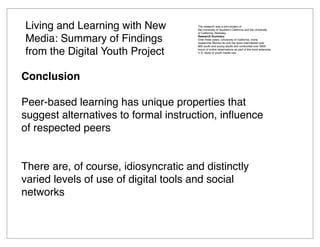
Conclusion

Peer-based learning has unique properties that
suggest alternatives to formal instruction, influence
of respected peers


There are, of course, idiosyncratic and distinctly
varied levels of use of digital tools and social
networks
Walled Gardens?
New Millenium Learners 2009

The OECD’s Centre for Educational Research and Innovation (CERI)
launched the New Millennium Learners (NML) project in 2007. It has the
global aim of investigating the effects of digital technologies on school-
age learners and providing recommendations on the most appropriate
institutional and policy responses from the education sector.


Cultural capital crucial

No clear links between technology use and academic
achievement (with the exception of some writing skills)

Access key to social inclusion
Slide ‘borrowed’ from Ewan McIntosh (apologies)
Both studies show the dominant use is
young people interacting socially online
and establishing norms within groups

Access to these spaces important for
social interaction

Important difference here from previous
generations = digital childhood
Using technology is instinctive but not in itself
          ‘motivating’ for students
pedagogy has to be
    adaptable to
accomodate different
 types and levels of
      learner
Discussion ?
4. What are the possible next steps for learning?
Pedagogy


    Technology
Giles and musical
overload
“I’ve given up trying to keep up but it’s better, I’m just focusing on arranging better
events”

Giles, music promoter
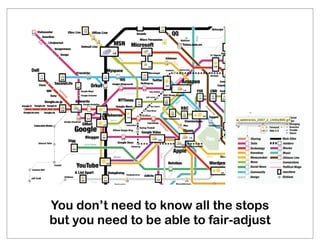
You don’t need to know all the stops
but you need to be able to fair-adjust
habits and key ‘big’ skills
Howard Rheingold on media litercies
    http://vimeo.com/5659525

                        #1 Attention
                        #2 Participation
                        #3 Collaboration
                        #4 Network Savvy
                        #5 Critical Consumption


                        #1 Global awareness
                        #2 Information
                        processing
                        #3 Self-directed
Traditional              Contemporary
    schooling                  schools
Factory/ industry model       Slow shift towards
        class rank          inquiry based learning
  delivered curriculum     assessment for learning
      transmission        fixed rubrics and criteria
     textbook focus             teacher guided
    fixed curriculum               group tasks
       teacher led
http://video.google.com/videoplay?
 docid=-4126240905912531540#
Future schools
self-directed            teachers guiding, provoking
peer-mentoring                      co-conspirators
essential literacies       complex not complicated
mutual inquiry
Are the ‘geeked out’ and highly web-
connected guilty of painting a subjective
even idealised picture here?


                   Stephen Downes: National Research Council, Institute for
                              Information Technology, Canada
“Here's my problem with your ideology, Stephen,
which appears to me to be even more radical than
constructivism and tries not only to describe or
defend a new epistemology, but appears to disrupt
social systems as well, in the name of some putative
technocommunism that will reign supreme on the
Internet with everybody working for nothing and
getting everything for free and living happily ever
after.”
catfitz on Stephen’s blog
Predicts technology will
break the pattern of failed
 school changes and push
    schools into a new
        paradigm.

 Clayton Christensen
Harvard Business School
Where next for
learning spaces and
      schools?
Digital   Allotments
Images (all from flickr)

Trailing Above North Cascades National Park in a Meteor Shower by Fort Photo
Happy Spaceman (Loves Engrish) by Network Osaka
Road Block by giugesco
Shadow Man on the Bakerloo line by Semi-detached
The Things You Own, End Up Owning You by Willie Chiang

Restless digital natives (Btg)

  • 1.
    Restless digital natives Theimpact on learning from the spaces, flows and networks of the internet Colin Campbell Bridging the Gap Conference Nov 2009
  • 2.
    Questions I’d liketo discuss 1. How useful is the term ‘digitial natives’? 2. What can we learn from recent studies into the ways young people are using technology? 3. What are useful habits to adopt in our digital age? 4. Where is learning going?
  • 3.
    What I amgoing to talk about? 1. How useful is the term ‘digitial natives’?
  • 4.
    Web 2.0, 3.0....how do you react to videos like the one we just watched?
  • 5.
  • 6.
    notions of digitalnatives vs digital immigrants can inhibit understanding
  • 7.
    Digital native? Digital native?
  • 8.
  • 9.
    2. What canwe learn from recent studies of the ways young people are using technology?
  • 10.
    Slide ‘borrowed’ fromEwan McIntosh (apologies)
  • 11.
    Slide ‘borrowed’ fromEwan McIntosh (apologies)
  • 12.
    Living and Learningwith New The research was a joint project of the University of Southern California and the University of California, Berkeley. Research Summary Media: Summary of Findings Over three years, University of California, Irvine researcher Mizuko Ito and her team interviewed over 800 youth and young adults and conducted over 5000 hours of online observations as part of the most extensive from the Digital Youth Project U.S. study of youth media use. Hanging around - people they know increased Messing about - video, images, complexity mashing higher order Geeking Out - special interest groups thinking (beyond their local social network) - skills critiquing, creating, analysing
  • 13.
    Living and Learningwith New The research was a joint project of the University of Southern California and the University of California, Berkeley. Media: Summary of Findings Research Summary Over three years, University of California, Irvine researcher Mizuko Ito and her team interviewed over 800 youth and young adults and conducted over 5000 from the Digital Youth Project hours of online observations as part of the most extensive U.S. study of youth media use. Conclusion Peer-based learning has unique properties that suggest alternatives to formal instruction, influence of respected peers There are, of course, idiosyncratic and distinctly varied levels of use of digital tools and social networks
  • 14.
  • 16.
    New Millenium Learners2009 The OECD’s Centre for Educational Research and Innovation (CERI) launched the New Millennium Learners (NML) project in 2007. It has the global aim of investigating the effects of digital technologies on school- age learners and providing recommendations on the most appropriate institutional and policy responses from the education sector. Cultural capital crucial No clear links between technology use and academic achievement (with the exception of some writing skills) Access key to social inclusion
  • 17.
    Slide ‘borrowed’ fromEwan McIntosh (apologies)
  • 18.
    Slide ‘borrowed’ fromEwan McIntosh (apologies)
  • 19.
    Both studies showthe dominant use is young people interacting socially online and establishing norms within groups Access to these spaces important for social interaction Important difference here from previous generations = digital childhood
  • 20.
    Using technology isinstinctive but not in itself ‘motivating’ for students
  • 21.
    pedagogy has tobe adaptable to accomodate different types and levels of learner
  • 22.
  • 23.
    4. What arethe possible next steps for learning?
  • 24.
    Pedagogy Technology
  • 25.
  • 27.
    “I’ve given uptrying to keep up but it’s better, I’m just focusing on arranging better events” Giles, music promoter
  • 28.
    You don’t needto know all the stops but you need to be able to fair-adjust
  • 29.
    habits and key‘big’ skills
  • 30.
    Howard Rheingold onmedia litercies http://vimeo.com/5659525 #1 Attention #2 Participation #3 Collaboration #4 Network Savvy #5 Critical Consumption #1 Global awareness #2 Information processing #3 Self-directed
  • 31.
    Traditional Contemporary schooling schools Factory/ industry model Slow shift towards class rank inquiry based learning delivered curriculum assessment for learning transmission fixed rubrics and criteria textbook focus teacher guided fixed curriculum group tasks teacher led
  • 32.
  • 34.
    Future schools self-directed teachers guiding, provoking peer-mentoring co-conspirators essential literacies complex not complicated mutual inquiry
  • 35.
    Are the ‘geekedout’ and highly web- connected guilty of painting a subjective even idealised picture here? Stephen Downes: National Research Council, Institute for Information Technology, Canada
  • 36.
    “Here's my problemwith your ideology, Stephen, which appears to me to be even more radical than constructivism and tries not only to describe or defend a new epistemology, but appears to disrupt social systems as well, in the name of some putative technocommunism that will reign supreme on the Internet with everybody working for nothing and getting everything for free and living happily ever after.” catfitz on Stephen’s blog
  • 37.
    Predicts technology will breakthe pattern of failed school changes and push schools into a new paradigm. Clayton Christensen Harvard Business School
  • 38.
    Where next for learningspaces and schools?
  • 39.
    Digital Allotments
  • 40.
    Images (all fromflickr) Trailing Above North Cascades National Park in a Meteor Shower by Fort Photo Happy Spaceman (Loves Engrish) by Network Osaka Road Block by giugesco Shadow Man on the Bakerloo line by Semi-detached The Things You Own, End Up Owning You by Willie Chiang