
Research Support Services
    Edith Cowan University
            Library


Constance Wiebrands & Julia Gross
ECU Research Support Services
•   Training
•   Digital Repository
•   ERA support
•   Research Data Management
•   Bibliometrics
•   Evaluation of programs
•   Key drivers in the future
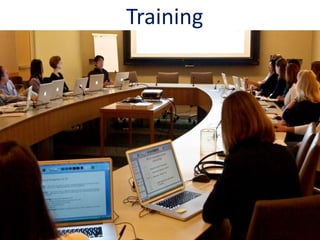
Training
Training
• Graduate Research School training program

  – Training in Endnote, Web of Science, Scopus,
    other research databases
  – Training higher degree by research (HDR)
    student ambassadors (Train the trainer)
  – Delivering seminars to Graduate School and
    faculty research centres (e.g. on Open access)
  – ECU Research Week library seminars
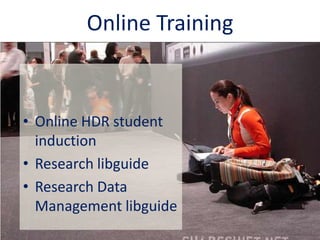
Online Training


• Online HDR student
  induction
• Research libguide
• Research Data
  Management libguide
Document Delivery
Digital Repository
Digital Repository and ERA
•   Research Online our repository
•   ECU research outputs in repository
•   HDR theses in repository
•   Outputs submitted for ERA in repository
•   Open access journal publication (AJTE)
•   Librarians collaborating with Research
    Office (ERA committee)
Research Data Management
• ANDS Seeding the
  Commons Project
  – Research data
    planning and policy
  – Data interviews
  – Graduate School
    training
• Collaborative
  Research Network
Bibliometrics

• Citation database
  training and advice
• Bibliometrics reports
• Looking at further
  developing the
  service
Possible New Research Services
•   Publication advice, where to publish
•   Scholarly communication
•   Open access promotion and advice
•   OA and copyright
•   OA and funding requirements
Evaluation of programs
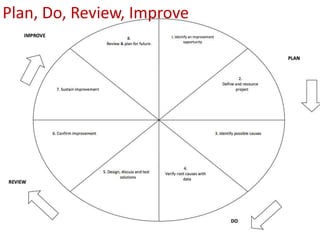
Plan, Do, Review, Improve
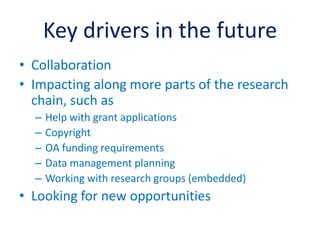
Key drivers in the future
• Collaboration
• Impacting along more parts of the research
  chain, such as
  –   Help with grant applications
  –   Copyright
  –   OA funding requirements
  –   Data management planning
  –   Working with research groups (embedded)
• Looking for new opportunities
URLs


ECU Library http://www.ecu.edu.au/centres/library-services/overview
Graduate Research School http://www.research.ecu.edu.au/grs/index.php
Research Online Repository http://ro.ecu.edu.au/
Seeding the Commons project http://www.research.ecu.edu.au/ori/commons/index.php
Library Guides http://ecu.au.libguides.com/
Collaborative Research Network http://www.research.ecu.edu.au/ori/crn/


  Images


     NERSC Franklin Cray XT4s - supercomputer cluster http://www.flickr.com/photos/berkeleylab/3592326251/

     LKSC Go HD, Maestro, Classroom training http://www.flickr.com/photos/stanfordedtech/4821085179/

     iStillness by Shapeshift http://www.flickr.com/photos/shapeshift/85220007/


     MS clipart

Research Support Services ECU Library

  • 1.
    Research Support Services Edith Cowan University Library Constance Wiebrands & Julia Gross
  • 2.
    ECU Research SupportServices • Training • Digital Repository • ERA support • Research Data Management • Bibliometrics • Evaluation of programs • Key drivers in the future
  • 3.
  • 4.
    Training • Graduate ResearchSchool training program – Training in Endnote, Web of Science, Scopus, other research databases – Training higher degree by research (HDR) student ambassadors (Train the trainer) – Delivering seminars to Graduate School and faculty research centres (e.g. on Open access) – ECU Research Week library seminars
  • 5.
    Online Training • OnlineHDR student induction • Research libguide • Research Data Management libguide
  • 6.
  • 7.
  • 8.
    Digital Repository andERA • Research Online our repository • ECU research outputs in repository • HDR theses in repository • Outputs submitted for ERA in repository • Open access journal publication (AJTE) • Librarians collaborating with Research Office (ERA committee)
  • 9.
    Research Data Management •ANDS Seeding the Commons Project – Research data planning and policy – Data interviews – Graduate School training • Collaborative Research Network
  • 10.
    Bibliometrics • Citation database training and advice • Bibliometrics reports • Looking at further developing the service
  • 11.
    Possible New ResearchServices • Publication advice, where to publish • Scholarly communication • Open access promotion and advice • OA and copyright • OA and funding requirements
  • 12.
  • 13.
  • 14.
    Key drivers inthe future • Collaboration • Impacting along more parts of the research chain, such as – Help with grant applications – Copyright – OA funding requirements – Data management planning – Working with research groups (embedded) • Looking for new opportunities
  • 15.
    URLs ECU Library http://www.ecu.edu.au/centres/library-services/overview GraduateResearch School http://www.research.ecu.edu.au/grs/index.php Research Online Repository http://ro.ecu.edu.au/ Seeding the Commons project http://www.research.ecu.edu.au/ori/commons/index.php Library Guides http://ecu.au.libguides.com/ Collaborative Research Network http://www.research.ecu.edu.au/ori/crn/ Images NERSC Franklin Cray XT4s - supercomputer cluster http://www.flickr.com/photos/berkeleylab/3592326251/ LKSC Go HD, Maestro, Classroom training http://www.flickr.com/photos/stanfordedtech/4821085179/ iStillness by Shapeshift http://www.flickr.com/photos/shapeshift/85220007/ MS clipart

Editor's Notes

  • #3 ECU in Perth, WA is a new university…. one of the “new generation” Australian unis.Traditionally we have focussed on teaching. However, we are now aiming to building our research presence.The library has a number of programs, products and servicesare in the area of research support. These have been building up over the last few years, and more are planned
  • #5 Many of the programs, products and serviceswe provide are in the area of research training for higher degree by research (HDR) studentsOur Graduate Research School centralises all services for HDR studentsWe work with the Graduate Research School and provide face to face training programs to all on campus HDR students.This could be hands-on workshops on Endnote and research databases such as WoS Scopus, JSTORThe Graduate Research School has a student ambassadors. We run training on library databases for these ambassadorsWe deliver general research seminars to the Graduate Research School and to some faculty research centres, e.g. seminar on Open Access , on on the RepositoryECU has had a Research Week for last 3 years. We run several library seminars during Research Week. The PDFs for these are uploaded to the repository
  • #6 GRS is moving more into online training as many of our HDR students are off-campus students Online student induction is called GRIP and it’s compulsory for all starting HDR students. The library has contributed content to two modulesWe have two research libguides
  • #7 One of our most popular services with HDR students, fully subsidised
  • #9 We established our repository around 2008 along with the Open Access policyAll research goes into RO, however there is still the older materials to be addedHDR theses are online now and go into repository ERA gained access to research outputs in the dark repository OA journal AJTEInvolved with ERA, on committee and thru repository work
  • #10 In 2011 we received funding from ANDS for:ANDS Seeding the Commons ProjectResearch data planning and policyGraduate School trainingData InterviewsThis year we are working on a data project with the new Federally funded ECU Collaborative Research Network
  • #11 This is a newer area for usWe have provided training and one on one assistance to researchers with WoS and ScopusNow doing some reports and aiming to develop the services further
  • #12 Some of the Possible New Research Services we are looking into are:Publication advice, where to publishScholarly communicationOpen access promotion and adviceOA and copyrightOA and funding requirements
  • #14 Our University has an established, annual Planning cycle: Plan, Do, Review, Improve.Plan:Be clear about what you’re trying to achieve.Document what you plan to do, document what you do.Do:Implement your plan.Review: Did it work? What could have been better?Improve – don’t toss it out: what aspects could be improved?Where we don’t do as well as we could: Documentation of our reasons, documentation of our processes – this makes it difficult at the review stage as we may not be able to remember why we did what we did, and we may not be able to work out easily what we have been doing (and where things may be failing). Although documentation can be perceived as a lengthy and tedious process, it does not have to be. It’s about keeping a record of what was decided, of what was done, and then of how things were done.We also have a tendency to throw things out and start again – this is not surprising as we do not document our projects or processes and therefore have no record to fall back on!Throwing things out and starting again is wasteful and may also have the effect of making long standing staff members cynical: “We did that in 1986. It failed, and now they want to try the same thing?” To be fair to the new people wanting to try new things, there is no record, and no “proof” other than the say-so of older staff. In libraries where we have longstanding “traditional” ways of doing things, and where we are facing pressures due to limited budgets and changing client expectations, this is particularly significant – we do things because we have always done them, we have little proof that things are working, and we don’t necessarily know what our clients want. We can use this process to improve!
  • #15 Collaboration e.g. with Research Office, faculties, direct with researchersImpacting along more parts of the research chain, such asHelp with grant applicationsOA funding requirementsData management planningWorking with research groups (embedded)New opportunities:Further development of new roles and skills for librarians
  • #16 These are some of the URLs mentioned in the presentationThanks for listening