ZZYYGGOOMMAA 
DDrr VV..RRAAMMKKUUMMAARR 
CCOONNSSUULLTTAANNTT 
DDEENNTTAALL&&FFAACCIIOOMMAAXX 
IILLLLAARRYY SSUURRGGEEOONN 
RREEGG NNOO:: 44111188 –– 
TTAAMMIILLNNAADDUU-- 
IINNDDIIAA((AASSIIAA))
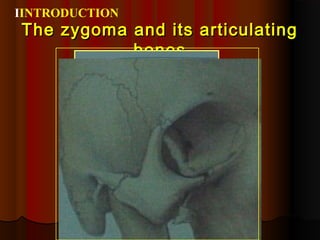
TThhee zzyyggoommaa aanndd iittss aarrttiiccuullaattiinngg 
bboonneess 
IINTRODUCTION
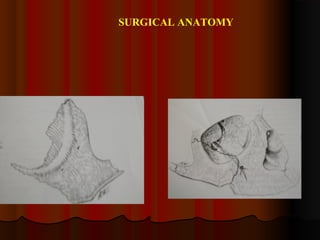
SURGICAL ANATOMY
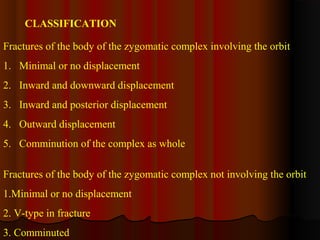
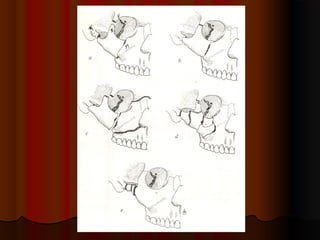
CLASSIFICATION 
Fractures of the body of the zygomatic complex involving the orbit 
1. Minimal or no displacement 
2. Inward and downward displacement 
3. Inward and posterior displacement 
4. Outward displacement 
5. Comminution of the complex as whole 
Fractures of the body of the zygomatic complex not involving the orbit 
1.Minimal or no displacement 
2. V-type in fracture 
3. Comminuted
Signs and Symptoms 
1. Flattening of cheek 
2. Swelling of cheek 
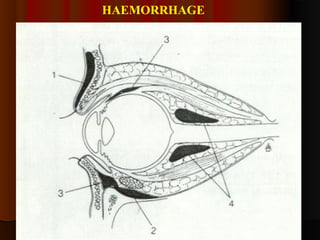
3. Periorbital haematoma
HAEMORRHAGE
4. Subconjunctival haemorrhage 
5. Ecchymosis and tenderness intra-orally 
zygomatic buttress. 
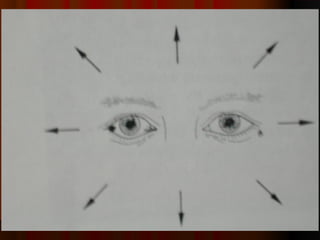
6. Limitation of ocular movement.
7. Diplopia: 
Causes 
1.Physical Interfences 
Intramuscular edema 
detachement of IR, IO 
herniation of periorbital fat 
fibrous adhesions & fat atrophy in post-traumatic healing 
2.Functional interferences 
displacement of globe due to disturbance of IR, IO 
enophthalmous & globe ptosis. 
3.Neurological cause 
paralysis due to mneuromuscular injury or edema 
supranuclear impairment of 3,4,6th C.N. 
superior orbital fissure damage
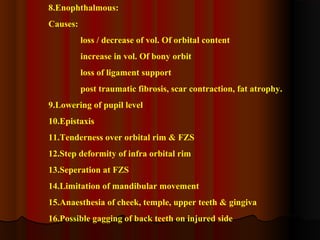
8.Enophthalmous: 
Causes: 
loss / decrease of vol. Of orbital content 
increase in vol. Of bony orbit 
loss of ligament support 
post traumatic fibrosis, scar contraction, fat atrophy. 
9.Lowering of pupil level 
10.Epistaxis 
11.Tenderness over orbital rim & FZS 
12.Step deformity of infra orbital rim 
13.Seperation at FZS 
14.Limitation of mandibular movement 
15.Anaesthesia of cheek, temple, upper teeth & gingiva 
16.Possible gagging of back teeth on injured side
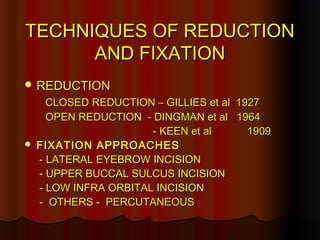
TTEECCHHNNIIQQUUEESS OOFF RREEDDUUCCTTIIOONN 
AANNDD FFIIXXAATTIIOONN 
RREEDDUUCCTTIIOONN 
CCLLOOSSEEDD RREEDDUUCCTTIIOONN –– GGIILLLLIIEESS eett aall 11992277 
OOPPEENN RREEDDUUCCTTIIOONN -- DDIINNGGMMAANN eett aall 11996644 
-- KKEEEENN eett aall 11990099 
 FFIIXXAATTIIOONN AAPPPPRROOAACCHHEESS 
-- LLAATTEERRAALL EEYYEEBBRROOWW IINNCCIISSIIOONN 
-- UUPPPPEERR BBUUCCCCAALL SSUULLCCUUSS IINNCCIISSIIOONN 
-- LLOOWW IINNFFRRAA OORRBBIITTAALL IINNCCIISSIIOONN 
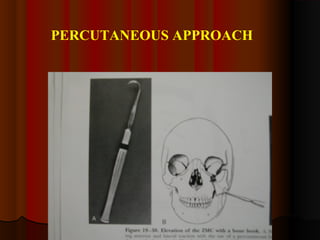
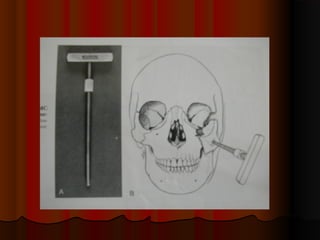
-- OOTTHHEERRSS -- PPEERRCCUUTTAANNEEOOUUSS
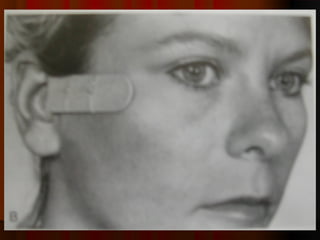
PERCUTANEOUS APPROACH
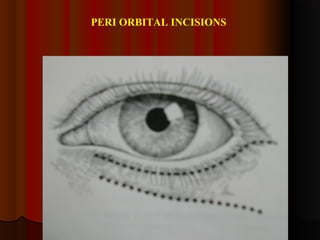
PERI ORBITAL INCISIONS
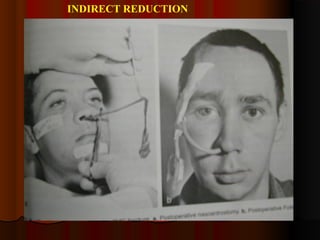
INDIRECT REDUCTION
TThhaannkk yyoouu

Ram zygoma #

  • 1.
    ZZYYGGOOMMAA DDrr VV..RRAAMMKKUUMMAARR CCOONNSSUULLTTAANNTT DDEENNTTAALL&&FFAACCIIOOMMAAXX IILLLLAARRYY SSUURRGGEEOONN RREEGG NNOO:: 44111188 –– TTAAMMIILLNNAADDUU-- IINNDDIIAA((AASSIIAA))
  • 2.
    TThhee zzyyggoommaa aannddiittss aarrttiiccuullaattiinngg bboonneess IINTRODUCTION
  • 3.
  • 4.
    CLASSIFICATION Fractures ofthe body of the zygomatic complex involving the orbit 1. Minimal or no displacement 2. Inward and downward displacement 3. Inward and posterior displacement 4. Outward displacement 5. Comminution of the complex as whole Fractures of the body of the zygomatic complex not involving the orbit 1.Minimal or no displacement 2. V-type in fracture 3. Comminuted
  • 7.
    Signs and Symptoms 1. Flattening of cheek 2. Swelling of cheek 3. Periorbital haematoma
  • 8.
  • 9.
    4. Subconjunctival haemorrhage 5. Ecchymosis and tenderness intra-orally zygomatic buttress. 6. Limitation of ocular movement.
  • 10.
    7. Diplopia: Causes 1.Physical Interfences Intramuscular edema detachement of IR, IO herniation of periorbital fat fibrous adhesions & fat atrophy in post-traumatic healing 2.Functional interferences displacement of globe due to disturbance of IR, IO enophthalmous & globe ptosis. 3.Neurological cause paralysis due to mneuromuscular injury or edema supranuclear impairment of 3,4,6th C.N. superior orbital fissure damage
  • 12.
    8.Enophthalmous: Causes: loss/ decrease of vol. Of orbital content increase in vol. Of bony orbit loss of ligament support post traumatic fibrosis, scar contraction, fat atrophy. 9.Lowering of pupil level 10.Epistaxis 11.Tenderness over orbital rim & FZS 12.Step deformity of infra orbital rim 13.Seperation at FZS 14.Limitation of mandibular movement 15.Anaesthesia of cheek, temple, upper teeth & gingiva 16.Possible gagging of back teeth on injured side
  • 13.
    TTEECCHHNNIIQQUUEESS OOFF RREEDDUUCCTTIIOONN AANNDD FFIIXXAATTIIOONN RREEDDUUCCTTIIOONN CCLLOOSSEEDD RREEDDUUCCTTIIOONN –– GGIILLLLIIEESS eett aall 11992277 OOPPEENN RREEDDUUCCTTIIOONN -- DDIINNGGMMAANN eett aall 11996644 -- KKEEEENN eett aall 11990099  FFIIXXAATTIIOONN AAPPPPRROOAACCHHEESS -- LLAATTEERRAALL EEYYEEBBRROOWW IINNCCIISSIIOONN -- UUPPPPEERR BBUUCCCCAALL SSUULLCCUUSS IINNCCIISSIIOONN -- LLOOWW IINNFFRRAA OORRBBIITTAALL IINNCCIISSIIOONN -- OOTTHHEERRSS -- PPEERRCCUUTTAANNEEOOUUSS
  • 14.
  • 16.
  • 17.
  • 19.