+PRURITU
S
PRESENTER:
DR. KEZHALETO
MODERATOR:
DR. ANANTA
+INTRODUCTION
 Pruritus can be defined as an uncomfortable sensation and
emotional experience associated with an actual or perceived
disturbance to the skin that provokes the desire to scratch.
 Chronic pruritus is defined as pruritus lasting more then 6
weeks
 The sensation of itch was first described in 1893 by Radcliffe
Crocker.
 It is a dominant symptom of skin diseases and can also
occur in many systemic diseases
 Although often publicly perceived as trivial, pruritus is
socially disabling and a cause of serious impairment of
quality of life.
+
PATHOPHYSIOLOGY
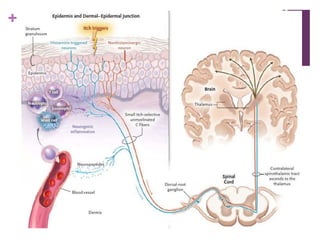
 Itch, like pain is perceived by unspecialized free nerve endings
located close to the dermo-epidermal junction.
Pain => withdrawal reflex
Itch => scratch reflex
 Itch receptors are unmyelinated and confined to the skin and
cornea.
 Rothman proposed that itch and pain are transmitted along the
same nerve pathways i.e. unmyelinated polymodal C fibres
with:
 Low intensity stimulation-itch
 High intensity stimulation-pain
+
 Significant advances in recent years have helped to disprove
many of the conventional concept
 Itch and pain are separate sensory modalities
 Studies have identified ‘dedicated’ itch sensitive C fibers that
transmit itch and comprise no more than 5% of total C fibers.
 Of those itch-sensitive C fibres, 10% are histamine dependent
and 90% are histamine independent
 These C nerve fibers have:
 Exceptionally slow conduction velocity
 Unusually wide innervation territories
 Sensitive to pruritogenic and thermal stimuli, but not mechanical
stimuli. (raising the temperature lowers the threshold pruritus)
 Also transmitted via myelinated A-delta afferents
+
 Scratching
 A reflex functioning at a spinal level, modified greatly by higher centres.
 Scratch‐induced relief could be due to temporary suppression of
facilitating circuits in the relay synapses of the spinal cord by
stimulation of fast‐conducting myelinated afferents
 Alternatively, scratching could simply damage sensory nerve endings,
repair occupying several minutes.
 Sensitisation
 Defined as the increased response of primary sensory neurons to itch
and pain mediators
 Alloknesis
 Non pruritogenic stimuli in an area of CP elicit a sensation of itch
 Hyperknesis
 Enhanced itch sensation elicited by a normal itch stimulus
+ NERVE PATHWAYS
PRURITOGEN

FREE N. ENDINGS

UNMYELINATED TYPE C FIBRES(1st order)

DORSAL HORN OF GREY MATTER OF SPINAL
CORD(2nd order neurons)

CONTRALATERAL SPINOTHALAMIC TRACT

POSTEROLATERAL VENTRAL THALAMUS => MULTIPLE AREAS OF BRAIN
.
+
+
Areas of the brain involved in pruritus
 Somatosensory cortex areas I and II - reflect the detection,
localization, and discrimination of itch.
 Somatosensory cortex area II, the insular cortex and the
claustrum - have discrete areas that respond to both presence of
itch and the intensity of itch
 Anterior cingulated cortex and the insular cortex - integrate the
sensory and emotional experience of pruritus
 Pre-motor area and the supplementary motor area - scratching
response is planned.
 Prefrontal cortex and striatum - motivation and craving to scratch
 Strong correlation between the relief of itch with scratching and
the activity of the brain’s reward circuits - the substantia nigra,
ventral tegmental area, and the raphe nucleus
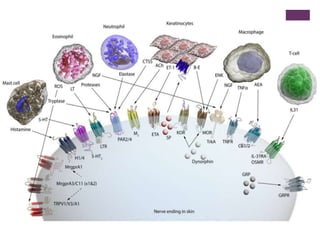
MEDIATORS RECEPTOR CLINICALLY RELEVANT
MECHANISM OR DISEASE
DRUGS ACTING
AGAINST
Acetylcholine Muscarinic Atopic eczema Atropine
Histamine H1, H4 Urticaria, insect bite reactions Hydroxyzine, cetrizine
IL‐31 IL‐31RA/OSMR Atopic eczema, familial
primary cutaneous
amyloidosis
Nemolizumab
Endothelin 1
(ET-1)
Endothelin A receptor Release of nitric oxide,
vasodilatation
Ambrisentan, bosentan
Leukotriene B4 TRPV-1 channel and
BLT-2 receptor
Uremic pruritus, atopic dermatitis,
psoriasis
Capsaisin-desensitises
Nerve growth
factor (NGF)
Tropomyosin receptor
kinase A (TrkA)
Atopic eczema, psoriasis.
Receptors, peripheral sensitization
Entrectinib
Tryptase Proteinase-activated
receptor-2 (PAR-2)
Atopic eczema, cutaneous
mastocytosis
Substance P Neurokinin 1 receptor
(NK-1)
Atopic eczema, prurigo
nodularis, psoriasis
Aprepitant
Chemical mediators of itch
Mediators Receptor Clinically relevant
mechanism or disease
TNF-alpha TNF receptor Sensitizes nocioceptive nerve endings Infliximab,
adalimumab,
Thalidomide
Thromboxane A2 TP receptor Polycythaemia
Rubra Vera
Seratrodast,
Picotamide
Glutamate Gastrin releasing
peptide receptor
histaminergic-
independent transmission
Endorphins μ opioid receptor Cholestatic pruritus Naltrexone, Naloxone
Dynorphin κ opioid receptor Uraemic pruritus Nalfurafine-agonist
Natriuretic poly-
peptide B (Nppb)
Natriuretic peptide
receptor A (Npra)
excite downstream GRPR expressing
neurons
Lymphocytes:
• Th1
o IL-2 is pruritogenic.
o IFN-gamma upregulates IL-31 receptors.
• Th2
o IL-31 is pruritogenic
+
Intrinsic anti-pruritic system
 Two main pathways
 Ascending signal from the periaqueductal gray (PAG) to the thalamus
 Descending signal from the PAG to the dorsal horn
 At the dorsal horn, Bhlhb5 fibres interneurons transmit an
inhibitory signal from the pain pathway
 k-opiod receptors which are located both peripherally and
centrally
 Peripheral receptors including:
 CB1 and CB2 endocannaniboid receptors.
 Cold receptors (TRPM8).
+Classifications of chronic pruritus
 Neuroanatomical classification (based on aetiology)
 1. Pruritoceptive: originating in the skin
 2. Neuropathic: resulting from peripheral nerve damage
 3. Neurogenic: due to centrally acting mediators
 4.Psychogenic: predominantly psychological basis
 Differential diagnostic classification (underlying disease)
 Dermatological diseases
 Systemic diseases
 Neurological diseases
 Psychosomatic ⁄ psychogenic diseases
 Mixed
 Other (unknown cause)
+Systemic diseases associated with itching
Hepatobilliary disease Primary billiary cirrhosis, pruritus
gravidarum, extrahepatic billiary
obstruction, drug-mediated cholestasis
Renal disease Chronic renal failure, uremia
Hematopoetic disorders Polycythemia vera, iron deficiency anemia,
hodgkins lymphoma, leukemias,
mastocytomas, plasma cell dyscrasias
Metabolic and endocrine
disorders
Diabetes mellitus, carcinoid syndrome, hypo
and hyperthyroidism
Neurologic disorders Multiple sclerosis, cerebral tumors, cerebral
abscess
Infestations Hookworm, ascariasis, onchocerciasis
Psychogenic disorders
Miscellaneous Viral exanthem, post menopausal states, HIV
+
 Onset: acute or chronic
 Acute -seen in cutaneous diseases such as scabies, insect bite
-generally rules out systemic diseases
 Nature of sensation: burning, pricking, stinging
 Burning classically seen in dermatitis herpetiformis
 Pricking in aquagenic pruritus
 Stinging in insect bite reaction
 Continuous or intermittent
 most conditions present with continuous itching
 Causes of intermittent itch: Chronic urticaria, Aquagenic pruritus,
Psychogenic pruritus, CNS disorders such as multiple sclerosis
 Diurnal variation
 In most causes of organic pruritus, night-time worsening occurs e.g. scabies
 However psychogenic pruritus seldom worsens at night
HISTORY
+
 Localized itch
WITH RASH WITHOUT RASH
Psoriasis Notalgia paraesthetica
Irritant contact dermatitis Brachioradial pruritus
Asteatotic eczema Post-stroke pruritus
Nummular eczema Phantom itch
Pompholyx Multiple sclerosis
Dermatophytosis Diabetes mellitus
Stasis dermatitis Transverse myelitis
Brain tumor or abscess
+
 Generalized itch
WITH RASH WITHOUT RASH
Allergic contact dermatitis Renal failure
Atopic dermatitis Cholestasis
Bullous pemphigoid Thyroid disorders
Dermatitis herpetiformis Iron deficiency
Drug hypersensitivity Hodgkin’s lymphoma
Insect bite reaction Leukemia
Mastocytosis Multiple myeloma
Mycosis fungoides Polycythemia vera
Urticaria Carcinoid tumor
Scabies HIV
Sjogrens syndrome
+
 Occupational history
 For suspected cases of contact dermatitis
 Initiating or aggravating factors:
 Bathing- aquagenic pruritus.
 Exercise- cholinergic urticaria
 Cold temperature/skin cooling- cold urticaria
 Warm temperatures- worsening of AD
 Irritants such as detergents, solvents- in eczemas
 Drug history
 Other pertinent historical factors
 Family or personal history of atopy
 Social history-household and other contacts(relevant in scabies)
 Contact with pets
 Sexual history- relevance in HIV and HCV infections
 Allergies- topical and systemic
+SYSTEMIC REVIEW
GENERAL HEALTH Fever, sweats, chills, fatigue, loss of
appetite, weight loss
Lymphomas, leukemias
ENDOCRINE Polyuria, polydypsia, temperature intolerance,
tremors
 Thyroid disorders, Diabetes mellitus
OPHTHALMIC Eye signs, exophthalmos
Hyperthyroidism
GASTROINTESTINAL Nausea, vomiting, change in bowel habits,
hepatosplenomegaly,jaundice
Lymphomas, carcinoid syndrome, cholestasis,
uremia
HEMATOPOIETIC Pallor, bleeding, lymphadenopathy
Lymphomas, multiple myeloma, leukemia
+
GENITOURINARY Colour of urine, frequency, pregnancies
Uremia, pruritus gravidarum, diabetes
mellitus
NEUROLOGIC Headaches, paraethesias, visual disturbances
Multiple sclerosis, CNS tumors
MENTAL STATUS Sleep disturbances, mood lability, hallucinations
Psychogenic pruritus, cholestasis, uremia
SKIN Pigmentation, sweating, xerosis, jaundice
Uremia, thyroid disorders, cholestasis,
polycythemia vera
HAIR Texture, hair loss,
Thyroid disorders
NAILS Grooving, colour changes, curvature
Thyroid disorders
+Mucocutaneous examination
 Lesions associated with primary dermatoses should be searched
for and evaluated
 Secondary changes from scratching such as
 Excoriations
 Lichenification
 Secondary impetiginization
 Prurigo nodularis
 Lichen simplex chronicus
 Butterfly sign
 Relatively hypopigmented butterfly-shaped area seen on the mid-
upper back which is inaccessible to the hand
 If lesions present in this area, likely to be a primary dermatosis,
 Morphology of lesions at this site is not altered due to scratching
+INVESTIGATIONS
Investigations Relevant diseases
Complete blood count with
differential
polycythemia vera, hematologic
malignancies, iron deficiency
Erythrocyte sedimentation
rate
Inflammatory conditions
Blood glucose Diabetes
Blood urea nitrogen, creatinine Chronic renal failure
Alkaline phosphatase, serum bilirubin Cholestasis, primary biliary cirrhosis,
hepatitis C
Thyroid function tests Hyperthyroidism, hypothyroidism
Urinalysis UTI, Drugs induced, Diabetes, liver,
kidney diseases
Stool for occult blood if age > 40
years
malignancy in GI tract
+
Investigations Relevant diseases
Stool for parasites Genito‐anal pruritus
Hepatitis B & C antibodies Hepatitis, cold-induced urticaria and
urticarial vasculitis
HIV antibodies HIV
ANA Autoimmune diseases, urticarial
vasculitis
RA factor Autoimmune conditions.
Complement assay (C3, C4) urticarial vasculitis, hereditary
angioedema
IgE level Allergic condition, Atopic eczema
Chest X‐ray Hodgkin disease-lymphadenoathy
Ultrasound abdomen Liver, kidney diseases
+Skin biopsy
 A primary lesion unaltered by secondary changes from
scratching is ideal. e.g. from the mid-upper back
 Diagnosis can also be made on a biopsy of clinically normal
skin in a few cases in the absence of primary lesions:
 Drug hypersensitivity
 Urticaria
 Papular urticaria
 Scabies
 Pemphigoid
 DH
 Linear IgA dermatosis
 Mastocytosis
 Perilesional skin for DIF :
 Bullous pemphigoid
 DH
 Drug hypersensitivity
+
MANAGEMENT
 General measures for pruritus associated with dry skin:
 Avoid hot and prolonged baths
 Avoid irritant substances
 Avoid Hot and spicy food, alcohol
 Avoidance of excitement, strain, stress
 Use cotton clothing
 Skin moisturizer on a daily basis especially after showering and
bathing
+Topical agents
 Cooling agents :
 Relieves itch by activating A-delta cold afferents,
 Calamine lotion, menthol and phenol(1 to 2%)
 Corticosteroids :
 Useful if pruritus is associated with inflammatory dermatoses
 Anti-inflammatory
 Attenuate histamine and kinin-induced vasodilation
 Inhibits the formation of pruritogenic prostaglandins and leukotrienes
 Adverse effects: increased skin fragility, telangectasia
 Topical calcineurin inhibitors :
 suppress IL-2 production
 Tacrolimus(0.03-0.1%), Pimecrolimus(1%)
 Use with caution: combined with UV therapy, children <2 years,
immunocompromised patients
+
 Local anaesthetics:
 Pramoxine (1% or 2.5%), lidocaine and prilocaine (2.5%)
 However these drugs can cause contact dermatitis, and cardiac
arrythmias if absorbed systemically
 Antihistamines:
 Topical antihistamines include Diphenhydramine and
Mepyramine
 However their use is limited by contact sensitization
 Topical Doxepine:
 A tricyclic antidepressant with potent anti-H1 properties
 Adverse effects: drowsiness, allergic contact dermatitis
 5% cream applied 3 times a day can be used in AD
+
 Emollients :
 Useful in managing pruritus associated with xerosis
 Miscellaneous :
 Capsaicin:
 pungent principle in red pepper
 Acts by depletion of substance P from unmyelinated C fibers
 Compliance poor due to burning sensation in early stages of
treatment
 used as a 0.075 – 1.0% cream
- Notalgia paraesthetica
- Brachioradial pruritus
- Uremia (localized itch)
+ SYSTEMIC THERAPY
ANTIHISTAMINES:
 H1 blockers are the agents of choice in pruritic conditions where
histamine is the principle mediator e.g. urticaria, insect bite reaction
 In other conditions such as AD there are conflicting reports of their
efficacy
 Positive effects in AD may be due to decreased mast cell degranulation
rather than receptor blockade
 H2 blockers have a role in the management of pruritus due to Hodgkin’s
lymphoma, polycythemia vera and chronic urticaria
+
ANTIHISTAMINES:
AGENT SEDATING METABOLISM EXCRETION PREGNANCY
CATEGORY
Chlorphenira
mine
+ Primary site liver Predominantly renal B
Hydroxyzine + Cetirizine is an active
metabolite
Over 70% renal
excretion
C
Promethazine + Significant hepatic
metabolism
Predominantly renal C
Fexofenadine - 5% from liver 11% from renal C
Cetirizine - Levocetirizine an active
metabolite
Over 70% renal
excretion
B
Levocetirizine - 14% from liver Largely renal B
Desloratadine - Very extensive 45% from renal C
Bilastine - No liver metabolism 33% from renal
+ANTIDEPRESSANTS
 Doxepine:
 A tricyclic antidepressant with H1 and H2 receptor antagonistic action.
Dose 25-300 mg/day
 Also blocks cholinergic receptors.
 Senile, psychogenic pruritus, chronic urticaria not responding to H1
blockers.
 Paroxetine:
 Selective serotonin re-uptake inhibitor
 Useful in once daily doses of 5-10 mg
 Paraneoplastic itch, Intractable itch not responding to conventional
therapy
 Mirtazapine:
 A tetracyclic antidepressant with additional H1 and 5HT3 receptor
blocking action
 Antipruritic action occurs in once daily doses of 15-30mg
 Paraneoplastic itch and cholestasis, Uremia, Intractable itch not
responding to conventional therapy
+
ANTICONVULSANT
 Gabapentin
 Precise mechanism of action is unclear
 Prevents release of neurotransmitters from pre-synaptic
nerve terminals by action on voltage-dependent calcium
channels
 Effective in uraemic pruritus, neuropathic itch
 Adverse effects are constipation, weight gain, drowsiness,
ataxia, and blurred vision
 300 mg – 1800 mg/day
+
OPIATE AGONISTS AND ANTAGONISTS
 u-opioid antagonists
 Naltrexone: long-lasting, selective blockade of mu-opiate receptors.
Used as 20-250mg OD orally
 Naloxone: IV infusion of 0.2μg/kg/min used in emergency treatment of
acute exacerbation of itch of cholestasis
 kappa-opioid agonist
 Nalfurafine hydrochloride
 Butorphanol
 kappa-opioid agonist and mu-opioid antagonist
 1 to 4 mg inhaled at bedtime
 Cholestasis, CRF, Aquagenic pruritus, CTCL, Intractable itch not
responding to conventional therapy
+
PHOTOTHERAPY
 UVB radiation alone or combined with UVA has been useful in:
 Patients with contraindications to systemic agents
 Other therapies have failed.
 Uremic pruritus, Atopic eczema, Cholestasis-induced pruritus,
Aquagenic pruritus, Prurigo nodularis
 Mechanism of action:
 Decreases mast cells in dermis
 Degeneration of itch transmitting C fibers
 Photoinactivation of pruritogens in the skin
 Decreases the number of langerhans cell
 Decrease the concentration of divalent ions in the skin
 Not advised for patients who are taking topical calcineurin
inhibitors
+
MISCELLANEOUS
 LEUKOTRIENE RECEPTOR ANTAGONISTS
 Zafirlukast, Montelukast
 MAST CELL STABILIZER
 Cromolyn sodium- AD
 THALIDOMIDE
 Suppresses TNF alfa – uremic pruritus
 ONDANSETRON
 5-HT3-receptor antagonist – cholestatic pruritus
 BEHAVIORAL THERAPY
 Stress-reduction techniques and coping mechanisms that interrupt
the itch–scratch cycle
+ UREMIC PRURITUS
 Is a manifestation of CRF and rarely seen in ARF
 Pruritus is unrelated to the primary pathology causing CRF
 Seen in 20-50% patients, and 50–90% of patients undergoing
peritoneal dialysis or hemodialysis
 Pruritus range from localized and mild to generalized and severe,
and tends to be persistent
+
PATHOGENESIS
 Mechanism underlying uremic pruritus seems to depend on
many factors
 Dryness of skin
 secondary hyperparathyroidism
 Immune mediated
 Peripheral neuropathy
 Opioid imbalance
 Abnormal mast-cell proliferation
 elevated levels of serotonin
 During hemodialysis, contact of blood and dialysis membranes leads
to production of pruritogenic cytokines such as IL-2
 Neurogenic hypothesis- due to abnormal sprouting of nerve fibers at
the dermo-epidermal junction
 Hyperparathyroidism which can lead to secondary increase in the
number of mast cells
+
TREATMENT MODALITIES
 Topical:
 Emollients
 Capsaicin 0.025%
 Tacrolimus 0.03%
 Systemic:
 Phototherapy - antipruritic effect is noticed only after 1-2 months of
treatment
 Naltrexone 12.5 to 50 mg orally once daily
 Gabapentin 100–300mg 3 times a week
 Thalidomide- limited by adverse effects
 Antihistaminics and topical steroids are generally unhelpful
 The only curable and reliable treatment for renal pruritus is renal
transplantation.
+CHOLESTATIC PRURITUS
 Seen in 20-25% of patients with jaundice.
 More common in intrahepatic than extrahepatic cholestasis
 Rubbing rather than Scratching, so secondary excoriation,
eczematization and infection less common
 Itching is intractable and most severe at night
 Predilection for hands and feet, but may be generalized.
 Worse itch premenstrually, during hormone replacement therapy,
and in 0.5% of pregnant women
 Pruritogens thought to be involved:
 bile salts, bile acids, bilirubin, progesterone metabolites, histamine, and
endogenous opioids
 Recent studies suggest the enzyme autotaxin (ATX)
+
TREATMENT MODALITIES
 Cholestyramine
 Nonabsorbable anion exchange resins
 Rifampin
 P450 cytochrome enzyme inducer
 Inhibition of ATX expression
 Can be hepatotoxic, so liver tests should be monitored
 𝜇-OPIOID ANTAGONISTS
 Naltrexone 20-250mg OD orally
 Naloxone IV 0.2μg/kg/min used in acute exacerbation
 Ondansetron
 5-HT3-receptor antagonist
 Appears to affect opioid pathways
 Other therapies that may be effective are thalidomide, serotonin-
selective reuptake inhibitors, UV-B
+
HEMATOLOGIC PRURITUS
IRON DEFICIENCY:
 With or without anemia
 Other signs include glossitis and angular cheilitis
 Iron is necessary for activity of many enzymes
 Treatment- Iron supplementation, continued for 3 months after
haemoglobin levels are back to normal
+
POLYCYTHEMIA VERA (AQUAGENIC PRURITUS):
 30–50% of patients
 Characteristically precipitated usually by contact with water
 Other precipitating factors- sweat, alcohol, sudden change in
temperature
 Pruritus may precede diagnosis of PV by several years
 Possible mechanism - Platelet aggregation, and histamine
 Treatment modalities:
 Aspirin- treatment of choice
 Alkalinization of bath water with NaHCO3
 Topical capsaicin
 Antihistamines
 UVB phototherapy
 Others – Paroxetine, Cyproheptadine, Pizotifen, IFN-α
+
ENDOCRINE PRURITUS
THYROID DISORDER
 4–11% of patients of thyrotoxicosis
 Intractable itching, associated with a warm moist skin
 Increased blood flow and skin temperature - decreased itch
threshold
 Myxoedema and hypothyroidism associated pruritus is rare
 Related to dryness of skin - Emollients
+
DIABETES
 About 3–49% of patients
 Often associated with xerosis cutis.
 Diabetic polyneuropathy with correlated dysfunction of sweating
 Pruritus in perianal/genital region more frequently in diabetic
women due to Candida albicans or dermatophyte infection
 Management:
 Emollients such as urea-containing moisturizers
 Topical polidocanol or menthol
 Refractory cases- Oral antihistamines, doxepin, Ultraviolet
phototherapy
+ ATOPIC ECZEMA
 Interplay between epidermal barrier dysfunction and upregulated
immune cascades
 Patients exhibit reduced thresholds for itch and alloknesis
 Increased innervation density and expression of inflammatory
mdiators (SP, GPRP, IL-31)
 Pathogenic bacteria and yeast, often colonizing atopic skin, may
also directly activate peripheral nerves, exacerbating itch
Management
 Topical
 Emollients
 Steroids
 Tacrolimus/Pimecrolimus
+
 Systemic
 Short term steroids
 Cyclosporine
 Azathioprine
 Phototherapy
 Nonsedating Antihistamines are ineffective
+ PRURITUS IN PREGNANCY
 About 20% of pregnant women
 Causes include:
 Polymorphic Eruption of Pregnancy
 Pemphigoid gestationis
 Intrahepatic Cholestasis of Pregnancy
 Atopic Eruption of Pregnancy
 Pustular psoriasis(Impetigo herpetiformis)
 Management
 Mild/moderate topical corticosteroids
 Oral antihistamine – Chlorpheneramine, cetirizine
 UVB phototherapy - Psoralen is a known mutagen and teratogen
 Permethrin, benzoyl benzoate, ivermectin- for scabies
 Oral prednisolone can be used in intractable cases
+
SENILE PRURITUS (WILLAN’S ITCH)
 Seen in ~50% of individuals in the 7th decade of life
 Pathogenesis:
 Result of excessive dryness of skin
 Altered stratum corneum barrier function
 Manifestation of underlying systemic disorder or adverse drug
reaction.
 Management:
 Liberal application of emollients
 Avoidance of chemical or mechanical irritants
 Antidepressants such as Doxepine or Paroxetine
+
PARANEOPLASTIC PRURITUS
 May occurs early or even precedes the clinical evidence of the
malignancy
 Causes - hodgkin’s lymphoma, polycythemia vera
-chronic leukemia, myelomatosis, sézary syndrome,
non‐Hodgkin lymphoma, solid tumors
 Hodgkin’s disease:
 Most common symptom-about 30% of patients
 Thought to be caused by release of histamine
 Mangement – Oral antihistamine, mirtazapine
+ PSYCHOGENIC PRURITUS
 Diagnosis of exclusion when organic causes have been ruled
out
 Some studies suggests psychogenic cause in 1/3rd of patients
with cutaneous complaints
 Psychogenic cause of pruritus:
 Anxiety disorder
 Depression
 Personality disorder
 Dermatological conditions with psychogenic cause:
 LSC
 Prurigo nodularis
 Pruritus ani/vulvae/scrotum
+
 Management :
 If anxiety underlying cause:
-Hydroxyzine
-Doxepine
 If depression underlying cause:
-Amitryptylline
-Fluoxetine
 If delusional ideation:
-Pimozide
-Haloperidol
+ BRACHIORADIAL PRURITUS
 Pruritus in elbow, adjacent lower and upper arms, shoulder and
neck
 Compressions of the nerve root of the cervical spine - disc
herniations, osteophytes, cervical rib
 Worsened by sunlight and improved by cold applications
 Cutaneous findings vary from no obvious changes to mild
erythema, lichenification, excoriations, xerosis
 MRI of cervical spine should be done
 Management:
 Topical anaesthetics
 Gabapentin
 Topical capsaicin
+ NOTALGIA PARAESTHETICA
 A disorder similar to brachioradial pruritus in presentation as well
as response to therapy
 Nerve root entrapment (T2 to T6) may play a role in the
pathogenesis
 Site: mid-scapular region
 Mild lichenification and pigmentation with or without macular
amyloidosis
 HPE may show amyloid deposition
 Management
 Topical Capsaicin
+
THANK
YOU

Pruritus

  • 1.
  • 2.
    +INTRODUCTION  Pruritus canbe defined as an uncomfortable sensation and emotional experience associated with an actual or perceived disturbance to the skin that provokes the desire to scratch.  Chronic pruritus is defined as pruritus lasting more then 6 weeks  The sensation of itch was first described in 1893 by Radcliffe Crocker.  It is a dominant symptom of skin diseases and can also occur in many systemic diseases  Although often publicly perceived as trivial, pruritus is socially disabling and a cause of serious impairment of quality of life.
  • 3.
    + PATHOPHYSIOLOGY  Itch, likepain is perceived by unspecialized free nerve endings located close to the dermo-epidermal junction. Pain => withdrawal reflex Itch => scratch reflex  Itch receptors are unmyelinated and confined to the skin and cornea.  Rothman proposed that itch and pain are transmitted along the same nerve pathways i.e. unmyelinated polymodal C fibres with:  Low intensity stimulation-itch  High intensity stimulation-pain
  • 4.
    +  Significant advancesin recent years have helped to disprove many of the conventional concept  Itch and pain are separate sensory modalities  Studies have identified ‘dedicated’ itch sensitive C fibers that transmit itch and comprise no more than 5% of total C fibers.  Of those itch-sensitive C fibres, 10% are histamine dependent and 90% are histamine independent  These C nerve fibers have:  Exceptionally slow conduction velocity  Unusually wide innervation territories  Sensitive to pruritogenic and thermal stimuli, but not mechanical stimuli. (raising the temperature lowers the threshold pruritus)  Also transmitted via myelinated A-delta afferents
  • 5.
    +  Scratching  Areflex functioning at a spinal level, modified greatly by higher centres.  Scratch‐induced relief could be due to temporary suppression of facilitating circuits in the relay synapses of the spinal cord by stimulation of fast‐conducting myelinated afferents  Alternatively, scratching could simply damage sensory nerve endings, repair occupying several minutes.  Sensitisation  Defined as the increased response of primary sensory neurons to itch and pain mediators  Alloknesis  Non pruritogenic stimuli in an area of CP elicit a sensation of itch  Hyperknesis  Enhanced itch sensation elicited by a normal itch stimulus
  • 6.
    + NERVE PATHWAYS PRURITOGEN  FREEN. ENDINGS  UNMYELINATED TYPE C FIBRES(1st order)  DORSAL HORN OF GREY MATTER OF SPINAL CORD(2nd order neurons)  CONTRALATERAL SPINOTHALAMIC TRACT  POSTEROLATERAL VENTRAL THALAMUS => MULTIPLE AREAS OF BRAIN .
  • 7.
  • 8.
    + Areas of thebrain involved in pruritus  Somatosensory cortex areas I and II - reflect the detection, localization, and discrimination of itch.  Somatosensory cortex area II, the insular cortex and the claustrum - have discrete areas that respond to both presence of itch and the intensity of itch  Anterior cingulated cortex and the insular cortex - integrate the sensory and emotional experience of pruritus  Pre-motor area and the supplementary motor area - scratching response is planned.  Prefrontal cortex and striatum - motivation and craving to scratch  Strong correlation between the relief of itch with scratching and the activity of the brain’s reward circuits - the substantia nigra, ventral tegmental area, and the raphe nucleus
  • 9.
    MEDIATORS RECEPTOR CLINICALLYRELEVANT MECHANISM OR DISEASE DRUGS ACTING AGAINST Acetylcholine Muscarinic Atopic eczema Atropine Histamine H1, H4 Urticaria, insect bite reactions Hydroxyzine, cetrizine IL‐31 IL‐31RA/OSMR Atopic eczema, familial primary cutaneous amyloidosis Nemolizumab Endothelin 1 (ET-1) Endothelin A receptor Release of nitric oxide, vasodilatation Ambrisentan, bosentan Leukotriene B4 TRPV-1 channel and BLT-2 receptor Uremic pruritus, atopic dermatitis, psoriasis Capsaisin-desensitises Nerve growth factor (NGF) Tropomyosin receptor kinase A (TrkA) Atopic eczema, psoriasis. Receptors, peripheral sensitization Entrectinib Tryptase Proteinase-activated receptor-2 (PAR-2) Atopic eczema, cutaneous mastocytosis Substance P Neurokinin 1 receptor (NK-1) Atopic eczema, prurigo nodularis, psoriasis Aprepitant Chemical mediators of itch
  • 10.
    Mediators Receptor Clinicallyrelevant mechanism or disease TNF-alpha TNF receptor Sensitizes nocioceptive nerve endings Infliximab, adalimumab, Thalidomide Thromboxane A2 TP receptor Polycythaemia Rubra Vera Seratrodast, Picotamide Glutamate Gastrin releasing peptide receptor histaminergic- independent transmission Endorphins μ opioid receptor Cholestatic pruritus Naltrexone, Naloxone Dynorphin κ opioid receptor Uraemic pruritus Nalfurafine-agonist Natriuretic poly- peptide B (Nppb) Natriuretic peptide receptor A (Npra) excite downstream GRPR expressing neurons Lymphocytes: • Th1 o IL-2 is pruritogenic. o IFN-gamma upregulates IL-31 receptors. • Th2 o IL-31 is pruritogenic
  • 12.
    + Intrinsic anti-pruritic system Two main pathways  Ascending signal from the periaqueductal gray (PAG) to the thalamus  Descending signal from the PAG to the dorsal horn  At the dorsal horn, Bhlhb5 fibres interneurons transmit an inhibitory signal from the pain pathway  k-opiod receptors which are located both peripherally and centrally  Peripheral receptors including:  CB1 and CB2 endocannaniboid receptors.  Cold receptors (TRPM8).
  • 13.
    +Classifications of chronicpruritus  Neuroanatomical classification (based on aetiology)  1. Pruritoceptive: originating in the skin  2. Neuropathic: resulting from peripheral nerve damage  3. Neurogenic: due to centrally acting mediators  4.Psychogenic: predominantly psychological basis  Differential diagnostic classification (underlying disease)  Dermatological diseases  Systemic diseases  Neurological diseases  Psychosomatic ⁄ psychogenic diseases  Mixed  Other (unknown cause)
  • 14.
    +Systemic diseases associatedwith itching Hepatobilliary disease Primary billiary cirrhosis, pruritus gravidarum, extrahepatic billiary obstruction, drug-mediated cholestasis Renal disease Chronic renal failure, uremia Hematopoetic disorders Polycythemia vera, iron deficiency anemia, hodgkins lymphoma, leukemias, mastocytomas, plasma cell dyscrasias Metabolic and endocrine disorders Diabetes mellitus, carcinoid syndrome, hypo and hyperthyroidism Neurologic disorders Multiple sclerosis, cerebral tumors, cerebral abscess Infestations Hookworm, ascariasis, onchocerciasis Psychogenic disorders Miscellaneous Viral exanthem, post menopausal states, HIV
  • 15.
    +  Onset: acuteor chronic  Acute -seen in cutaneous diseases such as scabies, insect bite -generally rules out systemic diseases  Nature of sensation: burning, pricking, stinging  Burning classically seen in dermatitis herpetiformis  Pricking in aquagenic pruritus  Stinging in insect bite reaction  Continuous or intermittent  most conditions present with continuous itching  Causes of intermittent itch: Chronic urticaria, Aquagenic pruritus, Psychogenic pruritus, CNS disorders such as multiple sclerosis  Diurnal variation  In most causes of organic pruritus, night-time worsening occurs e.g. scabies  However psychogenic pruritus seldom worsens at night HISTORY
  • 16.
    +  Localized itch WITHRASH WITHOUT RASH Psoriasis Notalgia paraesthetica Irritant contact dermatitis Brachioradial pruritus Asteatotic eczema Post-stroke pruritus Nummular eczema Phantom itch Pompholyx Multiple sclerosis Dermatophytosis Diabetes mellitus Stasis dermatitis Transverse myelitis Brain tumor or abscess
  • 17.
    +  Generalized itch WITHRASH WITHOUT RASH Allergic contact dermatitis Renal failure Atopic dermatitis Cholestasis Bullous pemphigoid Thyroid disorders Dermatitis herpetiformis Iron deficiency Drug hypersensitivity Hodgkin’s lymphoma Insect bite reaction Leukemia Mastocytosis Multiple myeloma Mycosis fungoides Polycythemia vera Urticaria Carcinoid tumor Scabies HIV Sjogrens syndrome
  • 18.
    +  Occupational history For suspected cases of contact dermatitis  Initiating or aggravating factors:  Bathing- aquagenic pruritus.  Exercise- cholinergic urticaria  Cold temperature/skin cooling- cold urticaria  Warm temperatures- worsening of AD  Irritants such as detergents, solvents- in eczemas  Drug history  Other pertinent historical factors  Family or personal history of atopy  Social history-household and other contacts(relevant in scabies)  Contact with pets  Sexual history- relevance in HIV and HCV infections  Allergies- topical and systemic
  • 19.
    +SYSTEMIC REVIEW GENERAL HEALTHFever, sweats, chills, fatigue, loss of appetite, weight loss Lymphomas, leukemias ENDOCRINE Polyuria, polydypsia, temperature intolerance, tremors  Thyroid disorders, Diabetes mellitus OPHTHALMIC Eye signs, exophthalmos Hyperthyroidism GASTROINTESTINAL Nausea, vomiting, change in bowel habits, hepatosplenomegaly,jaundice Lymphomas, carcinoid syndrome, cholestasis, uremia HEMATOPOIETIC Pallor, bleeding, lymphadenopathy Lymphomas, multiple myeloma, leukemia
  • 20.
    + GENITOURINARY Colour ofurine, frequency, pregnancies Uremia, pruritus gravidarum, diabetes mellitus NEUROLOGIC Headaches, paraethesias, visual disturbances Multiple sclerosis, CNS tumors MENTAL STATUS Sleep disturbances, mood lability, hallucinations Psychogenic pruritus, cholestasis, uremia SKIN Pigmentation, sweating, xerosis, jaundice Uremia, thyroid disorders, cholestasis, polycythemia vera HAIR Texture, hair loss, Thyroid disorders NAILS Grooving, colour changes, curvature Thyroid disorders
  • 21.
    +Mucocutaneous examination  Lesionsassociated with primary dermatoses should be searched for and evaluated  Secondary changes from scratching such as  Excoriations  Lichenification  Secondary impetiginization  Prurigo nodularis  Lichen simplex chronicus  Butterfly sign  Relatively hypopigmented butterfly-shaped area seen on the mid- upper back which is inaccessible to the hand  If lesions present in this area, likely to be a primary dermatosis,  Morphology of lesions at this site is not altered due to scratching
  • 22.
    +INVESTIGATIONS Investigations Relevant diseases Completeblood count with differential polycythemia vera, hematologic malignancies, iron deficiency Erythrocyte sedimentation rate Inflammatory conditions Blood glucose Diabetes Blood urea nitrogen, creatinine Chronic renal failure Alkaline phosphatase, serum bilirubin Cholestasis, primary biliary cirrhosis, hepatitis C Thyroid function tests Hyperthyroidism, hypothyroidism Urinalysis UTI, Drugs induced, Diabetes, liver, kidney diseases Stool for occult blood if age > 40 years malignancy in GI tract
  • 23.
    + Investigations Relevant diseases Stoolfor parasites Genito‐anal pruritus Hepatitis B & C antibodies Hepatitis, cold-induced urticaria and urticarial vasculitis HIV antibodies HIV ANA Autoimmune diseases, urticarial vasculitis RA factor Autoimmune conditions. Complement assay (C3, C4) urticarial vasculitis, hereditary angioedema IgE level Allergic condition, Atopic eczema Chest X‐ray Hodgkin disease-lymphadenoathy Ultrasound abdomen Liver, kidney diseases
  • 24.
    +Skin biopsy  Aprimary lesion unaltered by secondary changes from scratching is ideal. e.g. from the mid-upper back  Diagnosis can also be made on a biopsy of clinically normal skin in a few cases in the absence of primary lesions:  Drug hypersensitivity  Urticaria  Papular urticaria  Scabies  Pemphigoid  DH  Linear IgA dermatosis  Mastocytosis  Perilesional skin for DIF :  Bullous pemphigoid  DH  Drug hypersensitivity
  • 25.
    + MANAGEMENT  General measuresfor pruritus associated with dry skin:  Avoid hot and prolonged baths  Avoid irritant substances  Avoid Hot and spicy food, alcohol  Avoidance of excitement, strain, stress  Use cotton clothing  Skin moisturizer on a daily basis especially after showering and bathing
  • 26.
    +Topical agents  Coolingagents :  Relieves itch by activating A-delta cold afferents,  Calamine lotion, menthol and phenol(1 to 2%)  Corticosteroids :  Useful if pruritus is associated with inflammatory dermatoses  Anti-inflammatory  Attenuate histamine and kinin-induced vasodilation  Inhibits the formation of pruritogenic prostaglandins and leukotrienes  Adverse effects: increased skin fragility, telangectasia  Topical calcineurin inhibitors :  suppress IL-2 production  Tacrolimus(0.03-0.1%), Pimecrolimus(1%)  Use with caution: combined with UV therapy, children <2 years, immunocompromised patients
  • 27.
    +  Local anaesthetics: Pramoxine (1% or 2.5%), lidocaine and prilocaine (2.5%)  However these drugs can cause contact dermatitis, and cardiac arrythmias if absorbed systemically  Antihistamines:  Topical antihistamines include Diphenhydramine and Mepyramine  However their use is limited by contact sensitization  Topical Doxepine:  A tricyclic antidepressant with potent anti-H1 properties  Adverse effects: drowsiness, allergic contact dermatitis  5% cream applied 3 times a day can be used in AD
  • 28.
    +  Emollients : Useful in managing pruritus associated with xerosis  Miscellaneous :  Capsaicin:  pungent principle in red pepper  Acts by depletion of substance P from unmyelinated C fibers  Compliance poor due to burning sensation in early stages of treatment  used as a 0.075 – 1.0% cream - Notalgia paraesthetica - Brachioradial pruritus - Uremia (localized itch)
  • 29.
    + SYSTEMIC THERAPY ANTIHISTAMINES: H1 blockers are the agents of choice in pruritic conditions where histamine is the principle mediator e.g. urticaria, insect bite reaction  In other conditions such as AD there are conflicting reports of their efficacy  Positive effects in AD may be due to decreased mast cell degranulation rather than receptor blockade  H2 blockers have a role in the management of pruritus due to Hodgkin’s lymphoma, polycythemia vera and chronic urticaria
  • 30.
    + ANTIHISTAMINES: AGENT SEDATING METABOLISMEXCRETION PREGNANCY CATEGORY Chlorphenira mine + Primary site liver Predominantly renal B Hydroxyzine + Cetirizine is an active metabolite Over 70% renal excretion C Promethazine + Significant hepatic metabolism Predominantly renal C Fexofenadine - 5% from liver 11% from renal C Cetirizine - Levocetirizine an active metabolite Over 70% renal excretion B Levocetirizine - 14% from liver Largely renal B Desloratadine - Very extensive 45% from renal C Bilastine - No liver metabolism 33% from renal
  • 31.
    +ANTIDEPRESSANTS  Doxepine:  Atricyclic antidepressant with H1 and H2 receptor antagonistic action. Dose 25-300 mg/day  Also blocks cholinergic receptors.  Senile, psychogenic pruritus, chronic urticaria not responding to H1 blockers.  Paroxetine:  Selective serotonin re-uptake inhibitor  Useful in once daily doses of 5-10 mg  Paraneoplastic itch, Intractable itch not responding to conventional therapy  Mirtazapine:  A tetracyclic antidepressant with additional H1 and 5HT3 receptor blocking action  Antipruritic action occurs in once daily doses of 15-30mg  Paraneoplastic itch and cholestasis, Uremia, Intractable itch not responding to conventional therapy
  • 32.
    + ANTICONVULSANT  Gabapentin  Precisemechanism of action is unclear  Prevents release of neurotransmitters from pre-synaptic nerve terminals by action on voltage-dependent calcium channels  Effective in uraemic pruritus, neuropathic itch  Adverse effects are constipation, weight gain, drowsiness, ataxia, and blurred vision  300 mg – 1800 mg/day
  • 33.
    + OPIATE AGONISTS ANDANTAGONISTS  u-opioid antagonists  Naltrexone: long-lasting, selective blockade of mu-opiate receptors. Used as 20-250mg OD orally  Naloxone: IV infusion of 0.2μg/kg/min used in emergency treatment of acute exacerbation of itch of cholestasis  kappa-opioid agonist  Nalfurafine hydrochloride  Butorphanol  kappa-opioid agonist and mu-opioid antagonist  1 to 4 mg inhaled at bedtime  Cholestasis, CRF, Aquagenic pruritus, CTCL, Intractable itch not responding to conventional therapy
  • 34.
    + PHOTOTHERAPY  UVB radiationalone or combined with UVA has been useful in:  Patients with contraindications to systemic agents  Other therapies have failed.  Uremic pruritus, Atopic eczema, Cholestasis-induced pruritus, Aquagenic pruritus, Prurigo nodularis  Mechanism of action:  Decreases mast cells in dermis  Degeneration of itch transmitting C fibers  Photoinactivation of pruritogens in the skin  Decreases the number of langerhans cell  Decrease the concentration of divalent ions in the skin  Not advised for patients who are taking topical calcineurin inhibitors
  • 35.
    + MISCELLANEOUS  LEUKOTRIENE RECEPTORANTAGONISTS  Zafirlukast, Montelukast  MAST CELL STABILIZER  Cromolyn sodium- AD  THALIDOMIDE  Suppresses TNF alfa – uremic pruritus  ONDANSETRON  5-HT3-receptor antagonist – cholestatic pruritus  BEHAVIORAL THERAPY  Stress-reduction techniques and coping mechanisms that interrupt the itch–scratch cycle
  • 36.
    + UREMIC PRURITUS Is a manifestation of CRF and rarely seen in ARF  Pruritus is unrelated to the primary pathology causing CRF  Seen in 20-50% patients, and 50–90% of patients undergoing peritoneal dialysis or hemodialysis  Pruritus range from localized and mild to generalized and severe, and tends to be persistent
  • 37.
    + PATHOGENESIS  Mechanism underlyinguremic pruritus seems to depend on many factors  Dryness of skin  secondary hyperparathyroidism  Immune mediated  Peripheral neuropathy  Opioid imbalance  Abnormal mast-cell proliferation  elevated levels of serotonin  During hemodialysis, contact of blood and dialysis membranes leads to production of pruritogenic cytokines such as IL-2  Neurogenic hypothesis- due to abnormal sprouting of nerve fibers at the dermo-epidermal junction  Hyperparathyroidism which can lead to secondary increase in the number of mast cells
  • 38.
    + TREATMENT MODALITIES  Topical: Emollients  Capsaicin 0.025%  Tacrolimus 0.03%  Systemic:  Phototherapy - antipruritic effect is noticed only after 1-2 months of treatment  Naltrexone 12.5 to 50 mg orally once daily  Gabapentin 100–300mg 3 times a week  Thalidomide- limited by adverse effects  Antihistaminics and topical steroids are generally unhelpful  The only curable and reliable treatment for renal pruritus is renal transplantation.
  • 39.
    +CHOLESTATIC PRURITUS  Seenin 20-25% of patients with jaundice.  More common in intrahepatic than extrahepatic cholestasis  Rubbing rather than Scratching, so secondary excoriation, eczematization and infection less common  Itching is intractable and most severe at night  Predilection for hands and feet, but may be generalized.  Worse itch premenstrually, during hormone replacement therapy, and in 0.5% of pregnant women  Pruritogens thought to be involved:  bile salts, bile acids, bilirubin, progesterone metabolites, histamine, and endogenous opioids  Recent studies suggest the enzyme autotaxin (ATX)
  • 40.
    + TREATMENT MODALITIES  Cholestyramine Nonabsorbable anion exchange resins  Rifampin  P450 cytochrome enzyme inducer  Inhibition of ATX expression  Can be hepatotoxic, so liver tests should be monitored  𝜇-OPIOID ANTAGONISTS  Naltrexone 20-250mg OD orally  Naloxone IV 0.2μg/kg/min used in acute exacerbation  Ondansetron  5-HT3-receptor antagonist  Appears to affect opioid pathways  Other therapies that may be effective are thalidomide, serotonin- selective reuptake inhibitors, UV-B
  • 41.
    + HEMATOLOGIC PRURITUS IRON DEFICIENCY: With or without anemia  Other signs include glossitis and angular cheilitis  Iron is necessary for activity of many enzymes  Treatment- Iron supplementation, continued for 3 months after haemoglobin levels are back to normal
  • 42.
    + POLYCYTHEMIA VERA (AQUAGENICPRURITUS):  30–50% of patients  Characteristically precipitated usually by contact with water  Other precipitating factors- sweat, alcohol, sudden change in temperature  Pruritus may precede diagnosis of PV by several years  Possible mechanism - Platelet aggregation, and histamine  Treatment modalities:  Aspirin- treatment of choice  Alkalinization of bath water with NaHCO3  Topical capsaicin  Antihistamines  UVB phototherapy  Others – Paroxetine, Cyproheptadine, Pizotifen, IFN-α
  • 43.
    + ENDOCRINE PRURITUS THYROID DISORDER 4–11% of patients of thyrotoxicosis  Intractable itching, associated with a warm moist skin  Increased blood flow and skin temperature - decreased itch threshold  Myxoedema and hypothyroidism associated pruritus is rare  Related to dryness of skin - Emollients
  • 44.
    + DIABETES  About 3–49%of patients  Often associated with xerosis cutis.  Diabetic polyneuropathy with correlated dysfunction of sweating  Pruritus in perianal/genital region more frequently in diabetic women due to Candida albicans or dermatophyte infection  Management:  Emollients such as urea-containing moisturizers  Topical polidocanol or menthol  Refractory cases- Oral antihistamines, doxepin, Ultraviolet phototherapy
  • 45.
    + ATOPIC ECZEMA Interplay between epidermal barrier dysfunction and upregulated immune cascades  Patients exhibit reduced thresholds for itch and alloknesis  Increased innervation density and expression of inflammatory mdiators (SP, GPRP, IL-31)  Pathogenic bacteria and yeast, often colonizing atopic skin, may also directly activate peripheral nerves, exacerbating itch Management  Topical  Emollients  Steroids  Tacrolimus/Pimecrolimus
  • 46.
    +  Systemic  Shortterm steroids  Cyclosporine  Azathioprine  Phototherapy  Nonsedating Antihistamines are ineffective
  • 47.
    + PRURITUS INPREGNANCY  About 20% of pregnant women  Causes include:  Polymorphic Eruption of Pregnancy  Pemphigoid gestationis  Intrahepatic Cholestasis of Pregnancy  Atopic Eruption of Pregnancy  Pustular psoriasis(Impetigo herpetiformis)  Management  Mild/moderate topical corticosteroids  Oral antihistamine – Chlorpheneramine, cetirizine  UVB phototherapy - Psoralen is a known mutagen and teratogen  Permethrin, benzoyl benzoate, ivermectin- for scabies  Oral prednisolone can be used in intractable cases
  • 48.
    + SENILE PRURITUS (WILLAN’SITCH)  Seen in ~50% of individuals in the 7th decade of life  Pathogenesis:  Result of excessive dryness of skin  Altered stratum corneum barrier function  Manifestation of underlying systemic disorder or adverse drug reaction.  Management:  Liberal application of emollients  Avoidance of chemical or mechanical irritants  Antidepressants such as Doxepine or Paroxetine
  • 49.
    + PARANEOPLASTIC PRURITUS  Mayoccurs early or even precedes the clinical evidence of the malignancy  Causes - hodgkin’s lymphoma, polycythemia vera -chronic leukemia, myelomatosis, sézary syndrome, non‐Hodgkin lymphoma, solid tumors  Hodgkin’s disease:  Most common symptom-about 30% of patients  Thought to be caused by release of histamine  Mangement – Oral antihistamine, mirtazapine
  • 50.
    + PSYCHOGENIC PRURITUS Diagnosis of exclusion when organic causes have been ruled out  Some studies suggests psychogenic cause in 1/3rd of patients with cutaneous complaints  Psychogenic cause of pruritus:  Anxiety disorder  Depression  Personality disorder  Dermatological conditions with psychogenic cause:  LSC  Prurigo nodularis  Pruritus ani/vulvae/scrotum
  • 51.
    +  Management : If anxiety underlying cause: -Hydroxyzine -Doxepine  If depression underlying cause: -Amitryptylline -Fluoxetine  If delusional ideation: -Pimozide -Haloperidol
  • 52.
    + BRACHIORADIAL PRURITUS Pruritus in elbow, adjacent lower and upper arms, shoulder and neck  Compressions of the nerve root of the cervical spine - disc herniations, osteophytes, cervical rib  Worsened by sunlight and improved by cold applications  Cutaneous findings vary from no obvious changes to mild erythema, lichenification, excoriations, xerosis  MRI of cervical spine should be done  Management:  Topical anaesthetics  Gabapentin  Topical capsaicin
  • 53.
    + NOTALGIA PARAESTHETICA A disorder similar to brachioradial pruritus in presentation as well as response to therapy  Nerve root entrapment (T2 to T6) may play a role in the pathogenesis  Site: mid-scapular region  Mild lichenification and pigmentation with or without macular amyloidosis  HPE may show amyloid deposition  Management  Topical Capsaicin
  • 54.

Editor's Notes

  • #3 Prurigo denotes papules induced by scratching.(Hebra) Alloknesis is a phenomenon in which a normally innocuous stimulus produces persistent itching.
  • #4 When itching caused by low-intensity mechanical stimulation involving weak activation of mechanoreceptors, itch is immediate and of short duration-interpreted as a ‘tickle’ Itch fibres – epdermis and upper dermis only.. Lower dermis and subcut do not seem to transmit itch
  • #5 Arguments- The difference in motor response-itch=> scratch response, pain=> withdrawal response. The differential effects of morphine - it relieves pain but makes itch worse. The ability of itch and pain to be perceived independently at the same site.
  • #7 Allergens – IgE – Mast cells
  • #9 In addition, signals travel to the cerebellum to coordinate this motor response
  • #10 SubstanceP– both pain and pruritus /// OSMR- oncostatin M receptor. /// IL-31 also by keratinocytes and Th-2 lymphocytes. /// ET-1 also by keratinocytes and endothelial cells. PAR-2 stimulates SP and sensitizes TRPV-1. /// transient receptor potential vallinoid-1 channels are triggered by noxious heat(>42°C), acidic pH(pH < 5.9), LB4, and capsaicin Phenomenon of short-term and chronic stimulation of TRPV-1 channels - basis for the therapeutic application of capsaicin
  • #11 GRPR is extensively co-located with the morphine receptor-1D isoform in the spinal cord. Antagonism of GRPR abolishes morphine- induced itch Periaqueductal gray (PAG) – pain inhibition. TNF-alpha by dermal mast cells shifts towards Th-1 => IL-2. (Antagonist-Daclizumab) Histamine 4 receptors on Th-2 lymphocytes.. Staphylococcus Aureus superantigens bind to the H4 receptors triggering the Th-2 lymphocytes to release IL-31.
  • #13 CB1 and CB2 present on dermal mast cells
  • #14 there is no single, generally accepted clinical classification of chronic pruritus. If the itch has occurred for more than 3 weeks duration and no cause is identified, the patient is said to suffer from pruritus of undetermined origin (PUO)
  • #19 Visual analogue scale(VAS) consists of asking the patient to grade the itch from 1-10 (10 = unbearable)
  • #22 Butterfly sign - classically seen in cholestasis-associated pruritus, but can also be seen in other conditions such as AD
  • #23 Low ESR – polycythemia, congestive heart failure. /// urine.. Brown – Drugs:Levodopa, metronidazole, chloroquine… Orange - Rifampin
  • #24 ANA greater than or equal to 1:160 is significantly positive… other causes- drugs, carcinoma. /// C4 (sometimes low in hereditary angioedema. /// Normal RF is less than 15 IU/mL or less than 1:16
  • #25 Because lesions most likely secondary to scratching, biopsy reveals nonspecific like hyperkeratotic epidermis with acanthosis and parakeratosis and elongation of rete ridges The presence of eosinophils in an edematous dermis with spongiosis in a biopsy from normal skin suggests drug hypersensitivity or urticarial stage of pemphigoid
  • #27 Menthol- higher concentrations (>5%) tend to cause irritation Corticosteroids- Use low potency agents in children and on face and in skin folds; avoid long-term use of very potent agents
  • #29 Capsaicin-higher concentrations of capsaicin (up to 0.1%) may be more effective than lower ones. TRPV1 agonist - desensitization
  • #30 Ciclosporin (anti IL-2) already has a significant antipruritic effect within a few days of beginning therapy (3–5 mg⁄ kg). Aspirin-polycythemia vera, aquagenic pruritus. /// Cromolyn sodium-AD. /// Thalidomide- prurigo nodularis, uremic pruritus, paraneoplastic pruritus
  • #31 Bilastin – 20mg OD
  • #32 Doxepin 25-300 mg/day PO, If dose exceeds 150 mg/day, divide q12hr
  • #33 Gabapentin - 300 mg orally on day one, 300 mg orally 2 times day on day two, then 300 mg orally 3 times a day on day three. Upto 1800 mg per day
  • #36 TENS-Transcutaneous Electric Nerve Stimulation, acupuncture and vibration therapy have been tried and are based on the principle of surround inhibition
  • #38 Opioid system imbalance: μ receptor-itch inducer, κ receptor-itch suppressor, Imbalance of receptor activation in uremia, Increase in concentration of Ca2+,Mg2+, in the dermis leads to mast cell degranulation Proposed to be related to aluminium overload during haemodialysis, treatable by administration of desferrioxamine mesylate
  • #39 Erythropoietin. ///
  • #40 Pruritogens in cholestasis are not yet defined. /// Autotaxin (ATX)- the enzyme that converts lysophosphatidylcholine into lysophosphatidic acid (LPA)
  • #41 Naloxone has a short duration of action and only an intravenous dosing route. Naltrexone has an oral-dosing route To prevent opioid withdrawal syndrome, low starting doses should be used
  • #43 proximal extensor surfaces of limbs, interscapular area, chest and abdominal wall are the most described distributions Contact with water leads to mast cell degranulation. /// Low-dose aspirin 300mg OD
  • #46 2 distinct variants - extrinsic allergic variant (elevated serum IgE), and intrinsic nonallergic variant
  • #47 Azathioprine limits T-cell and B-cell. /// Dupilumab - blocks IL-4 and IL-13 signaling. Phototherapy - decrease T cells in atopic skin, reducing IgE-binding and mast cells in the dermis, and inhibiting the egress of Langerhans cells out of the epidermis, also reduces the density of epidermal sensory nerves. PUVA – potential side effects
  • #48 Contraindicated – Capsaicin, Lindane, psoralen
  • #53 at the dermatomes C5/C6. /// photoneurological disorder, prolonged sun exposure in susceptible individuals causes damage to nerve endings and resulting pruritus
  • #54 Amyloid results from the release of necrotic material from keratinocytes