International Journal of Trend in Scientific Research and Development (IJTSRD)
Volume 7 Issue 1, January-February 2023 Available Online: www.ijtsrd.com e-ISSN: 2456 – 6470
@ IJTSRD | Unique Paper ID – IJTSRD52819 | Volume – 7 | Issue – 1 | January-February 2023 Page 1123
Prospects for Making Biofuel from Microalgae: A Review
Dr. Dusyant
Assistant Professor, Chemistry Department, Govt. PG College, Hisar, Haryana, India
ABSTRACT
The depletion of fossil resources, increasing prices, demand, and
global warming worries have all contributed to the urgency with
which individuals are searching for sustainable alternative fuels.
Some microalgae strains collect more lipids, develop faster, and
produce more photosynthetic energy than land plants, making them a
promising candidate as a biofuel feedstock. Although algae biofuels
show promise as an alternative to fossil fuels, several challenges must
be conquered before they can successfully compete in the fuel market
and be widely embraced. Strain identification and improvement for
oil productivity and farming techniques, fertilizer and budget
utilization and usage, and co-product generation to enhance the
system's overall profitability are all issues that need to be addressed.
There is much more to be done in the sector, even though there is
much enthusiasm about the possibilities of algal biofuels. Algae's
generation capacity was all the rage in the green technology scene a
decade ago. Compared to traditional feed stocks derived from plant
commodities like sugar cane and maize, or even vegetable and animal
waste streams, algae fuel, also referred to as third-generation biofuel,
offers many significant benefits. In light of recent successes in
genome editing in microalgae, we emphasize prospects for speeding
up the strain incentive programme.
KEYWORDS: algae; biodiesel; large-scale production; transport
How to cite this paper: Dr. Dusyant
"Prospects for Making Biofuel from
Microalgae: A Review" Published in
International
Journal of Trend in
Scientific Research
and Development
(ijtsrd), ISSN:
2456-6470,
Volume-7 | Issue-1,
February 2023,
pp.1123-1129, URL:
www.ijtsrd.com/papers/ijtsrd52819.pdf
Copyright © 2023 by author (s) and
International Journal of Trend in
Scientific Research and Development
Journal. This is an
Open Access article
distributed under the
terms of the Creative Commons
Attribution License (CC BY 4.0)
(http://creativecommons.org/licenses/by/4.0)
INTRODUCTION
Algae are single-celled organisms that thrive in
aquatic environments and generate energy through
photosynthesis in the presence of oxygen. That is
indeed right, there are a pair of macroalgae, and
microalgae are both types of algae. It is possible to
harvest macroalgae, which are large, multicellular
algae, from ponds, proportional to inches. These more
prominent algae may develop in many ways. The
noun "seaweed" is shorthand for most extensive
multicellular algae, like the kelp plant, which may
reach over 100 feet. In contrast, microalgae, on the
other hand, are single-celled organisms that develop
in water and have a micrometre-scale size.
Production of polymers and fertilisers; generation of
electricity for homes and businesses; operation of
heating, cooling, and transportation systems; The use
of fossil fuels is essential to the world economy. As
our population and economy grow, we will have a
greater need for carbon-based fuels Information
suggests that when nations raise their GDP per capita,
their need for fossil fuels will increase, as will
competition for these resources these restricted
means. Additionally, there is an increase in
atmospheric CO2 concentration and the potential for
substantial climatic change, apparently affecting the
whole planet due to human-caused greenhouse gas
emissions. But, then, petroleum, which comes partly
from preserved algal deposits, is a finite resource that
will be costly to acquire.
Pollution of the air, water, and land is directly
attributable to using fossil fuels, which are a non-
renewable energy source. Weather patterns shift.
Most of the world's fossil fuels are used for fuel in
cars, trains, planes, boats, and generators. However,
as the number of transportation hubs rises, the volume
of the globe confronts the issue of meeting the
growing demand for energy while simultaneously
decreasing supplies of traditional fuels. A rise in
energy use and fuel exploitation has been noticed
across the globe as developing economies seek to
meet rising global standards in countries, particularly
in India and Africa, throughout the last several
decades. Significant issues with our present energy
system factors that raise the likelihood of disaster
IJTSRD52819
International Journal of Trend in Scientific Research and Development @ www.ijtsrd.com eISSN: 2456-6470
@ IJTSRD | Unique Paper ID – IJTSRD52819 | Volume – 7 | Issue – 1 | January-February 2023 Page 1124
include the widespread use of fossil fuels in industrial
production, the high cost of gasoline, and the growing
dependency on food and water supplies.
There is a severe threat to human civilisation from
Middle Eastern oil suppliers and the ill effects of
burning fossil fuels, which increase global warming
and have a detrimental effect. The reasons, which
range from other nations' hunger to environmental
shifts, are complicated and must be managed by
pollution levels and international tensions over fossil
fuel use. More and more people are interested in
biofuel since it is not just a sustainable energy source
that is safe to use, biodegradable, and has little impact
on the environment and climate. Biomass fuels are
many energy sources sourced from or manufactured
using organic matter.
Compared to wind, tidal, and solar power, all
examples of sustainable, liquid, and solar energymay
be stored and utilised in conventional vehicles and
power plants using biofuels. Biodiesel and bioethanol
are the most popular types of biofuels. Some others
are green diesel, vegetable oil, biogas, and natural
gas. Worrying reports of global warming, a
worsening energy problem, and rapidly dwindling
fossil fuel reserves have contributed to a growing
interest in renewable energy worldwide compared to
renewable sources like solar, tidal, and wind. Because
of their portability and versatility, liquid biofuels have
replaced solar and wind power as the most sought-
after form of renewable energy production. Energy
needs may be met globally using organism-based
feedstocks like land plants and aquatic microalgae.
Most of India's energy needs are met by importing
petroleum products from other countries.
Symbolically, a country's per-person electricity usage
advancement of such nation and its people's level of
life. A gain in productivity, a decrease in poverty, and
an overall higher quality of life are all aided by
cheaper energy. However, there is a growing concern
worldwide due to the decreasing supply of fossil fuels
and the increasing fuel demand, which raises new
questions about potential alternative energy sources.
Therefore, efforts are being made to study alternative
energy sources that meet the following criteria: they
are easily accessible, ecologically acceptable,
technically possible, and economically competitive.
BENEFITS OF ALGAE BIOFUEL
They are very effective in removing nutrients from
the water and can be cultivated on the ground that is
otherwise unsuitable for traditional agriculture. In
addition, they can be grown on land that can be used
for agriculture. In this way, not only does the
development of algal biofuels need less land area than
the production of biofuels from terrestrial plants, but
waste streams would also be able to be cleaned up as
the plants were being grown. Before being released
into the environment, wastewater undergoes treatment
to remove nitrates and phosphates. Coal or
combustible-based power plants collect exhaust gases
to gather sulphates and carbon dioxide. It is also
possible to bioengineer the algae strains used to
produce biofuels. This opens the door to creating
specialised traits and producing valuable by-products,
which might help algae-based biofuels compete
financially with petroleum. Algae are a platform with
great potential for manufacturing cost-effective
biofuels due to their properties, which are as follows:
India is a heavily industrialised nation striving to
satisfy the fundamental energy requirements of its
population. This endeavour will allow India to
maintain pace with its accelerating economic
development. India's transportation fuel needs are
unique in the world. It burns more than five times the
amount of diesel fuel as it does gasoline, in contrast
to practically every other nation on the planet, which
burns more gasoline than diesel fuel. India is the
country most dependent on coal to satisfy its energy
requirements. Mining coal reserves is an essential
step in accomplishing the goal of providing electricity
to every single person.
Coal is the most affordable fuel, yet it produces the
most pollution. Producing biofuels on a domestic
scale would cut emissions from coal-fired power
plants, which would, in turn, have less effect on
climate change. Because of this, the search for
alternative forms of energy is of utmost significance
in India, and biodiesel is far more significant for our
country than for the rest of the globe. India is the
global leader in the use of biomass energy, which
ranks as the world's fourth most significant energy
source. Algae cultivation to extract biofuel will not
harm the agricultural production of food, fodder, or
other commodities. Even though experts tend to
believe that current gasoline prices are not high
enough for algal biofuel to become competitive,
frequent attempts are made to harness the potential of
algae. These attempts are made even though there are
regular attempts.
STEPS FOR ALGAE TO BIODIESEL
CONVERSION
The manufacture of biofuel from algae may be broken
down into four distinct stages: a) the growing of
algae; b) the harvesting of biomass; c) the extraction
of algae oil; and d) the conversion of oil and residue.
To explain the significant components of algal biofuel
generation, each of the first four steps is further
broken into essential, individual, or numerous
International Journal of Trend in Scientific Research and Development @ www.ijtsrd.com eISSN: 2456-6470
@ IJTSRD | Unique Paper ID – IJTSRD52819 | Volume – 7 | Issue – 1 | January-February 2023 Page 1125
processes. These processes may have either positive
or negative environmental externalities.
METHODOLOGY
As a result of the microalgae-based biofuels' superior
sustainability to that of terrestrial feedstock, they have
the potential to serve as a suitable replacement for
fossil fuels. Microalgae are unicellular and
straightforward multicellular autotrophic microbes
with a high degree of photosynthetic and nutritional
consumption, respectively. There is a large population
of microalgae in the environment, particularly
saltwater, freshwater, and wastewater. Due to their
high biomass productivity and ability to reduce CO2
emissions, microalgae have great potential as a
feedstock for biofuel production. Furthermore,
microalgae accumulate lipids, making them an
excellent source of fuel. For the generation of
biofuels, several species of microalgae have a high
lipid content, and the growing method for these
organisms is far less complicated than that of other
plant crops. Microalgae have the potential to create a
wide variety of biofuels, including but not limited to
biodiesel, bio methanol, bioethanol, and biohydrogen.
Since microalgae are grown yearly, a method that
produces biofuels from microalgae may one day help
satisfy the growing need for energy. The production
of biofuel from microalgae requires the use of a few
different techniques. The steps involved in producing
hemp oil are cultivation, harvesting, drying, and oil
extraction operations. Over the years, several writers
have analysed these procedures. [1] has written a
piece for publication that discusses the process of
turning microalgae into biofuel.
Following his reasoning, he concluded that improving
the agricultural process would result in a more
effective biofuel conversion. In addition, he offered
several suggestions about the kinds of growing
techniques that should be used to maximise the output
of microalgae. Following this research, [2] reviewed
the technological processes involved in the
manufacture of algae biofuel, including its processing
and extractions. It was suggested to couple the
conversion of algae to biofuel with the sequestration
of carbon and the treatment of wastewater to increase
the yield and reduce the expenses associated with its
production. Not just on the macro side of production
but also delving deeper into the algal cell, [3]
highlighted the prospect of algal production by
genetic modification to create more algal oi. This
would be done to increase algal oil output. Because
they can be burnt to create vast quantities of energy,
fuels are vital in today's world. Fuels are essential to
several elements of day-to-day life, particularly the
transportation of products and people. Fossil fuels,
which include gasoline, diesel, coal, and natural gas,
are the primary sources of the world's supply of
usable energy. Fossil fuels meet eighty per cent of the
world's energy requirements. The manufacturing
process in the majority of industries is carried out by
equipment that runs on diesel. In transportation,
private automobiles, public transit vehicles (such as
buses and trucks), and maritime vessels are all
significant consumers of diesel and gasoline. Because
of this, our day-to-day lives have become very reliant
on fossil fuels.
On the other hand, the increase in the country's crude
oil output is not enough to support the expansion in
the population [2, 3]. This is because fuels such as
fossil oils are derived from the remains of long-
extinct animals and microbes.
The creation of fossil fuels takes place over millions
of years. As a result, fossil oils are examples of non-
renewable sources of energy. Moreover, a strong
correlation exists between a rise in oil prices,
economic downturns, and global and international
wars.
The significant growth in the economy brought about
by fossil fuel resources will be depleted in just 65
more years, particularly in particular nations still
building their economies. In addition, burning fossil
fuels results in emissions, which further contribute to
air pollution and global warming [4-6].
As a result, renewable and environmentally friendly
alternative fuel sources have garnered considerable
interest for both present and future applications. In
this day and age of rapid technological and scientific
innovation, we are confronted with issues such as air
pollution, global warming (also known as the
greenhouse effect), and ozone depletion, amongst
others. We must implement highly effective solutions
to these issues, such as using alternative fuels like
biodiesel and biofuels. At this time, microalgae hold
tremendous promise as a potential source of biofuels
that might eventually wholly replace fossil fuels.
Compared to terrestrial feedstock, microalgae have
distinct advantages, the most notable of which are
their higher photosynthetic efficiencies [4] and their
higher productivity, which can produce significantly
higher biomass yields per day and per unit of
cropping area [5, 6]. These advantages are not the
only ones that microalgae have to offer. The number
of research that has been conducted to investigate the
possibility of using raw algal oil in a motor needs to
be revised to get a comprehensive grasp of the
expected performance of this fuel [7]. During the
trans esterification reaction required to make
biodiesel, using raw algal oil as an alternative to more
costly chemicals and processes may help solve the
International Journal of Trend in Scientific Research and Development @ www.ijtsrd.com eISSN: 2456-6470
@ IJTSRD | Unique Paper ID – IJTSRD52819 | Volume – 7 | Issue – 1 | January-February 2023 Page 1126
issues arising from their use. This research aimed to
investigate the viability of utilising algal oil as an
alternative fuel for diesel engines, following the
growth, harvesting, and extraction of oil in a
controlled environment.
BIOFUELS PRODUCTION PROCESSES FROM
MICROALGAE
The cultivation of microalgae to harvest their biomass
for use in the manufacturing of biofuels is, in general,
a more costly and technologically complex endeavour
than crop farming. This is because the development
of photosynthetic organisms in Microalgae can only
survive if they have access to light, carbon dioxide,
water, and inorganic salts.
It is necessary to have stringent control over the
temperature regime.
Temperatures between 20 and 30 degrees Celsius are
optimal for developing most microalgae. Despite
daily and seasonal shifts in the amount of natural light
that is available, the manufacture of biodiesel has to
depend on sunshine since it is freely accessible [7, 17-
20]. This is necessary to keep costs down. Converting
microalgae's biomass into usable energy forms may
be done in several methods, the most common of
which are as follows: a) biochemical conversion; b)
chemical reaction; c) direct burning; and d)
thermochemical conversion.
Figure 1 is a schematic representation of the methods
used to produce biodiesel and bioethanol utilising
microalgae as the feedstock [10]. As was mentioned
earlier, microalgae provide significant advantages
over plants and seeds because they: I synthesise and
accumulate large quantities of neutral lipids (20 50%
dry weight of biomass) and grow at high rates; ii) are
capable of all year-round production. Therefore, oil
yield per area of microalgae cultures could
significantly exceed the yield of the best oilseed
crops; iii) require less water than terrestrial crops,
thereby reducing the load on freshwater sources; and
iv) (1 kg of dry algal biomass utilises about 1.83 kg of
CO2). In addition, microalgae can remove NH4,
NO3, and PO4 from wastewater sources (such as
agricultural run-off, concentrated animal feed
operations, and industrial and municipal wastewater).
This process is known as effluent bioremediation.
Due to their capacity to thrive in more challenging
environments and lower nutrient requirements,
microalgae can be grown in brackish water, coastal
seawater, or even on land unsuitable for crop
production. They do not compete with conventional
agriculture for available resources.
Other compounds, such as polyunsaturated fatty
acids, natural dyes, polysaccharides, pigments,
antioxidants, high-value bioactive compounds, and
proteins, may also be extracted from microalgae,
depending on the species of microalgae. These
compounds have valuable applications in various
industrial sectors, including a wide range of fine
chemicals and bulk products. Other compounds that
may be extracted include pigments, antioxidants, and
high-value bioactive compounds.
Figure 1 Biofuels production processes from microalgae biomass
International Journal of Trend in Scientific Research and Development @ www.ijtsrd.com eISSN: 2456-6470
@ IJTSRD | Unique Paper ID – IJTSRD52819 | Volume – 7 | Issue – 1 | January-February 2023 Page 1127
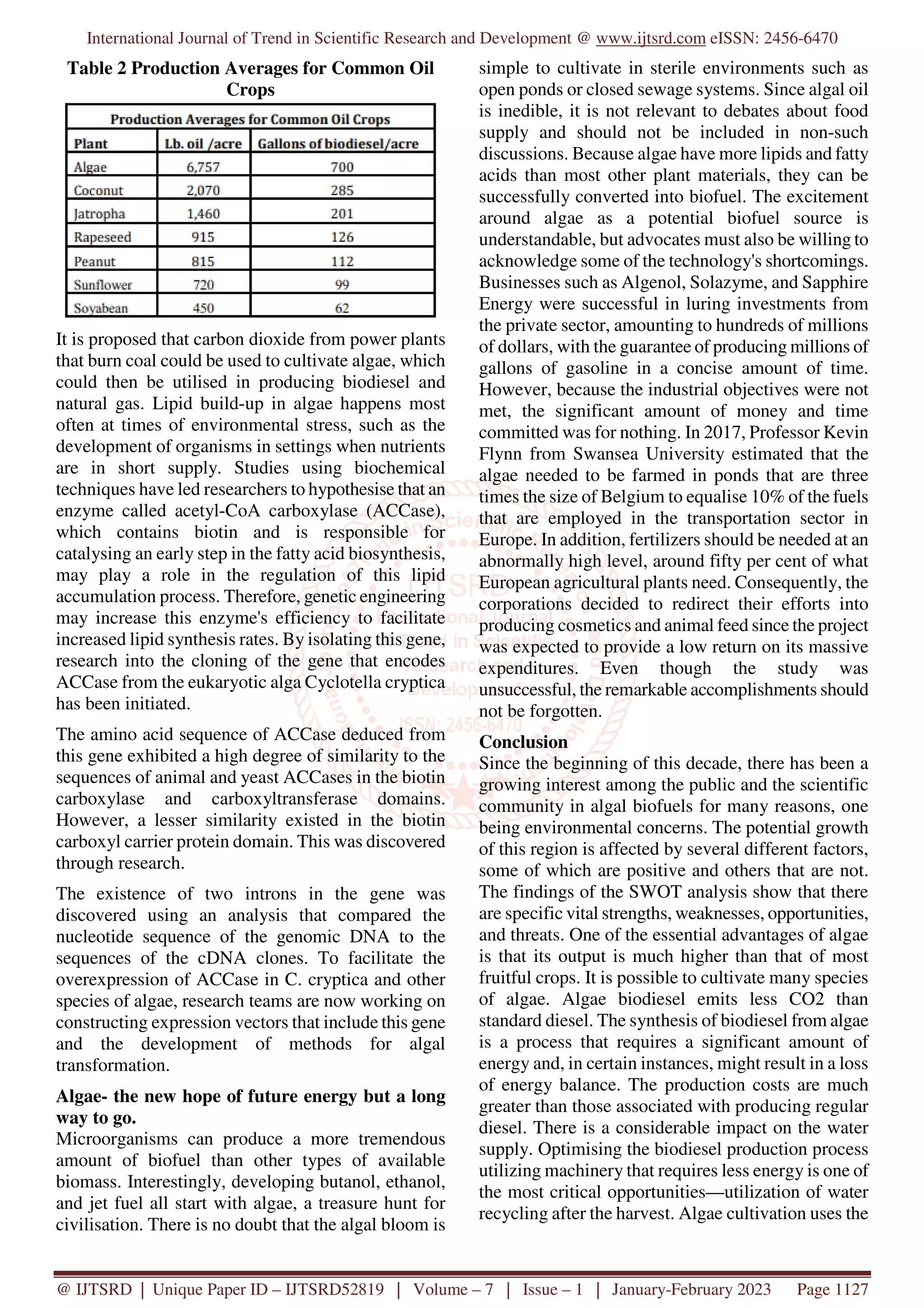
Table 2 Production Averages for Common Oil
Crops
It is proposed that carbon dioxide from power plants
that burn coal could be used to cultivate algae, which
could then be utilised in producing biodiesel and
natural gas. Lipid build-up in algae happens most
often at times of environmental stress, such as the
development of organisms in settings when nutrients
are in short supply. Studies using biochemical
techniques have led researchers to hypothesise that an
enzyme called acetyl-CoA carboxylase (ACCase),
which contains biotin and is responsible for
catalysing an early step in the fatty acid biosynthesis,
may play a role in the regulation of this lipid
accumulation process. Therefore, genetic engineering
may increase this enzyme's efficiency to facilitate
increased lipid synthesis rates. By isolating this gene,
research into the cloning of the gene that encodes
ACCase from the eukaryotic alga Cyclotella cryptica
has been initiated.
The amino acid sequence of ACCase deduced from
this gene exhibited a high degree of similarity to the
sequences of animal and yeast ACCases in the biotin
carboxylase and carboxyltransferase domains.
However, a lesser similarity existed in the biotin
carboxyl carrier protein domain. This was discovered
through research.
The existence of two introns in the gene was
discovered using an analysis that compared the
nucleotide sequence of the genomic DNA to the
sequences of the cDNA clones. To facilitate the
overexpression of ACCase in C. cryptica and other
species of algae, research teams are now working on
constructing expression vectors that include this gene
and the development of methods for algal
transformation.
Algae- the new hope of future energy but a long
way to go.
Microorganisms can produce a more tremendous
amount of biofuel than other types of available
biomass. Interestingly, developing butanol, ethanol,
and jet fuel all start with algae, a treasure hunt for
civilisation. There is no doubt that the algal bloom is
simple to cultivate in sterile environments such as
open ponds or closed sewage systems. Since algal oil
is inedible, it is not relevant to debates about food
supply and should not be included in non-such
discussions. Because algae have more lipids and fatty
acids than most other plant materials, they can be
successfully converted into biofuel. The excitement
around algae as a potential biofuel source is
understandable, but advocates must also be willing to
acknowledge some of the technology's shortcomings.
Businesses such as Algenol, Solazyme, and Sapphire
Energy were successful in luring investments from
the private sector, amounting to hundreds of millions
of dollars, with the guarantee of producing millions of
gallons of gasoline in a concise amount of time.
However, because the industrial objectives were not
met, the significant amount of money and time
committed was for nothing. In 2017, Professor Kevin
Flynn from Swansea University estimated that the
algae needed to be farmed in ponds that are three
times the size of Belgium to equalise 10% of the fuels
that are employed in the transportation sector in
Europe. In addition, fertilizers should be needed at an
abnormally high level, around fifty per cent of what
European agricultural plants need. Consequently, the
corporations decided to redirect their efforts into
producing cosmetics and animal feed since the project
was expected to provide a low return on its massive
expenditures. Even though the study was
unsuccessful, the remarkable accomplishments should
not be forgotten.
Conclusion
Since the beginning of this decade, there has been a
growing interest among the public and the scientific
community in algal biofuels for many reasons, one
being environmental concerns. The potential growth
of this region is affected by several different factors,
some of which are positive and others that are not.
The findings of the SWOT analysis show that there
are specific vital strengths, weaknesses, opportunities,
and threats. One of the essential advantages of algae
is that its output is much higher than that of most
fruitful crops. It is possible to cultivate many species
of algae. Algae biodiesel emits less CO2 than
standard diesel. The synthesis of biodiesel from algae
is a process that requires a significant amount of
energy and, in certain instances, might result in a loss
of energy balance. The production costs are much
greater than those associated with producing regular
diesel. There is a considerable impact on the water
supply. Optimising the biodiesel production process
utilizing machinery that requires less energy is one of
the most critical opportunities—utilization of water
recycling after the harvest. Algae cultivation uses the
International Journal of Trend in Scientific Research and Development @ www.ijtsrd.com eISSN: 2456-6470
@ IJTSRD | Unique Paper ID – IJTSRD52819 | Volume – 7 | Issue – 1 | January-February 2023 Page 1128
carbon dioxide (CO2) released as a by-product of
combustion.
The cultivation of algae, the treatment of wastewater,
and the generation of biogas from algal waste
biomass are all related to one another. They are
increasing the number of available jobs in the
community. Other forms of renewable energy, like
hydrogen, are emerging as critical competitors in the
transportation sector—a rise in the number of battery-
powered electric vehicles being put into use. The
generation of biogas from algae may provide higher
profits than biodiesel production. Compared to
biodiesel from algae, manufacturing biodiesel from
lignocellulose raw materials is considered more
ecologically beneficial. Many countries' authorities
target diesel vehicle manufacturers and their market
share. Stakeholders and policymakers can better
understand the algae-derived biodiesel production
issue by analysing these strengths, opportunities,
weaknesses, and threats. As a result, they will be able
to make more informed decisions regarding whether
to invest in specific research related to improvements
in biodiesel production technology and microalgae
cultivation. The high costs of infrastructure,
operation, and maintenance, in addition to the intense
rivalry from the usage of electric cars, are the primary
factors preventing large-scale biodiesel production
from algae.
One key goal when scaling up algal biodiesel
production is minimising or reducing the footprints
left using energy, water, and land. The author
believes that vast quantities of algae biodiesel will not
be employed in the transportation industry anytime
soon due to the severity of the problems and the
development achieved over the previous decade. The
continued use of conventional fossil fuels pushes
humankind to study the possibility of developing
energy sources that are both renewable and
sustainable. The use of biomass presents the most
promising prospect for producing biofuels that meet
the criteria set out for alternative fuels. Many nations
believe in biofuels that produce biodiesel, which is
made up of entire algae and oil that is recovered from
algae via various conversion processes.
Even if algae development is based on a
straightforward idea, there are challenges to be solved
in areas such as producing feedstock with a high lipid
content and harvesting. Nevertheless, the possibility
of turning algae into gasoline of the highest possible
quality is exciting. Even though algal biofuel
performs very well in engines, it is still necessary to
comprehensively analyse the fuel compatibility
criteria. However, a significant amount of work must
be done before algae biofuel can be considered an
economically viable alternative to fossil fuel.
References
[1] Parikh. Hi., Algae is an Efficient Source of
Biofuel International Research Journal of
Engineering and Technology, 2021. 8(11):
pp.222-228.
https://www.irjet.net/archives/V8/i11/IRJET-
V8I1135.pdf
[2] Parikh. Hi., Diatom Biosilica as a source of
Nanomaterials International Journal of All
Research Education and Scientific Methods.
2021, 9(11): pp 659-673.
http://www.ijaresm.com/diatom-biosilica-as-a-
source-of-nanomaterials
[3] Tang, D., Han, W., Li, P., Miao, X., Zhong, J.,
CO2 fixation and fatty acid composition of
Scenedesmus obliquus and Chlorella
pyrenoidosa in response to different CO2
levels. Bioresource Technology, 2011. 102(3):
pp.3071-3076.
[4] Chisti, Y., Biodiesel from microalgae.
Biotechnology Advances, 2007. 25(3): pp. 294-
306.
[5] Singh J., Gu S., Commercialization potential of
microalgae for biofuels production. Renewable
and Sustainable Energy Reviews, 2010. 14(9):
pp. 2596-2610.
[6] Haik, Y., Selim, M. Y. E., Abdulrehman, T.,
Combustion of algae oil methyl ester in an
indirect injection diesel engine. Energy,
201136(3): pp.1827-1835.
[7] Raphael Slade, Ausilio Bauen, “Micro-algae
cultivation for biofuels: Cost, energy balance,
environmental impacts and future prospects”,
biomass and bioenergy 53, (2013) pp.29to38.
[8] Demirbas, A., 2009. Progress and Recent
Trends in Biodiesel Fuels, Energy Conversion
and Management 50, pp.14.
[9] Chang, A. F., Liu, Y. A., 2010. Integrated
Process Modeling and Product Design of
Biodiesel Manufacturing
Ind.Eng.Chem.Res.49, pp.1197.
[10] Hoekmana S.K., Broch A., Robbins C.,
Ceniceros E., Natarajan M., 2012. Review of
Biodiesel composition, properties, and
specifications, Renewable and Sustainable
Energy Reviews16, pp.143.
[11] Ramirez-Verduzco L.F., Rodriguez-Rodriguez
J.E., Jaramillo-Jacob A.R., 2012.Predicting
International Journal of Trend in Scientific Research and Development @ www.ijtsrd.com eISSN: 2456-6470
@ IJTSRD | Unique Paper ID – IJTSRD52819 | Volume – 7 | Issue – 1 | January-February 2023 Page 1129
cetane number, kinematic viscosity, density and
higher heating value of biodiesel from its fatty
acid methyl ester composition, Fuel 91, pp.102.
[12] Yuan, W., Hansen, A.C., Zhang, Q., 2003.
Predicting the Physical properties of biodiesel
for combustion modeling, American Society of
Agricultural Engineers Vol. 46(6), pp. 1487.
[13] Lardon, L., Hélias, A., Sialve, B., Steyer, J. P.,
& Bernard, O. (2009), Life-Cycle Assessment
of Biodiesel Production from Microalgae,
Environmental, Science & Technology, 43(17):
pp.6475-6481.
[14] Harun R., Singh M., Forde G.M., Danquah,
M.K. (2010), Bioprocess engineering of
microalgae to produce a variety of consumer
products, Renewable and Sustainable Energy
Reviews,14:pp.1037-1047.
[15] Tredici M.R. (1999), Bioreactors, photo. In:
Flickinger MC, Drew SW, eds. Encyclopedia of
Bioprocess Technology: Fermentation,
Biocatalysis, and Bioseparation. New York,
NY: Wiley, pp. 395-419.
[16] J.E. Andrade, A. Pe´rez, P.J. Sebastian, D.
Eapen, “A review of bio-diesel production
processes”, biomass and bioenergy35 (2011)
1008, pp.1020.

Prospects for Making Biofuel from Microalgae A Review

  • 1.
    International Journal ofTrend in Scientific Research and Development (IJTSRD) Volume 7 Issue 1, January-February 2023 Available Online: www.ijtsrd.com e-ISSN: 2456 – 6470 @ IJTSRD | Unique Paper ID – IJTSRD52819 | Volume – 7 | Issue – 1 | January-February 2023 Page 1123 Prospects for Making Biofuel from Microalgae: A Review Dr. Dusyant Assistant Professor, Chemistry Department, Govt. PG College, Hisar, Haryana, India ABSTRACT The depletion of fossil resources, increasing prices, demand, and global warming worries have all contributed to the urgency with which individuals are searching for sustainable alternative fuels. Some microalgae strains collect more lipids, develop faster, and produce more photosynthetic energy than land plants, making them a promising candidate as a biofuel feedstock. Although algae biofuels show promise as an alternative to fossil fuels, several challenges must be conquered before they can successfully compete in the fuel market and be widely embraced. Strain identification and improvement for oil productivity and farming techniques, fertilizer and budget utilization and usage, and co-product generation to enhance the system's overall profitability are all issues that need to be addressed. There is much more to be done in the sector, even though there is much enthusiasm about the possibilities of algal biofuels. Algae's generation capacity was all the rage in the green technology scene a decade ago. Compared to traditional feed stocks derived from plant commodities like sugar cane and maize, or even vegetable and animal waste streams, algae fuel, also referred to as third-generation biofuel, offers many significant benefits. In light of recent successes in genome editing in microalgae, we emphasize prospects for speeding up the strain incentive programme. KEYWORDS: algae; biodiesel; large-scale production; transport How to cite this paper: Dr. Dusyant "Prospects for Making Biofuel from Microalgae: A Review" Published in International Journal of Trend in Scientific Research and Development (ijtsrd), ISSN: 2456-6470, Volume-7 | Issue-1, February 2023, pp.1123-1129, URL: www.ijtsrd.com/papers/ijtsrd52819.pdf Copyright © 2023 by author (s) and International Journal of Trend in Scientific Research and Development Journal. This is an Open Access article distributed under the terms of the Creative Commons Attribution License (CC BY 4.0) (http://creativecommons.org/licenses/by/4.0) INTRODUCTION Algae are single-celled organisms that thrive in aquatic environments and generate energy through photosynthesis in the presence of oxygen. That is indeed right, there are a pair of macroalgae, and microalgae are both types of algae. It is possible to harvest macroalgae, which are large, multicellular algae, from ponds, proportional to inches. These more prominent algae may develop in many ways. The noun "seaweed" is shorthand for most extensive multicellular algae, like the kelp plant, which may reach over 100 feet. In contrast, microalgae, on the other hand, are single-celled organisms that develop in water and have a micrometre-scale size. Production of polymers and fertilisers; generation of electricity for homes and businesses; operation of heating, cooling, and transportation systems; The use of fossil fuels is essential to the world economy. As our population and economy grow, we will have a greater need for carbon-based fuels Information suggests that when nations raise their GDP per capita, their need for fossil fuels will increase, as will competition for these resources these restricted means. Additionally, there is an increase in atmospheric CO2 concentration and the potential for substantial climatic change, apparently affecting the whole planet due to human-caused greenhouse gas emissions. But, then, petroleum, which comes partly from preserved algal deposits, is a finite resource that will be costly to acquire. Pollution of the air, water, and land is directly attributable to using fossil fuels, which are a non- renewable energy source. Weather patterns shift. Most of the world's fossil fuels are used for fuel in cars, trains, planes, boats, and generators. However, as the number of transportation hubs rises, the volume of the globe confronts the issue of meeting the growing demand for energy while simultaneously decreasing supplies of traditional fuels. A rise in energy use and fuel exploitation has been noticed across the globe as developing economies seek to meet rising global standards in countries, particularly in India and Africa, throughout the last several decades. Significant issues with our present energy system factors that raise the likelihood of disaster IJTSRD52819
  • 2.
    International Journal ofTrend in Scientific Research and Development @ www.ijtsrd.com eISSN: 2456-6470 @ IJTSRD | Unique Paper ID – IJTSRD52819 | Volume – 7 | Issue – 1 | January-February 2023 Page 1124 include the widespread use of fossil fuels in industrial production, the high cost of gasoline, and the growing dependency on food and water supplies. There is a severe threat to human civilisation from Middle Eastern oil suppliers and the ill effects of burning fossil fuels, which increase global warming and have a detrimental effect. The reasons, which range from other nations' hunger to environmental shifts, are complicated and must be managed by pollution levels and international tensions over fossil fuel use. More and more people are interested in biofuel since it is not just a sustainable energy source that is safe to use, biodegradable, and has little impact on the environment and climate. Biomass fuels are many energy sources sourced from or manufactured using organic matter. Compared to wind, tidal, and solar power, all examples of sustainable, liquid, and solar energymay be stored and utilised in conventional vehicles and power plants using biofuels. Biodiesel and bioethanol are the most popular types of biofuels. Some others are green diesel, vegetable oil, biogas, and natural gas. Worrying reports of global warming, a worsening energy problem, and rapidly dwindling fossil fuel reserves have contributed to a growing interest in renewable energy worldwide compared to renewable sources like solar, tidal, and wind. Because of their portability and versatility, liquid biofuels have replaced solar and wind power as the most sought- after form of renewable energy production. Energy needs may be met globally using organism-based feedstocks like land plants and aquatic microalgae. Most of India's energy needs are met by importing petroleum products from other countries. Symbolically, a country's per-person electricity usage advancement of such nation and its people's level of life. A gain in productivity, a decrease in poverty, and an overall higher quality of life are all aided by cheaper energy. However, there is a growing concern worldwide due to the decreasing supply of fossil fuels and the increasing fuel demand, which raises new questions about potential alternative energy sources. Therefore, efforts are being made to study alternative energy sources that meet the following criteria: they are easily accessible, ecologically acceptable, technically possible, and economically competitive. BENEFITS OF ALGAE BIOFUEL They are very effective in removing nutrients from the water and can be cultivated on the ground that is otherwise unsuitable for traditional agriculture. In addition, they can be grown on land that can be used for agriculture. In this way, not only does the development of algal biofuels need less land area than the production of biofuels from terrestrial plants, but waste streams would also be able to be cleaned up as the plants were being grown. Before being released into the environment, wastewater undergoes treatment to remove nitrates and phosphates. Coal or combustible-based power plants collect exhaust gases to gather sulphates and carbon dioxide. It is also possible to bioengineer the algae strains used to produce biofuels. This opens the door to creating specialised traits and producing valuable by-products, which might help algae-based biofuels compete financially with petroleum. Algae are a platform with great potential for manufacturing cost-effective biofuels due to their properties, which are as follows: India is a heavily industrialised nation striving to satisfy the fundamental energy requirements of its population. This endeavour will allow India to maintain pace with its accelerating economic development. India's transportation fuel needs are unique in the world. It burns more than five times the amount of diesel fuel as it does gasoline, in contrast to practically every other nation on the planet, which burns more gasoline than diesel fuel. India is the country most dependent on coal to satisfy its energy requirements. Mining coal reserves is an essential step in accomplishing the goal of providing electricity to every single person. Coal is the most affordable fuel, yet it produces the most pollution. Producing biofuels on a domestic scale would cut emissions from coal-fired power plants, which would, in turn, have less effect on climate change. Because of this, the search for alternative forms of energy is of utmost significance in India, and biodiesel is far more significant for our country than for the rest of the globe. India is the global leader in the use of biomass energy, which ranks as the world's fourth most significant energy source. Algae cultivation to extract biofuel will not harm the agricultural production of food, fodder, or other commodities. Even though experts tend to believe that current gasoline prices are not high enough for algal biofuel to become competitive, frequent attempts are made to harness the potential of algae. These attempts are made even though there are regular attempts. STEPS FOR ALGAE TO BIODIESEL CONVERSION The manufacture of biofuel from algae may be broken down into four distinct stages: a) the growing of algae; b) the harvesting of biomass; c) the extraction of algae oil; and d) the conversion of oil and residue. To explain the significant components of algal biofuel generation, each of the first four steps is further broken into essential, individual, or numerous
  • 3.
    International Journal ofTrend in Scientific Research and Development @ www.ijtsrd.com eISSN: 2456-6470 @ IJTSRD | Unique Paper ID – IJTSRD52819 | Volume – 7 | Issue – 1 | January-February 2023 Page 1125 processes. These processes may have either positive or negative environmental externalities. METHODOLOGY As a result of the microalgae-based biofuels' superior sustainability to that of terrestrial feedstock, they have the potential to serve as a suitable replacement for fossil fuels. Microalgae are unicellular and straightforward multicellular autotrophic microbes with a high degree of photosynthetic and nutritional consumption, respectively. There is a large population of microalgae in the environment, particularly saltwater, freshwater, and wastewater. Due to their high biomass productivity and ability to reduce CO2 emissions, microalgae have great potential as a feedstock for biofuel production. Furthermore, microalgae accumulate lipids, making them an excellent source of fuel. For the generation of biofuels, several species of microalgae have a high lipid content, and the growing method for these organisms is far less complicated than that of other plant crops. Microalgae have the potential to create a wide variety of biofuels, including but not limited to biodiesel, bio methanol, bioethanol, and biohydrogen. Since microalgae are grown yearly, a method that produces biofuels from microalgae may one day help satisfy the growing need for energy. The production of biofuel from microalgae requires the use of a few different techniques. The steps involved in producing hemp oil are cultivation, harvesting, drying, and oil extraction operations. Over the years, several writers have analysed these procedures. [1] has written a piece for publication that discusses the process of turning microalgae into biofuel. Following his reasoning, he concluded that improving the agricultural process would result in a more effective biofuel conversion. In addition, he offered several suggestions about the kinds of growing techniques that should be used to maximise the output of microalgae. Following this research, [2] reviewed the technological processes involved in the manufacture of algae biofuel, including its processing and extractions. It was suggested to couple the conversion of algae to biofuel with the sequestration of carbon and the treatment of wastewater to increase the yield and reduce the expenses associated with its production. Not just on the macro side of production but also delving deeper into the algal cell, [3] highlighted the prospect of algal production by genetic modification to create more algal oi. This would be done to increase algal oil output. Because they can be burnt to create vast quantities of energy, fuels are vital in today's world. Fuels are essential to several elements of day-to-day life, particularly the transportation of products and people. Fossil fuels, which include gasoline, diesel, coal, and natural gas, are the primary sources of the world's supply of usable energy. Fossil fuels meet eighty per cent of the world's energy requirements. The manufacturing process in the majority of industries is carried out by equipment that runs on diesel. In transportation, private automobiles, public transit vehicles (such as buses and trucks), and maritime vessels are all significant consumers of diesel and gasoline. Because of this, our day-to-day lives have become very reliant on fossil fuels. On the other hand, the increase in the country's crude oil output is not enough to support the expansion in the population [2, 3]. This is because fuels such as fossil oils are derived from the remains of long- extinct animals and microbes. The creation of fossil fuels takes place over millions of years. As a result, fossil oils are examples of non- renewable sources of energy. Moreover, a strong correlation exists between a rise in oil prices, economic downturns, and global and international wars. The significant growth in the economy brought about by fossil fuel resources will be depleted in just 65 more years, particularly in particular nations still building their economies. In addition, burning fossil fuels results in emissions, which further contribute to air pollution and global warming [4-6]. As a result, renewable and environmentally friendly alternative fuel sources have garnered considerable interest for both present and future applications. In this day and age of rapid technological and scientific innovation, we are confronted with issues such as air pollution, global warming (also known as the greenhouse effect), and ozone depletion, amongst others. We must implement highly effective solutions to these issues, such as using alternative fuels like biodiesel and biofuels. At this time, microalgae hold tremendous promise as a potential source of biofuels that might eventually wholly replace fossil fuels. Compared to terrestrial feedstock, microalgae have distinct advantages, the most notable of which are their higher photosynthetic efficiencies [4] and their higher productivity, which can produce significantly higher biomass yields per day and per unit of cropping area [5, 6]. These advantages are not the only ones that microalgae have to offer. The number of research that has been conducted to investigate the possibility of using raw algal oil in a motor needs to be revised to get a comprehensive grasp of the expected performance of this fuel [7]. During the trans esterification reaction required to make biodiesel, using raw algal oil as an alternative to more costly chemicals and processes may help solve the
  • 4.
    International Journal ofTrend in Scientific Research and Development @ www.ijtsrd.com eISSN: 2456-6470 @ IJTSRD | Unique Paper ID – IJTSRD52819 | Volume – 7 | Issue – 1 | January-February 2023 Page 1126 issues arising from their use. This research aimed to investigate the viability of utilising algal oil as an alternative fuel for diesel engines, following the growth, harvesting, and extraction of oil in a controlled environment. BIOFUELS PRODUCTION PROCESSES FROM MICROALGAE The cultivation of microalgae to harvest their biomass for use in the manufacturing of biofuels is, in general, a more costly and technologically complex endeavour than crop farming. This is because the development of photosynthetic organisms in Microalgae can only survive if they have access to light, carbon dioxide, water, and inorganic salts. It is necessary to have stringent control over the temperature regime. Temperatures between 20 and 30 degrees Celsius are optimal for developing most microalgae. Despite daily and seasonal shifts in the amount of natural light that is available, the manufacture of biodiesel has to depend on sunshine since it is freely accessible [7, 17- 20]. This is necessary to keep costs down. Converting microalgae's biomass into usable energy forms may be done in several methods, the most common of which are as follows: a) biochemical conversion; b) chemical reaction; c) direct burning; and d) thermochemical conversion. Figure 1 is a schematic representation of the methods used to produce biodiesel and bioethanol utilising microalgae as the feedstock [10]. As was mentioned earlier, microalgae provide significant advantages over plants and seeds because they: I synthesise and accumulate large quantities of neutral lipids (20 50% dry weight of biomass) and grow at high rates; ii) are capable of all year-round production. Therefore, oil yield per area of microalgae cultures could significantly exceed the yield of the best oilseed crops; iii) require less water than terrestrial crops, thereby reducing the load on freshwater sources; and iv) (1 kg of dry algal biomass utilises about 1.83 kg of CO2). In addition, microalgae can remove NH4, NO3, and PO4 from wastewater sources (such as agricultural run-off, concentrated animal feed operations, and industrial and municipal wastewater). This process is known as effluent bioremediation. Due to their capacity to thrive in more challenging environments and lower nutrient requirements, microalgae can be grown in brackish water, coastal seawater, or even on land unsuitable for crop production. They do not compete with conventional agriculture for available resources. Other compounds, such as polyunsaturated fatty acids, natural dyes, polysaccharides, pigments, antioxidants, high-value bioactive compounds, and proteins, may also be extracted from microalgae, depending on the species of microalgae. These compounds have valuable applications in various industrial sectors, including a wide range of fine chemicals and bulk products. Other compounds that may be extracted include pigments, antioxidants, and high-value bioactive compounds. Figure 1 Biofuels production processes from microalgae biomass
  • 5.
    International Journal ofTrend in Scientific Research and Development @ www.ijtsrd.com eISSN: 2456-6470 @ IJTSRD | Unique Paper ID – IJTSRD52819 | Volume – 7 | Issue – 1 | January-February 2023 Page 1127 Table 2 Production Averages for Common Oil Crops It is proposed that carbon dioxide from power plants that burn coal could be used to cultivate algae, which could then be utilised in producing biodiesel and natural gas. Lipid build-up in algae happens most often at times of environmental stress, such as the development of organisms in settings when nutrients are in short supply. Studies using biochemical techniques have led researchers to hypothesise that an enzyme called acetyl-CoA carboxylase (ACCase), which contains biotin and is responsible for catalysing an early step in the fatty acid biosynthesis, may play a role in the regulation of this lipid accumulation process. Therefore, genetic engineering may increase this enzyme's efficiency to facilitate increased lipid synthesis rates. By isolating this gene, research into the cloning of the gene that encodes ACCase from the eukaryotic alga Cyclotella cryptica has been initiated. The amino acid sequence of ACCase deduced from this gene exhibited a high degree of similarity to the sequences of animal and yeast ACCases in the biotin carboxylase and carboxyltransferase domains. However, a lesser similarity existed in the biotin carboxyl carrier protein domain. This was discovered through research. The existence of two introns in the gene was discovered using an analysis that compared the nucleotide sequence of the genomic DNA to the sequences of the cDNA clones. To facilitate the overexpression of ACCase in C. cryptica and other species of algae, research teams are now working on constructing expression vectors that include this gene and the development of methods for algal transformation. Algae- the new hope of future energy but a long way to go. Microorganisms can produce a more tremendous amount of biofuel than other types of available biomass. Interestingly, developing butanol, ethanol, and jet fuel all start with algae, a treasure hunt for civilisation. There is no doubt that the algal bloom is simple to cultivate in sterile environments such as open ponds or closed sewage systems. Since algal oil is inedible, it is not relevant to debates about food supply and should not be included in non-such discussions. Because algae have more lipids and fatty acids than most other plant materials, they can be successfully converted into biofuel. The excitement around algae as a potential biofuel source is understandable, but advocates must also be willing to acknowledge some of the technology's shortcomings. Businesses such as Algenol, Solazyme, and Sapphire Energy were successful in luring investments from the private sector, amounting to hundreds of millions of dollars, with the guarantee of producing millions of gallons of gasoline in a concise amount of time. However, because the industrial objectives were not met, the significant amount of money and time committed was for nothing. In 2017, Professor Kevin Flynn from Swansea University estimated that the algae needed to be farmed in ponds that are three times the size of Belgium to equalise 10% of the fuels that are employed in the transportation sector in Europe. In addition, fertilizers should be needed at an abnormally high level, around fifty per cent of what European agricultural plants need. Consequently, the corporations decided to redirect their efforts into producing cosmetics and animal feed since the project was expected to provide a low return on its massive expenditures. Even though the study was unsuccessful, the remarkable accomplishments should not be forgotten. Conclusion Since the beginning of this decade, there has been a growing interest among the public and the scientific community in algal biofuels for many reasons, one being environmental concerns. The potential growth of this region is affected by several different factors, some of which are positive and others that are not. The findings of the SWOT analysis show that there are specific vital strengths, weaknesses, opportunities, and threats. One of the essential advantages of algae is that its output is much higher than that of most fruitful crops. It is possible to cultivate many species of algae. Algae biodiesel emits less CO2 than standard diesel. The synthesis of biodiesel from algae is a process that requires a significant amount of energy and, in certain instances, might result in a loss of energy balance. The production costs are much greater than those associated with producing regular diesel. There is a considerable impact on the water supply. Optimising the biodiesel production process utilizing machinery that requires less energy is one of the most critical opportunities—utilization of water recycling after the harvest. Algae cultivation uses the
  • 6.
    International Journal ofTrend in Scientific Research and Development @ www.ijtsrd.com eISSN: 2456-6470 @ IJTSRD | Unique Paper ID – IJTSRD52819 | Volume – 7 | Issue – 1 | January-February 2023 Page 1128 carbon dioxide (CO2) released as a by-product of combustion. The cultivation of algae, the treatment of wastewater, and the generation of biogas from algal waste biomass are all related to one another. They are increasing the number of available jobs in the community. Other forms of renewable energy, like hydrogen, are emerging as critical competitors in the transportation sector—a rise in the number of battery- powered electric vehicles being put into use. The generation of biogas from algae may provide higher profits than biodiesel production. Compared to biodiesel from algae, manufacturing biodiesel from lignocellulose raw materials is considered more ecologically beneficial. Many countries' authorities target diesel vehicle manufacturers and their market share. Stakeholders and policymakers can better understand the algae-derived biodiesel production issue by analysing these strengths, opportunities, weaknesses, and threats. As a result, they will be able to make more informed decisions regarding whether to invest in specific research related to improvements in biodiesel production technology and microalgae cultivation. The high costs of infrastructure, operation, and maintenance, in addition to the intense rivalry from the usage of electric cars, are the primary factors preventing large-scale biodiesel production from algae. One key goal when scaling up algal biodiesel production is minimising or reducing the footprints left using energy, water, and land. The author believes that vast quantities of algae biodiesel will not be employed in the transportation industry anytime soon due to the severity of the problems and the development achieved over the previous decade. The continued use of conventional fossil fuels pushes humankind to study the possibility of developing energy sources that are both renewable and sustainable. The use of biomass presents the most promising prospect for producing biofuels that meet the criteria set out for alternative fuels. Many nations believe in biofuels that produce biodiesel, which is made up of entire algae and oil that is recovered from algae via various conversion processes. Even if algae development is based on a straightforward idea, there are challenges to be solved in areas such as producing feedstock with a high lipid content and harvesting. Nevertheless, the possibility of turning algae into gasoline of the highest possible quality is exciting. Even though algal biofuel performs very well in engines, it is still necessary to comprehensively analyse the fuel compatibility criteria. However, a significant amount of work must be done before algae biofuel can be considered an economically viable alternative to fossil fuel. References [1] Parikh. Hi., Algae is an Efficient Source of Biofuel International Research Journal of Engineering and Technology, 2021. 8(11): pp.222-228. https://www.irjet.net/archives/V8/i11/IRJET- V8I1135.pdf [2] Parikh. Hi., Diatom Biosilica as a source of Nanomaterials International Journal of All Research Education and Scientific Methods. 2021, 9(11): pp 659-673. http://www.ijaresm.com/diatom-biosilica-as-a- source-of-nanomaterials [3] Tang, D., Han, W., Li, P., Miao, X., Zhong, J., CO2 fixation and fatty acid composition of Scenedesmus obliquus and Chlorella pyrenoidosa in response to different CO2 levels. Bioresource Technology, 2011. 102(3): pp.3071-3076. [4] Chisti, Y., Biodiesel from microalgae. Biotechnology Advances, 2007. 25(3): pp. 294- 306. [5] Singh J., Gu S., Commercialization potential of microalgae for biofuels production. Renewable and Sustainable Energy Reviews, 2010. 14(9): pp. 2596-2610. [6] Haik, Y., Selim, M. Y. E., Abdulrehman, T., Combustion of algae oil methyl ester in an indirect injection diesel engine. Energy, 201136(3): pp.1827-1835. [7] Raphael Slade, Ausilio Bauen, “Micro-algae cultivation for biofuels: Cost, energy balance, environmental impacts and future prospects”, biomass and bioenergy 53, (2013) pp.29to38. [8] Demirbas, A., 2009. Progress and Recent Trends in Biodiesel Fuels, Energy Conversion and Management 50, pp.14. [9] Chang, A. F., Liu, Y. A., 2010. Integrated Process Modeling and Product Design of Biodiesel Manufacturing Ind.Eng.Chem.Res.49, pp.1197. [10] Hoekmana S.K., Broch A., Robbins C., Ceniceros E., Natarajan M., 2012. Review of Biodiesel composition, properties, and specifications, Renewable and Sustainable Energy Reviews16, pp.143. [11] Ramirez-Verduzco L.F., Rodriguez-Rodriguez J.E., Jaramillo-Jacob A.R., 2012.Predicting
  • 7.
    International Journal ofTrend in Scientific Research and Development @ www.ijtsrd.com eISSN: 2456-6470 @ IJTSRD | Unique Paper ID – IJTSRD52819 | Volume – 7 | Issue – 1 | January-February 2023 Page 1129 cetane number, kinematic viscosity, density and higher heating value of biodiesel from its fatty acid methyl ester composition, Fuel 91, pp.102. [12] Yuan, W., Hansen, A.C., Zhang, Q., 2003. Predicting the Physical properties of biodiesel for combustion modeling, American Society of Agricultural Engineers Vol. 46(6), pp. 1487. [13] Lardon, L., Hélias, A., Sialve, B., Steyer, J. P., & Bernard, O. (2009), Life-Cycle Assessment of Biodiesel Production from Microalgae, Environmental, Science & Technology, 43(17): pp.6475-6481. [14] Harun R., Singh M., Forde G.M., Danquah, M.K. (2010), Bioprocess engineering of microalgae to produce a variety of consumer products, Renewable and Sustainable Energy Reviews,14:pp.1037-1047. [15] Tredici M.R. (1999), Bioreactors, photo. In: Flickinger MC, Drew SW, eds. Encyclopedia of Bioprocess Technology: Fermentation, Biocatalysis, and Bioseparation. New York, NY: Wiley, pp. 395-419. [16] J.E. Andrade, A. Pe´rez, P.J. Sebastian, D. Eapen, “A review of bio-diesel production processes”, biomass and bioenergy35 (2011) 1008, pp.1020.