Algae Energy Algae As A New Source Of Biodiesel 1st Edition Ayhan Demirbas
Algae Energy Algae As A New Source Of Biodiesel 1st Edition Ayhan Demirbas
Algae Energy Algae As A New Source Of Biodiesel 1st Edition Ayhan Demirbas
Algae Energy Algae As A New Source Of Biodiesel 1st Edition Ayhan Demirbas
Algae Energy Algae As A New Source Of Biodiesel 1st Edition Ayhan Demirbas
1.
Algae Energy AlgaeAs A New Source Of Biodiesel
1st Edition Ayhan Demirbas download
https://ebookbell.com/product/algae-energy-algae-as-a-new-source-
of-biodiesel-1st-edition-ayhan-demirbas-1712864
Explore and download more ebooks at ebookbell.com
2.
Here are somerecommended products that we believe you will be
interested in. You can click the link to download.
Algae As A Potential Source Of Food And Energy In Developing Countries
Sustainability Technology And Selected Case Studies 1st Edition Alvise
Perosa
https://ebookbell.com/product/algae-as-a-potential-source-of-food-and-
energy-in-developing-countries-sustainability-technology-and-selected-
case-studies-1st-edition-alvise-perosa-56834460
Algae For Biofuels And Energy 1st Edition Michael A Borowitzka Auth
https://ebookbell.com/product/algae-for-biofuels-and-energy-1st-
edition-michael-a-borowitzka-auth-4326292
Algae Nutrition Pollution Control And Energy Sources 1st Edition
Kristian N Hagen
https://ebookbell.com/product/algae-nutrition-pollution-control-and-
energy-sources-1st-edition-kristian-n-hagen-51348892
Microalgae Nextgeneration Feedstock For Biorefineries Contemporary
Technologies And Future Outlook Clean Energy Production Technologies
Pradeep Verma
https://ebookbell.com/product/microalgae-nextgeneration-feedstock-for-
biorefineries-contemporary-technologies-and-future-outlook-clean-
energy-production-technologies-pradeep-verma-55694040
3.
Nonphotochemical Quenching AndEnergy Dissipation In Plants Algae And
Cyanobacteria 1st Edition Barbara Demmigadams
https://ebookbell.com/product/nonphotochemical-quenching-and-energy-
dissipation-in-plants-algae-and-cyanobacteria-1st-edition-barbara-
demmigadams-4976752
Sustainable Development Of Algal Biofuels In The United States
Committee On The Sustainable Development Of Algal Biofuels
https://ebookbell.com/product/sustainable-development-of-algal-
biofuels-in-the-united-states-committee-on-the-sustainable-
development-of-algal-biofuels-4587820
Algae And Aquatic Macrophytes In Cities Bioremediation Biomass
Biofuels And Bioproducts Vimal Chandra Pandey
https://ebookbell.com/product/algae-and-aquatic-macrophytes-in-cities-
bioremediation-biomass-biofuels-and-bioproducts-vimal-chandra-
pandey-46086274
Algae Anatomy Biochemistry And Biotechnology 3rd Laura Barsanti
https://ebookbell.com/product/algae-anatomy-biochemistry-and-
biotechnology-3rd-laura-barsanti-46783102
Algae In Agrobiology Realities And Perspectives Joel Fleurence
https://ebookbell.com/product/algae-in-agrobiology-realities-and-
perspectives-joel-fleurence-52342540
Preface
This book examinesthe production of algae culture and usage of algal biomass
conversion products. In this book, the modern biomass-based transportation fuels
biodiesel, bio-oil, biomethane, biohydrogen, and high-value-added products from
algae are briefly reviewed. The most significant distinguishing characteristic of algal
oil is its yield and, hence, its biodiesel yield. According to some estimates, the yield
(per acre) of oil from algae is over 200 times the yield from the best-performing
plant/vegetable oils. The lipid and fatty acid contents of microalgae vary in accor-
dance with culture conditions. The availability of algae and the advantages of algal
oil for biodiesel production have been investigated.
Billions of years ago the Earth’s atmosphere was filled with CO2. Thus there was
no life on Earth. Life on Earth started with Cyanobacteria and algae. These hum-
ble photosynthetic organisms sucked out the atmospheric CO2 and started releasing
oxygen. As a result, the levels of CO2 started decreasing to such an extent that life
evolved on Earth. Once again these smallest of organisms are poised to save us from
the threat of global warming.
In the context of climatic changes and soaring prices for a barrel of petroleum,
biofuels are now being presented as a renewable energy alternative. Presently, re-
search is being done on microscopic algae, or microalgae, which are particularly
rich in oils and whose yield per hectare is considerably higher than that of sun-
flower or rapeseed. Algae will become the most important biofuel source in the near
future. Microalgae appear to be the only source of renewable biodiesel that is capa-
ble of meeting the global demand for transport fuels. Microalgae are theoretically
a very promising source of biodiesel.
Algae are the fastest-growing plants in the world. Industrial reactors for algal
culture are open ponds, photobioreactors, and closed systems. Algae are very im-
portant as a biomass source and will some day be competitive as a source for bio-
fuel. Different species of algae may be better suited for different types of fuel. Algae
can be grown almost anywhere, even on sewage or salt water, and does not require
fertile land or food crops, and processing requires less energy than the algae pro-
vides. Algae can be a replacement for oil-based fuels, one that is more effective
v
10.
vi Preface
and hasno disadvantages. Algae are among the fastest-growing plants in the world,
and about 50% of their weight is oil. This lipid oil can be used to make biodiesel
for cars, trucks, and airplanes. Microalgae have much faster growth rates than ter-
restrial crops. the per unit area yield of oil from algae is estimated to be between
20,000 and 80,000 L per acre per year; this is 7 to 31 times greater than the next
best crop, palm oil. Most current research on oil extraction is focused on microalgae
to produce biodiesel from algal oil. Algal oil is processed into biodiesel as easily
as oil derived from land-based crops. Algae biomass can play an important role in
solving the problem of food or biofuels in the near future.
Microalgae contain oils, or lipids, that can be converted into biodiesel. The idea
of using microalgae to produce fuel is not new, but it has received renewed attention
recently in the search for sustainable energy. Biodiesel is typically produced from
plant oils, but there are widely voiced concerns about the sustainability of this prac-
tice. Biodiesel produced from microalgae is being investigated as an alternative to
using conventional crops such as rapeseed; microalgae typically produce more oil,
consume less space, and could be grown on land unsuitable for agriculture.
Using microalgae as a source of biofuels could mean that enormous cultures of
algae are grown for commercial production, which would require large quantities of
fertilizers. While microalgae are estimated to be capable of producing 10 to 20 times
more biodiesel than rapeseed, they need 55 to 111 times more nitrogen fertilizer –
8 to 16 tons/ha/year.
This book on algae energy attempts to address the needs of energy researchers,
chemical engineers, chemical engineering students, energy resource specialists, en-
gineers, agriculturists, crop cultivators, and others interested in practical tools for
pursuing their interests in relation to bioenergy. Each chapter in the book starts with
basic explanations suitable for general readers and ends with in-depth scientific de-
tails suitable for expert readers. General readers include people interested in learn-
ing about solutions to current fuel and environmental crises. Expert readers include
chemists, chemical engineers, fuel engineers, agricultural engineers, farming spe-
cialists, biologists, fuel processors, policymakers, environmentalists, environmental
engineers, automobile engineers, college students, research faculty, etc. The book
may even be adopted as a textbook for college courses that deal with renewable
energy or sustainability.
Trabzon, TURKEY (September 2009) Ayhan Demirbas
Muhammet Demirbas
2 1 Introduction
1.2Energy Demand and Availability
Energy plays a vital role in our everyday lives. A country’s standard of living is con-
sidered to be proportional to the energy consumption by the people of that country.
Energy is one of the vital inputs to the socioeconomic development of any coun-
try. The abundance of energy around us can be stored, converted, and amplified
for our use in a variety of ways. Energy production has always been a concern for
researchers as well as policymakers.
Global energy sources are classified into two groups, fossil and renewable. Pri-
mary energy sources can be divided into nonrenewables and renewables. Nonre-
newable energy sources include coal, petroleum, gas, gas hydrate, and fissile mate-
rial, while renewable energy sources include biomass, hydro, geothermal, solar, and
wind energy. The main fissile energy sources are uranium and thorium.
An energy source can also be classified according to its depletion rate. While
biomass energy can be depleted, solar and wind energy are nondepletable. In real-
ity the energy availability from nonrenewable sources is limited, and beyond that,
the exploration, processing, and use of energy involve considerable impacts on the
environment. Fossil fuels have been the prime sources of energy for the purpose of
transportation, power generation, and agriculture, as well as in commercial, res-
idential, and industrial activity for more than a century. The world’s energy re-
quirements are currently satisfied by fossil fuels, which serve as the primary energy
source.
Because of the increase in petroleum prices, especially after the oil crisis in 1973
and then the Gulf war in 1991, in addition to the geographically reduced availability
of petroleum and more stringent governmental regulations on exhaust emissions,
researchers have studied alternative fuels and alternative solutions.
Interestingly, renewable energy resources are more evenly distributed than fossil
or nuclear resources. Today’s energy system is unsustainable because of equity is-
sues as well as environmental, economic, and geopolitical concerns that will have
implications far into the future. Hence, sustainable renewable energy sources such
as biomass, hydro, wind, solar (both thermal and photovoltaic), geothermal, and ma-
rine energy sources will play an important role in the world’s future energy supply.
Developing renewable sources of energy has become necessary due to the limited
supply of fossil fuels. Global environmental concerns and decreasing resources of
crude oil have prompted demand for alternative fuels. Global climate change is also
the major environmental issue of our time. Global warming, the Kyoto Protocol,
the emission of greenhouse gases, and the depletion of fossil fuels are the topics of
environmental concern worldwide. Due to rapidly increasing energy requirements
along with technological development around the world, research and development
activities have perforce focused on new and renewable energy.
The major sources of alternative energy are biorenewables, hydro, solar, wind,
geothermal, and other forms of energy, each of them having their own advantages
and disadvantages, including political, economic, and practical issues. Renewable
energy is a promising alternative solution because it is clean and environmentally
safe. Sources of renewable energy also produce lower or negligible levels of green-
16.
1.2 Energy Demandand Availability 3
house gases and other pollutants as compared with the fossil energy sources they
replace.
1.2.1 Fossil Energy Sources
The term fossil refers to an earlier geologic age. Fossil fuels were formed a long time
ago and are not renewable. Fossil energy sources are petroleum (crude oil), coal,
bitumens, natural gas, oil shales, and tar sands. During the last 200 years, developed
countries have shifted their energy consumption toward fossil fuels. About 98%
of carbon emissions result from fossil fuel combustion. Reducing the use of fossil
fuels would considerably reduce the amount of carbon dioxide and other pollutants
produced. In fact, today over 80% of the energy we use comes from three fossil
fuels: petroleum, coal, and natural gas. Unfortunately, oil is in danger of becoming
scarce.
Another problem with petroleum fuels is their uneven distribution in the world;
for example, the Middle East has 63% of the global reserves and is the dominant sup-
plier of petroleum. This energy system is unsustainable because of equity issues as
well as environmental, economic, and geopolitical concerns that have far-reaching
implications.
The current global energy mix consists of oil (36%), natural gas (24%), coal
(28%), nuclear (6%), and renewable energy such as hydro, wind, and solar (about
7%). Once the energy picture has been established we will explore the effect the
projected changes in energy supply may have on the world population. Petroleum is
the largest single source of energy consumed by the world’s population, exceeding
coal, natural gas, nuclear, hydro, and renewables. While fossil fuels are still being
created today by underground heat and pressure, they are being consumed more
rapidly than they are being created. Hence, fossil fuels are considered nonrenew-
able; that is, they are not replaced as fast as they are consumed. And due to oil’s
aforementioned looming scarcity, the future trend is toward using alternative energy
sources. Fortunately, the technological advances are making the transition possible
(Kirtay 2009).
The word petroleum comes from the Greek word petra, or rock, and Latin word
oleum, oil. Oil is a thick, dark brown or greenish liquid found in reservoirs in sedi-
mentary rock. Tiny pores in the rock allowed the petroleum to seep in. These “reser-
voir rocks” hold the oil like a sponge, confined by other, nonporous layers that form
a trap. Petroleum is used to describe a broad range of hydrocarbons that are found
as gases, liquids, or solids beneath the surface of the Earth. The two most common
forms are natural gas and crude oil. Petroleum consists of a complex mixture of
various hydrocarbons, largely of alkane and aromatic compounds. The color ranges
from pale yellow through red and brown to black or greenish, while by reflected
light it is, in the majority of cases, of a green hue. Petroleum is a fossil fuel because
it was formed from the remains of tiny sea plants and animals that died millions of
years ago and sank to the bottom of the oceans.
17.
4 1 Introduction
Table1.1 shows crude oil production data for various regions (IEA 2007). The
Middle East produces 32% of the world’s oil, and, more importantly, it has 64%
of the total proven oil reserves in the world. Oil fields follow a size distribution
consisting of a very few large fields and many smaller ones. This distribution is
illustrated by the fact that 60% of the world’s oil supply is extracted from only 1%
of the world’s active oil fields. As one of these very large fields plays out it can
require the development of hundreds of small fields to replace its production.
Some definitions will be useful. “Petroleum” and “oil” are used interchange-
ably to include crude oil, shale oil, oil sands, and natural gas liquids (NGLs). The
word petroleum generally refers to crude oil or the refined products obtained from
the processing of crude oil (gasoline, diesel fuel, heating oil, etc.). Crude oil (raw
petroleum) is separated into fractions by fractional distillation. The fractions at the
top are lower than those at the bottom. The heavy bottom fractions are often cracked
into lighter, more useful products. All of the fractions are processed further in other
refining units. The main crude oil fractions are shown in Table 1.2.
Crude oil is separated by boiling points into six main grades of hydrocarbons:
refinery gas (used for refinery fuel), gasoline (naphthas), kerosene, light oils (diesel
oil or diesel fuel) and heavy gas oils (fuel oil), and long residue. This initial sep-
Table 1.1 1973 and 2006 regional shares of crude oil production (%)
Region 1973 2006
Middle East 37.0 31.1
OECD 23.6 23.2
Former USSR 15.0 15.2
Africa 10.0 12.1
Latin America 8.6 9.0
Asia excluding China 3.2 4.5
China 1.9 4.7
Non-OECD Europe 0.7 0.2
Total (Millions of tons) 2,867 3,936
Table 1.2 Main crude oil fractions
Component Boiling range, K Number of carbon atoms
Natural gas < 273 C1 to C4
Liquefied petroleum gas 231–273 C3 to C4
Petroleum ether 293–333 C5 to C6
Ligroin (light naphtha) 333–373 C6 to C7
Gasoline 313–478 C5 to C12, and cycloalkanes
Jet fuel 378–538 C8 to C14, and aromatics
Kerosene 423–588 C10 to C16, and aromatics
No. 2 diesel fuel 448–638 C10 to C22, and aromatics
Fuel oils > 548 C12 to C70, and aromatics
Lubricating oils > 673 > C20
Asphalt or petroleum coke Nonvolatile residue Polycyclic structures
18.
1.2 Energy Demandand Availability 5
aration is done by distillation. The first step in the refining of crude oil, whether
in a simple or a complex refinery, is the separation of the crude oil into fractions
(fractionation or distillation). These fractions are mixtures containing hydrocarbon
compounds whose boiling points lie within a specified range.
A diesel engine burns fuel oil rather than gasoline and differs from the gasoline
engine in that it uses compressed air in the cylinder rather than a spark to ignite
the fuel. Diesel or diesel fuel in general is any fuel used in diesel engines. Diesel
engines are used mainly in heavy vehicles. The main advantage of the diesel engine
is that the level of efficiency is greater than in the Otto cycle engine. This means
that a greater part of the energy content of the fuel is used. The efficiency of a diesel
engine is at best 45%, compared to 30% for the Otto engine.
Diesel fuel is produced by distilling raw oil extracted from bedrock. Diesel is
a fossil fuel. Diesel fuel consists of hydrocarbons with between 9 and 27 carbon
atoms in a chain as well as a smaller amount of sulfur, nitrogen, oxygen, and metal
compounds. It is a general property of hydrocarbons that the auto-ignition temper-
ature is higher for more volatile hydrocarbons. The hydrocarbons present in diesel
fuels include alkanes, naphthenes, olefins, and aromatics. In addition, other sub-
stances are added to improve the characteristics of diesel fuel. Its boiling point is
between 445 and 640 K. A good diesel fuel is characterized by low sulfur and aro-
matic content, good ignition quality, the right cold weather properties, and a low
content of pollutants, as well as the right density, viscosity, and boiling point.
Diesel fuel comes in several different grades, depending upon its intended
use. Like gasoline, diesel fuel is not a single substance but a mixture of various
petroleum-derived components, including paraffins, isoparaffins, napthenes, olefins,
and aromatic hydrocarbons, each with their own physical and chemical properties.
Unlike spark-ignition engines, the power and economy of diesel engines are
comparatively insensitive to fuel volatility. There is some indirect impact in that
less volatile fuels have higher heating values (HHVs). Conversely, fuels with higher
front-end volatility tend to improve starting and warm-up performance and reduce
smoke. Ideal fuel volatility requirements will vary based on engine size and de-
sign, speed and load conditions, and atmospheric conditions. As an example, more
volatile fuels may provide better performance for fluctuating loads and speeds such
as those experienced by trucks and buses.
The viscosity of diesel fuel is an important property that impacts the performance
of fuel injection systems. Some injection pumps can experience excessive wear and
power loss due to injector or pump leakage if viscosity is too low. If fuel viscosity
is too high, it may cause too much pump resistance and filter damage and adversely
affect fuel spray patterns. High fuel viscosity can cause an injector spray pattern
with poor fuel dispersion.
Gasoline is a petroleum-derived liquid mixture, primarily used as fuel in internal
combustion engines, specifically in spark-ignition engines. In the Otto cycle engine
a mixture of gasoline and air is compressed and then ignited by a spark plug.
The important characteristics of gasoline are density, vapor pressure, distillation
range, octane number, and chemical composition. To be attractive, a motor gasoline
must have (a) the desired volatility, (b) antiknock resistance (related to octane rat-
19.
6 1 Introduction
ing),(c) good fuel economy, (d) minimal deposition on engine component surfaces,
and (e) complete combustion and low pollutant emissions.
The density of gasoline is 0.71 to 0.77 kg/L. Gasoline is more volatile than diesel
oil, Jet-A, or kerosene, not only because of its base constituents but because of
the additives that are put into it. The final control of volatility is often achieved by
blending with butane. The desired volatility depends on the ambient temperature:
in hotter climates, gasoline components of higher molecular weight, and thus lower
volatility, are used. In cold climates, too little volatility results in cars failing to start.
In hot climates, excessive volatility results in what is known as “vapor lock,” where
combustion fails to occur because the liquid fuel has changed into a gaseous fuel in
the fuel lines, rendering the fuel pump ineffective and starving the engine of fuel.
An important characteristic of gasoline is its octane number or octane rating,
which is a measure of how resistant gasoline is to the abnormal combustion phe-
nomenon known as predetonation (also known as knocking, pinging, spark knock,
and other names). Octane number is measured relative to a mixture of 2,2,4-tri-
methylpentane and n-heptane. Octane number is a measure of the gasoline quality
for the prevention of early ignition, which leads to cylinder knocks. Higher octane
numbers are preferred in internal combustion engines. For gasoline production, aro-
matics, naphthenes, and isoalkanes are highly desirable, whereas olefins and n-par-
affins are less desirable.
The typical composition of gasoline hydrocarbons (% volume) is as follows:
4 to 8% alkanes, 2 to 5% alkenes, 25 to 40% isoalkanes, 3 to 7% cycloalkanes,
to 4% cycloalkenes, and 20 to 50% total aromatics (0.5 to 2.5% benzene). Ad-
Table 1.3 Physical and chemical properties of gasoline
Property Information
Color Colorless to pale brown or pink
Average molecular weight 108
Density, kg/L 0.7–0.8
Flash point, K 227.2
Explosive limits in air 1.3–6.0%
Flammability limits 1.4–7.4%
Autoignition, K 553–759
Boiling point, K
Initially 312
After 10% distillate 333
After 50% distillate 383
After 90% distillate 443
Final boiling point 477
Solubility
Water at 293 K Insoluble
Absolute ethanol Soluble
Diethyl ether Soluble
Chloroform Soluble
Benzene Soluble
20.
1.2 Energy Demandand Availability 7
ditives and blending agents are added to the hydrocarbon mixture to improve the
performance and stability of gasoline. These compounds include antiknock agents,
antioxidants, metal deactivators, lead scavengers, antirust agents, anti-icing agents,
upper-cylinder lubricants, detergents, and dyes. The physical and chemical proper-
ties of gasoline are given in Table 1.3. Table 1.4 shows the major components of
gasoline.
Worldwide coal production is roughly equal to gas production and only second
to that of oil. Coal is produced in deep mines (hard coal) and in surface mines
(lignite). Coal has played a key role as a primary source of organic chemicals as well
as a primary energy source. Coal may become more important both as an energy
source and as the source of carbon-based materials, especially aromatic chemicals,
in the 21st century (Schobert and Song 2002).
Table 1.4 Major components of gasoline
Component Composition, % by weight
n-alkanes
C5 3.0
C6 11.6
C7 1.2
C9 0.7
C10–C13 0.8
Total n-alkanes 17.3
Branched alkanes
C4 2.2
C5 15.1
C6 8.0
C7 1.9
C8 1.8
C9 2.1
C10–C13 1.0
Total branched alkanes 32.0
Cycloalkanes
C6 3.0
C7 1.4
C8 0.6
Total cycloalkanes 5.0
Olefins
C6 1.8
Total olefins 1.8
Aromatics
Benzene 3.2
Toluene 4.8
Xylenes 6.6
Ethylbenzene 1.4
C3-benzenes 4.2
C4-benzenes 7.6
Others 2.7
Total aromatics 30.5
21.
8 1 Introduction
Thefirst known and oldest fossil fuel is coal. Coal has played a key role as a pri-
mary energy source as well as a primary source of organic chemicals. It is a com-
plex, heterogeneous combustible material made up of portions that are either useful
(carbon and hydrogen)or useless (diluents such as moisture, ash, and oxygen or con-
taminants such as sulfur and heavy metals). Coal can be defined as a sedimentary
rock that burns. It was formed by the decomposition of plant matter and is a com-
plex substance that can be found in many forms. Coal is divided into four classes:
anthracite, bituminous, subbituminous, and lignite. Elemental analysis gives em-
pirical formulas such as C137H97O9NS for bituminous coal and C240H90O4NS for
high-grade anthracite.
Coal accounts for 26% of the world’s primary energy consumption and 37% of
the energy consumed worldwide for electricity generation. For coal to remain com-
petitive with other sources of energy in the industrialized countries of the world,
continuing technological improvements in all aspects of coal extraction are nec-
essary. Nearly all the different forms of coal are used in one way or another. For
instance, peat has been used for burning in furnaces, lignite is used in power sta-
tions and home (residential) stoves, whereas bituminous coal is used extensively for
the generation of electricity.
Coal is formed from plant remains that have been compacted, hardened, chemi-
cally altered, and metamorphosed underground by heat and pressure over millions
of years. When plants die in a low-oxygen swamp environment, instead of decay-
ing by bacteria and oxidation, their organic matter is preserved. Over time, heat and
pressure remove the water and transform the matter into coal. The first step in coal
formation yields peat, compressed plant matter that still contains leaves and twigs.
The second step is the formation of brown coal or lignite. Lignite has already lost
most of the original moisture, oxygen, and nitrogen. It is widely used as a heating
fuel but is of little chemical interest. The third stage, bituminous coal, is also widely
utilized as a fuel for heating. Bituminous is the most abundant form of coal and is
the source of coke for smelting, coal tar, and many forms of chemically modified
fuels. Table 1.5 shows the world’s recoverable coal reserves (IEA 2007).
The role of natural gas (NG) in the world’s energy supply is growing rapidly.
NG is the fastest growing primary energy source in the world. The reserves and
resources of conventional NG are comparable in size to those of conventional oil,
but global gas consumption is still considerably lower than that of oil. Proven gas
reserves are not evenly distributed around the globe: 41% are in the Middle East
and 27% in Russia. A peak in conventional gas production may occur between 2020
and 2050. NG accounts today for 25% of world primary energy production (Jean-
Baptiste and Ducroux 2003). Because it is cleaner fuel than oil or coal and not as
controversial as nuclear power, gas is expected to be the fuel of choice for many
countries in the future. Increasing demand for NG is expected in all sectors of the
world, as resource availability, rate of depletion, and environmental considerations
all favor its use. World NG reserves by country are given in Table 1.6.
22.
1.2 Energy Demandand Availability 9
Table 1.5 World’s recoverable coal reserves
Country Bituminous including anthracite Subbituminous Lignite
United States 115,891 101,021 33,082
China 62,200 33,700 18,600
India 82,396 – 2,000
South Africa 49,520 – –
Kazakhstan 31,100 – 3,000
Brazil – 11,929 –
Colombia 6,267 381 –
Canada 3,471 871 2,236
Indonesia 790 1,430 3,150
Botswana 4,300 – –
Uzbekistan 1,000 – 3,000
Turkey 278 761 2,650
Pakistan – 2,265 –
Thailand – – 1,268
Chile 31 1,150 –
Mexico 860 300 51
Peru 960 – 100
Kyrgyzstan – – 812
Japan 773 – –
Korea 300 300 –
(Dem. People’s Rep.)
Zimbabwe 502 – –
Venezuela 479 – –
Philippines – 232 100
Mozambique 212 – –
Swaziland 208 – –
Tanzania 200 – –
Others 449 379 27
Table 1.6 World natural gas reserves by country
Country Percent of world total
Russian Federation 33.0
Iran 15.8
Qatr 5.8
United Arab Emirates 4.1
Saudi Arabia 4.0
United States 3.3
Venezuela 2.8
Algeria 2.5
Nigeria 2.4
Iraq 2.1
Turkmenistan 2.0
Top 20 countries 89.0
Rest of world 11.0
23.
10 1 Introduction
1.2.2Renewable Energy Sources
Renewable energy sources that use indigenous resources have the potential to pro-
vide energy services with zero or almost zero emissions of both air pollutants and
greenhouse gases. Currently, renewable energy sources supply 14% of the total
world energy demand. Large-scale hydropower supplies 20% of global electricity.
Renewable resources are more evenly distributed than fossil and nuclear resources.
Renewable energy scenarios depend on environmental protection, which is an es-
sential characteristic of sustainable developments.
For biomass resources, several potential sources may be used. Biomass resources
include agricultural and forest residues, algae and grasses, animal manure, organic
wastes, and biomaterials. The supply is dominated by traditional biomass used for
cooking and heating, especially in rural areas of developing countries. Worldwide
biomass ranks fourth as an energy resource, providing approximately 14% of the
world’s energy needs (Hall et al. 1992).
Biomass now represents only 3% of primary energy consumption in industri-
alized countries. However, much of the rural population in developing countries,
which represents about 50% of the world’s population, is reliant on biomass, mainly
in the form of wood, for fuel (Ramage and Scurlock 1996). In Europe, North Amer-
ica, and the Middle East, the share of biomass averages 2 to 3% of total final energy
consumption, whereas in Africa, Asia, and Latin America, which together account
for three-quarters of the world’s population, biomass provides a substantial share of
energy needs: a third on average, but as much as 80 to 90% in some of the poor-
est countries of Africa and Asia (e.g., Angola, Ethiopia, Mozambique, Tanzania,
Democratic Republic of Congo, Nepal, and Myanmar). Large-scale hydropower
provides about one-quarter of the world’s total electricity supply, virtually all of
Norway’s electricity, and more than 40% of the electricity used in developing coun-
tries. The technically usable world potential of large-scale hydro is estimated to be
over 2,200 GW.
There are two small-scale hydropower systems: micro hydropower systems
(MHP), with capacities below 100 kW, and small hydropower systems (SHP), with
capacity between 101 kW and 1MW. Large-scale hydropower supplies 20% of
global electricity. According to the United Nations Development Programme, in de-
veloping countries, considerable potential still exists, but large hydropower projects
may face financial, environmental, and social constraints (UNDP 2000).
Geothermal energy for electricity generation has been produced commercially
since 1913 and for four decades on the scale of hundreds of megawatts both for
electricity generation and direct use. Utilization of geothermal sources of energy
has increased rapidly during the last three decades. In 2000, geothermal resources
were identified in over 80 countries, and there are quantified records of geothermal
utilization in 58 countries in the world. Table 1.7 shows the status of geothermal
energy (Fridleifsson 2001).
Geothermal energy is clean, cheap, and renewable and can be utilized in vari-
ous forms such as space heating and domestic hot water supply, CO2 and dry-ice
production processes, heat pumps, greenhouse heating, swimming and balneology
24.
1.2 Energy Demandand Availability 11
Table 1.7 World’s top countries using geothermal energy directly
Country Installed MWt Production (GWh/a)
China 2,282 10,531
Japan 1,167 7,482
USA 3,766 5,640
Iceland 1,469 5,603
Turkey 820 4,377
New Zealand 308 1,967
Georgia 250 1,752
Russia 308 1,707
France 326 1,360
Sweden 377 1,147
Hungary 473 1,135
Mexico 164 1,089
Italy 326 1,048
Rumania 152 797
Switzerland 547 663
(therapeutic baths), industrial processes, and electricity generation. The main types
of direct use are bathing, swimming and balneology (42%), space heating (35%),
greenhouses (9%), fish farming (6%), and industry (6%) (Fridleifsson 2001).
One of the most abundant energy sources on the surface of the Earth is sunlight.
Today, solar energy has a tiny contribution in the world total primary energy supply,
less than 1.0 (Ramachandra 2007). The potential of solar energy – passive solar heat,
collectors for, e.g., hot water, and photovoltaic (PV) power – is tremendous.
Following the oil crises of the 1970s, energy experts began to explore whether
solar-based power generation held potential as an alternative to petroleum-based
fuels. Development of solar power has progressed considerably since then, yet its
record of performance has been mixed, and it has not come into widespread use in
either industrialized or developing countries.
PV systems, other than solar home heating systems, are used for communica-
tion, water pumping for drinking and irrigation, and electricity generation. The total
installed capacity of such systems is estimated at about 1,000kW. A solar home
heating system is a solar PV system with a maximum capacity of 40 W. These sys-
tems are installed and managed by a household or a small community (Garg and
Datta 1998).
Like wind power markets, PV markets have seen rapid growth and costs have
fallen dramatically. The total installed capacity of such systems is estimated at about
1,000 kW. Solar PV is growing fast; the PV and grid-connected, wind-installed ca-
pacities are growing at a rate of 30% a year (Demirbas 2005).
Wind energy is a significant resource; it is safe, clean, and abundant. Wind en-
ergy is an indigenous supply permanently available in virtually every nation in the
world. Using the wind to produce electricity by turning blades on a wind turbine is
known as wind energy or wind power. More recently large wind turbines have been
designed that are used to generate electricity. Wind as a source of energy is non-
25.
12 1 Introduction
pollutingand freely available in many areas. As wind turbines are becoming more
efficient, the cost of the electricity they generate is falling.
Wind power in coastal and other windy regions is promising as well. Today there
are wind farms around the world. Production of wind-generated electricity has risen
from practically zero in the early 1980s to more than 7.5 TWh per year in 1995.
Cumulative generating capacity worldwide topped 6,500MW in late 1997 (Demir-
bas 2005). Figure 1.1 shows the growth in world wind turbine installed capacity.
Globally, wind power generation more than quadrupled between 1999 and 2005.
Wind energy is abundant, renewable, widely distributed, and clean and mitigates
the greenhouse effect if it is used to replace fossil-fuel-derived electricity. Wind
energy has limitations based on geography and climate, plus there may be politi-
cal or environmental problems (e.g., dead birds) associated with installing turbines
(Garg and Datta 1998). On the other hand, wind can contribute to air pollution by
degrading and distributing pieces of pollutants such as waste paper, straw, etc.
Worldwide developments in the field of energy supply, following the oil crises
of the 1970s and 2004, are showing the way to more serious decisions regarding
sustainability in strategic energy planning, improvements in energy efficiency, and
the rational use of energy. Renewable energy sources are increasingly becoming
a key factor in this line of thought.
Figure 1.1 Growth in
world wind turbine installed
capacity
0
10
20
30
40
50
60
1991 1995 1999 2003
Year
Installed
global
capacity,
GW
1.3 Present Energy Situation
1.3.1 Energy Production and Future Energy Scenarios
The world energy consumption pattern is also increasing, as shown in the Figure 1.2.
Energy consumption has been increasing and will triple in a period of 50 years by
26.
1.3 Present EnergySituation 13
Figure 1.2 World energy
consumption pattern
200
400
600
1960 1980 2000 2020
Year
Quadrillion
kJ
2025 as seen from Figure 1.2. The world’s population will increase from 6 billion
to 11 billion this century, life expectancy has doubled in the last two centuries, and
energy requirements have increased 35 times in the same period. The main drivers
of the search for alternative sources of energy are population growth, economics,
technology, and agriculture.
1.3.2 Future Energy Scenarios
Fossil fuels still represent over 80% of total energy supplies in the world today, but
the trend toward new energy sources is clear thanks to recent technological devel-
opments.
Oil is the fossil fuel that is most in danger of becoming scarce. The Middle East is
the dominant oil province of the world, controlling 63% of the global reserves. Fig-
ure 1.3 shows global oil production scenarios based on today’s production. A peak
Figure 1.3 Global oil pro-
duction scenarios based on
current production
35
50
65
80
95
110
2000 2015 2030 2045 2060 2075
Year
Percent
of
today's
production
27.
14 1 Introduction
inglobal oil production may occur between 2015 and 2030. Countries in the Mid-
dle East and the Russian Federation hold 70% of the world’s dwindling reserves
of oil and gas. The geographical distribution of energy reserves and resources is
important.
The peak of world gas production may not occur until 2025, but two things are
certain: we will have even less warning than we had for Peak Oil, and the subsequent
decline rates may be shockingly high. The NG model shows a plateau in production
between 2025 and 2030. This is followed by a rapid increase in decline to 8% per
year by 2050, remaining at a constant 8% per year for the following 50 years. This
gives the production curve shown in Figure 1.4 (Kirtay 2009).
1960
1970
1980
1990
2000
2010
2020
2030
2040
2050
2060
2070
2080
2090
2100
4000
3500
3000
2500
2000
1500
1000
500
0
Mtoe
per
year
Figure 1.4 Global natural gas production, 1965–2100
Coal is the ugly stepsister of fossil fuels. Most coal today is used to generate
electricity. As economies grow, so does their demand for electricity, and if electricity
is used to replace some of the energy lost due to the decline of oil and natural gas,
this will put yet more upward pressure on the demand for coal. Just as we saw with
oil and gas, coal will exhibit an energy peak and decline. One factor in this is that
we have in the past concentrated on finding and using the highest grade of coal,
anthracite. Much of what remains consists of lower-grade bituminous and lignite.
These grades of coal produce less energy when burned and require the mining of
ever more coal to get the same amount of energy. Figure 1.5 shows global coal
production, 1965 to 2100 (Kirtay 2009).
Renewable energy is a promising alternative solution because it is clean and en-
vironmentally safe. Renewables also produce lower or negligible levels of green-
house gases and other pollutants when compared with the fossil energy sources they
replace. Table 1.8 shows the global renewable energy scenario by 2040. Approx-
imately half of the global energy supply will come from renewables in 2040 ac-
cording to the European Renewable Energy Council (EREC 2006). Between 2001
28.
1.3 Present EnergySituation 15
1960
1970
1980
1990
2000
2010
2020
2030
2040
2050
2060
2070
2080
2090
2100
4000
3500
3000
2500
2000
1500
1000
500
0
Mtoe
per
year
Figure 1.5 Global coal production, 1965 to 2100
Table 1.8 Global renewable energy scenario by 2040
2001 2010 2020 2030 2040
Total consumption 10;038 10;549 11;425 12;352 13;310
(Million ton oil equivalent)
Biomass 1;080 1;313 1;791 2;483 3;271
Large hydro 22:7 266 309 341 358
Geothermal 43:2 86 186 333 493
Small hydro 9:5 19 49 106 189
Wind 4:7 44 266 542 688
Solar thermal 4:1 15 66 244 480
Photovoltaic 0:2 2 24 221 784
Solar thermal electricity 0:1 0:4 3 16 68
Marine (tidal/wave/ocean) 0:05 0:1 0:4 3 20
Total renewable energy sources 1;365:5 1;745:5 2;694:4 4;289 6;351
Contribution of renewable 13:6 16:6 23:6 34:7 47:7
energy sources (%)
and 2040 the most significant developments in renewable energy production will
be observed in photovoltaics (from 0.2 to 784 Mtoe) and wind energy (from 4.7 to
688 Mtoe).
Biomass is the most used renewable energy source now and will be in the fore-
seeable future. The potential of sustainable large hydro is quite limited in some
regions of the world. The potential for small hydro (<10 MW) power is still signif-
icant and will become increasingly significant in the future. Wind energy usage has
grown by more than 30% annually in recent years, and this trend will likely increase
in the future. Photovoltaics has already experienced impressive annual growth rates
of more that 30% in recent years, and this trend promises to speed up in the future.
29.
16 1 Introduction
Geothermaland solar thermal sources will play more important roles in the future
energy mix.
The use of fossil fuels as the primary energy source has led to a serious en-
ergy crisis and environmental pollution on a global scale. In order to mitigate en-
vironmental problems, the cost of renewable energy can be made competitive with
fossil-fuel or nuclear energy by rapid technological developments in solar and wind
energies. In order to mitigate environmental problems, renewable energy especially
wind and solar energies at competitive costs resulting from the fast technological de-
velopment. The limitations of solar power are site specific, intermittent, and, thus,
not reliable for instantaneous supply. Using batteries to store any energy surplus
for later consumption can resolve the time mismatch between energy supply and
demand. The shortcomings of battery storage are low storage capacity, short equip-
ment life, and considerable solid and chemical wastes generated. A system consist-
ing of photovoltaic (PV) panels coupled with electrolyzers is a promising design for
producing hydrogen (Ni et al. 2006).
A detailed analysis of the technical, economic, and regulatory issues of wind
power can be found in the European Wind Energy Association (EWEA) report:
“Large scale integration of wind energy in the European power supply: Analysis,
issues and recommendations,” published in December 2005. In 2005, worldwide
capacity of wind-powered generators was 58,982MW; although it currently pro-
duces less than 1% of worldwide electricity use, it accounts for 23% of electricity
use in Denmark, 4.3% in Germany, and approx. 8% in Spain. Globally, wind power
generation more than quadrupled between 1999 and 2005 according to the EWEA
(2005).
Figure 1.6 shows the growth scenarios for global installed wind power (IEA
2004). In 2004, the International Energy Agency (IEA) Reference Scenario pro-
jections for wind energy were updated to 66 GW in 2010, 131 GW in 2020, and
170 GW in 2030. The IEA advanced strong growth scenario projected a wind en-
ergy market of 82 GW in 2010, 165 GW in 2020, and 250 GW in 2030.
Geothermal energy can be utilized in various forms such as electricity generation,
direct use, space heating, heat pumps, greenhouse heating, and industrial heating.
Electricity generation is improving faster in geothermal-energy-rich countries. As
an energy source, geothermal energy has come of age. Utilization has increased
rapidly during the last three decades.
Geothermal energy for electricity generation has been produced commercially
since 1913, and for four decades on the scale of hundreds of megawatts both for
electricity generation and direct use. In Tuscany, Italy, a geothermal plant has been
operating since the early 1900s. There are also geothermal power stations in the
USA, New Zealand, and Iceland. In Southampton (UK) there is a district heat-
ing scheme based on geothermal energy. A hot water is pumped up from about
1,800 m below ground. Use of geothermal energy has increased rapidly during
the last three decades. In 2000, geothermal resources were identified in over 80
countries,and there are quantified records of geothermal utilization in 58 countries
around the world (Fridleifsson 2001). Electricity is produced with geothermal steam
in 21 countries spread over all continents. Low-temperature geothermal energy is
30.
1.3 Present EnergySituation 17
60
100
140
180
220
260
2010 2015 2020 2025 2030
Year
Installed
global
capacity,
GW
Stagnat growth Moderate growth Strong growth
Figure 1.6 Growth scenarios for global installed wind power
exploited in many countries to generate heat, with an estimated capacity of approx.
10,000 MW thermal.
The world’s total installed geothermal electric capacity was 7,304 MWe in 1996.
In much of the world electricity from fossil-fuel-burning electricity plants can be
provided at half the cost of new geothermal electricity. A comparison of renew-
able energy sources shows the current electrical energy cost to be US$ 0.02 to
$ 0.10/kWh) for geothermal and hydro, US$ 0.05 to $ 0.13/kWh for wind, US$ 0.05
to $ 0.15/kWh for biomass, US$ 0.25 to $ 1.25/kWh for solar PV, and US$ 0.12 to
$ 0.18/kWh for solar thermal electricity (Demirbas 2006).
Solar energy is defined as the radiant energy transmitted by the Sun and inter-
cepted by the Earth. It is transmitted through space to Earth by electromagnetic
radiation with wavelengths ranging between 0.20 and 15 µm. The availability of
solar flux for terrestrial applications varies with season, time of day, location, and
collecting surface orientation. In this chapter we shall treat these matters analytically
(Kutz 2007).
One of the most abundant energy sources on the surface of the Earth is sunlight.
Today, solar energy has a tiny contribution in the world total primary energy supply
of less than 1%. PV systems, other than solar home heating systems, are used for
communication, water pumping for drinking and irrigation, and electricity genera-
tion. The total installed capacity of such systems is estimated at about 1,000 kW.
A solar home heating system is a solar PV system with a maximum capacity of
31.
18 1 Introduction
40W. These systems are installed and managed by a household or a small commu-
nity.
Like wind power markets, PV markets have seen rapid growth and costs have
fallen dramatically. The total installed capacity of such systems is estimated at about
1,000 kW. PV installed capacities are growing at a rate of 30% a year. Solar PV sys-
tems hold great promise. One of the most significant developments in renewable
energy production is observed in PVs. According to the European Wind Energy As-
sociation, PV will eventually be the largest renewable electricity source with a pro-
duction of 25.1% of global power generation in 2040 (EWEA 2005).
A solar thermal electricity power system is a device that uses solar radiation for
the generation of electricity through solar thermal conversion. Figure 1.7 shows the
plot for electricity costs from solar thermal power plants. Solar thermal electricity
may be defined as the result of a process by which directly collected solar energy is
converted into electricity through the use of some sort of heat-to-electricity conver-
sion device. The last three decades have witnessed a trend in solar thermal electricity
generation of increasing the concentration of sunlight. There are three main systems
of solar thermal electricity: solar towers, dishes, and parabolic troughs. Solar ther-
mal power stations based on parabolic and heliostat trough concentrating collectors
may soon become a competitive option on the world’s electricity market. Table 1.9
shows the economics and emissions of conventional technologies compared with
solar power generation.
PV systems convert sunlight directly into electricity. They work any time the sun
is shining, but more electricity is produced when the sunlight is more intense and
0
0.1
0.2
0.3
0.4
0.5
0.6
1980 1985 1990 1995 2000
Year
Electricity
cost,
US$/kWh
Figure 1.7 Electricity costs from solar thermal power plants
32.
1.3 Present EnergySituation 19
Table 1.9 Economics and emissions of conventional technologies compared with solar power gen-
eration
Electricity generation technology Carbon emissions Generation costs
g C/kWh US$/kWh
Solar thermal and solar PV systems 0 0.09–0.40
Pulverized coal–natural gas turbine 100–230 0.05–0.07
strikes the PV modules directly. The basic building block of PV technology is the
solar “cell.” Multiple PV cells are connected to form a PV “module,” and the small-
est PV component is sold commercially. Modules range in power output from about
10 W to 300 W. A PV system connected to the utility grid has the following compo-
nents: (1) one or more PV modules connected to an inverter, (2) the inverter, which
converts the system’s direct-current (DC) electricity to alternating current (AC) and
(3) batteries (optional) to provide energy storage or backup power in case of a power
interruption or outage on the grid. Figure 1.8 shows a field of solar panels.
Figure 1.8 Solar panel field
Small, single-PV-panel systems with built-in inverters that produce about 75 W
of electricity may cost around $ 900 installed, or $ 12 per watt. A 2-kW system
that meets nearly all the needs of a very energy-efficient home could cost $ 16,000
to $ 20,000 installed, or $ 8 to $ 10 per watt. At the high end, a 5-kW system that
completely meets the energy needs of many conventional homes can cost $ 30,000
to $ 40,000 installed, or $ 6 to $ 8 per watt. Figure 1.9 shows the schematic of a fuel
cell.
Figure 1.10 shows the configuration of PV system with AC appliances (e.g.,
household lighting, heating, refrigeration, television, or video).
The term biofuel refers to liquid or gaseous fuels for the transport sector that
are predominantly produced from biomass. Biofuels are mainly bioethanol, bio-
methanol, biodiesel, biohydrogen, and biogas. There are several reasons for biofu-
els to be considered as relevant technologies by both developing and industrialized
countries. They include energy security reasons, environmental concerns, foreign
exchange savings, and socioeconomic issues related to the rural sector.
33.
20 1 Introduction
Air
Oxygen
Fuel
Cathode
Anode
Electrolyte
ElectricalCurrent
Figure 1.9 Fuel cell
Solar Radiation
PV Array
Controller
+ –
PV Current
Battery Storage
+
–
Battery
Current
Inverter
Load Current (DC)
Load Current (AC)
Alternative
current uses
Lighting
Television
Heating
Figure 1.10 Configuration of PV system with AC appliances
Biofuels are important because they replace petroleum fuels. Biofuels are gen-
erally considered as addressing many of today’s energy-related concerns, including
sustainability, reduction of greenhouse gas emissions, regional development, social
structure and agriculture, and security of supply (Reijnders 2006).
Biomass provides a number of local environmental gains. Energy forestry crops
have a much greater diversity of wildlife and flora than the alternative land use,
which is arable or pasture land. In industrialized countries, the main biomass pro-
34.
1.3 Present EnergySituation 21
cesses utilized in the future will be expected to be direct combustion of residues
and wastes for electricity generation, bioethanol and biodiesel as liquid fuels, and
combined heat and power production from energy crops. The future of biomass
electricity generation lies in biomass integrated gasification/gas turbine technology,
which offers high energy-conversion efficiencies. Biomass will compete favorably
with fossil mass for niches in the chemical feedstock industry. Biomass is a renew-
able, flexible, and adaptable resource. Crops can be grown to satisfy changing end
use needs.
In the future, biomass will have the potential to provide a cost-effective and sus-
tainable supply of energy, while at the same time aiding countries in meeting their
greenhouse-gas-reduction targets. By the year 2050, it is estimated that 90% of the
world’s population will live in developing countries.
According to the IEA, scenarios developed for the USA and the EU indicate that
near-term targets of up to 6% displacement of petroleum fuels with biofuels appear
feasible using conventional biofuels, given available cropland. A 5% displacement
of gasoline in the EU requires about 5% of available cropland to produce ethanol,
while in the USA 8% is required. A 5% displacement of diesel requires 13% of US
cropland, 15% in the EU (IEA 2006).
The recent commitment by the US government to increase bioenergy threefold
in 10 years has added impetus to the search for viable biofuels. The advantages
of biofuels are that they (a) are easily available from common biomass sources,
(b) indicate a carbon dioxide cycle in combustion, (c) have a very environmentally
friendly potential, (d) benefit the environment, economy, and consumers, and (e) are
biodegradable and contribute to sustainability (IEA 2004).
Dwindling fossil fuel sources and the increasing dependency of the USA on im-
ported crude oil have led to a major interest in expanding the use of bioenergy. In
addition to increased interest by the US government, the EU has also adopted a pro-
posal for a directive on the promotion of the use of biofuels with measures ensuring
that biofuels account for at least 2% of the market for gasoline and diesel sold as
transport fuel by the end of 2005, increasing in stages to a minimum of 5.75% by
the end of 2010 (Puppan 2002). Bioethanol is a fuel derived from renewable sources
of feedstock, typically from plants such as wheat, sugar beet, corn, straw, and wood.
Bioethanol is a petrol additive/substitute. Biodiesel is superior to diesel fuel in terms
of sulfur content, flash point, aromatic content, and biodegradability (Hansen et al.
2005).
If biodiesel is used for engine fuel, this would in turn benefit the environment
and local populations. The benefits of biofuels over traditional fuels include greater
energy security, reduced environmental impact, foreign exchange savings, and so-
cioeconomic issues related to the rural sector.
Figure 1.11 shows the rate of consumption of alternative fuels compared to to-
tal automotive fuel consumption worldwide as a futuristic view (Demirbas 2006).
Hydrogen is currently more expensive than conventional energy sources. There are
different technologies presently being applied to produce hydrogen economically
from biomass. Biohydrogen technology will play a major role in the future because
it will allow for the use of renewable sources of energy (Nath and Das 2003).
35.
22 1 Introduction
Figure1.11 Rate of con-
sumption of alternative fuels
compared to total automotive
fuel consumption worldwide
0
4
8
12
16
20
1990 2010 2030 2050
Year
Alternative
fuel
consunption,
%
Biofuels Natural gas Hydrogen
Biofuels include bioethanol, biobutanol, biodiesel, vegetable oils, biomethanol,
pyrolysis oils, biogas, and biohydrogen. There are two global biomass-based liquid
transportation fuels that might replace gasoline and diesel fuel. These are bioethanol
and biodiesel. World production of biofuel was about 68 billion L in 2007 (59 bil-
lion L bioethanol and 9 million L biodiesel). The primary feedstocks of bioethanol
are sugar cane and corn.
Bioethanol is a gasoline additive/substitute. Bioethanol is by far the most widely
used biofuel for transportation worldwide. Global bioethanol production more than
doubled between 2000 and 2005. About 60% of global bioethanol production comes
from sugar cane and 40% from other crops. Biodiesel refers to a diesel-equivalent
mono-alkyl-ester-based oxygenated fuel. Biodiesel production using inedible veg-
etable oil, waste oil, and grease has become more attractive recently. The economic
performance of a biodiesel plant can be determined once certain factors are iden-
tified, such as plant capacity, process technology, raw material cost, and chemical
costs. Even with today’s high oil prices, biofuels cost more than conventional fuels.
The central policy of biofuels grows out of concerns related to job creation, greater
efficiency in the general business environment, and protection of the environment.
The biggest difference between biofuels and petroleum feedstocks is oxygen
content. Biofuels have oxygen levels from 10 to 45%, while petroleum has essen-
tially none, making the chemical properties of biofuels very different from those of
petroleum. All have very low sulfur levels and many have low nitrogen levels. Bio-
fuels are nonpolluting, locally available, accessible, sustainable, and reliable fuels
obtained from renewable sources.
Sustainable biofuel production mainly depends on the productivity and the plant-
ing options. A sustainable use of biomass for bioenergy production is expected to
reduce environmental contamination. Achieving a solution to environmental prob-
lems requires long-term policies for sustainable development. In this view, renew-
able energy sources appear to be one of the most efficient and effective solutions.
Sustainability of renewable energy systems must support both human and ecosys-
36.
1.3 Present EnergySituation 23
tem health over the long term; goals on tolerable emissions should look well into the
future. The sustainability of biofuels for energy use requires a high efficiency recyc-
ling of energy and low emissions of carbon compounds, NOx, persistent organics
and acidifying compounds, and heavy metals due to biomass combustion. Electric-
ity generation from biofuels holds great promise in the near future. Electricity costs
are in the 6 to 8 c/kWh range.
Liquid biofuels for transportation have recently attracted consierable attention
in various countries because of their renewability, sustainability, biodegradability,
and common availability, as well as for their potential role in regional development,
creation of rural manufacturing jobs, and reduction of greenhouse gas emissions.
Table 1.10 shows the availability of modern transportation fuels. The advantage of
biofuels in this regard is that they are derived from natural products. Policy drivers
for renewable liquid biofuels have attracted particularly high levels of assistance in
some countries given their promise of benefits in several areas of interest to govern-
ments, including agricultural production, greenhouse gas emissions, energy secu-
rity, trade balances, rural development, and economic opportunities for developing
countries. The EU ranks third in biofuel production worldwide, behind Brazil and
the USA. In Europe, Germany is the largest produce of biofuels, while France is the
second largest. Most biofuels in commercial production in Europe today are based
on sugar beet, wheat, and rapeseed, which are converted into bioethanol/ETBE and
biodiesel.
Table 1.10 Availability of modern transportation fuels
Fuel type Availability
Current Future
Gasoline Excellent Moderate-poor
Bioethanol Moderate Excellent
Biodiesel Moderate Excellent
Compressed natural gas (CNG) Excellent Moderate
Hydrogen for fuel cells Poor Excellent
Ethanol has attracted considerable interest in both industry and research as
a plausible renewable energy source in the future. Bioethanol is a gasoline ad-
ditive/substitute. Biomass wastes that with a high hydrocarbon content, such as
sugar cane, sugar beets, corn, and molasses, can be good sources of bioethanol.
Bioethanol is an alternative fuel that is produced almost entirely from food crops.
Bioethanol represents an important, renewable liquid fuel for motor vehicles. It is
derived from alcoholic fermentation of sucrose or simple sugars, which are pro-
duced from biomass by hydrolysis. In order to produce bioethanol from cellulosic
biomass, a pretreatment process is used to reduce the sample size, break down the
hemicelluloses into sugars, and open up the structure of the cellulose component.
The cellulose portion is hydrolyzed by acids or enzymes into glucose sugar that is
fermented into bioethanol.
37.
24 1 Introduction
Thesugars from hemicelluloses are also fermented bioethanol. Producing and
using bioethanol as a transportation fuel can help reduce carbon dioxide buildup in
two important ways: by displacing the use of fossil fuels and by recycling the carbon
dioxide that is released when combusted as fuel. The use of ethanol-blended fuel
for automobiles can significantly reduce petroleum use and greenhouse gas exhaust
emissions. An important advantage of crop-based ethanol is its greenhouse benefits.
Corn stover consists of the stalks, leaves, cobs, and husk. It is possible to convert
corn stover economically into bioethanol.
Ethanol can be produced in a culture medium. For this purpose, an alginate-loofa
matrix was developed as a cell carrier for ethanol fermentation owing to its porous
structure and strong fibrous nature. The matrix was effective for cell immobilization
and had good mechanical strength and stability for long-term use (Phisalaphong
et al. 2007).
Partly due to the oil crises, biomass-derived syngas (biosyngas) has become an
important part of alternative energy since the 1980s. Once clean biosyngas is avail-
able, the known process technology can be used to produce biomethanol, Fischer–
Tropsch diesel oil, and hydrogen. Methanol can be produced from hydrogen-carbon
oxide mixtures by means of the catalytic reaction of carbon monoxide and some
carbon dioxide with hydrogen. Biosynthesis gas (biosyngas) is a gas rich in CO and
H2 obtained by gasification of biomass. The mixture of gases from organic waste
materials is converted into methanol in a conventional steam-reforming/water-gas
shift reaction followed by high-pressure catalytic methanol synthesis.
Biodiesel is known as a monoalkyl; examples include methyl and ethyl, which are
esters of fatty acids. Biodiesel is produced from triglycerides by transesterification
(Demirbas 2003). Environmental and political concerns are generating a growing
interest in alternative engine fuels such as biodiesel. Biodiesel is the best candidate
for diesel fuels in diesel engines. Biodiesel refers to a diesel-equivalent processed
fuel derived from biological sources. Biodiesel is the name given to a variety of
ester-based oxygenated fuel from renewable biological sources. It can be made from
processed organic oils and fats. Biodiesel production using inedible vegetable oils,
waste oil, and grease has also become more attractive recently. Biodiesels will play
an important role in meeting future fuel requirements in view of their lower toxicity
and have an edge over conventional diesel as they are obtained from renewable
sources (Sastry et al. 2006).
In one study, cottonseed methyl ester was used in a four-stroke, single-cylinder,
air-cooled diesel engine as an alternative fuel. Engine tests were carried out at full
load and at different speeds. The engine torque and power of cottonseed oil methyl
ester were found to be lower than that of diesel fuel in the range of 3 to 9% and
specific fuel consumption was higher than that of diesel fuel by approx. 8 to 10%.
CO2, CO, and NOx emissions of cottonseed methyl ester were lower than that of
diesel fuel (Yucesu and Ilkilic 2006).
In general, the physical and chemical properties and the performance of the cot-
tonseed oil methyl ester were comparable to those of diesel fuel (Ilkilic and Yucesu
2008). The effects of cottonseed oil methyl ester and diesel fuel on a direct-injected,
four-stroke, single-cylinder, air-cooled diesel engine performance and exhaust emis-
38.
1.3 Present EnergySituation 25
sions were investigated. Test quantities of cottonseed oil methyl ester of renewable
fuels were processed and characterized, and performance and exhaust gas emis-
sions were tested in various injection pressures. In order to determine emission and
performance characteristics, the engine was tested with a full load and at various
injection pressures and constant speed. The results showed that engine performance
using cottonseed oil methyl ester fuel differed little from engine performance and
torque with diesel fuel. As for the emissions, there was an approx. 30% reduction in
CO and approx. 25% reduction in NOx (Yucesu and Ilkilic 2006).
An engine performance test using sunflower methyl esters exhibited characteris-
tics very similar to regular diesel. The test values obtained from a 2.5-L, 4-cylinder
Peugeot XD3p157 engine showed that torque values obtained by the two types of
fuels are 5 to 10% in favor of regular diesel. Specific fuel consumption, however, is
better with biodiesel. This means that a better combustion characteristic is achieved
with biodiesel, which compensates for its lower calorific value. Soot emissions are
slightly less with biodiesel, as expected, due to the improvement in specific fuel con-
sumption (Kaplan et al. 2006). The physical and chemical properties of methyl ester
of waste cooking oil were determined in the laboratory. The methyl ester was tested
in a diesel engine with turbocharged, four cylinders, and direct injection. Obtained
results were compared with No. 2 diesel fuel (Utlu 2007).
A new lipase immobilization method, textile cloth immobilization, was devel-
oped for the conversion of soybean oil into biodiesel. Immobilized Candida lipase
sp. 99–125 was applied as the enzyme catalyst. The effect of flow rate of the re-
action liquid, solvents, reaction time, and water content on the biodiesel yield was
investigated. The test results indicated that the maximum yield of biodiesel of 92%
was obtained with hexane as the solvent, water content of 20 wt%, and reaction time
of 24 h (Lv et al. 2008).
The dynamic transesterification reaction of peanut oil in supercritical methanol
medium was investigated. The reaction temperature and pressure were in the range
of 523 to 583 K and 10.0 to 16.0 MPa, respectively. The molar ratio of peanut oil
to methanol was 1:30. It was found that the yield of methyl esters was higher than
90% in the supercritical methanol. The apparent reaction order and activation energy
of transesterification was 1.5 and 7.472 kJ/mol, respectively. In this method, the
reaction time was shorter and the processing was simpler than that of the common
acid catalysis transesterification (Cheng et al. 2008).
The existing biodiesel production process is neither completely “green” nor re-
newable because it utilizes fossil fuels, mainly natural gas as an input for methanol
production. Also the catalysts currently in use are highly caustic and toxic. To over-
come the limitation of the existing process, a new method was proposed that used
waste vegetable oil and nonedible plant oils as biodiesel feedstock and nontoxic, in-
expensive, and natural catalysts. The economic benefit of the proposed method was
also discussed. The new method will render the biodiesel production process truly
green (Chhetri and Islam 2008).
A four-stroke, three-cylinder, 30-kW TUMOSAN (Turkish Motor Industry and
Trade) diesel engine was used for experimentation with biodiesel. The kinematic
viscosity, density, flash point, cloud point, pour point, freezing point, and copper
39.
26 1 Introduction
stripcorrosion values of all biodiesel fuels stayed within the limit values described
by DIN-TSE EN 14214. They can readily be used without any need for modification
to the engine. Even though specific fuel consumption for biodiesel fuels tended to
be higher than that for normal diesel fuel, the exhaust smokiness values of biodiesel
fuels were considerably lower than that for petroleum diesel fuel. On the other hand,
there were no significant differences observed for torque, power, and exhaust smoki-
ness (Oguz et al. 2007).
Problems to be studied include fuel storage stability, fuel solubility, and oxidative
stability of recycled soybean-derivedbiodiesel. Unlike newly manufactured soy oils,
it was found that this recycled soy oil was not stable in fuels. The question was what
in the recycled oil led to the observed fuel degradation (Mushrush et al. 2007).
Oxidative and thermal degradation occurs on the double bonds of unsaturated
aliphatic carbon chains in biolipids. Oxidation of biodiesel results in the formation
of hydroperoxides. Oxidative and thermal instability is determined by the amount
and configuration of the olefinic unsaturation on the fatty acid chains. The viscos-
ity of biodiesel increases with an increase in the thermal degradation degree due to
transisomer formation on double bonds. The decomposition of biodiesel and its cor-
responding fatty acids linearly increases from 293 to 625 K. The density of biodiesel
fuels decreases linearly with temperature from 293 to 575 K. The combustion heat of
biodiesel partially decreases with an increase in thermal degradation degree (Arisoy
2008).
The emission-forming gases, such as carbon dioxide and carbon monoxide from
the combustion of biodiesel, generally are less than those of diesel fuel. Sulfur emis-
sions are essentially eliminated with pure biodiesel. The exhaust emissions of sulfur
oxides and sulfates from biodiesel are essentially eliminated compared to diesel.
The smog-forming potential of biodiesel hydrocarbons is less than that of diesel
fuel. The ozone-forming potential of speciated hydrocarbon emissions is 50% less
than that measured for diesel fuel (Dincer 2008).
References
Arisoy, K. 2008. Oxidative and thermal instability of biodiesel. Energy Sources Part A 30:1516–
1522.
Cheng, J., Li, Y., He, S., Shen, W., Liu, Y., Song, Y. 2008. Reaction kinetics of transesterifica-
tion between vegetable oil and methanol under supercritical conditions. Energy Sources Part A
30:681–688.
Chhetri, A. B., Islam, M. R. 2008. Towards producing a truly green biodiesel. Energy Sources
Part A 30:754–764.
Demirbas, A. 2003. Biodiesel fuels from vegetable oils via catalytic and non-catalytic supercritical
alcohol transesterifications and other methods: a survey. Energy Convers Manage 44:2093–
2109.
Demirbas, A. 2005. Potential applications of renewable energy sources, biomass combustion prob-
lems in boiler power systems and combustion related environmental issues. Prog Energy Com-
bus Sci 31:171–192.
Demirbas, A. 2006. Biofuel based cogenerative energy conversion systems. Energy Sources Part A
28:1509–1518.
40.
References 27
Dincer, K.2008. Lower emissions from biodiesel combustion. Energy Sources Part A 30:963–968.
EREC. 2006. Renewable energy scenario by 2040, EREC Statistics, Brussels.
EWEA. 2005. Report: Large scale integration of wind energy in the European power supply: ana-
lysis, issues and recommendations, Paris.
Fridleifsson, I. B. 2001. Geothermal energy for the benefit of the people. Renew Sustain Energy
Rev 5:299–312.
Garg, H. P., Datta, G. 1998. Global status on renewable energy, in Solar Energy Heating and Cool-
ing Methods in Building, International Workshop: Iran University of Science and Technology.
19–20 May.
Hall, D. O., Rosillo-Calle, F., de Groot, P. 1992. Biomass energy lessons from case studies in
developing countries. Energy Policy 20:62–73.
Hansen, A. C., Zhang, Q., Lyne, P. W. L. 2005. Ethanol–diesel fuel blends–a review. Biores Technol
96:277–285.
IEA. 2004. Biofuels for transport: an international perspective. 9, rue de la Fédération, 75739 Paris
cedex 15, France (available from: www.iea.org).
IEA. 2006. Reference scenario projections. 75739 Paris cedex 15, France.
IEA. 2007. Key world energy statistics. Paris. http://www.iea.org/Textbase/nppdf/free/2007/key_
stats_2007.pdf.
Jean-Baptiste, P., Ducroux, R. 2003. Energy policy and climate change. Energy Policy 31:155–166.
Kaplan, C., Arslan, R., Surmen, A. 2006. Performance characteristics of sunflower methyl esters
as biodiesel. Energy Sources Part A 28:751–755.
Kirtay, E. 2009. World’s population and energy demand. Soc Politic Econ Cultur Res 1:145–169.
Kutz, M. (ed.). 2007. Environmentally Conscious Alternative Energy Production. Wiley, Hoboken,
NJ.
Lv, P., Wang, X., Yuan, Z., Tan, T. 2008. Conversion of soybean oil to biodiesel fuel with immobi-
lized Candida lipase on textile cloth. Energy Sources Part A 30:872–879.
Mushrush, G. W., Wynne, J. H., Lloyd, C. T., Willauer, H. D., Hughes, J. M. 2007. Instability reac-
tions and recycled soybean-derived biodiesel fuel liquids. Energy Sources Part A 29:491–497.
Nath, K., Das, D. 2003. Hydrogen from biomass. Curr Sci 85:265–271.
Ni, M., Leung, M. K. H., Sumathy, K., Leung, D. Y. C. 2006. Potential of renewable hydrogen
production for energy supply in HongKong. Int J Hydrogen Energy 31:1401–1412.
Oguz, H., Ogut, H., Eryilmaz, T. 2007. Investigation of biodiesel production, quality and perfor-
mance in Turkey. Energy Sources Part A 29:1529–1535.
Phisalaphong, M., Budiraharjo, R., Bangrak, P., Mongkolkajit, J., Limtong, S. 2007. Alginate-loofa
as carrier matrix for ethanol production. J Biosci Bioeng 104:214–217.
Puppan, D. 2002. Environmental evaluation of biofuels. 2002. Periodica Polytechnica Ser Soc Man
Sci 10:95–116.
Ramachandra, T. V. 2007. Solar energy potential assessment using GIS. Energy Educ Sci Technol
18:101–114.
Ramage, J., Scurlock, J. 1996. Biomass, in Renewable Energy-Power for a Sustainable Future, ed.
G. Boyle, Oxford University Press, Oxford.
Reijnders, L. 2006. Conditions for the sustainability of biomass based fuel use. Energy Policy
34:863–876.
Sastry, G. S. R., Murthy, A. S. R. K., Prasad, P. R., Bhuvaneswari, K., Ravi, P. V. 2006. Identification
and determination of bio-diesel in diesel. Energy Sources Part A 28:1337–342.
Schobert, H. H., Song, C. 2002. Chemicals and materials from coal in the 21st century. Fuel 81:15–
32.
UNDP. 2000. World Energy Assessment. Energy and the challenge of sustainability. United Na-
tions, New York.
Utlu, Z. 2007. Evaluation of biodiesel fuel obtained from waste cooking oil. Energy Sources Part A
29:1295–1304.
Yucesu, H. S., Ilkilic, C. 2006. Effect of cotton seed oil methyl ester on the performance and ex-
haust emission of a diesel engine. Energy Sources Part A 28:389–398.
30 2 GreenEnergy Facilities
source of energy for basic needs such as cooking and heating. As shown in Ta-
ble 2.1, the importance of biomass varies significantly across regions. In Europe,
North America, and the Middle East, the share of biomass averages 2 to 3% of total
final energy consumption, whereas in Africa, Asia, and Latin America, which to-
gether account for three-quarters of the world’s population, biomass provides a sub-
stantial share of the energy needs: a third on average, but as much as 80 to 90% in
some of the poorest countries of Africa and Asia (e.g., Angola, Ethiopia, Mozam-
bique, Tanzania, Democratic Republic of Congo, Nepal, and Myanmar).
Traditional biomass markets have been inefficient, but technological develop-
ments have reduced energy, emissions, and material flows through the system thus
improving the efficiency of biomass energy systems. The energy market demands
cost effectiveness, high efficiency, and reduced risk to future emission limits. Mod-
ern biomass conversion technologies offer (a) the potential for high yields, (b) eco-
nomic fuel availability, (c) low adverse environmental impacts, and (d) suitability to
modern energy systems. A number of systems that meet the aforementioned criteria
for modernized biomass conversion can be identified (Larson 1993).
2.2 Biomass Feedstocks
The term biomass (Greek bio, life + maza or mass) refers to nonfossilized and
biodegradable organic material originating from plants, animals, and microorgan-
isms derived from biological sources. Biomass includes products, byproducts,
residues and waste from agriculture, forestry, and related industries as well as the
nonfossilized and biodegradable organic fractions of industrial and municipal solid
wastes. The term biomass refers to wood, short-rotation woody crops, agricultural
wastes, short-rotation herbaceous species, wood wastes, bagasse, industrial residues,
waste paper, municipal solid waste, sawdust, biosolids, grass, waste from food pro-
cessing, aquatic plants and algae animal wastes, and a host of other materials.
Biomass is organic material that has stored sunlight in the form of chemical
energy. It is commonly recognized as an important renewable energy; during the
growth of plants and trees, solar energy is stored as chemical energy via photosyn-
thesis, which can be released via direct or indirect combustion.
Biomass is very important for implementing the Kyoto agreement to reduce car-
bon dioxide emissions by replacing fossil fuels. Surging energy requirements in
parallel with technological developments have forced research and development ac-
tivities to focus on new and biorenewable energy.
There are three ways to use biomass. It can be burned to produce heat and elec-
tricity, changed to gaslike fuels such as methane, hydrogen, and carbon monoxide,
or changed to a liquid fuel. Liquid fuels, also called biofuels, include mainly two
forms of alcohol: ethanol and methanol. Because biomass can be converted directly
into a liquid fuel, it could some day supply much of our transportation fuel needs
for cars, trucks, buses, airplanes, and trains. This is very important because nearly
one-third of our nation’s energy is now used for transportation.
43.
2.3 Green Energy31
Biomass feedstocks are marked by their tremendous diversity, which makes them
rather difficult to characterize as a whole. Feedstocks that can be utilized with con-
version processes are primarily the organic materials now being landfilled. These
include forest product wastes, agricultural residues, organic fractions of municipal
solid wastes, paper, cardboard, plastic, food waste, green waste, and other waste.
Nonbiodegradable organic feedstocks, such as most plastics, are not convertible by
biochemical processes. Biobased materials require pretreatment by chemical, phys-
ical, or biological means to open up the structure of the biomass. The general cate-
gories of biomass feedstock are shown in Table 2.2.
Table 2.2 Major categories of biomass feedstocks
Forest products Wood; logging residues; trees, shrubs, and wood residues; sawdust, bark, etc.
Biorenewable
wastes
Agricultural wastes, crop residues, mill wood wastes, urban wood wastes,
urban organic wastes
Energy crops Short-rotation woody crops, herbaceous woody crops, grasses, starch crops,
sugar crops, forage crops, oilseed crops, switchgrass, miscanthus
Aquatic plants Algae, Water weed, water hyacinth, reed and rushes
Food crops Grains, oil crops
Sugar crops Sugar cane, sugar beets, molasses, sorghum
Landfill Hazardous waste, nonhazardous waste, inert waste, liquid waste
Organic wastes Manucipal solid waste, industrial organic wastes, municipal sewage and
sludges
Algae Prokaryotic algae, eukaryotic algae, kelps
Mosses Bryophyta, polytrichales
Lichens Crustose lichens, foliose lichens, fruticose lichen
2.3 Green Energy
Green energy is an alternate term for renewable energy used to indicate that the
energy is generated from sources considered environmentally friendly (e.g., hydro,
solar, biomass, or wind). Green power is sometimes used in reference to electricity
generated from “green” sources. Green energy production is the principal contribu-
tor to the economic development of developing countries, whose economic develop-
ment is based on agricultural production and where most people live in rural areas.
Implementation of integrated community development programs is therefore very
necessary.
Green power refers to electricity supplied from energy sources that are more
readily renewable than traditional electrical power sources. Green power products,
which can be derived from renewable energy sources, have become widespread in
many electricity markets worldwide . The environmental advantages of green elec-
tricity seem clear. Market research indicates that there is a large potential market
for green energy in Europe generally. Green power marketing has emerged in more
than a dozen countries around the world.
44.
32 2 GreenEnergy Facilities
Many green electricity products are based on renewable energy sources like wind,
biomass, hydro, biogas, solar, and geothermal (Murphya and Niitsuma 1999). There
has been interest in electricity from renewable sources known as green electricity
or green pools as a special market (Elliott 1999). The term green energy is also
used to describe green energy produced from cogeneration, energy from municipal
waste, natural gas, and even conventional energy sources. The use of green energy
sources like hydro, biomass, geothermal, and wind energy in electricity production
reduces CO2 emissions (Fridleifsson 2003). Emissions such as SO2, CO2, and NOx
are reduced considerably and the production and use of green electricity contributes
to diminishing the greenhouse effect (Arkesteijn and Oerlemans 2005).
In general, a sustainable energy system includes energy efficiency, energy reli-
ability, energy flexibility, energy development and continuity, combined heat and
power (CHP) or cogeneration, fuel poverty, and environmental impacts. The en-
vironmental impacts of energy use are not new. For centuries, wood burning has
contributed to the deforestation of many areas. On the other hand, the typical char-
acteristics of a sustainable energy system can be derived from political definitions.
A sustainable energy system can be defined also by comparing the performance
of different energy systems in terms of sustainability indicators (Alanne and Sari
2006). Because, by definition, sustainable energy systems must support both human
and ecosystem health over the long term, goals on tolerable emissions should look
well into the future. They should also take into account the public’s tendency to
demand more (UNDP 2000).
2.4 Importance of Biomass
Biomass is organic material that has stored sunlight in the form of chemical en-
ergy. It is a general term for material derived from growing plants or from animal
manure. Biomass includes wood and logging residues, agricultural crops and their
waste byproducts, the organic portion of municipal solid waste, animal wastes, mu-
nicipal biosolids (sewage), waste from food processing, and aquatic plants and algae
(Hall et al. 1993). All biomass is produced by green plants converting sunlight into
plant material through photosynthesis. Photosynthesis is a carbon fixation reaction
achieved by the reduction of carbon dioxide. The fixation or reduction of carbon
dioxide is a light-independent process. Although some of the steps in photosynthe-
sis are still not completely understood, the overall photosynthetic equation has been
known since the 1800s.
Biomass appears to be an attractive feedstock for three main reasons. First, it
is a renewable resource that could be sustainably developed in the future. Second,
it appears to have considerable environmentally friendly properties, resulting in no
net releases of carbon dioxide and very low sulfur content. Third, it appears to have
significant economic potential provided that fossil fuel prices increase in the future.
Agricultural residues such as straws, nut shells, fruit shells, fruit seeds, plant
stalks and stovers, green leaves and molasses are potential renewable energy sources.
45.
2.4 Importance ofBiomass 33
Current disposal methods for these agricultural residues have caused widespread en-
vironmental concerns. For example, disposal of rice and wheat straw by open-field
burning causes air pollution (Zhang and Zhang 1999).
Agricultural energy or green energy production is the principal contributor to the
economic development of a developing country, whose economic development is
based on agricultural production, and most people live in rural areas. Implemen-
tation of integrated community development programs is therefore very necessary.
It is believed that integrated community development promotes the socioeconomic
advancement of developing countries.
The biomass produced in Brazil results largely from an ethanol fuel production
program started in 1975 from sugar cane crops grown specifically for fuel use,
presently occupying 2.7 million hectares of land and employing about 350 distil-
leries. Ethanol currently provides over 40% of the fuel consumed by cars and light
trucks. It is estimated to have saved Brazil over $ 40 billion in oil imports, exclud-
ing the costs of the program. In 1999, carbon emissions were reduced by almost
13 megatons as a result of the program, and local emissions of lead, sulfur, and
carbon monoxide have been greatly reduced. In addition, according to the United
Nations Development Programme, ethanol production supports about 700,000 rural
jobs (UNDP 2000).
Biomass has historically been a dispersed, labor-intensive, and land-intensive
source of energy. Therefore, as industrial activity has increased in countries, more
concentrated and convenient sources of energy have been substituted for biomass.
Selection of a particular biomass for energy requirements is influenced by its avail-
ability, source and transportation costs, competing uses, and prevalent fossil fuel
prices.
Biomass provides a clean, renewable energy source that could dramatically im-
prove our environment, economy, and energy security. Biomass energy generates
far less air emissions than fossil fuels, reduces the amount of waste sent to landfills,
and decreases our reliance on foreign oil. Biomass energy also creates thousands of
jobs and helps revitalize rural communities.
Energy can be obtained from direct combustion of biomass by burning of dry
organic matter, such as woody scraps, grasses, and agricultural residues. Biomass
can be thermochemically converted into liquid fuel and into gases, such as methane,
carbon monoxide, or hydrogen, by pyrolysis. Bioethanol can be obtained from cel-
lulosic biomass by fermenting and distilling sugar solutions. Vegetable oils such
as soybean and canola oils can be chemically converted into liquid fuel known as
biodiesel. These fuels can be used as diesel fuel and gasoline in conventional en-
gines with little modification to the system. Certain organic compounds, specifically
municipal biosolids (sewage) and animal wastes (manures), can be biochemically
converted into methane by anaerobic digestion.
Certain transportation biofuels such as bioethanol, biodiesel, methyltetrahydro-
furan, and dimethyl ether can be sustainably obtained from biomass. Biofuels can
be used in pure form or blended with gasoline.
In industrialized countries, the main biomass processes utilized in the future are
expected to be the direct combustion of residues and wastes for electricity gener-
46.
34 2 GreenEnergy Facilities
ation, bioethanol and biodiesel as liquid fuels, and combined heat and power pro-
duction from energy crops. The electricity is produced by the direct combustion of
biomass and by advanced gasification and pyrolysis technologies that are almost
ready for commercial-scale use.
Bioenergy, the energy from biomass, has been used for thousands of years, ever
since people started burning wood to cook food or to keep warm, and today wood
is still our largest biomass resource for bioenergy. Many countries in the developing
world still use wood as their primary fuel (Demirbas and Demirbas 2007). In the
future, biomass has the potential to provide a cost-effective and sustainable supply
of energy, while at the same time aiding countries in meeting their greenhouse-gas-
reduction targets. In the short to medium term, biomass is expected to dominate
energy supply. For the generation of electricity and heat, with the use of advanced
combustion technology, organic wastes can be used as biomass. Also a number of
crops and crop residues may fit modern bioenergy chains (Pimentel et al. 1981;
Haberl and Geissler 2000; Hoogwijk et al. 2003). Biomass is the most common
form of carbonaceous materials, which are widely used in the third world.
Biomass gasification technologies make it possible to convert renewable biomass
materials into clean fuel gases or synthetic gases. These gaseous products can be
burned to generate heat or electricity, or they can potentially be used in the synthe-
sis of liquid transportation fuels, hydrogen, or chemicals. Gasification offers a com-
bination of flexibility, efficiency, and environmental acceptability that is essential
in meeting future energy requirements. Biomass-fueled renewable distributed gen-
eration technologies in rural electrification provide no-regret options with signifi-
cant CO2 emission mitigation potential when operated under a net-metering scheme
(Karki et al. 2008).
Cogeneration, in and of itself, is an example of pollution prevention. Cogenera-
tors, by using excess heat, may enhance the efficiency of total energy use by up to
80% or more from the typical 33 to 38% efficiency of electricity-only generation.
A typical cogeneration system consists of an engine, steam turbine, or combustion
turbine that drives an electrical generator. Figure 2.1 shows a gas turbine topping
cycle cogeneration system. The figure is a diagram of a gas turbine of the type used
in cogeneration power plants ranging in size from about 500 kW to 50 MW. These
turbines are similar to jet engines used in aircraft. In this size range, gas turbines are
more efficient than any other type of fossil-fuel-fired power plants, reaching elec-
trical efficiencies of up to 45% or even, with the addition of waste heat recovery
(cogeneration), efficiencies of over 80%. When used for cogeneration, the hot ex-
haust gases from the gas turbine are passed through a heat exchanger where the heat
is transferred to water in pipes producing steam. A waste heat exchanger recovers
waste heat from the engine or exhaust gas to produce hot water or steam. Cogenera-
tion produces a given amount of electric power and process heat with 15 to 35% less
fuel than it takes to produce the electricity and process heat separately (Demirbas
2006c).
Figure 2.2 illustrates a comparison between energy inputs to separate and cogen-
erative generation systems. Traditional coal-, oil-, or natural-gas-fired thermal gen-
erating stations convert only about one-third of the initial energy contained within
47.
2.4 Importance ofBiomass 35
Gas
Turbine
Air
Biofuel
Exhaust
Gas
Boiler
Generator Electricity
Plant
Condensate
Return
Steam
Exhaust
Figure 2.1 A representative cogeneration: a gas turbine topping cycle
Fuel Input
(100 units)
Electricity Generator
(efficiency 30%)
Fuel Input
(50 units)
Output (15 units
electricity)
Fuel Input
(50 units)
Boiler
(efficiency 80%) Output (40
units heat)
Fuel Input
(100 units)
Heat Transmission
(efficiency 80%)
Output (56 units heat)
Electricity Generator
(efficiency 30%)
Output (30 units
electricity)
Overall usable energy: 55 units
Overall cogeneration
energy: 86 units
II. COGENERATION SYSTEM
I. SEPARATE HEAT AND POWER SYSTEM
Figure 2.2 Comparison between energy inputs to separate heat and power system and cogenera-
tion system
the fuel into useful electricity. The remainder of the energy is discarded as heat with-
out serving any useful purpose. From 10 to 35% of primary energy use is wasted
as conversion losses in power plants. Cogeneration can increase the efficiency of
48.
36 2 GreenEnergy Facilities
a fossil fuel from an average of 40 to over 80%. Figure 2.2 illustrates the increase
in efficiency. This increase in efficiency can translate into lower costs and fewer
emissions of pollutants than the conventional alternative of generating electricity
and heat separately (Demirbas 2006c).
2.5 Production of Fuels and Chemicals from Biomass
Biomass provides a potential source of added value chemicals, such as reducing
sugars, furfural, ethanol, and other products, by using biochemical or chemical and
thermochemical processes. The gas phase of pyrolitic degradation products con-
tains mostly carbon monoxide and carbon dioxide and minor proportions of hydro-
gen, methane, ethane, and propane. The liquid fraction consists mainly of water,
with small proportions of acetaldehyde, propion aldehyde, butiraldehyde, acrolein,
crotonaldehyde, furan, acetone, butanedione, and methanol. The sugars from the
hemicelluloses are also fermented into bioethanol.
More recently, many attempts have been made to utilize biomass, such as wood,
hazelnut shell, agricultural waste residues, waste paper and wheat straw, tea waste,
and olive husk. The main biomass sources in use for energy production range from
forest residues, agricultural residues, pulp and paper operation residues, animal
waste, and landfill gas to energy crops.
Gasification followed by Fischer–Tropsch synthesis (FTS) is currently the most
promising method for upgrading low-value coal and biomass to high-value liquid
fuels and chemicals. The total biomass produced each year as waste material from
agriculture and forest operations could be converted into roughly 40 billion gal/year
of liquid fuels (roughly 25% of the current US gasoline usage).
Tijmensen et al. (2002) review the technical feasibility and economics of a bio-
mass integrated gasification Fischer–Tropsch (BIG-FT) process and also point out
the key R&D issues involved in the commercialization of this process. Boerrigter
and den Uil (2002) give a similar review identifying a potential BIG-FT process
configuration. The FTS for the production of liquid hydrocarbons from coal-based
synthesis gas has been the subject of renewed interest for the conversion of coal and
natural gas into liquid fuels (Jin and Datye 2000).
To produce biosyngas from a biomass fuel, the following procedures are neces-
sary: (a) gasification of the biomass, (b) cleaning of the product gas, and (c) use of
the synthesis gas to produce liquid fuel via FTS.
Hydrothermal liquefaction (HTL) or direct liquefaction is a promising technol-
ogy to treat waste streams from various sources and produce valuable bioprod-
ucts such as biocrudes. A major problem with commercializing HTL processes for
biomass conversion today is that it remains uneconomical when compared to the
costs of diesel or gasoline production. High transportation costs of large quantities
of biomass increase production costs, and a poor conversion efficiency, coupled with
a lack of understanding of complex reaction mechanisms, inhibits the widespread
commercial use of the process.
49.
2.5 Production ofFuels and Chemicals from Biomass 37
In the HTU process, biomass is reacted in liquid water at elevated temperature
and pressure. The phase equilibria in the HTU process are very complicated due to
the presence of water, supercritical carbon dioxide, alcohols, and so-called biocrude.
Biocrude is a mixture with a wide molecular weight distribution and consists of var-
ious kinds of molecules. Biocrude contains 10 to 13% oxygen and is upgraded by
catalytic hydrodeoxygenation in a central facility. Preliminary process studies on
the conversion of various biomass types into liquid fuels have indicated that HTU
is more attractive than pyrolysis or gasification. In HTU the biomass, typically in
a 25% slurry in water, is treated at temperatures of 575 to 700 K and 12 to 18 MPa
pressures in the presence of liquid water for 5 to 20 min to yield a mixture of liquid
biocrude, gas (mainly CO2/, and water. Subsequent processing may be able to up-
grade the biocrude to useable biofuel. A large proportion of the oxygen is removed
as carbon dioxide (Goudriaan and Peferoen 1990).
Biomass, such as wood, with a lower energy density is converted into biocrude
with a higher energy density, organic compounds, mainly alcohols and acids, and
gases, mainly CO2. Water is also a byproduct. In the products, CO2, the main com-
ponent of the gas product, can be used to represent all gas produced, and methanol
and ethanol represent organic compounds. The feedstocks, reaction conditions, and
products for the HTU process are given in Table 2.3. In Table 2.3, the weight frac-
tion of each component is assigned on the basis of the data of the vacuum flash of
biocrude and the data of a pilot plant (Feng et al. 2004).
Table 2.3 Representatives for the products from the HTU process
Product Component Weight fraction (%)
Biocrude Polycarbonates 47.5
Methyl-n-propyl ether 2.5
Gas Carbon dioxide 25.0
Organic compounds Methanol 5.0
Ethanol 3.5
Water Water 16.5
One of the first HTL studies was conducted by Kranich (1984) using municipal
waste materials (MWMs) as a source to produce oil. Three different types of mate-
rials from an MSW plant were used: primary sewage sludge, settled digester sludge,
and digester effluent. Using a magnetically stirred batch autoclave with a hydrogen
feed system, slurry feed device, a pressure and temperature recorder, and a wet-
test meter for measuring gas product, Kranich processed the waste sources. The
feedstock was first dried and then powdered. The wastes were also separated into
different oil and water slurries and processed separately. Temperatures ranged from
570 to 720 K with pressures of up to 14 MPa. Retention times also varied between
20 and 90 min. Hydrogen was used as the reducing gas with initial pressures of up to
8.3 MPa. Three types of catalyst were studied: sodium carbonate, nickel carbonate,
and sodium molybdate. The slurry feedstock was injected into the reactor through
50.
38 2 GreenEnergy Facilities
a pressurized injector and the oil product was extracted by pentane and toluene. Re-
sults showed that organic conversion rates varied from 45 to 99% and oil production
rates were reported from 35.0 to 63.3%. Gas products were found to contain H2,
CO2, and C1–C4 hydrocarbons.
The experimental results showed no significant differences between the appli-
cations of the three different catalysts. Kranich recommended that the water slurry
system was not feasible for scale-up, and considerations of a commercial scale pro-
cess were confined to only the oil slurry system. It was also concluded that no
further development work on hydroliquefaction of sewage sludge to oil was nec-
essary. Kranich’s recommendation did not hold, mainly due to increases in crude oil
prices and the need to find new technologies for energy procurement, and thus many
studies on liquefaction of sewage sludge have since been conducted. Research has
indicated that liquefaction is a feasible method for the treatment of sewage sludge
wastes and has a high oil-producing potential (Suzuki et al. 1986; Itoh et al. 1994;
Inoue et al. 1997). Today HTL research is still being conducted with sewage sludge;
however, focus has shifted to include many varieties of biomass materials. Table 2.4
shows feedstocks, reaction conditions, and the products for the HTU process.
Several technologies have been developed to convert biomass into a liquid bio-
fuel with a higher heating value, such as gasification, fast pyrolysis, and HTU. In the
HTU, the biomass is treated for 5 to 20 min with water under subcritical conditions
(575 to 625 K, 10 to 18 MPa) to give a heavy organic liquid (biocrude) with a heat-
ing value of 30 to 35 MJ/kg. During this process, the oxygen content of the organic
material is reduced from about 40% to between 10 and 15%. The removed oxygen
ends up in CO2, H2O, and CO. After 1.6 s at 595 K and 25 MPa, 47% conversion of
Table 2.4 Feedstocks, reaction conditions, and products for HTU process
Biomass feedstocks Wood and forest wastes
Agricultural and domestic residues
Municipal solid wastes
Organic industrial residues
Sewage sludge
Reaction conditions Temperature: 575–625 K
Pressure: 12–18 MPa
Resistance time: 5–20 min
Medium: Liquid water
Main chemical reactions Depolymerization
Decarboxylation
Dehydration
Oxygen removed as CO2 and H2O
Hydrodeoxygenation
Hydrogenation
Products (%wt. on feedstock) Biocrude: 45
Water-soluble organics: 10
Gas (> 90% CO2/: 25
Process water: 20
Thermal efficiency 70–90%
51.
2.5 Production ofFuels and Chemicals from Biomass 39
cellulose in water was obtained yielding hydrolysis products (cellobiose, glucose,
etc., 44%) and decomposition products of glucose (erythrose, 1,6-anhydroglucose,
5-hydroxymethylfurfural, 3%). Furthermore, it has been shown that cellobiose de-
composes via hydrolysis into glucose and via pyrolysis into glycosylerythrose and
glycosylglycolaldehyde, which are further hydrolyzed into glucose, erythrose, and
glycolaldehyde. Hydrolysis refers to the splitting up of organic particles into smaller
organic fragments in water. Hydrothermal decomposition also acts on large organic
molecules, reducing them into smaller fragments, some of which dissolve in water.
In the HTU process, biomass chips are pressurized and digested at 575 to 700 K
with recycled water from the process. Subsequently the digested mass is pressurized
to 12 to 18 MPa and reacted in liquid water at 575 to 700 K for 5 to 15 min. Under
these conditions decarboxylation and depolymerization take place and a biocrude is
formed that separates from the water phase. Part of the process water is recycled.
Obviously, the process is very simple with high efficiency.
Hydrothermal reaction involves applying heat under pressure to achieve a reac-
tion in an aqueous medium. The treatment of organic wastes by supercritical water
(SCW) reaction occurs in a homogeneous phase where interface mass transfer lim-
itations are avoided and reaction efficiencies of 99.9% can be achieved at residence
times of less than 1 min. Because of the distinctive characteristics of water described
above, hydrothermal reactions are an effective method for the treatment of organic
wastes. The reactions can be performed under sub- or supercritical conditions. They
can also be classified into two broad categories: (a) oxidative, i.e., involving the use
of oxidants, and (b) nonoxidative, i.e., excluding the use of oxidants.
Pyrolysis oil (bio-oil) from wood is typically a liquid, almost black to dark red
brown. The density of the liquid is about 1,200 kg/m3
, which is higher than that of
fuel oil and significantly higher than that of the original biomass. Bio-oils typically
have water contents of 14 to 33 wt%, which cannot be removed by conventional
methods like distillation. Phase separation may occur above certain water contents.
The higher heating value (HHV) is below 27 MJ/kg (compared to 43 to 46 MJ/kg
for conventional fuel oils).
Pyrolysis is the thermal decomposition of organic matter occurring in the absence
of oxygen or when significantly less oxygen is present than is required for complete
combustion. Pyrolysis is the basic thermochemical process for converting biomass
into a more useful fuel. Biomass is heated in the absence of oxygen, or partially
combusted in a limited oxygen supply, to produce a hydrocarbon-rich gas mixture,
an oil-like liquid, and a carbon-rich solid residue. The products of pyrolysis can be
gaseous, liquid, or solid. Flash pyrolysis describes the rapid, moderate-temperature
(675 to 875 K) pyrolysis that produces liquids. Biomass is heated at rates of 100 to
10,000K/s, and the vapor residence time is normally less than 2 s. The oil products
are maximized at the expense of char and gas. Pyrolysis processes typically use dry
biomass sources.
Pyrolysis dates back to ancient Egyptian times, where tar for caulking boats and
an embalming agent were made from pyrolysis. In the 1980s, researchers found that
the pyrolysis liquid yield could be increased using fast pyrolysis, where a biomass
feedstock is heated at a rapid rate and the vapors produced are also condensed
52.
40 2 GreenEnergy Facilities
rapidly (Mohan et al. 2006). Pyrolysis has been used since the dawn of civilization.
If some means is applied to collect the off-gasses (smoke), the process is called
wood distillation. The ancient Egyptians practiced wood distillation by collecting
tars and pyroligneous acid for use in their embalming industry. Pyrolysis of wood
to produce charcoal was a major industry in the 1800s, supplying the fuel for the
industrial revolution, until it was replaced by coal. In the late 19th century and early
20th century wood distillation was still profitable for producing soluble tar, pitch,
creosote oil, chemicals, and the noncondensable gases often used to heat boilers at
the facility. The wood distillation industry declined in the 1930s due to the advent
of the petrochemical industry and its lower-priced products.
Pyrolysis is a process similar to gasification except that it is generally optimized
for the production of fuel liquids (pyrolysis oils) that can be used straight or refined
for higher-quality uses such as engine fuels, chemicals, adhesives, and other prod-
ucts. Pyrolysis and the combustion of pyrolysis-derived fuel liquids and gases also
produce the same categories of end products as the direct combustion of solids. Like
gasification, their pollution control and conversion efficiencies may be improved.
Pyrolysis and direct liquefaction processes are sometimes confused with each
other, and a simplified comparison of the two follows. Both are thermochemical
processes in which feedstock organic compounds are converted into liquid prod-
ucts. In the case of liquefaction, feedstock macromolecule compounds are decom-
posed into fragments of light molecules in the presence of a suitable catalyst. At the
same time, these fragments, which are unstable and reactive, repolymerize into oily
compounds having appropriate molecular weights (Demirbas 2006b). With pyroly-
sis, on the other hand, a catalyst is usually unnecessary, and the light-decomposed
fragments are converted into oily compounds through homogeneous reactions in the
gas phase. The differences in operating conditions for liquefaction and pyrolysis are
shown in Table 2.5.
Table 2.5 Comparison of liquefaction and pyrolysis
Process Temperature (K) Pressure (MPa) Drying
Liquefaction 525–675 5–20 Unnecessary
Pyrolysis 675–975 0.1–0.5 Necessary
Catalytic cracking is a thermochemical process that employs catalysts using
hydrogen-driven reducing reactions to accelerate the breakdown of high molecular
weight compounds (e.g., plastics) into smaller products for the purposes of improv-
ing selectivity and imparting certain desirable characteristics to the final product,
such as volatility and flashpoint of liquid fuels. This cracking process is often em-
ployed in oil refinery operations to produce lower molecular weight hydrocarbon
fuels from waste feedstocks. These include gasoline from heavier oils, distillation
residuals, and waste plastic.
In wood derived pyrolysis oil, specific oxygenated compounds are present in
relatively large amounts. A current comprehensive review focuses on the recent de-
53.
2.5 Production ofFuels and Chemicals from Biomass 41
velopments in the wood/biomass pyrolysis and reports the characteristics of the re-
sulting bio-oils, which are the main products of fast wood pyrolysis (Mohan et al.
2006). Sufficient hydrogen added to the synthesis gas to convert all of the biomass
carbon into methanol carbon would more than double the methanol produced from
the same biomass base.
Rapid heating and rapid quenching produced the intermediate pyrolysis liquid
products, which condense before further reactions break down higher-molecular-
weight species into gaseous products. High reaction rates minimize char formation.
Under some conditions, no char is formed. At higher fast pyrolysis temperatures,
the major product is gas. Many researchers have attempted to exploit the complex
degradation mechanisms by conducting pyrolysis in unusual environments (Mohan
et al. 2006). The main pyrolysis variants are listed in Table 2.6.
Table 2.6 Pyrolysis methods and their variants
Method Residence time Temperature (K) Heating rate Products
Carbonation Days 675 Very low Charcoal
Conventional 5–30 min 875 Low Oil, gas, char
Fast 0.5–5 s 925 Very high Bio-oil
Flash-liquida
< 1 s < 925 High Bio-oil
Flash-gasb
< 1 s < 925 High Chemicals, gas
Hydropyrolysisc
< 10 s < 775 High Bio-oil
Methanopyrolysisd
< 10 s > 975 High Chemicals
Ultra pyrolysise
< 0.5 s 1,275 Very high Chemicals, gas
Vacuum pyrolysis 2–30 s 675 Medium Bio-oil
a
Flash-liquid: liquid obtained from flash pyrolysis accomplished in a time of < 1 s.
b
Flash-gas: gaseous material obtained from flash pyrolysis within a time of < 1 s.
c
Hydropyrolysis: pyrolysis with water.
d
Methanopyrolysis: pyrolysis with methanol.
e
Ultra pyrolysis: pyrolysis with very high degradation rate.
Main feedstock preparation operations for biomass pyrolysis processes are clean-
ing, washing, handling, grinding, storing, transporting, and drying. Process variables
of biomass pyrolysis are heat flux, temperature, partial pressure, feedstock, particle
size, heating rates, residence time, heat and mass transfer, and mineral matter con-
tent. Process variables are important. For example, hot-water washing of biomass
can improve oil quality and stability for high ash feedstocks. Heating rates, resi-
dence time, and heat and mass transfer are affected by particle size.
Activated carbons are carbonaceous materials with a highly developed internal
surface area and porosity. Activated carbon is widely used as an effective adsor-
bent in many applications such as air separation and purification, vehicle exhaust
emission control, solvent recovery, and catalyst support because of its high specific
pore surface area, adequate pore size distribution, and relatively high mechanical
strength. The large surface area results in high capacity for adsorbing chemicals
from gases and liquids.
54.
42 2 GreenEnergy Facilities
The starting materials used in commercial production of activated carbons are
those with high carbon contents such as wood, lignite, peat, and coal of different
ranks, or low-cost and abundantly available agricultural byproducts. Activated car-
bons can be manufactured from virtually any carbonaceous precursor, but the most
commonly used materials are wood, coal, and coconut shell. The development of
activated carbons from agricultural carbonaceous wastes will be advantageous for
environmental problems. In water contamination, wastewater contains many traces
of organic compounds, which are a serious environmental problem. In the develop-
ment of activated carbons, agricultural carbonaceous wastes are used, as this will
eliminate the problem of waste disposal while at the same time allowing societies to
derive great economic benefits from such commercialized products.
Activated carbons are used in the following applications:
1. They can be used as adsorbents for the removal or reduction of gaseous pollutants
from the exhaust gases of industrial sources.
2. They can be used as adsorbents for the removal of volatile organic compounds,
ozone from air, mercury and dioxin emissions from incinerator flue gas, and hy-
drogen sulfide emissions from sewage treatment facilities.
3. They can be used to remove chlorine and organic chemicals (such as phenols,
polychlorinated biphenyls, trihalomethanes, pesticides, and halogenated hydro-
carbons), heavy metals, and organic contaminants from water.
4. They can be used to extract some harmful elements of cigarette smoke by incor-
poration in the filter tips of cigarettes.
Lignin gives higher yields of charcoal and tar from wood, although lignin has
a threefold higher methoxyl content than wood. Phenolics are derived from lignin
by cracking the phenyl-propane units of the macromolecule lattice. The formation
of char from lignin under mild reaction conditions is a result of the breaking of the
relatively weak bonds, like the alkyl–aryl ether bonds, and the consequent formation
of more resistant condensed structures, as has already been noted.
Cellulose is a remarkable pure organic polymer consisting solely of units of an-
hydroglucose held together in a giant straight chain molecule. Cellulose must be
hydrolyzed into glucose before fermentation into ethanol. Conversion efficiencies
of cellulose into glucose may depend on the extent of chemical and mechanical
pretreatments to structurally and chemically alter pulp and paper mill wastes. The
method of pulping, the type of wood, and the use of recycled pulp and paper prod-
ucts could also influence the accessibility of cellulose to cellulase enzymes. Hemi-
celluloses (arabinoglycuronoxylan and galactoglucomammans) are related to plant
gums in composition and occur in much shorter molecule chains than cellulose.
The hemicelluloses, which are present in deciduous woods chiefly as pentosans and
in coniferous woods almost entirely as hexosanes, undergo thermal decomposition
very readily. Hemicelluloses are derived mainly from chains of pentose sugars and
act as the cement material holding together the cellulose micells and fiber. Cellulose
is insoluble in most solvents and has a low accessibility to acid and enzymatic hy-
drolysis. Hemicelluloses are largely soluble in alkali and, as such, are more easily
hydrolyzed.
it being foundthat their names were not on the
assessment roll.
The examination was concluded[112] on November 7th
and the Grand Jurors sworn. B. P. Oliver was
appointed foreman. From him the body received its
name of Oliver Grand Jury. The Grand Jury organized
by electing C. G. Burnett secretary. But one
important question remained to be decided, namely
—Was Ruef or Langdon to represent The People at
the investigation into graft charges which the Grand
Jury was ready to begin?
58.
CHAPTER VIII.
Ruef Losesthe District Attorney’s Office.
While the impaneling of the Grand Jury was going on
before Judge Graham, Ruef was disputing Langdon’s
title to the office of District Attorney before Judge
Seawell. In these proceedings Samuel M. Shortridge
appeared with Ruef’s attorney, Ach, and Deputy City
Attorney Baggett, not as amicus curiæ, but as Ach’s
associate in the legal contest to force Langdon out of
office.
The principal feature of Ruef’s case was the
introduction of affidavits, signed by sixteen
members[113] of the Board of Supervisors, in which
the Supervisors denied committing felony of any
character. Later, after the Supervisors had confessed,
these affidavits were to be used by the defense at
practically all the graft trials in efforts to break down
their testimony against the bribe-givers.
During the examination, Ach endeavored to force
from Langdon and his deputies a statement of what
evidence they had against Ruef. In this Ach failed.
59.
On the otherhand, the prosecution sought to bring
out testimony that Ruef had directed Gallagher to
suspend Langdon.[114] To this end Heney placed Ruef
on the stand. But Judge Seawell stated[115] that he
did not at that time wish to go into question of
motive and the point was not pressed.
The outcome of the proceedings was a second
victory for the prosecution. The injunction against
Ruef was granted;[116] Langdon was left in peaceful
possession of the District Attorney’s office.[117] Later,
Judge Seawell issued a permanent writ of prohibition
against the Board of Supervisors restraining that
body from removing Langdon from office.
Langdon and his deputies, after a three-weeks fight,
were free to proceed with the graft investigation.
61.
CHAPTER IX.
Ruef andSchmitz Indicted.
Within twenty-four hours after organizing, the Grand
Jury had begun investigation into graft charges.
Tenderloin extortion, especially in connection with
the so-called “French Restaurants,” was the first
matter taken up. The inquiry involved both Schmitz
and Ruef.
The term “French Restaurant” in San Francisco is
used in connection with a particular type of
assignation house. These establishments contain a
restaurant on the ground floor, and sometimes
banquet hall and private rooms without assignation
accompaniments. The stories overhead are devoted
to private supper bedrooms. Some of these
assignation places are several stories in height.
Before the fire, among the establishments alleged to
be “French Restaurants” were Marchand’s,
Delmonico’s, the New Poodle Dog, the Bay State and
the Pup. The extent of the business conducted by
these places is indicated by the testimony of A. B.
Blanco, who stated under oath at the graft trials that
62.
he had $200,000invested in the New Poodle Dog,
while Joe Malfanti testified that he had about
$400,000 invested in Delmonico’s.[118]
French Restaurants had long been a scandal in San
Francisco. Toward the close of 1904, the Police
Commission, then absolutely under domination of
Schmitz and Ruef, gave evidence of proceeding
against such places. The commission, as a beginning,
revoked the liquor license of a “French Restaurant”
known as Tortoni’s. Without a license to sell liquor a
“French Restaurant” could not continue in business.
These licenses had to be renewed once every three
months. The Police Commission had arbitrary power
to grant, or to refuse, application for renewal. One
by one renewal applications of other French
Restaurants were held up. It became a matter of
common report that all the “French Restaurants”
were to be treated as Tortoni’s had been, namely,
driven out of business by having their licenses to sell
liquors revoked.
And then Abe Ruef appeared before the Police
Commissioners as attorney for the “French
Restaurant” keepers.[119] Ruef asked that
consideration of the French Restaurant cases be
postponed for two weeks. This was accorded him.
But his request that during those two weeks the
63.
places be permittedto conduct their business as
before, namely, that they be allowed to sell liquors in
the private supper bedrooms, was denied by a tie
vote, two commissioners of the four voting for Ruef
and two against him.
Before the two weeks’ extension of time which Ruef
had secured had expired, Mayor Schmitz had
removed from office one of the commissioners who
had opposed[120] Ruef’s request that the sale of
liquors in “French Restaurant” bedrooms be
continued.
The opposing commissioner out of the way, the
board by a vote of two to one, adopted certain rules
submitted by Ruef for the management of French
Restaurants.[121] By the same vote, the commission
then granted the French-Restaurant licenses, action
upon which had so long been delayed.
All this was done before the public. There were, of
course, charges of graft and extortion, which most
people, although without definite proof, believed.
Heney, nearly a year later, in his speech in the
Partridge campaign, referred to in a previous chapter,
charged graft. A Grand Jury had made[122] an honest
attempt to get to the bottom of the scandal. The
efforts of this early Grand Jury came to nothing.
64.
The Oliver GrandJury had not been in session a
fortnight, however, before the whole miserable story
of Ruef’s connection with the French Restaurant
cases had been spread before it.
Thomas Regan, who had served as Police
Commissioner during the Schmitz administration,
testified that as early as the summer of 1904 Schmitz
had told him that the “French Restaurants” were bad
places and should not be permitted to exist. When
Tortoni’s was closed, Schmitz stated to Regan,
according to Regan’s testimony, that the French
Restaurants were all run alike, and should all be
closed. Acting upon the Mayor’s suggestion, the
Police Commission ordered the investigation into the
methods of the French Restaurants which created
such a sensation in San Francisco during the closing
months of 1904. Licenses were denied in some
cases. In others, hearings of applications for
renewals were postponed from time to time. Some
proprietors were called upon to show cause why
their licenses should not be revoked. Of all of which,
Commissioner Regan testified, he kept Mayor
Schmitz informed.
The course of the commission threw the keepers of
the French Restaurants into a panic. Their attorneys
found themselves helpless and could give their
65.
clients no encouragement.Marcus Rosenthal, for
example, who appeared before the commission on
January 3, 1905, on behalf of the Bay State
Restaurant, testified at the Schmitz trial, that he was
not permitted to say anything; that the
commissioners would not listen to him, nor hear
testimony. After that meeting he had advised his
client, and a little group of “French Restaurant”
keepers who had gathered about him, that it would
be useless for them to appeal to any court, because
under the law there could be no review of the action
of the Police Commissioners; that the commission
could arbitrarily dispose of any saloon-keeper, and he
could not seek remedy in the courts.
And then, having explained the situation fully,
Rosenthal told them, what every observer in San
Francisco knew, “There is only one man who could
help you, and that is Mr. Ruef.”[123] The French
Restaurant keepers received this advice from all
sides. Joe Malfanti testified at the Schmitz trial that
“numerous friends advised me to see Ruef.”
And to Mr. Ruef the “French Restaurant” keepers
finally found themselves compelled to go—at the
urgent suggestion of a fellow French Restaurant
keeper, Jean Loupy.
66.
Loupy was proprietorof the French Restaurant
known as the “Pup.” At Loupy’s place Ruef
maintained a sort of headquarters. There he took his
dinner practically every night, entertained friends and
received his henchmen.
Ruef had from time to time acted as Loupy’s
attorney. He had also loaned Loupy money. At the
time of the French Restaurant troubles, Loupy,
according to his testimony, owed Ruef $1000.
When the closing of the French Restaurants seemed
inevitable, this Loupy brought word to the French
Restaurant proprietors that Ruef would represent
them all before the Police Commission for $7000 a
year,[124] on a contract for two years. The sum was
finally cut to $5000,[125] $10,000 for the two years.
For the first year “Marchand’s,” “Delmonico’s,” “The
New Poodle Dog” and the “Bay State” paid $1175
each. Loupy for the “Pup,” on the grounds that he
had been put to considerable expense and was a
poorer man than the others, paid only $300.[126]
The money being paid over to Ruef,[127] Ruef
appeared before the Police Commissioners, as has
already been told, with his plan for regulating the
French Restaurant business in San Francisco.
67.
Ruef’s arrangements withthe French Restaurant
keepers were concluded during the first week in
January. Police Commissioner Regan testified that
sometime after January 3, Mayor Schmitz asked him
to vote to restore the French Restaurant licenses.[128]
Regan objected on the ground that it was not right
to ask him to vote first one way and then another.
With Commissioners Regan and Hutton voting
against issuing the licenses, the licenses could not be
granted. Either Hutton or Regan had to change their
attitude, or one of them had to be removed from
office. Police Commissioner F. F. Poheim testified at
the Schmitz trial that at a conference on the French
Restaurant problem held early in January, 1905,
which he and Schmitz attended, Schmitz announced:
“We will have to give these people (the French
Restaurant proprietors) their licenses if we can. If we
cannot do anything else we will have to remove
Hutton.”
And during the week following Ruef’s first
appearance before the commissioners as
representative of the French Restaurants, Mayor
Schmitz removed Hutton.[129] The licenses were then
issued to the “French Restaurant” keepers.[130]
Much of the story of these transactions was
presented to the Grand Jury. But the evidence was
68.
not secured withouteffort. Many of the witnesses
were unfriendly; others afraid of the consequences of
frank statement of facts. Witnesses disappeared and
could not be found. Several known to have testified
were threatened and even assaulted. One French
Restaurant keeper, before the investigation had been
concluded, had been indicted for perjury. Three
attorneys who were more or less in touch with the
tenderloin situation had been cited for contempt for
refusing to answer questions put to them in the
Grand Jury room. But point by point the evidence
was presented.
The Grand Jury, on the evidence, indicted Schmitz
and Ruef on five counts for extortion.[131] Bonds were
fixed at $10,000 on each charge, $50,000 for each
defendant.
Ruef[132] was released on $50,000 bail.
Schmitz, the day after the indictments were brought,
was reported to have started for home from Europe.
Schmitz’s probable reception on his arrival at New
York apparently gave keen anxiety at San Francisco.
Heney states that Justice F. W. Henshaw called at his
(Heney’s) office and asked Heney, as a favor, to tell
him whether Schmitz would be arrested upon his
69.
arrival in NewYork, as William J. Dingee of the
Contra Costa Water Company, wanted to arrange for
Schmitz’s bail in New York City. William F. Herrin of
the Southern Pacific Company is credited with
interesting himself in Schmitz’s behalf in arranging
for the bond that was furnished when Schmitz
reached San Francisco. Schmitz’s bond was furnished
by Dingee and Thomas Williams, president of the
New California Jockey Club. The New California
Jockey Club operated the notorious Emeryville racing
and gambling establishment. Mr. Dingee was at the
time one of California’s most prominent capitalists.
71.
CHAPTER X.
Fight toEvade Trial.
The indictments against Schmitz and Ruef were
returned November 15. Schmitz reached San
Francisco on his return from Europe on November
29.[133] He at once joined with Ruef in the fight to
prevent the issue raised by his indictment being
presented to a trial jury.
The two defendants were to have been arraigned on
December 3, but at their earnest solicitation
arraignment[134] was continued until December 6.
On that day the plans of the defendants became
apparent. It was seen that they would divide the
defense, demanding separate trials; and it was quite
as evident that their first move would be an attack
upon the validity of the Grand Jury.
Attorneys Frank C. Drew and John J. Barrett
appeared for Schmitz, while Ruef was represented by
Samuel M. Shortridge and Henry Ach. At the close of
the proceedings, Ach asked that subpoenas be
issued for the members of the Grand Jury to appear
72.
in court thefollowing Monday to testify for the
defendants. This meant the examination of the
Grand Jurors for bias. The long technical fight to
disqualify the Grand Jury had opened.[135]
In the attack upon the Grand Jury, Joseph C.
Campbell joined with Schmitz’s attorneys, Drew and
Barrett, while Frank J. Murphy and Charles H. Fairall
appeared with Shortridge and Ach for Ruef. Ach, in
moving to set aside or quash the indictments, stated
that the motion was made for Schmitz and Ruef
jointly, but that the defendants reserved the right to
plead and to be tried separately.
Ach’s motion was based on nineteen counts. The
point most insisted upon was that Grand Juror
Wallace Wise was disqualified because of his having
been on a petty trial jury panel during the current
year. Wise, being thus disqualified, Ach argued, the
whole indictment failed as much as though the whole
nineteen Grand Jurors were disqualified.[136]
Judge Dunne, after a three days’ hearing, swept
aside the multitude of technical objections which the
various attorneys for the defense had advanced. In
particular did he refuse to declare the whole
nineteen Grand Jurors disqualified, because of the
alleged disqualification of Juror Wise.
73.
The prosecution hadgained another point in its fight
to bring the defendants to trial on the merits of their
cases.
But the attack upon the Grand Jury had scarcely
begun. After Judge Dunne’s ruling, the nineteen
Grand Jurors were to be put on the stand and
examined one by one for bias.[137] The defense went
further, and had Rudolph Spreckels up to question
him as to his motives in guaranteeing a fund for the
investigation of graft conditions.[138] District Attorney
Langdon was also placed on the stand to be
examined as to his motive in appointing Heney his
assistant. He denied most emphatically that he had
appointed Heney for the sole purpose of instituting
criminal proceedings against Ruef and Schmitz.
The examination of Grand Jurors, prosecutors and
citizens lasted from December 17 until January 22.
On the last named date, Judge Dunne denied the
motion to set aside the indictments for bias. The
prosecution had gained another step toward bringing
the defendants to trial.
Judge Dunne stated that he was ready to set the
cases for trial the next day. But the defendants had
another delaying play. They demurred to the
indictments. The demurrers were not disposed of
until February 18.
74.
In the meantime,the defense had made several
complicating moves. The first of these was an
application to Judge Graham to have the case
against Schmitz transferred from Judge Dunne’s
court. At the same time Schmitz surrendered himself
to the Sheriff, and applied to the Supreme Court for
a writ of habeas corpus, and a writ of prohibition,
setting up the points already raised in Judge Dunne’s
court against the indictments. The Supreme Court
finally decided against Schmitz.
But there remained another way of having the case
transferred from Judge Dunne’s court. The law
governing changes of venue could be changed by the
Legislature. The 1907 Legislature had convened early
in January. A measure was introduced in both Senate
and Assembly under the terms of which a defendant
in a criminal action was permitted to secure a
transfer of his case from one court to another by
merely filing affidavit of his belief that he could not
get fair trial in the court in which his case was
pending.[139] The measure was known as the
“Change of Venue Bill.” Its chief supporter in the
Legislature was George B. Keane.
Keane was not only clerk of the Board of Supervisors,
but he was a member of the State Senate
representing a San Francisco district. Keane
75.
championed the “Changeof Venue Bill.”[140] The
measure passed the Assembly, but failed of passage
in the Senate. Ruef in his efforts to escape trial
before Judge Dunne had lost again.
Early in February, when the efforts of Schmitz and
Ruef to evade trial were being pressed the hardest,
agitation against the Japanese gave Schmitz
opportunity not only to absent himself from the
State, thus bringing the proceedings so far as they
applied to him, to a standstill, but to restore his
prestige. Schmitz was quick to avail himself of the
situation.
The question of admitting Japanese to California
schools was then under consideration at Washington.
A request was extended the San Francisco Board of
Education, through California Congressmen, that the
members of the board go to Washington for
conference with the government authorities.
Members of the board held consultation with
Schmitz, after which word was circulated about the
State that in defense of the public schools against
the Japanese, Schmitz must, on behalf of San
Francisco and California, go to Washington.
A telegram was received from Congressman Julius
Kahn, a close supporter of Ruef and Schmitz, who
represented a San Francisco district in Congress,
76.
Welcome to ourwebsite – the perfect destination for book lovers and
knowledge seekers. We believe that every book holds a new world,
offering opportunities for learning, discovery, and personal growth.
That’s why we are dedicated to bringing you a diverse collection of
books, ranging from classic literature and specialized publications to
self-development guides and children's books.
More than just a book-buying platform, we strive to be a bridge
connecting you with timeless cultural and intellectual values. With an
elegant, user-friendly interface and a smart search system, you can
quickly find the books that best suit your interests. Additionally,
our special promotions and home delivery services help you save time
and fully enjoy the joy of reading.
Join us on a journey of knowledge exploration, passion nurturing, and
personal growth every day!
ebookbell.com








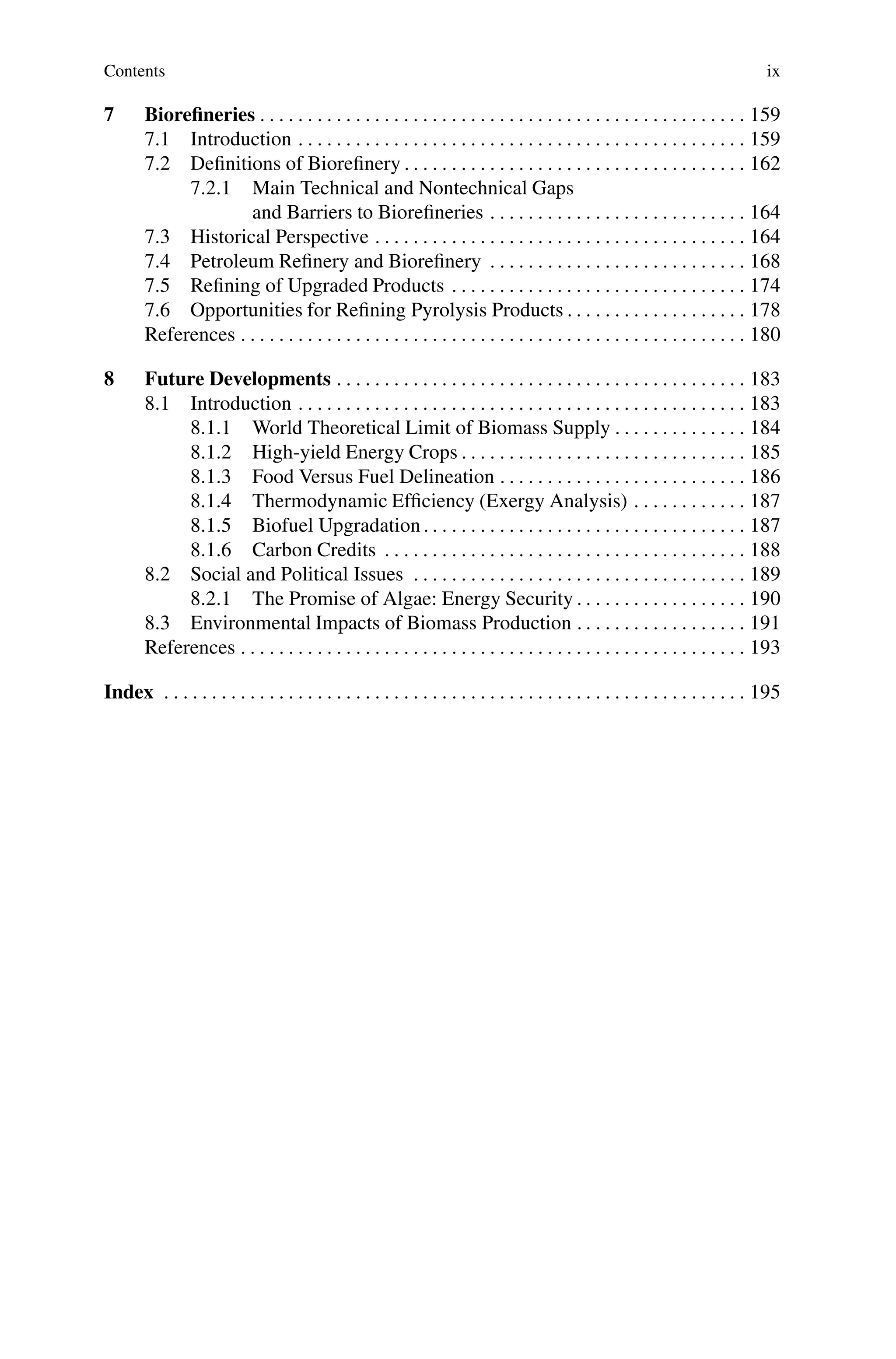

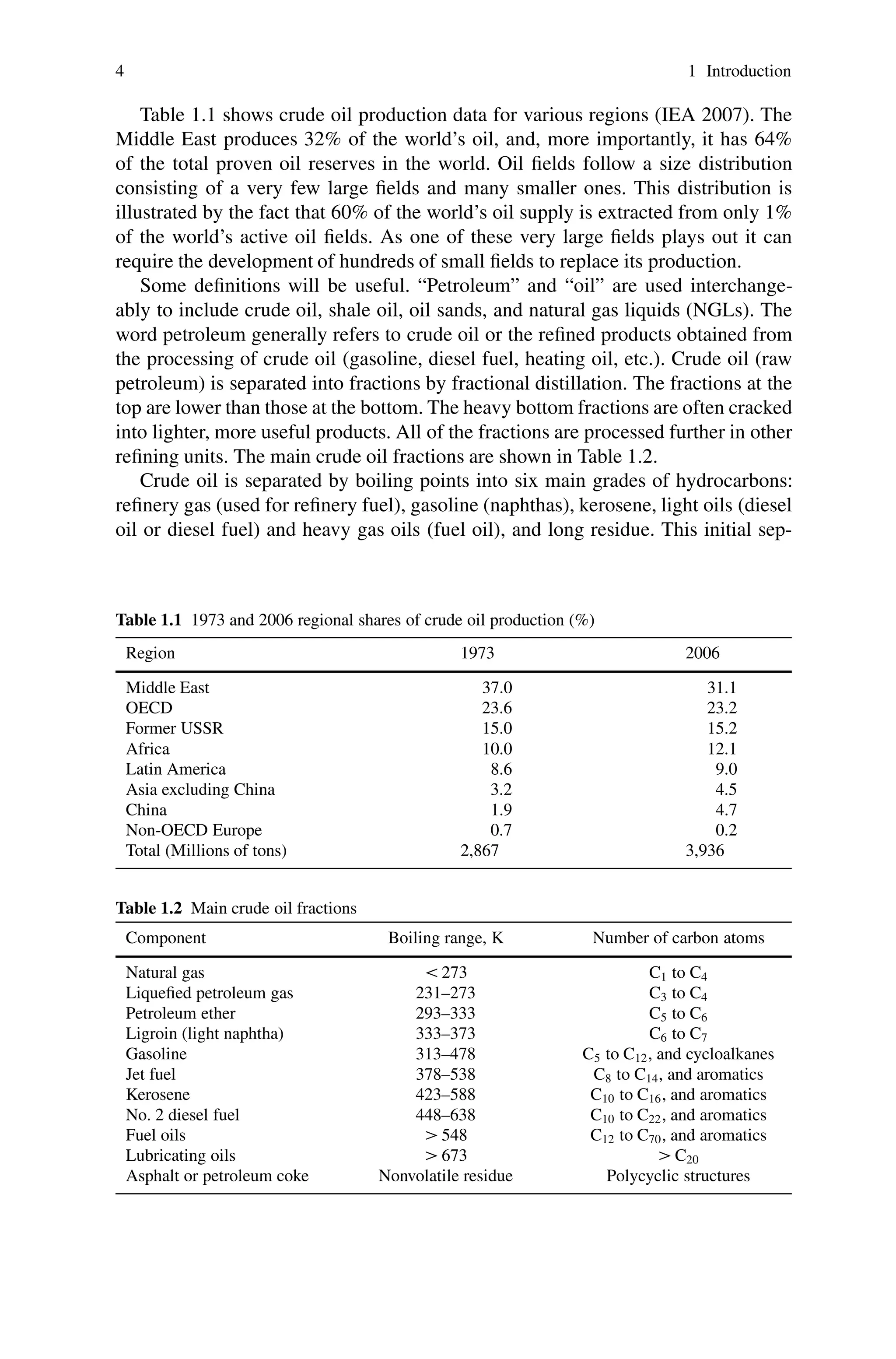
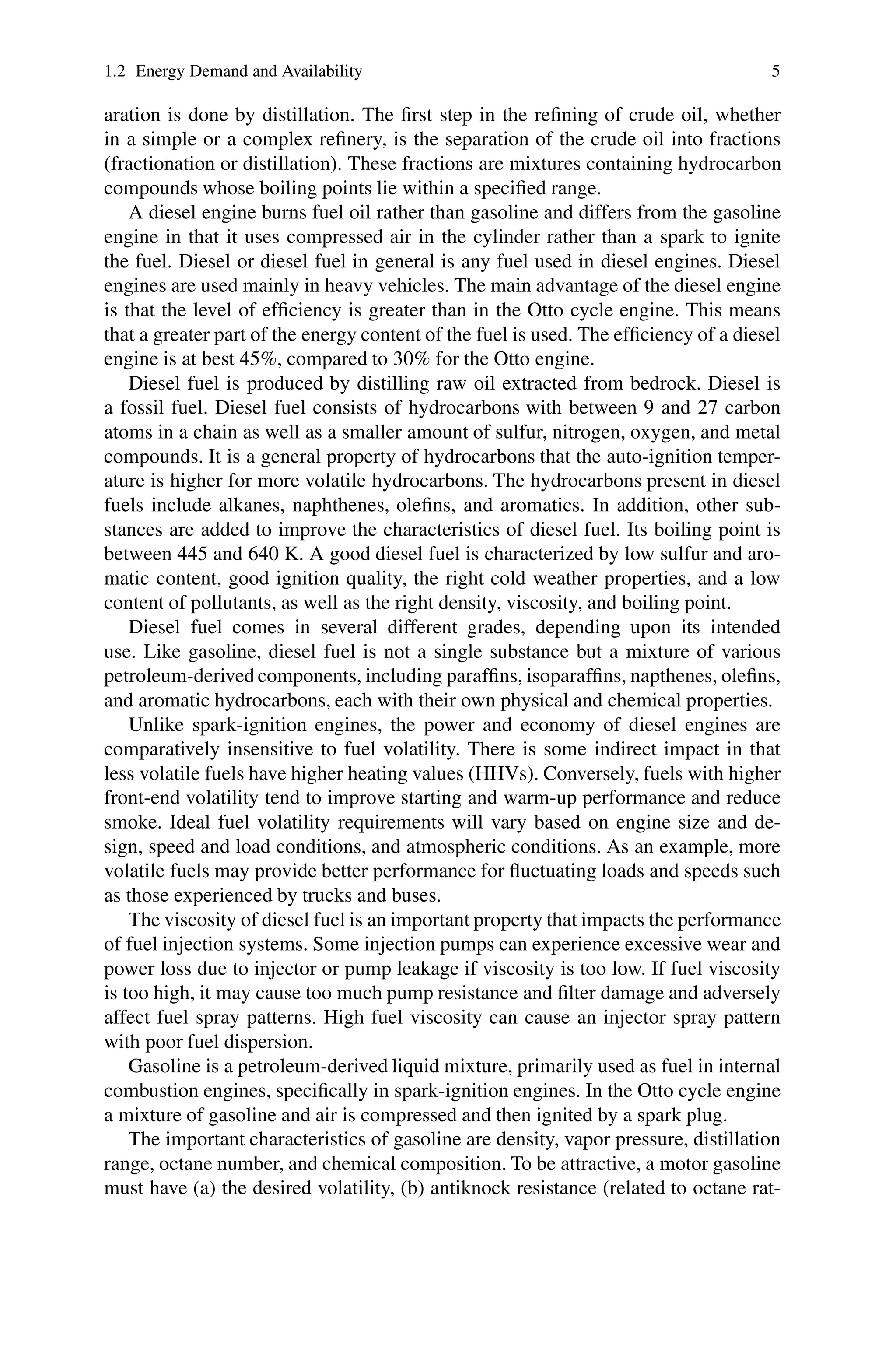
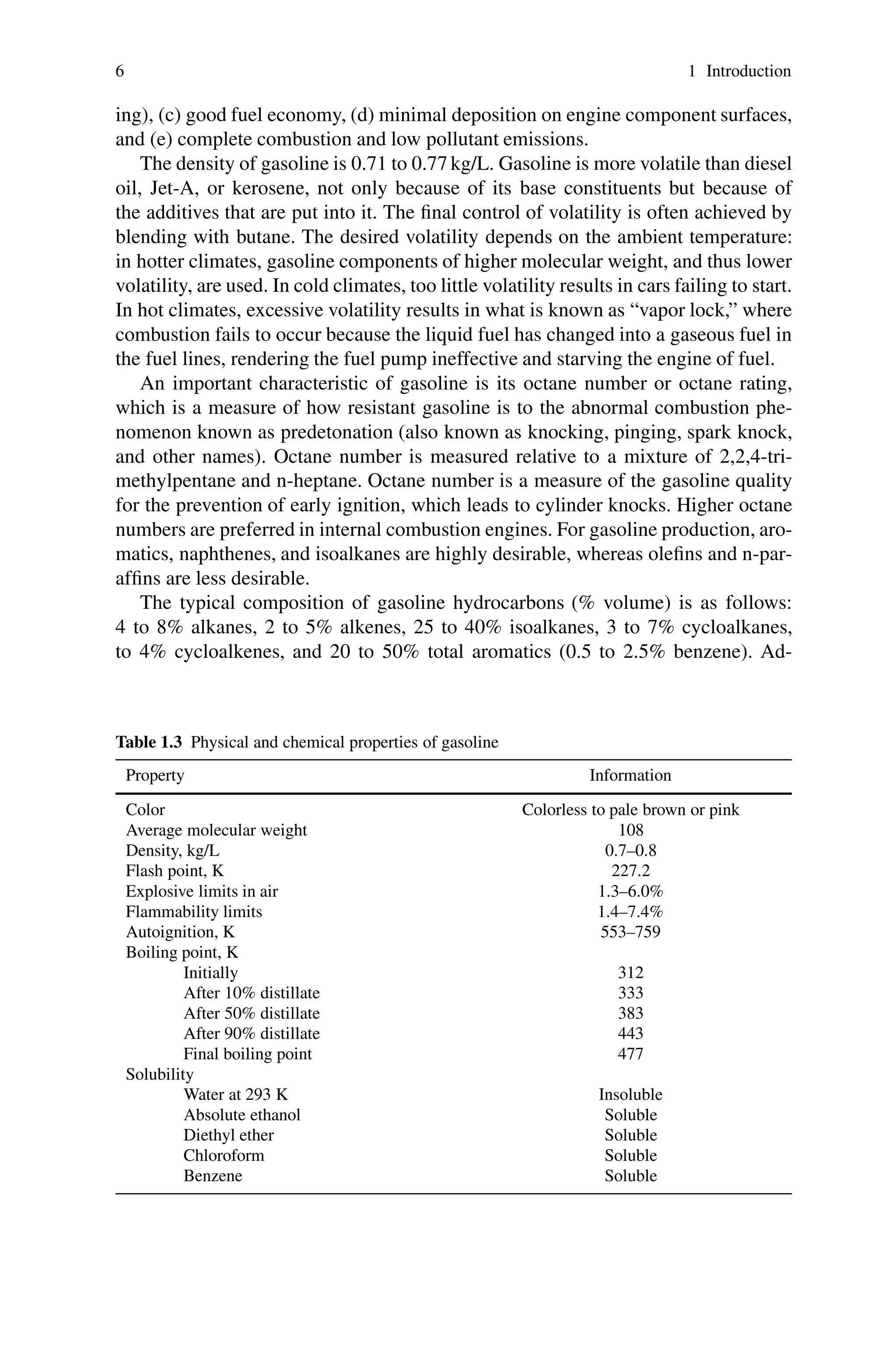
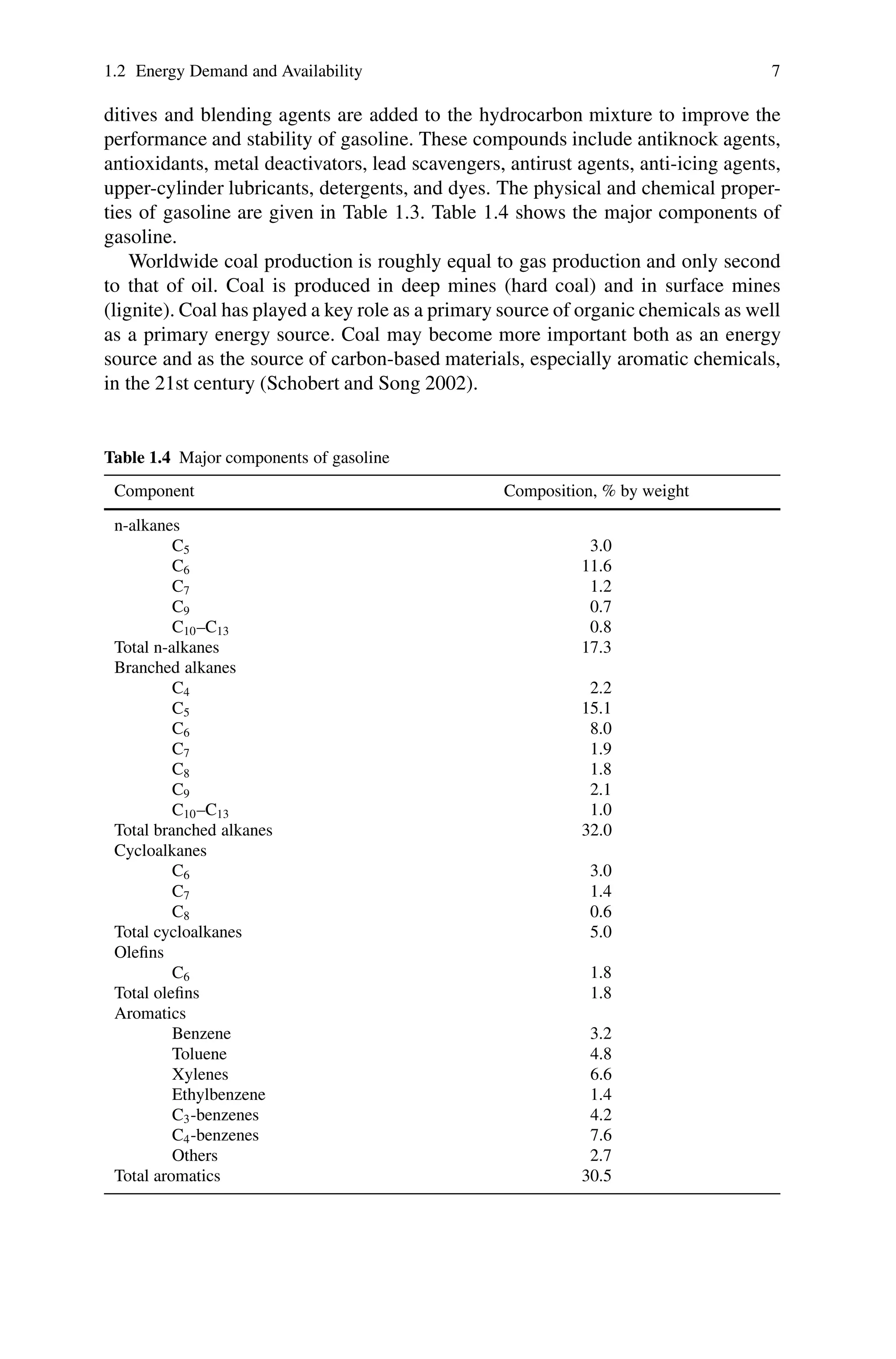
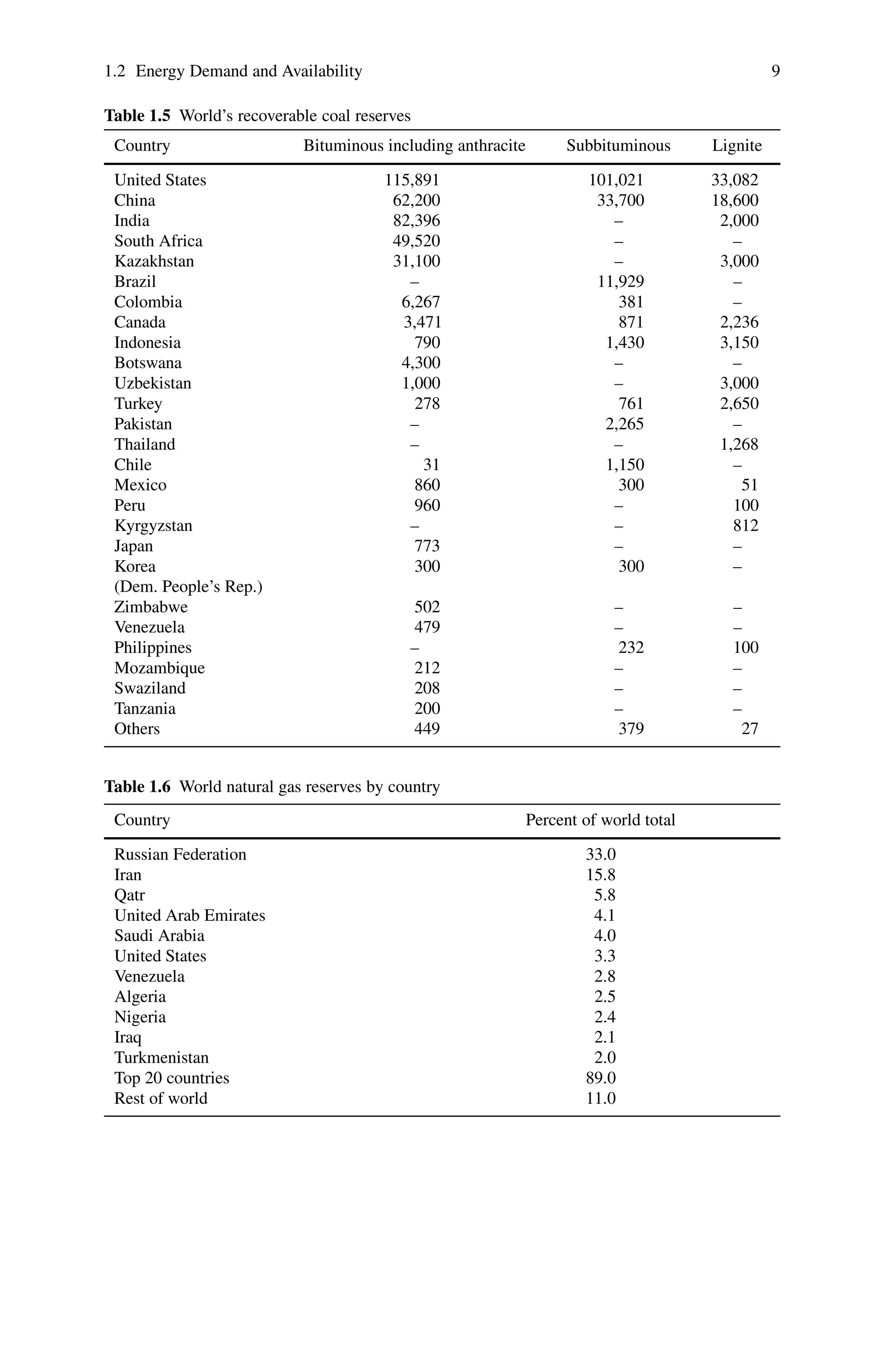
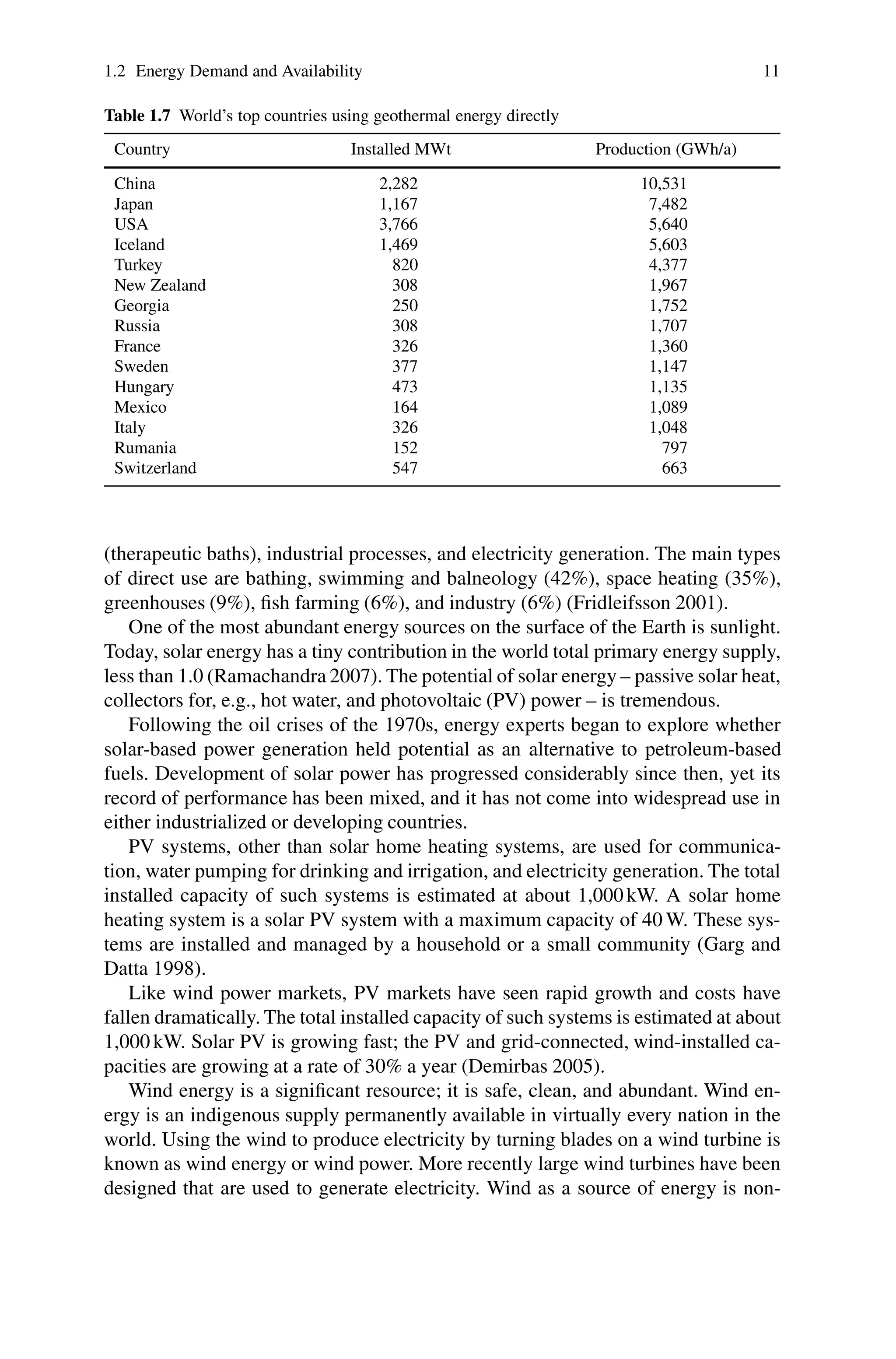

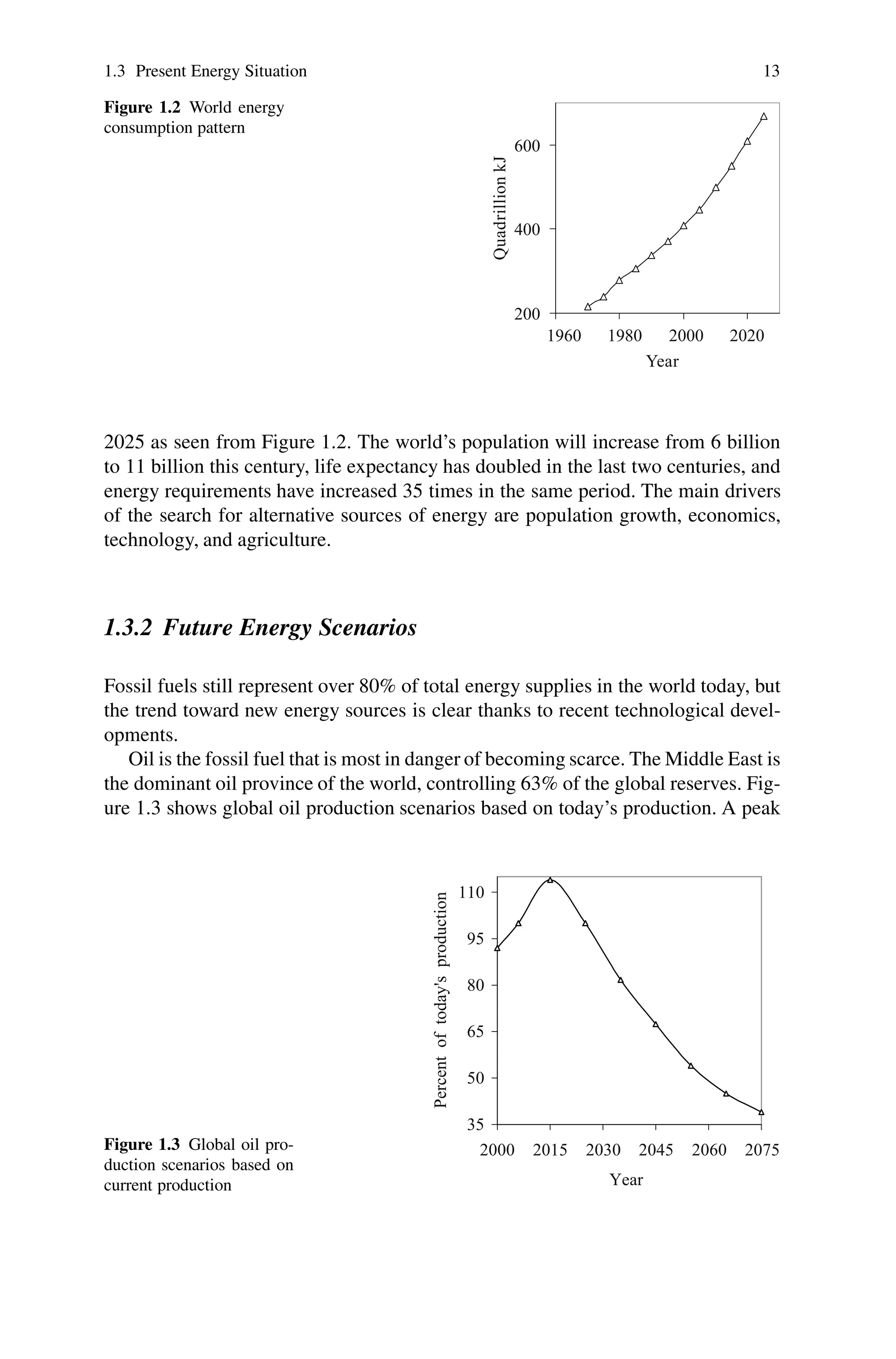
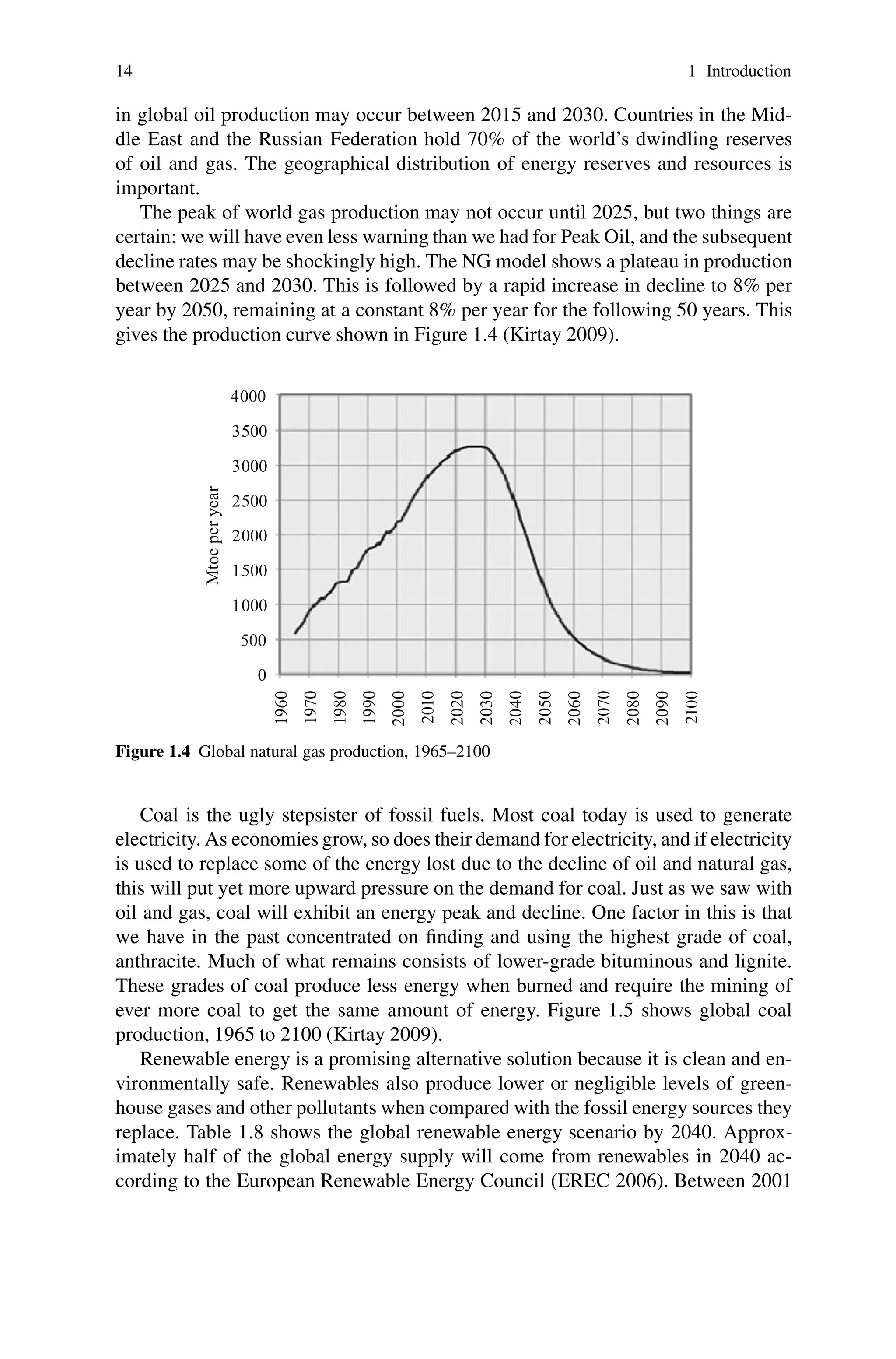
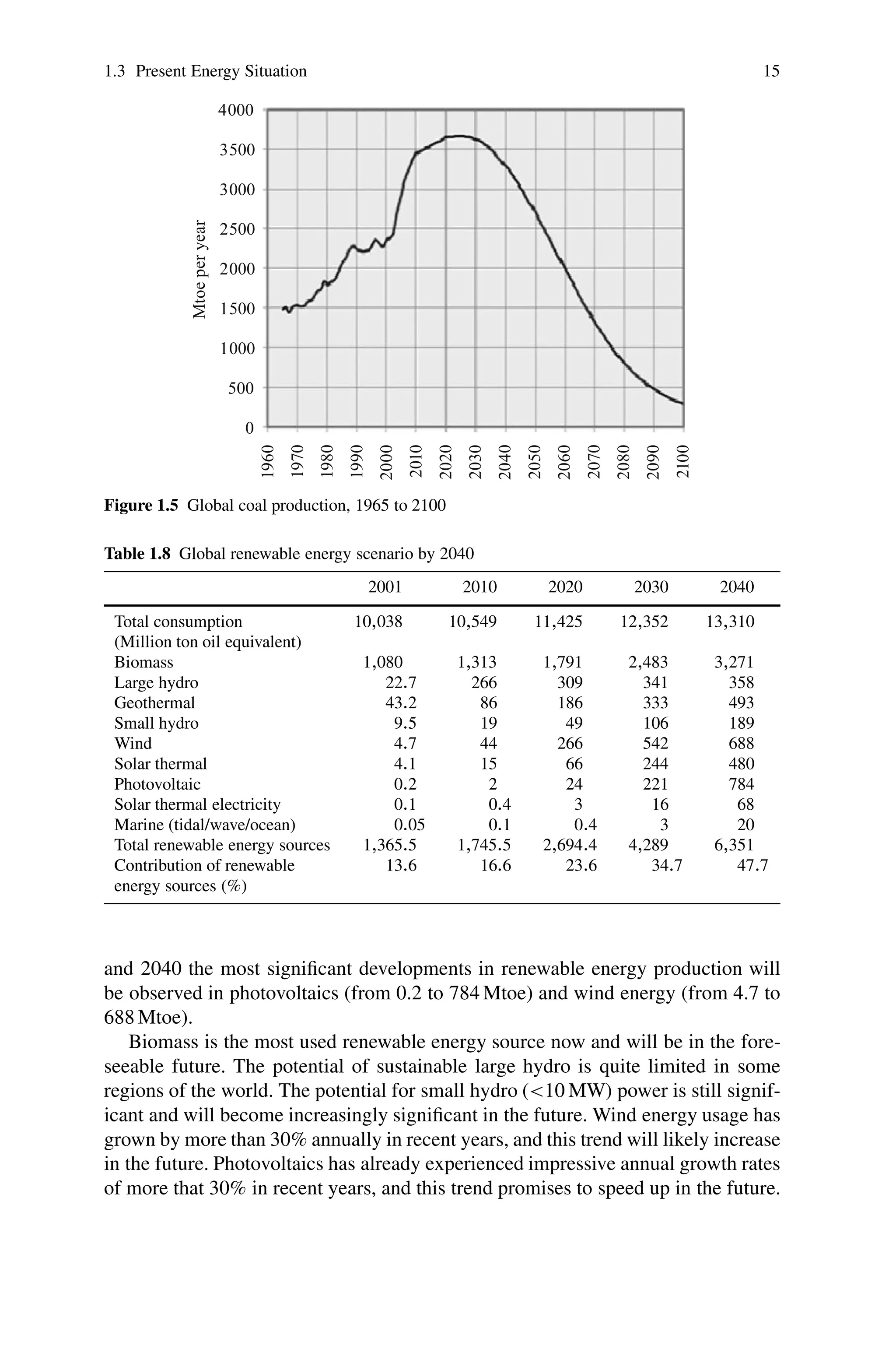

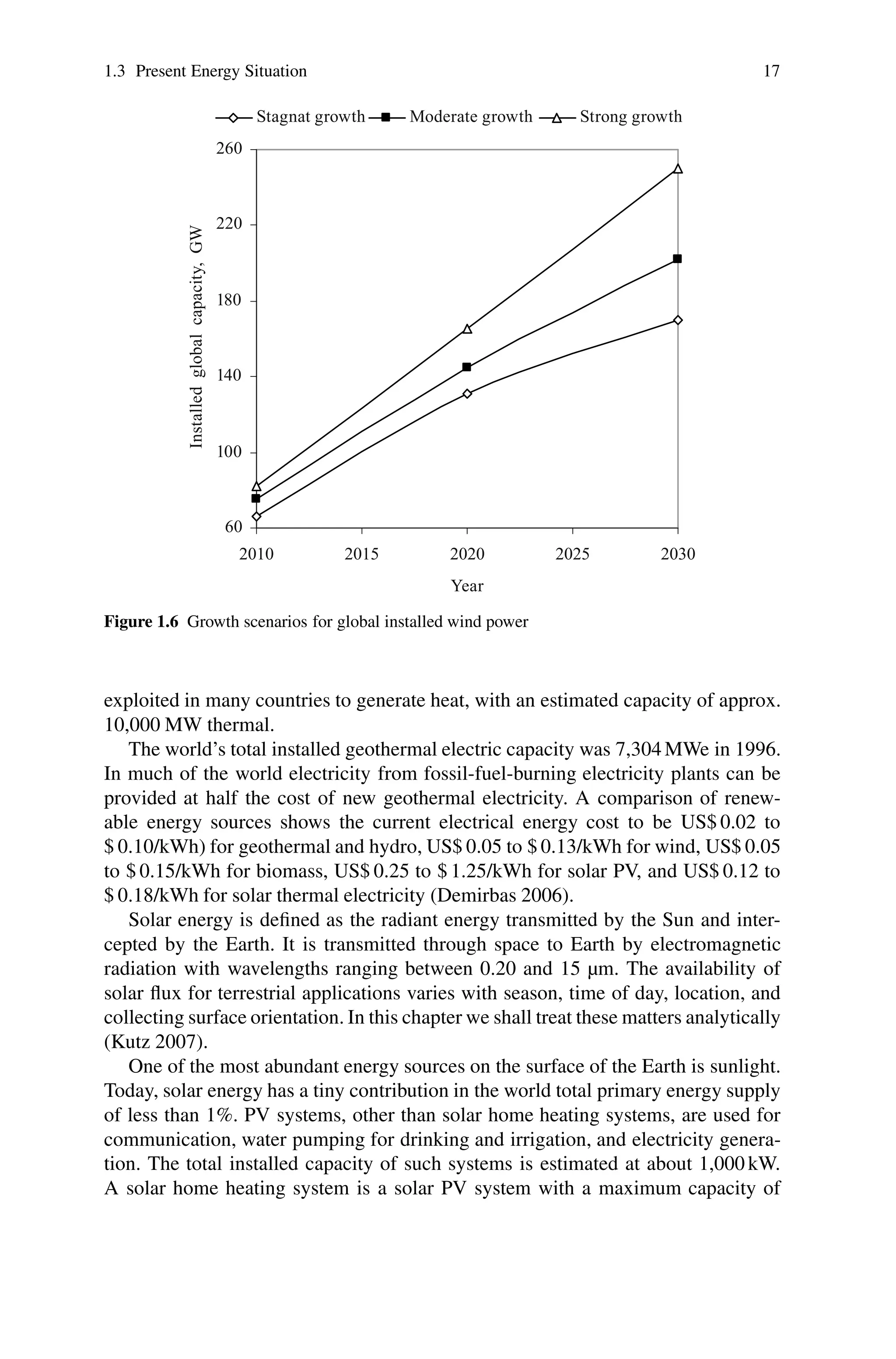
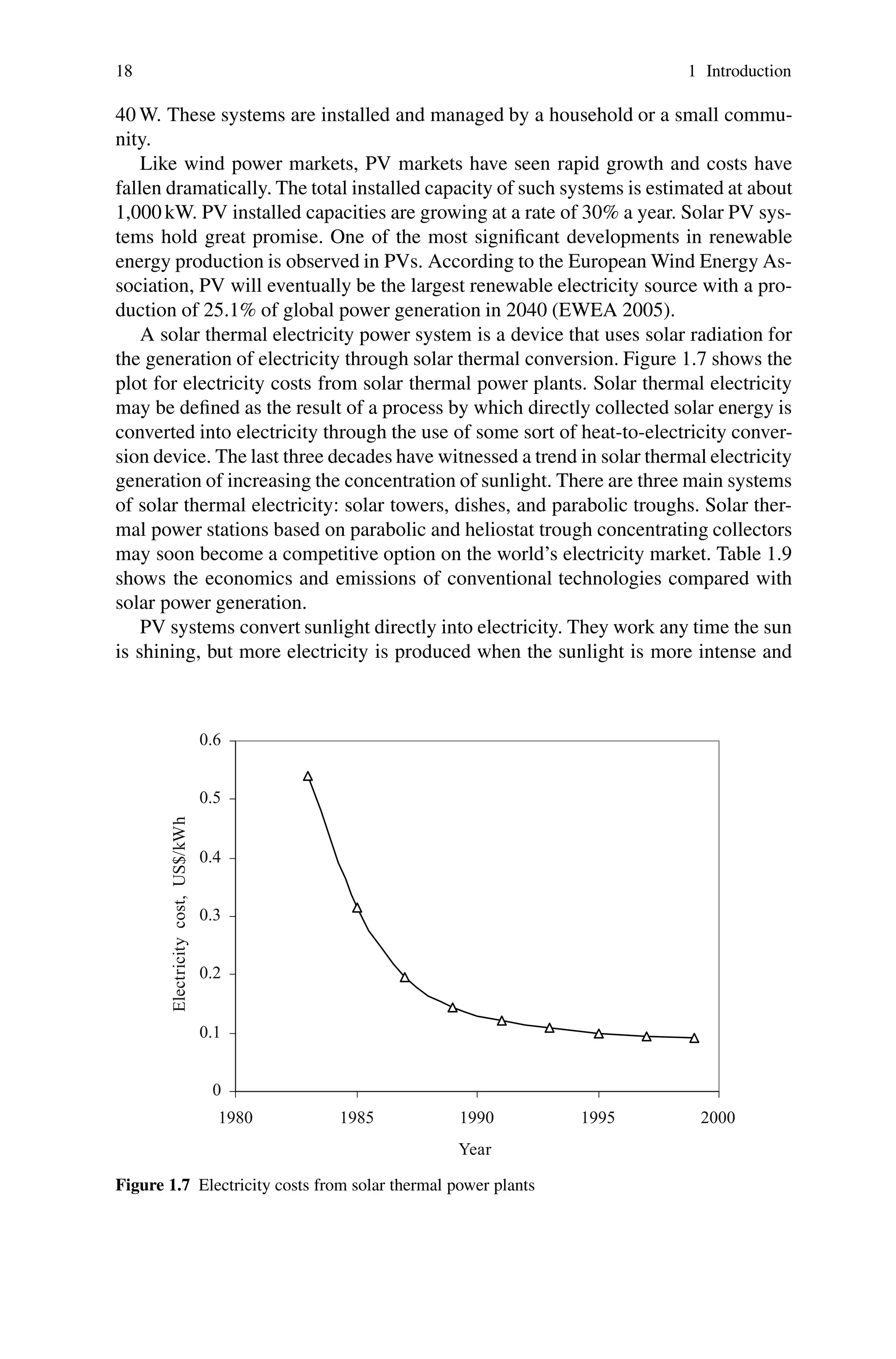





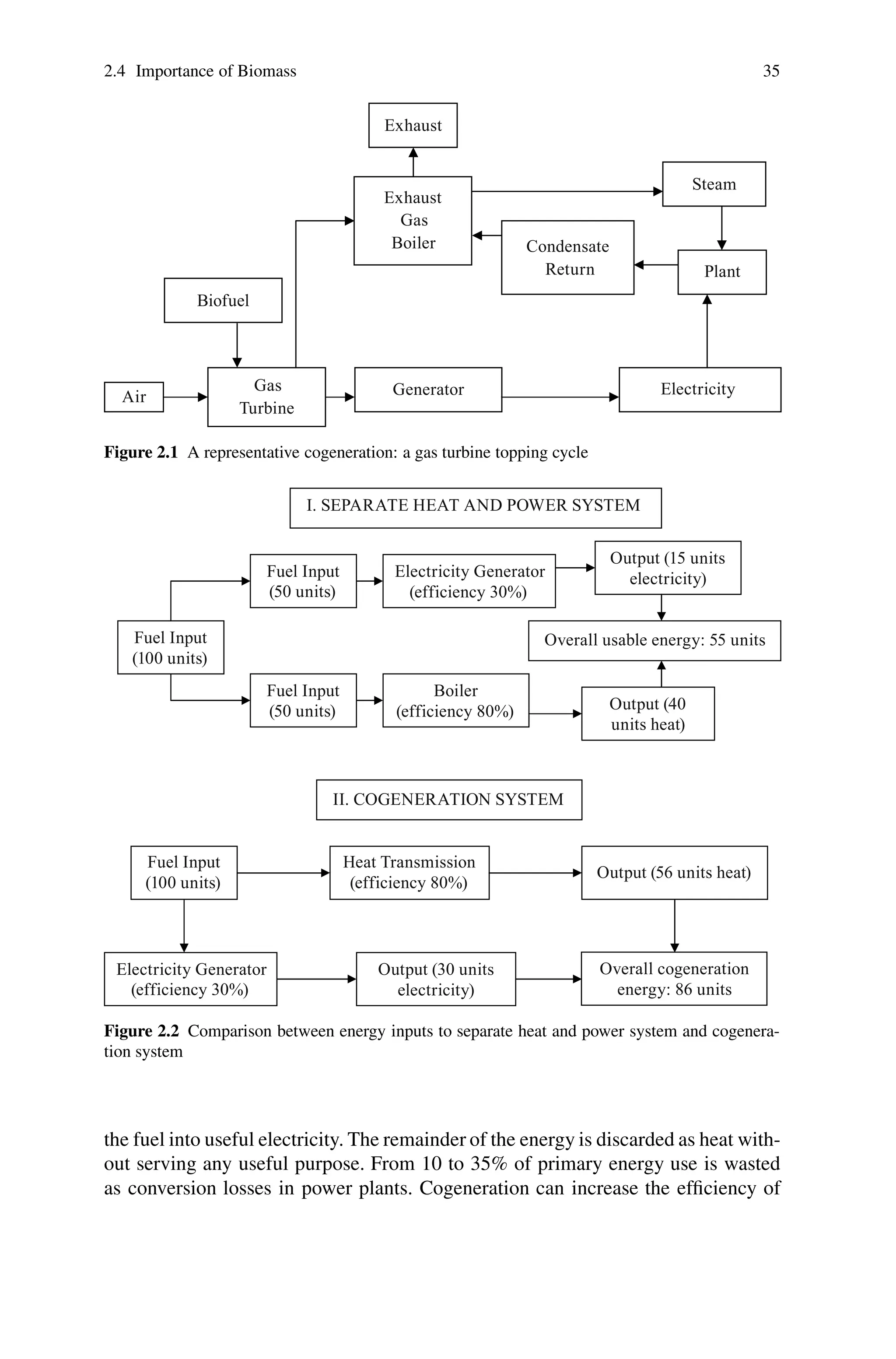
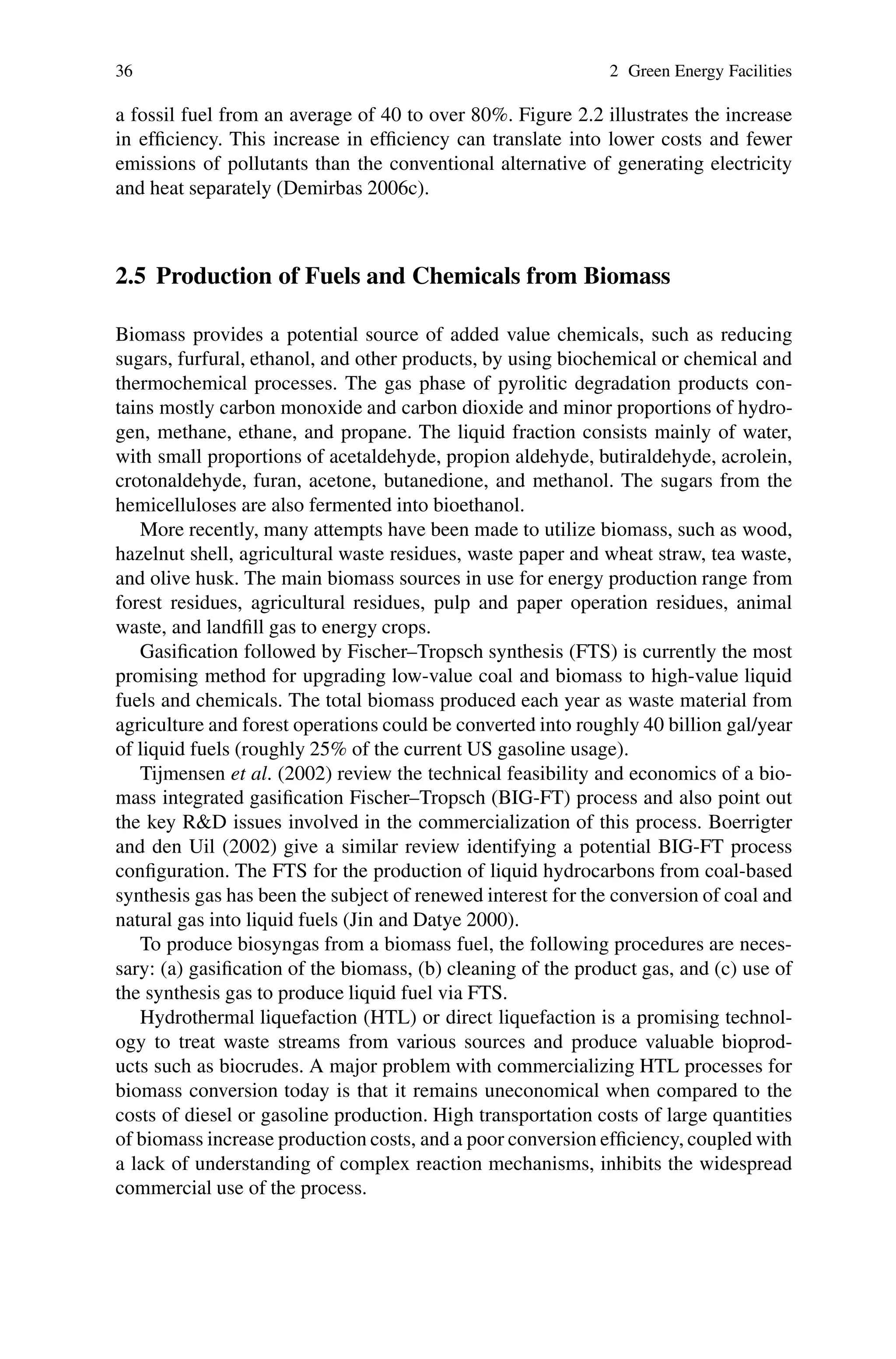
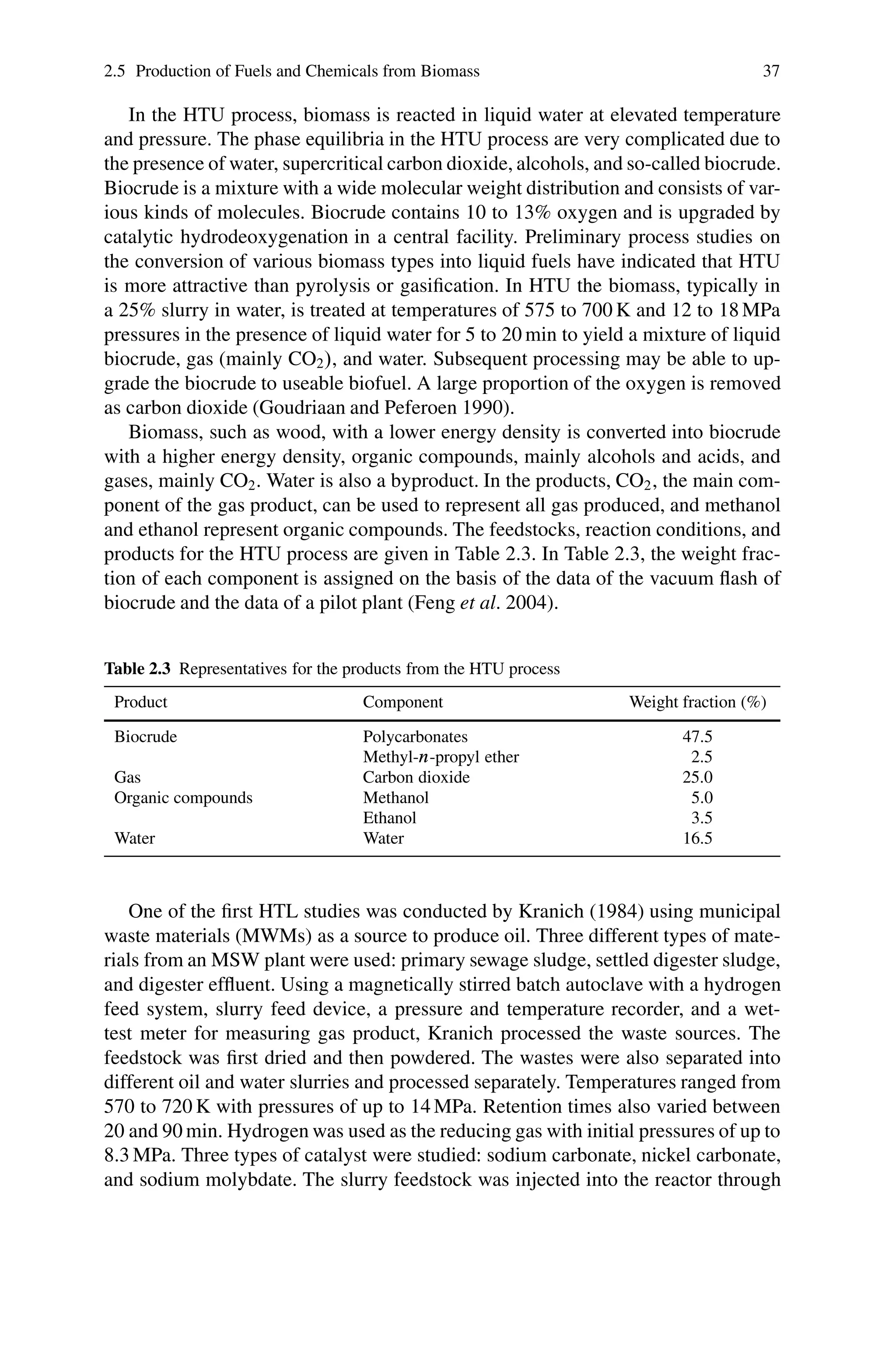
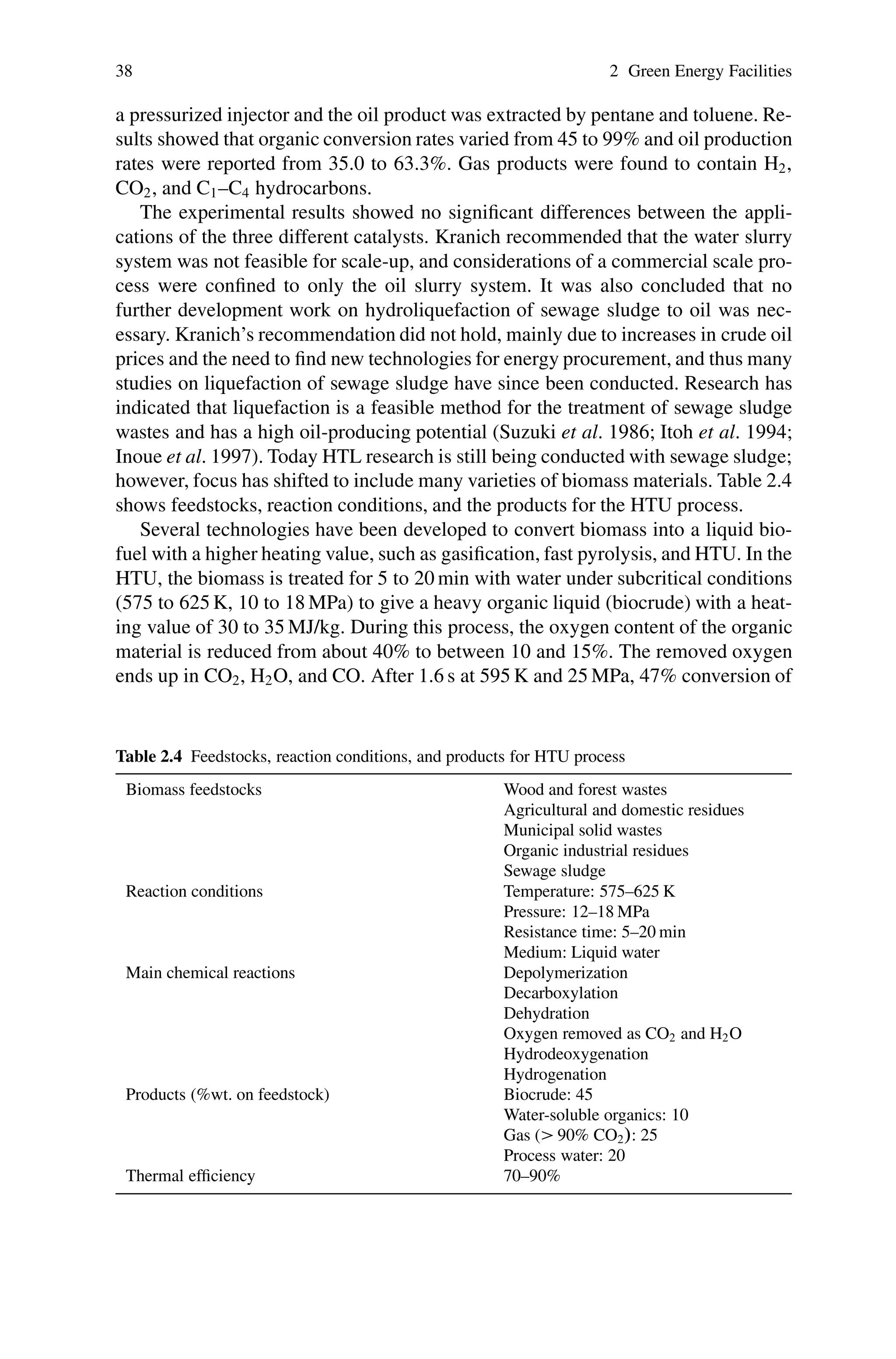

![it being found that their names were not on the
assessment roll.
The examination was concluded[112] on November 7th
and the Grand Jurors sworn. B. P. Oliver was
appointed foreman. From him the body received its
name of Oliver Grand Jury. The Grand Jury organized
by electing C. G. Burnett secretary. But one
important question remained to be decided, namely
—Was Ruef or Langdon to represent The People at
the investigation into graft charges which the Grand
Jury was ready to begin?](https://image.slidesharecdn.com/856432-250604103758-9a2cc3ba/75/Algae-Energy-Algae-As-A-New-Source-Of-Biodiesel-1st-Edition-Ayhan-Demirbas-56-2048.jpg)

![CHAPTER VIII.
Ruef Loses the District Attorney’s Office.
While the impaneling of the Grand Jury was going on
before Judge Graham, Ruef was disputing Langdon’s
title to the office of District Attorney before Judge
Seawell. In these proceedings Samuel M. Shortridge
appeared with Ruef’s attorney, Ach, and Deputy City
Attorney Baggett, not as amicus curiæ, but as Ach’s
associate in the legal contest to force Langdon out of
office.
The principal feature of Ruef’s case was the
introduction of affidavits, signed by sixteen
members[113] of the Board of Supervisors, in which
the Supervisors denied committing felony of any
character. Later, after the Supervisors had confessed,
these affidavits were to be used by the defense at
practically all the graft trials in efforts to break down
their testimony against the bribe-givers.
During the examination, Ach endeavored to force
from Langdon and his deputies a statement of what
evidence they had against Ruef. In this Ach failed.](https://image.slidesharecdn.com/856432-250604103758-9a2cc3ba/75/Algae-Energy-Algae-As-A-New-Source-Of-Biodiesel-1st-Edition-Ayhan-Demirbas-58-2048.jpg)
![On the other hand, the prosecution sought to bring
out testimony that Ruef had directed Gallagher to
suspend Langdon.[114] To this end Heney placed Ruef
on the stand. But Judge Seawell stated[115] that he
did not at that time wish to go into question of
motive and the point was not pressed.
The outcome of the proceedings was a second
victory for the prosecution. The injunction against
Ruef was granted;[116] Langdon was left in peaceful
possession of the District Attorney’s office.[117] Later,
Judge Seawell issued a permanent writ of prohibition
against the Board of Supervisors restraining that
body from removing Langdon from office.
Langdon and his deputies, after a three-weeks fight,
were free to proceed with the graft investigation.](https://image.slidesharecdn.com/856432-250604103758-9a2cc3ba/75/Algae-Energy-Algae-As-A-New-Source-Of-Biodiesel-1st-Edition-Ayhan-Demirbas-59-2048.jpg)


![he had $200,000 invested in the New Poodle Dog,
while Joe Malfanti testified that he had about
$400,000 invested in Delmonico’s.[118]
French Restaurants had long been a scandal in San
Francisco. Toward the close of 1904, the Police
Commission, then absolutely under domination of
Schmitz and Ruef, gave evidence of proceeding
against such places. The commission, as a beginning,
revoked the liquor license of a “French Restaurant”
known as Tortoni’s. Without a license to sell liquor a
“French Restaurant” could not continue in business.
These licenses had to be renewed once every three
months. The Police Commission had arbitrary power
to grant, or to refuse, application for renewal. One
by one renewal applications of other French
Restaurants were held up. It became a matter of
common report that all the “French Restaurants”
were to be treated as Tortoni’s had been, namely,
driven out of business by having their licenses to sell
liquors revoked.
And then Abe Ruef appeared before the Police
Commissioners as attorney for the “French
Restaurant” keepers.[119] Ruef asked that
consideration of the French Restaurant cases be
postponed for two weeks. This was accorded him.
But his request that during those two weeks the](https://image.slidesharecdn.com/856432-250604103758-9a2cc3ba/75/Algae-Energy-Algae-As-A-New-Source-Of-Biodiesel-1st-Edition-Ayhan-Demirbas-62-2048.jpg)
![places be permitted to conduct their business as
before, namely, that they be allowed to sell liquors in
the private supper bedrooms, was denied by a tie
vote, two commissioners of the four voting for Ruef
and two against him.
Before the two weeks’ extension of time which Ruef
had secured had expired, Mayor Schmitz had
removed from office one of the commissioners who
had opposed[120] Ruef’s request that the sale of
liquors in “French Restaurant” bedrooms be
continued.
The opposing commissioner out of the way, the
board by a vote of two to one, adopted certain rules
submitted by Ruef for the management of French
Restaurants.[121] By the same vote, the commission
then granted the French-Restaurant licenses, action
upon which had so long been delayed.
All this was done before the public. There were, of
course, charges of graft and extortion, which most
people, although without definite proof, believed.
Heney, nearly a year later, in his speech in the
Partridge campaign, referred to in a previous chapter,
charged graft. A Grand Jury had made[122] an honest
attempt to get to the bottom of the scandal. The
efforts of this early Grand Jury came to nothing.](https://image.slidesharecdn.com/856432-250604103758-9a2cc3ba/75/Algae-Energy-Algae-As-A-New-Source-Of-Biodiesel-1st-Edition-Ayhan-Demirbas-63-2048.jpg)
![clients no encouragement. Marcus Rosenthal, for
example, who appeared before the commission on
January 3, 1905, on behalf of the Bay State
Restaurant, testified at the Schmitz trial, that he was
not permitted to say anything; that the
commissioners would not listen to him, nor hear
testimony. After that meeting he had advised his
client, and a little group of “French Restaurant”
keepers who had gathered about him, that it would
be useless for them to appeal to any court, because
under the law there could be no review of the action
of the Police Commissioners; that the commission
could arbitrarily dispose of any saloon-keeper, and he
could not seek remedy in the courts.
And then, having explained the situation fully,
Rosenthal told them, what every observer in San
Francisco knew, “There is only one man who could
help you, and that is Mr. Ruef.”[123] The French
Restaurant keepers received this advice from all
sides. Joe Malfanti testified at the Schmitz trial that
“numerous friends advised me to see Ruef.”
And to Mr. Ruef the “French Restaurant” keepers
finally found themselves compelled to go—at the
urgent suggestion of a fellow French Restaurant
keeper, Jean Loupy.](https://image.slidesharecdn.com/856432-250604103758-9a2cc3ba/75/Algae-Energy-Algae-As-A-New-Source-Of-Biodiesel-1st-Edition-Ayhan-Demirbas-65-2048.jpg)
![Loupy was proprietor of the French Restaurant
known as the “Pup.” At Loupy’s place Ruef
maintained a sort of headquarters. There he took his
dinner practically every night, entertained friends and
received his henchmen.
Ruef had from time to time acted as Loupy’s
attorney. He had also loaned Loupy money. At the
time of the French Restaurant troubles, Loupy,
according to his testimony, owed Ruef $1000.
When the closing of the French Restaurants seemed
inevitable, this Loupy brought word to the French
Restaurant proprietors that Ruef would represent
them all before the Police Commission for $7000 a
year,[124] on a contract for two years. The sum was
finally cut to $5000,[125] $10,000 for the two years.
For the first year “Marchand’s,” “Delmonico’s,” “The
New Poodle Dog” and the “Bay State” paid $1175
each. Loupy for the “Pup,” on the grounds that he
had been put to considerable expense and was a
poorer man than the others, paid only $300.[126]
The money being paid over to Ruef,[127] Ruef
appeared before the Police Commissioners, as has
already been told, with his plan for regulating the
French Restaurant business in San Francisco.](https://image.slidesharecdn.com/856432-250604103758-9a2cc3ba/75/Algae-Energy-Algae-As-A-New-Source-Of-Biodiesel-1st-Edition-Ayhan-Demirbas-66-2048.jpg)
![Ruef’s arrangements with the French Restaurant
keepers were concluded during the first week in
January. Police Commissioner Regan testified that
sometime after January 3, Mayor Schmitz asked him
to vote to restore the French Restaurant licenses.[128]
Regan objected on the ground that it was not right
to ask him to vote first one way and then another.
With Commissioners Regan and Hutton voting
against issuing the licenses, the licenses could not be
granted. Either Hutton or Regan had to change their
attitude, or one of them had to be removed from
office. Police Commissioner F. F. Poheim testified at
the Schmitz trial that at a conference on the French
Restaurant problem held early in January, 1905,
which he and Schmitz attended, Schmitz announced:
“We will have to give these people (the French
Restaurant proprietors) their licenses if we can. If we
cannot do anything else we will have to remove
Hutton.”
And during the week following Ruef’s first
appearance before the commissioners as
representative of the French Restaurants, Mayor
Schmitz removed Hutton.[129] The licenses were then
issued to the “French Restaurant” keepers.[130]
Much of the story of these transactions was
presented to the Grand Jury. But the evidence was](https://image.slidesharecdn.com/856432-250604103758-9a2cc3ba/75/Algae-Energy-Algae-As-A-New-Source-Of-Biodiesel-1st-Edition-Ayhan-Demirbas-67-2048.jpg)
![not secured without effort. Many of the witnesses
were unfriendly; others afraid of the consequences of
frank statement of facts. Witnesses disappeared and
could not be found. Several known to have testified
were threatened and even assaulted. One French
Restaurant keeper, before the investigation had been
concluded, had been indicted for perjury. Three
attorneys who were more or less in touch with the
tenderloin situation had been cited for contempt for
refusing to answer questions put to them in the
Grand Jury room. But point by point the evidence
was presented.
The Grand Jury, on the evidence, indicted Schmitz
and Ruef on five counts for extortion.[131] Bonds were
fixed at $10,000 on each charge, $50,000 for each
defendant.
Ruef[132] was released on $50,000 bail.
Schmitz, the day after the indictments were brought,
was reported to have started for home from Europe.
Schmitz’s probable reception on his arrival at New
York apparently gave keen anxiety at San Francisco.
Heney states that Justice F. W. Henshaw called at his
(Heney’s) office and asked Heney, as a favor, to tell
him whether Schmitz would be arrested upon his](https://image.slidesharecdn.com/856432-250604103758-9a2cc3ba/75/Algae-Energy-Algae-As-A-New-Source-Of-Biodiesel-1st-Edition-Ayhan-Demirbas-68-2048.jpg)

![CHAPTER X.
Fight to Evade Trial.
The indictments against Schmitz and Ruef were
returned November 15. Schmitz reached San
Francisco on his return from Europe on November
29.[133] He at once joined with Ruef in the fight to
prevent the issue raised by his indictment being
presented to a trial jury.
The two defendants were to have been arraigned on
December 3, but at their earnest solicitation
arraignment[134] was continued until December 6.
On that day the plans of the defendants became
apparent. It was seen that they would divide the
defense, demanding separate trials; and it was quite
as evident that their first move would be an attack
upon the validity of the Grand Jury.
Attorneys Frank C. Drew and John J. Barrett
appeared for Schmitz, while Ruef was represented by
Samuel M. Shortridge and Henry Ach. At the close of
the proceedings, Ach asked that subpoenas be
issued for the members of the Grand Jury to appear](https://image.slidesharecdn.com/856432-250604103758-9a2cc3ba/75/Algae-Energy-Algae-As-A-New-Source-Of-Biodiesel-1st-Edition-Ayhan-Demirbas-71-2048.jpg)
![in court the following Monday to testify for the
defendants. This meant the examination of the
Grand Jurors for bias. The long technical fight to
disqualify the Grand Jury had opened.[135]
In the attack upon the Grand Jury, Joseph C.
Campbell joined with Schmitz’s attorneys, Drew and
Barrett, while Frank J. Murphy and Charles H. Fairall
appeared with Shortridge and Ach for Ruef. Ach, in
moving to set aside or quash the indictments, stated
that the motion was made for Schmitz and Ruef
jointly, but that the defendants reserved the right to
plead and to be tried separately.
Ach’s motion was based on nineteen counts. The
point most insisted upon was that Grand Juror
Wallace Wise was disqualified because of his having
been on a petty trial jury panel during the current
year. Wise, being thus disqualified, Ach argued, the
whole indictment failed as much as though the whole
nineteen Grand Jurors were disqualified.[136]
Judge Dunne, after a three days’ hearing, swept
aside the multitude of technical objections which the
various attorneys for the defense had advanced. In
particular did he refuse to declare the whole
nineteen Grand Jurors disqualified, because of the
alleged disqualification of Juror Wise.](https://image.slidesharecdn.com/856432-250604103758-9a2cc3ba/75/Algae-Energy-Algae-As-A-New-Source-Of-Biodiesel-1st-Edition-Ayhan-Demirbas-72-2048.jpg)
![The prosecution had gained another point in its fight
to bring the defendants to trial on the merits of their
cases.
But the attack upon the Grand Jury had scarcely
begun. After Judge Dunne’s ruling, the nineteen
Grand Jurors were to be put on the stand and
examined one by one for bias.[137] The defense went
further, and had Rudolph Spreckels up to question
him as to his motives in guaranteeing a fund for the
investigation of graft conditions.[138] District Attorney
Langdon was also placed on the stand to be
examined as to his motive in appointing Heney his
assistant. He denied most emphatically that he had
appointed Heney for the sole purpose of instituting
criminal proceedings against Ruef and Schmitz.
The examination of Grand Jurors, prosecutors and
citizens lasted from December 17 until January 22.
On the last named date, Judge Dunne denied the
motion to set aside the indictments for bias. The
prosecution had gained another step toward bringing
the defendants to trial.
Judge Dunne stated that he was ready to set the
cases for trial the next day. But the defendants had
another delaying play. They demurred to the
indictments. The demurrers were not disposed of
until February 18.](https://image.slidesharecdn.com/856432-250604103758-9a2cc3ba/75/Algae-Energy-Algae-As-A-New-Source-Of-Biodiesel-1st-Edition-Ayhan-Demirbas-73-2048.jpg)
![In the meantime, the defense had made several
complicating moves. The first of these was an
application to Judge Graham to have the case
against Schmitz transferred from Judge Dunne’s
court. At the same time Schmitz surrendered himself
to the Sheriff, and applied to the Supreme Court for
a writ of habeas corpus, and a writ of prohibition,
setting up the points already raised in Judge Dunne’s
court against the indictments. The Supreme Court
finally decided against Schmitz.
But there remained another way of having the case
transferred from Judge Dunne’s court. The law
governing changes of venue could be changed by the
Legislature. The 1907 Legislature had convened early
in January. A measure was introduced in both Senate
and Assembly under the terms of which a defendant
in a criminal action was permitted to secure a
transfer of his case from one court to another by
merely filing affidavit of his belief that he could not
get fair trial in the court in which his case was
pending.[139] The measure was known as the
“Change of Venue Bill.” Its chief supporter in the
Legislature was George B. Keane.
Keane was not only clerk of the Board of Supervisors,
but he was a member of the State Senate
representing a San Francisco district. Keane](https://image.slidesharecdn.com/856432-250604103758-9a2cc3ba/75/Algae-Energy-Algae-As-A-New-Source-Of-Biodiesel-1st-Edition-Ayhan-Demirbas-74-2048.jpg)
![championed the “Change of Venue Bill.”[140] The
measure passed the Assembly, but failed of passage
in the Senate. Ruef in his efforts to escape trial
before Judge Dunne had lost again.
Early in February, when the efforts of Schmitz and
Ruef to evade trial were being pressed the hardest,
agitation against the Japanese gave Schmitz
opportunity not only to absent himself from the
State, thus bringing the proceedings so far as they
applied to him, to a standstill, but to restore his
prestige. Schmitz was quick to avail himself of the
situation.
The question of admitting Japanese to California
schools was then under consideration at Washington.
A request was extended the San Francisco Board of
Education, through California Congressmen, that the
members of the board go to Washington for
conference with the government authorities.
Members of the board held consultation with
Schmitz, after which word was circulated about the
State that in defense of the public schools against
the Japanese, Schmitz must, on behalf of San
Francisco and California, go to Washington.
A telegram was received from Congressman Julius
Kahn, a close supporter of Ruef and Schmitz, who
represented a San Francisco district in Congress,](https://image.slidesharecdn.com/856432-250604103758-9a2cc3ba/75/Algae-Energy-Algae-As-A-New-Source-Of-Biodiesel-1st-Edition-Ayhan-Demirbas-75-2048.jpg)



![[Challenge:Future] Climate Change](https://cdn.slidesharecdn.com/ss_thumbnails/challengefuture-climate-change1457-140425125003-phpapp01-thumbnail.jpg?width=640&height=640&fit=bounds)


