Understanding adoption and
promotion of CA
Experiences in Laikipia County
Freddy van Hulst
Supervisors: H. Posthumus
J. Morton
Nairobi, June 2014
Contents
• Introduction
My background
CA and smallholder farming
• The adoption of CA
Reasoned action approach
• The promotion of CA
Some observations
• Discussion
CA in Kenya
My background
• Wageningen University (The Netherlands)
MSc: Land Degradation and Development
Modelling soil erosion under CA and conventional
MSc: Rural Development Sociology
Farmers’ dreams and objectives in rural development
• University of Greenwich (United Kingdom)
PhD: Combination of technical + social
perspectives in Conservation Agriculture
Conservation Agriculture
• Minimum soil disturbance
• Permanent soil cover
– Mulch
– Cover Crops
• Crop Rotations
• Agro-ecological principles
• Africa’s Green Revolution?
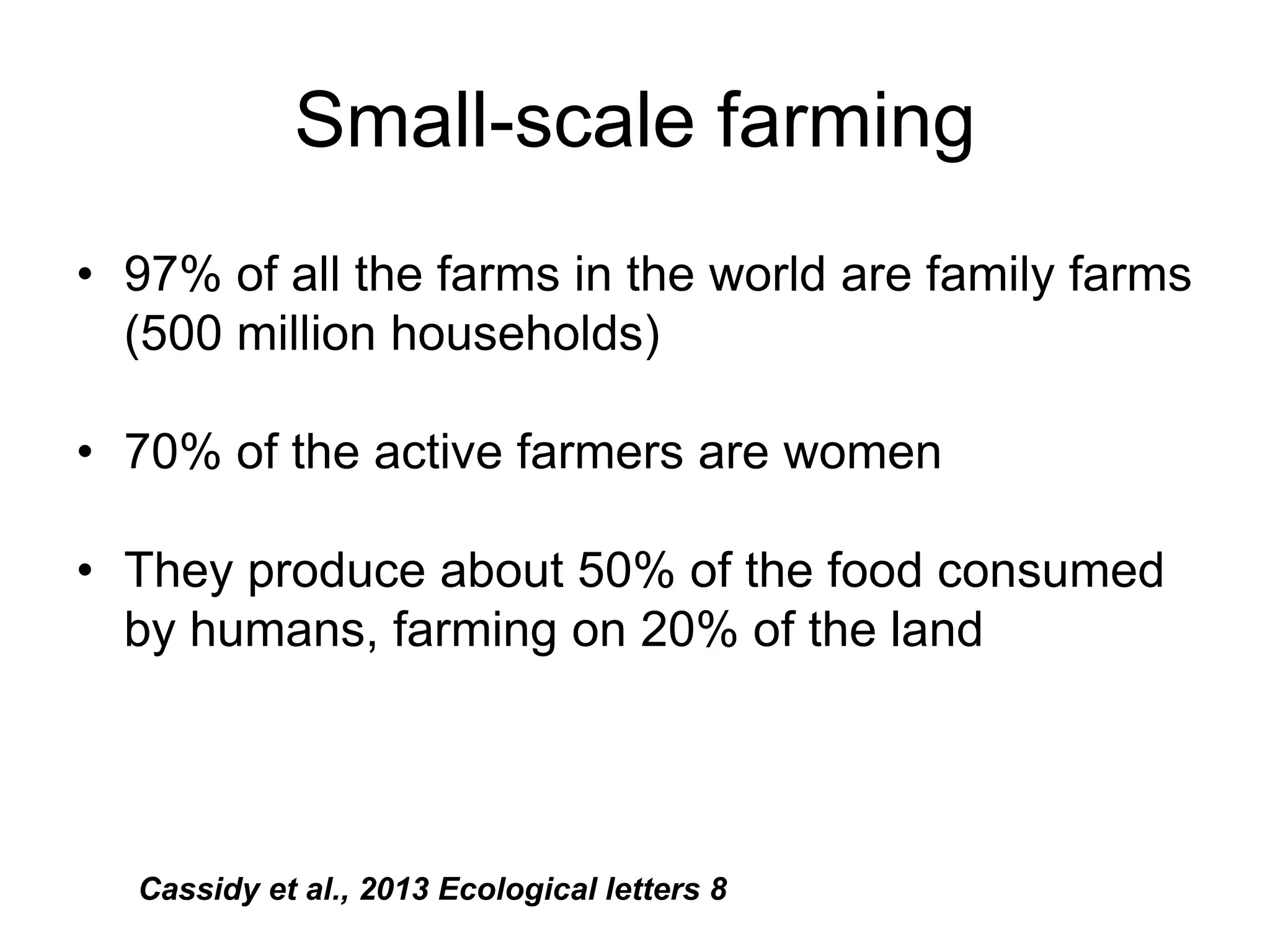
Small-scale farming
• 97% of all the farms in the world are family farms
(500 million households)
• 70% of the active farmers are women
• They produce about 50% of the food consumed
by humans, farming on 20% of the land
Cassidy et al., 2013 Ecological letters 8
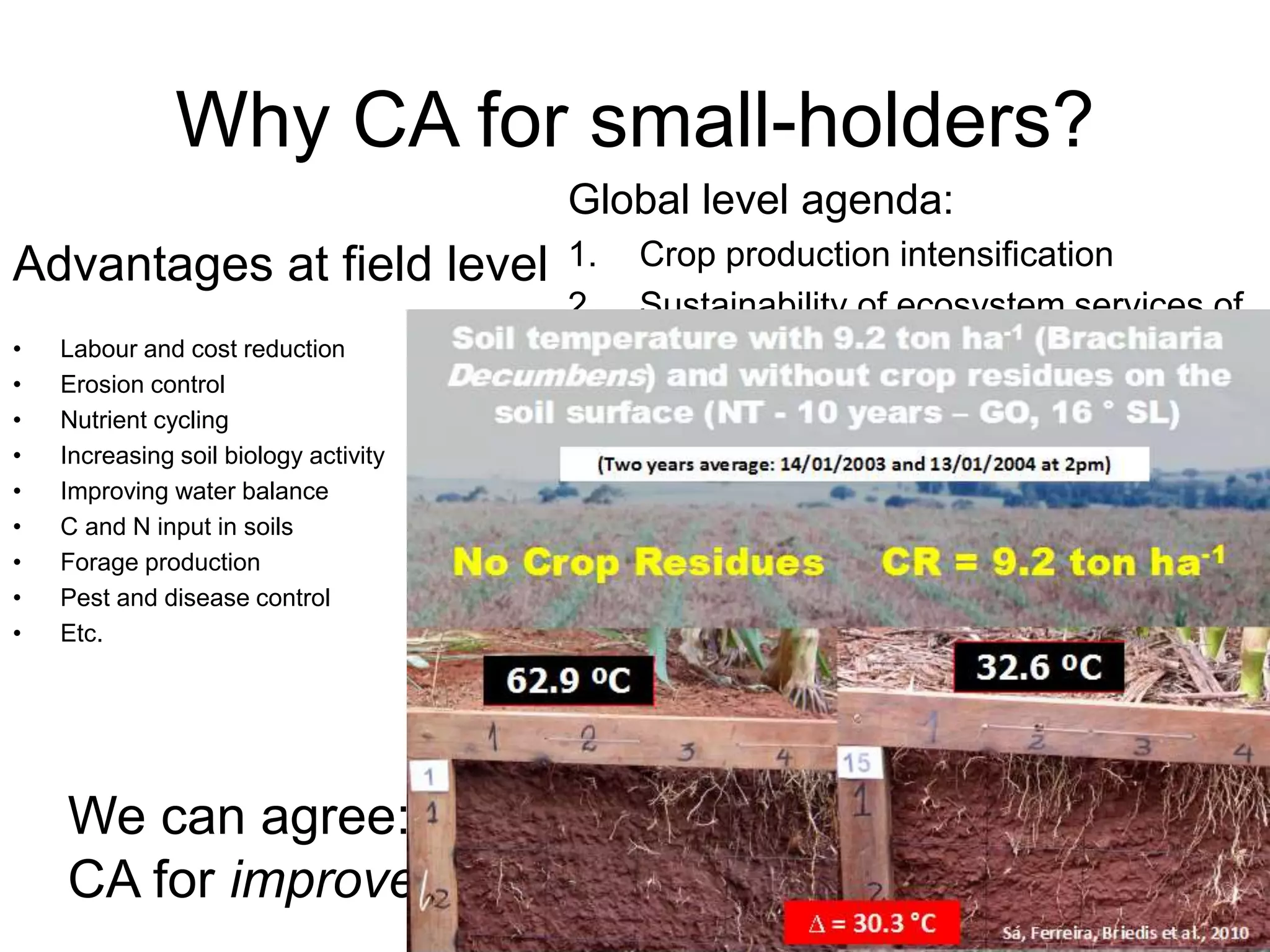
Why CA for small-holders?
Advantages at field level
• Labour and cost reduction
• Erosion control
• Nutrient cycling
• Increasing soil biology activity
• Improving water balance
• C and N input in soils
• Forage production
• Pest and disease control
• Etc.
Global level agenda:
1. Crop production intensification
2. Sustainability of ecosystem services of
agriculture
ABACO:
“to combat soil degradation
and food insecurity”
CA4CC:
For Climate Change adaptation
and CC resilient agriculture
We can agree:
CA for improved, sustainable livelihoods
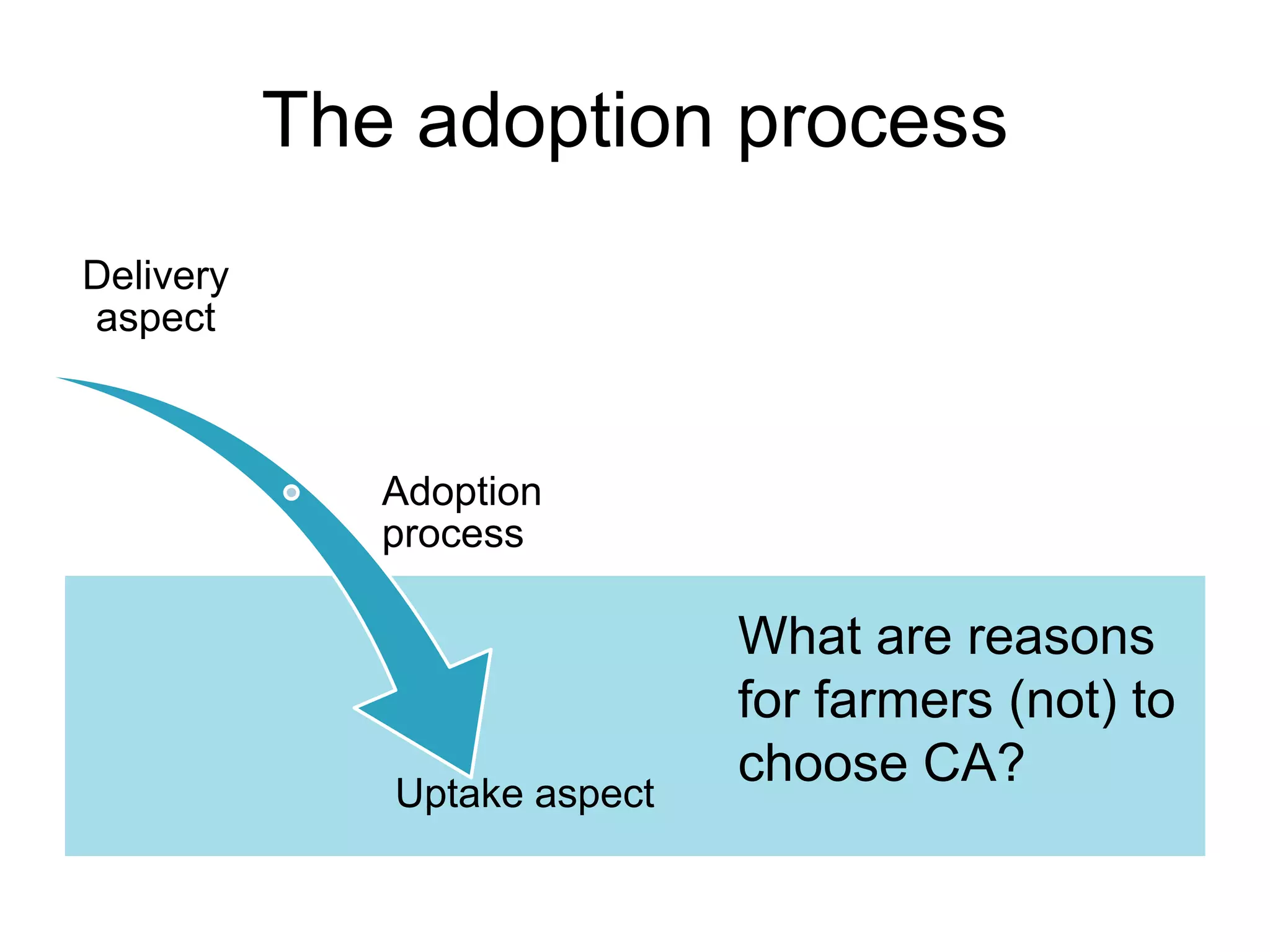
What are reasons
for farmers (not) to
choose CA?
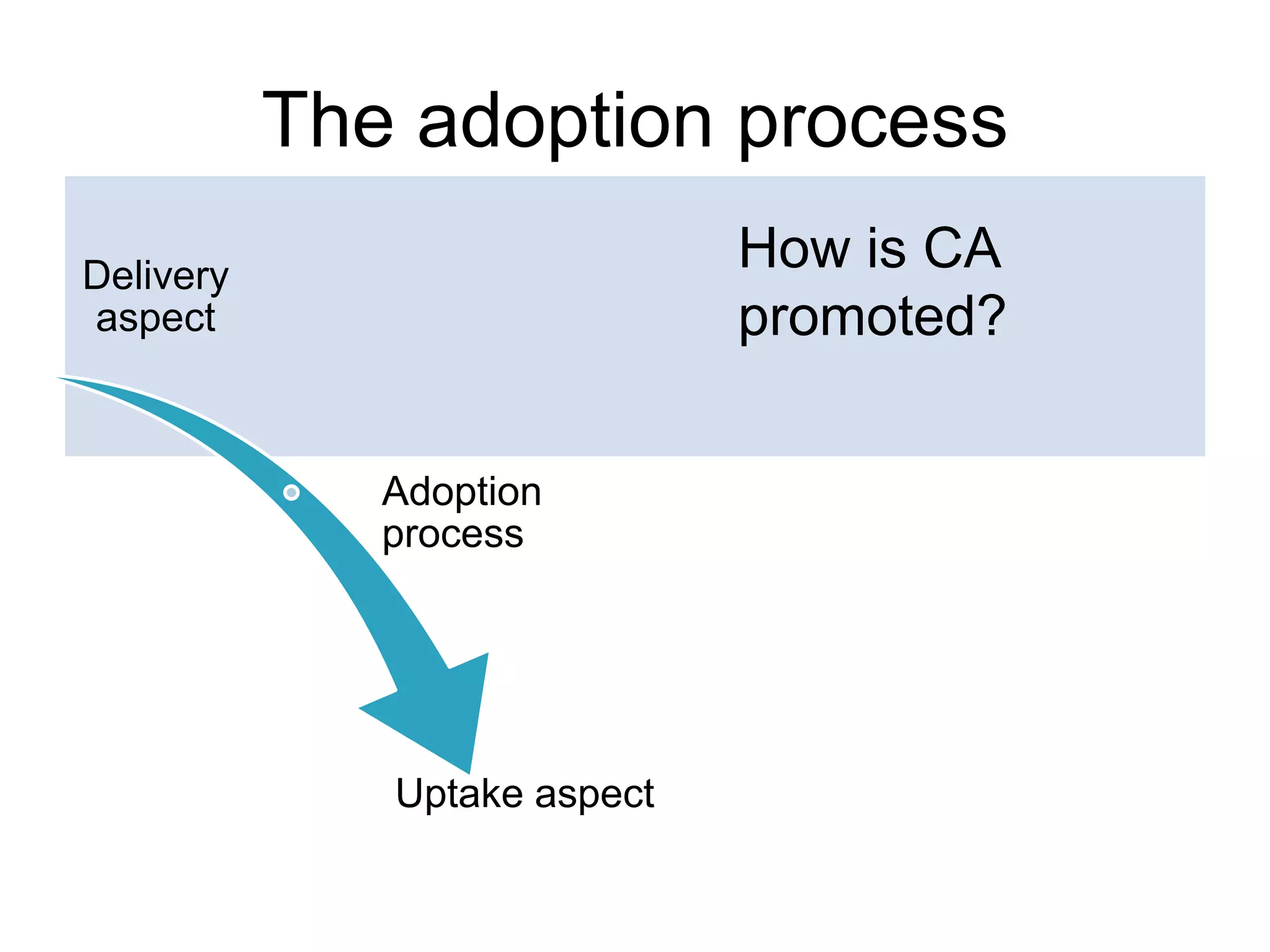
The adoption process
Delivery
aspect
Adoption
process
Uptake aspect
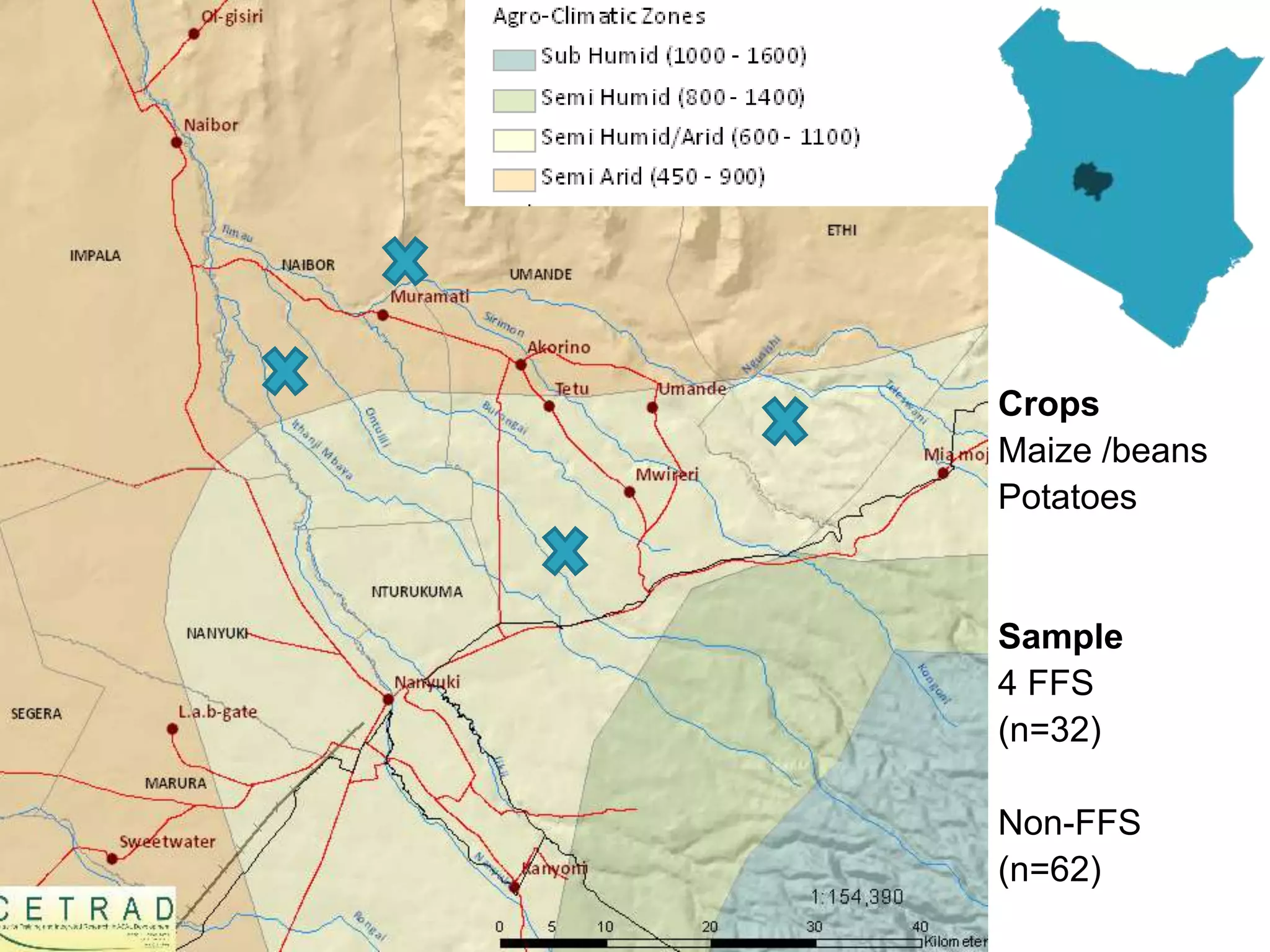
Methodology
FFS members
Non-FFS members
Crops
Maize /beans
Potatoes
Sample
4 FFS
(n=32)
Non-FFS
(n=62)
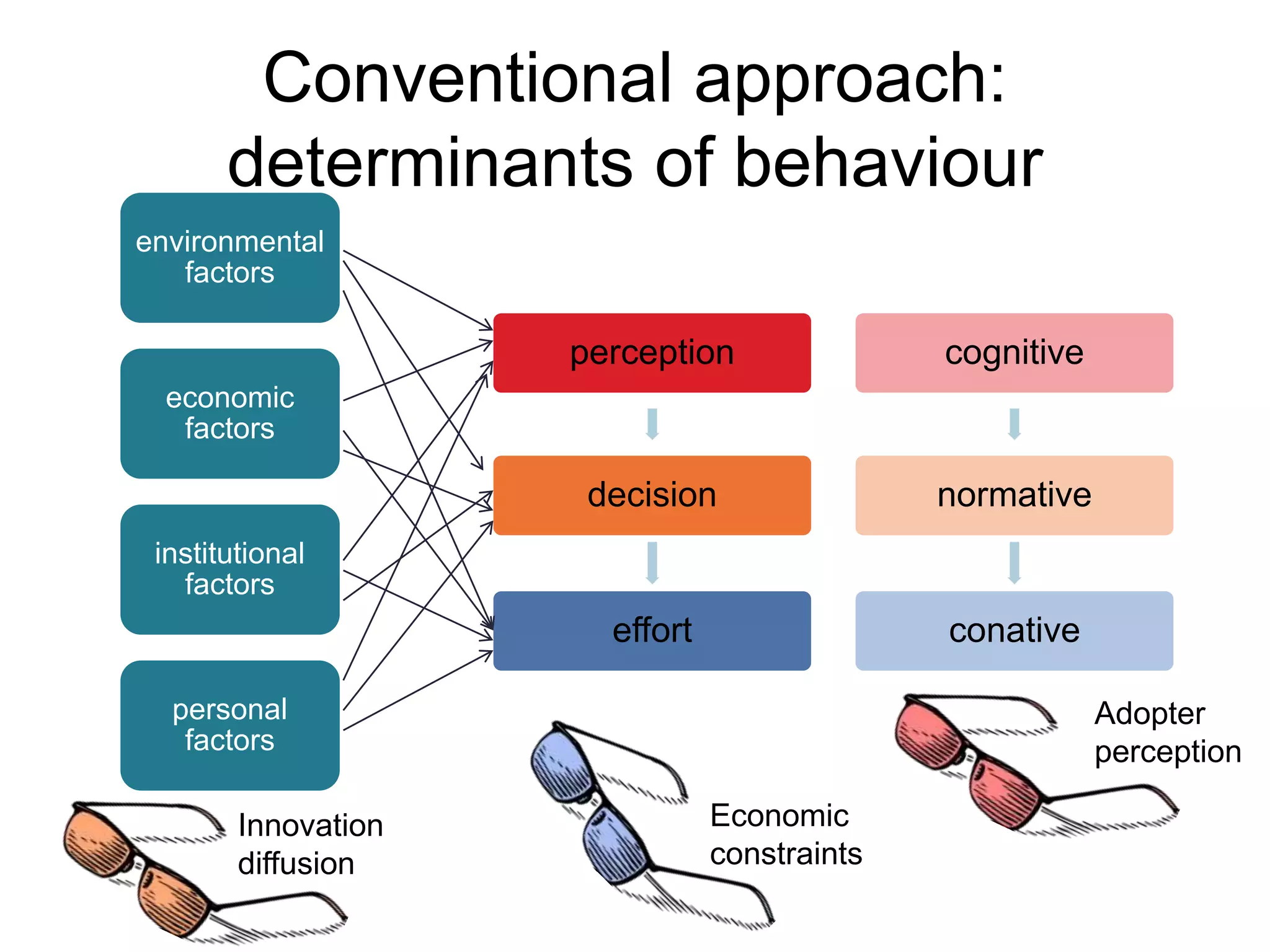
Conventional approach:
determinants of behaviour
perception
decision
effort
cognitive
normative
conative
environmental
factors
economic
factors
institutional
factors
personal
factors
Innovation
diffusion
Economic
constraints
Adopter
perception
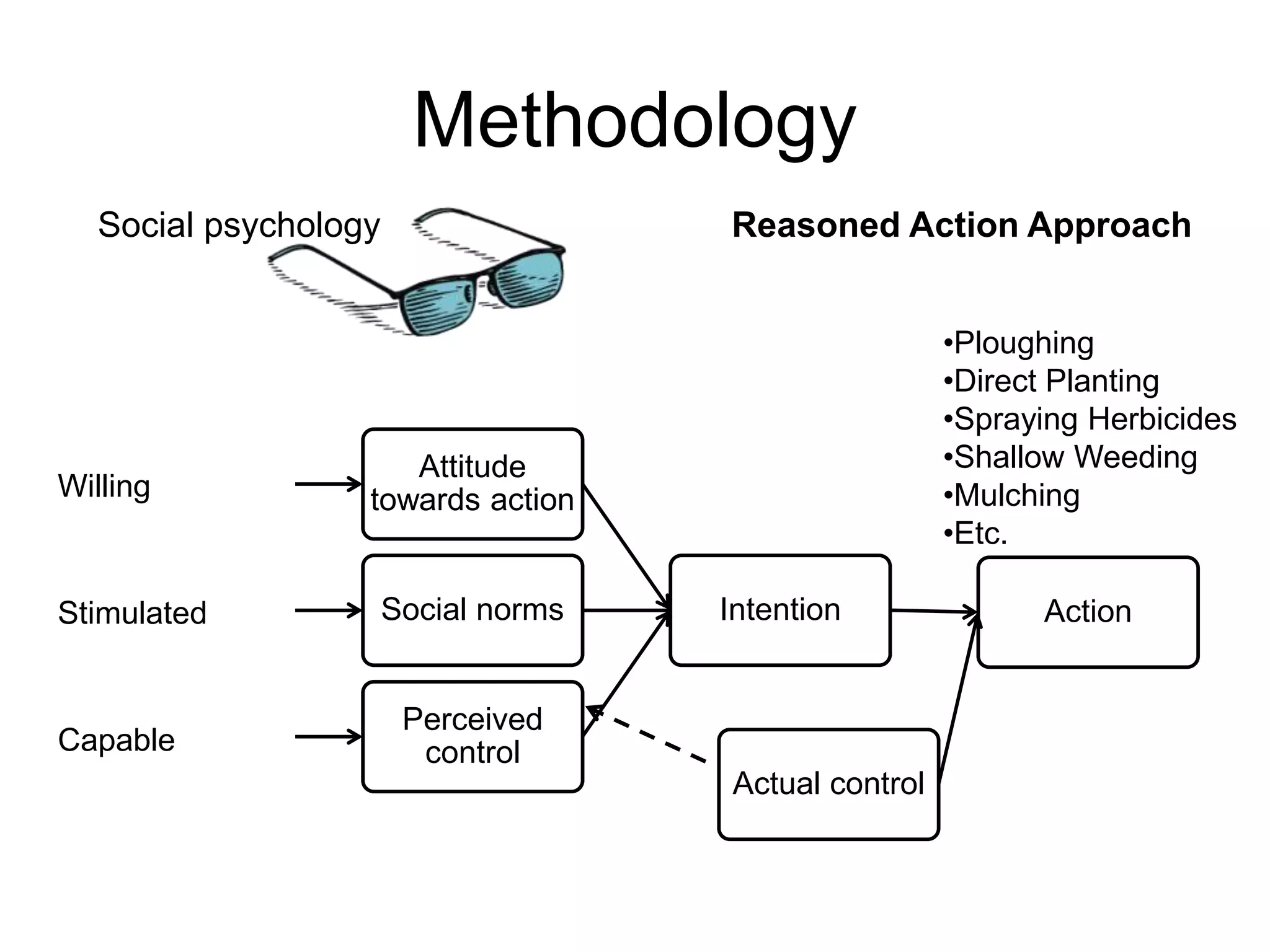
Methodology
Social psychology
ActionIntention
Attitude
towards action
Outcome
beliefs
Social normsSocial beliefs
Perceived
control
Control beliefs
Actual control
Willing
Stimulated
Capable
Reasoned Action Approach
•Ploughing
•Direct Planting
•Spraying Herbicides
•Shallow Weeding
•Mulching
•Etc.
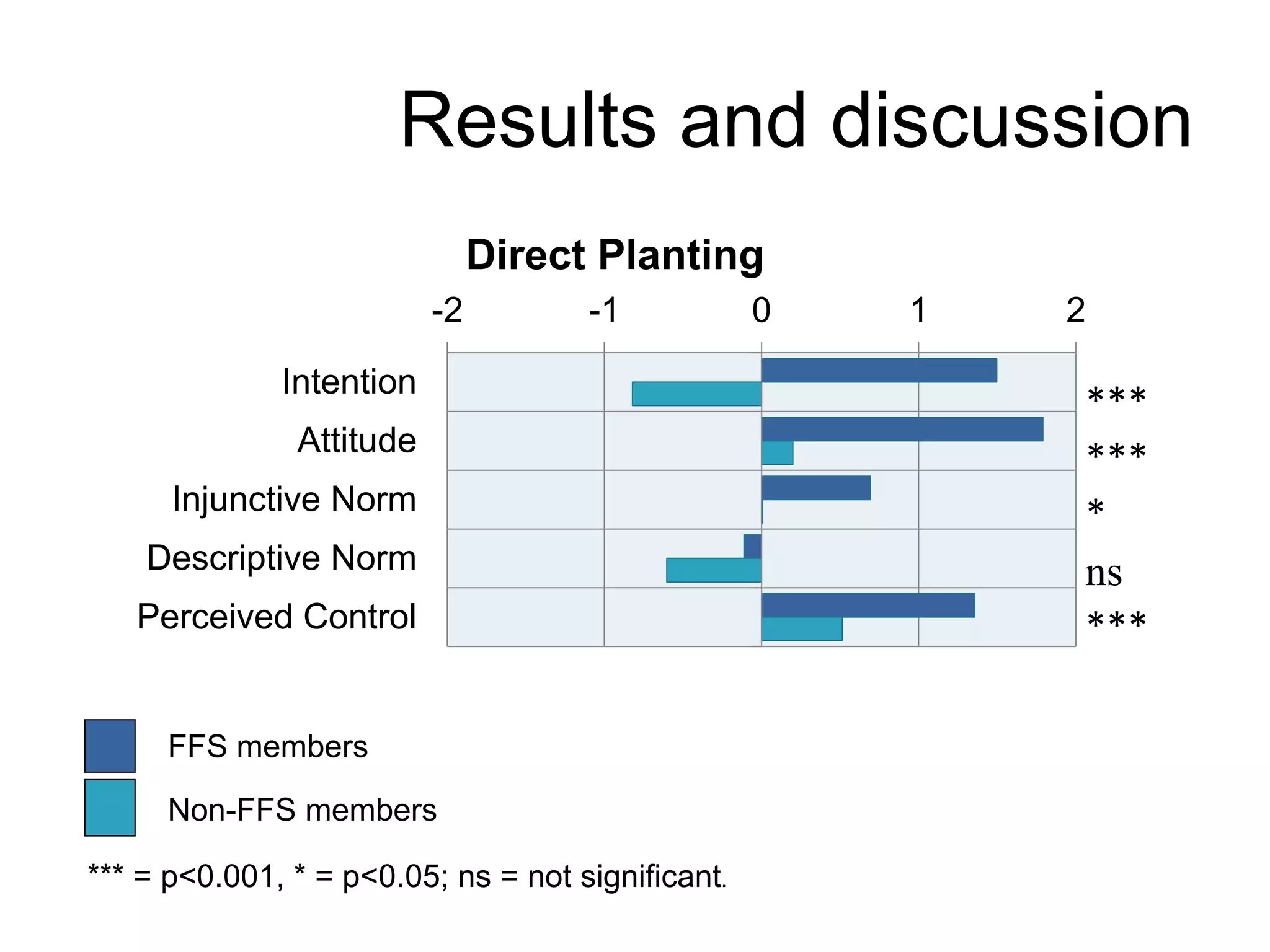
Results and discussion
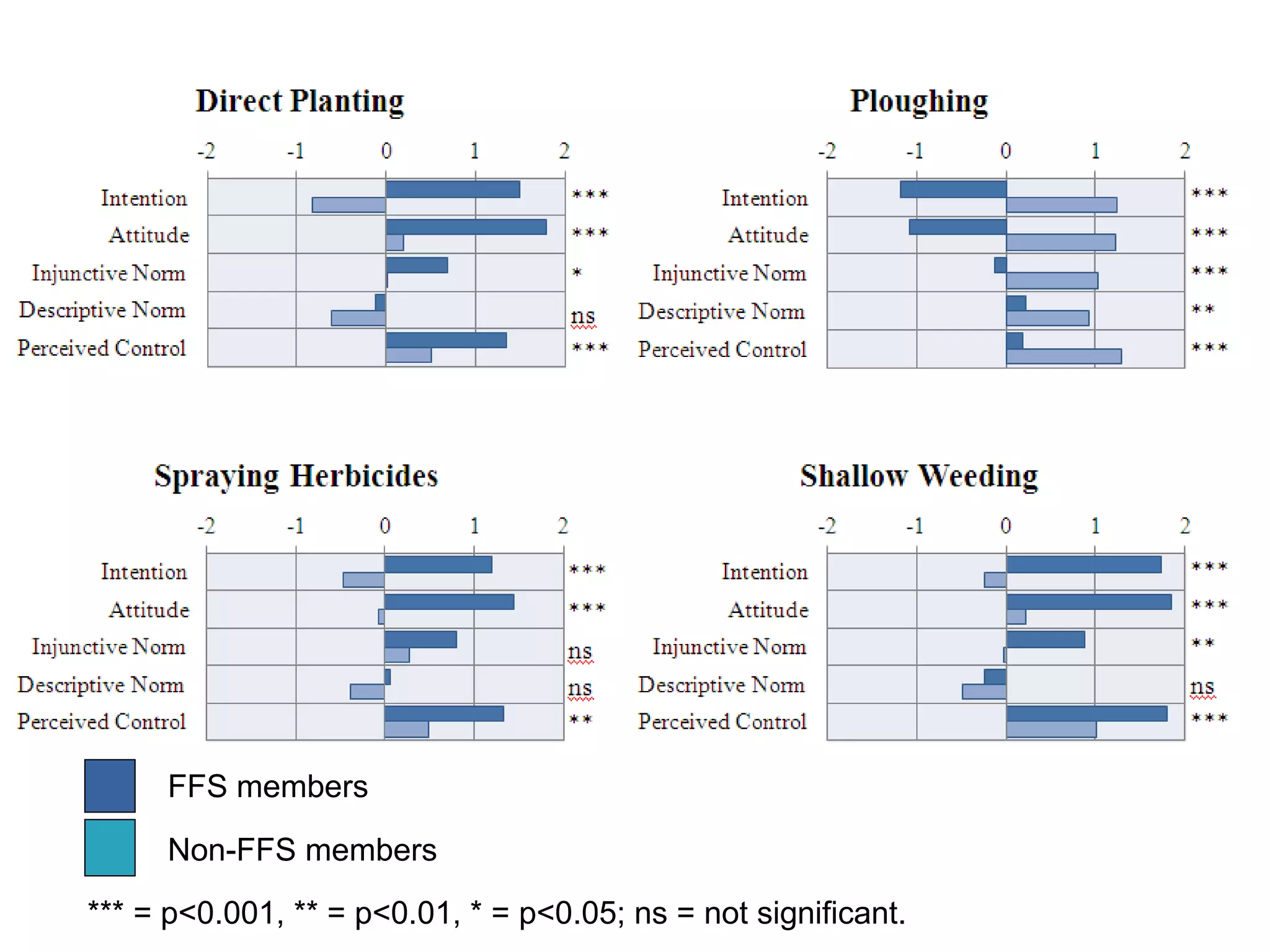
-2 -1 0 1 2
Intention
Attitude
Injunctive Norm
Descriptive Norm
Perceived Control
Direct Planting
FFS members
Non-FFS members
***
***
*
ns
***
*** = p<0.001, * = p<0.05; ns = not significant.
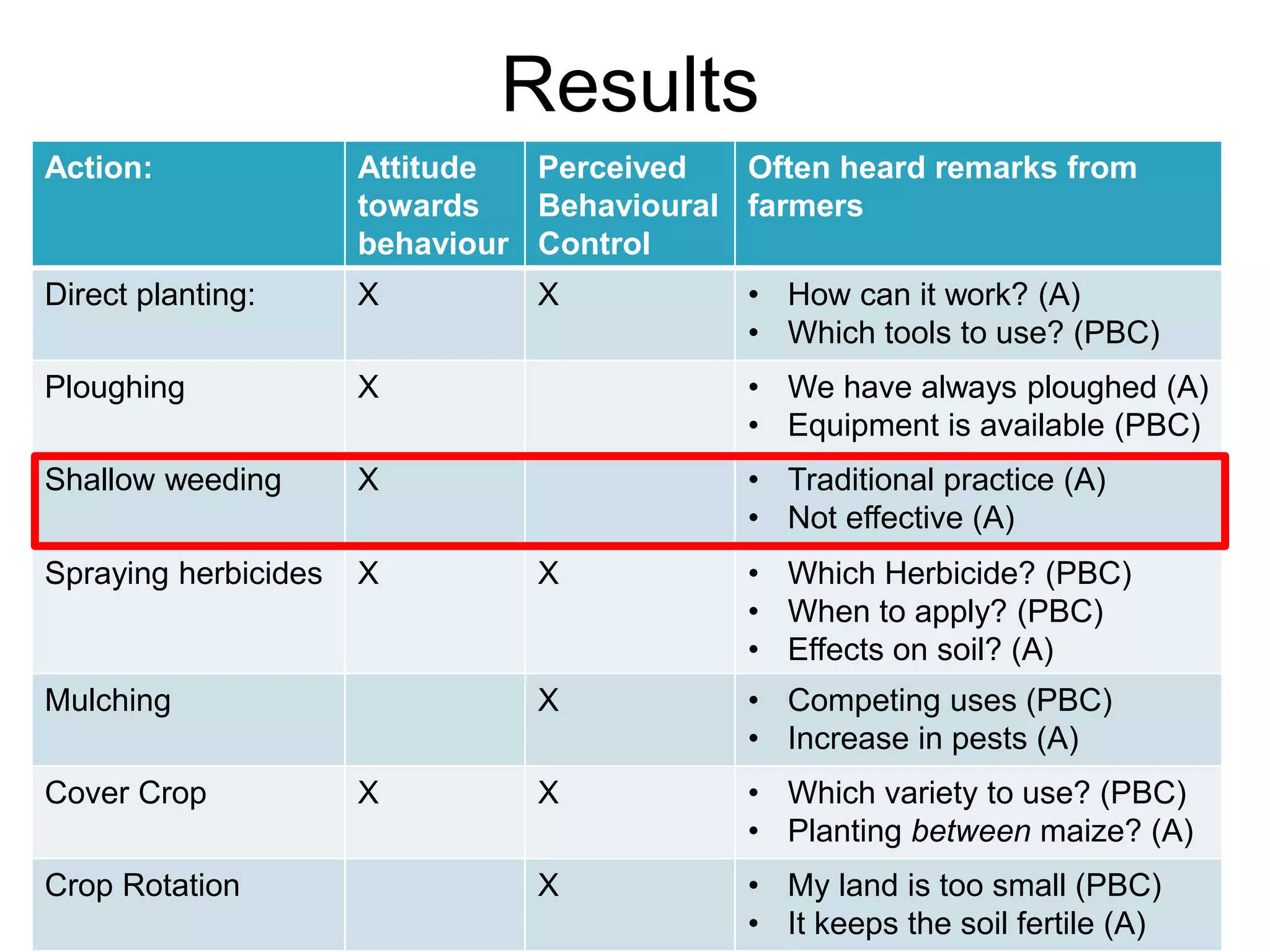
Results
Action: Attitude
towards
behaviour
Perceived
Behavioural
Control
Often heard remarks from
farmers
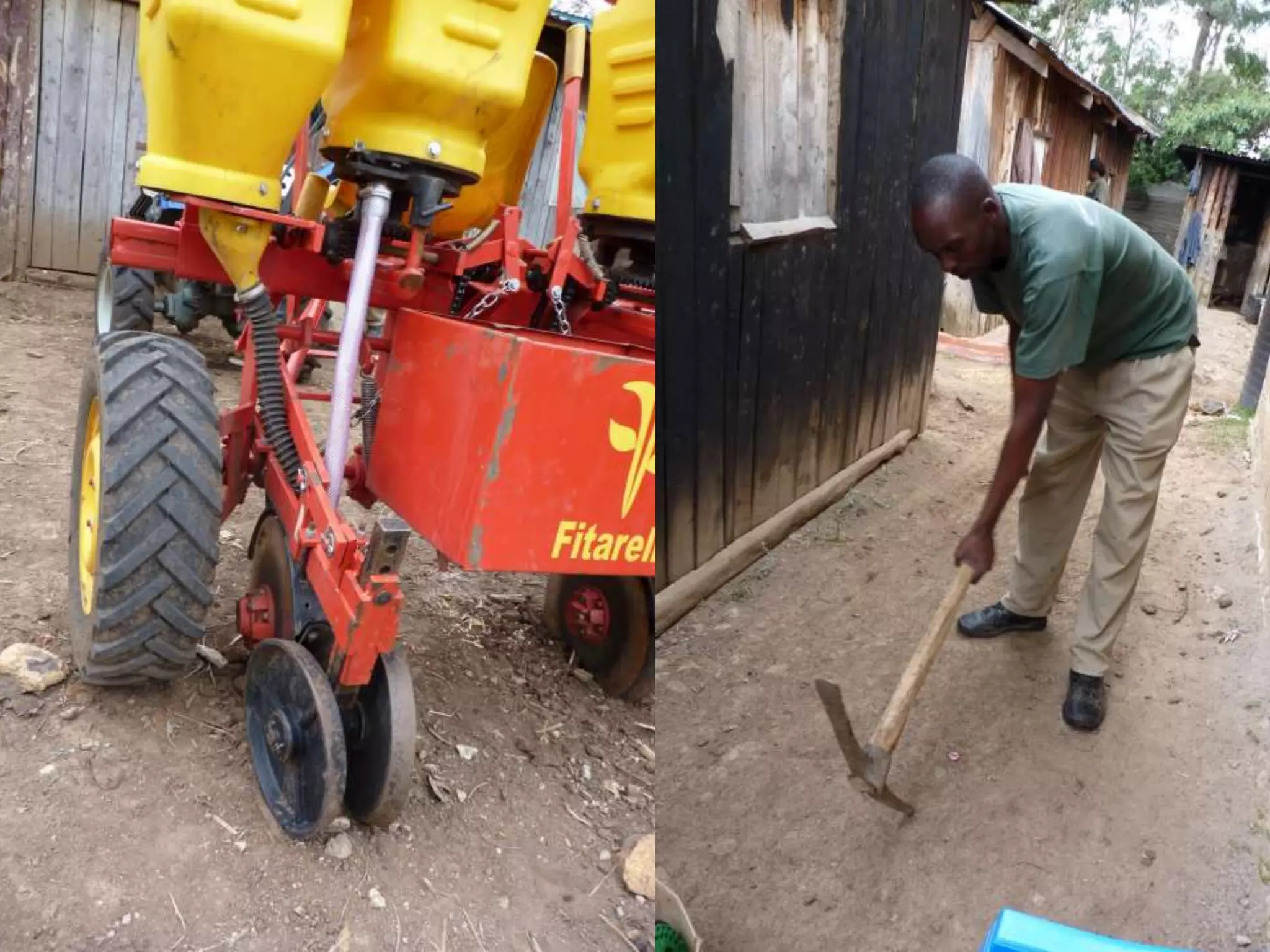
Direct planting: X X • How can it work? (A)
• Which tools to use? (PBC)
Ploughing X • We have always ploughed (A)
• Equipment is available (PBC)
Shallow weeding X • Traditional practice (A)
• Not effective (A)
Spraying herbicides X X • Which Herbicide? (PBC)
• When to apply? (PBC)
• Effects on soil? (A)
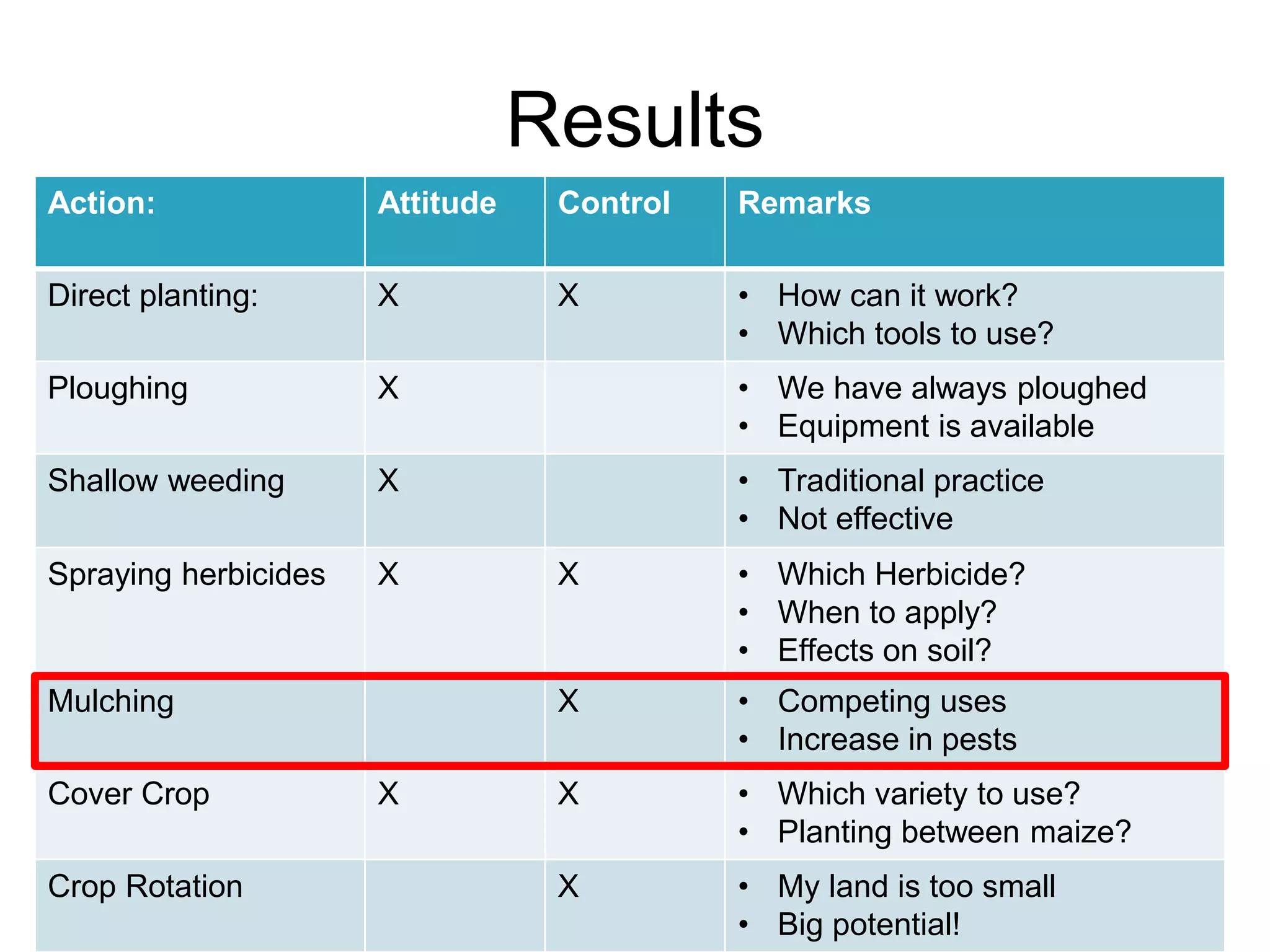
Mulching X • Competing uses (PBC)
• Increase in pests (A)
Cover Crop X X • Which variety to use? (PBC)
• Planting between maize? (A)
Crop Rotation X • My land is too small (PBC)
• It keeps the soil fertile (A)
Results
Action: Attitude Control Remarks
Direct planting: X X • How can it work?
• Which tools to use?
Ploughing X • We have always ploughed
• Equipment is available
Shallow weeding X • Traditional practice
• Not effective
Spraying herbicides X X • Which Herbicide?
• When to apply?
• Effects on soil?
Mulching X • Competing uses
• Increase in pests
Cover Crop X X • Which variety to use?
• Planting between maize?
Crop Rotation X • My land is too small
• Big potential!
How is CA
promoted?
The adoption process
Delivery
aspect
Adoption
process
Uptake aspect
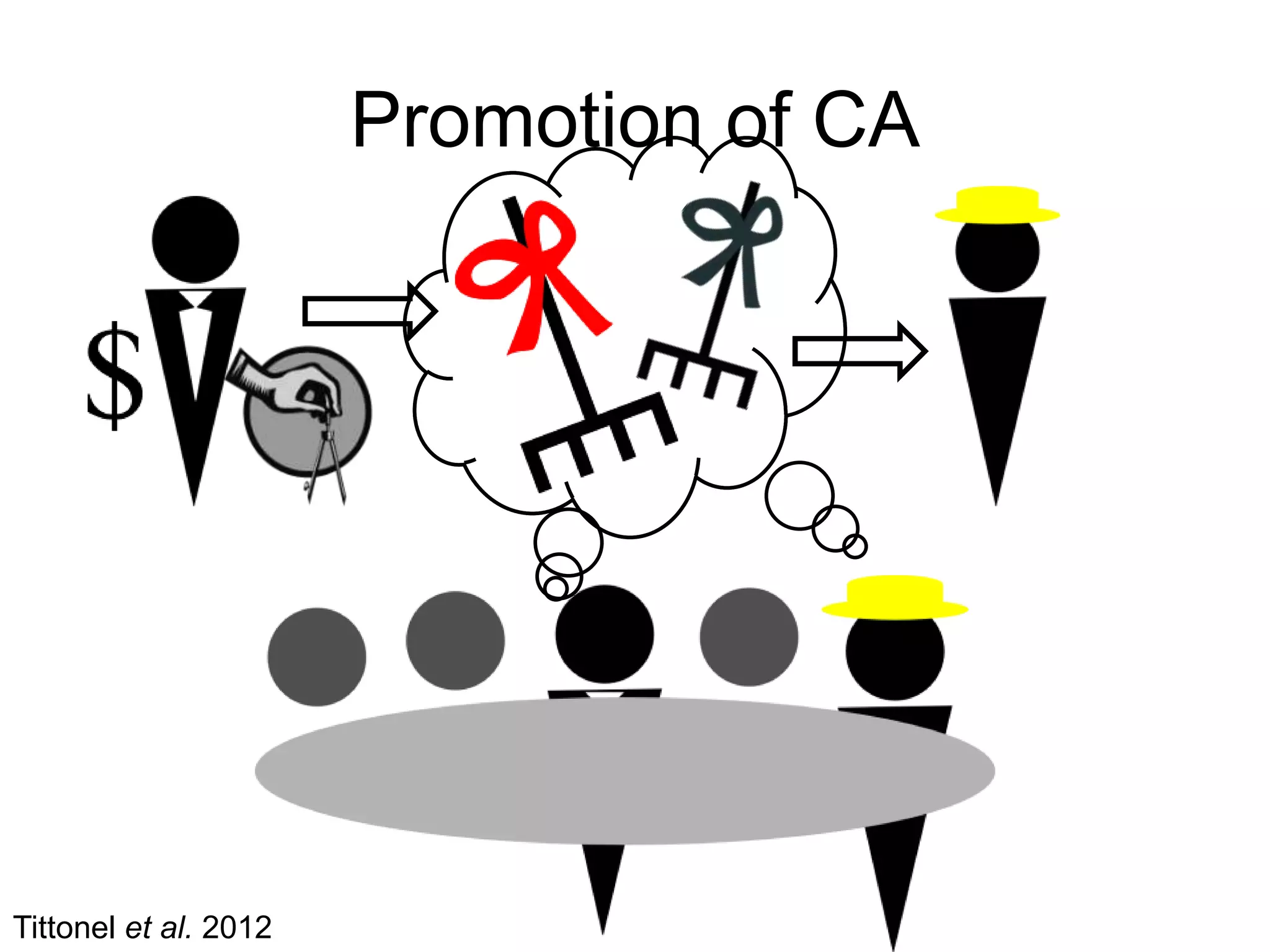
Promotion of CA
Tittonel et al. 2012
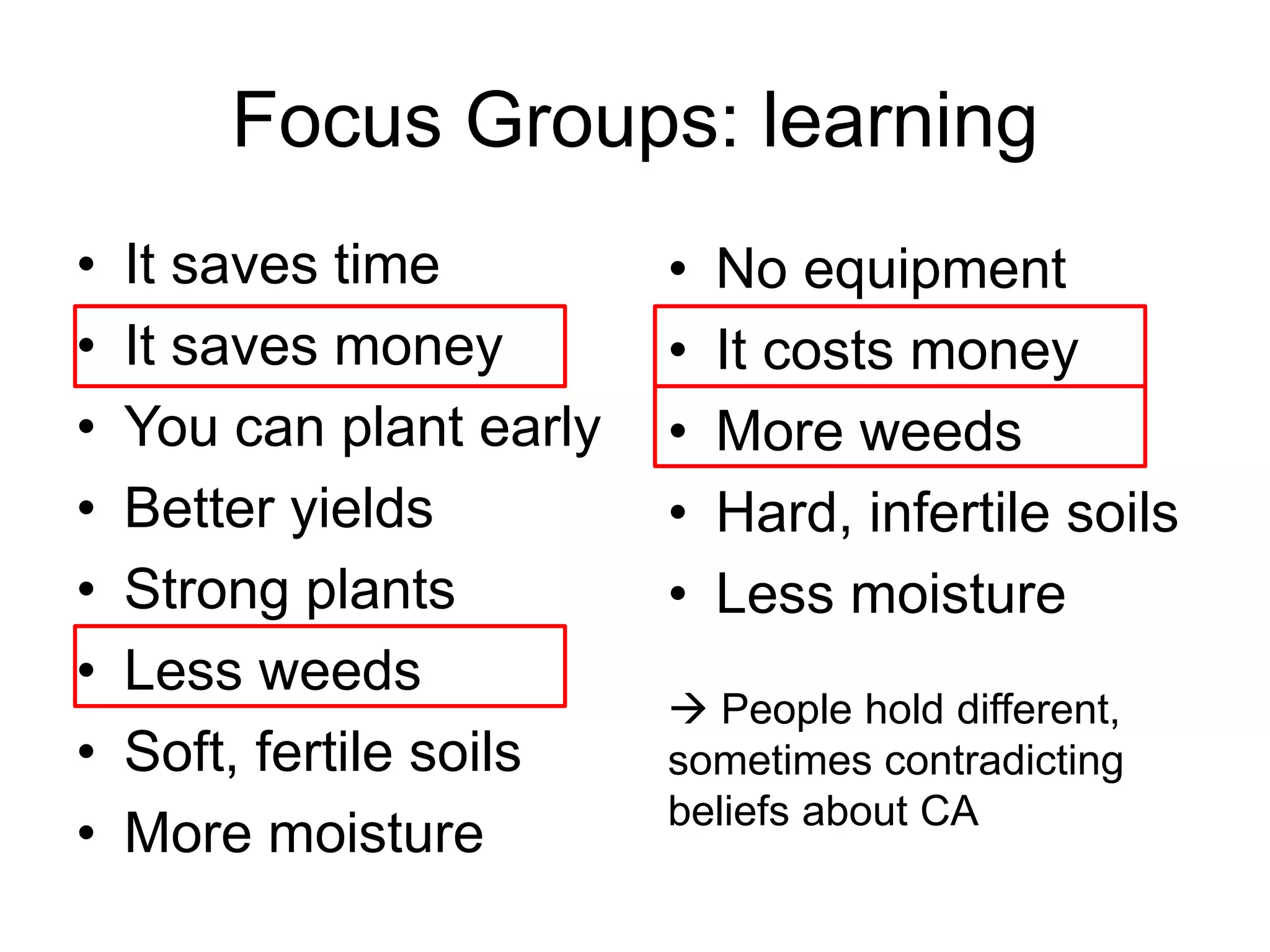
Focus Groups: learning
• It saves time
• It saves money
• You can plant early
• Better yields
• Strong plants
• Less weeds
• Soft, fertile soils
• More moisture
• No equipment
• It costs money
• More weeds
• Hard, infertile soils
• Less moisture
 People hold different,
sometimes contradicting
beliefs about CA
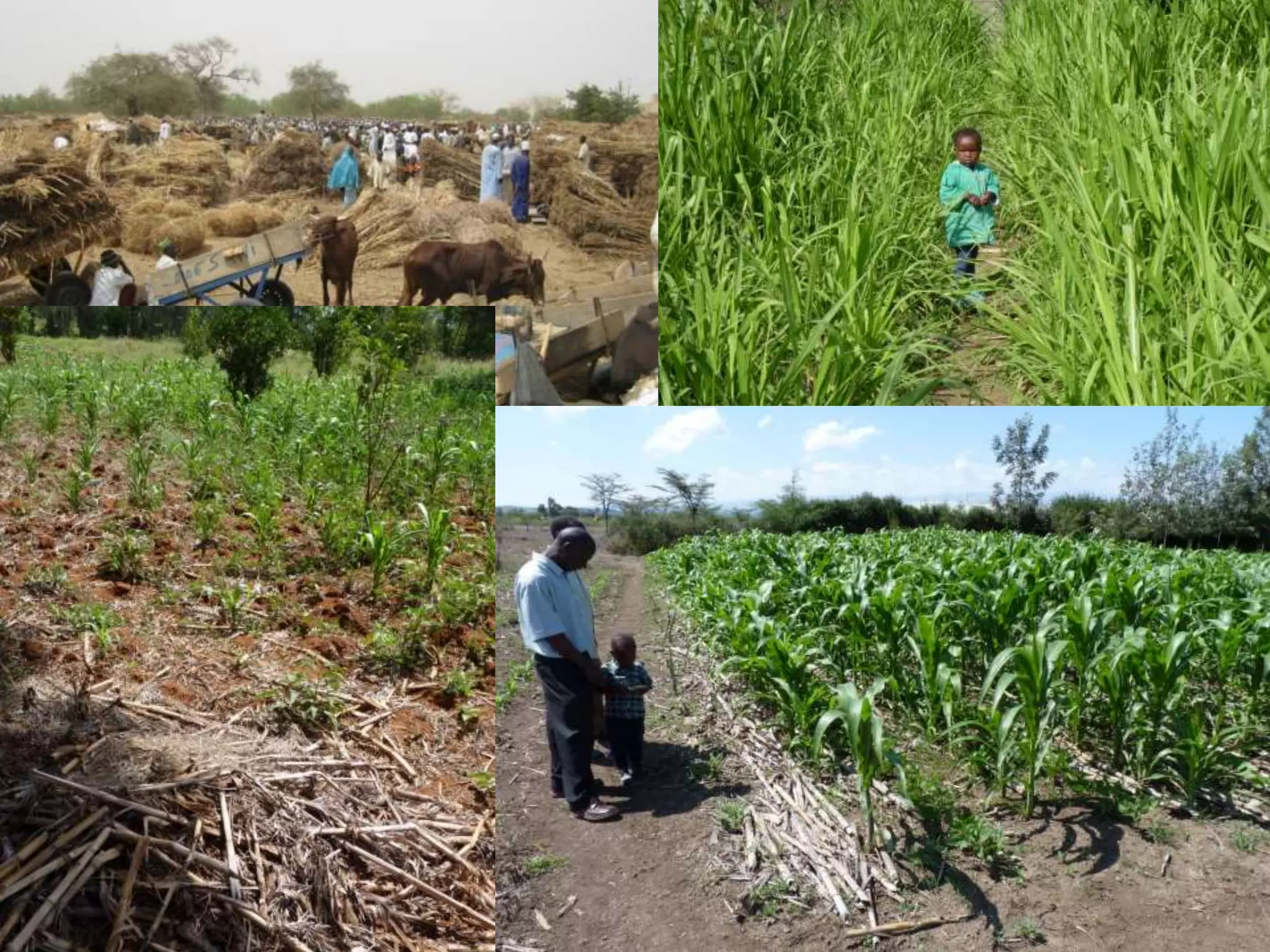
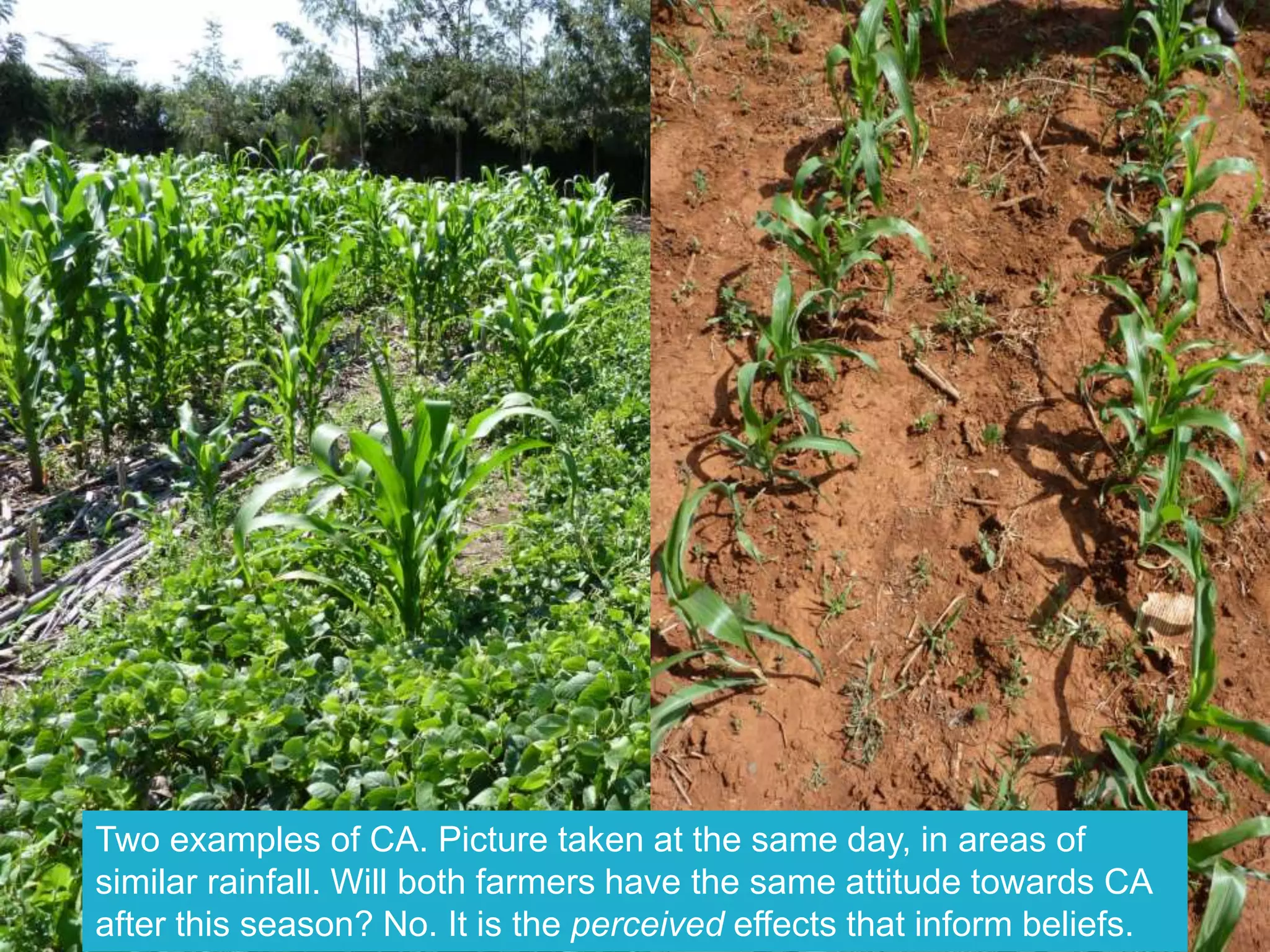
Two examples of CA. Picture taken at the same day, in areas of
similar rainfall. Will both farmers have the same attitude towards CA
after this season? No. It is the perceived effects that inform beliefs.
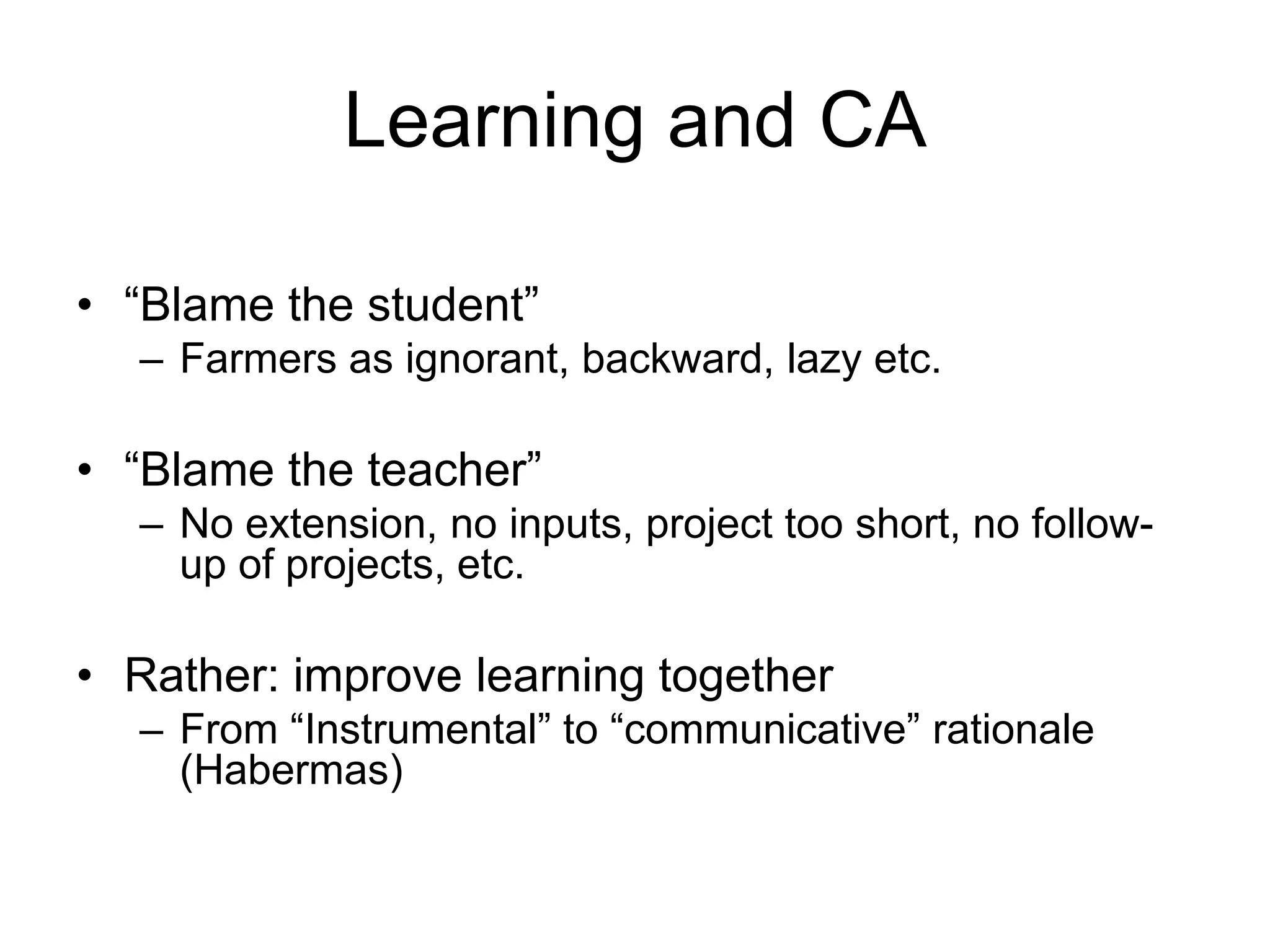
Learning and CA
• “Blame the student”
– Farmers as ignorant, backward, lazy etc.
• “Blame the teacher”
– No extension, no inputs, project too short, no follow-
up of projects, etc.
• Rather: improve learning together
– From “Instrumental” to “communicative” rationale
(Habermas)
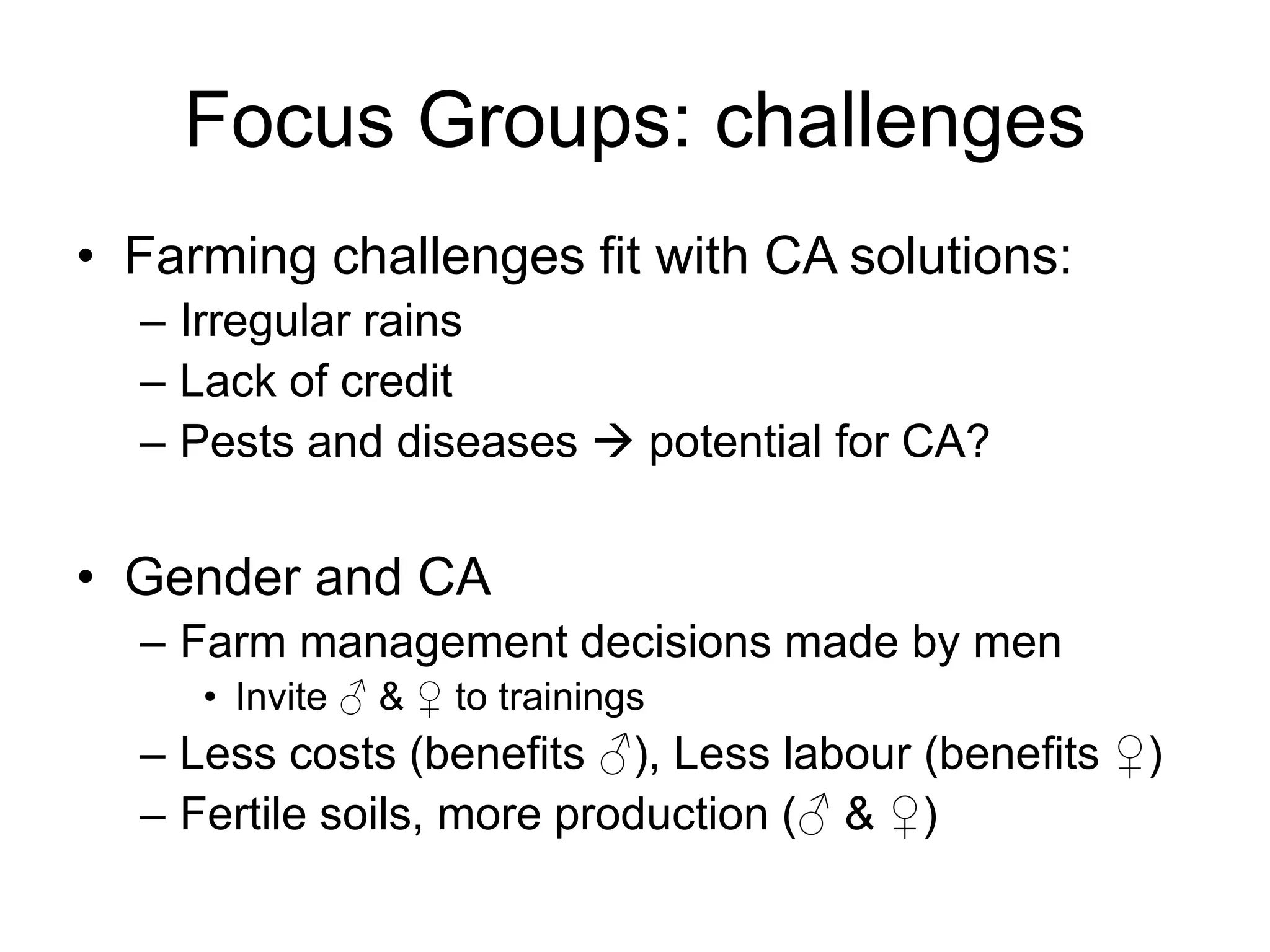
Focus Groups: challenges
• Farming challenges fit with CA solutions:
– Irregular rains
– Lack of credit
– Pests and diseases  potential for CA?
• Gender and CA
– Farm management decisions made by men
• Invite ♂ & ♀ to trainings
– Less costs (benefits ♂), Less labour (benefits ♀)
– Fertile soils, more production (♂ & ♀)
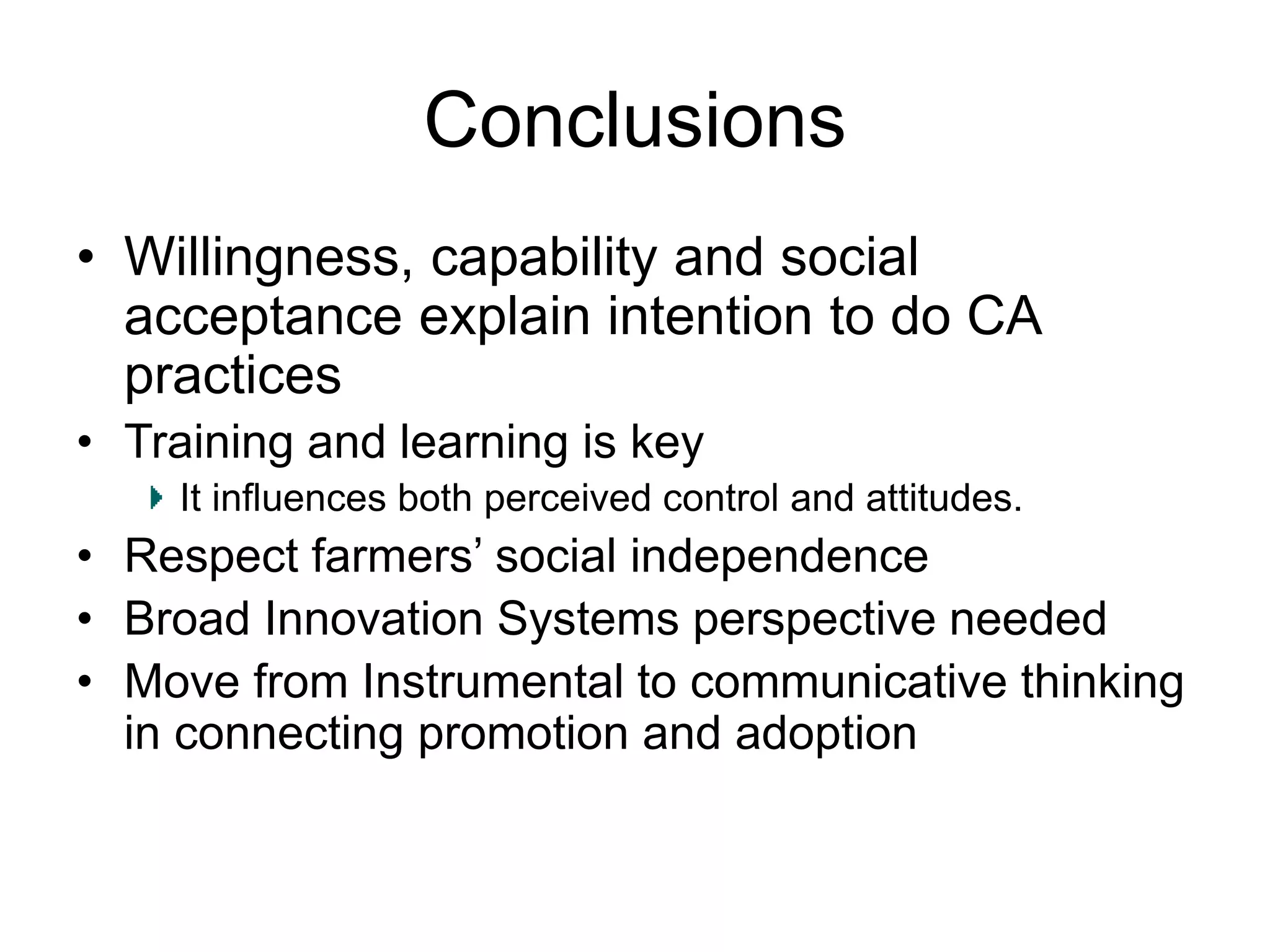
Conclusions
• Willingness, capability and social
acceptance explain intention to do CA
practices
• Training and learning is key
It influences both perceived control and attitudes.
• Respect farmers’ social independence
• Broad Innovation Systems perspective needed
• Move from Instrumental to communicative thinking
in connecting promotion and adoption
Understanding adoption and
promotion of CA
Experiences in Laikipia County
Freddy van Hulst
Thank you!
Discussion
• Is there a future for CA in Kenya?
• How to change attitudes?
– Experimenting, exposure to new ideas
• How to change ability?
– Knowledge is essential
– Include all actors (tools, marketing, etc.)
– Experimenting
• How to respect farmers’ social independence?
– Creating the Capabilities for change
FFS members
Non-FFS members
*** = p<0.001, ** = p<0.01, * = p<0.05; ns = not significant.
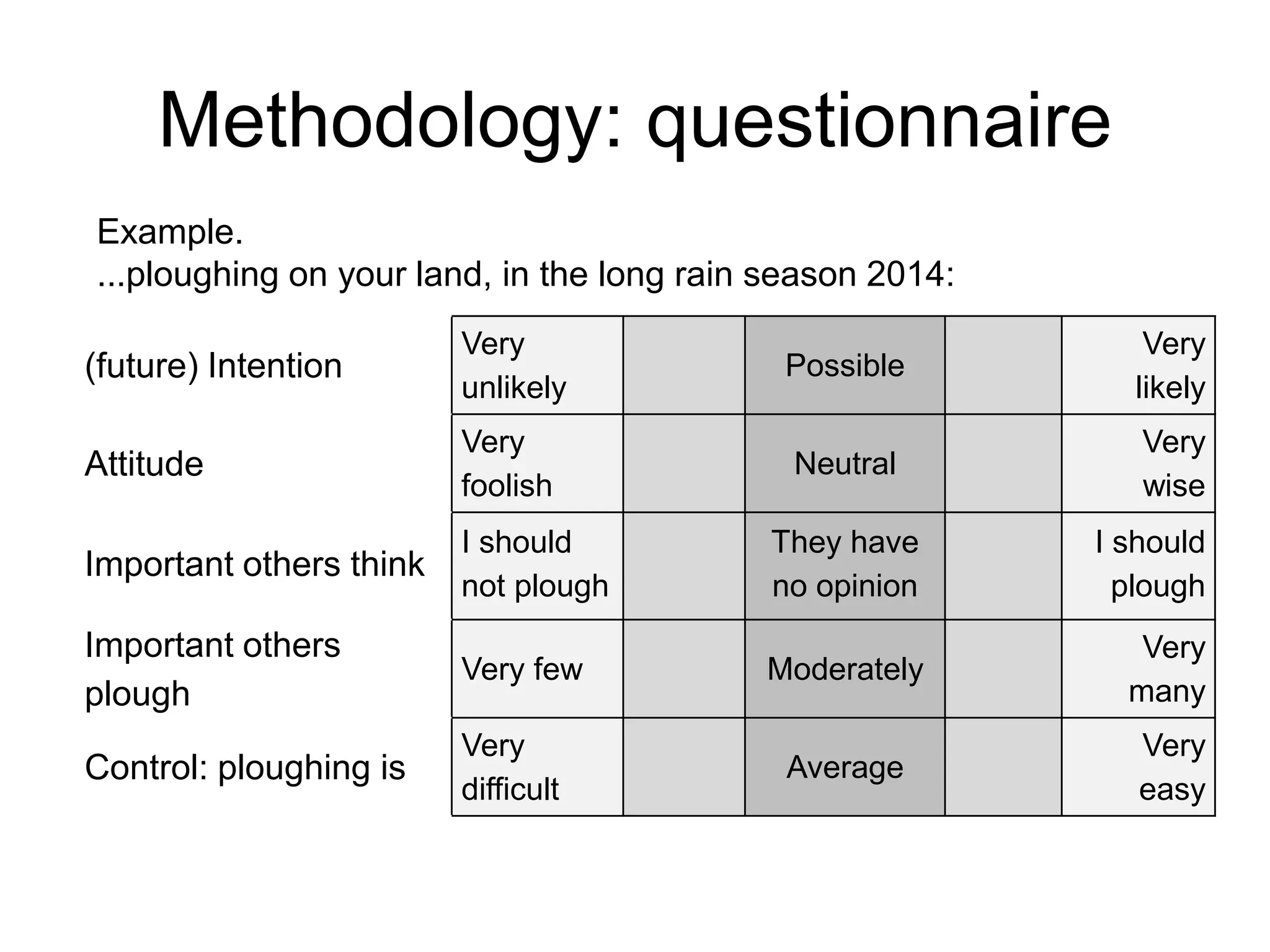
Methodology: questionnaire
(future) Intention
Very
unlikely
Possible
Very
likely
Attitude
Very
foolish
Neutral
Very
wise
Important others think
I should
not plough
They have
no opinion
I should
plough
Important others
plough
Very few Moderately
Very
many
Control: ploughing is
Very
difficult
Average
Very
easy
Example.
...ploughing on your land, in the long rain season 2014:
Literature
• Social Psychology, the Reasoned Action Approach
Fishbein, Martin, and Icek Ajzen. 2010. Predicting and Changing Behavior;
the Reasoned Action Approach. New York: Taylor & Francis Group.
• Targeting technology, and innovation systems:
Tittonell, Pablo, E. Scopel, N. Andrieu, H. Posthumus, P. Mapfumo, M.
Corbeels, G.E. van Halsema, et al. 2012. “Agroecology-based Aggradation-
conservation Agriculture (ABACO): Targeting Innovations to Combat Soil
Degradation and Food Insecurity in Semi-arid Africa.” Field Crops Research
132 (June): 168–174. doi:10.1016/j.fcr.2011.12.011.

Promotion and adoption of Conservation Agriculture

  • 1.
    Understanding adoption and promotionof CA Experiences in Laikipia County Freddy van Hulst Supervisors: H. Posthumus J. Morton Nairobi, June 2014
  • 2.
    Contents • Introduction My background CAand smallholder farming • The adoption of CA Reasoned action approach • The promotion of CA Some observations • Discussion CA in Kenya
  • 3.
    My background • WageningenUniversity (The Netherlands) MSc: Land Degradation and Development Modelling soil erosion under CA and conventional MSc: Rural Development Sociology Farmers’ dreams and objectives in rural development • University of Greenwich (United Kingdom) PhD: Combination of technical + social perspectives in Conservation Agriculture
  • 4.
    Conservation Agriculture • Minimumsoil disturbance • Permanent soil cover – Mulch – Cover Crops • Crop Rotations • Agro-ecological principles • Africa’s Green Revolution?
  • 5.
    Small-scale farming • 97%of all the farms in the world are family farms (500 million households) • 70% of the active farmers are women • They produce about 50% of the food consumed by humans, farming on 20% of the land Cassidy et al., 2013 Ecological letters 8
  • 6.
    Why CA forsmall-holders? Advantages at field level • Labour and cost reduction • Erosion control • Nutrient cycling • Increasing soil biology activity • Improving water balance • C and N input in soils • Forage production • Pest and disease control • Etc. Global level agenda: 1. Crop production intensification 2. Sustainability of ecosystem services of agriculture ABACO: “to combat soil degradation and food insecurity” CA4CC: For Climate Change adaptation and CC resilient agriculture We can agree: CA for improved, sustainable livelihoods
  • 7.
    What are reasons forfarmers (not) to choose CA? The adoption process Delivery aspect Adoption process Uptake aspect
  • 8.
    Methodology FFS members Non-FFS members Crops Maize/beans Potatoes Sample 4 FFS (n=32) Non-FFS (n=62)
  • 9.
    Conventional approach: determinants ofbehaviour perception decision effort cognitive normative conative environmental factors economic factors institutional factors personal factors Innovation diffusion Economic constraints Adopter perception
  • 10.
    Methodology Social psychology ActionIntention Attitude towards action Outcome beliefs SocialnormsSocial beliefs Perceived control Control beliefs Actual control Willing Stimulated Capable Reasoned Action Approach •Ploughing •Direct Planting •Spraying Herbicides •Shallow Weeding •Mulching •Etc.
  • 11.
    Results and discussion -2-1 0 1 2 Intention Attitude Injunctive Norm Descriptive Norm Perceived Control Direct Planting FFS members Non-FFS members *** *** * ns *** *** = p<0.001, * = p<0.05; ns = not significant.
  • 12.
    Results Action: Attitude towards behaviour Perceived Behavioural Control Often heardremarks from farmers Direct planting: X X • How can it work? (A) • Which tools to use? (PBC) Ploughing X • We have always ploughed (A) • Equipment is available (PBC) Shallow weeding X • Traditional practice (A) • Not effective (A) Spraying herbicides X X • Which Herbicide? (PBC) • When to apply? (PBC) • Effects on soil? (A) Mulching X • Competing uses (PBC) • Increase in pests (A) Cover Crop X X • Which variety to use? (PBC) • Planting between maize? (A) Crop Rotation X • My land is too small (PBC) • It keeps the soil fertile (A)
  • 14.
    Results Action: Attitude ControlRemarks Direct planting: X X • How can it work? • Which tools to use? Ploughing X • We have always ploughed • Equipment is available Shallow weeding X • Traditional practice • Not effective Spraying herbicides X X • Which Herbicide? • When to apply? • Effects on soil? Mulching X • Competing uses • Increase in pests Cover Crop X X • Which variety to use? • Planting between maize? Crop Rotation X • My land is too small • Big potential!
  • 16.
    How is CA promoted? Theadoption process Delivery aspect Adoption process Uptake aspect
  • 17.
  • 18.
    Focus Groups: learning •It saves time • It saves money • You can plant early • Better yields • Strong plants • Less weeds • Soft, fertile soils • More moisture • No equipment • It costs money • More weeds • Hard, infertile soils • Less moisture  People hold different, sometimes contradicting beliefs about CA
  • 19.
    Two examples ofCA. Picture taken at the same day, in areas of similar rainfall. Will both farmers have the same attitude towards CA after this season? No. It is the perceived effects that inform beliefs.
  • 20.
    Learning and CA •“Blame the student” – Farmers as ignorant, backward, lazy etc. • “Blame the teacher” – No extension, no inputs, project too short, no follow- up of projects, etc. • Rather: improve learning together – From “Instrumental” to “communicative” rationale (Habermas)
  • 22.
    Focus Groups: challenges •Farming challenges fit with CA solutions: – Irregular rains – Lack of credit – Pests and diseases  potential for CA? • Gender and CA – Farm management decisions made by men • Invite ♂ & ♀ to trainings – Less costs (benefits ♂), Less labour (benefits ♀) – Fertile soils, more production (♂ & ♀)
  • 23.
    Conclusions • Willingness, capabilityand social acceptance explain intention to do CA practices • Training and learning is key It influences both perceived control and attitudes. • Respect farmers’ social independence • Broad Innovation Systems perspective needed • Move from Instrumental to communicative thinking in connecting promotion and adoption
  • 24.
    Understanding adoption and promotionof CA Experiences in Laikipia County Freddy van Hulst Thank you!
  • 25.
    Discussion • Is therea future for CA in Kenya? • How to change attitudes? – Experimenting, exposure to new ideas • How to change ability? – Knowledge is essential – Include all actors (tools, marketing, etc.) – Experimenting • How to respect farmers’ social independence? – Creating the Capabilities for change
  • 26.
    FFS members Non-FFS members ***= p<0.001, ** = p<0.01, * = p<0.05; ns = not significant.
  • 27.
    Methodology: questionnaire (future) Intention Very unlikely Possible Very likely Attitude Very foolish Neutral Very wise Importantothers think I should not plough They have no opinion I should plough Important others plough Very few Moderately Very many Control: ploughing is Very difficult Average Very easy Example. ...ploughing on your land, in the long rain season 2014:
  • 28.
    Literature • Social Psychology,the Reasoned Action Approach Fishbein, Martin, and Icek Ajzen. 2010. Predicting and Changing Behavior; the Reasoned Action Approach. New York: Taylor & Francis Group. • Targeting technology, and innovation systems: Tittonell, Pablo, E. Scopel, N. Andrieu, H. Posthumus, P. Mapfumo, M. Corbeels, G.E. van Halsema, et al. 2012. “Agroecology-based Aggradation- conservation Agriculture (ABACO): Targeting Innovations to Combat Soil Degradation and Food Insecurity in Semi-arid Africa.” Field Crops Research 132 (June): 168–174. doi:10.1016/j.fcr.2011.12.011.

Editor's Notes

  • #13 X signifies which element is mainly determining both the adoption and non-adoption of the associated practice. Non-adoption of shallow weeding is mainly related with Attitudes, while mulching is mainly related with Perceived Behavioural Control.