





Project Communications
Management
Prabudh Dhingra
Emmanuel Munet-Quiñones
Deepthi Ranganathan
Henrietta Mengue
Hitesh Parmar
Renjei Mei
Sagnik Saha
Presented to:
Prof. William García
IT Project Management
The George Washington University
Washington D.C.
The Importance of Project
Communications Management
• Many threats to project management, like
unclear scope requirements and unrealistic
schedules, could imply that people may not be
communicating very well
• To address these situations, it is important to
follow an important process that involves
planning, managing and controlling
communications
Keys to Good Communication
• Focusing on Group and Individual
Communication Needs
• Formal and Informal Methods for
Communicating
• Distributing Important Information in an
Effective and Timely Manner
• Setting the Stage for Communicating Bad News
• Determining the Number of Communication
Channels
Focusing on Group and Individual
Communication Needs
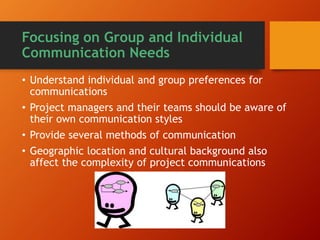
• Understand individual and group preferences for
communications
• Project managers and their teams should be aware of
their own communication styles
• Provide several methods of communication
• Geographic location and cultural background also
affect the complexity of project communications
Formal and Informal Methods
for Communication
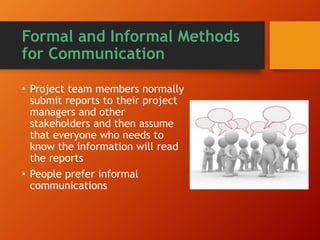
• Project team members normally
submit reports to their project
managers and other
stakeholders and then assume
that everyone who needs to
know the information will read
the reports
• People prefer informal
communications
Distributing Important Information
in an Effective and Timely Manner
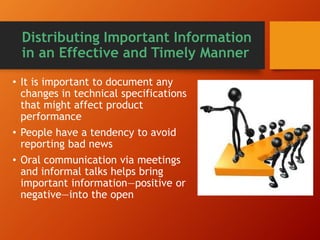
• It is important to document any
changes in technical specifications
that might affect product
performance
• People have a tendency to avoid
reporting bad news
• Oral communication via meetings
and informal talks helps bring
important information—positive or
negative—into the open
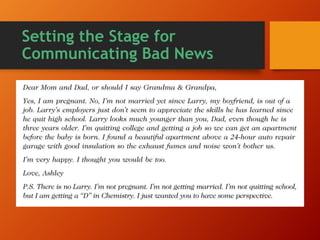
Setting the Stage for
Communicating Bad News
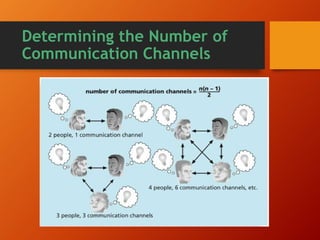
Determining the Number of
Communication Channels
Planning Communications
Management
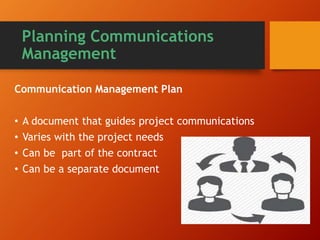
Communication Management Plan
• A document that guides project communications
• Varies with the project needs
• Can be part of the contract
• Can be a separate document
Planning Communications
Management
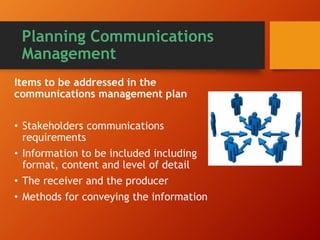
Items to be addressed in the
communications management plan
• Stakeholders communications
requirements
• Information to be included including
format, content and level of detail
• The receiver and the producer
• Methods for conveying the information
Planning Communications
Management
Items to be addressed in the
Communications Management Plan
• Frequency of the communication
• Procedures for resolving issues
• Revision procedures for updating
• A glossary of common terminology
Planning Communication
Management
Managing Communications
Action : Getting information to the right people at right time
in a useful format
Process :
Who receives it?
What is the best way to create and
distribute information?
A Good starting point:
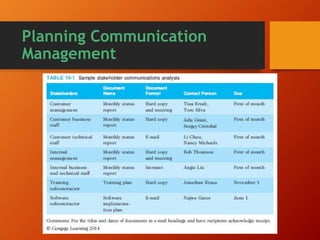
The stakeholder communications analysis
Result : While answering these questions
during project execution, the project teams
often end up updating business processes
through improved communications.
Using Technology to Enhance
Information Creation and Distribution
What does it do ?
Technology makes the process of creating and
distributing information easier
How ?
Make distribution easier
=
Use standard forms
+
Make it available to right people
But what if something goes wrong
like:
OR
OR
Godzilla could attack
OR
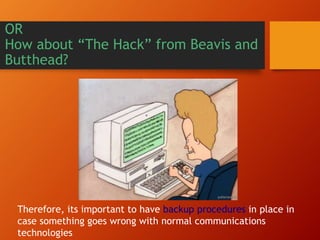
How about “The Hack” from Beavis and
Butthead?
Therefore, its important to have backup procedures in place in
case something goes wrong with normal communications
technologies
Using Technology to Enhance
Information Creation and Distribution
Important considerations in deciding which technologies to use include
the communication method and media:
1. Selecting the Appropriate Communication Methods and Media:
• Interactive communication:
most effective way to ensure common understanding
• Push communication:
does not ensure that it was received or understood
• Pull communication
Using Technology to Enhance
Information Creation and Distribution
2. Reporting Performance
• Status reports
Where the project stands at a specific point in time?
How much money has been spent to date?
How long did it take to do certain tasks?
Is work being accomplished as planned?
• Progress reports
What the project team has accomplished during a certain period?
Like a monthly report or a weekly report
Team leaders create progress reports using information received from
team members
We don’t always need to go
high-tech
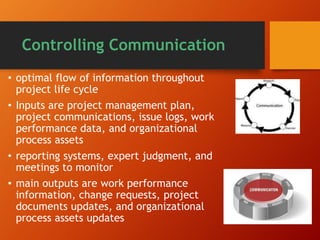
Controlling Communication
• optimal flow of information throughout
project life cycle
• Inputs are project management plan,
project communications, issue logs, work
performance data, and organizational
process assets
• reporting systems, expert judgment, and
meetings to monitor
• main outputs are work performance
information, change requests, project
documents updates, and organizational
process assets updates
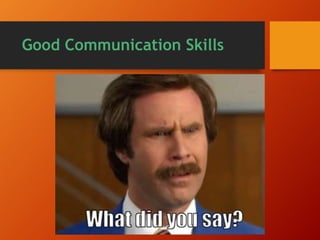
Good Communication Skills
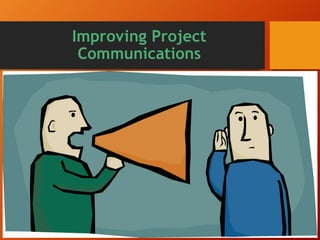
Improving Project
Communications
Global Organizations…
Lead by Example
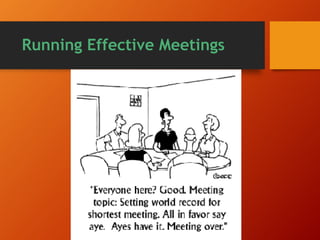
Running Effective Meetings
Do you need the meeting?
Purpose and Intended Outcome
Who should attend?
Keep It Interesting
Other Guidelines
• Run the meeting professionally
• Set the ground rules of the meeting
• Build relationships
Using Communication
Technology
• Collaborative tools – Google Drive, SharePoint,
Microsoft Foundation Server
• Use tools to keep stakeholders connected
• Maintain standard language for communicating
Using Templates
• Reuse templates for reports
• Determine templates to use for key documents
• Maintain Project Archives
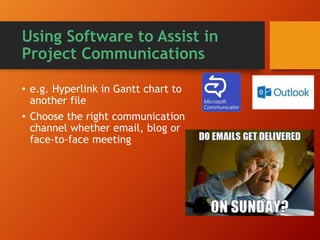
• e.g. Hyperlink in Gantt chart to
another file
• Choose the right communication
channel whether email, blog or
face-to-face meeting
Using Software to Assist in
Project Communications
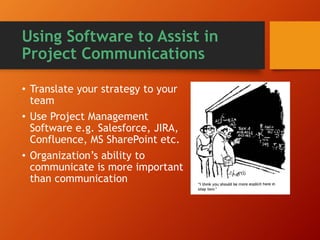
• Translate your strategy to your
team
• Use Project Management
Software e.g. Salesforce, JIRA,
Confluence, MS SharePoint etc.
• Organization’s ability to
communicate is more important
than communication
Using Software to Assist in
Project Communications
Using Software to Assist in
Project Communications
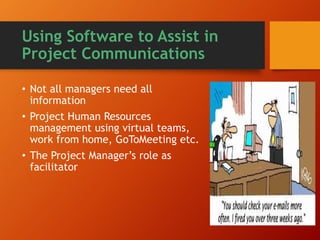
• Not all managers need all
information
• Project Human Resources
management using virtual teams,
work from home, GoToMeeting etc.
• The Project Manager’s role as
facilitator
Thank you

Project communications management

  • 1.
    Project Communications Management Prabudh Dhingra EmmanuelMunet-Quiñones Deepthi Ranganathan Henrietta Mengue Hitesh Parmar Renjei Mei Sagnik Saha Presented to: Prof. William García IT Project Management The George Washington University Washington D.C.
  • 2.
    The Importance ofProject Communications Management • Many threats to project management, like unclear scope requirements and unrealistic schedules, could imply that people may not be communicating very well • To address these situations, it is important to follow an important process that involves planning, managing and controlling communications
  • 3.
    Keys to GoodCommunication • Focusing on Group and Individual Communication Needs • Formal and Informal Methods for Communicating • Distributing Important Information in an Effective and Timely Manner • Setting the Stage for Communicating Bad News • Determining the Number of Communication Channels
  • 4.
    Focusing on Groupand Individual Communication Needs • Understand individual and group preferences for communications • Project managers and their teams should be aware of their own communication styles • Provide several methods of communication • Geographic location and cultural background also affect the complexity of project communications
  • 5.
    Formal and InformalMethods for Communication • Project team members normally submit reports to their project managers and other stakeholders and then assume that everyone who needs to know the information will read the reports • People prefer informal communications
  • 6.
    Distributing Important Information inan Effective and Timely Manner • It is important to document any changes in technical specifications that might affect product performance • People have a tendency to avoid reporting bad news • Oral communication via meetings and informal talks helps bring important information—positive or negative—into the open
  • 7.
    Setting the Stagefor Communicating Bad News
  • 8.
    Determining the Numberof Communication Channels
  • 9.
    Planning Communications Management Communication ManagementPlan • A document that guides project communications • Varies with the project needs • Can be part of the contract • Can be a separate document
  • 10.
    Planning Communications Management Items tobe addressed in the communications management plan • Stakeholders communications requirements • Information to be included including format, content and level of detail • The receiver and the producer • Methods for conveying the information
  • 11.
    Planning Communications Management Items tobe addressed in the Communications Management Plan • Frequency of the communication • Procedures for resolving issues • Revision procedures for updating • A glossary of common terminology
  • 12.
  • 13.
    Managing Communications Action :Getting information to the right people at right time in a useful format Process : Who receives it? What is the best way to create and distribute information? A Good starting point: The stakeholder communications analysis Result : While answering these questions during project execution, the project teams often end up updating business processes through improved communications.
  • 14.
    Using Technology toEnhance Information Creation and Distribution What does it do ? Technology makes the process of creating and distributing information easier How ? Make distribution easier = Use standard forms + Make it available to right people
  • 15.
    But what ifsomething goes wrong like:
  • 16.
  • 17.
  • 18.
    OR How about “TheHack” from Beavis and Butthead? Therefore, its important to have backup procedures in place in case something goes wrong with normal communications technologies
  • 19.
    Using Technology toEnhance Information Creation and Distribution Important considerations in deciding which technologies to use include the communication method and media: 1. Selecting the Appropriate Communication Methods and Media: • Interactive communication: most effective way to ensure common understanding • Push communication: does not ensure that it was received or understood • Pull communication
  • 20.
    Using Technology toEnhance Information Creation and Distribution 2. Reporting Performance • Status reports Where the project stands at a specific point in time? How much money has been spent to date? How long did it take to do certain tasks? Is work being accomplished as planned? • Progress reports What the project team has accomplished during a certain period? Like a monthly report or a weekly report Team leaders create progress reports using information received from team members
  • 21.
    We don’t alwaysneed to go high-tech
  • 22.
    Controlling Communication • optimalflow of information throughout project life cycle • Inputs are project management plan, project communications, issue logs, work performance data, and organizational process assets • reporting systems, expert judgment, and meetings to monitor • main outputs are work performance information, change requests, project documents updates, and organizational process assets updates
  • 23.
  • 24.
  • 25.
  • 26.
  • 27.
  • 28.
    Do you needthe meeting?
  • 29.
  • 30.
  • 31.
  • 32.
    Other Guidelines • Runthe meeting professionally • Set the ground rules of the meeting • Build relationships
  • 33.
    Using Communication Technology • Collaborativetools – Google Drive, SharePoint, Microsoft Foundation Server • Use tools to keep stakeholders connected • Maintain standard language for communicating
  • 34.
    Using Templates • Reusetemplates for reports • Determine templates to use for key documents • Maintain Project Archives
  • 35.
    • e.g. Hyperlinkin Gantt chart to another file • Choose the right communication channel whether email, blog or face-to-face meeting Using Software to Assist in Project Communications
  • 36.
    • Translate yourstrategy to your team • Use Project Management Software e.g. Salesforce, JIRA, Confluence, MS SharePoint etc. • Organization’s ability to communicate is more important than communication Using Software to Assist in Project Communications
  • 37.
    Using Software toAssist in Project Communications • Not all managers need all information • Project Human Resources management using virtual teams, work from home, GoToMeeting etc. • The Project Manager’s role as facilitator
  • 38.