Htain Lin kyaw
PME-HR (SVC)
Diploma in Business management & Administration (ICM –UK)
Diploma in Human Resource (Alison)
Professional Development For Soft Skill
How do you develop professionally?
 By reflecting on your practice
 By attending talks,workshops and seminars
 By reading academic jounarls or professional literature
 By attending in service training sessions and staff meetings.
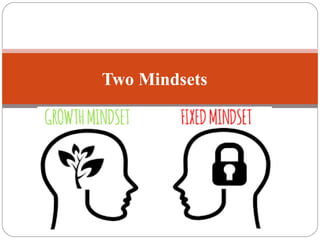
Two Mindsets
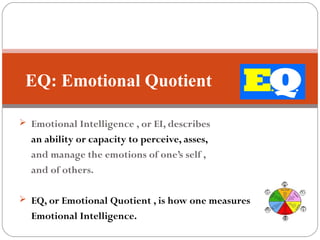
 Emotional Intelligence , or EI, describes
an ability or capacity to perceive, asses,
and manage the emotions of one’s self ,
and of others.
 EQ, or Emotional Quotient , is how one measures
Emotional Intelligence.
EQ: Emotional Quotient
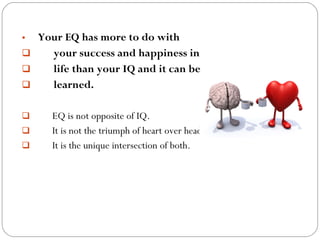
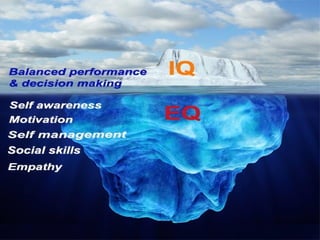
• Your EQ has more to do with
 your success and happiness in
 life than your IQ and it can be
 learned.
 EQ is not opposite of IQ.
 It is not the triumph of heart over head.
 It is the unique intersection of both.
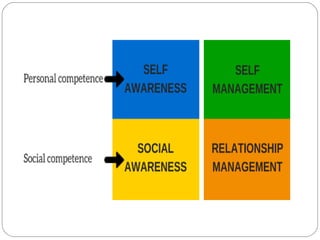
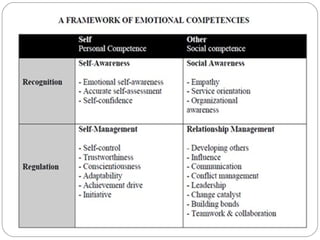
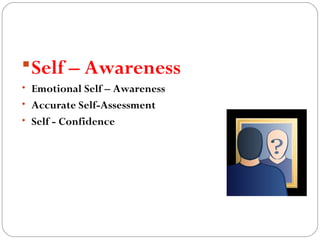
Self – Awareness
• Emotional Self – Awareness
• Accurate Self-Assessment
• Self - Confidence
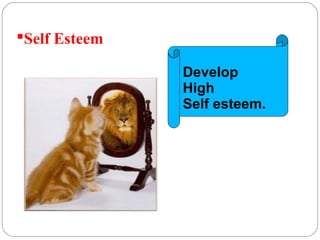
Self Esteem
Develop
High
Self esteem.
Body Language Mastery
Change your posture,Walking
Style , hand shake & learn
the secret of making people
Like you.
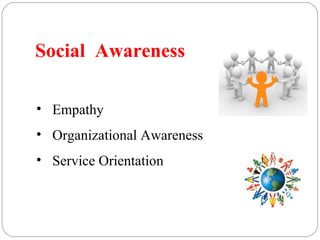
Social Awareness
• Empathy
• Organizational Awareness
• Service Orientation
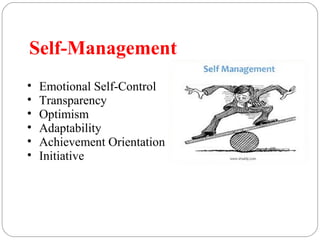
Self-Management
• Emotional Self-Control
• Transparency
• Optimism
• Adaptability
• Achievement Orientation
• Initiative
Stress Management
Mind control Technique,
Walking style, hand shake
& learn the secret of
making people like you.
Influential Communication Skill
Become Irresistibly
Influential Communicator
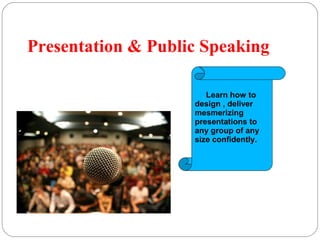
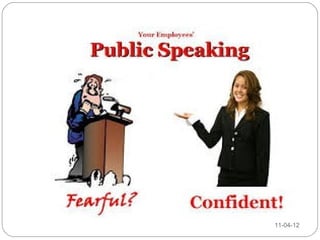
Presentation & Public Speaking
Learn how to
design , deliver
mesmerizing
presentations to
any group of any
size confidently.
11-04-12
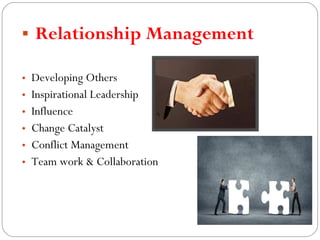
 Relationship Management
• Developing Others
• Inspirational Leadership
• Influence
• Change Catalyst
• Conflict Management
• Team work & Collaboration
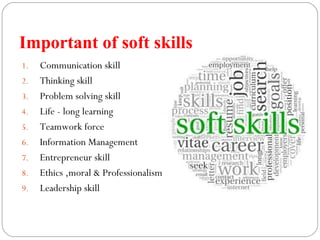
Important of soft skills
1. Communication skill
2. Thinking skill
3. Problem solving skill
4. Life - long learning
5. Teamwork force
6. Information Management
7. Entrepreneur skill
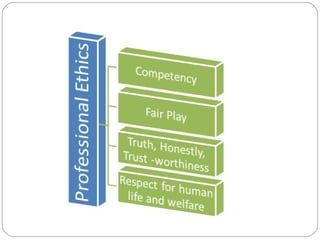
8. Ethics ,moral & Professionalism
9. Leadership skill
Communication skill as soft skillCommunication skill as soft skill
• Communication skills form the
corner stone of soft skill
• Every human being has to essentially
& effectively communicate with others
• Effective communication is the
hallmark of one’s education
Common of soft skill
 Strong work ethics
 Positive attitude
 Time Management abilities
 Acting as a team player
 Self – confidence
 Ability to accept and learn from criticism
 Flexibility adaptability
 Working well under pressure
• Strong work ethics
• Positive attitude
• Time Management abilities
• Acting as a team player
• Self – confidence
• Ability to accept and learn from criticism
• Flexibility adaptability
• Working well under pressure
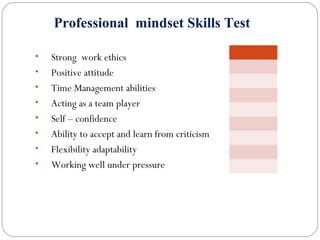
Professional mindset Skills Test
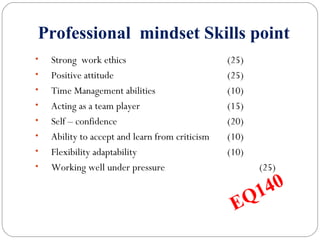
Professional mindset Skills point
• Strong work ethics (25)
• Positive attitude (25)
• Time Management abilities (10)
• Acting as a team player (15)
• Self – confidence (20)
• Ability to accept and learn from criticism (10)
• Flexibility adaptability (10)
• Working well under pressure (25)
EQ140
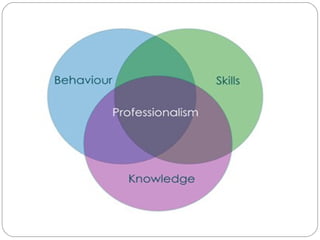
Professionalism
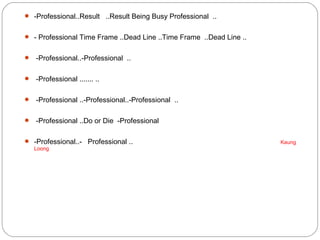
 -Professional..Result ..Result Being Busy Professional ..
 - Professional Time Frame ..Dead Line ..Time Frame ..Dead Line ..
 -Professional..-Professional ..
 -Professional ....... ..
 -Professional ..-Professional..-Professional ..
 -Professional ..Do or Die -Professional
 -Professional..- Professional .. Kaung
Loong
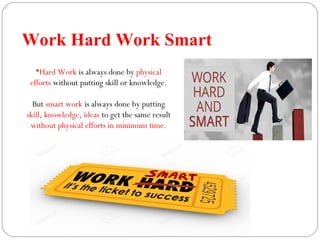
Work Hard Work Smart
Hard Work is always done by physical
efforts without putting skill or knowledge.
But smart work is always done by putting
skill, knowledge, ideas to get the same result
without physical efforts in minimum time.
Thank You

Pro development for soft skill

  • 1.
    Htain Lin kyaw PME-HR(SVC) Diploma in Business management & Administration (ICM –UK) Diploma in Human Resource (Alison) Professional Development For Soft Skill
  • 2.
    How do youdevelop professionally?  By reflecting on your practice  By attending talks,workshops and seminars  By reading academic jounarls or professional literature  By attending in service training sessions and staff meetings.
  • 3.
  • 4.
     Emotional Intelligence, or EI, describes an ability or capacity to perceive, asses, and manage the emotions of one’s self , and of others.  EQ, or Emotional Quotient , is how one measures Emotional Intelligence. EQ: Emotional Quotient
  • 5.
    • Your EQhas more to do with  your success and happiness in  life than your IQ and it can be  learned.  EQ is not opposite of IQ.  It is not the triumph of heart over head.  It is the unique intersection of both.
  • 9.
    Self – Awareness •Emotional Self – Awareness • Accurate Self-Assessment • Self - Confidence
  • 10.
  • 11.
    Body Language Mastery Changeyour posture,Walking Style , hand shake & learn the secret of making people Like you.
  • 12.
    Social Awareness • Empathy •Organizational Awareness • Service Orientation
  • 13.
    Self-Management • Emotional Self-Control •Transparency • Optimism • Adaptability • Achievement Orientation • Initiative
  • 14.
    Stress Management Mind controlTechnique, Walking style, hand shake & learn the secret of making people like you.
  • 15.
    Influential Communication Skill BecomeIrresistibly Influential Communicator
  • 16.
    Presentation & PublicSpeaking Learn how to design , deliver mesmerizing presentations to any group of any size confidently.
  • 17.
  • 19.
     Relationship Management •Developing Others • Inspirational Leadership • Influence • Change Catalyst • Conflict Management • Team work & Collaboration
  • 20.
    Important of softskills 1. Communication skill 2. Thinking skill 3. Problem solving skill 4. Life - long learning 5. Teamwork force 6. Information Management 7. Entrepreneur skill 8. Ethics ,moral & Professionalism 9. Leadership skill
  • 21.
    Communication skill assoft skillCommunication skill as soft skill • Communication skills form the corner stone of soft skill • Every human being has to essentially & effectively communicate with others • Effective communication is the hallmark of one’s education
  • 22.
    Common of softskill  Strong work ethics  Positive attitude  Time Management abilities  Acting as a team player  Self – confidence  Ability to accept and learn from criticism  Flexibility adaptability  Working well under pressure
  • 23.
    • Strong workethics • Positive attitude • Time Management abilities • Acting as a team player • Self – confidence • Ability to accept and learn from criticism • Flexibility adaptability • Working well under pressure Professional mindset Skills Test
  • 24.
    Professional mindset Skillspoint • Strong work ethics (25) • Positive attitude (25) • Time Management abilities (10) • Acting as a team player (15) • Self – confidence (20) • Ability to accept and learn from criticism (10) • Flexibility adaptability (10) • Working well under pressure (25) EQ140
  • 25.
  • 28.
     -Professional..Result ..ResultBeing Busy Professional ..  - Professional Time Frame ..Dead Line ..Time Frame ..Dead Line ..  -Professional..-Professional ..  -Professional ....... ..  -Professional ..-Professional..-Professional ..  -Professional ..Do or Die -Professional  -Professional..- Professional .. Kaung Loong
  • 29.
    Work Hard WorkSmart Hard Work is always done by physical efforts without putting skill or knowledge. But smart work is always done by putting skill, knowledge, ideas to get the same result without physical efforts in minimum time.
  • 30.