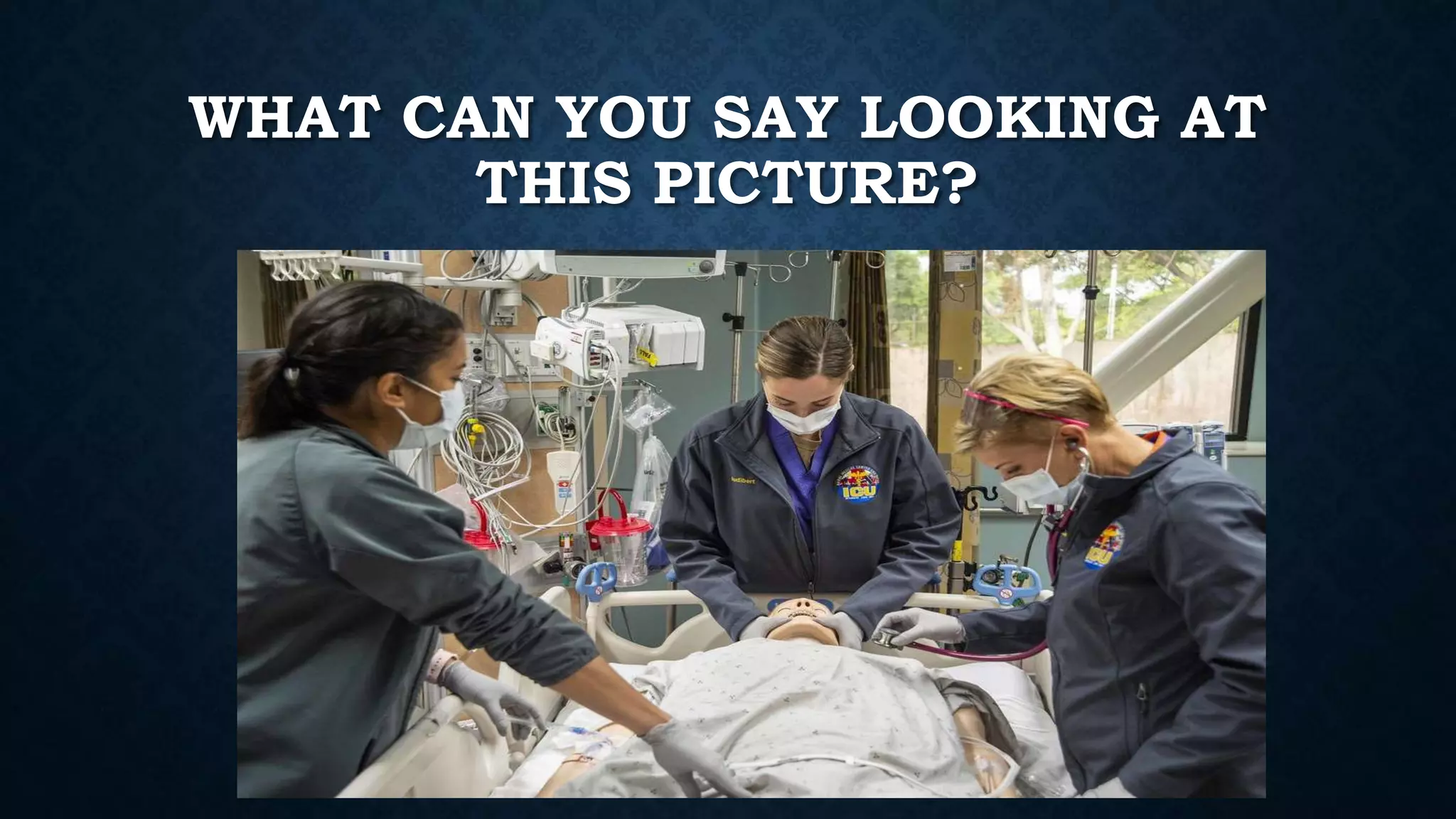
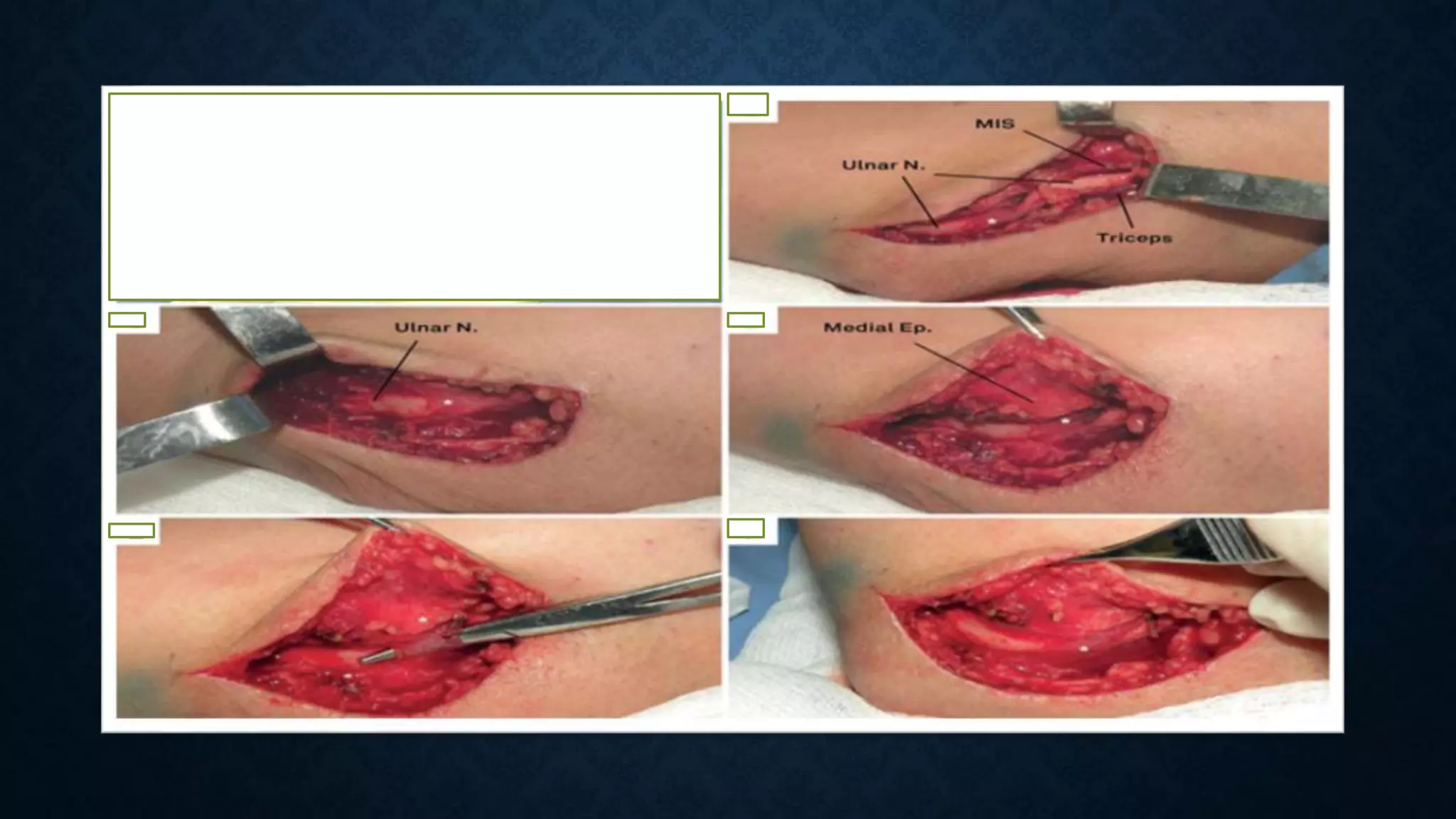
WHAT CAN YOU SAY LOOKING AT
THIS PICTURE?
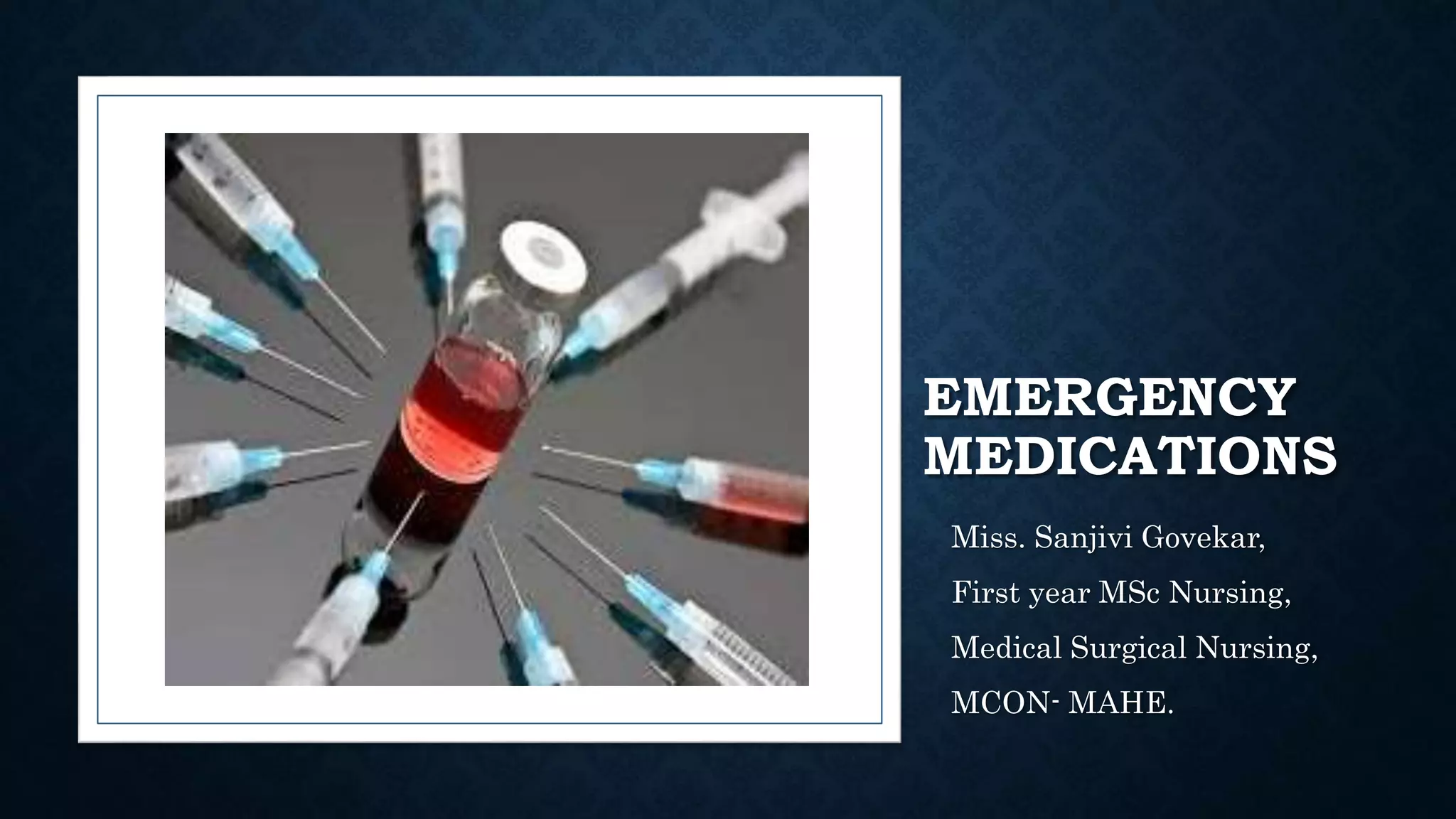
EMERGENCY
MEDICATIONS
Miss. Sanjivi Govekar,
First year MSc Nursing,
Medical Surgical Nursing,
MCON- MAHE.
OBJECTIVES:
• Introduction
• Purposes of emergence medications.
• Categories and common examples.
• Common drugs used as per systemic conditions.
• Nursing responsibility.
WHAT IS EMERGENCY?
• A medical emergency is an acute injury or illness that
poses an immediate risk to a person's life or long-term
health.
• Depending on the severity of the emergency, and the
quality of any treatment given, it may require the
involvement of multiple levels of care, from first aiders
through emergency medical technicians, paramedics,
emergency physicians and anesthesiologists.
WHAT ARE EMERGENCY MEDICATIONS?
• Emergency drugs are used in patients during life
threatening conditions so that the symptoms can be
controlled and the life of a patient can be saved.
• Emergency Drugs and Medicine requires the finest
skills to handle the patient and save his life.
PURPOSES OF EMERGENCY
MEDICATIONS:
 To provide initial treatment for broad spectrum of
illness and injuries, which may be life threatening.
 To control the symptoms of patient.
 To save the life of the patient.
 To normalize the vital bodily functions.
 To diverge the patient from the possible risks.
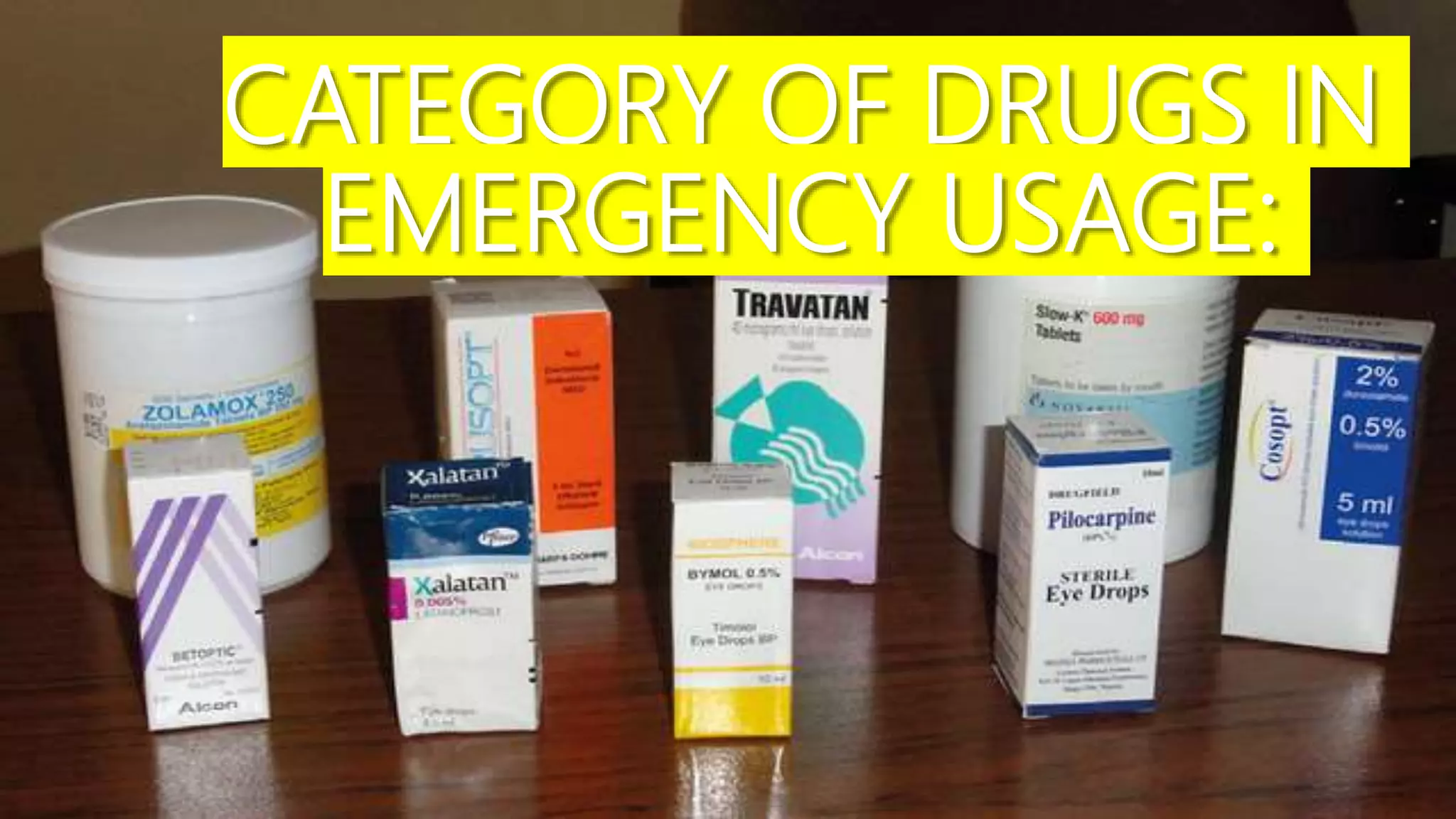
CATEGORY OF DRUGS IN
EMERGENCY USAGE:
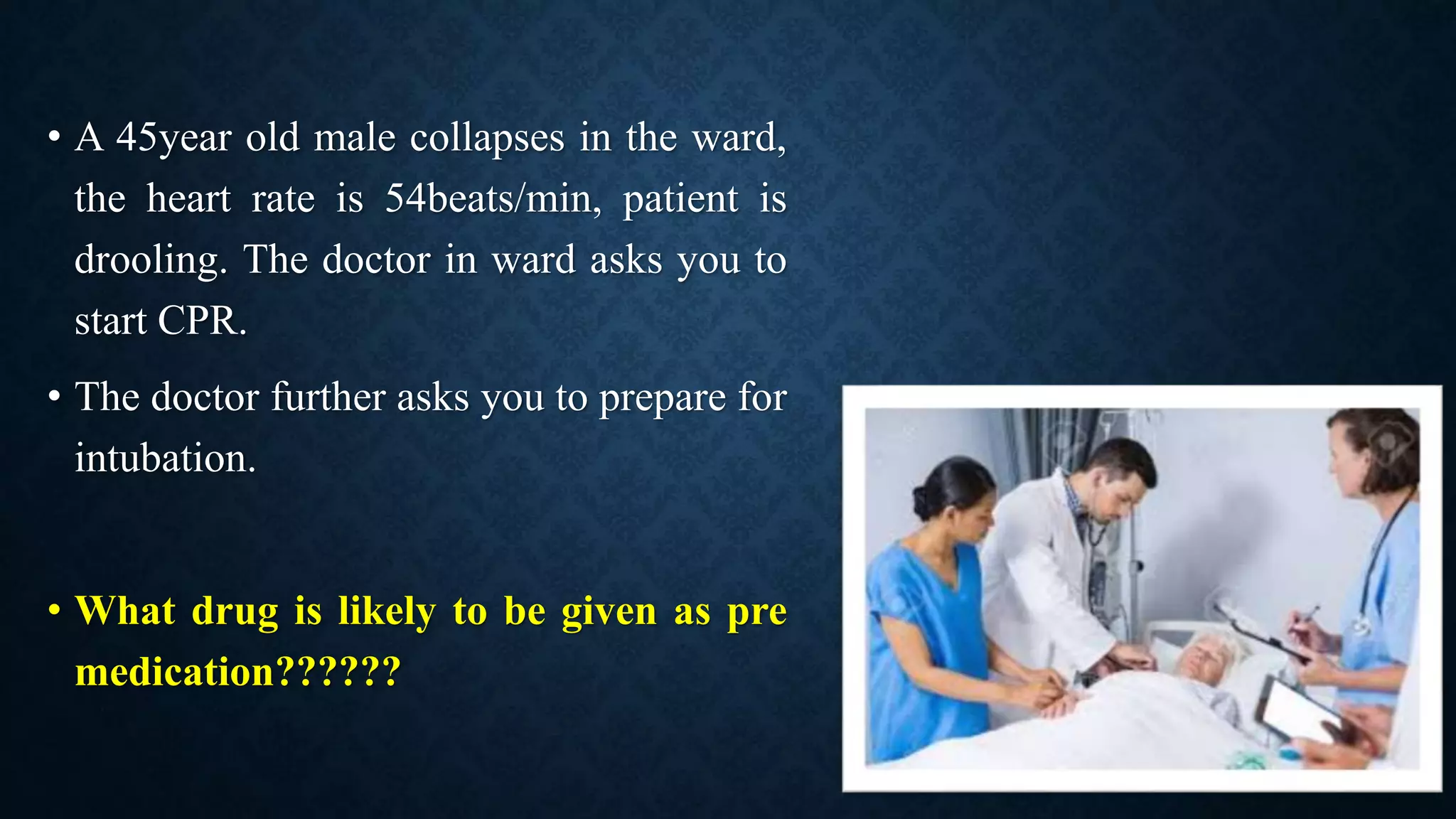
• A 45year old male collapses in the ward,
the heart rate is 54beats/min, patient is
drooling. The doctor in ward asks you to
start CPR.
• The doctor further asks you to prepare for
intubation.
• What drug is likely to be given as pre
medication??????
ANTI-
CHOLINERGICS
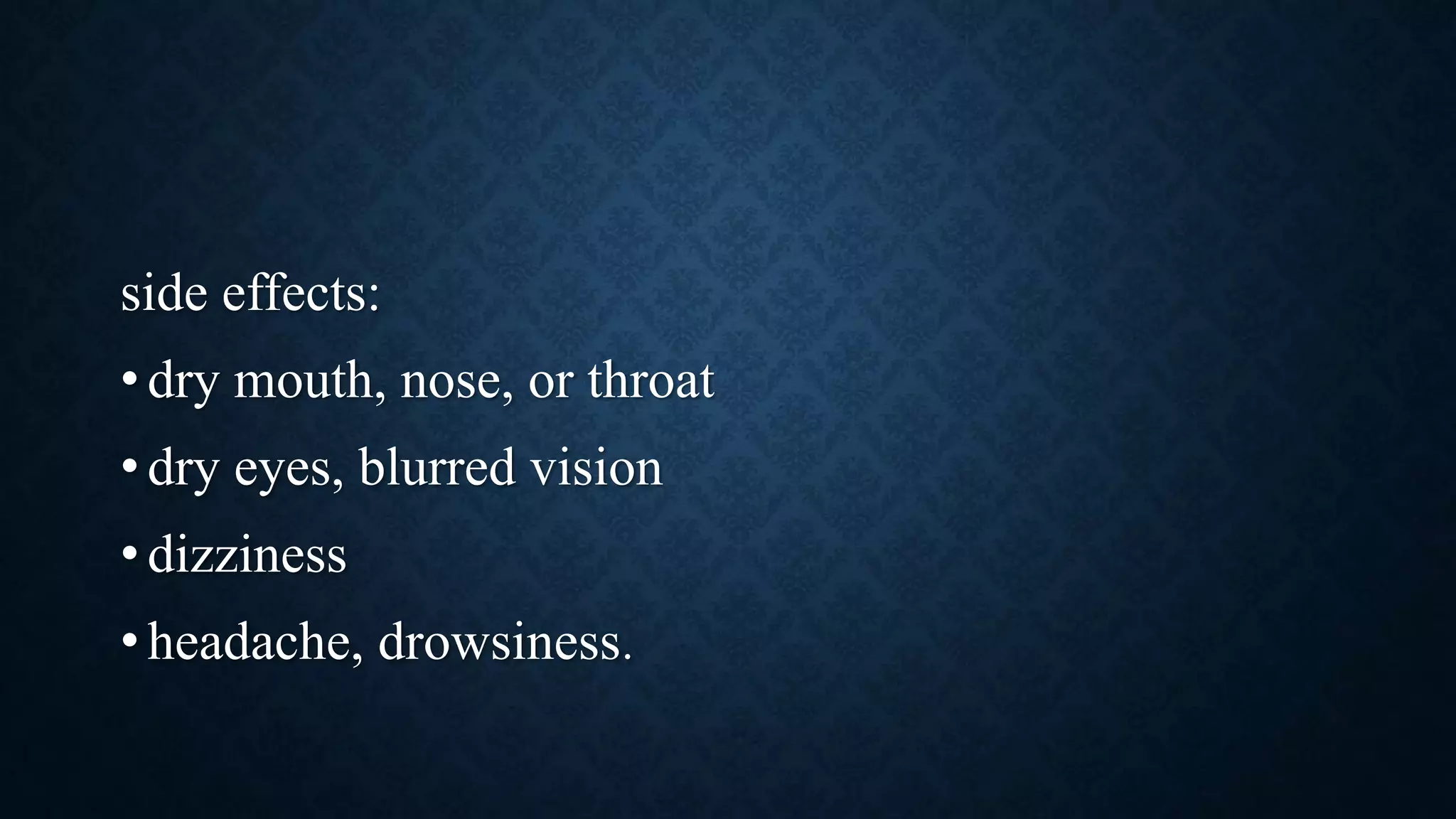
• Blocks the effects of acetylcholine at
muscarinic receptors.
• Inhibits parasympathetic actions.
• Controls involuntary muscle
movements, thus controlling salivation,
body secretions and digestion.
• Used for the treatment of
bradycardia, before intubation and
before any surgery.
side effects:
• dry mouth, nose, or throat
• dry eyes, blurred vision
• dizziness
• headache, drowsiness.
ANTI-CHOLINERGICS
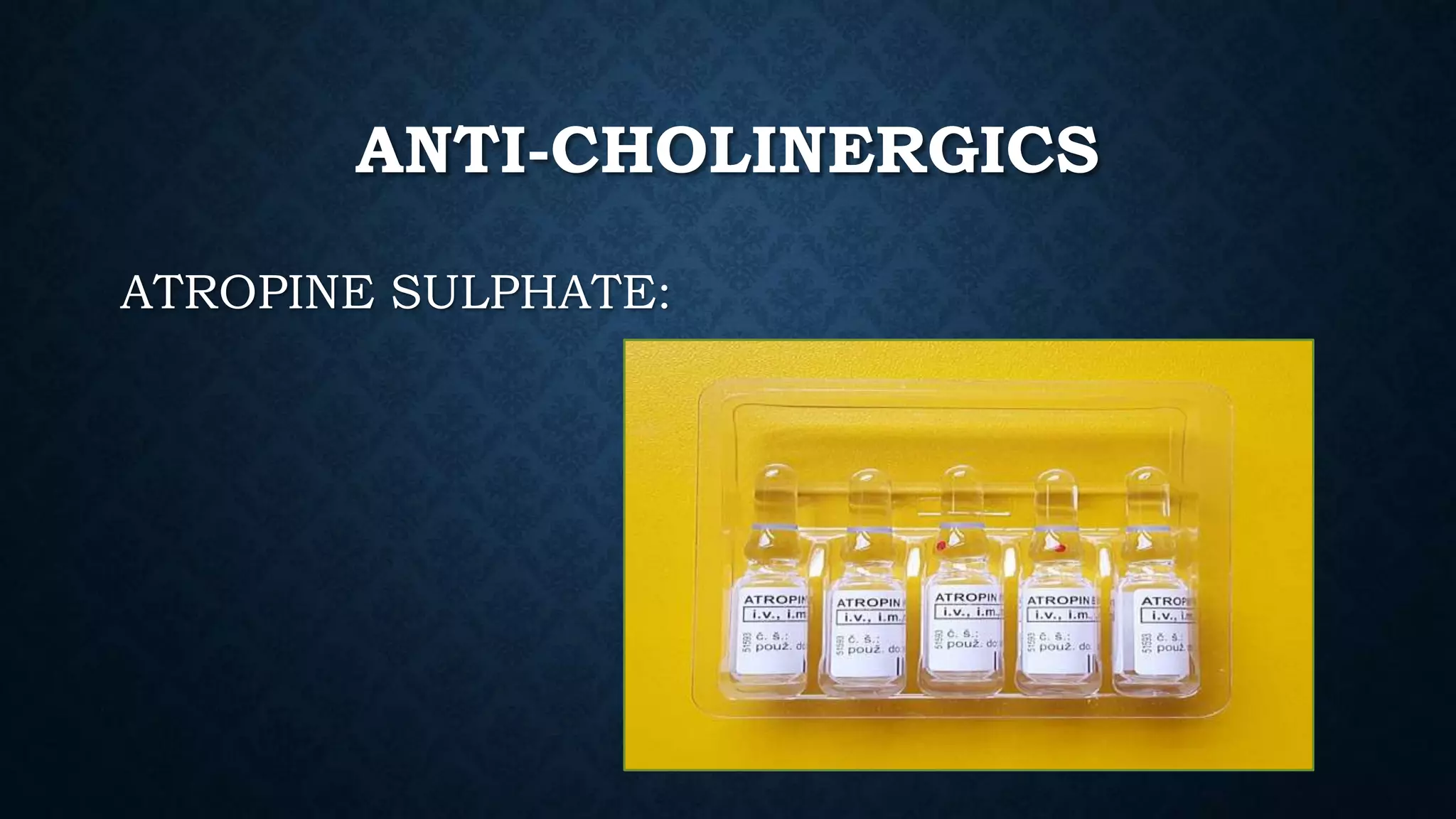
ATROPINE SULPHATE:
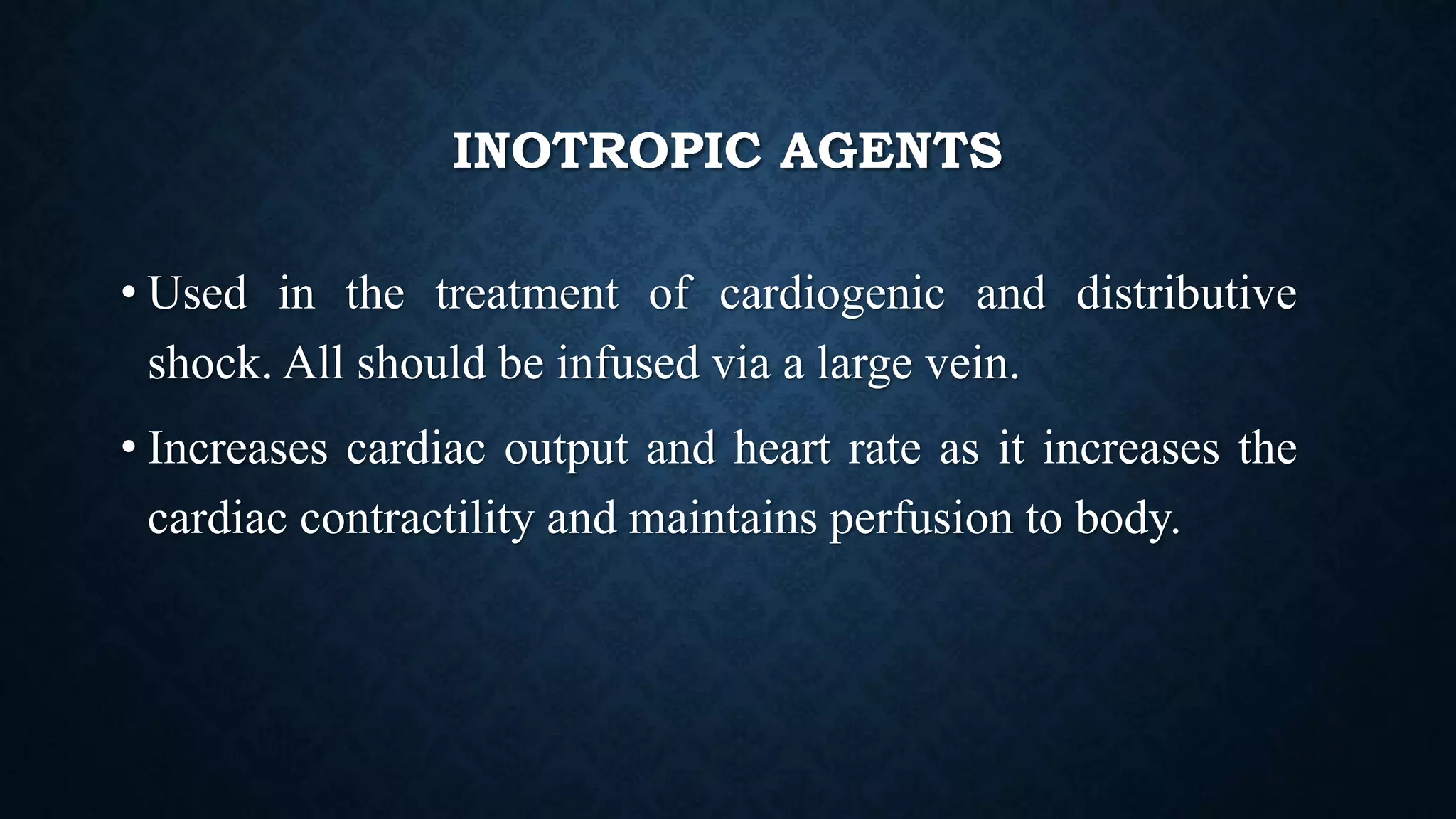
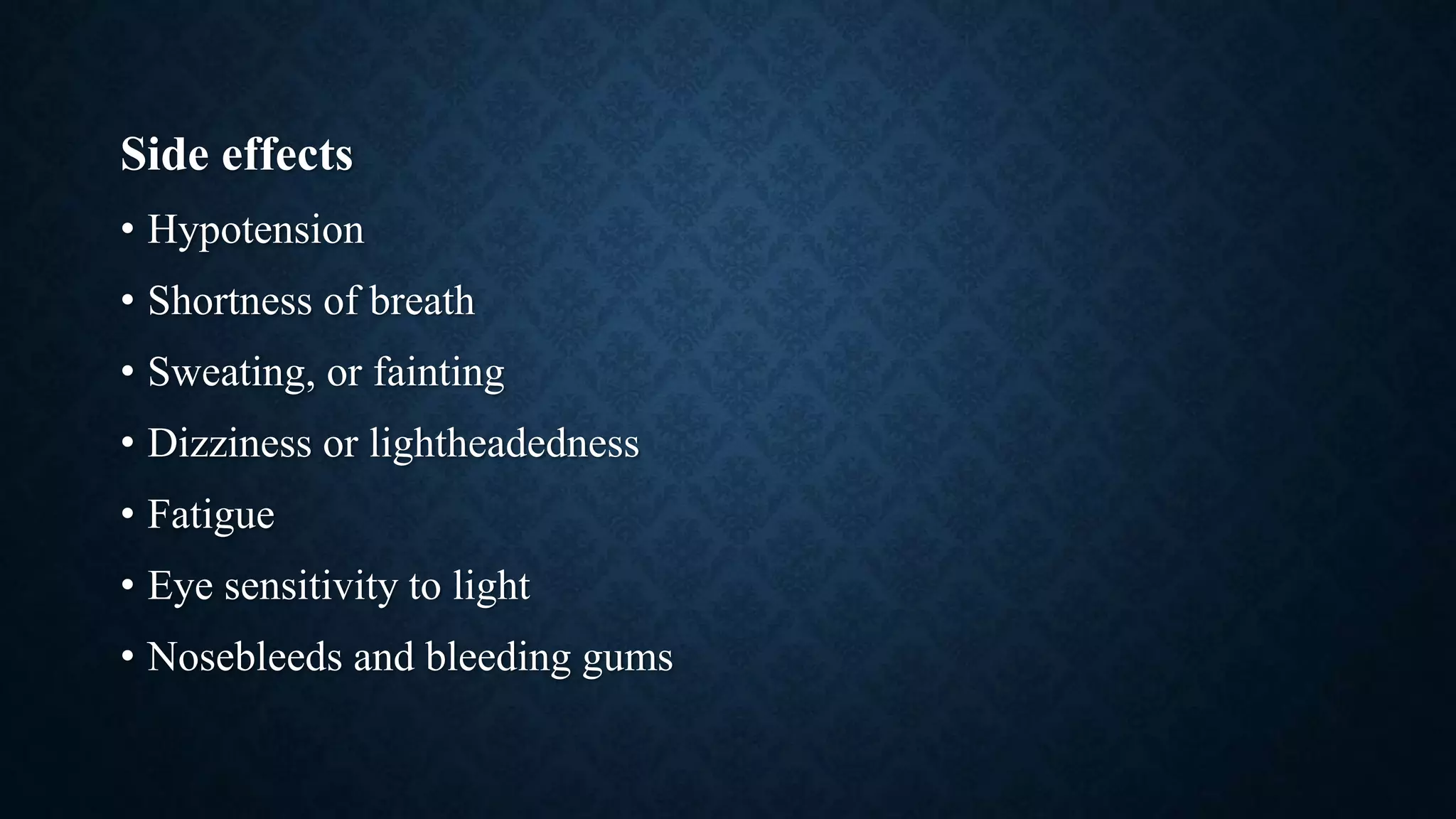
INOTROPIC AGENTS
• Used in the treatment of cardiogenic and distributive
shock. All should be infused via a large vein.
• Increases cardiac output and heart rate as it increases the
cardiac contractility and maintains perfusion to body.
Side effects
• Hypotension
• Shortness of breath
• Sweating, or fainting
• Dizziness or lightheadedness
• Fatigue
• Eye sensitivity to light
• Nosebleeds and bleeding gums
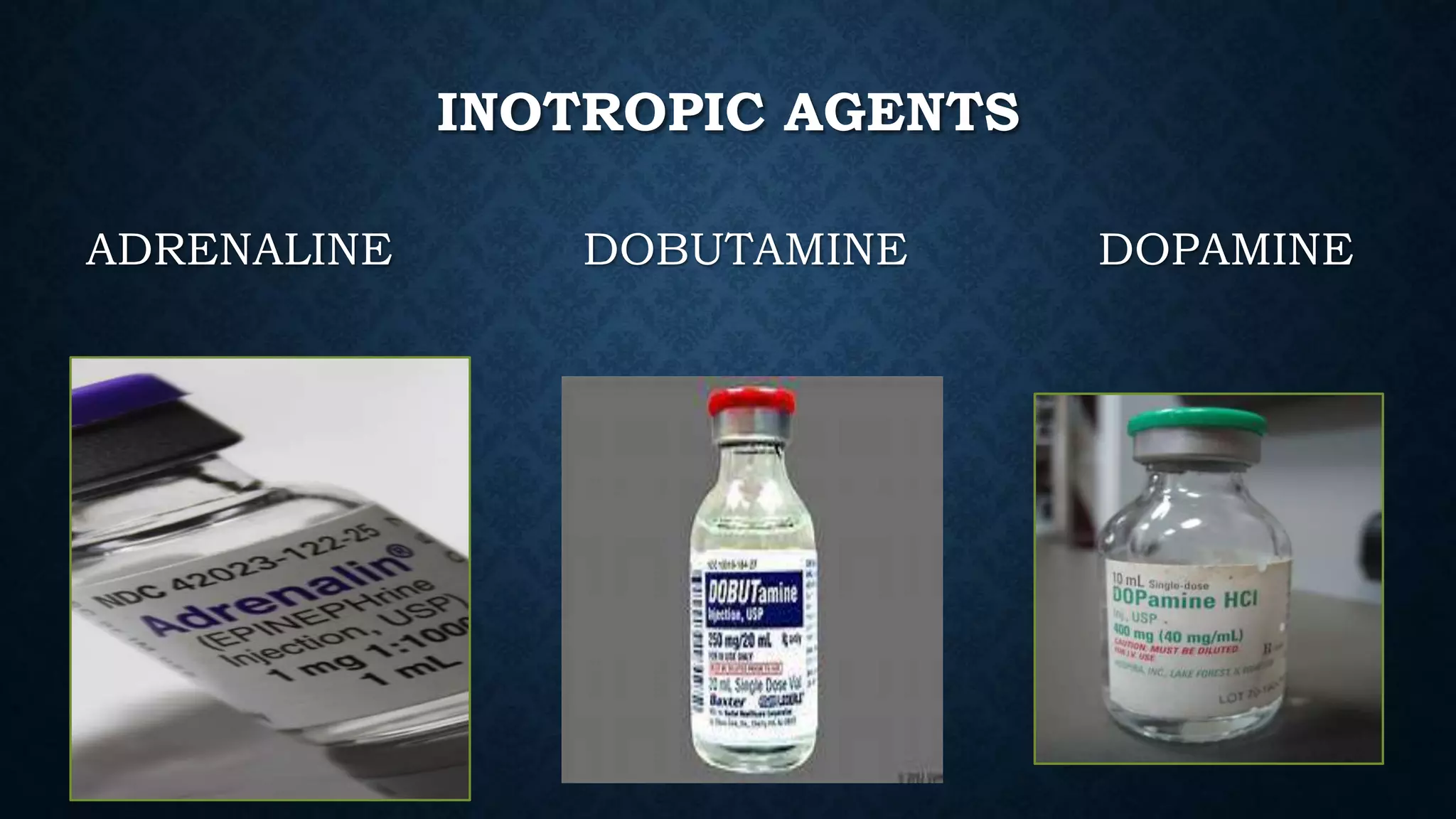
INOTROPIC AGENTS
ADRENALINE DOBUTAMINE DOPAMINE
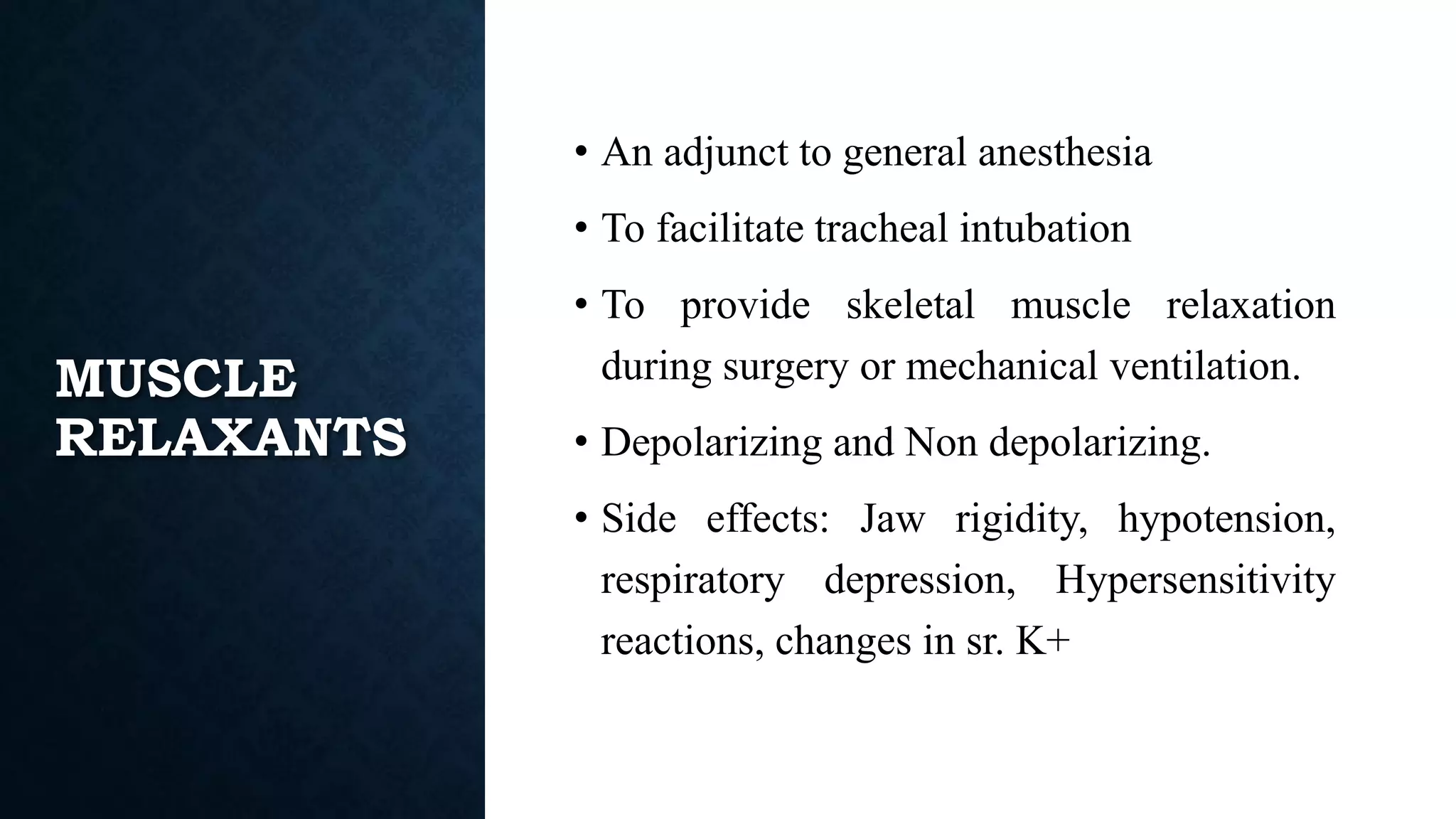
MUSCLE
RELAXANTS
• An adjunct to general anesthesia
• To facilitate tracheal intubation
• To provide skeletal muscle relaxation
during surgery or mechanical ventilation.
• Depolarizing and Non depolarizing.
• Side effects: Jaw rigidity, hypotension,
respiratory depression, Hypersensitivity
reactions, changes in sr. K+
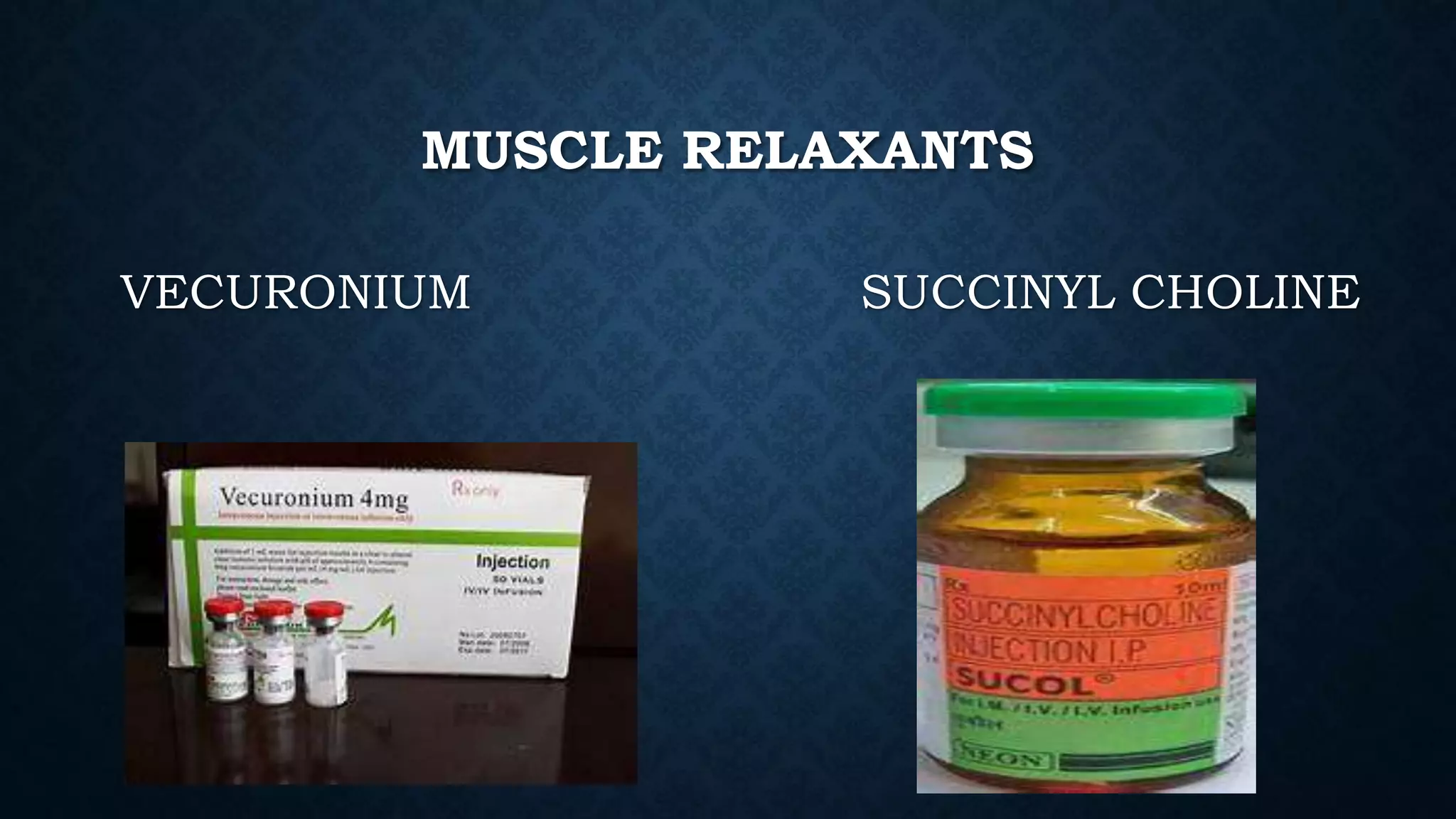
MUSCLE RELAXANTS
VECURONIUM SUCCINYL CHOLINE
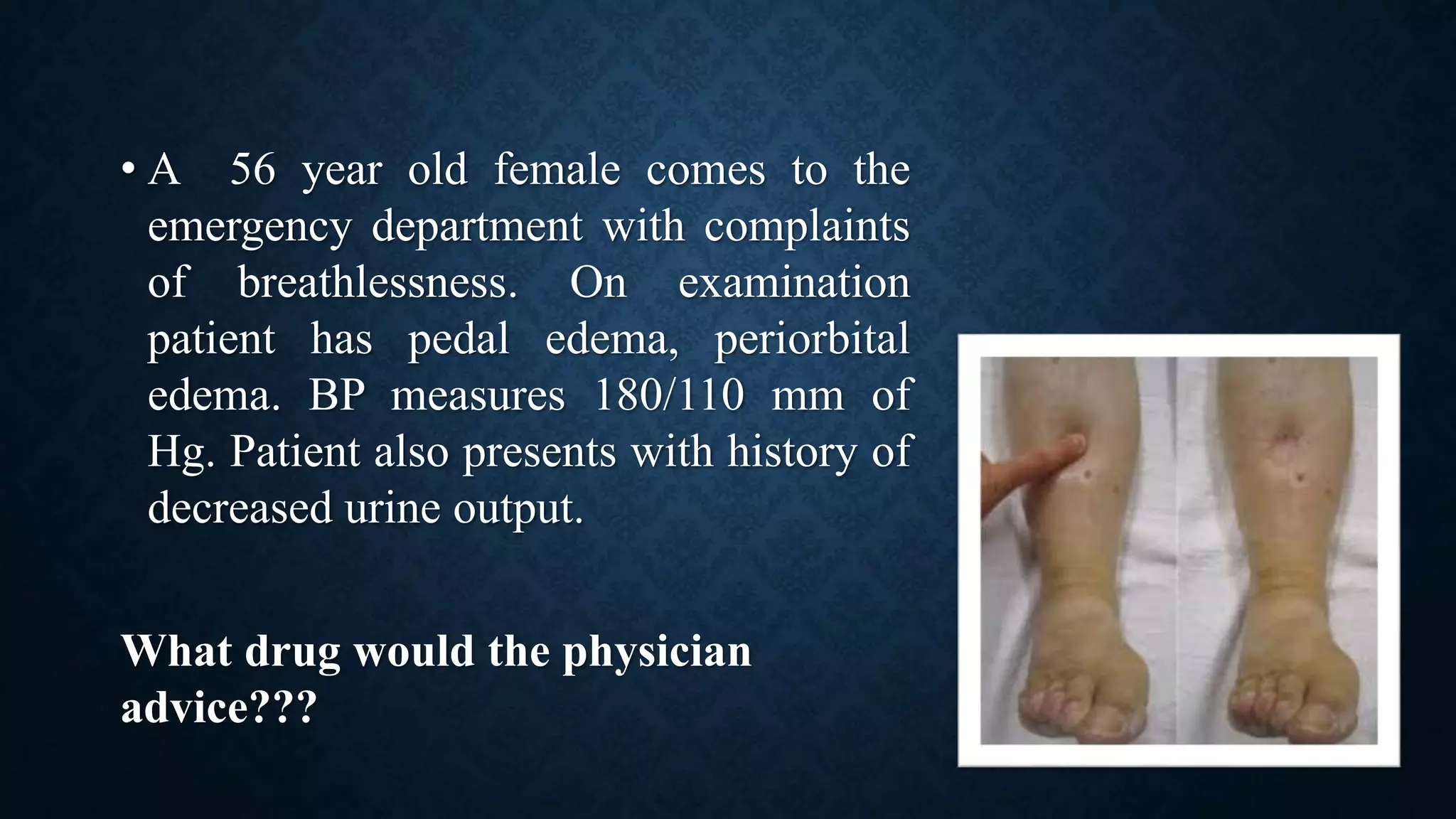
• A 56 year old female comes to the
emergency department with complaints
of breathlessness. On examination
patient has pedal edema, periorbital
edema. BP measures 180/110 mm of
Hg. Patient also presents with history of
decreased urine output.
What drug would the physician
advice???
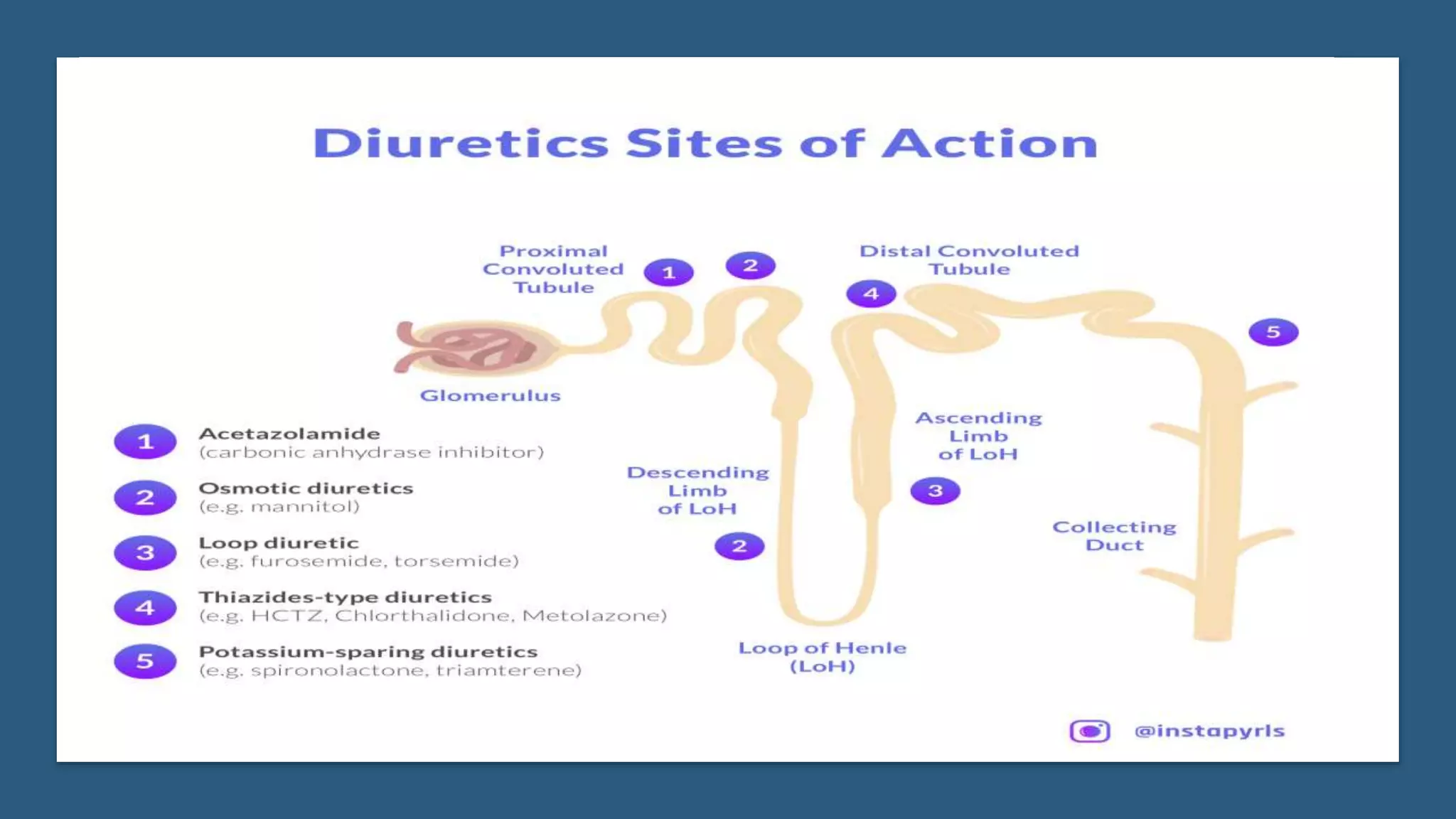
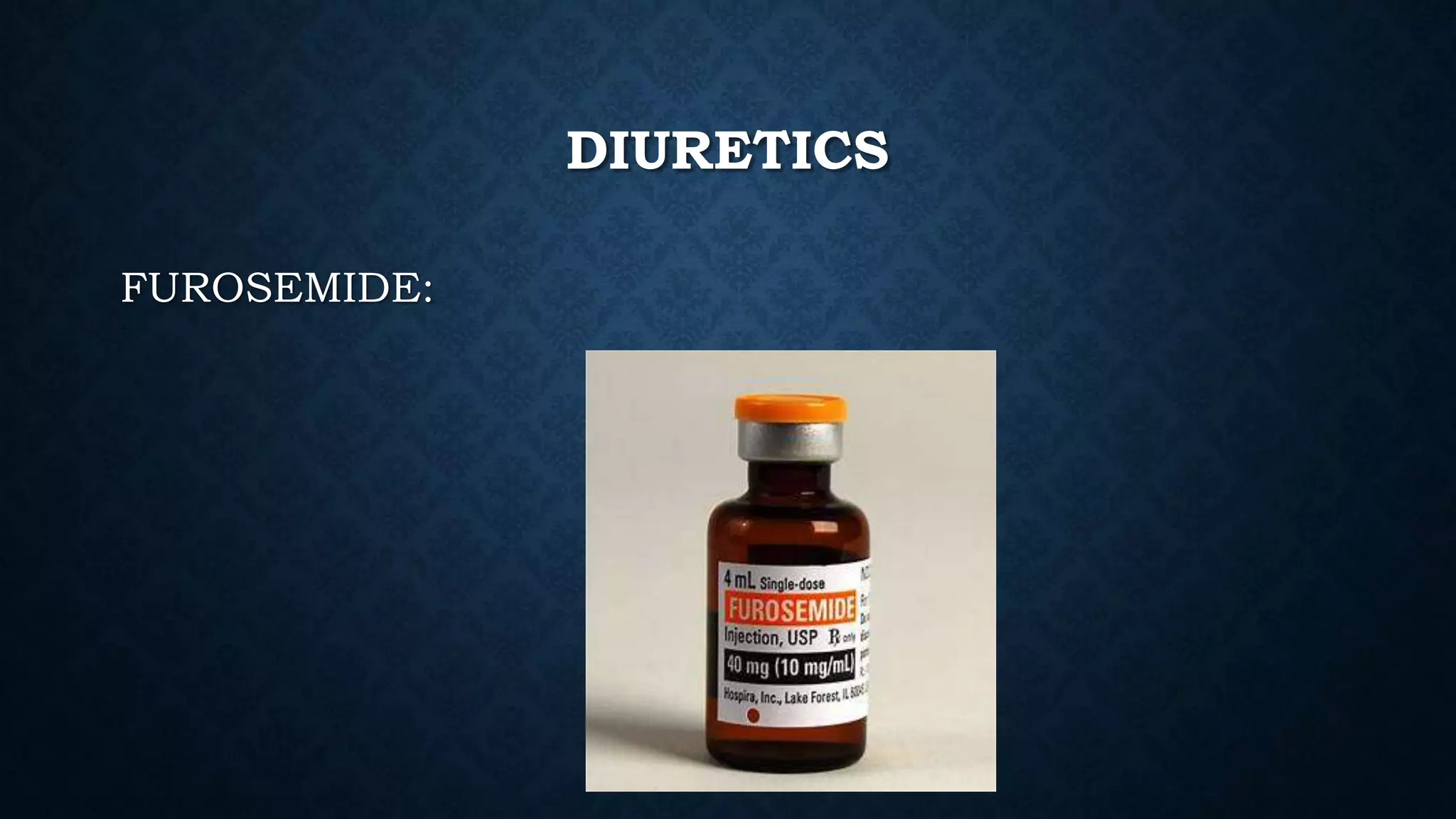
DIURETICS
• They act by diminishing sodium reabsorption at different
sites in the nephron, thereby increasing urinary sodium and
water losses.
• Thiazide, loop and potassium sparing diuretics.
Side effects
Dizziness
Headache
Dehydration
Muscle cramps
Joint disorder (gout)
Impotence
DIURETICS
FUROSEMIDE:
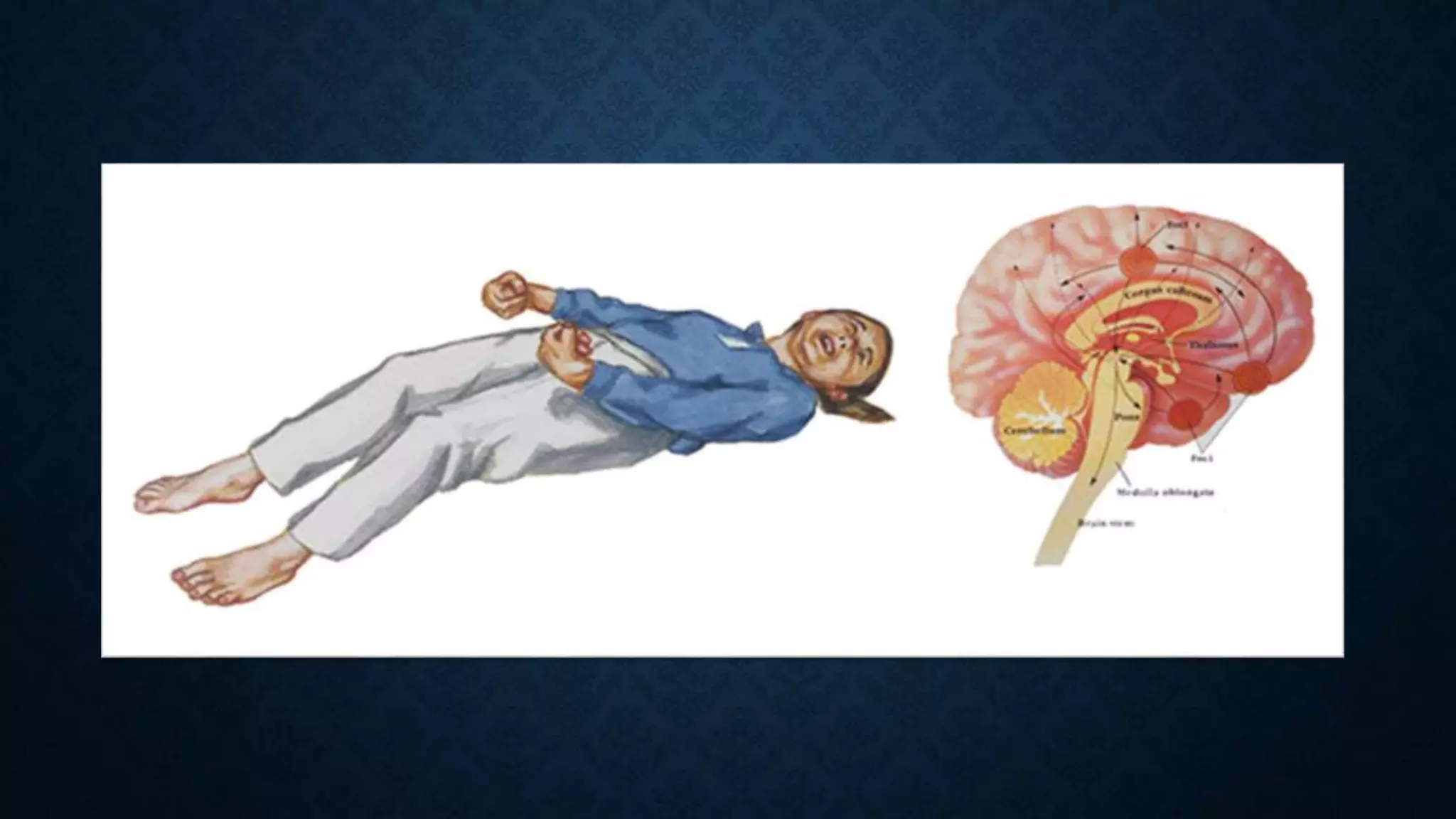
• A call was sent to medical response team.
A person has fallen unconscious, frothing present,
blank staring and shows contraction of extremities.
On arrival of the emergency team what would be the
drug to be started as emergency management???
ANTI-
EPILEPTICS
• Enhances function of GABA receptors,
and blocks neuronal channel to brain.
• Used in Generalized tonic-clonic (GTC),
simple partial (SP) and complex partial
(CP) seizures, Status epilepticus.
• Side effects: Drowsiness, Ataxia,
Dizziness, Blurred vision, Headache,
Nausea, Vomiting, Diarrhoea,
Constipation.
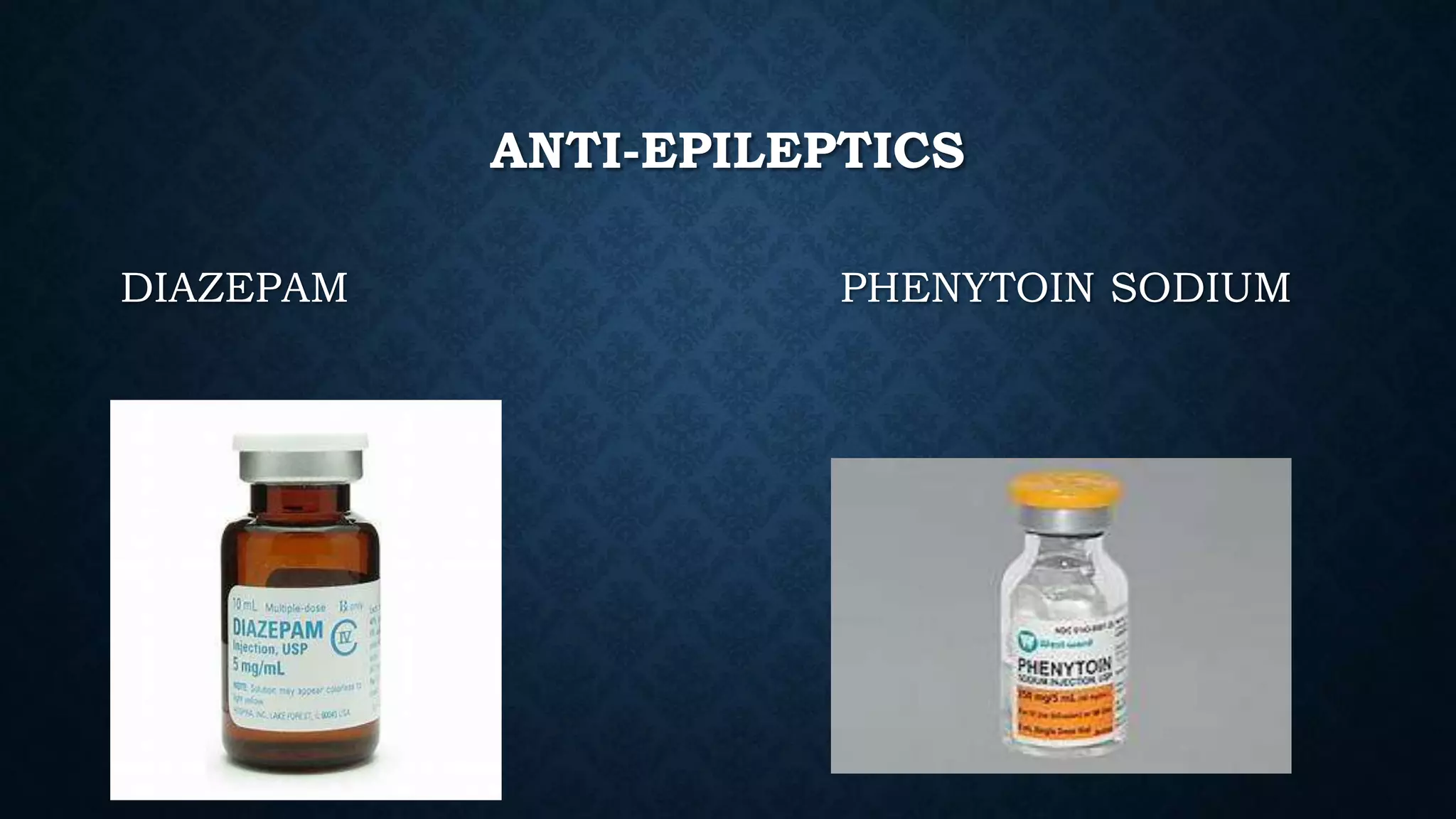
ANTI-EPILEPTICS
DIAZEPAM PHENYTOIN SODIUM
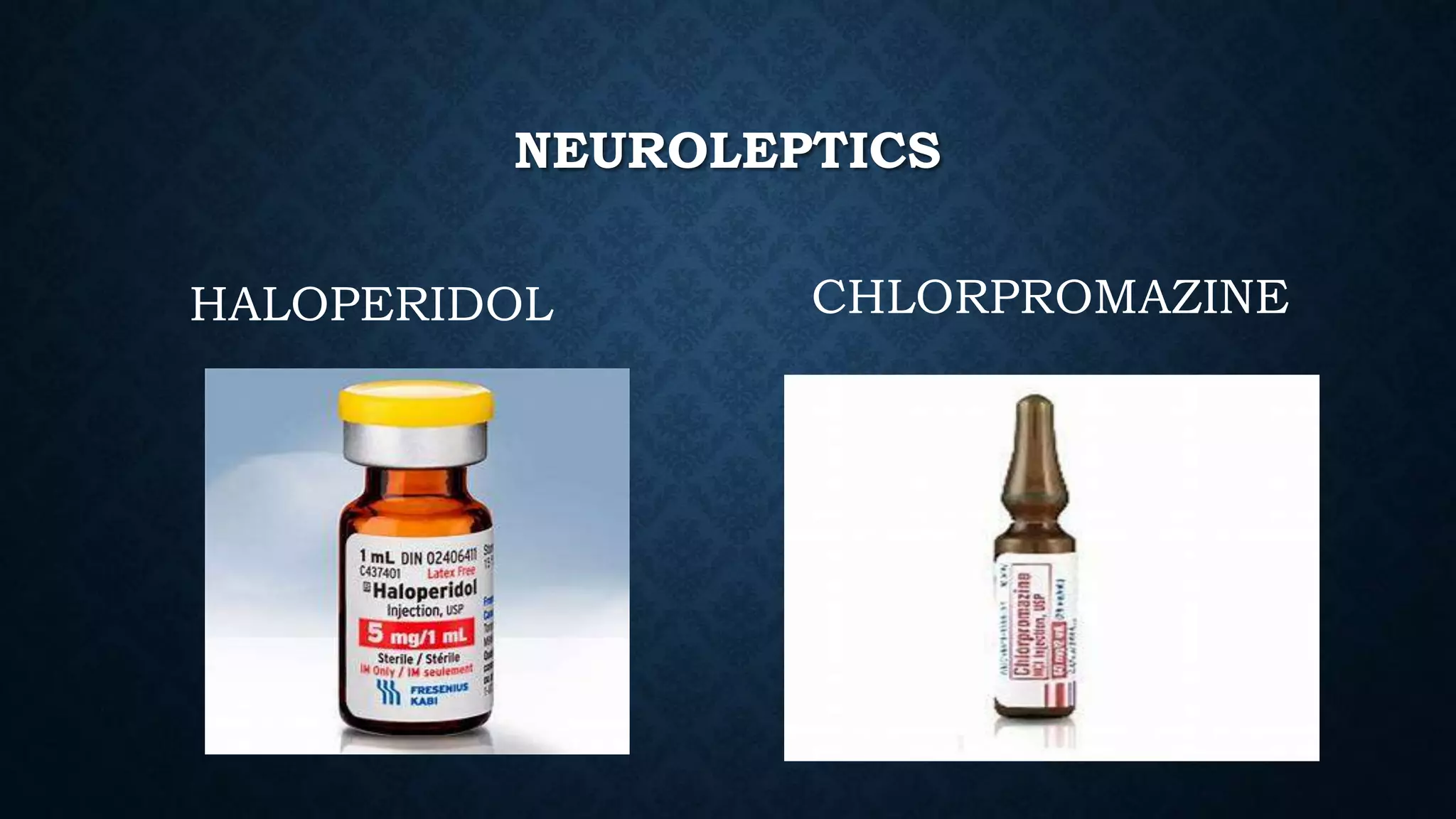
NEUROLEPTICS
• Interfere with effect of neurotransmitter in the brain thus producing
sedation effect and controls blood pressure.
Extrapyramidal side effects:
• Akathisia (motor restlessness)
• Dystonia (continuous spasms and muscle contractions)
• Muscle rigidity Parkinsonism
• Hypotension
• Blurred vision
• Constipation
• Dry mouth
• Anemia
• Headache
• Increased respiratory rate
• Orthostatic hypotension
• Prolonged QT interval
• Visual disturbances
NEUROLEPTICS
HALOPERIDOL CHLORPROMAZINE
ANTI-ASTHMATICS
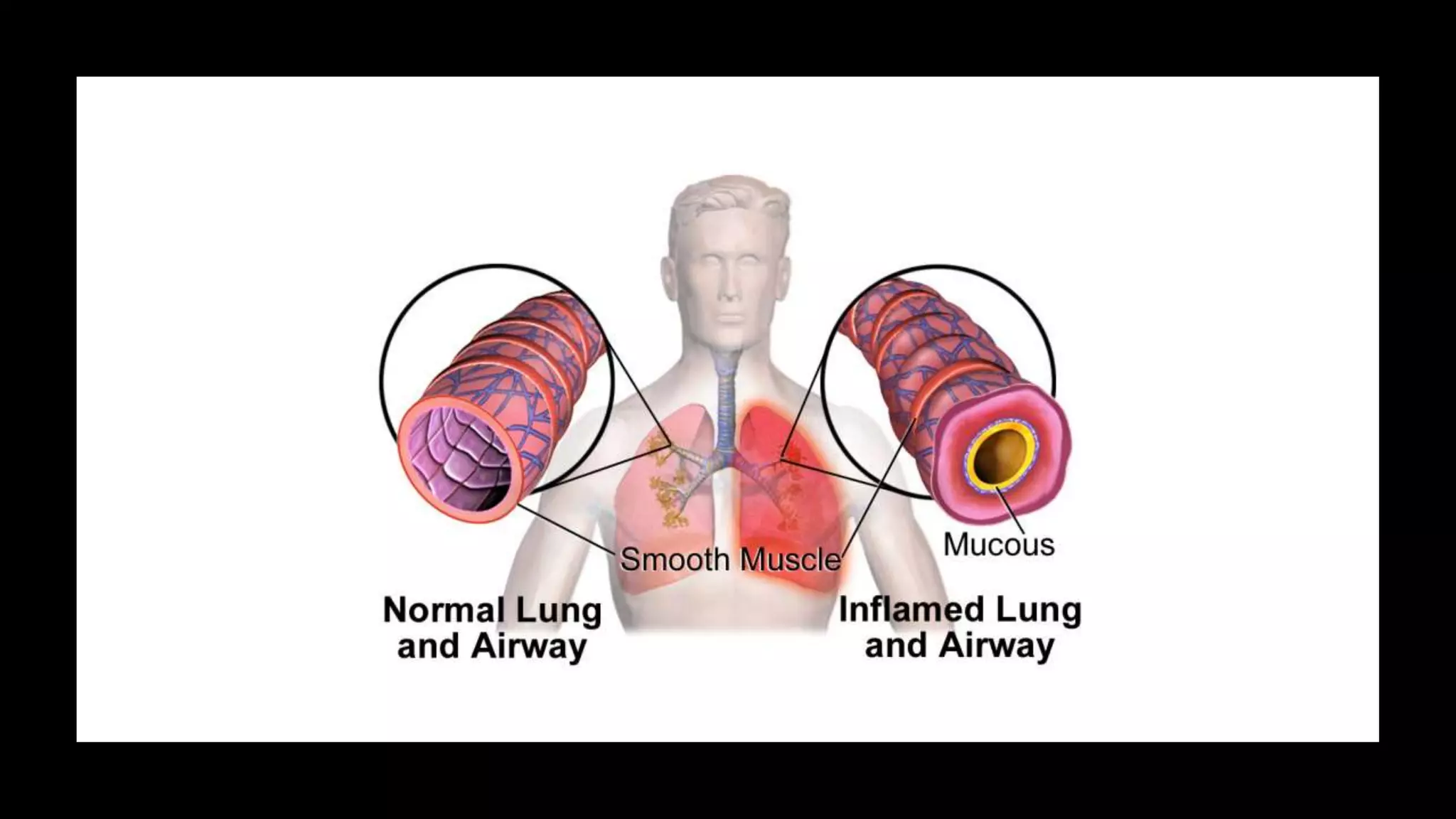
• Relaxes and enlarges the airway, by reducing bronchial
smooth muscle constriction.
• Side effects: nausea, rapid heart rate, loss or gain in appetite,
tremors, palpitations, ventricular tachycardia.
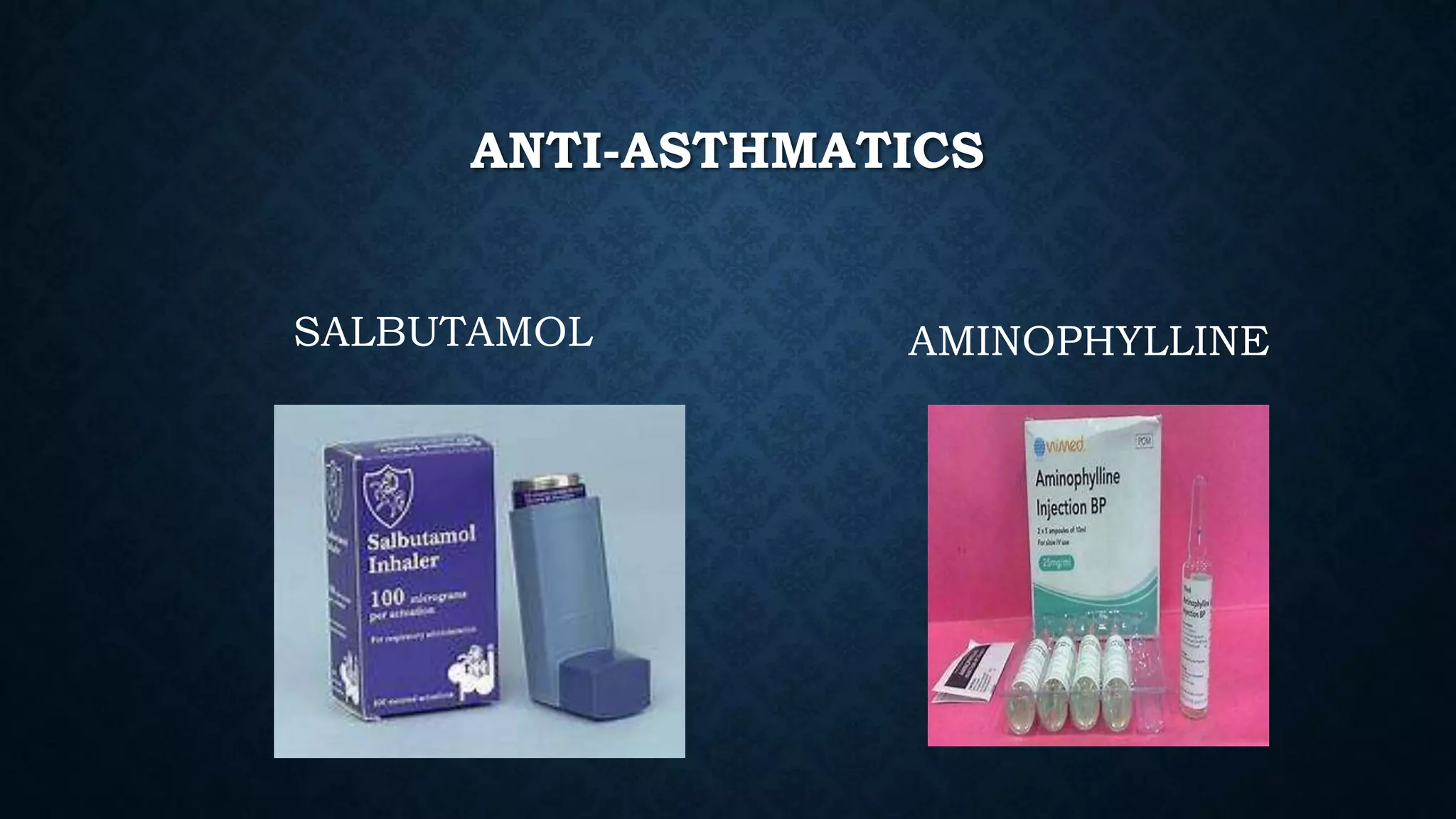
ANTI-ASTHMATICS
SALBUTAMOL AMINOPHYLLINE
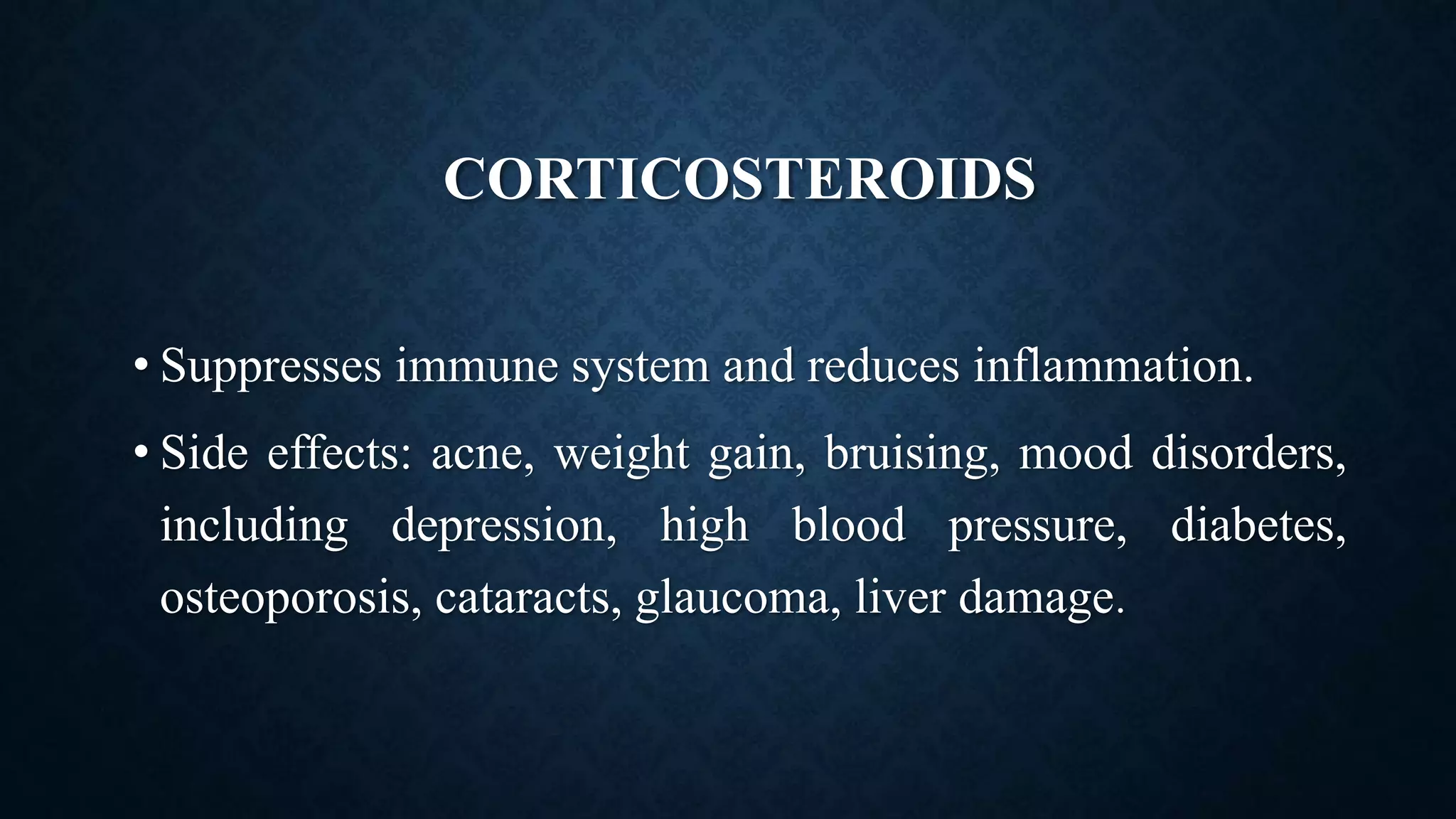
CORTICOSTEROIDS
• Suppresses immune system and reduces inflammation.
• Side effects: acne, weight gain, bruising, mood disorders,
including depression, high blood pressure, diabetes,
osteoporosis, cataracts, glaucoma, liver damage.
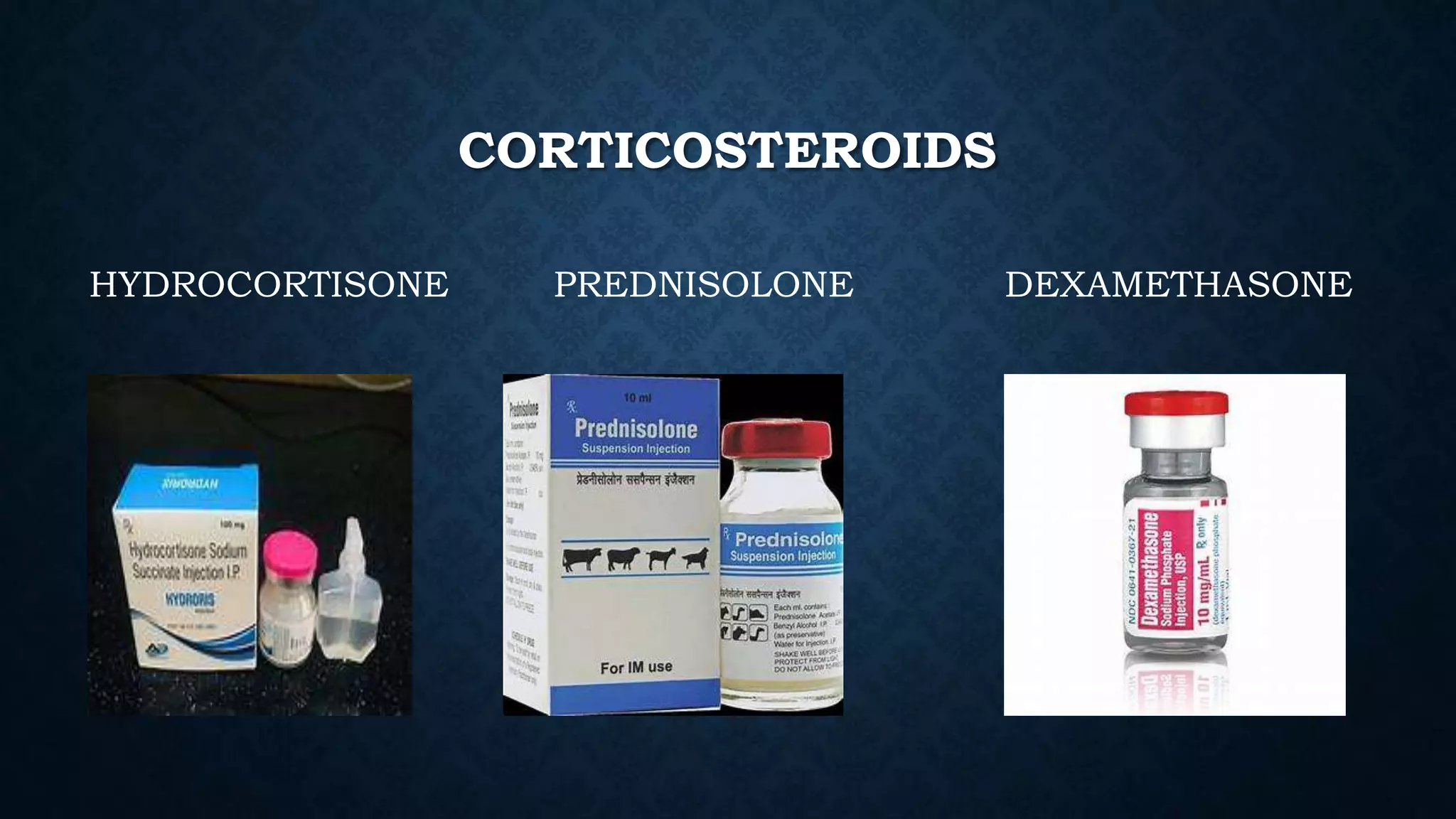
CORTICOSTEROIDS
HYDROCORTISONE PREDNISOLONE DEXAMETHASONE
You are posted as an emergency nurse, there is a case of RTA
with severe wounds.
The doctor instructs you to prepare for wound suturing with
local infiltration.
You get your suturing set ready.
What is the medication that the doctor instructs for local
infiltration?????
LOCALANESTHETICS
• Used to provide anaesthesia by local wound infiltration,
nerve blocks or regional techniques.
• Side-effects: seizures and cardiac arrhythmias.
• Lignocaine is the agent of choice for local wound
infiltration.
• A concentration of 2% Lignocaine with adrenaline helps
control bleeding and also extends the duration of
anaesthesia.
LOCAL ANESTHETICS
LIGNOCAINE 2% LIGNOCAINE WITH ADRENALINE
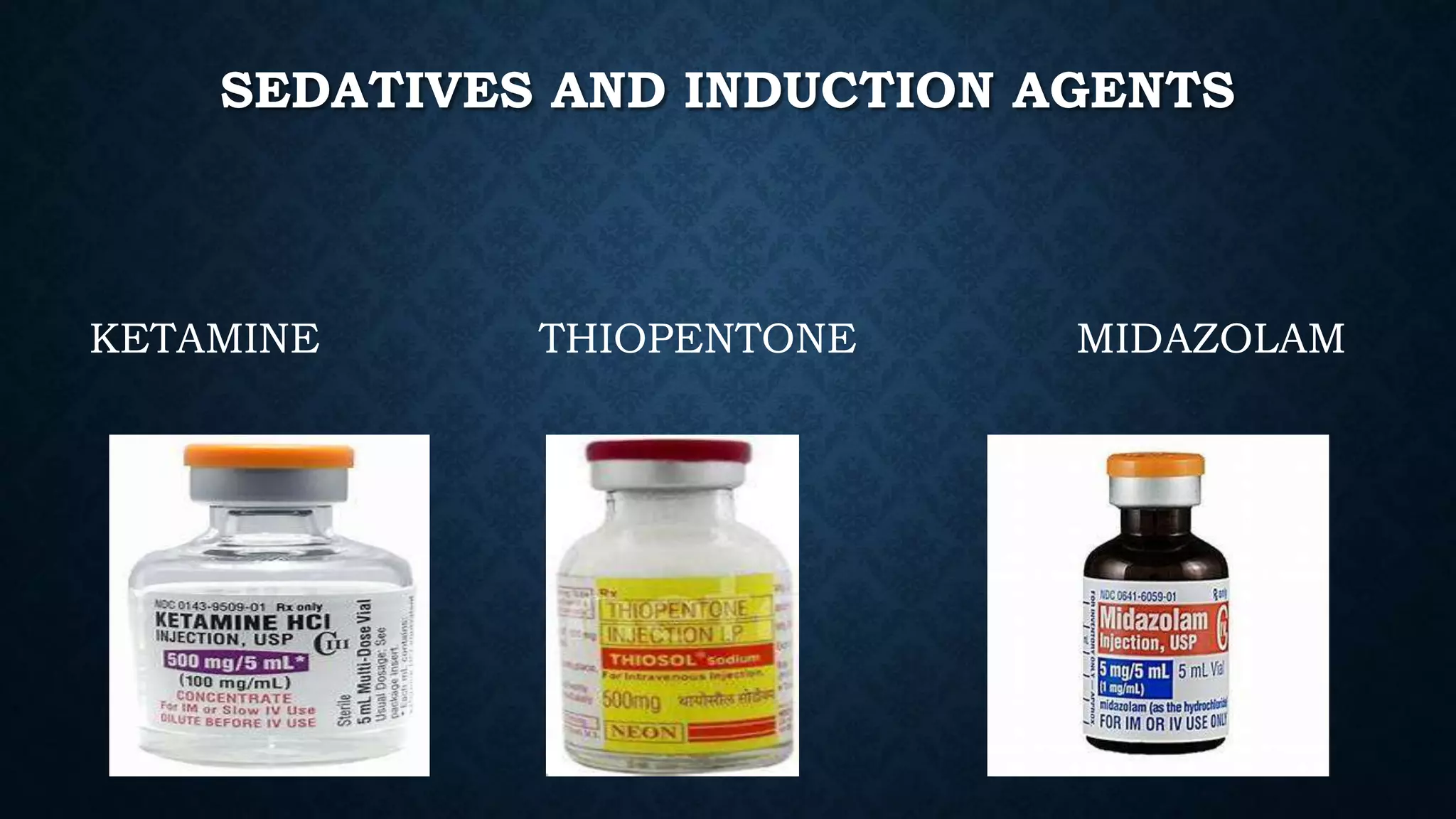
SEDATIVES AND INDUCTION AGENTS
• Used to depress the conscious state either for sedation or
general anaesthesia.
• Adverse effects include increased salivation, laryngospasm,
raised intracranial pressure and unpleasant hallucinations
after recovery of consciousness.
SEDATIVES AND INDUCTION AGENTS
KETAMINE THIOPENTONE MIDAZOLAM
OPIOID ANALGESICS
• Decreases both acute and chronic pain transmission to
the brain by causing activation of the descending
nerve fibers.
• Side effects of these drugs are respiratory depression,
hypotension and nausea.
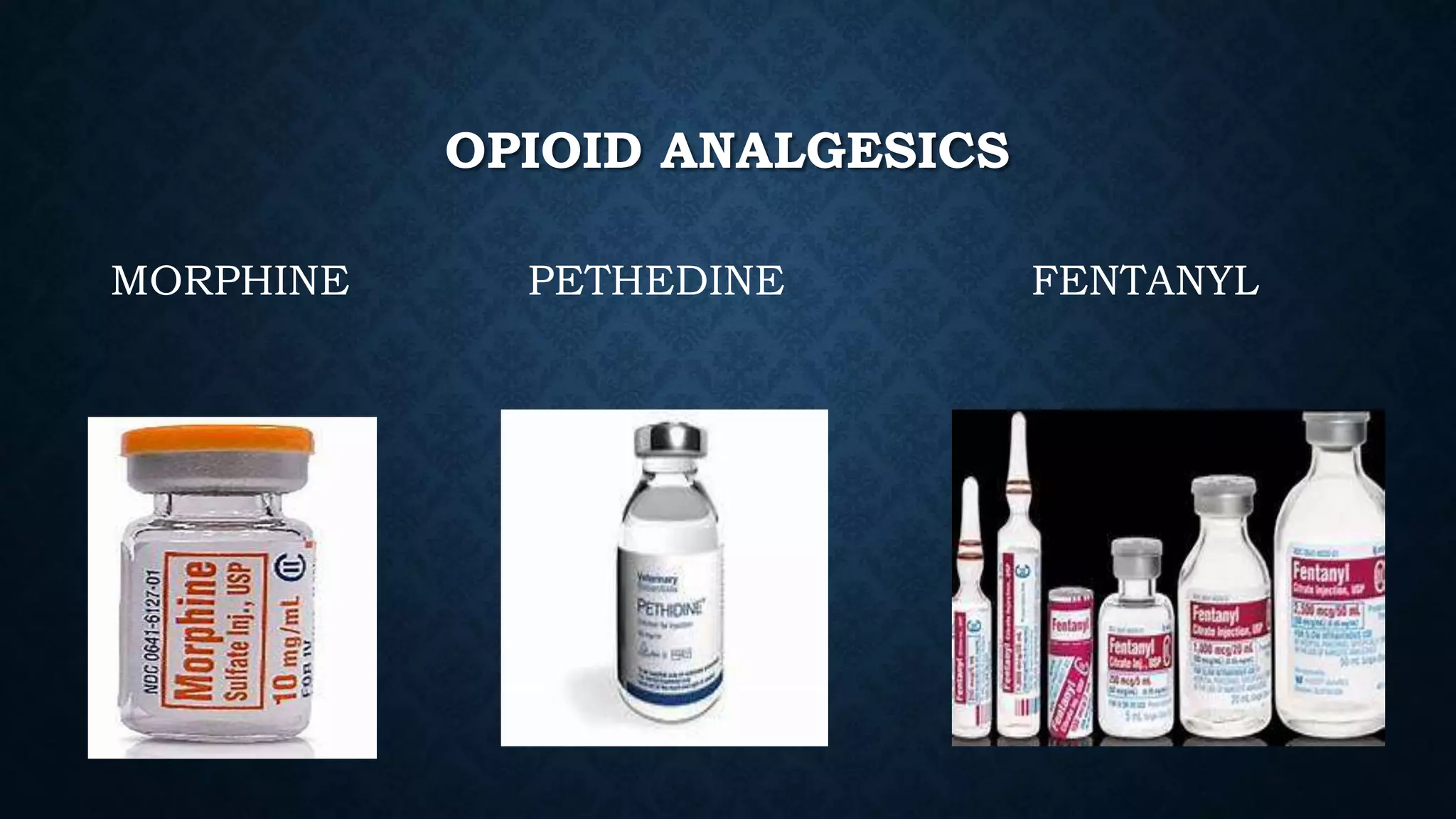
OPIOID ANALGESICS
MORPHINE PETHEDINE FENTANYL
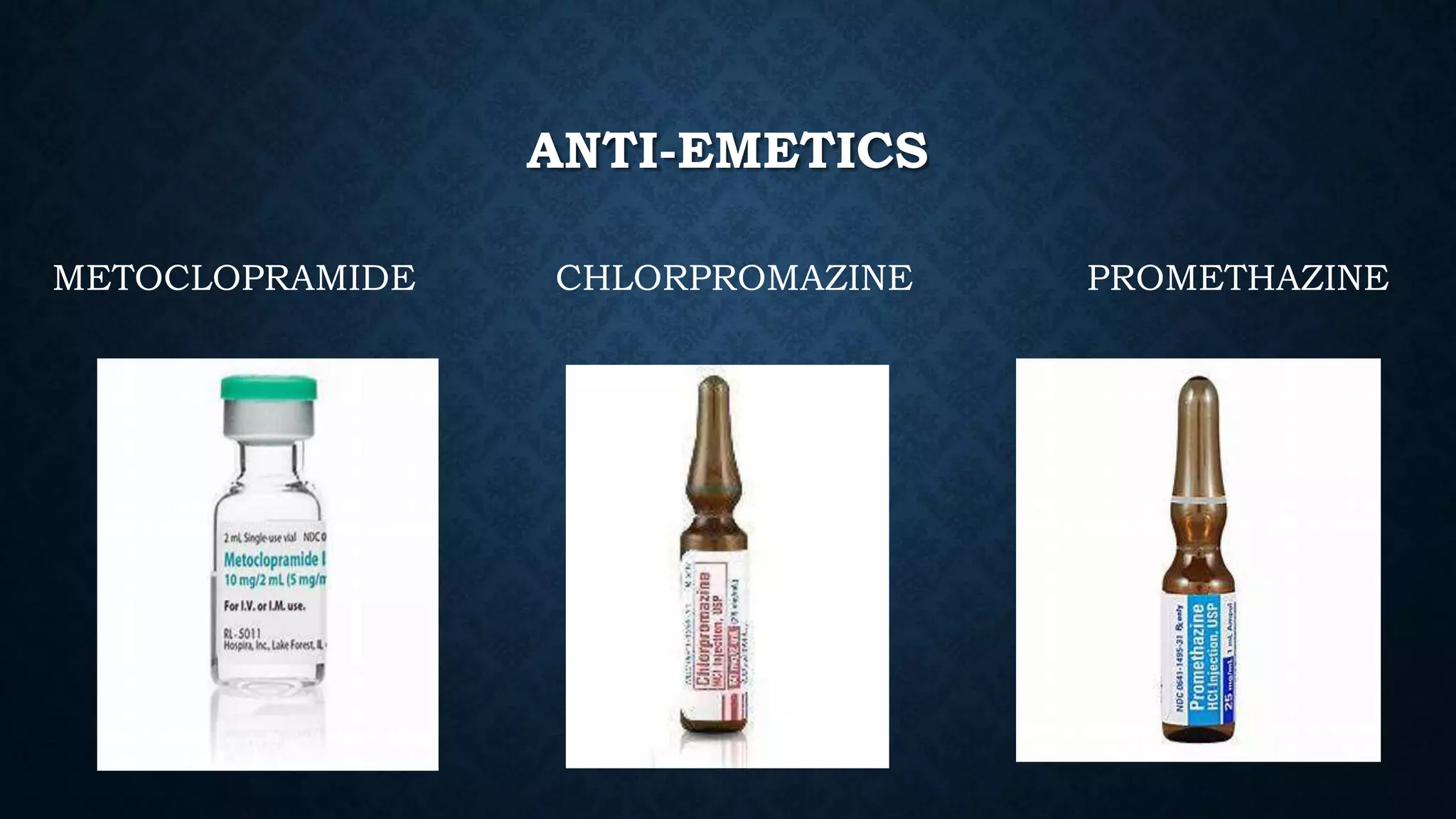
ANTI-EMETICS
• Used to treat motion sickness and the side effects of
opioid analgesics, general anesthetics, and pre-
medications for chemotherapy directed against cancer.
• They may be used for severe cases of gastroenteritis,
especially if the patient is dehydrated.
Side effects
• Worsening of nausea or vomiting
• Severe constipation
• Muscle weakness
• Convulsions
• Loss of hearing
• Rapid heartbeat
• Severe drowsiness
• Slurred speech
• Psychological symptoms, like hallucinations or confusion
ANTI-EMETICS
METOCLOPRAMIDE CHLORPROMAZINE PROMETHAZINE
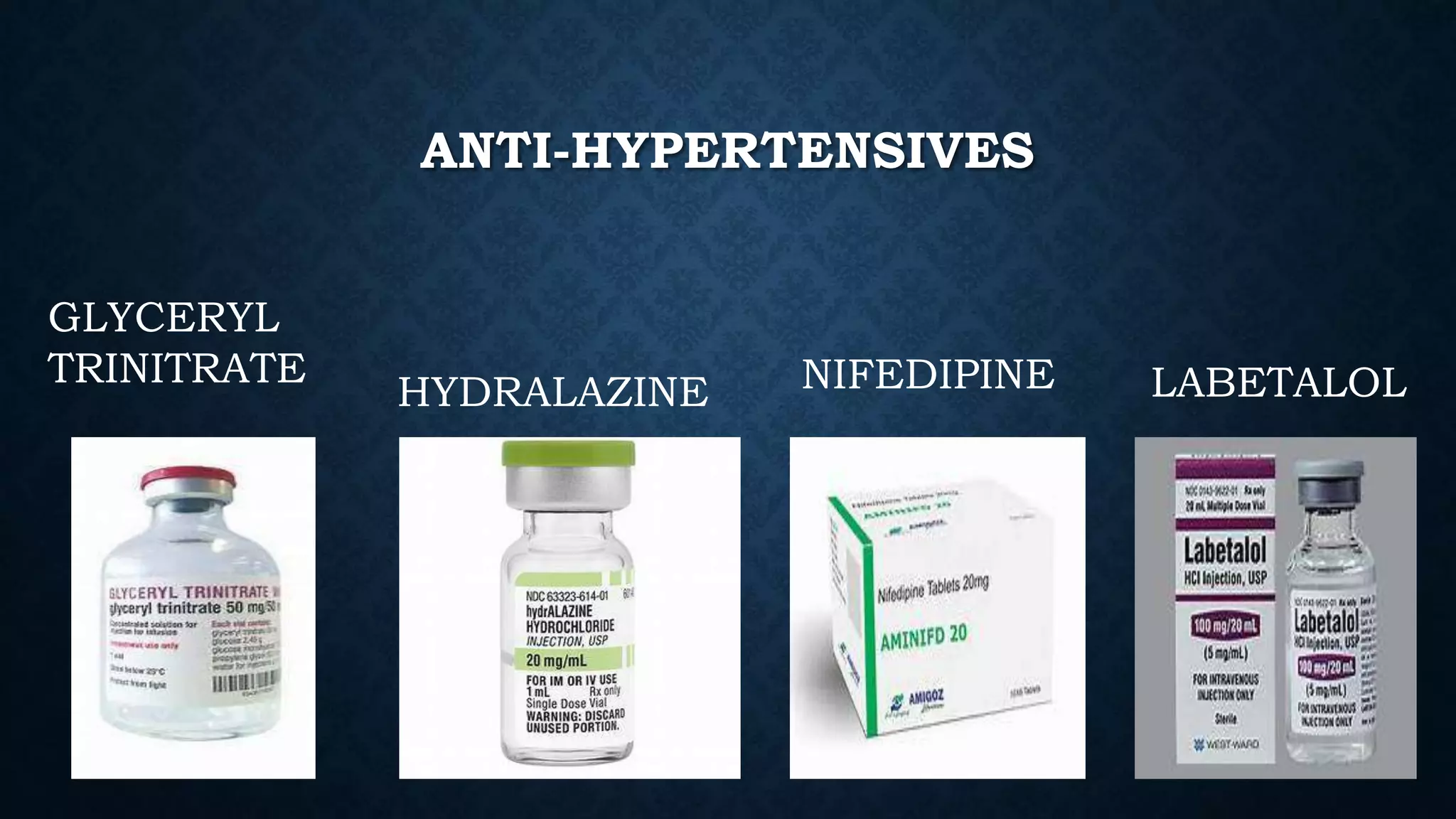
ANTI-HYPERTENSIVES
• Produces vasodilation by interfering with sympathetic
adrenergic vascular tone (sympatholytics) or by
blocking the formation of angiotensin II or its
vascular receptors.
• They reduce blood pressure, reduce systemic vascular
resistance, or reduce cardiac output by depressing
heart rate and stroke volume.
Side effects:
Bradycardia, angina, heart failure, and arrhythmias,
especially AV block, Fainting, Fluid retention, Peripheral
edema, Dizziness, Shock, Nausea and vomiting, diarrhea,
Significant constriction of the bronchioles, headache,
weakness, orthostatic hypotension, heart failure,
hypotension, peripheral edema, palpitations, and
arrhythmias such as tachycardia.
ANTI-HYPERTENSIVES
GLYCERYL
TRINITRATE
HYDRALAZINE NIFEDIPINE LABETALOL
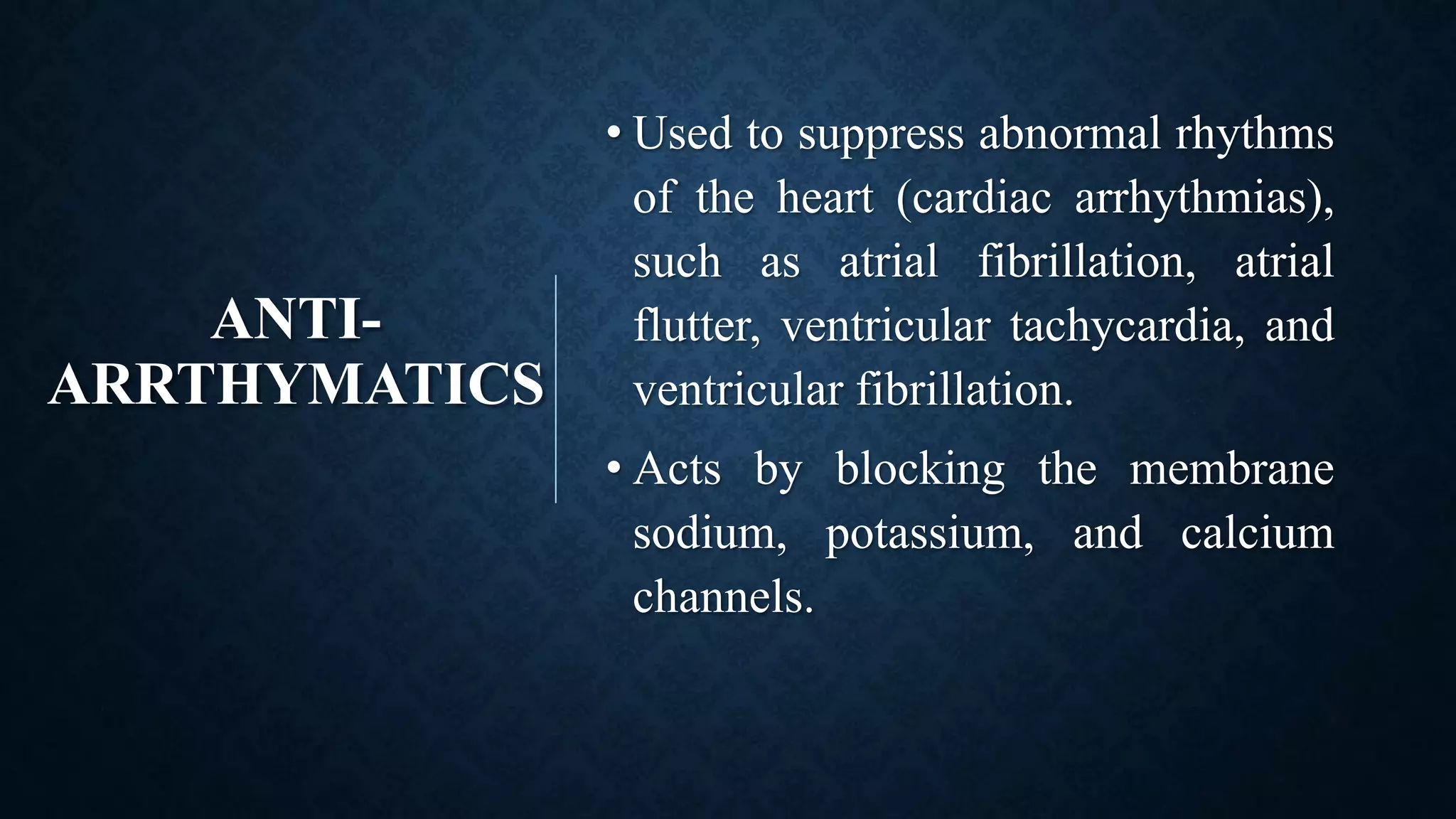
ANTI-
ARRTHYMATICS
• Used to suppress abnormal rhythms
of the heart (cardiac arrhythmias),
such as atrial fibrillation, atrial
flutter, ventricular tachycardia, and
ventricular fibrillation.
• Acts by blocking the membrane
sodium, potassium, and calcium
channels.
Side effects
• Cough or troubled breathing
• Dizziness
• Lightheadedness
• Fainting
• Trembling
• weakness in extremities
• visual disturbance.
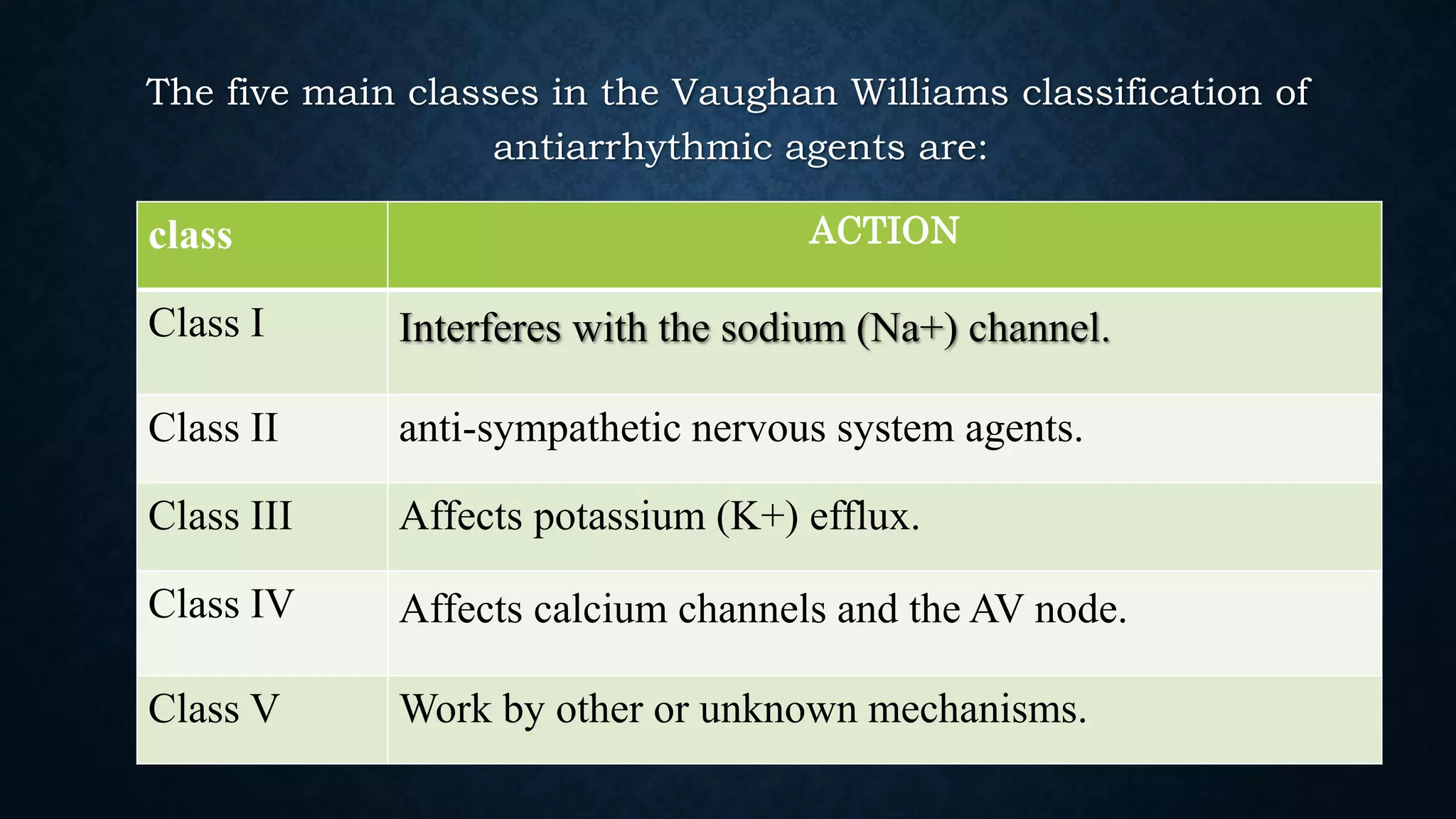
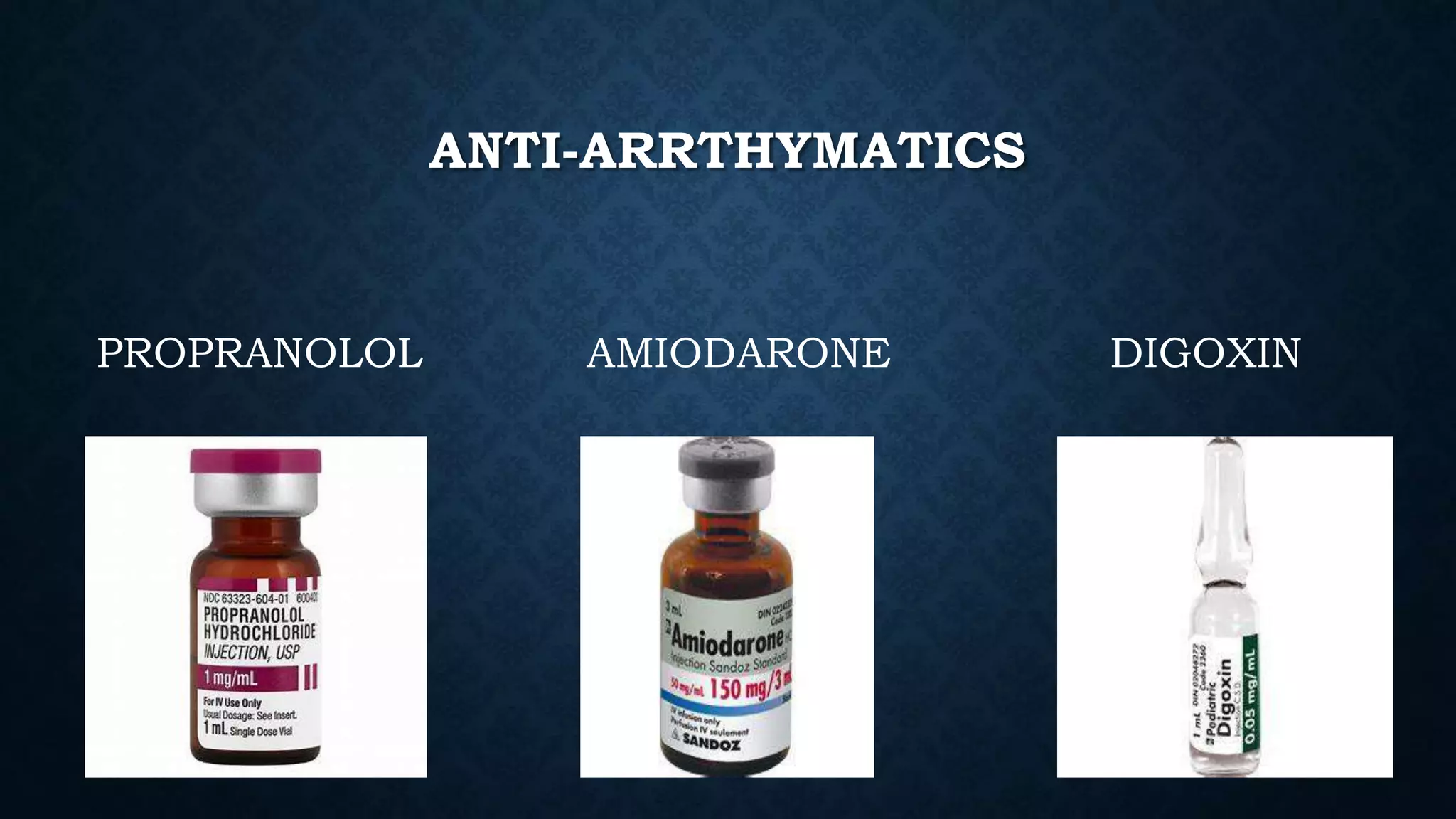
The five main classes in the Vaughan Williams classification of
antiarrhythmic agents are:
class ACTION
Class I Interferes with the sodium (Na+) channel.
Class II anti-sympathetic nervous system agents.
Class III Affects potassium (K+) efflux.
Class IV Affects calcium channels and the AV node.
Class V Work by other or unknown mechanisms.
ANTI-ARRTHYMATICS
PROPRANOLOL AMIODARONE DIGOXIN
INTRAVENOUS
FLUIDS
• Normal Saline is a prescription medicine used for fluid and electrolyte
replenishment for intravenous administration.
Side effects: fast heartbeat, fever, rash, joint pain, and shortness of breath.
• Dextrose restores blood glucose levels in hypoglycemia and provides a
source of carbohydrate calories after IV injection.
Side effects: Fluid and electrolyte imbalances, Hyperglycaemia, Hyperosmotic
syndrome, Infection at the site of injection, Venous thrombosis, Extravasation,
Hypervolemia.
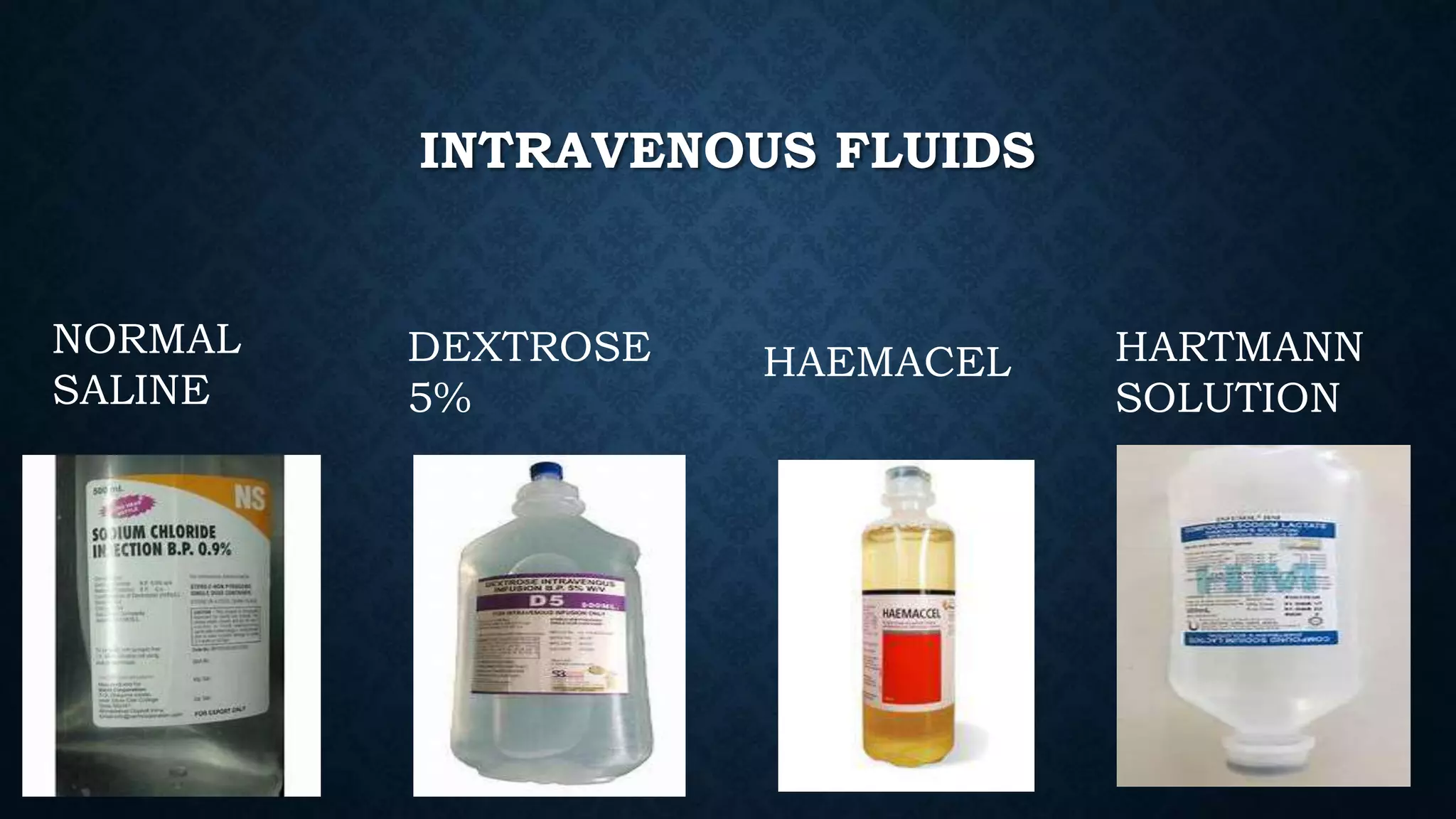
• Lactated Ringer’s (hartmann solution) is used to correct
dehydration, sodium depletion, and replace GI tract fluid
losses. It can also be used in fluid losses due to burns,
fistula drainage, and trauma.
• Haemocoel Infusion works by replenishing the body’s
fluid and electrolytes after a trauma.
INTRAVENOUS FLUIDS
NORMAL
SALINE
DEXTROSE
5%
HAEMACEL HARTMANN
SOLUTION
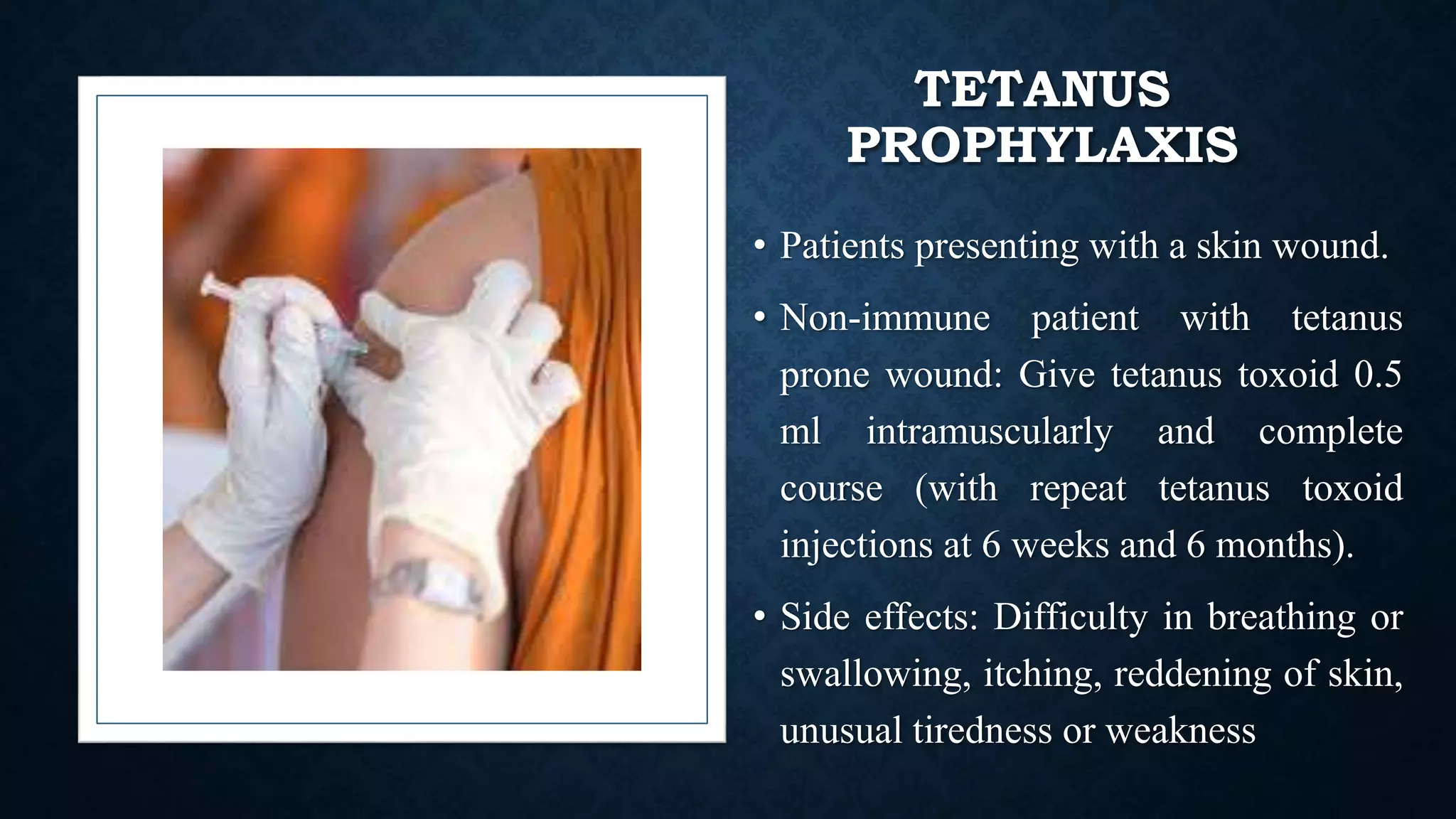
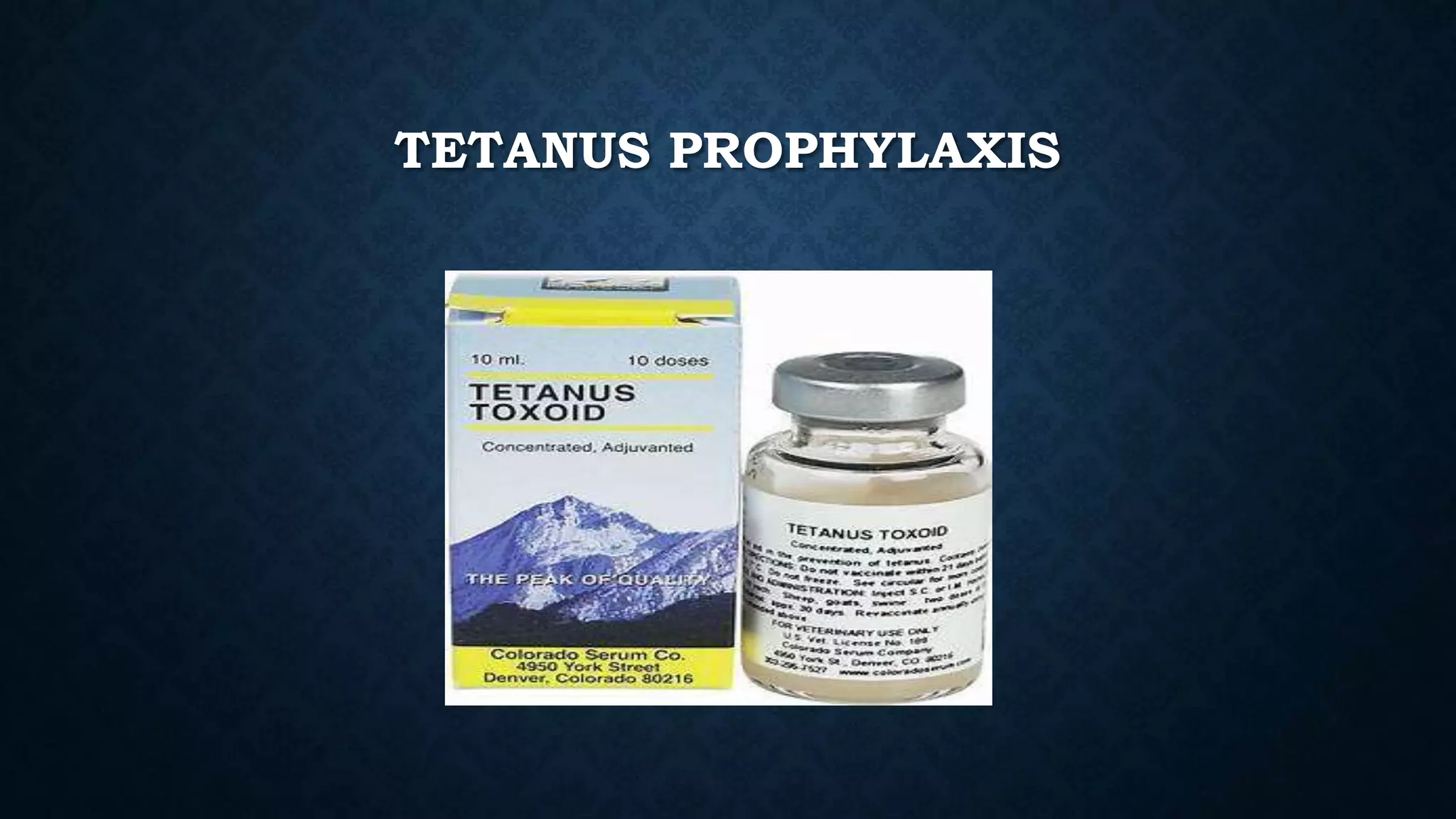
TETANUS
PROPHYLAXIS
• Patients presenting with a skin wound.
• Non-immune patient with tetanus
prone wound: Give tetanus toxoid 0.5
ml intramuscularly and complete
course (with repeat tetanus toxoid
injections at 6 weeks and 6 months).
• Side effects: Difficulty in breathing or
swallowing, itching, reddening of skin,
unusual tiredness or weakness
TETANUS PROPHYLAXIS
COMMON DRUGS AS PER THE SYSTEMIC
EMERGENCY CONDITIONS:
• Life saving drugs: atropine, adrenaline, digoxin,
painkillers (paracetamol, tramadol, diclofenac, epidosine,
drotin)
• Cardiac emergency: adrenaline, noradrenaline,
dopamine, dobutamine, torsomide, furosemide, digoxine,
nitroglycerine.
• Respiratory emergency: Etophylline, Theophylline,
dexamethasone, budesonide inhalation, levosalbutamol,
ipratropium bromide, Acetylcysteine Solution.
• CNS emergency: phenytoin, phenobarbitone, magnesium
sulphate, lorazepam, diazepam, Stemetil.
• GIT : drotaverine, epidosine.
• Miscellaneous: Tranexamic acid, Tetanus Vaccine,
Succinylcholin, Phytomenadione, Haemocoagulase,
Calcium Gluconate injection, Ranitidine hydrochloride,
Ondansetron, Metaclopramide.
RESEARCH
MEDICATION ERRORS OF NURSES IN THE
EMERGENCY DEPARTMENT:
• In this descriptive study, 94 nurses of the emergency
department of Imam Khomeini Hospital Complex were
selected based on census in 2010-2011.
• The most important causes of medication errors were
shortage of nurses (47.6%) and lack of sufficient
pharmacological information (30.9%).
• This study also showed that the risk of medication errors
among nurses is high and medication errors are a major
problem of nursing in the emergency department.
• Recommended to increasing the number of nurses,
adjusting the workload of the nursing staff in the
emergency department, retraining courses to improve the
staff's pharmacological information, modification of the
education process, encouraging nurses to report medical
errors and encouraging hospital managers to respond to
errors in a constructive manner in order to enhance
patient safety.
NURSING
RESPONSIBILITY:
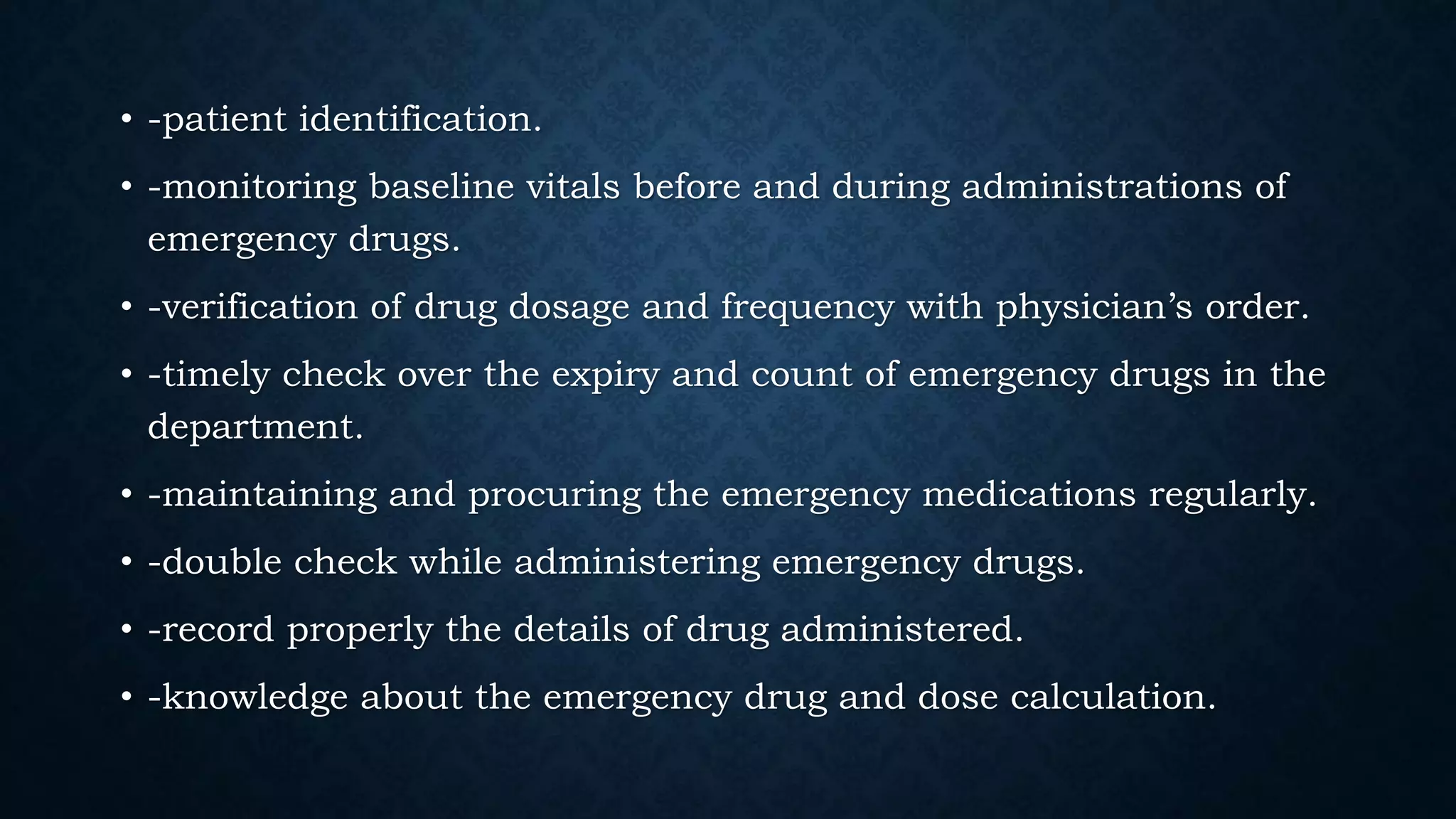
• -patient identification.
• -monitoring baseline vitals before and during administrations of
emergency drugs.
• -verification of drug dosage and frequency with physician’s order.
• -timely check over the expiry and count of emergency drugs in the
department.
• -maintaining and procuring the emergency medications regularly.
• -double check while administering emergency drugs.
• -record properly the details of drug administered.
• -knowledge about the emergency drug and dose calculation.
CONCLUSION
• Medication administration is a common element of medical
and nursing clinical care, and prescribed drugs are
typically given to patients in all areas of medicine.
Clinicians working in emergency departments and critical
care units may administer many drugs from different
classes. These medications may sometimes be routine
prescription medications needed for general care of the
patient, but often, the drugs are also given in emergency or
life-threatening situations.
• Medication administration involves accounting for the
safety of the patient from the time the dose is prescribed
until after it has been given. Assessing the patient’s
clinical status and ensuring the correct dose and route
have been ordered, administering the drug correctly, and
observing the patient for the drug’s effects or for changes
in clinical status are all major steps in the process of
giving drugs in the critical care setting. Hence as a
clinical nurse it is of importance to have
pharmacological knowledge of the medications.
SR
NO
AREA TO EVALUATE MARKS ALLOTED MARKS OBTAINED
1
Organization of
content
6
2
Neatness 2
3
Timely submission 2
TOTAL 10
As a part of practical learning find out the
emergency medications their actions and articles
to present in the crash cart as per the standard
guidelines and list the same.
Evaluation criteria:
BIBLIOGRAPHY
• Baynes, J. D. (2009). medical biochemistry, 3rd edt. Elsevier
limited.
• Fiji. (2007). Fiji emergency drug guideline, 2nd edt. national
drug and therapeutic commitee.
• Rataboli, P. (2010). clinical pharmacology and rational
therpeutics, 2nd edt. New Delhi: Ane books pvt.ltd.
• Seyyedeh Roghayeh Ehsani, M. A. (2013). Medication errors
of nurses in the emergency department. National Library of
Medicine, PubMed.
THANK YOU

Presentation on Emergency Medications.

  • 2.
    WHAT CAN YOUSAY LOOKING AT THIS PICTURE?
  • 3.
    EMERGENCY MEDICATIONS Miss. Sanjivi Govekar, Firstyear MSc Nursing, Medical Surgical Nursing, MCON- MAHE.
  • 4.
    OBJECTIVES: • Introduction • Purposesof emergence medications. • Categories and common examples. • Common drugs used as per systemic conditions. • Nursing responsibility.
  • 5.
    WHAT IS EMERGENCY? •A medical emergency is an acute injury or illness that poses an immediate risk to a person's life or long-term health. • Depending on the severity of the emergency, and the quality of any treatment given, it may require the involvement of multiple levels of care, from first aiders through emergency medical technicians, paramedics, emergency physicians and anesthesiologists.
  • 6.
    WHAT ARE EMERGENCYMEDICATIONS? • Emergency drugs are used in patients during life threatening conditions so that the symptoms can be controlled and the life of a patient can be saved. • Emergency Drugs and Medicine requires the finest skills to handle the patient and save his life.
  • 7.
    PURPOSES OF EMERGENCY MEDICATIONS: To provide initial treatment for broad spectrum of illness and injuries, which may be life threatening.  To control the symptoms of patient.  To save the life of the patient.  To normalize the vital bodily functions.  To diverge the patient from the possible risks.
  • 8.
    CATEGORY OF DRUGSIN EMERGENCY USAGE:
  • 9.
    • A 45yearold male collapses in the ward, the heart rate is 54beats/min, patient is drooling. The doctor in ward asks you to start CPR. • The doctor further asks you to prepare for intubation. • What drug is likely to be given as pre medication??????
  • 10.
    ANTI- CHOLINERGICS • Blocks theeffects of acetylcholine at muscarinic receptors. • Inhibits parasympathetic actions. • Controls involuntary muscle movements, thus controlling salivation, body secretions and digestion. • Used for the treatment of bradycardia, before intubation and before any surgery.
  • 11.
    side effects: • drymouth, nose, or throat • dry eyes, blurred vision • dizziness • headache, drowsiness.
  • 12.
  • 13.
    INOTROPIC AGENTS • Usedin the treatment of cardiogenic and distributive shock. All should be infused via a large vein. • Increases cardiac output and heart rate as it increases the cardiac contractility and maintains perfusion to body.
  • 14.
    Side effects • Hypotension •Shortness of breath • Sweating, or fainting • Dizziness or lightheadedness • Fatigue • Eye sensitivity to light • Nosebleeds and bleeding gums
  • 15.
  • 16.
    MUSCLE RELAXANTS • An adjunctto general anesthesia • To facilitate tracheal intubation • To provide skeletal muscle relaxation during surgery or mechanical ventilation. • Depolarizing and Non depolarizing. • Side effects: Jaw rigidity, hypotension, respiratory depression, Hypersensitivity reactions, changes in sr. K+
  • 17.
  • 18.
    • A 56year old female comes to the emergency department with complaints of breathlessness. On examination patient has pedal edema, periorbital edema. BP measures 180/110 mm of Hg. Patient also presents with history of decreased urine output. What drug would the physician advice???
  • 19.
    DIURETICS • They actby diminishing sodium reabsorption at different sites in the nephron, thereby increasing urinary sodium and water losses. • Thiazide, loop and potassium sparing diuretics.
  • 21.
  • 22.
  • 23.
    • A callwas sent to medical response team. A person has fallen unconscious, frothing present, blank staring and shows contraction of extremities. On arrival of the emergency team what would be the drug to be started as emergency management???
  • 25.
    ANTI- EPILEPTICS • Enhances functionof GABA receptors, and blocks neuronal channel to brain. • Used in Generalized tonic-clonic (GTC), simple partial (SP) and complex partial (CP) seizures, Status epilepticus. • Side effects: Drowsiness, Ataxia, Dizziness, Blurred vision, Headache, Nausea, Vomiting, Diarrhoea, Constipation.
  • 26.
  • 27.
    NEUROLEPTICS • Interfere witheffect of neurotransmitter in the brain thus producing sedation effect and controls blood pressure.
  • 28.
    Extrapyramidal side effects: •Akathisia (motor restlessness) • Dystonia (continuous spasms and muscle contractions) • Muscle rigidity Parkinsonism • Hypotension • Blurred vision • Constipation
  • 29.
    • Dry mouth •Anemia • Headache • Increased respiratory rate • Orthostatic hypotension • Prolonged QT interval • Visual disturbances
  • 30.
  • 31.
    ANTI-ASTHMATICS • Relaxes andenlarges the airway, by reducing bronchial smooth muscle constriction. • Side effects: nausea, rapid heart rate, loss or gain in appetite, tremors, palpitations, ventricular tachycardia.
  • 33.
  • 34.
    CORTICOSTEROIDS • Suppresses immunesystem and reduces inflammation. • Side effects: acne, weight gain, bruising, mood disorders, including depression, high blood pressure, diabetes, osteoporosis, cataracts, glaucoma, liver damage.
  • 35.
  • 37.
    You are postedas an emergency nurse, there is a case of RTA with severe wounds. The doctor instructs you to prepare for wound suturing with local infiltration. You get your suturing set ready. What is the medication that the doctor instructs for local infiltration?????
  • 38.
    LOCALANESTHETICS • Used toprovide anaesthesia by local wound infiltration, nerve blocks or regional techniques. • Side-effects: seizures and cardiac arrhythmias. • Lignocaine is the agent of choice for local wound infiltration. • A concentration of 2% Lignocaine with adrenaline helps control bleeding and also extends the duration of anaesthesia.
  • 39.
    LOCAL ANESTHETICS LIGNOCAINE 2%LIGNOCAINE WITH ADRENALINE
  • 40.
    SEDATIVES AND INDUCTIONAGENTS • Used to depress the conscious state either for sedation or general anaesthesia. • Adverse effects include increased salivation, laryngospasm, raised intracranial pressure and unpleasant hallucinations after recovery of consciousness.
  • 41.
    SEDATIVES AND INDUCTIONAGENTS KETAMINE THIOPENTONE MIDAZOLAM
  • 42.
    OPIOID ANALGESICS • Decreasesboth acute and chronic pain transmission to the brain by causing activation of the descending nerve fibers. • Side effects of these drugs are respiratory depression, hypotension and nausea.
  • 43.
  • 44.
    ANTI-EMETICS • Used totreat motion sickness and the side effects of opioid analgesics, general anesthetics, and pre- medications for chemotherapy directed against cancer. • They may be used for severe cases of gastroenteritis, especially if the patient is dehydrated.
  • 45.
    Side effects • Worseningof nausea or vomiting • Severe constipation • Muscle weakness • Convulsions • Loss of hearing • Rapid heartbeat • Severe drowsiness • Slurred speech • Psychological symptoms, like hallucinations or confusion
  • 46.
  • 47.
    ANTI-HYPERTENSIVES • Produces vasodilationby interfering with sympathetic adrenergic vascular tone (sympatholytics) or by blocking the formation of angiotensin II or its vascular receptors. • They reduce blood pressure, reduce systemic vascular resistance, or reduce cardiac output by depressing heart rate and stroke volume.
  • 48.
    Side effects: Bradycardia, angina,heart failure, and arrhythmias, especially AV block, Fainting, Fluid retention, Peripheral edema, Dizziness, Shock, Nausea and vomiting, diarrhea, Significant constriction of the bronchioles, headache, weakness, orthostatic hypotension, heart failure, hypotension, peripheral edema, palpitations, and arrhythmias such as tachycardia.
  • 49.
  • 50.
    ANTI- ARRTHYMATICS • Used tosuppress abnormal rhythms of the heart (cardiac arrhythmias), such as atrial fibrillation, atrial flutter, ventricular tachycardia, and ventricular fibrillation. • Acts by blocking the membrane sodium, potassium, and calcium channels.
  • 51.
    Side effects • Coughor troubled breathing • Dizziness • Lightheadedness • Fainting • Trembling • weakness in extremities • visual disturbance.
  • 52.
    The five mainclasses in the Vaughan Williams classification of antiarrhythmic agents are: class ACTION Class I Interferes with the sodium (Na+) channel. Class II anti-sympathetic nervous system agents. Class III Affects potassium (K+) efflux. Class IV Affects calcium channels and the AV node. Class V Work by other or unknown mechanisms.
  • 53.
  • 54.
  • 55.
    • Normal Salineis a prescription medicine used for fluid and electrolyte replenishment for intravenous administration. Side effects: fast heartbeat, fever, rash, joint pain, and shortness of breath. • Dextrose restores blood glucose levels in hypoglycemia and provides a source of carbohydrate calories after IV injection. Side effects: Fluid and electrolyte imbalances, Hyperglycaemia, Hyperosmotic syndrome, Infection at the site of injection, Venous thrombosis, Extravasation, Hypervolemia.
  • 56.
    • Lactated Ringer’s(hartmann solution) is used to correct dehydration, sodium depletion, and replace GI tract fluid losses. It can also be used in fluid losses due to burns, fistula drainage, and trauma. • Haemocoel Infusion works by replenishing the body’s fluid and electrolytes after a trauma.
  • 57.
  • 58.
    TETANUS PROPHYLAXIS • Patients presentingwith a skin wound. • Non-immune patient with tetanus prone wound: Give tetanus toxoid 0.5 ml intramuscularly and complete course (with repeat tetanus toxoid injections at 6 weeks and 6 months). • Side effects: Difficulty in breathing or swallowing, itching, reddening of skin, unusual tiredness or weakness
  • 59.
  • 60.
    COMMON DRUGS ASPER THE SYSTEMIC EMERGENCY CONDITIONS: • Life saving drugs: atropine, adrenaline, digoxin, painkillers (paracetamol, tramadol, diclofenac, epidosine, drotin) • Cardiac emergency: adrenaline, noradrenaline, dopamine, dobutamine, torsomide, furosemide, digoxine, nitroglycerine. • Respiratory emergency: Etophylline, Theophylline, dexamethasone, budesonide inhalation, levosalbutamol, ipratropium bromide, Acetylcysteine Solution.
  • 61.
    • CNS emergency:phenytoin, phenobarbitone, magnesium sulphate, lorazepam, diazepam, Stemetil. • GIT : drotaverine, epidosine. • Miscellaneous: Tranexamic acid, Tetanus Vaccine, Succinylcholin, Phytomenadione, Haemocoagulase, Calcium Gluconate injection, Ranitidine hydrochloride, Ondansetron, Metaclopramide.
  • 62.
  • 63.
    MEDICATION ERRORS OFNURSES IN THE EMERGENCY DEPARTMENT: • In this descriptive study, 94 nurses of the emergency department of Imam Khomeini Hospital Complex were selected based on census in 2010-2011. • The most important causes of medication errors were shortage of nurses (47.6%) and lack of sufficient pharmacological information (30.9%). • This study also showed that the risk of medication errors among nurses is high and medication errors are a major problem of nursing in the emergency department.
  • 64.
    • Recommended toincreasing the number of nurses, adjusting the workload of the nursing staff in the emergency department, retraining courses to improve the staff's pharmacological information, modification of the education process, encouraging nurses to report medical errors and encouraging hospital managers to respond to errors in a constructive manner in order to enhance patient safety.
  • 65.
  • 66.
    • -patient identification. •-monitoring baseline vitals before and during administrations of emergency drugs. • -verification of drug dosage and frequency with physician’s order. • -timely check over the expiry and count of emergency drugs in the department. • -maintaining and procuring the emergency medications regularly. • -double check while administering emergency drugs. • -record properly the details of drug administered. • -knowledge about the emergency drug and dose calculation.
  • 68.
    CONCLUSION • Medication administrationis a common element of medical and nursing clinical care, and prescribed drugs are typically given to patients in all areas of medicine. Clinicians working in emergency departments and critical care units may administer many drugs from different classes. These medications may sometimes be routine prescription medications needed for general care of the patient, but often, the drugs are also given in emergency or life-threatening situations.
  • 69.
    • Medication administrationinvolves accounting for the safety of the patient from the time the dose is prescribed until after it has been given. Assessing the patient’s clinical status and ensuring the correct dose and route have been ordered, administering the drug correctly, and observing the patient for the drug’s effects or for changes in clinical status are all major steps in the process of giving drugs in the critical care setting. Hence as a clinical nurse it is of importance to have pharmacological knowledge of the medications.
  • 73.
    SR NO AREA TO EVALUATEMARKS ALLOTED MARKS OBTAINED 1 Organization of content 6 2 Neatness 2 3 Timely submission 2 TOTAL 10 As a part of practical learning find out the emergency medications their actions and articles to present in the crash cart as per the standard guidelines and list the same. Evaluation criteria:
  • 74.
    BIBLIOGRAPHY • Baynes, J.D. (2009). medical biochemistry, 3rd edt. Elsevier limited. • Fiji. (2007). Fiji emergency drug guideline, 2nd edt. national drug and therapeutic commitee. • Rataboli, P. (2010). clinical pharmacology and rational therpeutics, 2nd edt. New Delhi: Ane books pvt.ltd. • Seyyedeh Roghayeh Ehsani, M. A. (2013). Medication errors of nurses in the emergency department. National Library of Medicine, PubMed.
  • 75.