Download to read offline

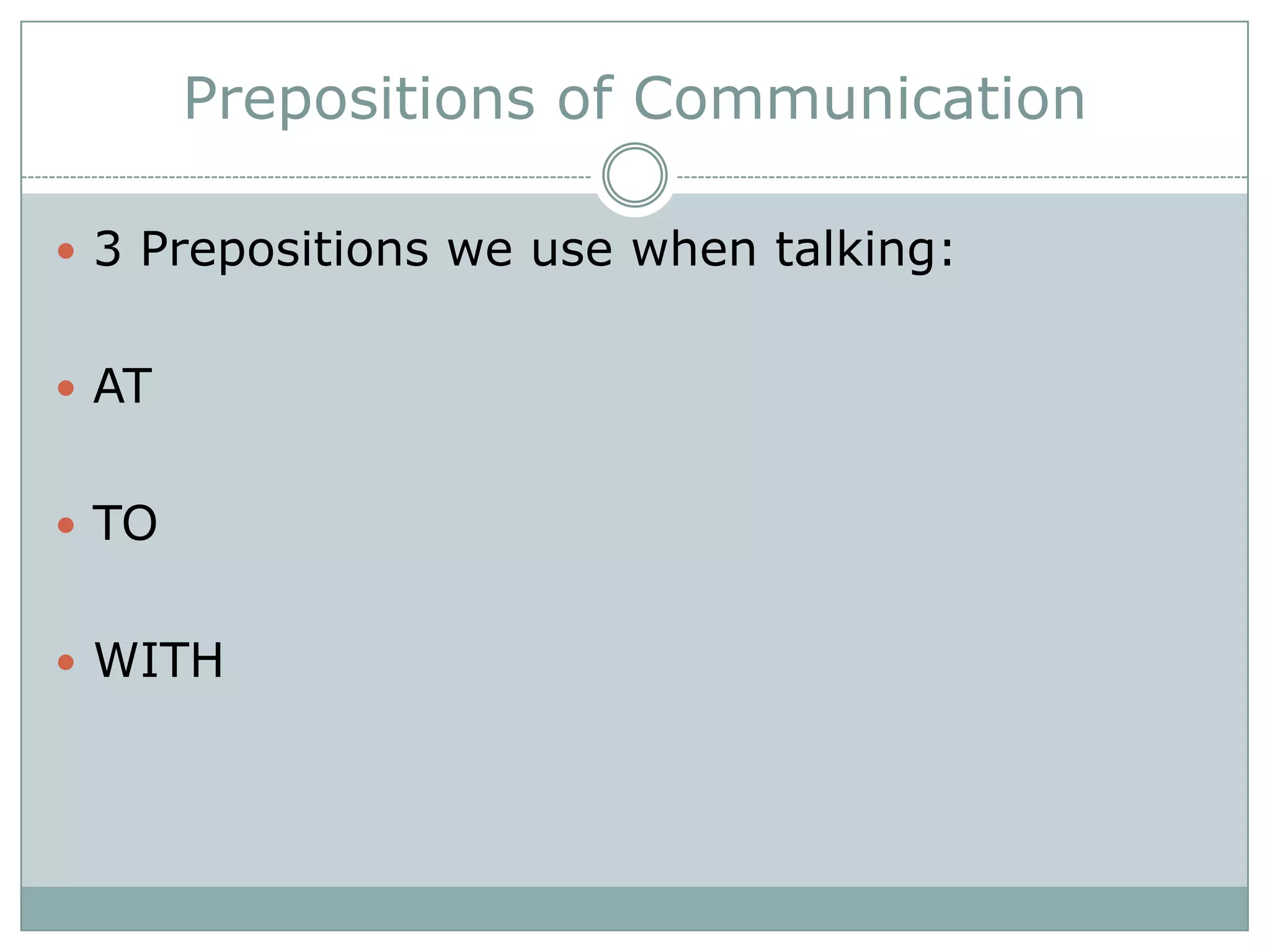
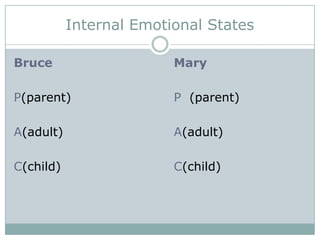
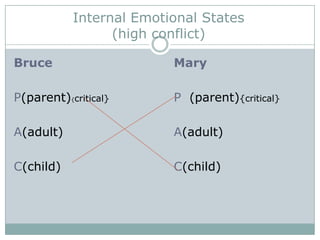
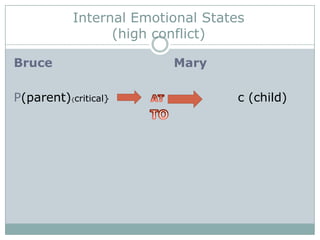
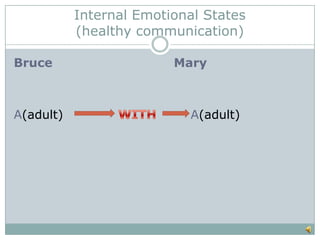
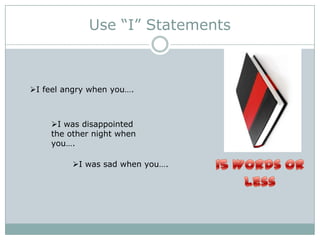
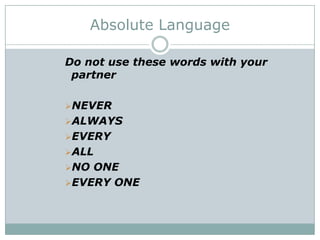
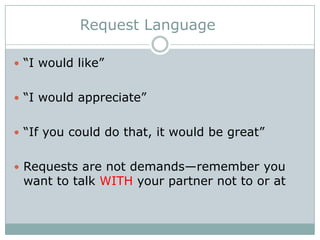
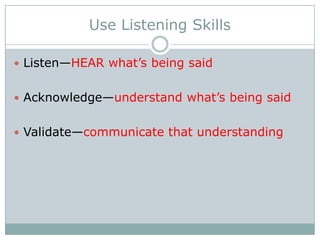
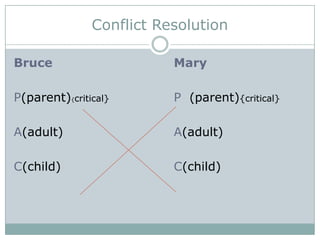
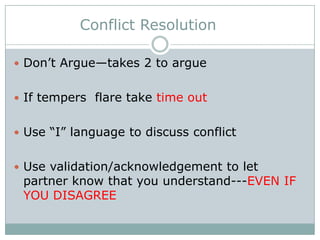

The document discusses effective communication and conflict resolution strategies, emphasizing the use of prepositions like 'at,' 'to,' and 'with.' It recommends using 'I' statements to express feelings, avoiding absolute language, and framing requests rather than demands. Listening skills, such as acknowledging and validating, are essential for healthy interactions, particularly during conflict.


![CTEV [ clubfoot] DR ARUN LAL ,DR MOHAMED ASHRAF travancore medical college k...](https://cdn.slidesharecdn.com/ss_thumbnails/ctevclubfootdrarunlaldrmohamedashraftravancoremedicalcollegekollamkeralaindia-260208063247-18fc466c-thumbnail.jpg?width=640&height=640&fit=bounds)
