History of the 
Free Market
Characteristics of the U.S. Economy: 
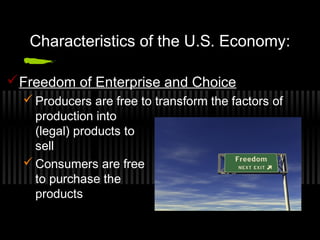
Freedom of Enterprise and Choice 
Producers are free to transform the factors of 
production into 
(legal) products to 
sell 
Consumers are free 
to purchase the 
products
Characteristics of the U.S. Economy: 
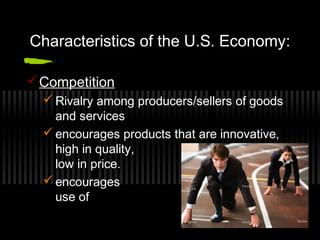
Competition 
Rivalry among producers/sellers of goods 
and services 
encourages products that are innovative, 
high in quality, 
low in price. 
encourages efficient 
use of resources
Characteristics of the U.S. Economy: 
Equal Opportunity 
Every citizen has the right to gain an 
education and to 
compete in the 
marketplace for 
wealth
Characteristics of the U.S. Economy 
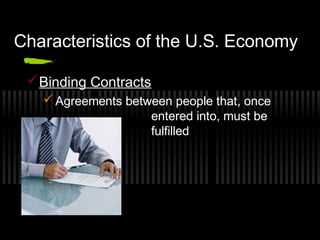
Binding Contracts 
Agreements between people that, once 
entered into, must be 
fulfilled
Characteristics of the U.S. Economy: 
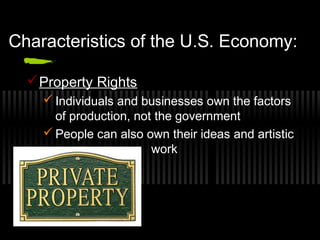
Property Rights 
Individuals and businesses own the factors 
of production, not the government 
People can also own their ideas and artistic 
work
Characteristics of the U.S. Economy: 
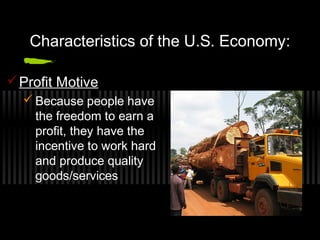
Profit Motive 
Because people have 
the freedom to earn a 
profit, they have the 
incentive to work hard 
and produce quality 
goods/services
Characteristics of the U.S. Economy: 
Limited Government 
Preserves competition 
Protects consumers, workers and the 
environment 
Stabilizes the 
economy
Market Economy: Flow 
“The reason markets work so well is because 
one person’s output always becomes another 
person’s input.” 
-- Ch. 3, p. 43
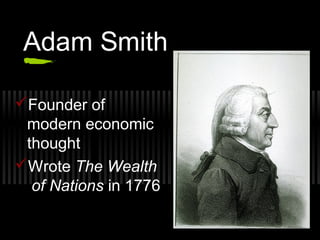
Adam Smith 
Founder of 
modern economic 
thought 
Wrote The Wealth 
of Nations in 1776
Self-Interest 
“It is not from the benevolence of the butcher, 
the brewer, or the baker, that we expect our 
dinner, but from their regard to their own 
interest. We address ourselves, not to their 
humanity but to their self-love, and never talk 
to them of our own necessities but of their 
advantages. Nobody but a beggar chooses 
to depend chiefly upon the benevolence of 
his fellow citizens.” 
-- Adam Smith, The Wealth of Nations
The force that makes this possible: 
the Invisible 
Hand of the 
Marketplace
The Invisible Hand: 
“Every individual . . . neither intends to 
promote the public interest, nor knows how 
much he is promoting it . . . He intends only his 
own gain, and he is in this . . . led as if by an 
invisible hand to promote an end which was no 
part of his intention. Nor is it always the worse 
for the society that it has no part in it. By 
pursuing his own interest he frequently 
promotes that of the society more effectually 
than when he really intends to promote it.” 
-- Adam Smith, The Wealth of Nations
How does it work? 
Self-interest drives producers and 
consumers to help one another 
Competition leads to more efficient 
production and lower prices 
Jobs are created, trade occurs, the 
economy prospers, all without 
government intervention
This theory led to the doctrine: 
Laissez-faire (“Let it Be”) 
Absence of government control 
Economic competition weeds out the 
weak and preserves the strong (like 
natural selection)
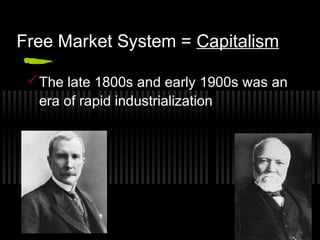
Free Market System = Capitalism 
The late 1800s and early 1900s was an 
era of rapid industrialization
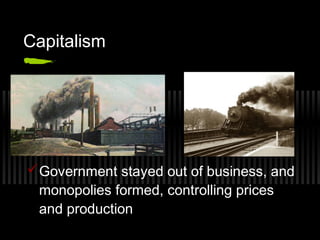
Capitalism 
Government stayed out of business, and 
monopolies formed, controlling prices 
and production
Capitalism 
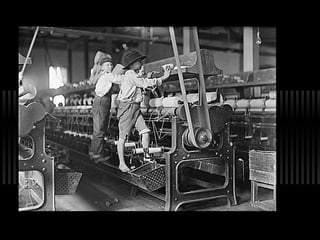
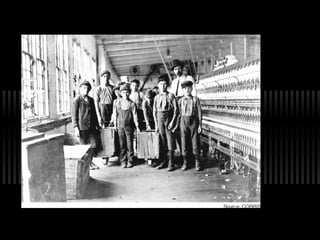
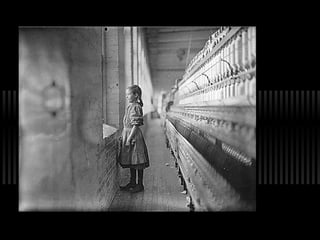
Millions worked long hours for low 
pay in dangerous factories and 
mines 
no work-safety regulations, no 
minimum wage laws, no child labor 
laws, no social security or pensions
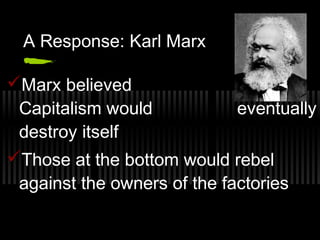
A Response: Karl Marx 
Marx believed 
Capitalism would eventually 
destroy itself 
Those at the bottom would rebel 
against the owners of the factories
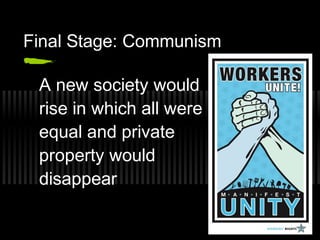
Final Stage: Communism 
A new society would 
rise in which all were 
equal and private 
property would 
disappear

powerpoint.12

  • 1.
    History of the Free Market
  • 2.
    Characteristics of theU.S. Economy: Freedom of Enterprise and Choice Producers are free to transform the factors of production into (legal) products to sell Consumers are free to purchase the products
  • 3.
    Characteristics of theU.S. Economy: Competition Rivalry among producers/sellers of goods and services encourages products that are innovative, high in quality, low in price. encourages efficient use of resources
  • 4.
    Characteristics of theU.S. Economy: Equal Opportunity Every citizen has the right to gain an education and to compete in the marketplace for wealth
  • 5.
    Characteristics of theU.S. Economy Binding Contracts Agreements between people that, once entered into, must be fulfilled
  • 6.
    Characteristics of theU.S. Economy: Property Rights Individuals and businesses own the factors of production, not the government People can also own their ideas and artistic work
  • 7.
    Characteristics of theU.S. Economy: Profit Motive Because people have the freedom to earn a profit, they have the incentive to work hard and produce quality goods/services
  • 8.
    Characteristics of theU.S. Economy: Limited Government Preserves competition Protects consumers, workers and the environment Stabilizes the economy
  • 9.
    Market Economy: Flow “The reason markets work so well is because one person’s output always becomes another person’s input.” -- Ch. 3, p. 43
  • 10.
    Adam Smith Founderof modern economic thought Wrote The Wealth of Nations in 1776
  • 11.
    Self-Interest “It isnot from the benevolence of the butcher, the brewer, or the baker, that we expect our dinner, but from their regard to their own interest. We address ourselves, not to their humanity but to their self-love, and never talk to them of our own necessities but of their advantages. Nobody but a beggar chooses to depend chiefly upon the benevolence of his fellow citizens.” -- Adam Smith, The Wealth of Nations
  • 12.
    The force thatmakes this possible: the Invisible Hand of the Marketplace
  • 13.
    The Invisible Hand: “Every individual . . . neither intends to promote the public interest, nor knows how much he is promoting it . . . He intends only his own gain, and he is in this . . . led as if by an invisible hand to promote an end which was no part of his intention. Nor is it always the worse for the society that it has no part in it. By pursuing his own interest he frequently promotes that of the society more effectually than when he really intends to promote it.” -- Adam Smith, The Wealth of Nations
  • 14.
    How does itwork? Self-interest drives producers and consumers to help one another Competition leads to more efficient production and lower prices Jobs are created, trade occurs, the economy prospers, all without government intervention
  • 15.
    This theory ledto the doctrine: Laissez-faire (“Let it Be”) Absence of government control Economic competition weeds out the weak and preserves the strong (like natural selection)
  • 16.
    Free Market System= Capitalism The late 1800s and early 1900s was an era of rapid industrialization
  • 17.
    Capitalism Government stayedout of business, and monopolies formed, controlling prices and production
  • 18.
    Capitalism Millions workedlong hours for low pay in dangerous factories and mines no work-safety regulations, no minimum wage laws, no child labor laws, no social security or pensions
  • 22.
    A Response: KarlMarx Marx believed Capitalism would eventually destroy itself Those at the bottom would rebel against the owners of the factories
  • 23.
    Final Stage: Communism A new society would rise in which all were equal and private property would disappear