Post-Stroke
Movement Disorders
Ade Wijaya, MD – September 2018
Introduction
Ghika-Schmid F, Ghika J, Regli F, Bogousslavsky J. Hyperkinetic movement disorders during and after acute stroke: the Lausanne stroke registry. J Neurol Sci. 1997;146(2):109–116.
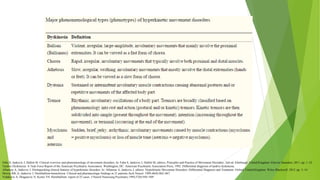
Fahn S, Jankovic J, Hallett M. Clinical overview and phenomenology of movement disorders. In: Fahn S, Jankovic J, Hallett M, editors. Principles and Practice of Movement Disorders. 2nd ed. Edinburgh, United Kingdom: Elsevier Saunders; 2011. pp. 1–35.
Tardive Dyskinesia: A Task Force Report of the American Psychiatric Association. Washington, DC: American Psychiatric Association Press; 1992. Differential diagnosis of tardive dyskinesia.
Albanese A, Jankovic J. Distinguishing clinical features of hyperkinetic disorders. In: Albanese A, Jankovic J, editors. Hyperkinetic Movement Disorders: Differential Diagnosis and Treatment. Oxford, United Kingdom: Wiley-Blackwell; 2012. pp. 3–14.
Dewey RB, Jr, Jankovic J. Hemiballism-hemichorea. Clinical and pharmacologic findings in 21 patients.Arch Neurol. 1989;46(8):862–867.
Vidakovic A, Dragasevic N, Kostic VS. Hemiballism: report of 25 cases. J Neurol Neurosurg Psychiatry.1994;57(8):945–949
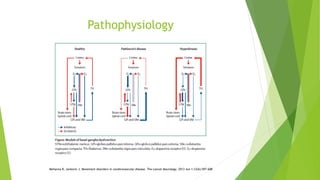
Pathophysiology
Mehanna R, Jankovic J. Movement disorders in cerebrovascular disease. The Lancet Neurology. 2013 Jun 1;12(6):597-608
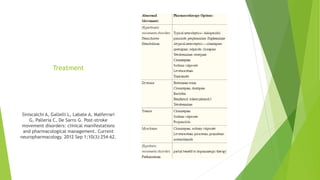
Treatment
Siniscalchi A, Gallelli L, Labate A, Malferrari
G, Palleria C, De Sarro G. Post-stroke
movement disorders: clinical manifestations
and pharmacological management. Current
neuropharmacology. 2012 Sep 1;10(3):254-62.
Prognosis
 Immediate vs delayed progressive
 Outcome varies
 Younger age, younger duration, generalized disorders
Mehanna R, Jankovic J. Movement disorders in cerebrovascular disease. The Lancet Neurology. 2013 Jun 1;12(6):597-608
Summary
 Dyskinesia in adults are mostly caused by stroke
 Most cases spontaneously resolve in 6-12 months
 Pharmacological treatment. Surgery for severe and persistent cases
Post-stroke Movement Disorders

Post-stroke Movement Disorders

  • 1.
  • 2.
    Introduction Ghika-Schmid F, GhikaJ, Regli F, Bogousslavsky J. Hyperkinetic movement disorders during and after acute stroke: the Lausanne stroke registry. J Neurol Sci. 1997;146(2):109–116.
  • 3.
    Fahn S, JankovicJ, Hallett M. Clinical overview and phenomenology of movement disorders. In: Fahn S, Jankovic J, Hallett M, editors. Principles and Practice of Movement Disorders. 2nd ed. Edinburgh, United Kingdom: Elsevier Saunders; 2011. pp. 1–35. Tardive Dyskinesia: A Task Force Report of the American Psychiatric Association. Washington, DC: American Psychiatric Association Press; 1992. Differential diagnosis of tardive dyskinesia. Albanese A, Jankovic J. Distinguishing clinical features of hyperkinetic disorders. In: Albanese A, Jankovic J, editors. Hyperkinetic Movement Disorders: Differential Diagnosis and Treatment. Oxford, United Kingdom: Wiley-Blackwell; 2012. pp. 3–14. Dewey RB, Jr, Jankovic J. Hemiballism-hemichorea. Clinical and pharmacologic findings in 21 patients.Arch Neurol. 1989;46(8):862–867. Vidakovic A, Dragasevic N, Kostic VS. Hemiballism: report of 25 cases. J Neurol Neurosurg Psychiatry.1994;57(8):945–949
  • 4.
    Pathophysiology Mehanna R, JankovicJ. Movement disorders in cerebrovascular disease. The Lancet Neurology. 2013 Jun 1;12(6):597-608
  • 5.
    Treatment Siniscalchi A, GallelliL, Labate A, Malferrari G, Palleria C, De Sarro G. Post-stroke movement disorders: clinical manifestations and pharmacological management. Current neuropharmacology. 2012 Sep 1;10(3):254-62.
  • 6.
    Prognosis  Immediate vsdelayed progressive  Outcome varies  Younger age, younger duration, generalized disorders Mehanna R, Jankovic J. Movement disorders in cerebrovascular disease. The Lancet Neurology. 2013 Jun 1;12(6):597-608
  • 8.
    Summary  Dyskinesia inadults are mostly caused by stroke  Most cases spontaneously resolve in 6-12 months  Pharmacological treatment. Surgery for severe and persistent cases