-Prepared by
Binita Bhattarai
Bsc .Nursing 4th year
6th batch
Introduction
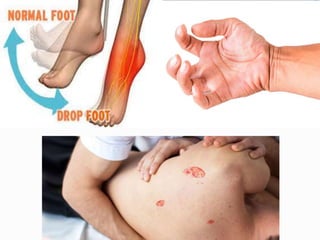
Positioning a patient in bed is important for maintaining
alignment and for preventing bed sores (pressure ulcers), foot
drop, and contractures .
Proper positioning is also vital for providing comfort for patients
who are bedridden or have decreased mobility related to a
medical condition or treatment. When positioning a patient in
bed, supportive devices such as pillows, rolls, and blankets,
along with repositioning, can aid in providing comfort and
safety .
Contd….
Positioning a patient in bed is a common procedure in
the hospital. There are various positions possible for
patients in bed, which may be determined by their
condition, preference, or treatment related to an illness.
Purposes of
positioning
Principles of
positioning a
patient in a bed
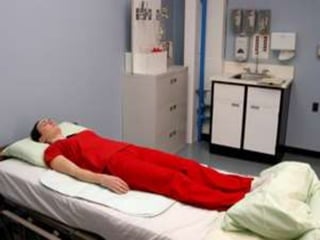
Supine position
Patient lies flat on back.
Additional supportive devices may be added for
comfort.
Used for examination of the chest and abdomen.
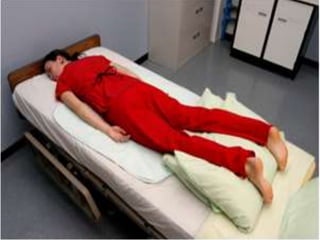
Prone position
 Patient lies on stomach with head turned to the one side
with small pillow under the ankle.
 Used in post operative cases to prevent aspiration of saliva
and mucus.
Also used to relieve abdominal distention, to examine the
back
Best position for the renal biopsy.
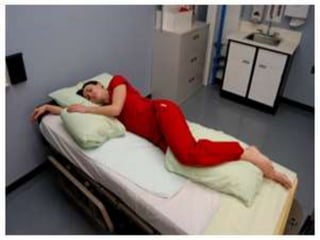
Lateral position
Patient lies on the side of the body with the top leg
over the bottom leg.
This position helps relieve pressure on the coccyx.
Used in immediate post operative cases.
Used for giving back care, giving enema.
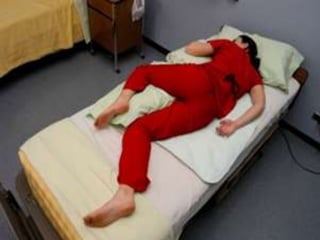
Sims position
Patient lies between supine and prone with legs flexed in
front of the patient.
Arms should be comfortably placed beside the patient, not
underneath.
Used during vaginal and rectal examination.
Also used as relaxation in antenatal exercise.
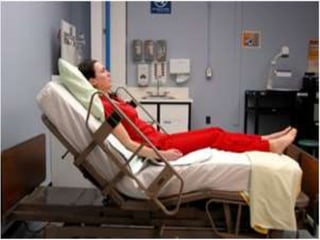
Fowler’s position
Patient’s head of bed is placed at a 45-degree angle. Hips
may or may not be flexed.
This is a common position to provide patient comfort and
care.
Used to relieve dyspnea.
Used to improve circulation.
To relax the muscles of the abdomen,back and thighs.
Semifowler’s position
Patient’s head of bed is placed at a 30-degree angle.
This position is used for patients who have cardiac or
respiratory conditions, and for patients with a
nasogastric tube.
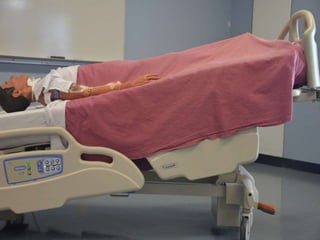
Trendelenburg position
 Place the head of the bed lower than the feet.
 This position is used in situations such as hypotension
and medical emergencies.
 It helps promote venous return to major organs such as
the head and heart.
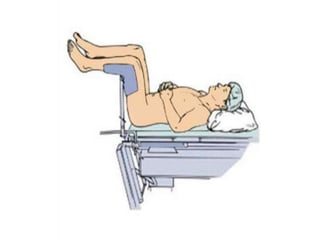
Lithotomy position
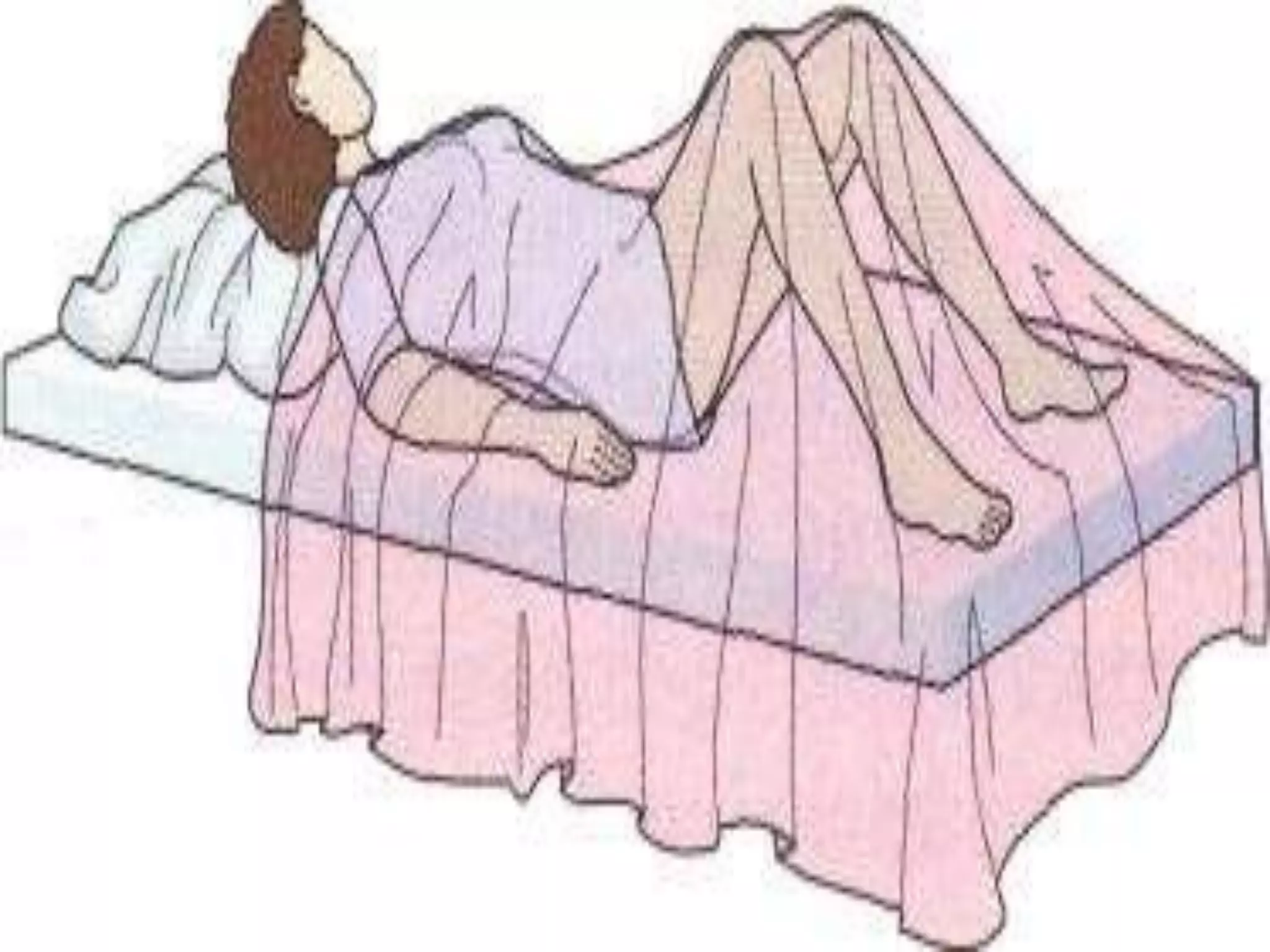
 In this position client lies supine with hips flexed.
 The patient’s buttocks are kept at the edge of the table
and legs are supported by stirrups.
 It is used for the delivery of baby.
 Also used for vaginal examination and hysterectomy.
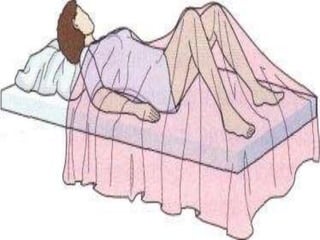
Dorsal recumbent position
Dorsal means “back” and recumbent means “lying down”.
So dorsal recumbent position is lying down on the back.
 Client is positioned with the legs spread apart and knees
bent with feet flat on the table.
Used for catheterization,vaginal and rectal examination.
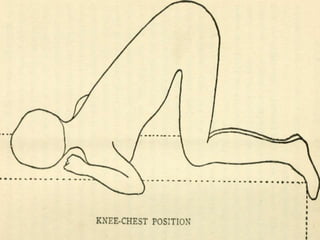
Knee chest position
In this position patient rest on the knee and the chest.
The weight is on the chest and knees.
The body is at 90 degree angle to the hip with back straight,
the arm above the head, the head turned to one side.
The abdomen remain unsupported.
Used for vaginal and rectal examination.
Used in the first aid management in cord prolapse.
MCQs
• Best position for cardiac patients is:
Supine position
Prone position
Semi fowler’s position
Lateral position
• Delivery of the baby is conducted by:
Lithotomy position
Supine position
Prone position
Sims position
Answers
• Best position for cardiac patients is:
Supine position
Prone position
 Semi fowler’s position
Lateral position
• Delivery of the baby is conducted by:
 Lithotomy position
Supine position
Prone position
Sims position
Assignment
Describe the role of nurses in maintaining proper
position of a patient.

Positioning a patient

  • 2.
    -Prepared by Binita Bhattarai Bsc.Nursing 4th year 6th batch
  • 3.
    Introduction Positioning a patientin bed is important for maintaining alignment and for preventing bed sores (pressure ulcers), foot drop, and contractures . Proper positioning is also vital for providing comfort for patients who are bedridden or have decreased mobility related to a medical condition or treatment. When positioning a patient in bed, supportive devices such as pillows, rolls, and blankets, along with repositioning, can aid in providing comfort and safety .
  • 5.
    Contd…. Positioning a patientin bed is a common procedure in the hospital. There are various positions possible for patients in bed, which may be determined by their condition, preference, or treatment related to an illness.
  • 6.
  • 7.
  • 8.
    Supine position Patient liesflat on back. Additional supportive devices may be added for comfort. Used for examination of the chest and abdomen.
  • 10.
    Prone position  Patientlies on stomach with head turned to the one side with small pillow under the ankle.  Used in post operative cases to prevent aspiration of saliva and mucus. Also used to relieve abdominal distention, to examine the back Best position for the renal biopsy.
  • 12.
    Lateral position Patient lieson the side of the body with the top leg over the bottom leg. This position helps relieve pressure on the coccyx. Used in immediate post operative cases. Used for giving back care, giving enema.
  • 14.
    Sims position Patient liesbetween supine and prone with legs flexed in front of the patient. Arms should be comfortably placed beside the patient, not underneath. Used during vaginal and rectal examination. Also used as relaxation in antenatal exercise.
  • 16.
    Fowler’s position Patient’s headof bed is placed at a 45-degree angle. Hips may or may not be flexed. This is a common position to provide patient comfort and care. Used to relieve dyspnea. Used to improve circulation. To relax the muscles of the abdomen,back and thighs.
  • 18.
    Semifowler’s position Patient’s headof bed is placed at a 30-degree angle. This position is used for patients who have cardiac or respiratory conditions, and for patients with a nasogastric tube.
  • 20.
    Trendelenburg position  Placethe head of the bed lower than the feet.  This position is used in situations such as hypotension and medical emergencies.  It helps promote venous return to major organs such as the head and heart.
  • 22.
    Lithotomy position  Inthis position client lies supine with hips flexed.  The patient’s buttocks are kept at the edge of the table and legs are supported by stirrups.  It is used for the delivery of baby.  Also used for vaginal examination and hysterectomy.
  • 24.
    Dorsal recumbent position Dorsalmeans “back” and recumbent means “lying down”. So dorsal recumbent position is lying down on the back.  Client is positioned with the legs spread apart and knees bent with feet flat on the table. Used for catheterization,vaginal and rectal examination.
  • 26.
    Knee chest position Inthis position patient rest on the knee and the chest. The weight is on the chest and knees. The body is at 90 degree angle to the hip with back straight, the arm above the head, the head turned to one side. The abdomen remain unsupported. Used for vaginal and rectal examination. Used in the first aid management in cord prolapse.
  • 28.
    MCQs • Best positionfor cardiac patients is: Supine position Prone position Semi fowler’s position Lateral position • Delivery of the baby is conducted by: Lithotomy position Supine position Prone position Sims position
  • 29.
    Answers • Best positionfor cardiac patients is: Supine position Prone position  Semi fowler’s position Lateral position • Delivery of the baby is conducted by:  Lithotomy position Supine position Prone position Sims position
  • 30.
    Assignment Describe the roleof nurses in maintaining proper position of a patient.