Unus pro omnibus, omnes pro uno: 
Group Work in a 
Community Mental Health Clinic 
in a Bi-National Town
Jennia Vilinsky, M. S. W. 
Clinical social worker 
Tsvi E. Gil, B. Sc., M. A. 
Clinical and medical psychologist 
Juan Bar-El, M. D. 
Psychiatrist, Head of clinic
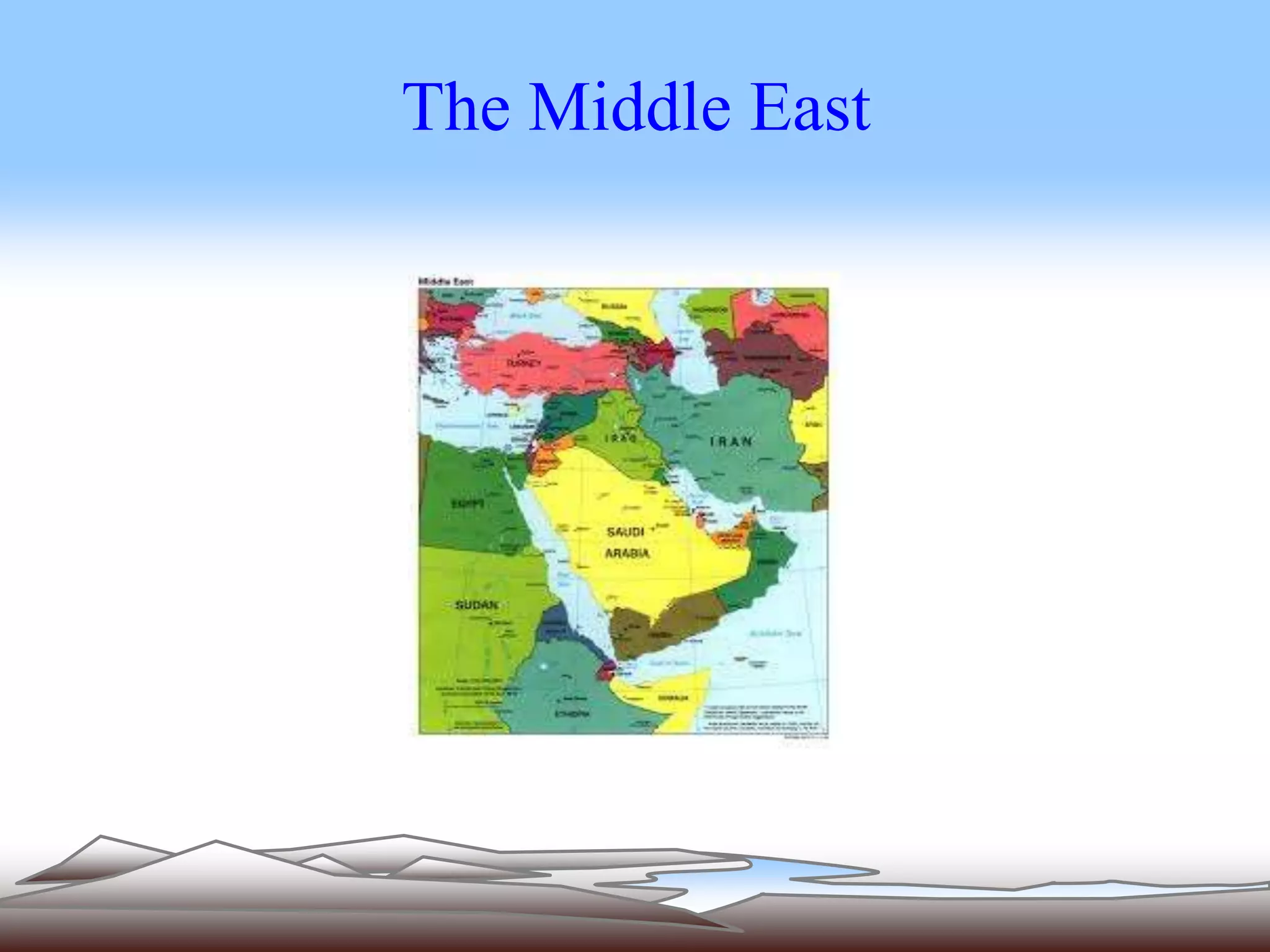
The Middle East
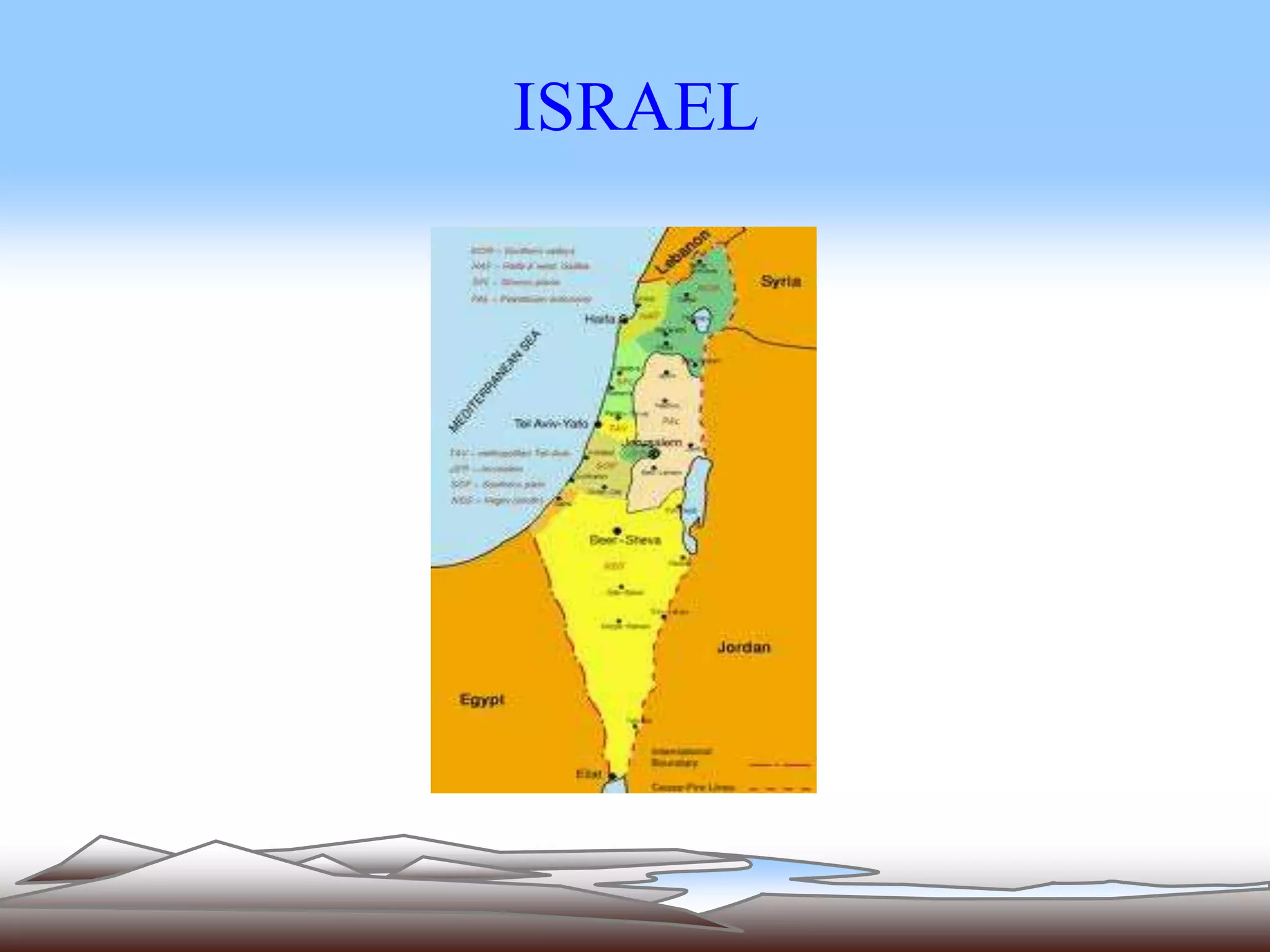
ISRAEL
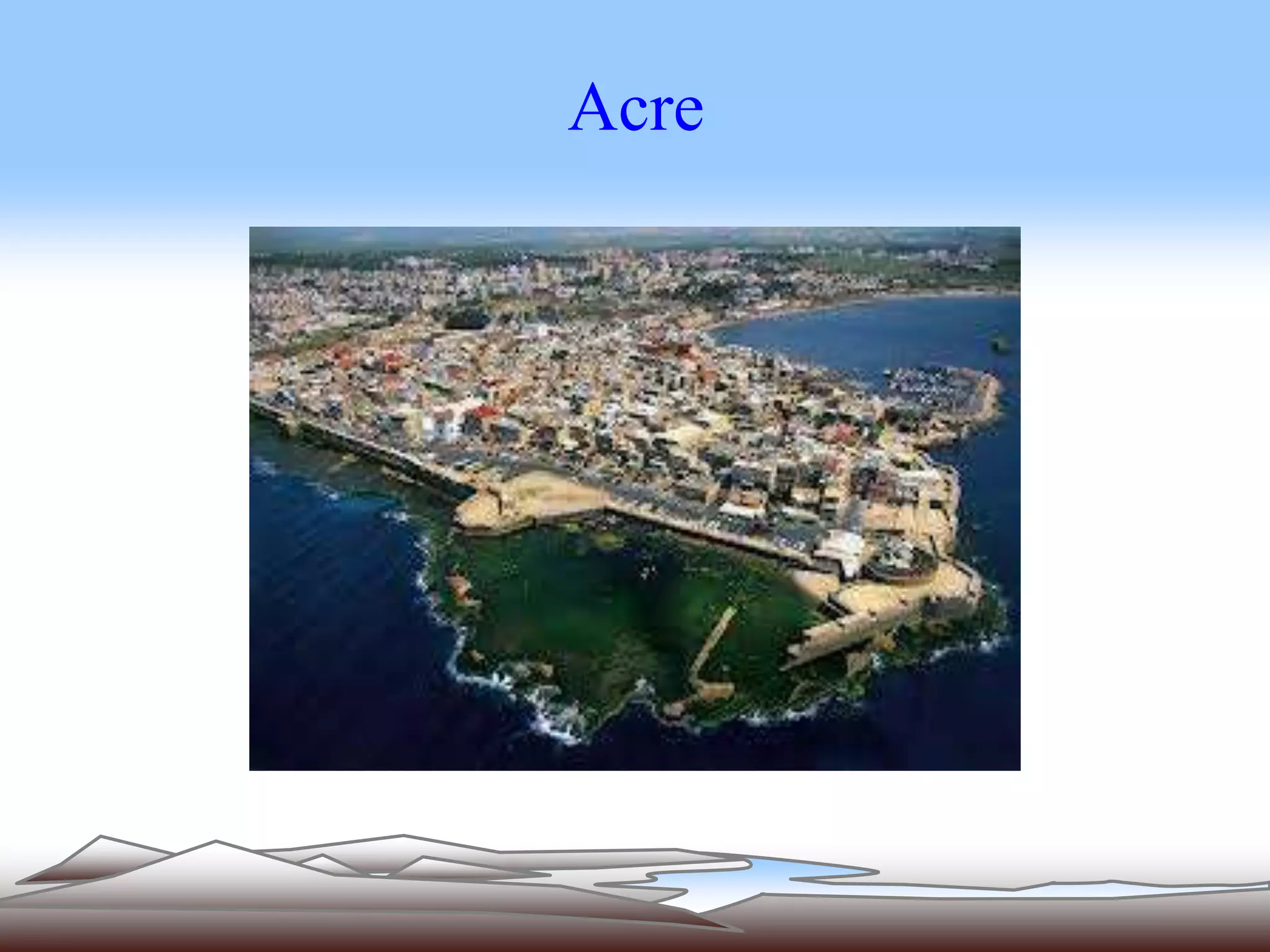
Acre
ACRE 
Acre is a 50,000 inhabitants town located in the 
West-Northern part of Israel, nearby the 
Mediterranean sea 
2/3 Jews, 1/3 Arabs 
Surrounded by Arabic and Jewish villages
Characteristics of the Clinic: 
About new 600 referrals a year (adults only) 
Heterogeneous in diagnoses: psychotics, 
personality disorders, mood disorders, anxiety, 
traumas, crises, comorbidities 
Heterogeneous in demographic variables: Jews 
and Arabs – Muslims, Christians, Druzes, 
Circassians 
Commonly low socioeconomic class
Therapeutic Modalities 
Psychiatric (psychopharmacologic) 
Individual psychotherapy 
Group psychotherapy 
Rehabilitation 
commonly some modalities are operated 
simultaneously, by different staff members
Why Groups? 
Groups are the natural environment for people, 
not the artificially-invented therapeutic encounter 
Universality – "other people troubles" 
An opportunity for sharing and mutual learning 
The group as "laboratory of life" 
Opportunity to re-enact internalized nuclear 
family and object-relations 
The power of the group for influencing 
Source for belongingness and identification
Are groups a way to economize 
therapy? 
Group leaders need training and supervision 
Founding a group needs time for interview and 
selection of candidates 
Management of groups needs time to be in 
contact with group members (dropouts, 
inattendances, crises) 
Many of group participants use additional 
treatments simultaneously
How Group therapy works? 
Cognitive learning (from leaders) 
Social learning (from peers) 
Support from mutual sympathy 
Raising and resolving conflicts 
Containment of acting-out and projections 
A safe place for exploring troubling personal 
issues 
Consistent setting for unsteady people
On the nature of therapeutic 
group work 
People in groups are closer to their "Id" (Freud, 
Le-Bon) – The groups enable regression to 
individual primary themes (e.g., Slavson) 
Group may encourage identification: “the deepest 
reason why patients... can reinforce each other's 
normal reactions and wear down and correct each 
other's neurotic reactions, is that collectively they 
constitute the very norm from which, 
individually, they deviate." (S.H. Foulkes, 
1948:29)
On the nature of therapeutic 
group work - continiued 
Patients may identify their avoided relations and 
the consequential relations (H. Ezriel, 1950) 
The group matrix enables resonance of social, 
group, and inter-personal themes (S. Foulkes) 
Conflicts in groups enables development of ways 
for individual resolution of conflicts (Whitaker & 
Lieberman) 
The group as an opportunity for interpersonal 
treatment (Yalom)
Groups in our clinic: 
Personality disordered patients: (with I. Abu-El- 
Higa, M.S.W.) 
Life-long maladjustment and misery 
Disturbed inter-personal relations (spouses, 
offspring, hierarchical, friends) 
Difficulty in conforming to norms and staying in 
frames 
Difficulty in appropriate self-expression 
Problems in making a living, accommodation, 
health-keeping, management of life vicissitudes
Groups in our clinic: 
Psychodynamic group for anxiety disorders: 
Anxiety as emanates from difficulty in separation 
and fear of loosing significant others 
The treatment explores anxiety states in 
interpersonal context and in a safe environment 
The dynamic approach does not work on exposure 
but encourages exploration and increases mental 
freedom 
Busch F. N., Milrod B. L., Singer M. B. & Aronson A. C. (2012) – Manual 
of Panic Focused Psychodynamic Psychotherapy – Extended Range. 
Routledge, New-York & London.
Groups in our clinic: 
DBT for young borderline female patients (M. 
Linehan) (with J. Sherr, M. S. W)
Groups in our clinic: 
A continuation group for mentally ills who 
dismissed from hospitalization (with O. Ben-Menahem, 
M. S. W., and M. Carmon, M. D.)
Groups in our clinic: 
Group for family members of the mentally ill 
(with I. Abu-El-Higa, M. S. W. ) 
Family members have to deal with the illness 
vicissitudes and uncertainties 
Family members have to deal with patient’s 
acting-out and public stigma 
Paradoxically, spouses are empowered by 
becoming the head of a formerly patriarchal 
family
Unique themes in our groups 
Relations between Arabs and Jews 
Relations with the environment (political, 
economic, urban, etc.) 
Influence of traditions and community 
Issues of immigration 
Somatization of mental problems 
Co-treatment with other agencies (psychiatrists, 
physicians, welfare, social security, rehabilitation, 
legal)
Our Conclusions: 
While not all patients are suitable for groups, 
many are 
Patients may benefit from groups whether with or 
without additional treatment, but additional 
treatment is often necessary – either for targeting 
patient's symptoms, or for support of patient's 
participation in the group 
While patients often resist group treatment, the 
main obstacle for groups usually comes from 
the... staff
Our Conclusions (cont.): 
Different groups may suit different patients, but 
common factors (e. g., setting, sharing, 
belongingness, learning, etc.) are usually more 
important than specific ingredients of the model 
Opportunities for self-expression, group 
cohesiveness, interpersonal support, and bonding 
with group members are probably the most 
important factors unique in group therapy
Thank you for listening and so long from 
Israel

Petersburggroups2

  • 1.
    Unus pro omnibus,omnes pro uno: Group Work in a Community Mental Health Clinic in a Bi-National Town
  • 2.
    Jennia Vilinsky, M.S. W. Clinical social worker Tsvi E. Gil, B. Sc., M. A. Clinical and medical psychologist Juan Bar-El, M. D. Psychiatrist, Head of clinic
  • 4.
  • 5.
  • 6.
  • 7.
    ACRE Acre isa 50,000 inhabitants town located in the West-Northern part of Israel, nearby the Mediterranean sea 2/3 Jews, 1/3 Arabs Surrounded by Arabic and Jewish villages
  • 8.
    Characteristics of theClinic: About new 600 referrals a year (adults only) Heterogeneous in diagnoses: psychotics, personality disorders, mood disorders, anxiety, traumas, crises, comorbidities Heterogeneous in demographic variables: Jews and Arabs – Muslims, Christians, Druzes, Circassians Commonly low socioeconomic class
  • 9.
    Therapeutic Modalities Psychiatric(psychopharmacologic) Individual psychotherapy Group psychotherapy Rehabilitation commonly some modalities are operated simultaneously, by different staff members
  • 10.
    Why Groups? Groupsare the natural environment for people, not the artificially-invented therapeutic encounter Universality – "other people troubles" An opportunity for sharing and mutual learning The group as "laboratory of life" Opportunity to re-enact internalized nuclear family and object-relations The power of the group for influencing Source for belongingness and identification
  • 11.
    Are groups away to economize therapy? Group leaders need training and supervision Founding a group needs time for interview and selection of candidates Management of groups needs time to be in contact with group members (dropouts, inattendances, crises) Many of group participants use additional treatments simultaneously
  • 12.
    How Group therapyworks? Cognitive learning (from leaders) Social learning (from peers) Support from mutual sympathy Raising and resolving conflicts Containment of acting-out and projections A safe place for exploring troubling personal issues Consistent setting for unsteady people
  • 13.
    On the natureof therapeutic group work People in groups are closer to their "Id" (Freud, Le-Bon) – The groups enable regression to individual primary themes (e.g., Slavson) Group may encourage identification: “the deepest reason why patients... can reinforce each other's normal reactions and wear down and correct each other's neurotic reactions, is that collectively they constitute the very norm from which, individually, they deviate." (S.H. Foulkes, 1948:29)
  • 14.
    On the natureof therapeutic group work - continiued Patients may identify their avoided relations and the consequential relations (H. Ezriel, 1950) The group matrix enables resonance of social, group, and inter-personal themes (S. Foulkes) Conflicts in groups enables development of ways for individual resolution of conflicts (Whitaker & Lieberman) The group as an opportunity for interpersonal treatment (Yalom)
  • 15.
    Groups in ourclinic: Personality disordered patients: (with I. Abu-El- Higa, M.S.W.) Life-long maladjustment and misery Disturbed inter-personal relations (spouses, offspring, hierarchical, friends) Difficulty in conforming to norms and staying in frames Difficulty in appropriate self-expression Problems in making a living, accommodation, health-keeping, management of life vicissitudes
  • 16.
    Groups in ourclinic: Psychodynamic group for anxiety disorders: Anxiety as emanates from difficulty in separation and fear of loosing significant others The treatment explores anxiety states in interpersonal context and in a safe environment The dynamic approach does not work on exposure but encourages exploration and increases mental freedom Busch F. N., Milrod B. L., Singer M. B. & Aronson A. C. (2012) – Manual of Panic Focused Psychodynamic Psychotherapy – Extended Range. Routledge, New-York & London.
  • 17.
    Groups in ourclinic: DBT for young borderline female patients (M. Linehan) (with J. Sherr, M. S. W)
  • 18.
    Groups in ourclinic: A continuation group for mentally ills who dismissed from hospitalization (with O. Ben-Menahem, M. S. W., and M. Carmon, M. D.)
  • 19.
    Groups in ourclinic: Group for family members of the mentally ill (with I. Abu-El-Higa, M. S. W. ) Family members have to deal with the illness vicissitudes and uncertainties Family members have to deal with patient’s acting-out and public stigma Paradoxically, spouses are empowered by becoming the head of a formerly patriarchal family
  • 20.
    Unique themes inour groups Relations between Arabs and Jews Relations with the environment (political, economic, urban, etc.) Influence of traditions and community Issues of immigration Somatization of mental problems Co-treatment with other agencies (psychiatrists, physicians, welfare, social security, rehabilitation, legal)
  • 21.
    Our Conclusions: Whilenot all patients are suitable for groups, many are Patients may benefit from groups whether with or without additional treatment, but additional treatment is often necessary – either for targeting patient's symptoms, or for support of patient's participation in the group While patients often resist group treatment, the main obstacle for groups usually comes from the... staff
  • 22.
    Our Conclusions (cont.): Different groups may suit different patients, but common factors (e. g., setting, sharing, belongingness, learning, etc.) are usually more important than specific ingredients of the model Opportunities for self-expression, group cohesiveness, interpersonal support, and bonding with group members are probably the most important factors unique in group therapy
  • 23.
    Thank you forlistening and so long from Israel