Download to read offline


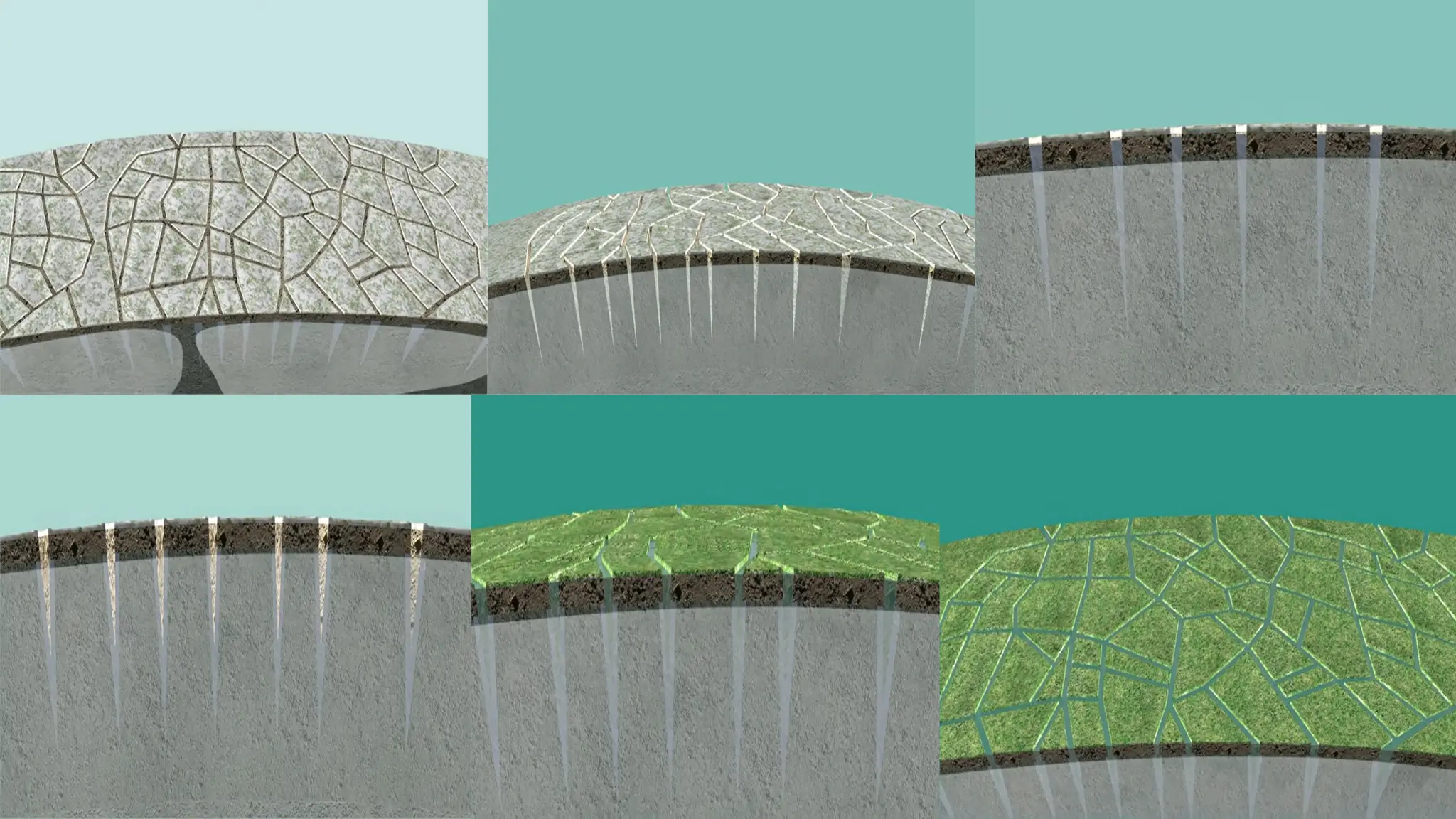
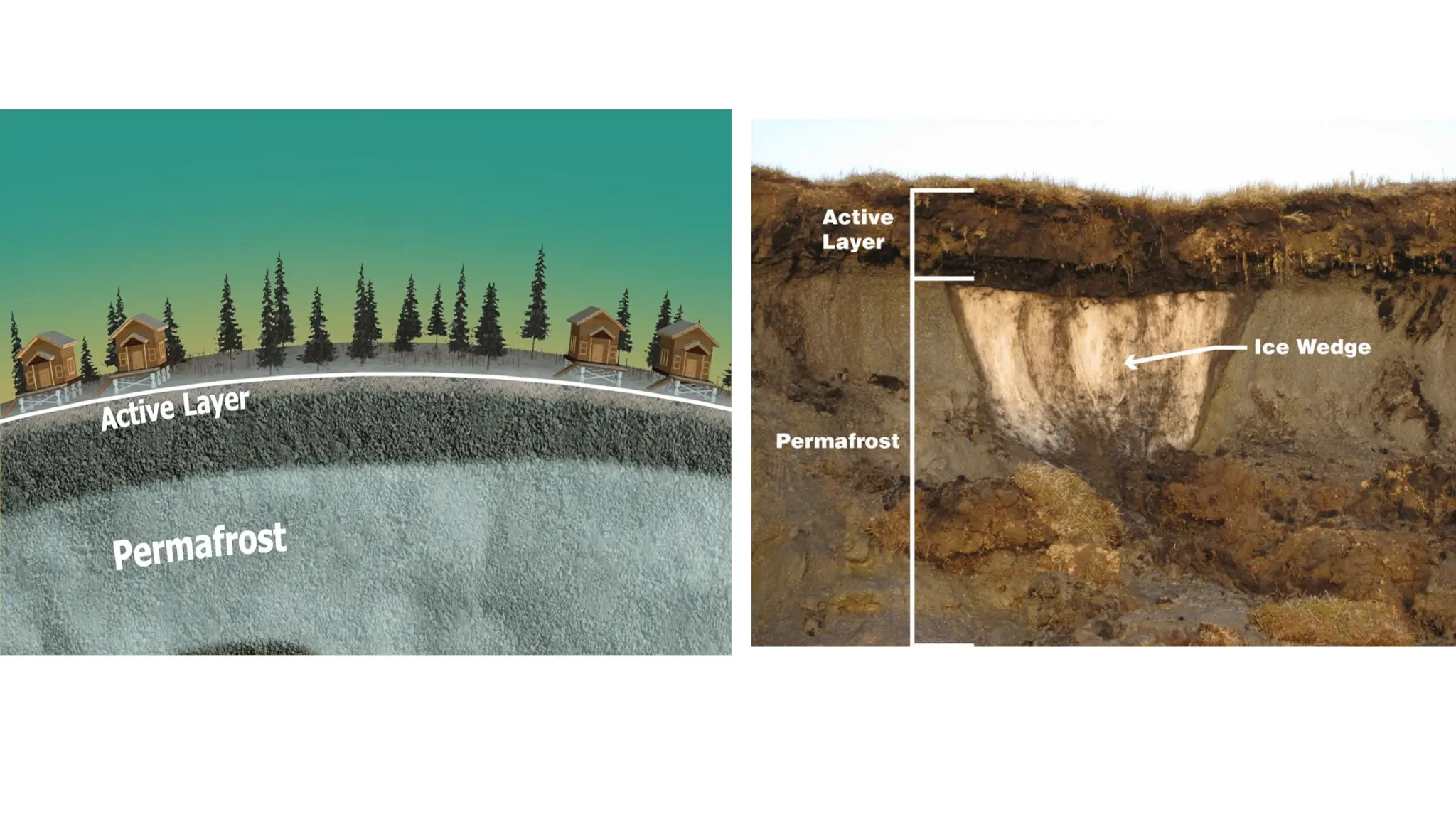


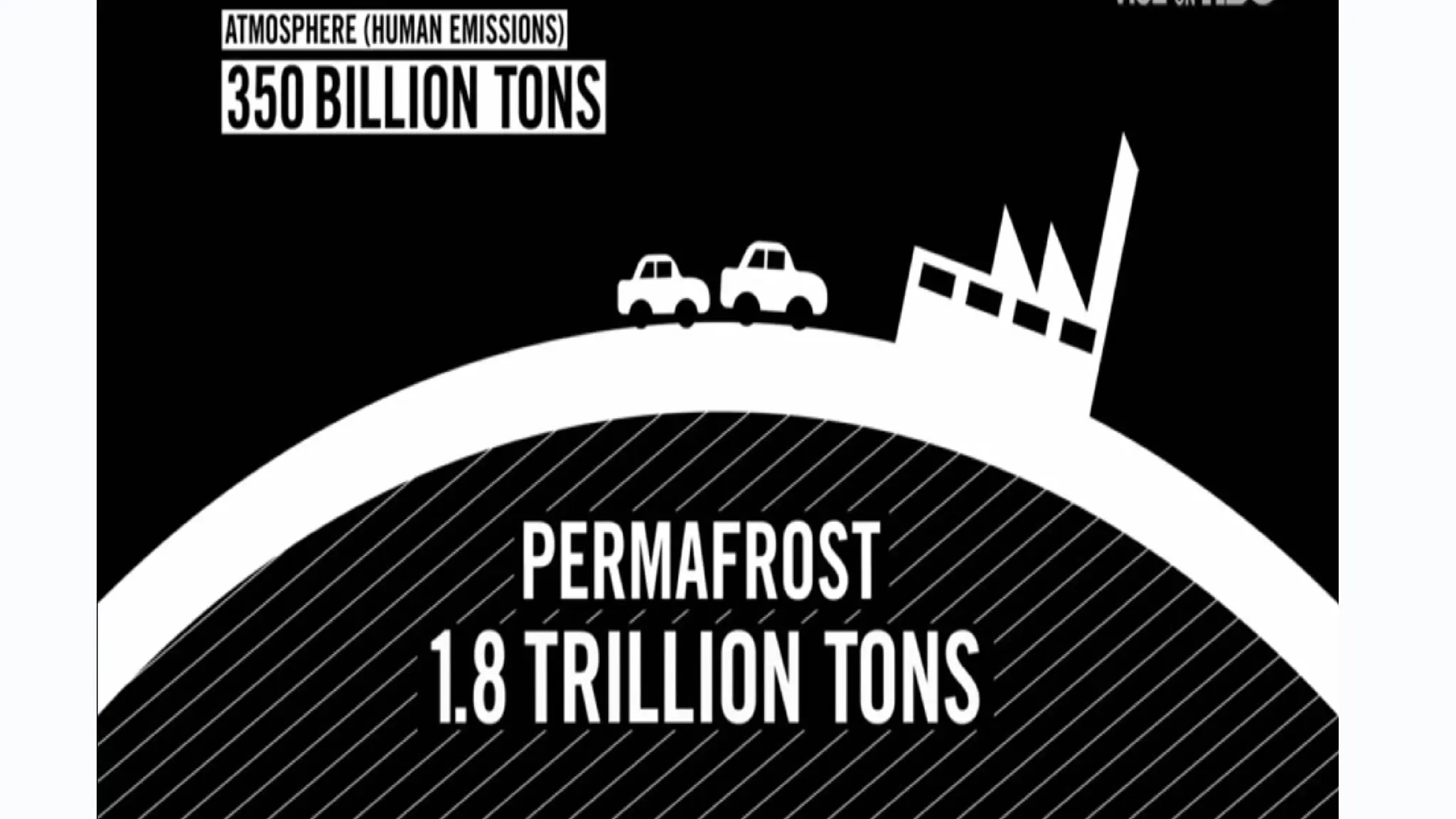


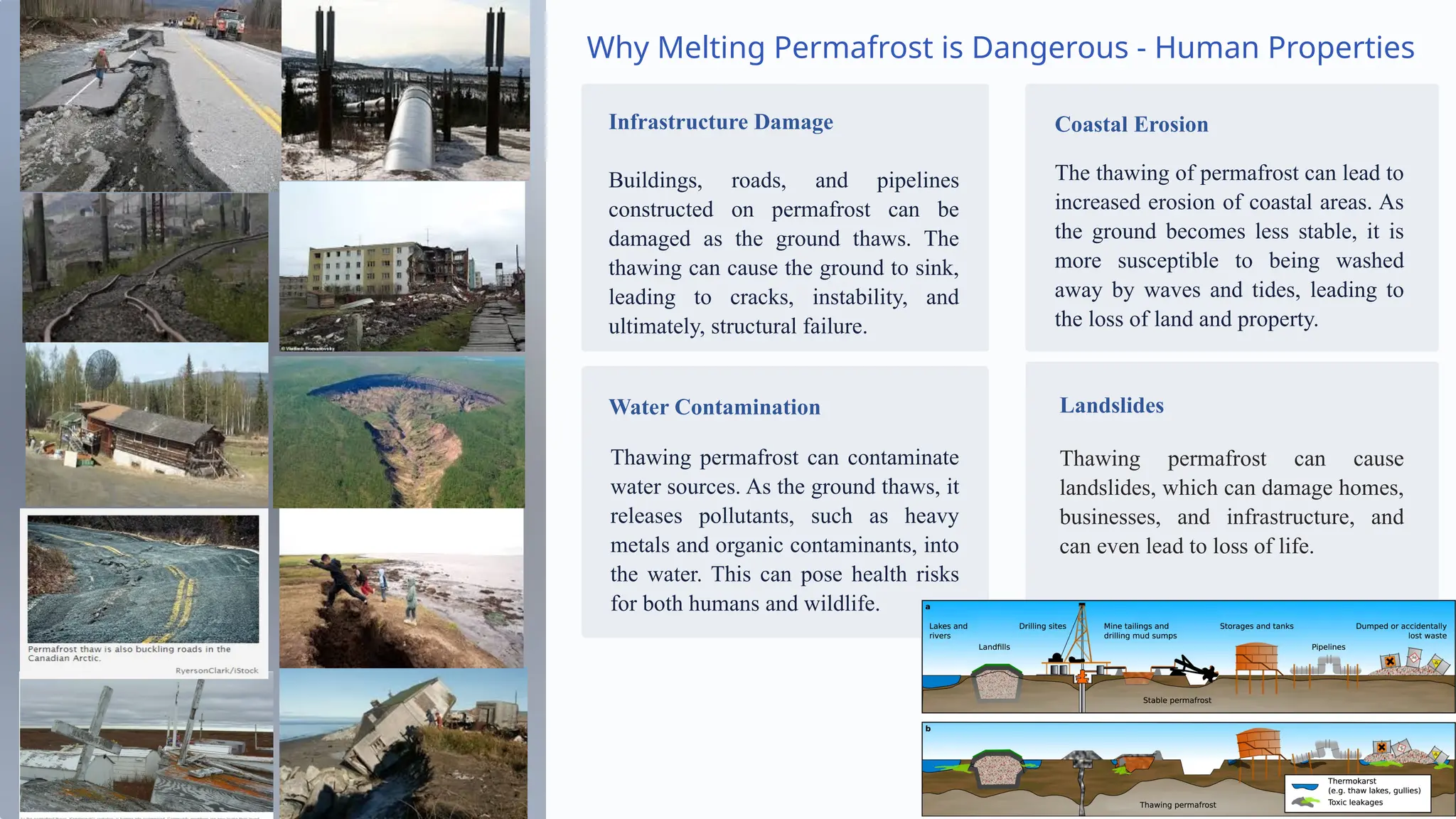

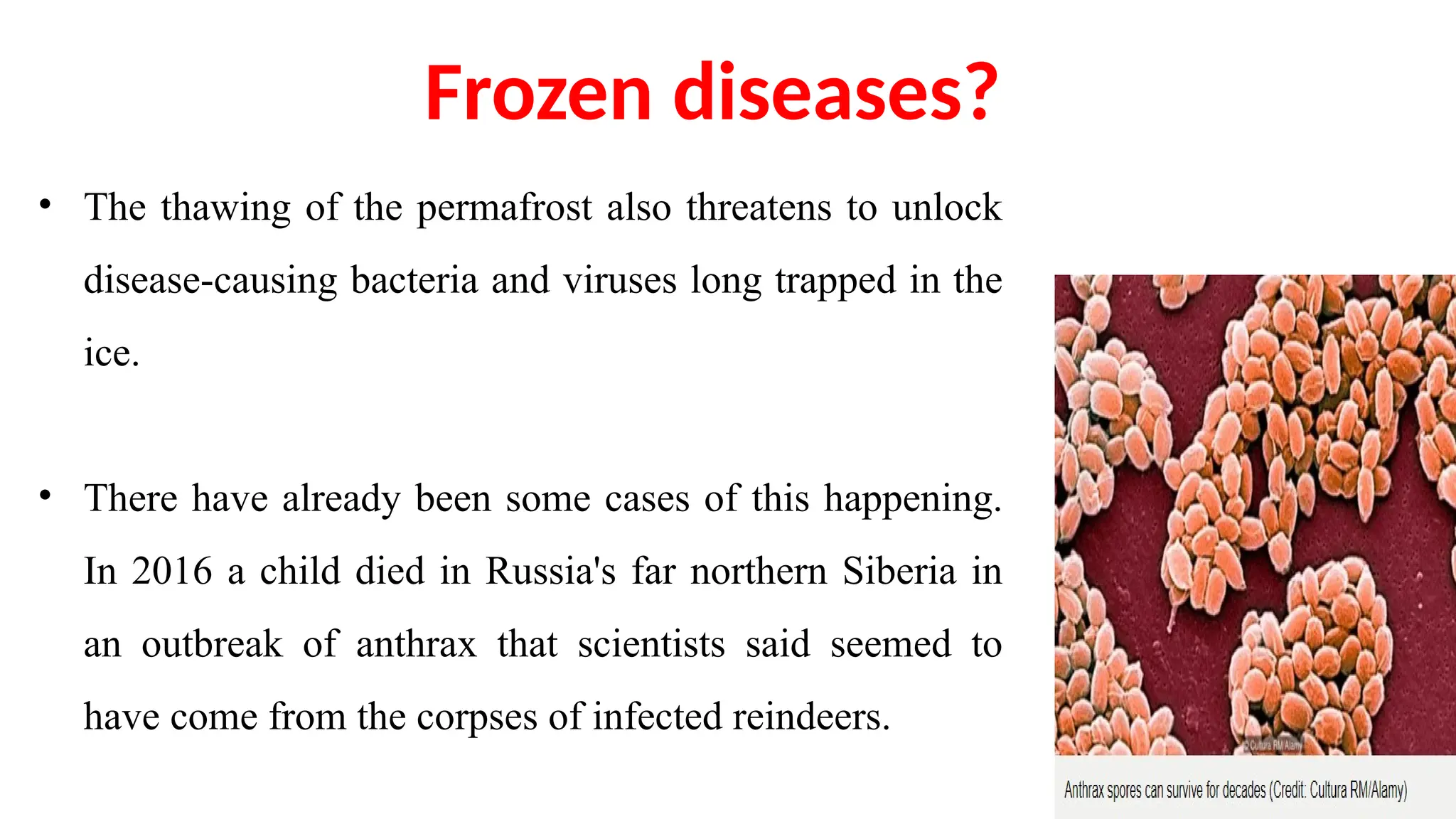


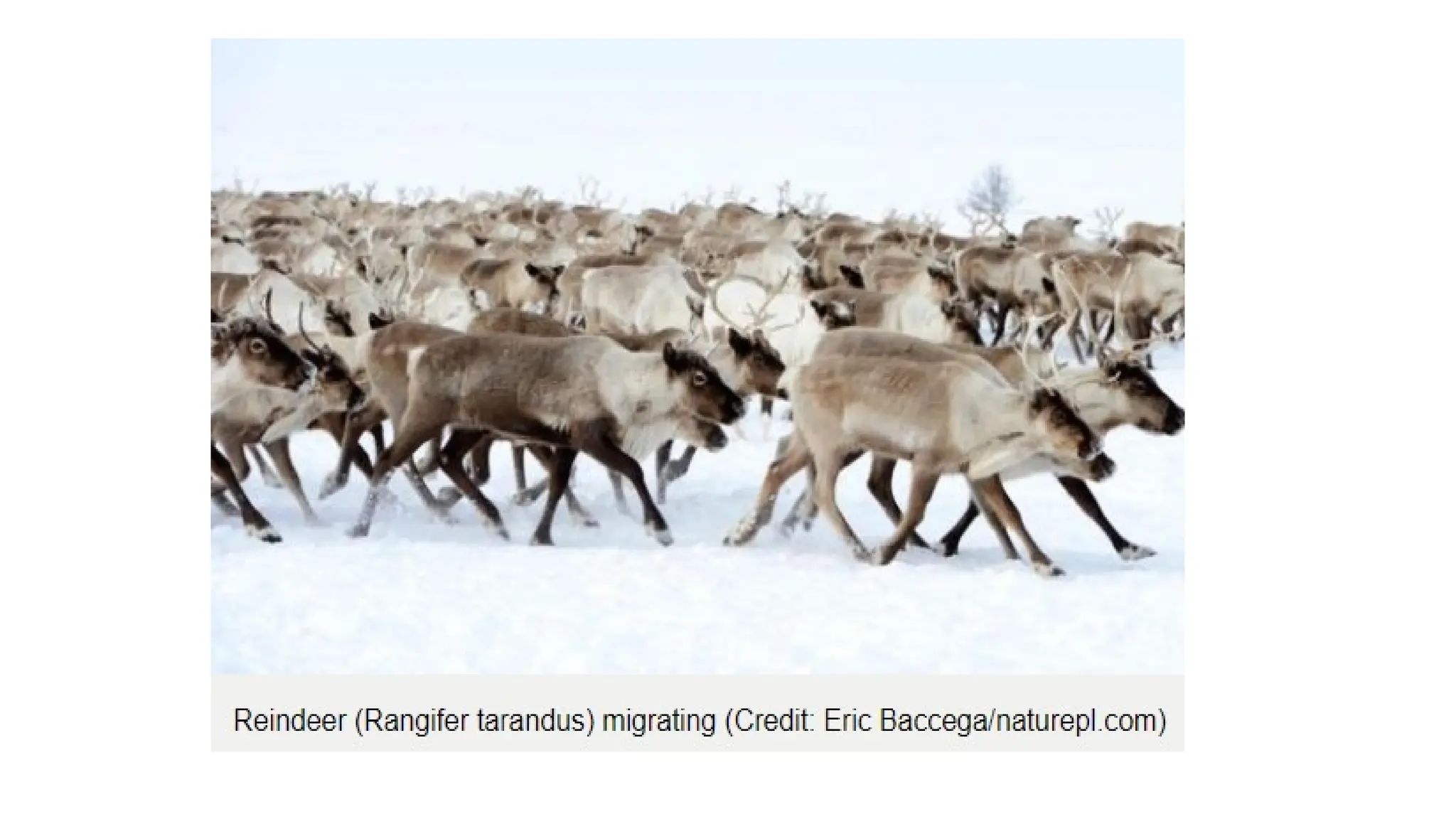


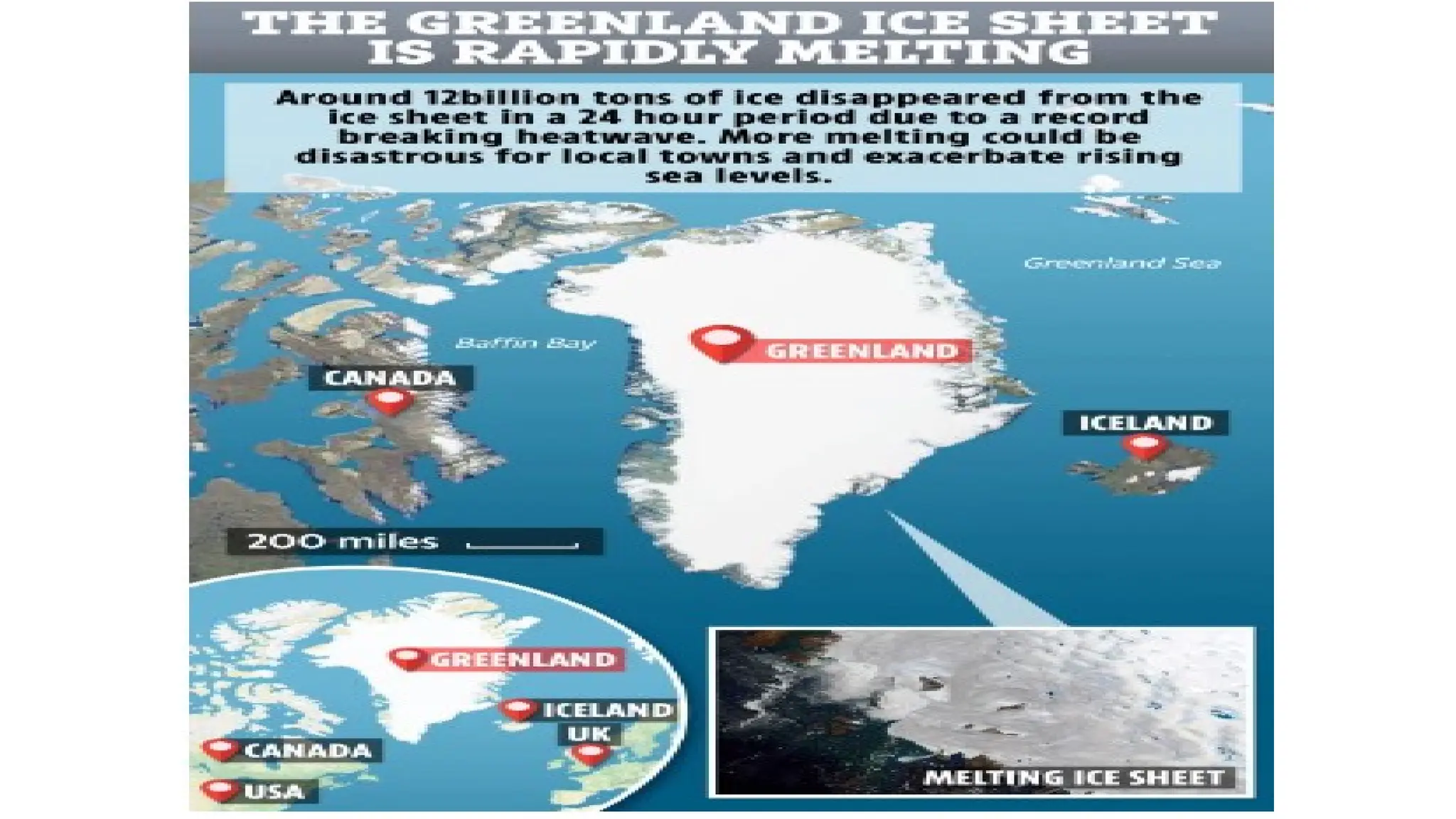
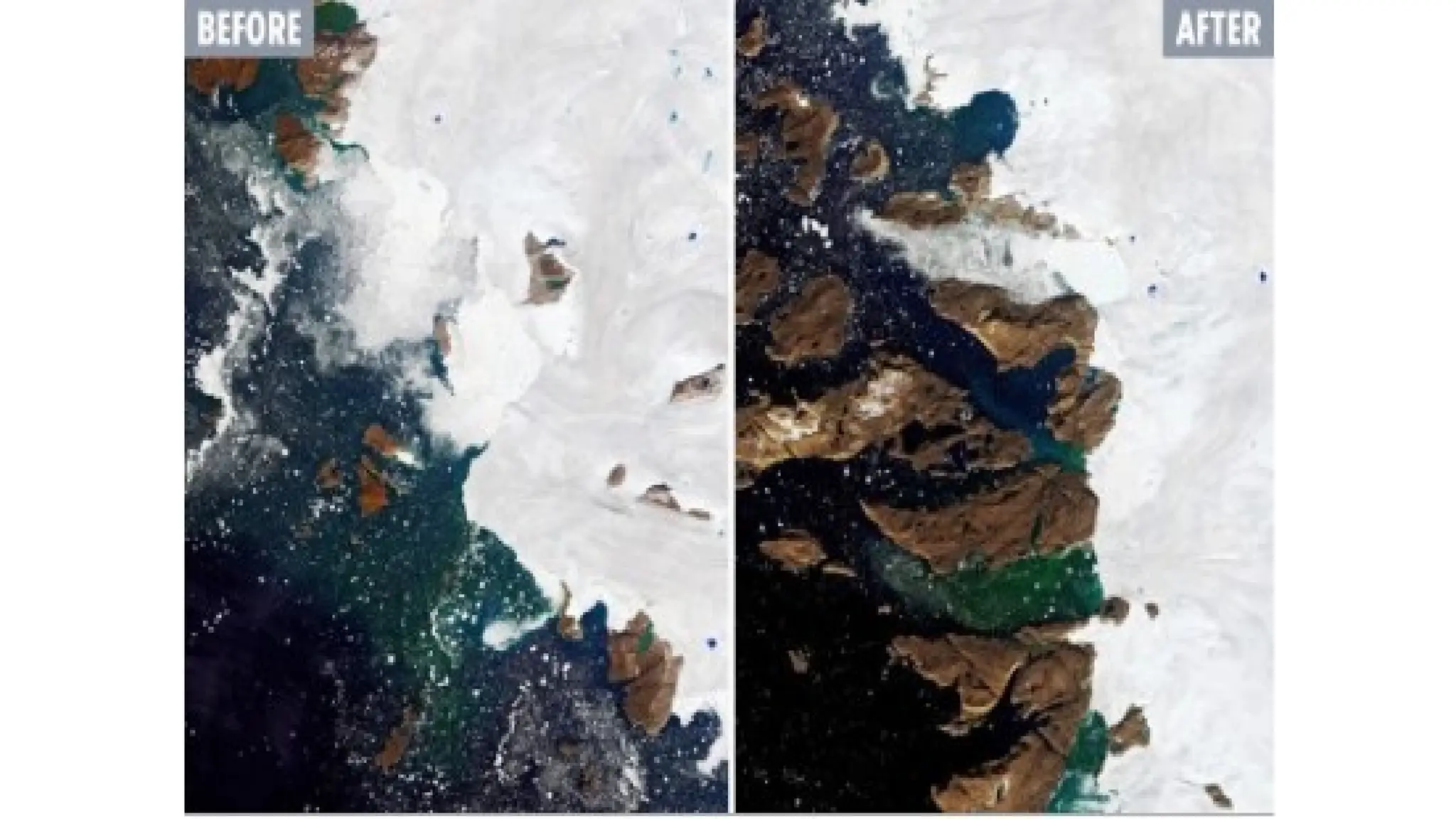


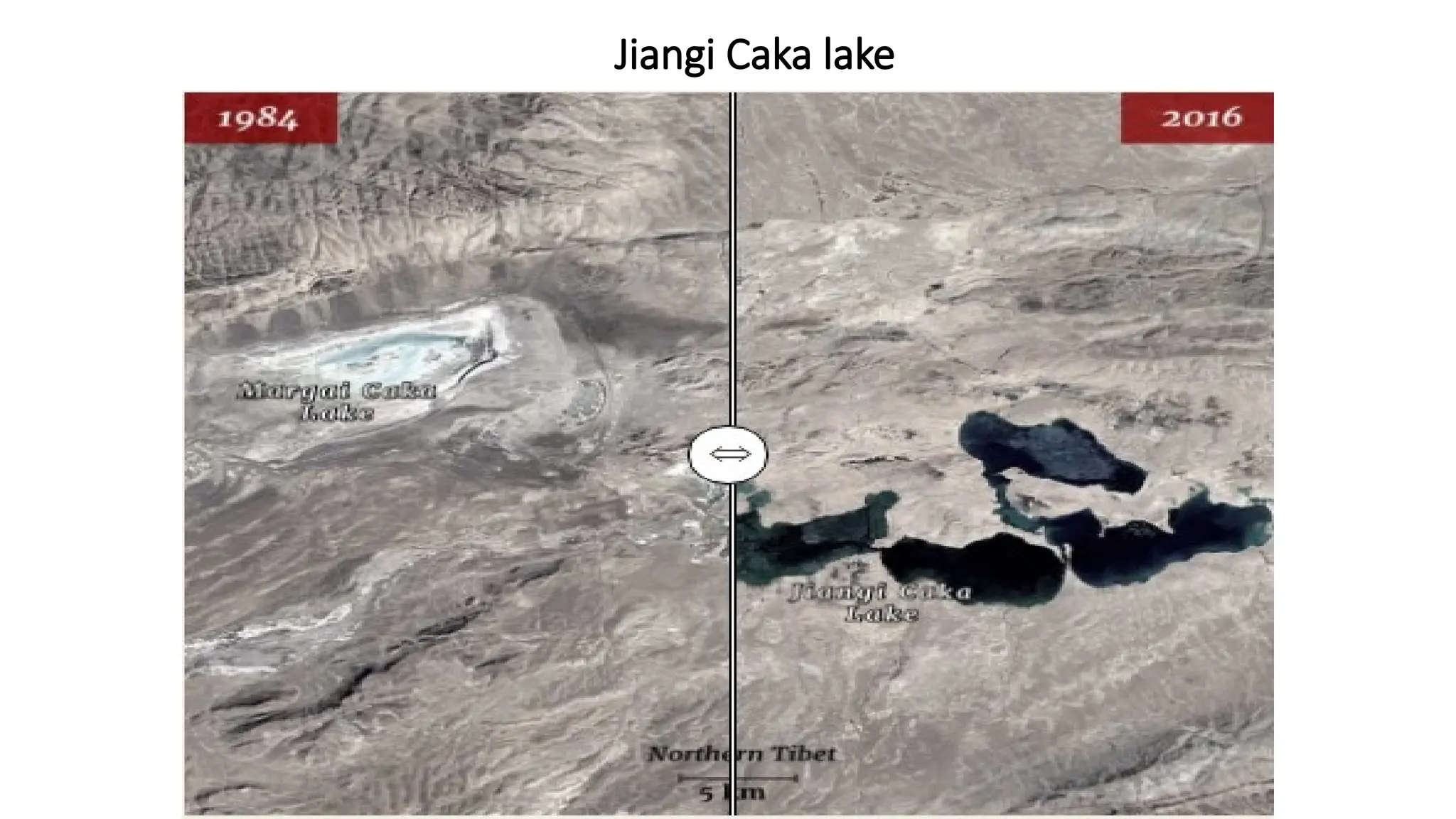


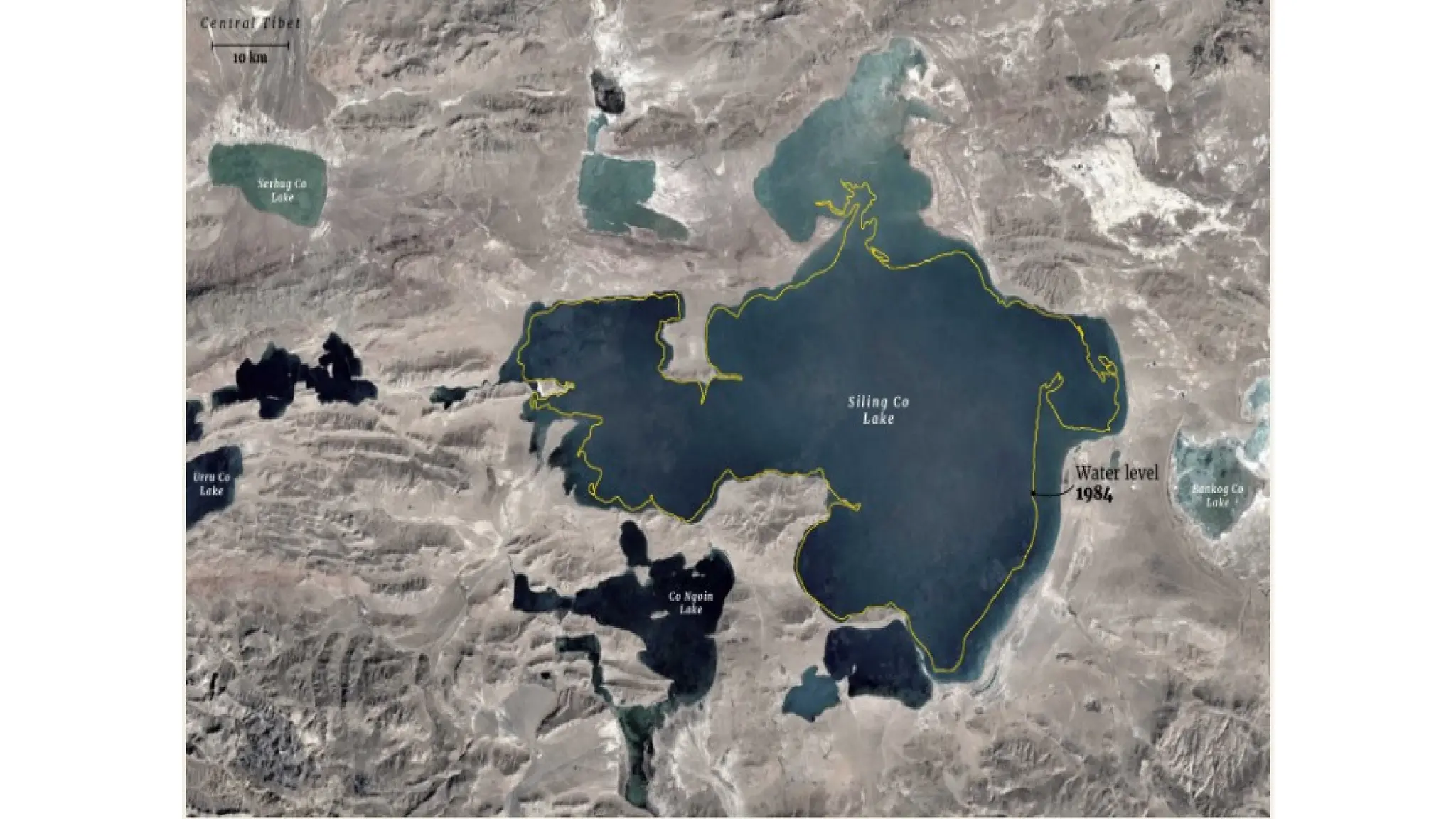
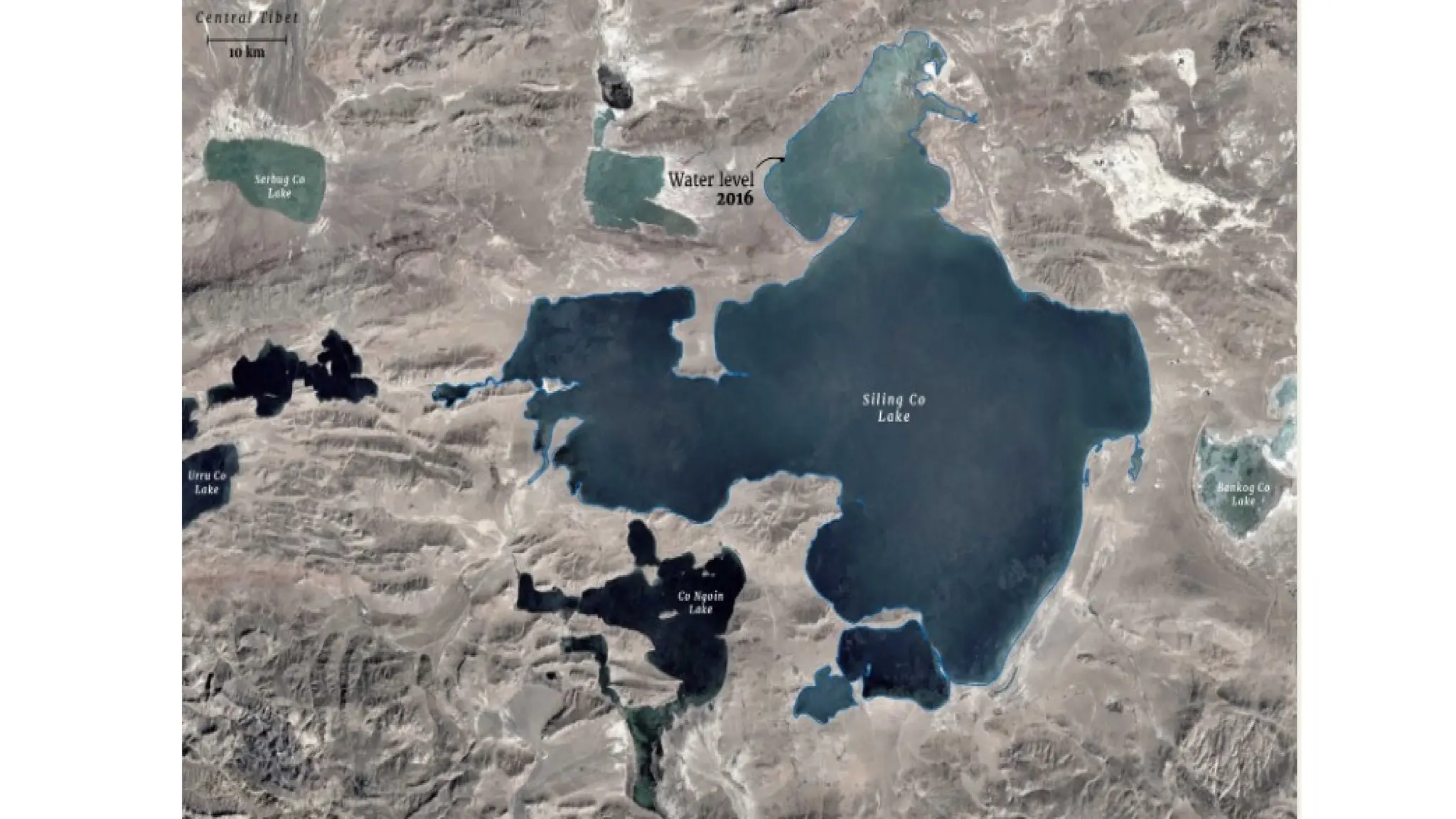


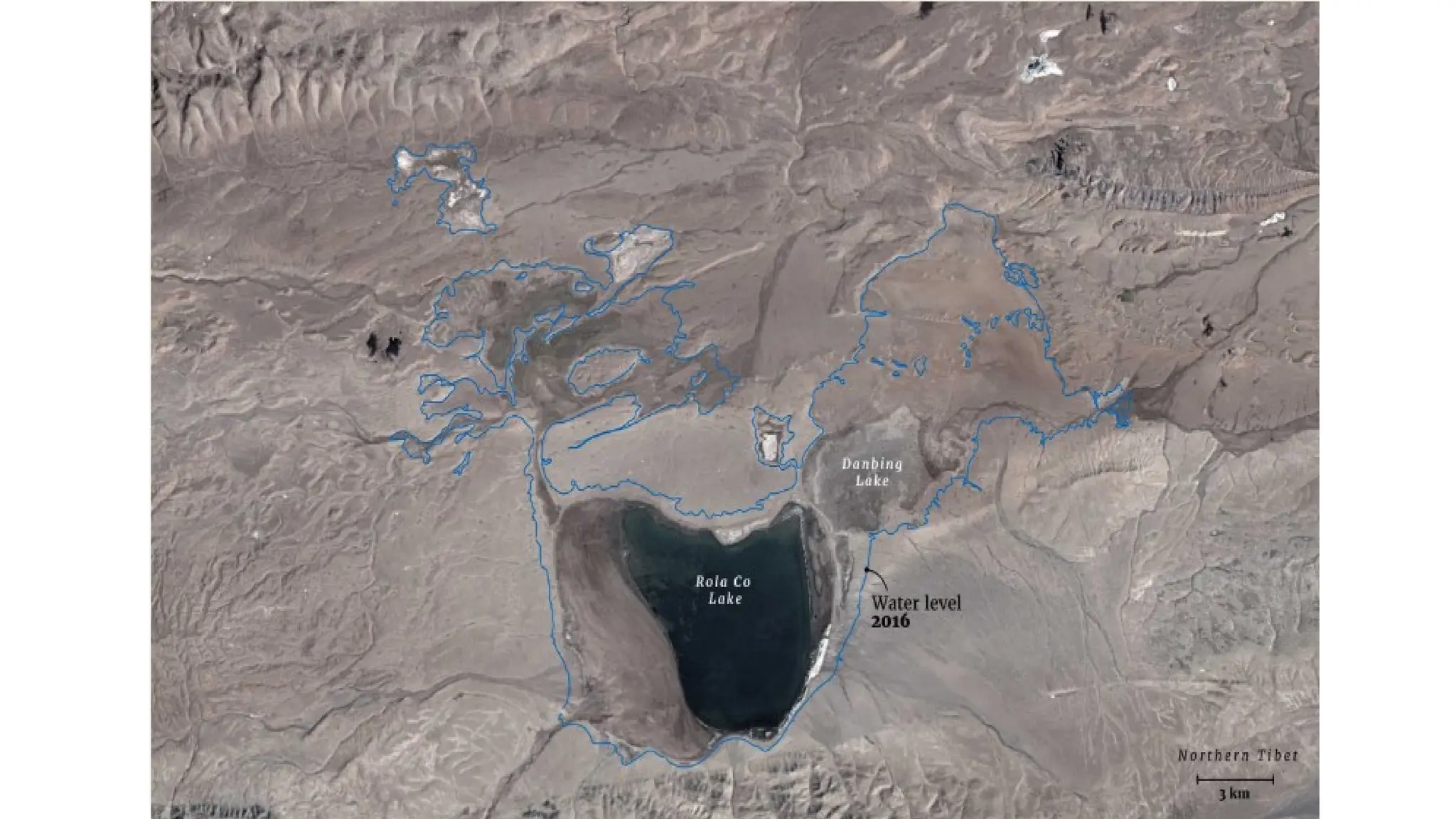
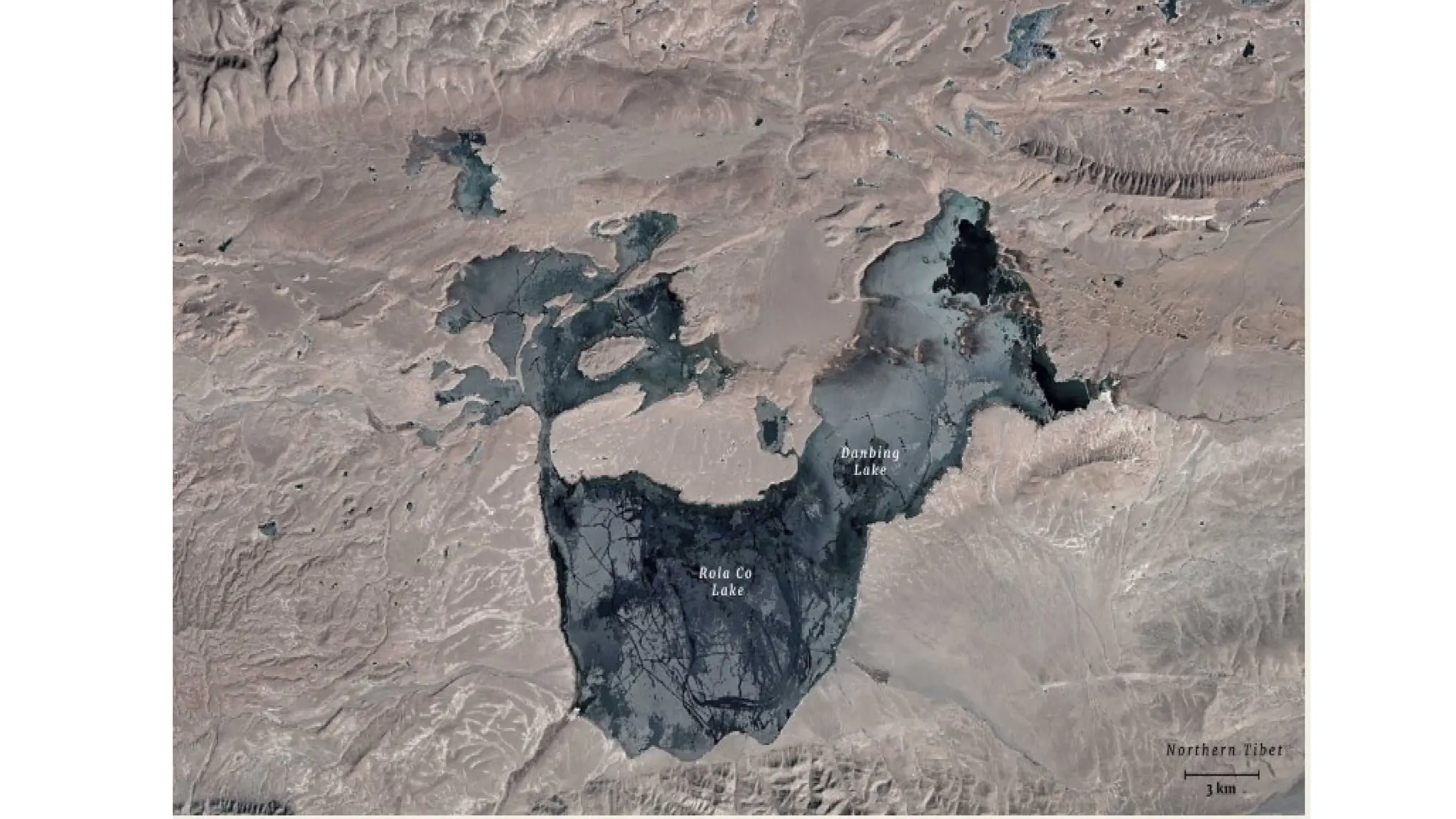
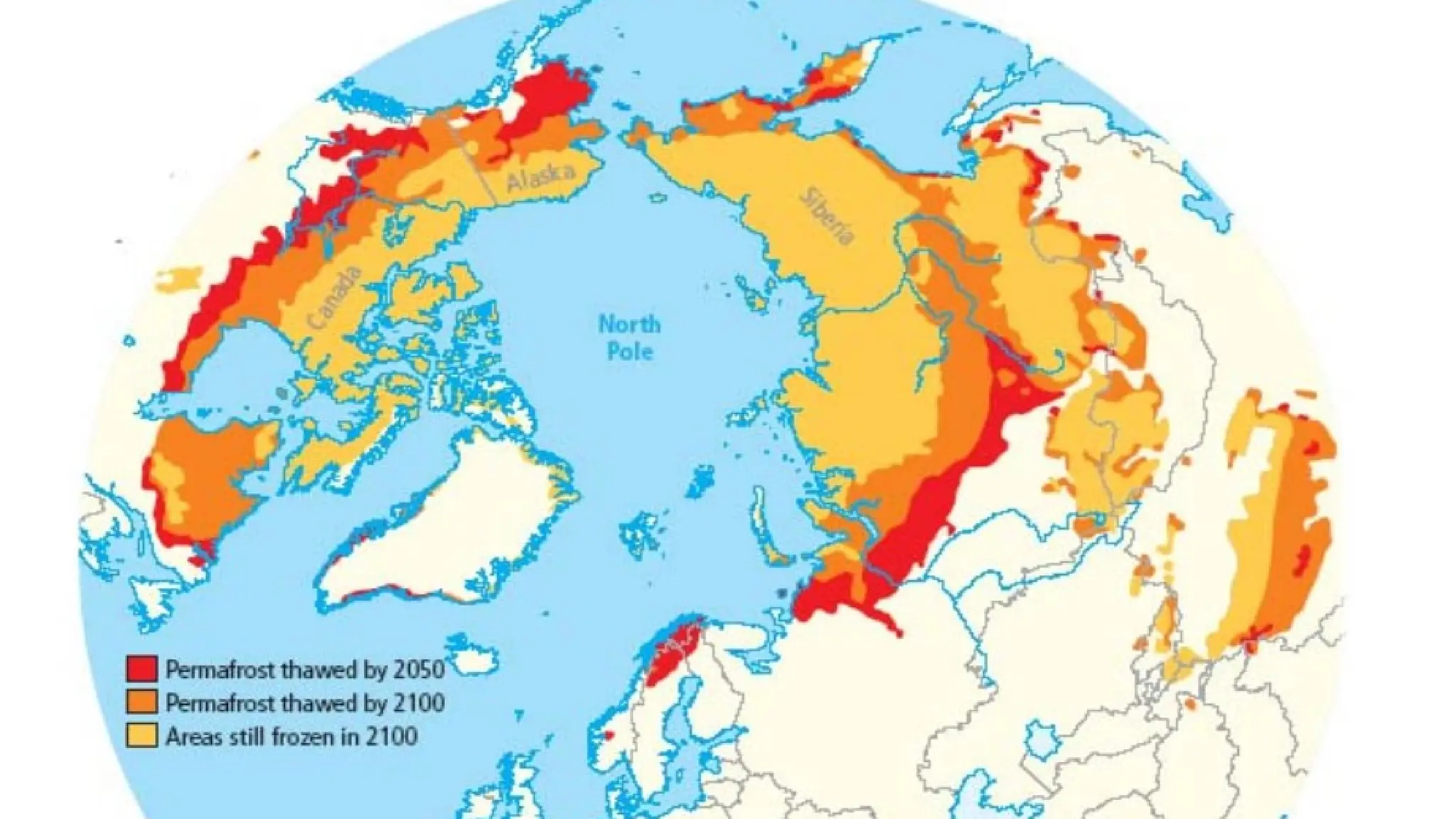


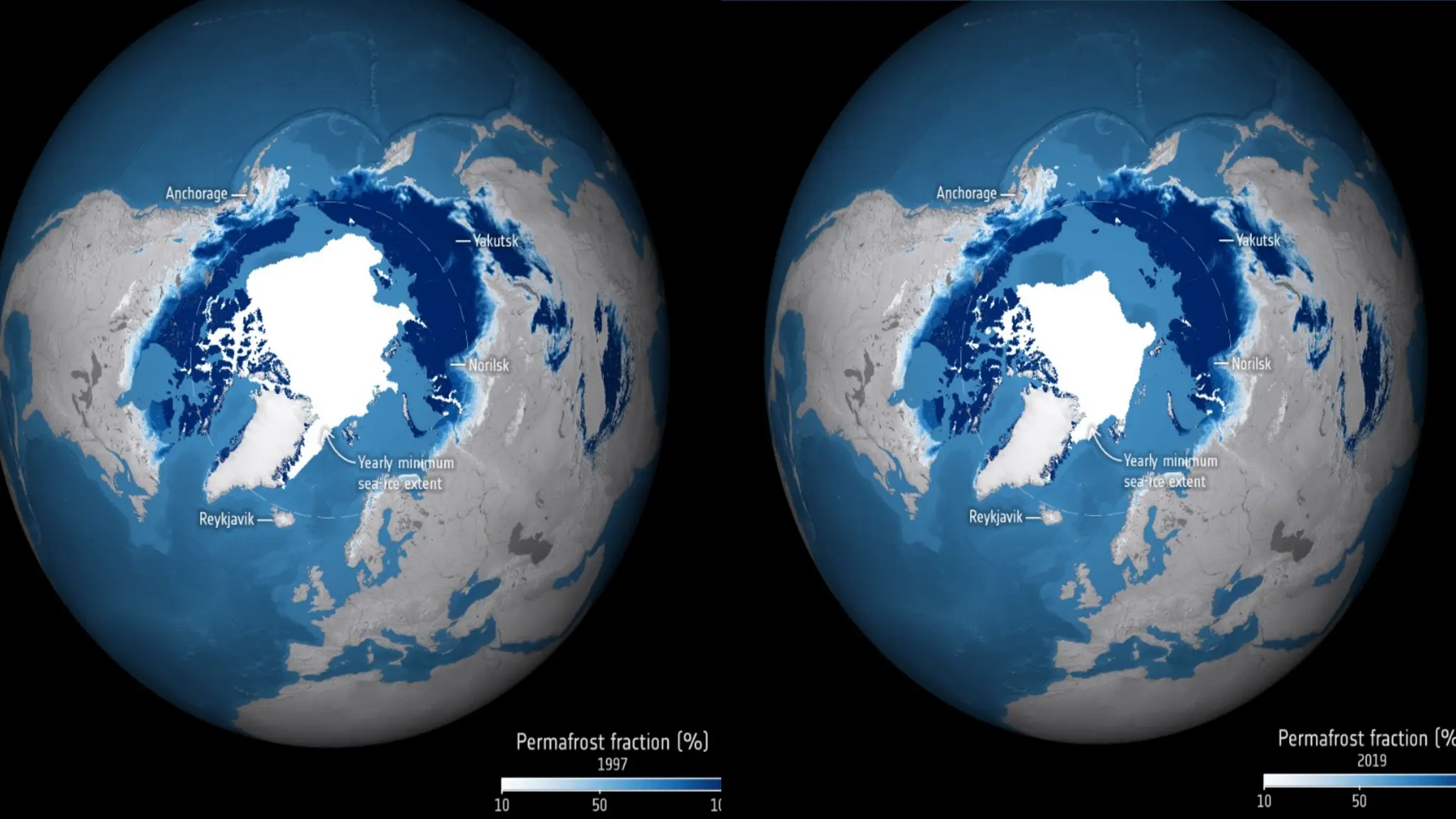
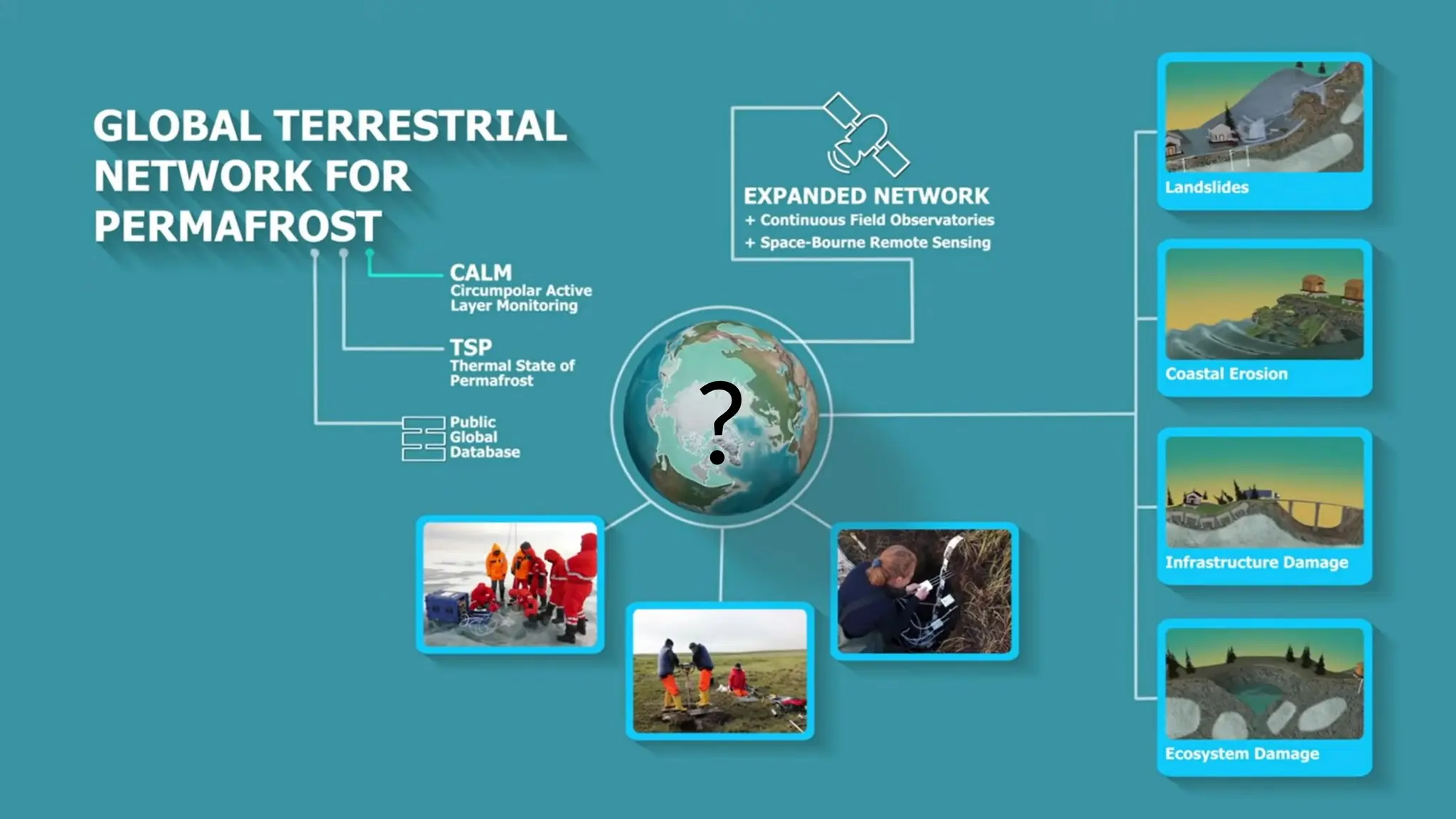
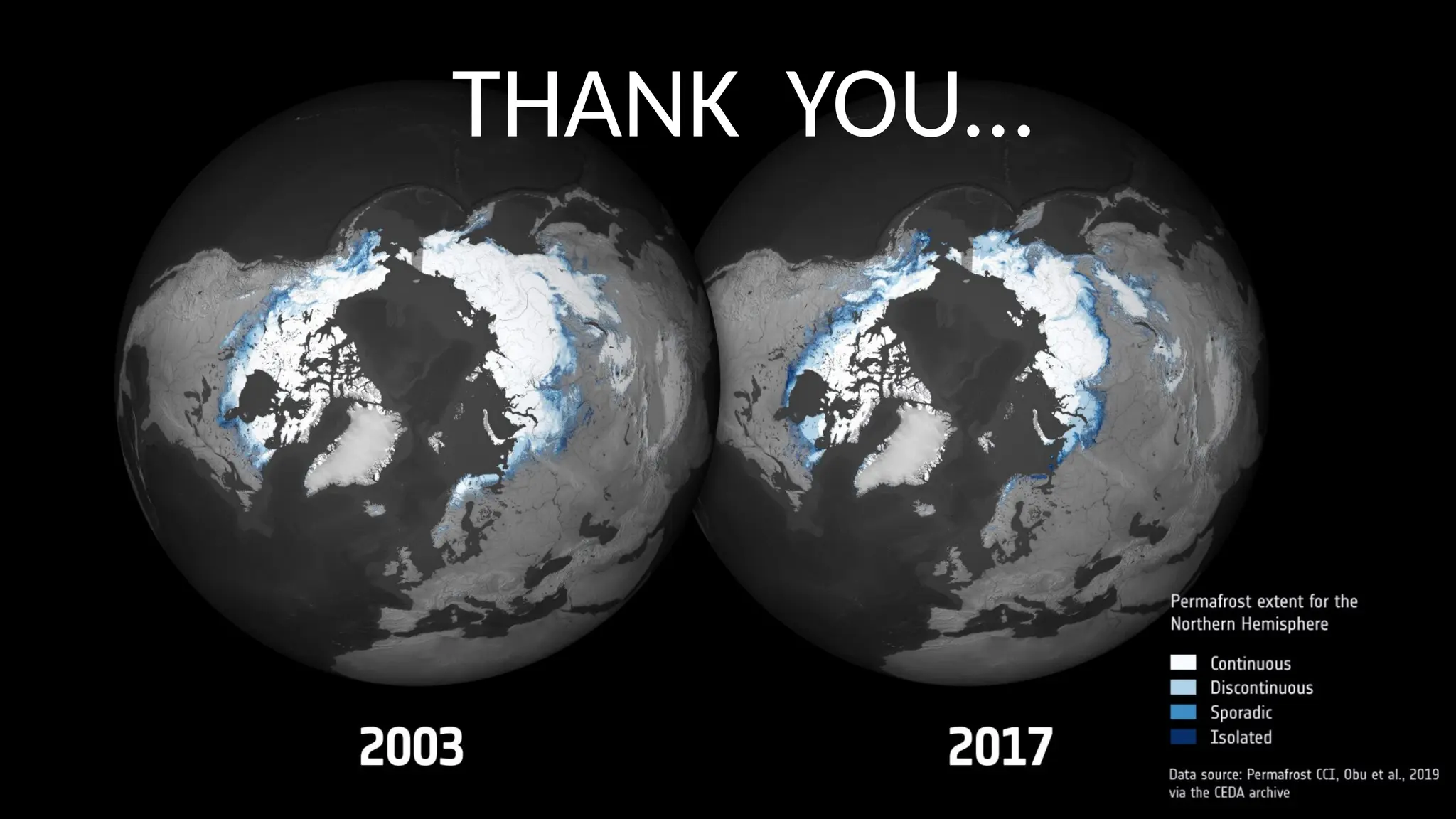

Permafrost, a layer of frozen soil, rock, or sediment found primarily in high-latitude regions, is significantly affected by climate change as rising temperatures cause it to thaw, releasing potent greenhouse gases like methane and carbon dioxide. This thawing poses severe risks including infrastructure damage, water contamination, health issues, and ecological disruptions, potentially leading to a feedback loop that exacerbates global warming. The implications of permafrost thaw extend beyond environmental concerns, affecting human communities and necessitating international cooperation for adaptation and mitigation strategies.


