ORAL COMMUNICATION
JOHN DENVER R. DE LA CRUZ, LPT
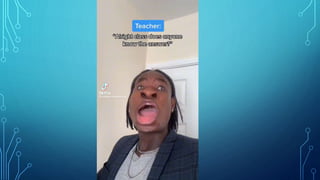
Guide Questions:
1. Is there a proper way of taking a
turn to
speak?
2. What seems to be the problem in
the video shown?
REFLECT:
If you are one of the student
in the video, how are you
going to address the
problem?
OBJECTIVE:
At the end of the lesson, the learners
should be able to:
•Understand the nature of turn-taking
and apply it in various communication
situations.
Turn-taking refers to the process where a
participant stops speaking and yields the
floor to other participants so he or she could
begin to speak.
There are three turn taking acts: keep-turn,
release-turn and take-turn. Intonation and
verbal cues, and nonverbal cues or gestures
indicate the signals that a speaker wants to
keep his or her turn, is ready to give up his
or her turn , is ready to give up his or her
ASK:
1.What is turn-taking?
2.What are the different turn-
taking acts?
3.What are the various signals and
cues in turn-taking?
GENERALIZATION:
To establish a good conversation, participants
must work together and understand their roles in
the communication process. They must know
when to play the rules of speakers and listeners.
It is impossible for two participants to be
speakers at the same time since the message
should only come from one source. The nature of
turn-taking suggests the communicators should
ASSESSMENT:
Direction: Create your own turn-taking based
on the following scenarios and identify what
turn-taking acts did you use in answering the
scenarios.
1.Teacher Denver prepared a question for
graded recitation. During the activity Leo
wants to participate.
2. In a group discussion, Khay ask by her leader
3. During meeting-de-avance many attendees have
question to the speaker. One of the participants is
Ricky and he prepared a question. How Ricky get
the attention to ask his question to the speaker?
4. Justin need to watch a television to get latest
news for his project but his sibling watch PBA and
it the team played is his favorite team.
5. In a class discussion students are noisy in giving
ideas about the topic that teacher Eira discussed.
And Teacher Eira want to say something.

Oral communication dec 5-9.pptx

  • 1.
  • 3.
    Guide Questions: 1. Isthere a proper way of taking a turn to speak? 2. What seems to be the problem in the video shown?
  • 4.
    REFLECT: If you areone of the student in the video, how are you going to address the problem?
  • 5.
    OBJECTIVE: At the endof the lesson, the learners should be able to: •Understand the nature of turn-taking and apply it in various communication situations.
  • 6.
    Turn-taking refers tothe process where a participant stops speaking and yields the floor to other participants so he or she could begin to speak. There are three turn taking acts: keep-turn, release-turn and take-turn. Intonation and verbal cues, and nonverbal cues or gestures indicate the signals that a speaker wants to keep his or her turn, is ready to give up his or her turn , is ready to give up his or her
  • 7.
    ASK: 1.What is turn-taking? 2.Whatare the different turn- taking acts? 3.What are the various signals and cues in turn-taking?
  • 8.
    GENERALIZATION: To establish agood conversation, participants must work together and understand their roles in the communication process. They must know when to play the rules of speakers and listeners. It is impossible for two participants to be speakers at the same time since the message should only come from one source. The nature of turn-taking suggests the communicators should
  • 9.
    ASSESSMENT: Direction: Create yourown turn-taking based on the following scenarios and identify what turn-taking acts did you use in answering the scenarios. 1.Teacher Denver prepared a question for graded recitation. During the activity Leo wants to participate. 2. In a group discussion, Khay ask by her leader
  • 10.
    3. During meeting-de-avancemany attendees have question to the speaker. One of the participants is Ricky and he prepared a question. How Ricky get the attention to ask his question to the speaker? 4. Justin need to watch a television to get latest news for his project but his sibling watch PBA and it the team played is his favorite team. 5. In a class discussion students are noisy in giving ideas about the topic that teacher Eira discussed. And Teacher Eira want to say something.