Open Source Security:
How to Lay the Groundwork
for a Secure Culture
Guy Bar Gil, Product Manager
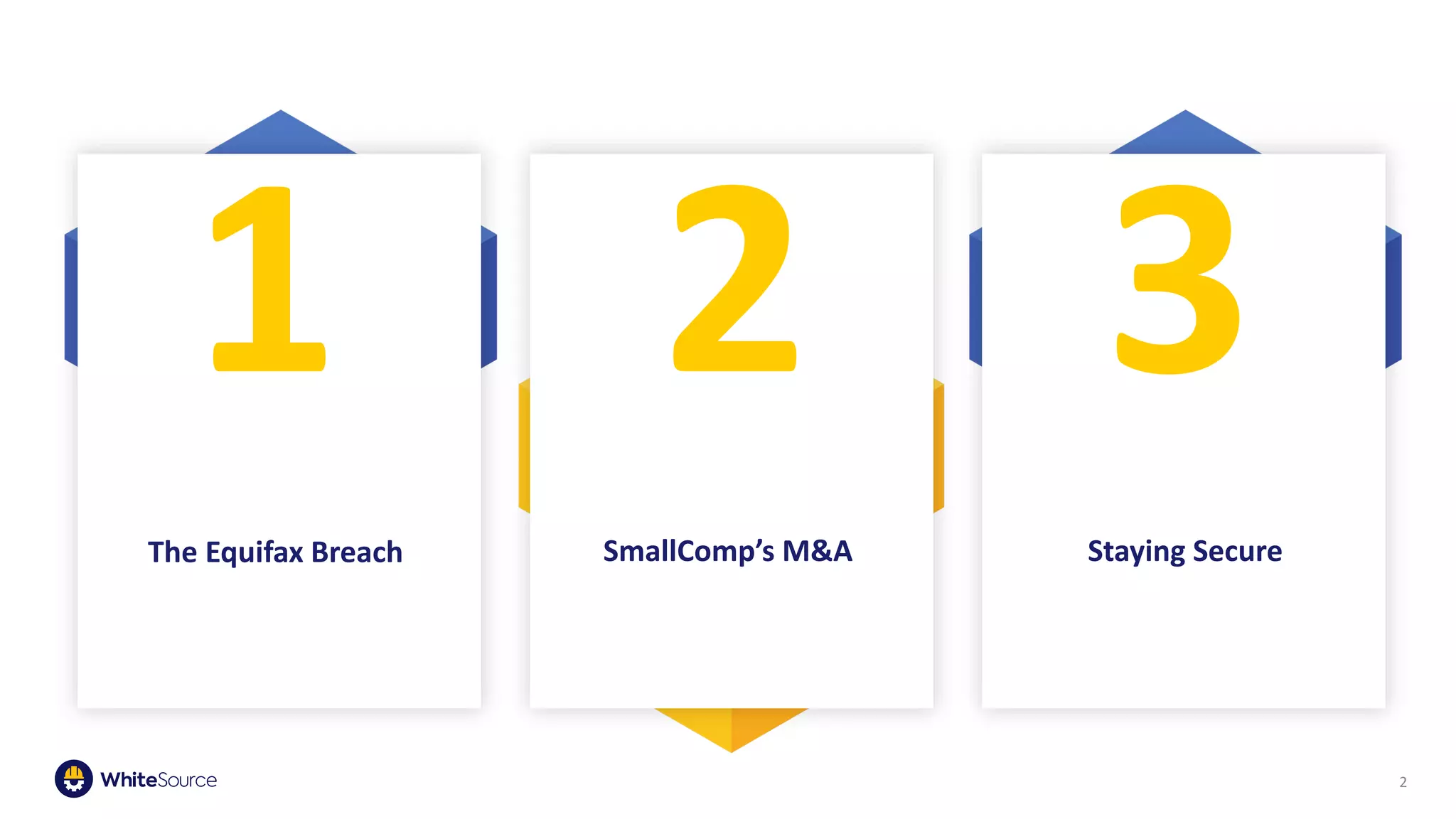
The Equifax Breach
2
Staying SecureSmallComp’s M&A
1 2 3
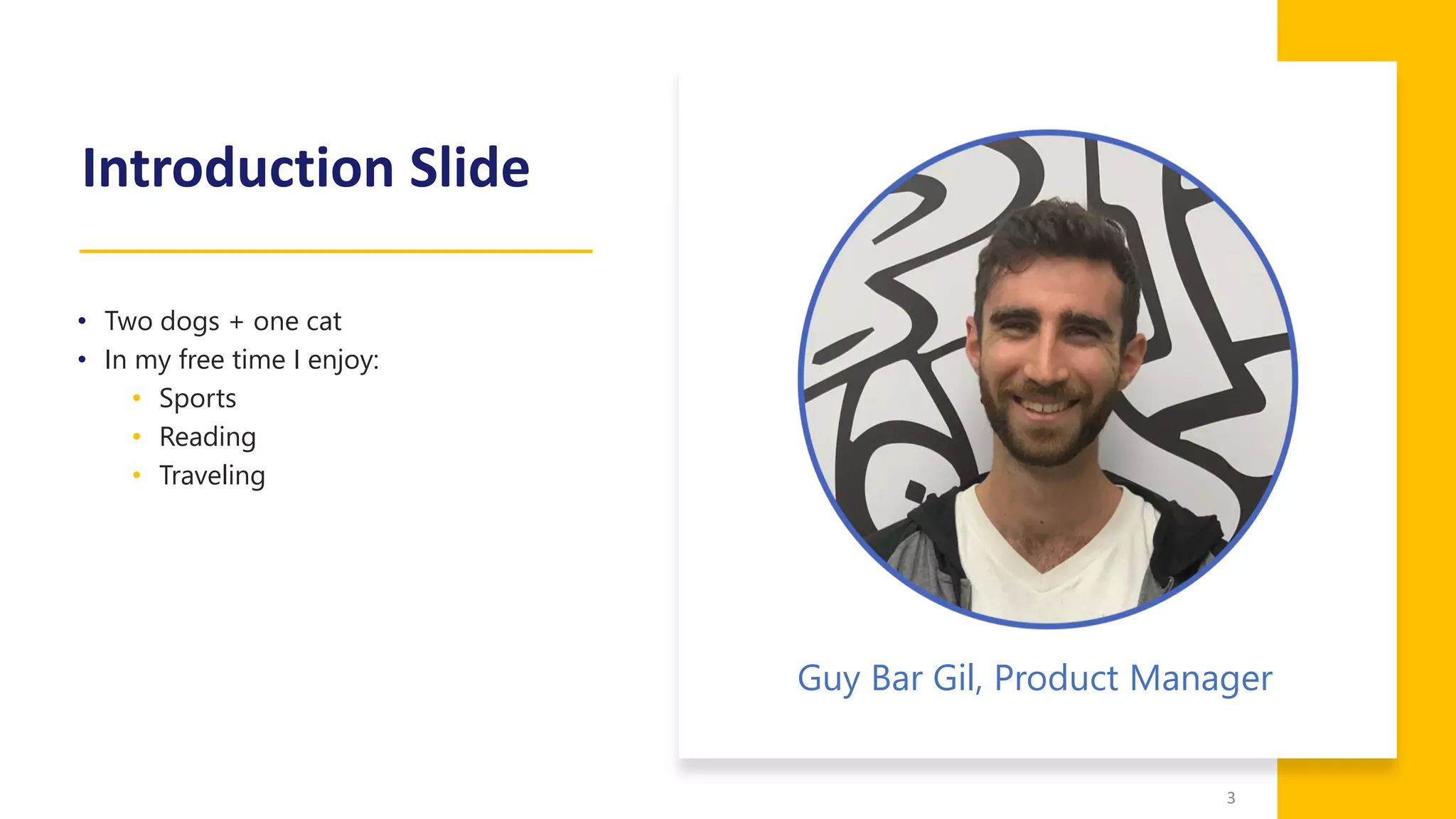
Introduction Slide
• Two dogs + one cat
• In my free time I enjoy:
• Sports
• Reading
• Traveling
3
Guy Bar Gil, Product Manager
4
1The Equifax Breach
• Consumer credit reporting agency
• Equifax collects and aggregates information
• 800M+ individual consumers
• 88M+ businesses
• Publicly traded (NYSE), 9.5K+ employees, $3.14B in revenues
(2016)
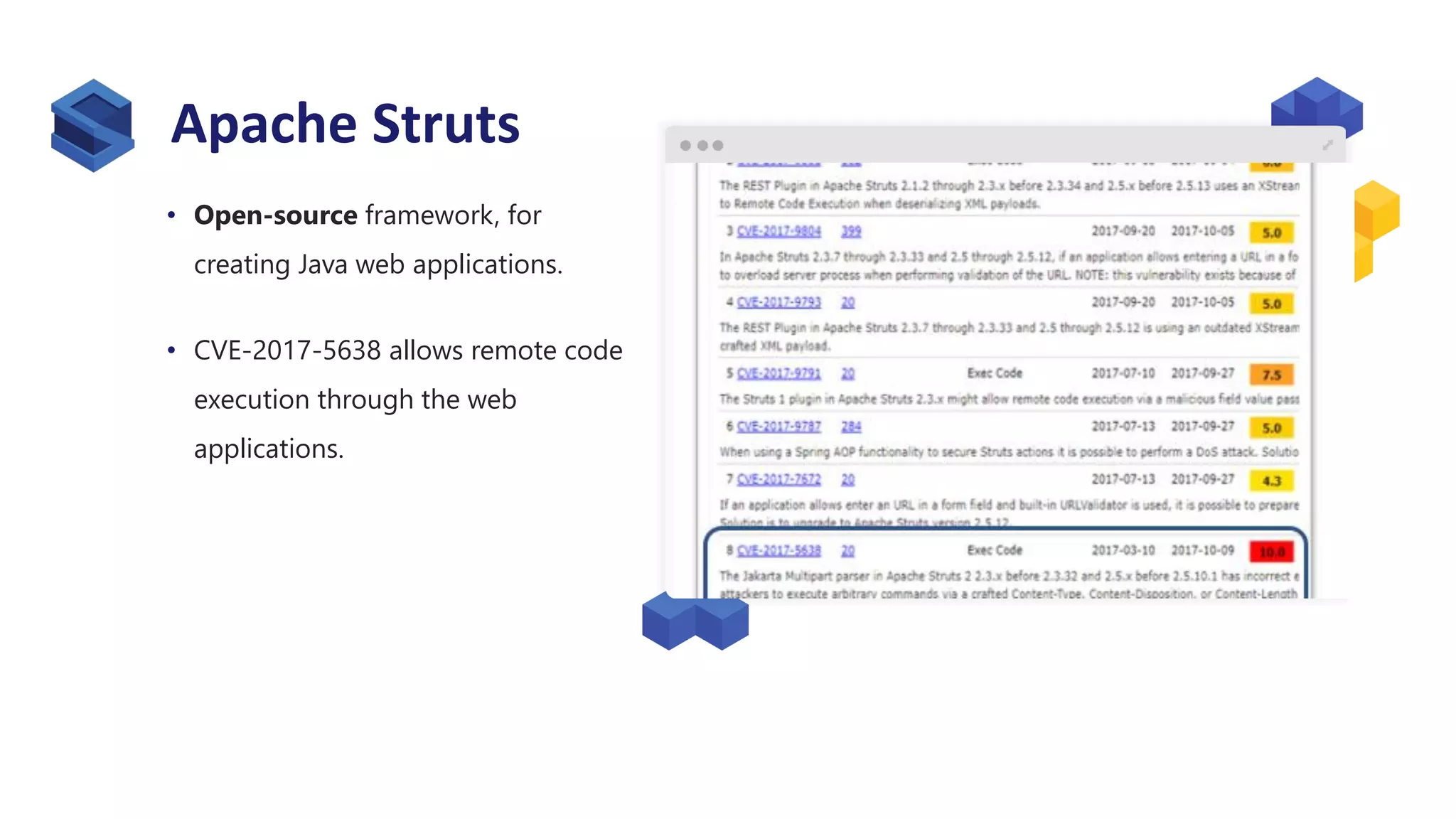
Apache Struts
• Open-source framework, for
creating Java web applications.
• CVE-2017-5638 allows remote code
execution through the web
applications.
7
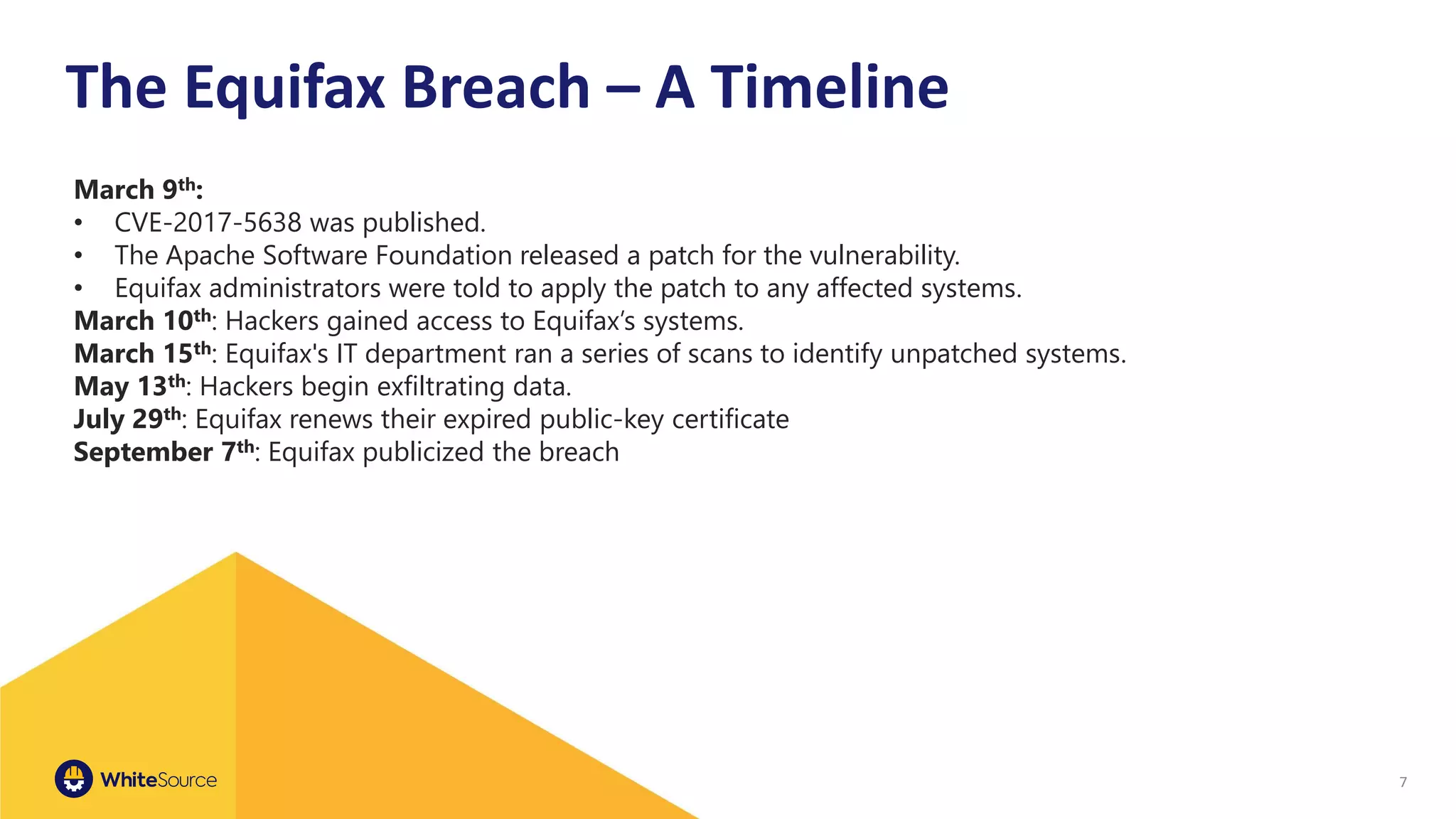
The Equifax Breach – A Timeline
March 9th:
• CVE-2017-5638 was published.
• The Apache Software Foundation released a patch for the vulnerability.
• Equifax administrators were told to apply the patch to any affected systems.
March 10th: Hackers gained access to Equifax’s systems.
March 15th: Equifax's IT department ran a series of scans to identify unpatched systems.
May 13th: Hackers begin exfiltrating data.
July 29th: Equifax renews their expired public-key certificate
September 7th: Equifax publicized the breach
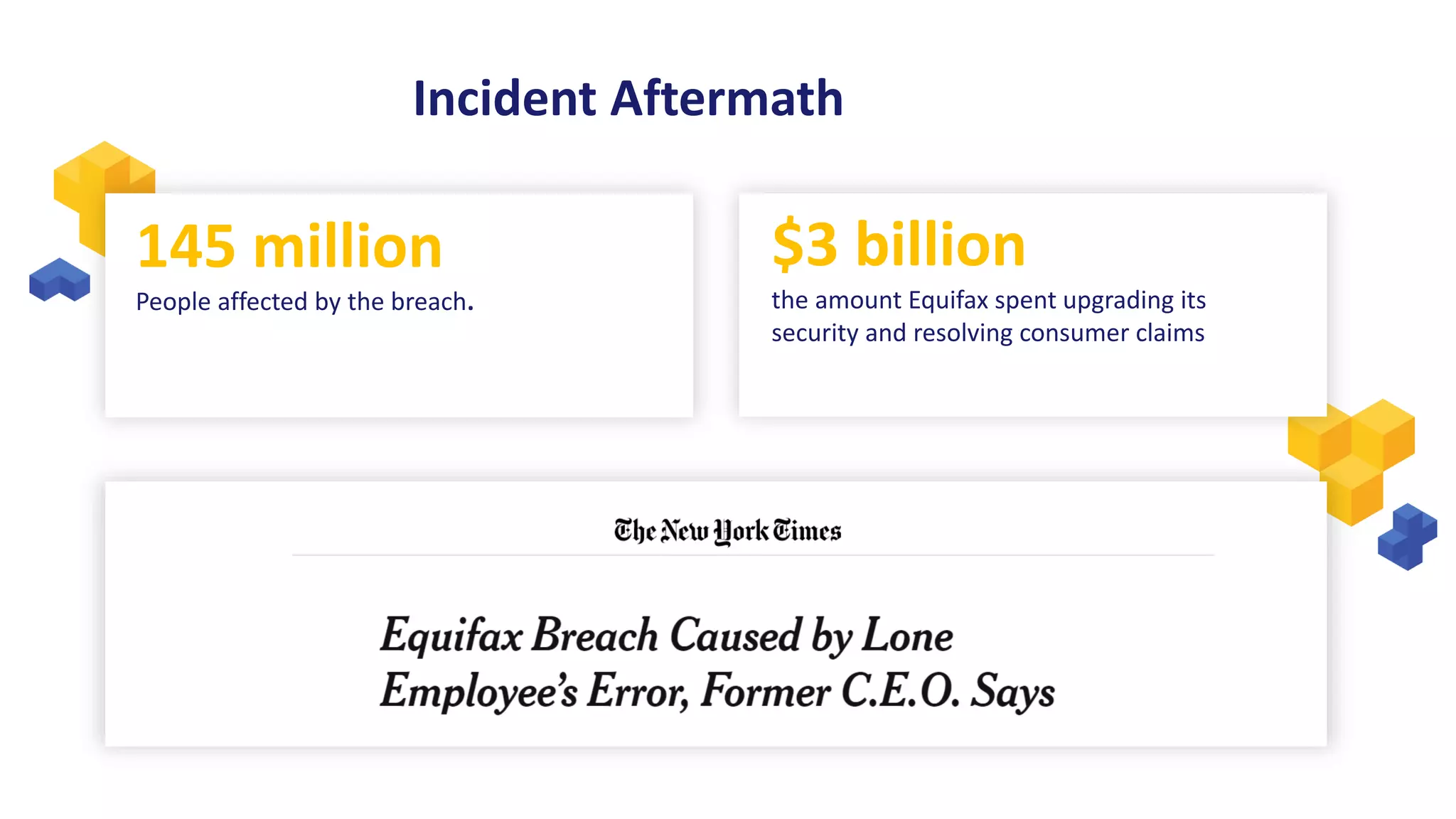
Incident Aftermath
145 million
People affected by the breach.
$3 billion
the amount Equifax spent upgrading its
security and resolving consumer claims
9
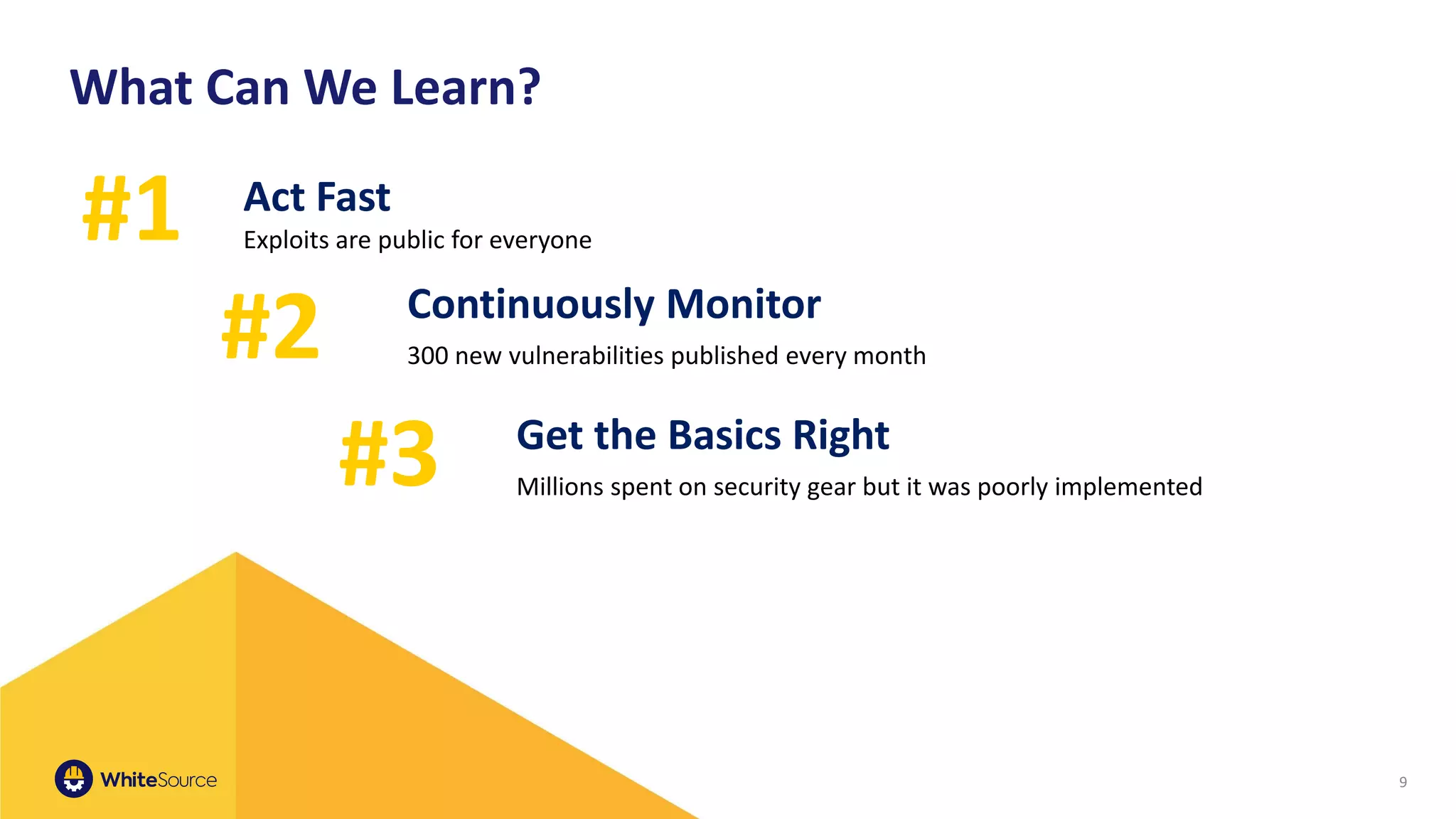
Act Fast
Exploits are public for everyone
Continuously Monitor
300 new vulnerabilities published every month
Get the Basics Right
Millions spent on security gear but it was poorly implemented
#1
#2
#3
What Can We Learn?
10
2
SmallComp’s M&A
SmallComp’s M&A
• SmallComp required to do an open-
source audit
• Each component comes with certain
terms
• Found a dependency licensed under
AGPL
11
$4M Dollars in Escrow
12
• Terms of the escrow:
• Remove any trace of AGPL from the
software.
• 80% of customers must deploy the
updated software to production.
• Two year timeframe.
• Development/deployment-related
costs taken from the escrow.
13
Solving The Problem
Isn’t So Easy
Two main obstacles:
• Development + QA time is 1 year for 1 person
• SmallComp’s customers are hospitals, where
solutions are often manually deployed and
technicians are required to train staff
They Did It!
SmallComp was able to fulfill the terms of the escrow
after 1 year and 8 months!
14
15
Set Clear Policies
for the whole company in regards to licensing
Communicate
the company’s policies to developers
Enforce
make sure your policies are being enforced
#1
#2
#3
How Do We Avoid This Situation?
16
3Staying Secure
Step 1:
Create Transparency
• Transparency is the baseline to everything
• How can you detect and solve issues in your
open-source components if you have no idea
what they are?
• Understand exactly what you’re using:
• Direct Dependencies
• Transitive Dependencies
• Source files
17
18
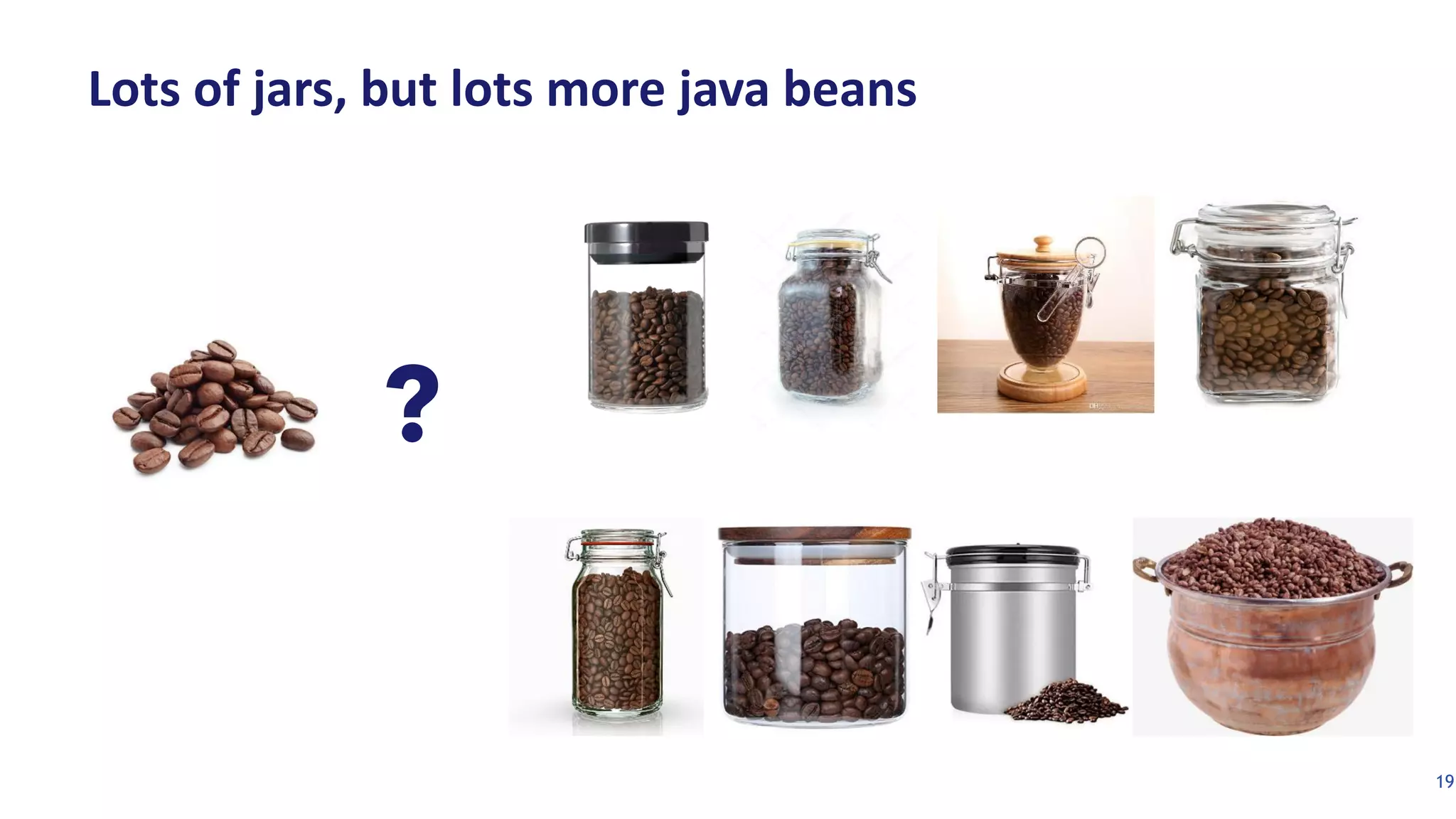
Lots of jars
?
19
Lots of jars, but lots more java beans
?
Step 2:
Detect Potential Issues
• Match your components to the most
comprehensive DB possible:
• Published CVEs
• Vulnerabilities published in security advisories
• Vulnerabilities detected by research teams
• Thorough license detection
20
Step 3: Prioritize
How would you prioritize your vulnerabilities?
21
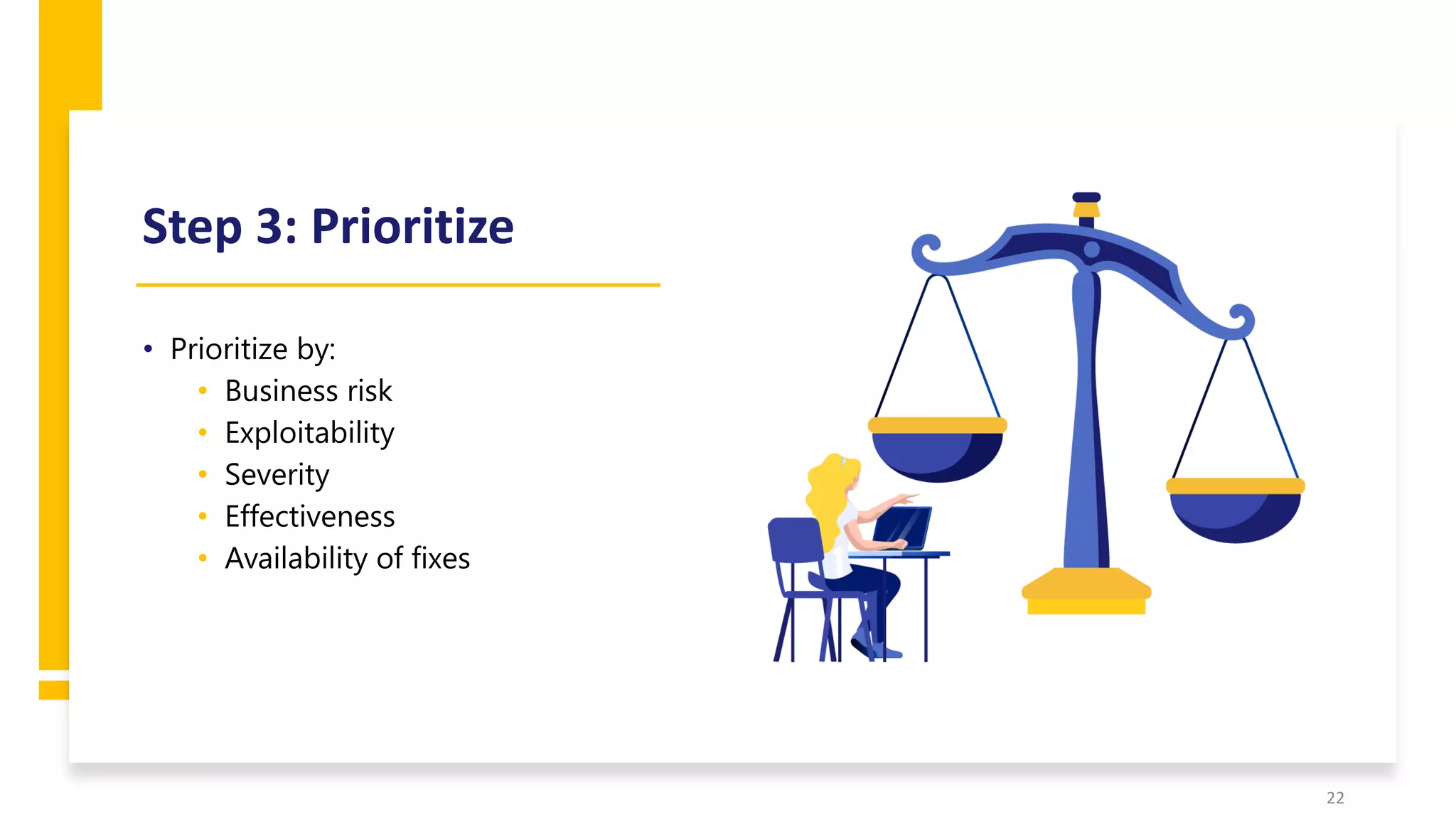
Step 3: Prioritize
• Prioritize by:
• Business risk
• Exploitability
• Severity
• Effectiveness
• Availability of fixes
22
23
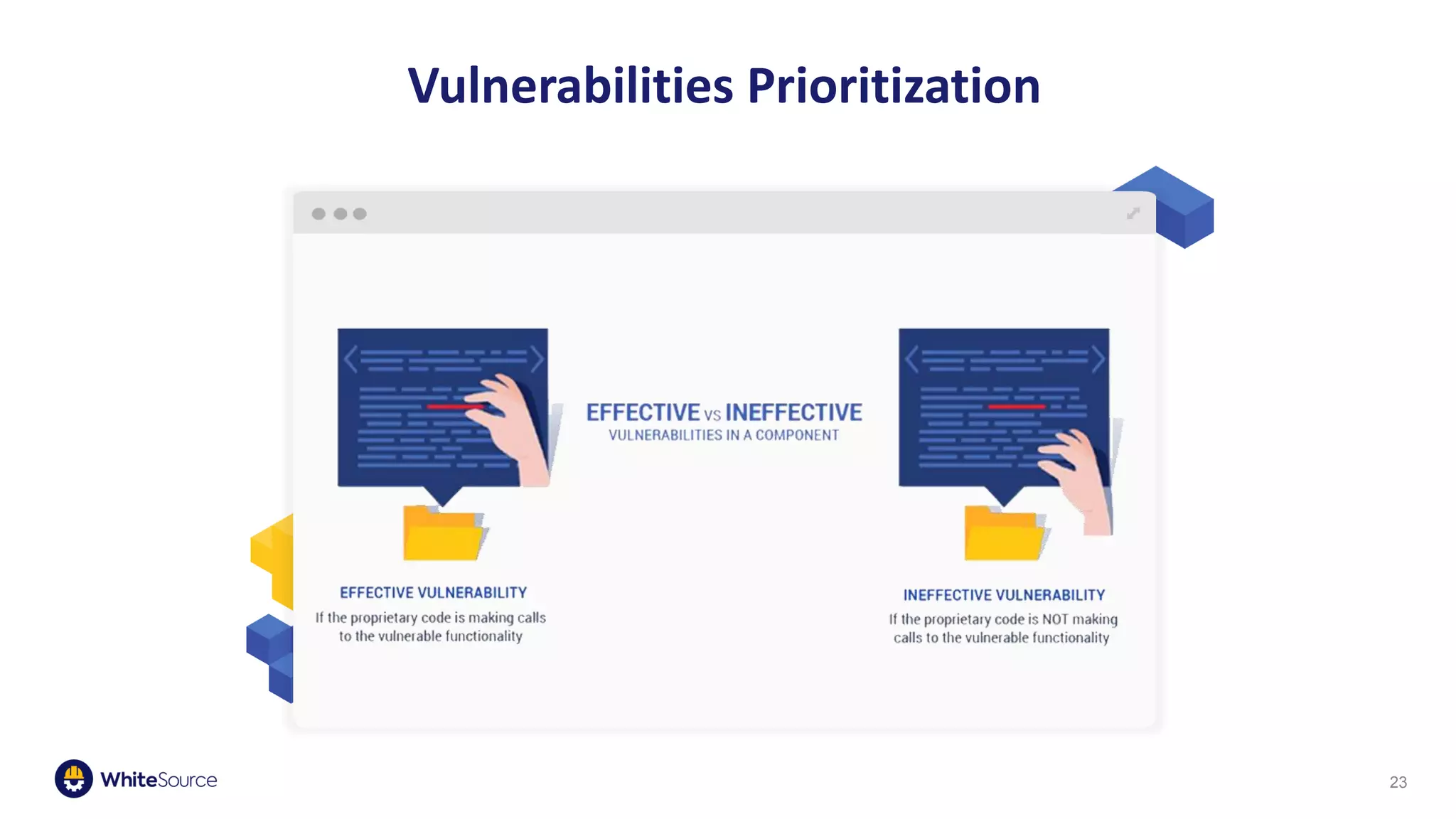
Vulnerabilities Prioritization
24
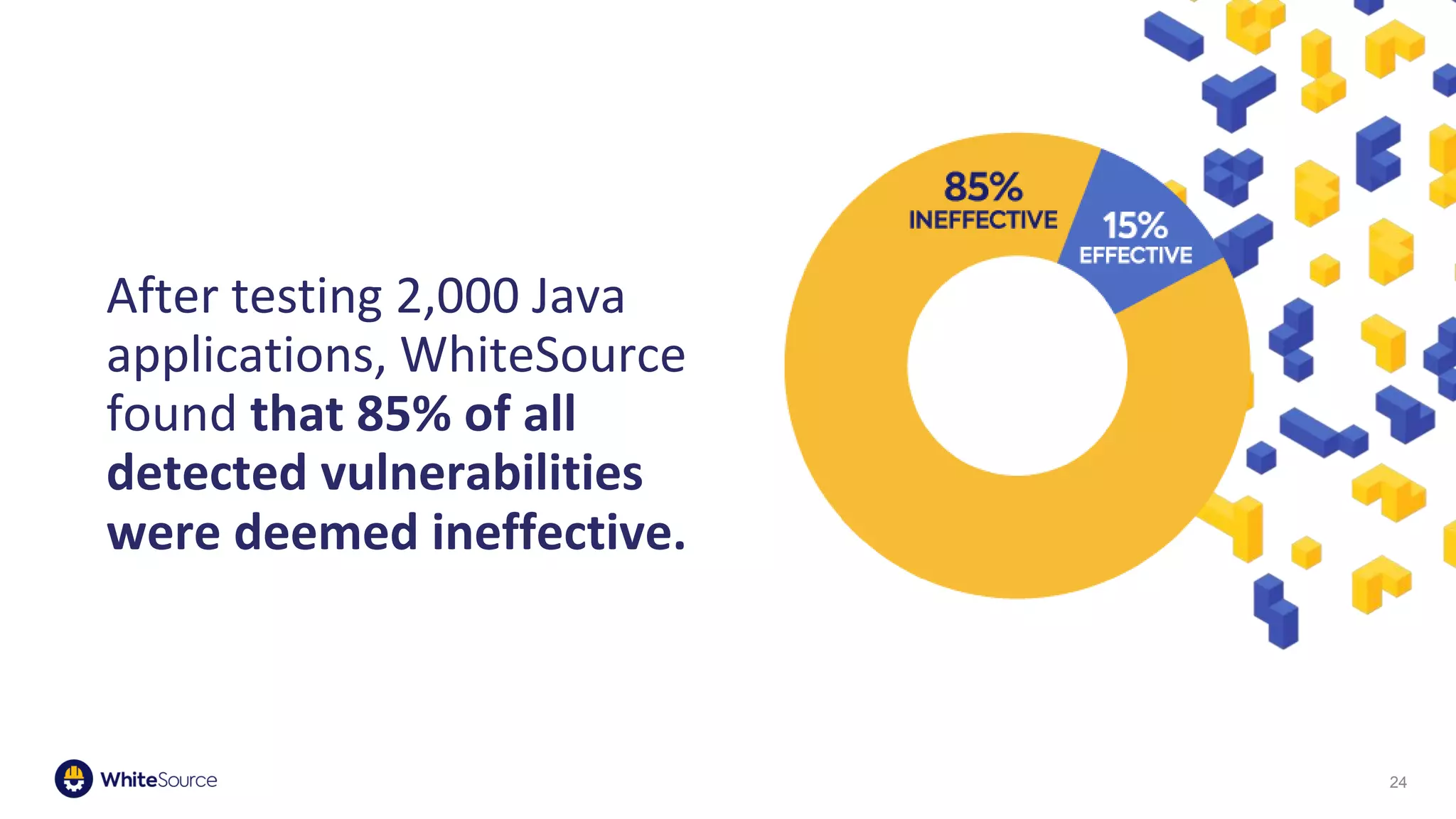
After testing 2,000 Java
applications, WhiteSource
found that 85% of all
detected vulnerabilities
were deemed ineffective.
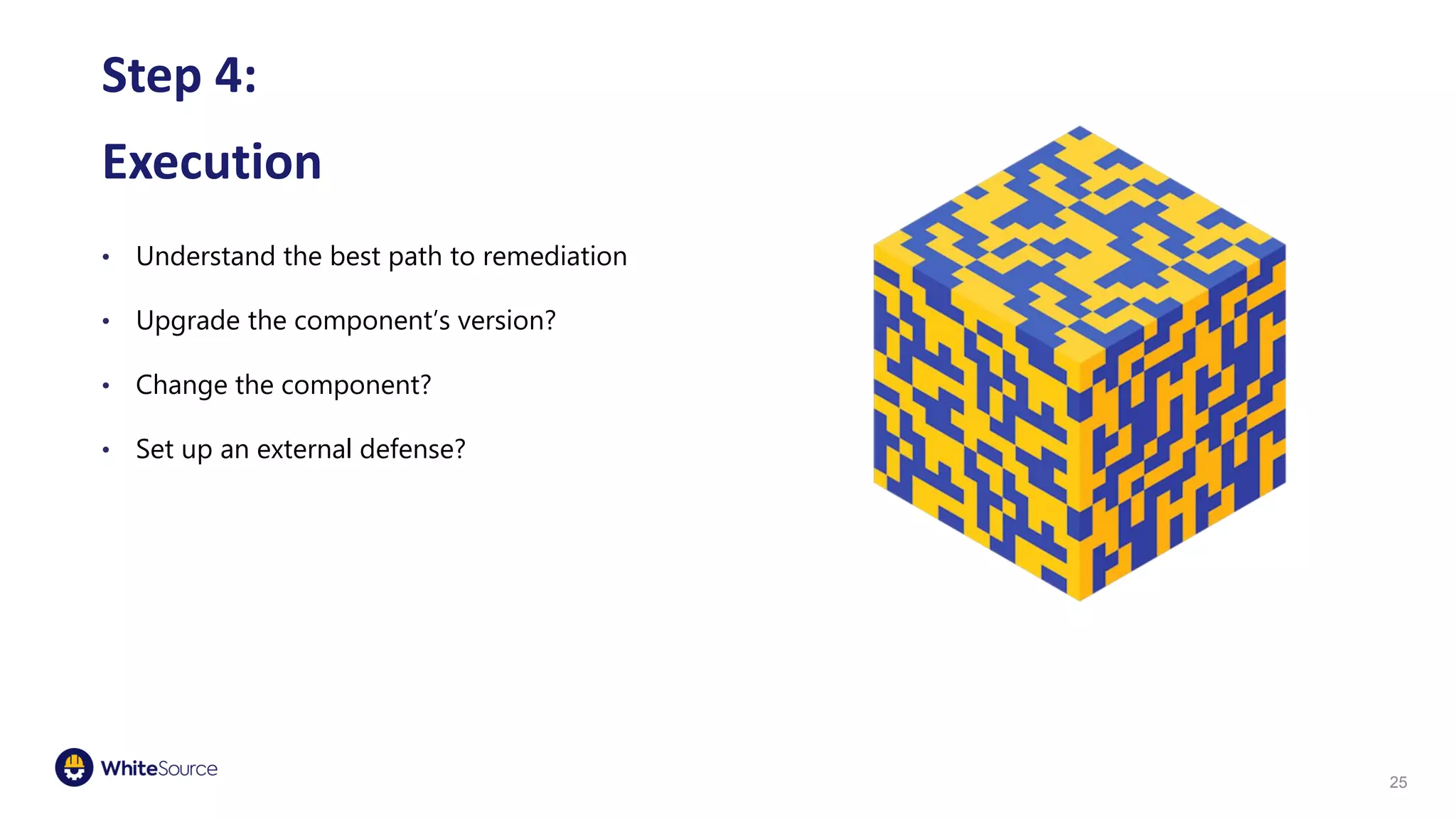
Step 4:
Execution
• Understand the best path to remediation
• Upgrade the component’s version?
• Change the component?
• Set up an external defense?
25
26
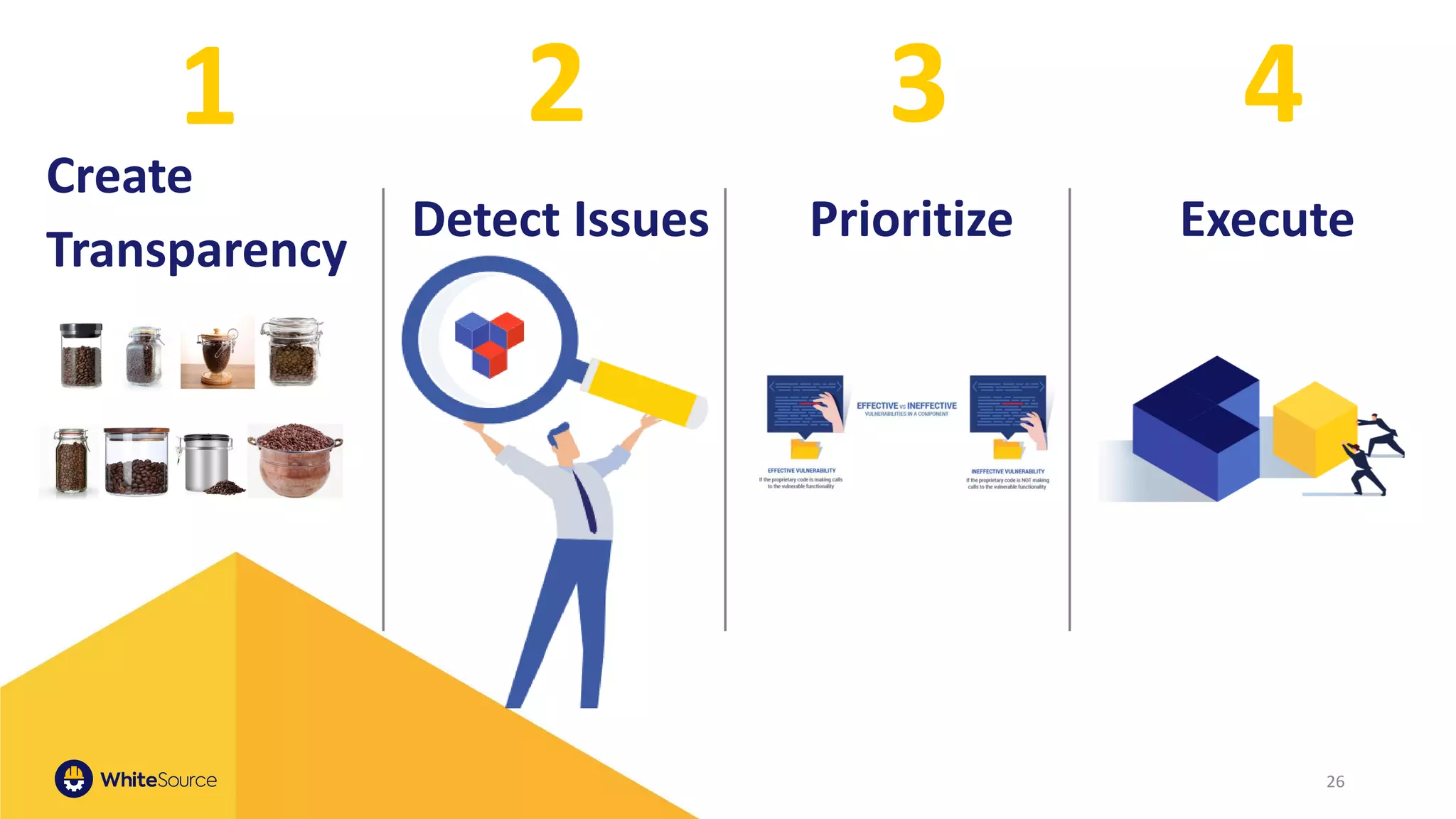
Create
Transparency
Detect Issues Prioritize Execute
1 2 3 4
Let’s Talk About
Implementation!
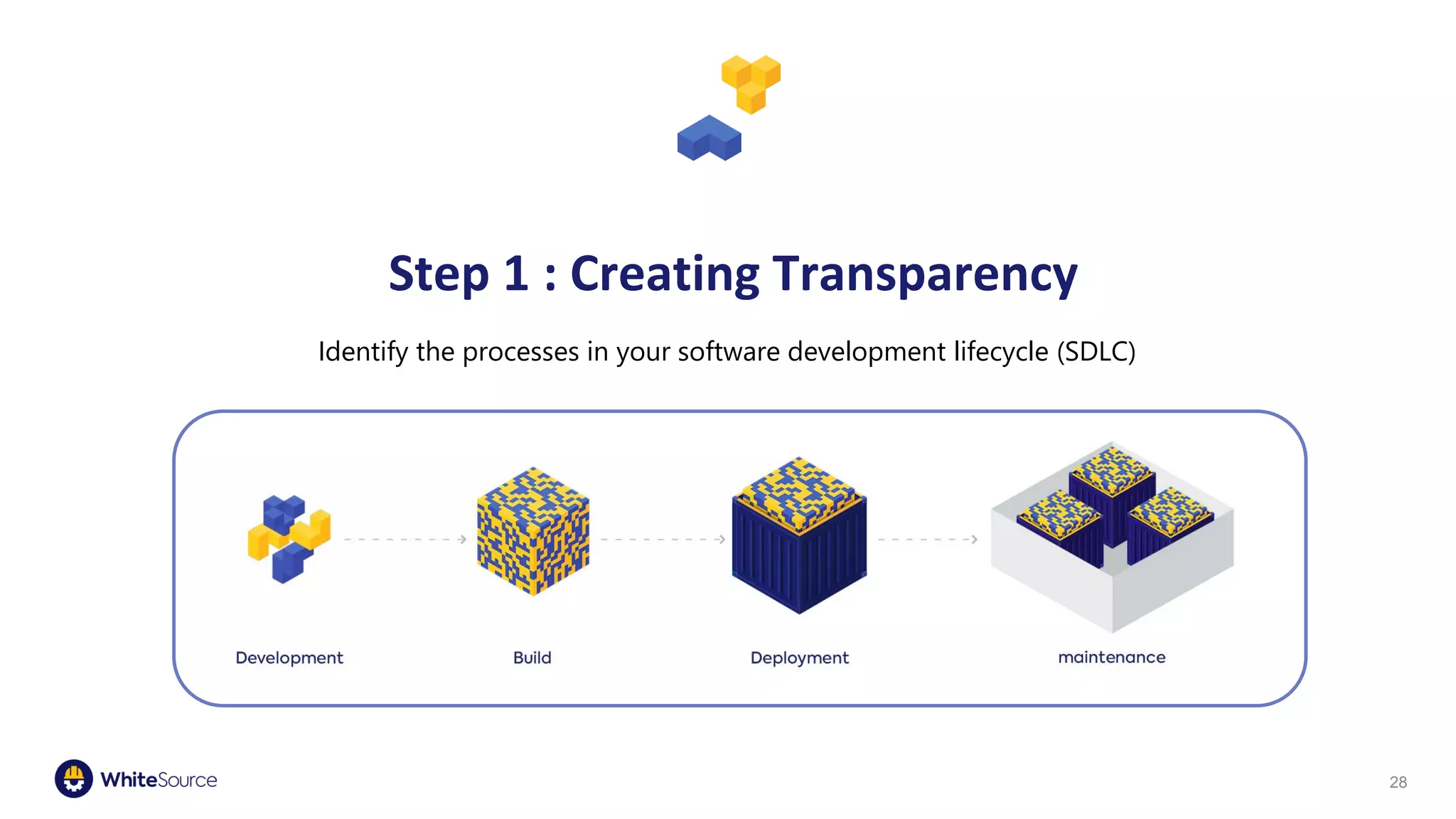
Step 1 : Creating Transparency
Identify the processes in your software development lifecycle (SDLC)
28
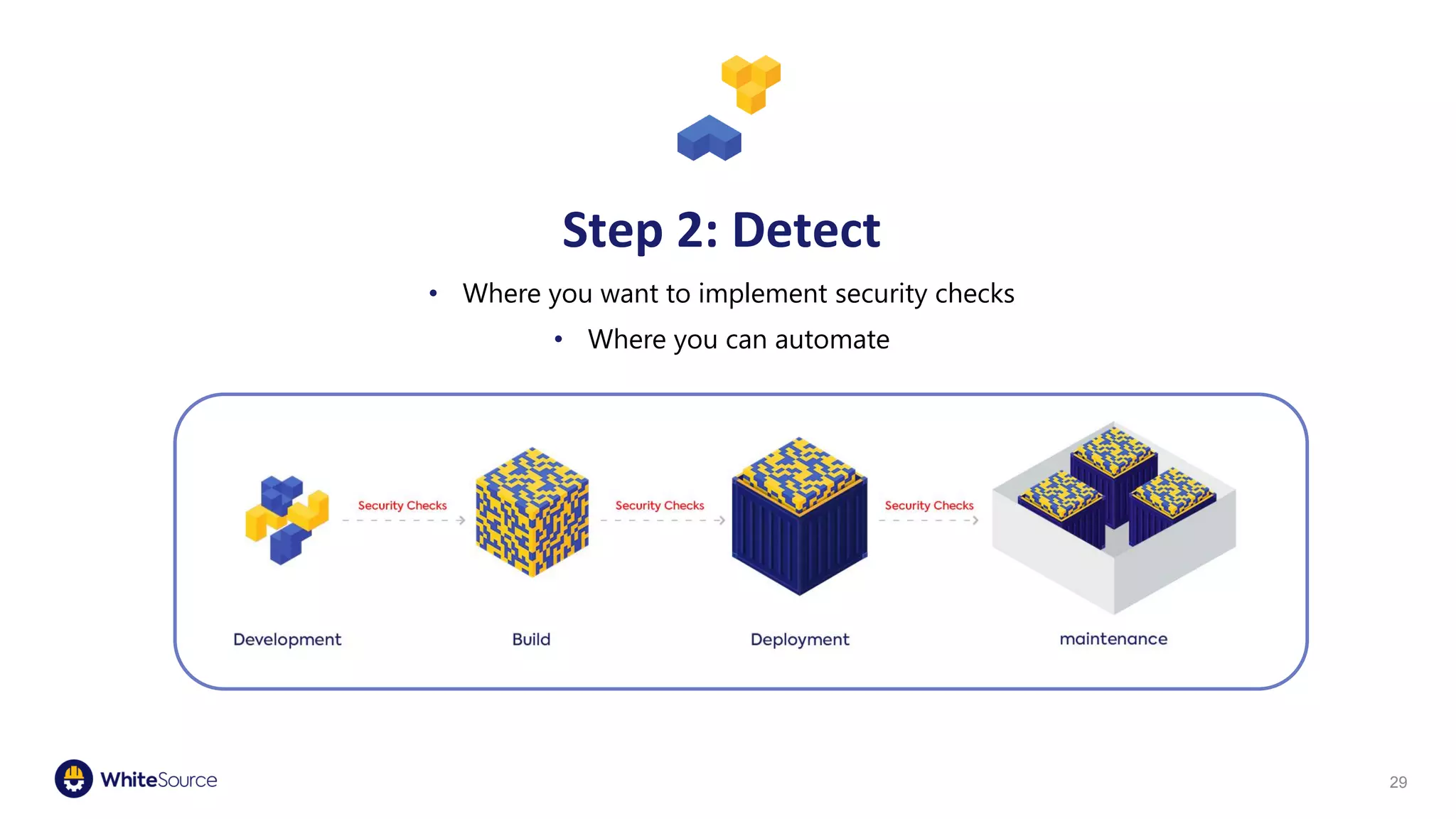
Step 2: Detect
• Where you want to implement security checks
• Where you can automate
29
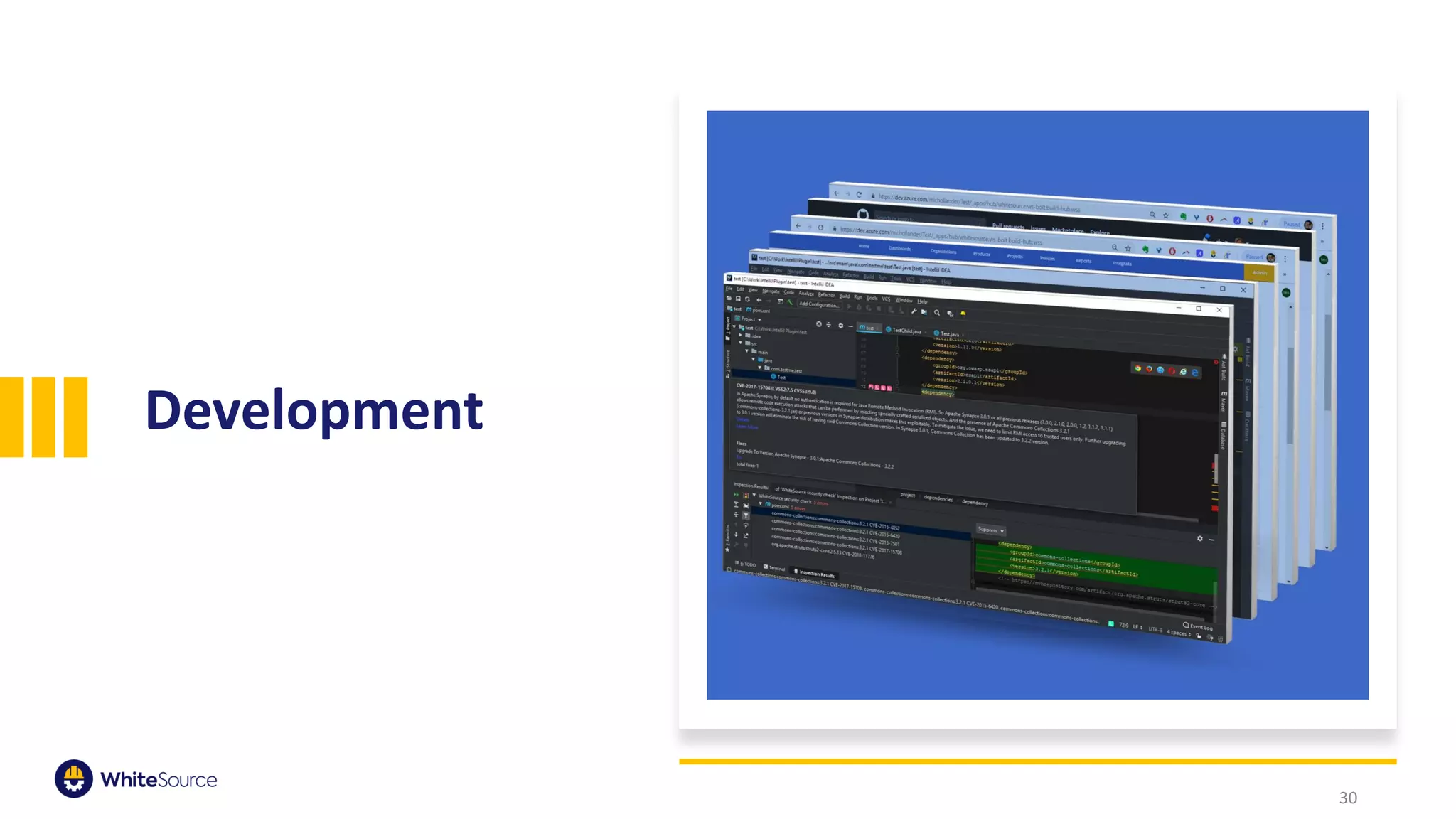
Development
30
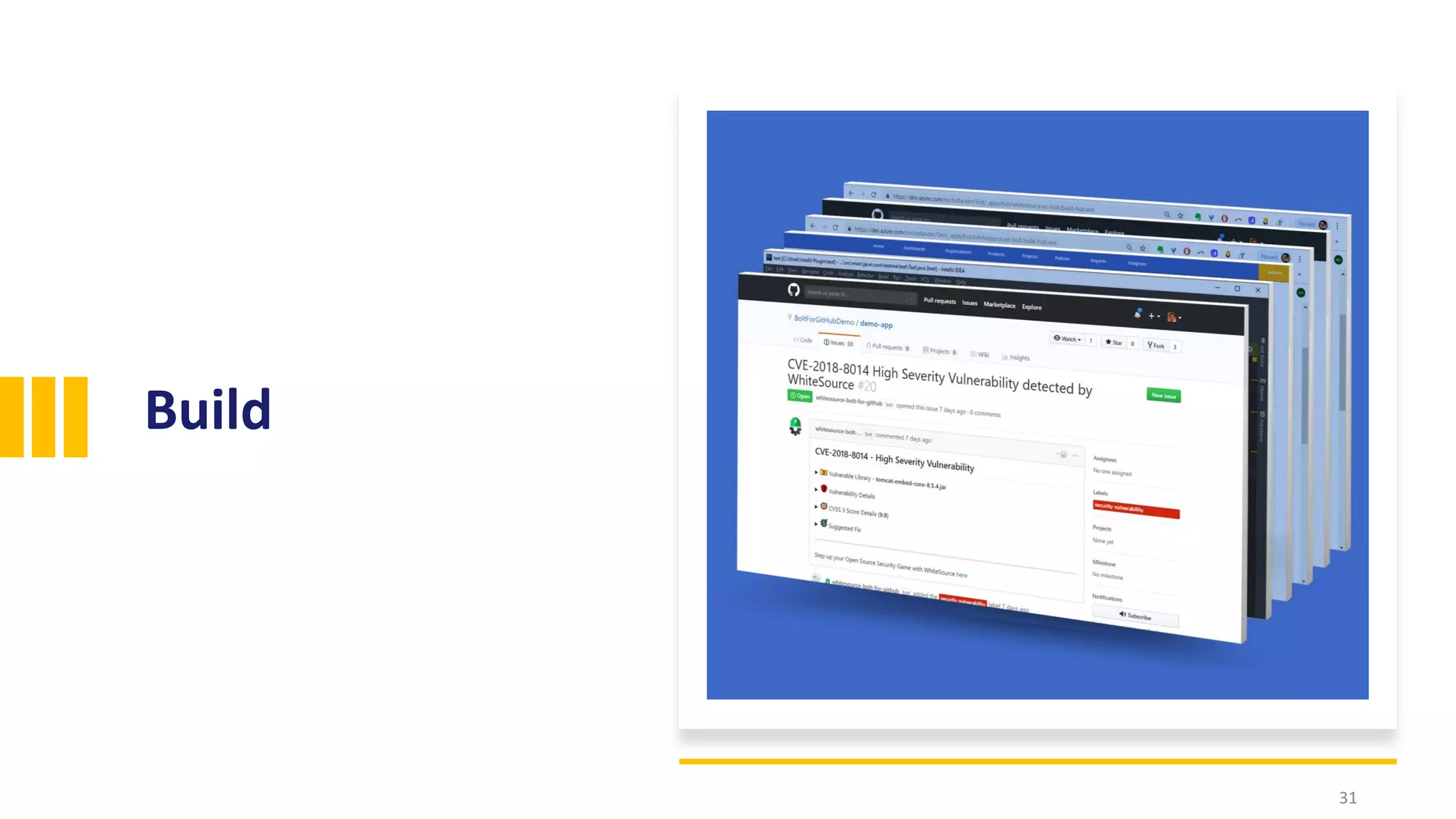
Build
31
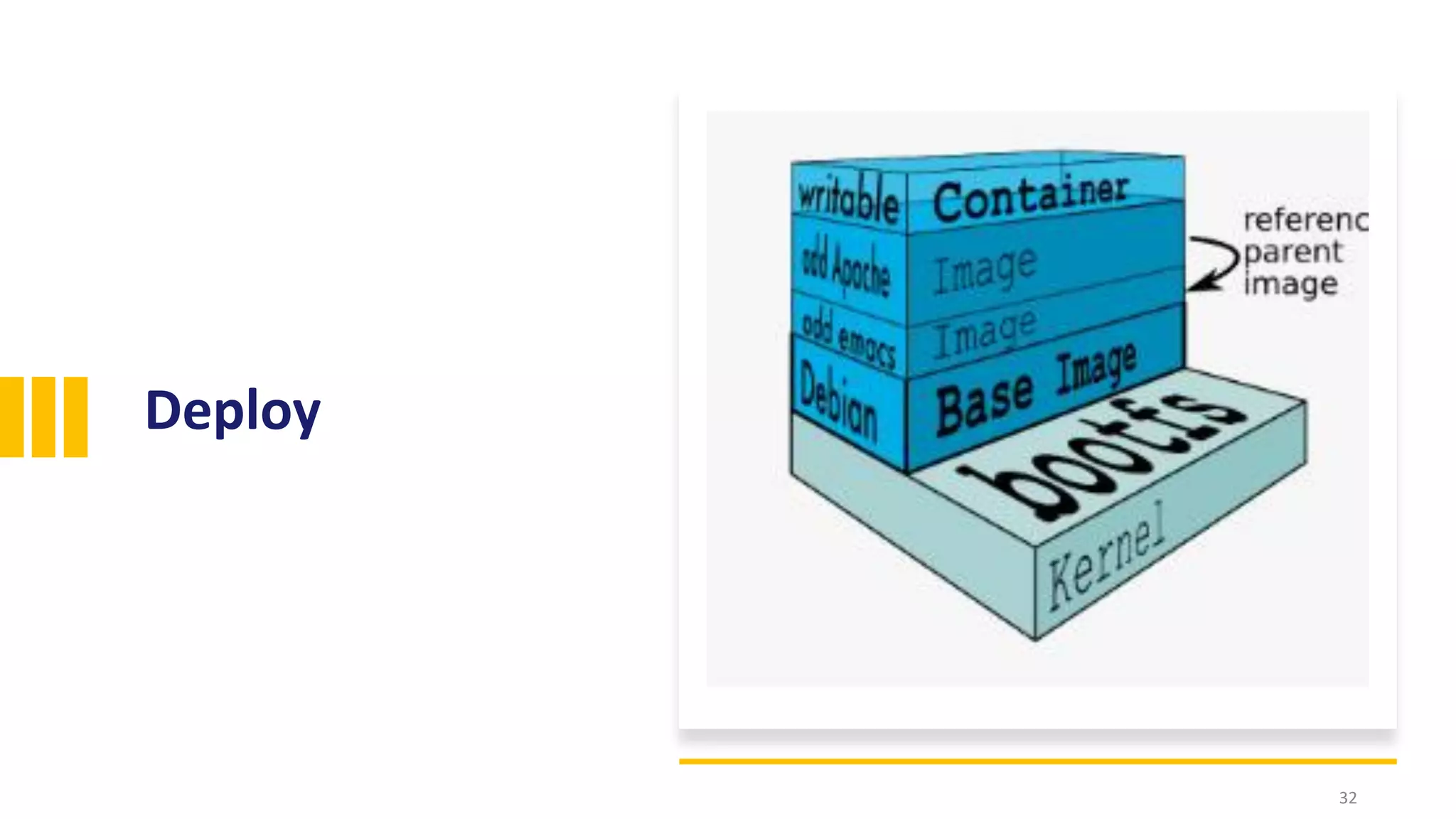
Deploy
32
Maintain
33
New vulnerabilities are constantly
being published
34
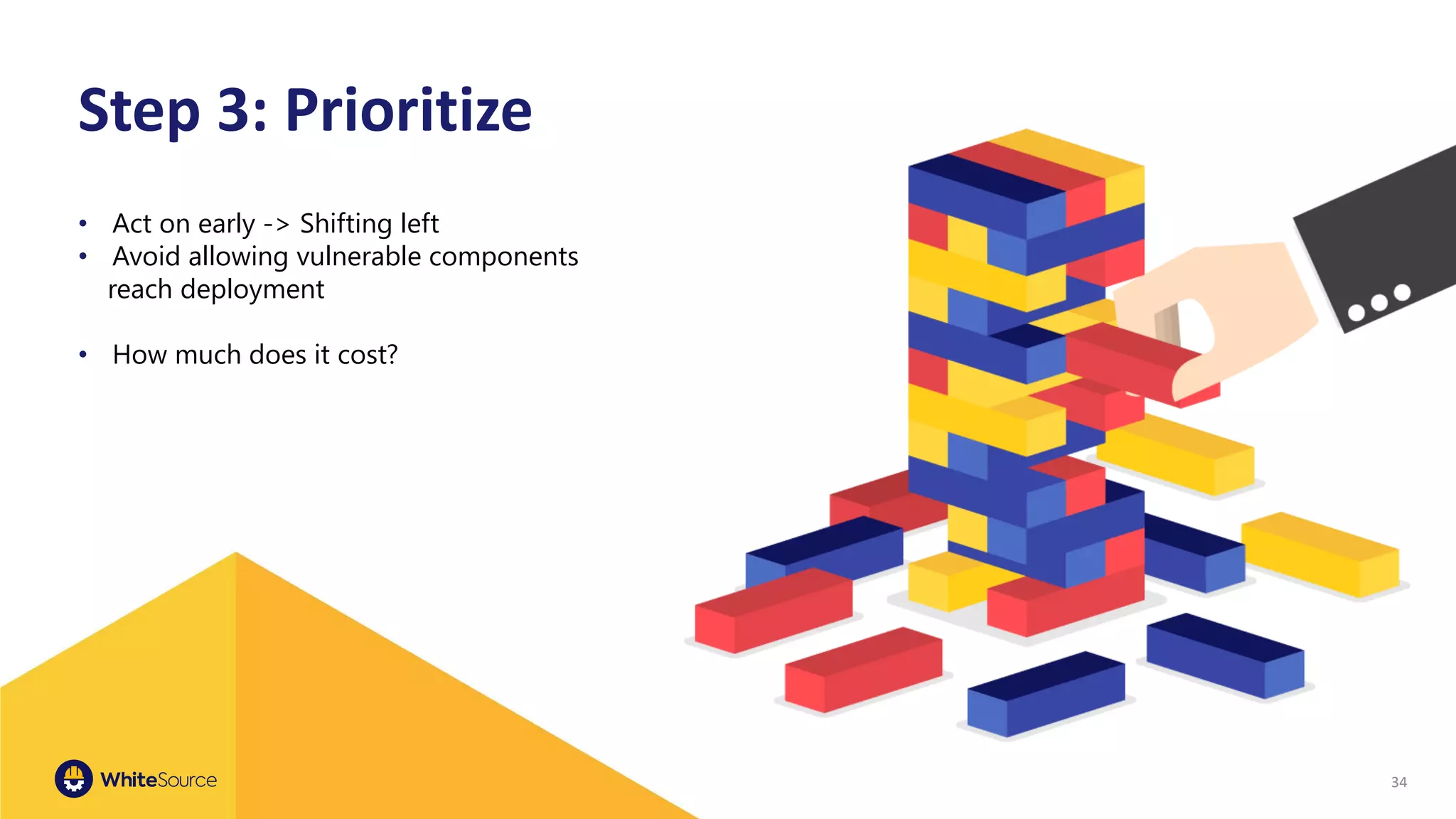
Step 3: Prioritize
• Act on early -> Shifting left
• Avoid allowing vulnerable components
reach deployment
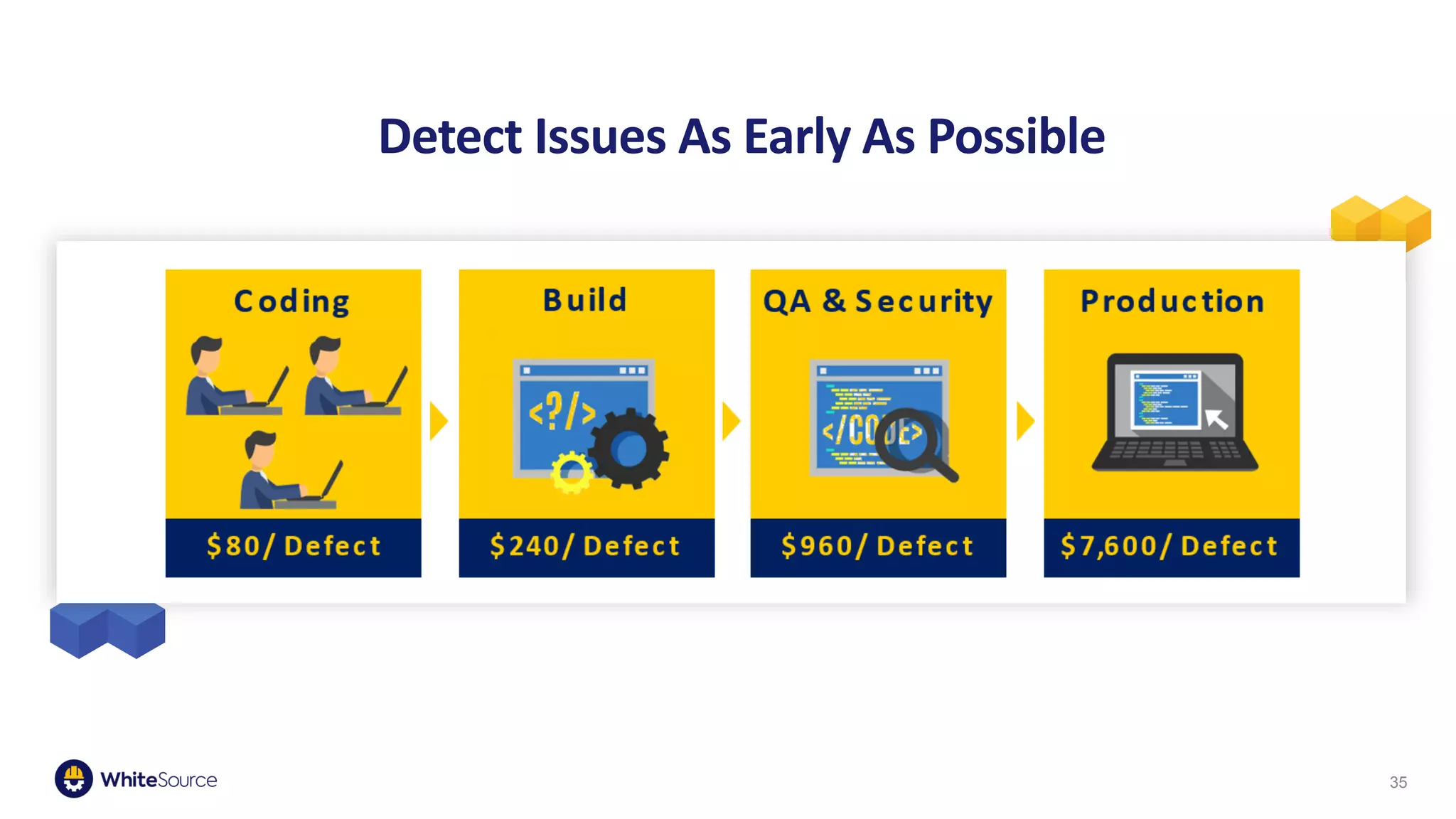
• How much does it cost?
35
Detect Issues As Early As Possible
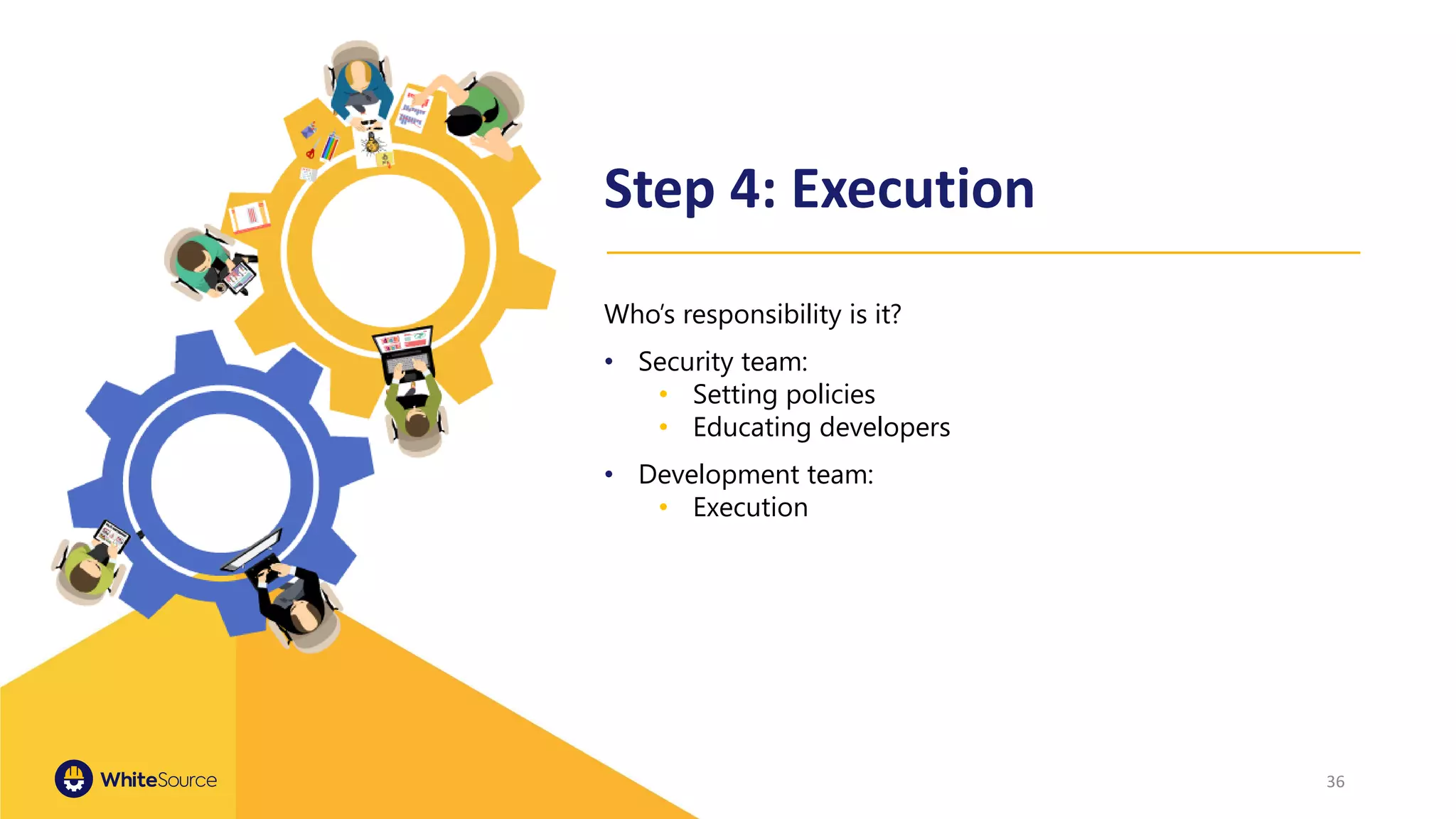
Step 4: Execution
Who’s responsibility is it?
• Security team:
• Setting policies
• Educating developers
• Development team:
• Execution
36
37
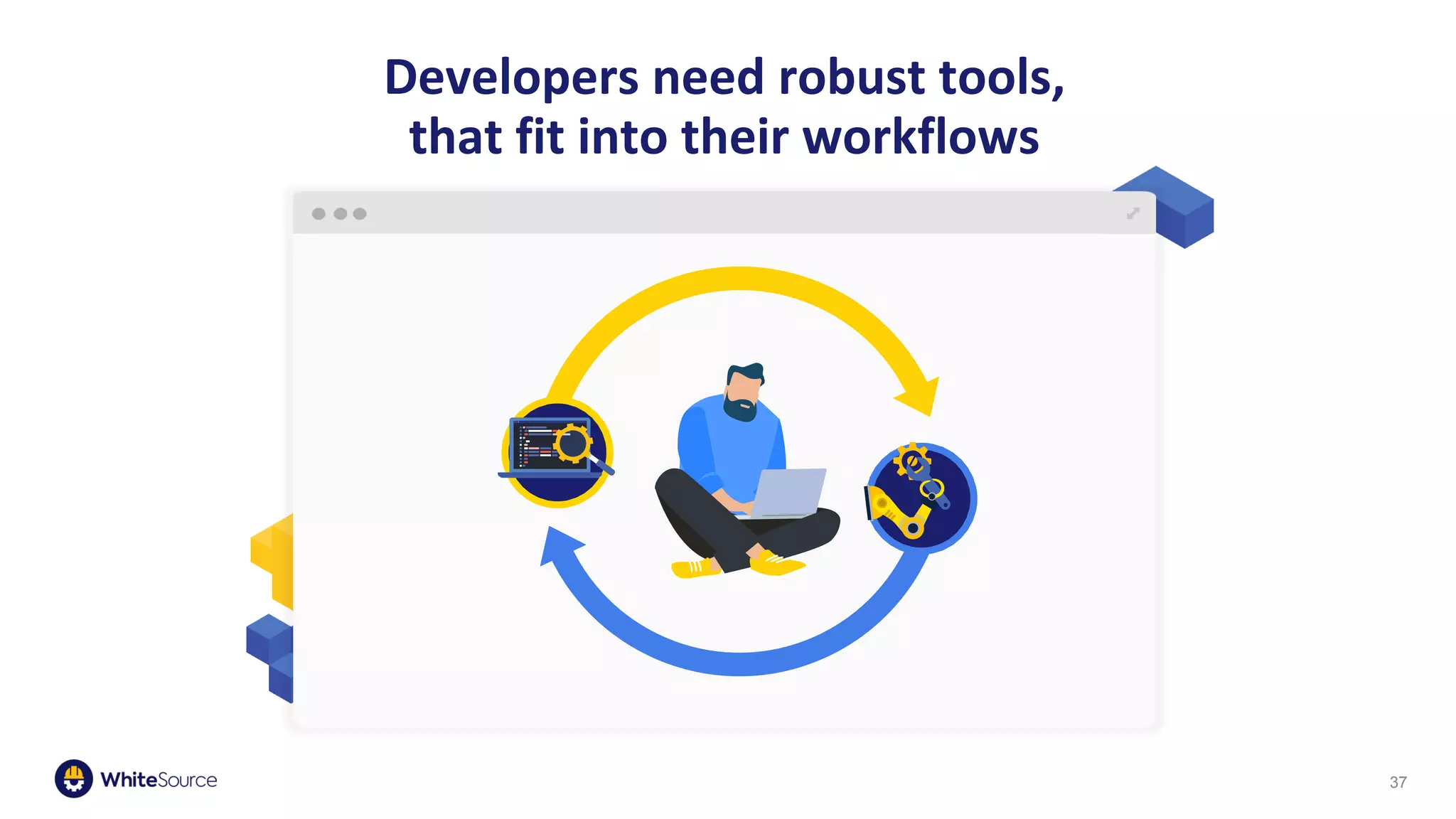
Developers need robust tools,
that fit into their workflows
38
Educate
About the basics of open-source security & compliance
Empower Teams
By providing them the right tools
Enable Success
By creating a shared mission
#1
#2
#3
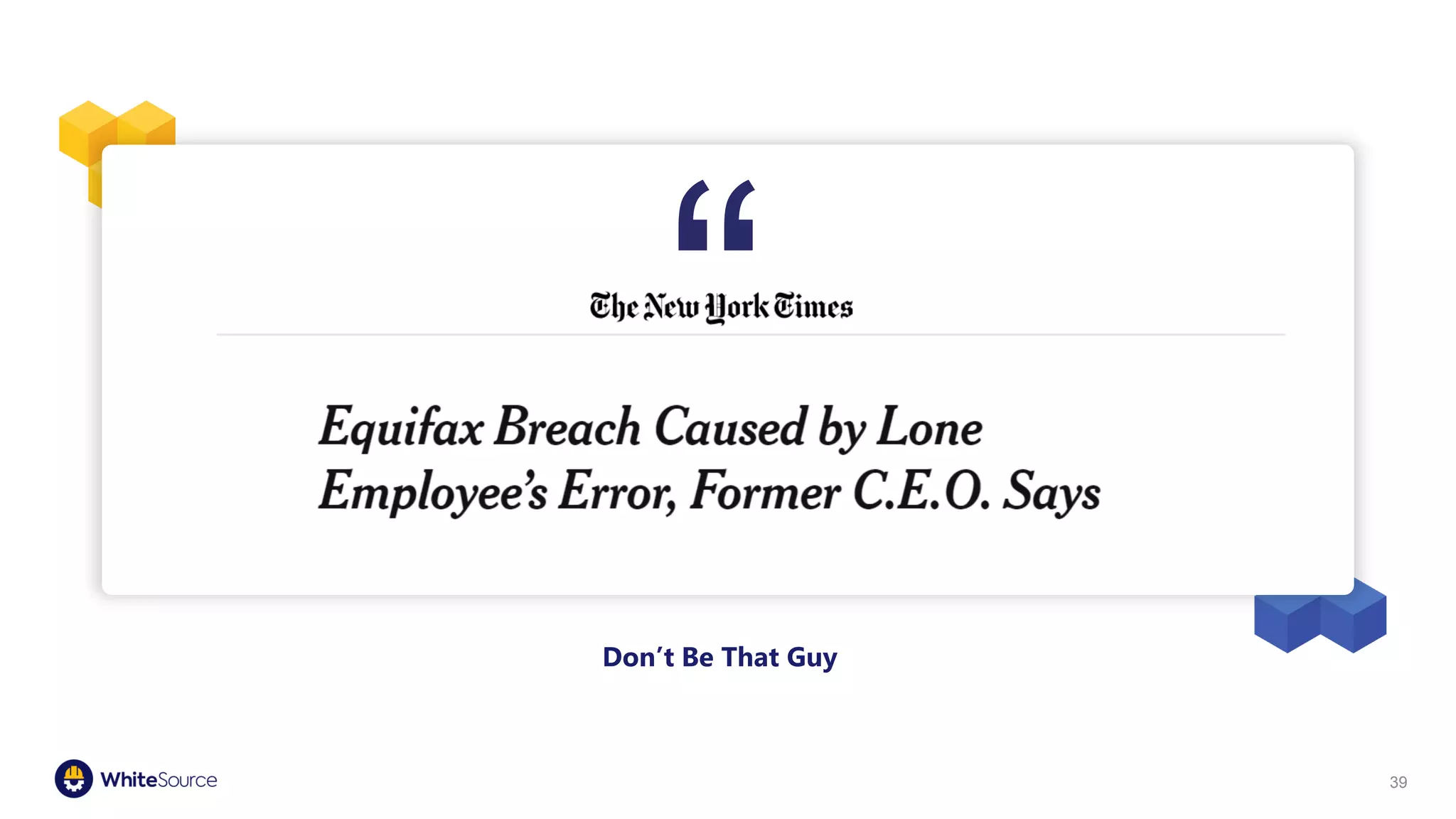
Don’t Be That Guy
39
“
Q & A
Thank You!
41
For more info please contact us:
product@whitesourcesoftware.com

Open Source Security: How to Lay the Groundwork for a Secure Culture

  • 1.
    Open Source Security: Howto Lay the Groundwork for a Secure Culture Guy Bar Gil, Product Manager
  • 2.
    The Equifax Breach 2 StayingSecureSmallComp’s M&A 1 2 3
  • 3.
    Introduction Slide • Twodogs + one cat • In my free time I enjoy: • Sports • Reading • Traveling 3 Guy Bar Gil, Product Manager
  • 4.
  • 5.
    • Consumer creditreporting agency • Equifax collects and aggregates information • 800M+ individual consumers • 88M+ businesses • Publicly traded (NYSE), 9.5K+ employees, $3.14B in revenues (2016)
  • 6.
    Apache Struts • Open-sourceframework, for creating Java web applications. • CVE-2017-5638 allows remote code execution through the web applications.
  • 7.
    7 The Equifax Breach– A Timeline March 9th: • CVE-2017-5638 was published. • The Apache Software Foundation released a patch for the vulnerability. • Equifax administrators were told to apply the patch to any affected systems. March 10th: Hackers gained access to Equifax’s systems. March 15th: Equifax's IT department ran a series of scans to identify unpatched systems. May 13th: Hackers begin exfiltrating data. July 29th: Equifax renews their expired public-key certificate September 7th: Equifax publicized the breach
  • 8.
    Incident Aftermath 145 million Peopleaffected by the breach. $3 billion the amount Equifax spent upgrading its security and resolving consumer claims
  • 9.
    9 Act Fast Exploits arepublic for everyone Continuously Monitor 300 new vulnerabilities published every month Get the Basics Right Millions spent on security gear but it was poorly implemented #1 #2 #3 What Can We Learn?
  • 10.
  • 11.
    SmallComp’s M&A • SmallComprequired to do an open- source audit • Each component comes with certain terms • Found a dependency licensed under AGPL 11
  • 12.
    $4M Dollars inEscrow 12 • Terms of the escrow: • Remove any trace of AGPL from the software. • 80% of customers must deploy the updated software to production. • Two year timeframe. • Development/deployment-related costs taken from the escrow.
  • 13.
    13 Solving The Problem Isn’tSo Easy Two main obstacles: • Development + QA time is 1 year for 1 person • SmallComp’s customers are hospitals, where solutions are often manually deployed and technicians are required to train staff
  • 14.
    They Did It! SmallCompwas able to fulfill the terms of the escrow after 1 year and 8 months! 14
  • 15.
    15 Set Clear Policies forthe whole company in regards to licensing Communicate the company’s policies to developers Enforce make sure your policies are being enforced #1 #2 #3 How Do We Avoid This Situation?
  • 16.
  • 17.
    Step 1: Create Transparency •Transparency is the baseline to everything • How can you detect and solve issues in your open-source components if you have no idea what they are? • Understand exactly what you’re using: • Direct Dependencies • Transitive Dependencies • Source files 17
  • 18.
  • 19.
    19 Lots of jars,but lots more java beans ?
  • 20.
    Step 2: Detect PotentialIssues • Match your components to the most comprehensive DB possible: • Published CVEs • Vulnerabilities published in security advisories • Vulnerabilities detected by research teams • Thorough license detection 20
  • 21.
    Step 3: Prioritize Howwould you prioritize your vulnerabilities? 21
  • 22.
    Step 3: Prioritize •Prioritize by: • Business risk • Exploitability • Severity • Effectiveness • Availability of fixes 22
  • 23.
  • 24.
    24 After testing 2,000Java applications, WhiteSource found that 85% of all detected vulnerabilities were deemed ineffective.
  • 25.
    Step 4: Execution • Understandthe best path to remediation • Upgrade the component’s version? • Change the component? • Set up an external defense? 25
  • 26.
  • 27.
  • 28.
    Step 1 :Creating Transparency Identify the processes in your software development lifecycle (SDLC) 28
  • 29.
    Step 2: Detect •Where you want to implement security checks • Where you can automate 29
  • 30.
  • 31.
  • 32.
  • 33.
    Maintain 33 New vulnerabilities areconstantly being published
  • 34.
    34 Step 3: Prioritize •Act on early -> Shifting left • Avoid allowing vulnerable components reach deployment • How much does it cost?
  • 35.
    35 Detect Issues AsEarly As Possible
  • 36.
    Step 4: Execution Who’sresponsibility is it? • Security team: • Setting policies • Educating developers • Development team: • Execution 36
  • 37.
    37 Developers need robusttools, that fit into their workflows
  • 38.
    38 Educate About the basicsof open-source security & compliance Empower Teams By providing them the right tools Enable Success By creating a shared mission #1 #2 #3
  • 39.
    Don’t Be ThatGuy 39 “
  • 40.
  • 41.
    Thank You! 41 For moreinfo please contact us: product@whitesourcesoftware.com