Of Mice and Men
Context
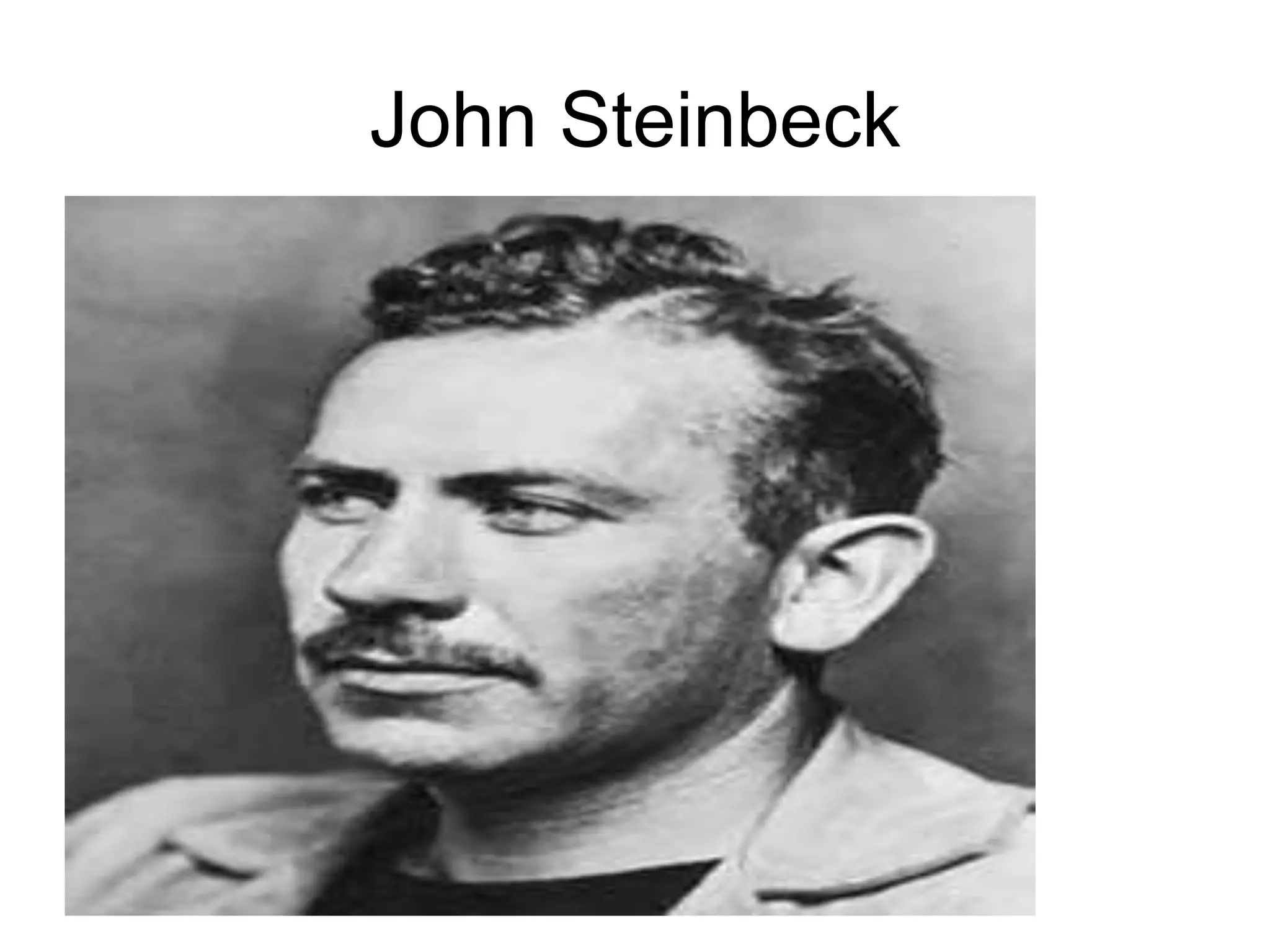
John Steinbeck
John Steinbeck
• John Steinbeck was born in Salinas, California in 1902.
• His family was wealthy, he was interested in the lives
of the farm labourers and spent time working with
them.
• He used his experiences as material for his writing.
• He wrote a number of novels about poor people who
worked on the land and dreamed of a better life
• Steinbeck was awarded the Nobel Prize for Literature in
1962, six years before his death in 1968.
The Depression
• On October 29 1929, millions of dollars were wiped out
in an event that became known as the Wall Street
Crash.
• It led to the Depression in America which crippled the
country from 1930 - 1936.
• People lost their life savings when firms and banks went
bust
• 12 - 15 million men and women - one third of
America's population were unemployed.
• There was then no dole to fall back on, so food was
short and the unemployed in cities couldn't pay their
rent.
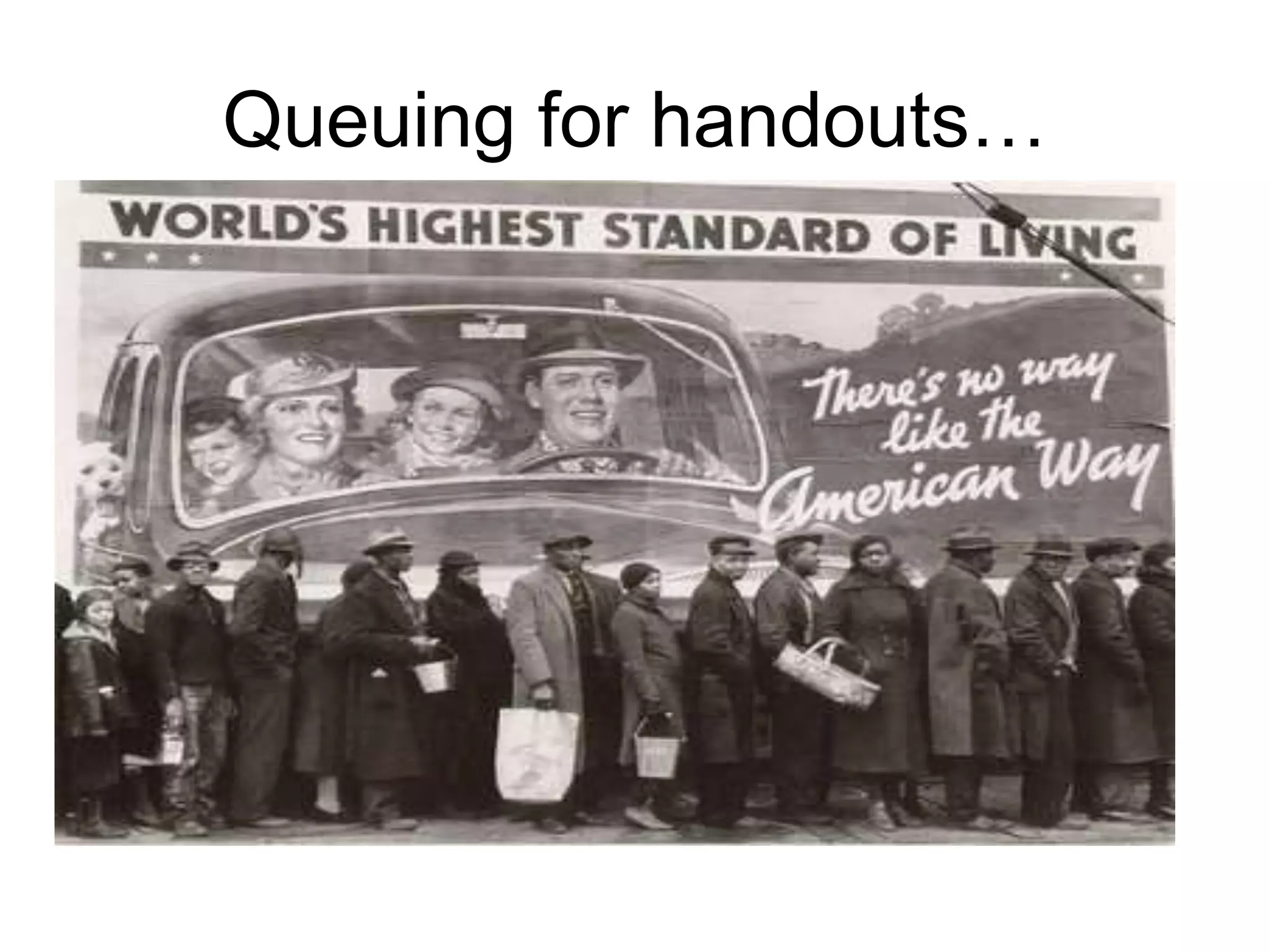
Queuing for handouts…
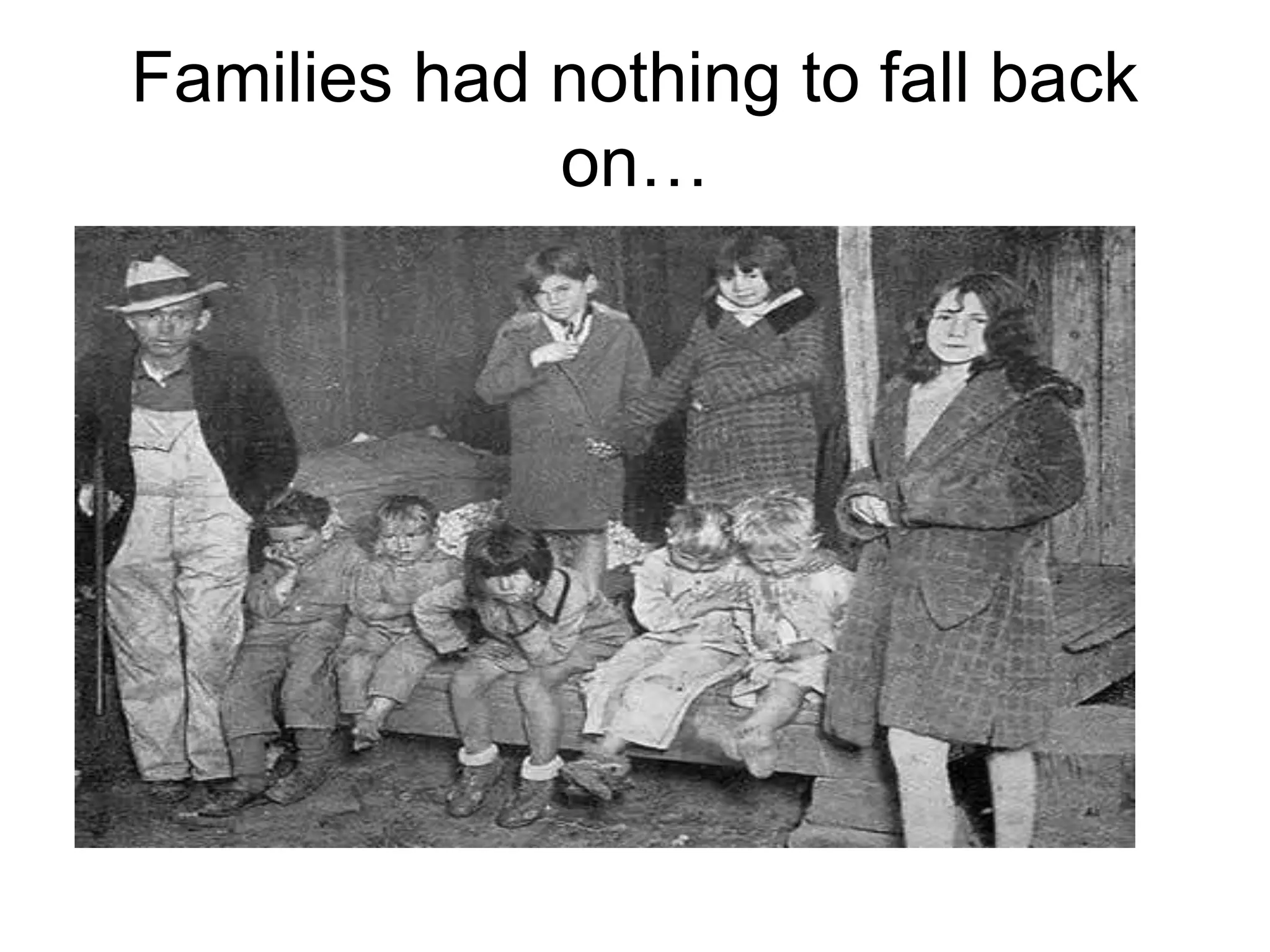
Families had nothing to fall back
on…
Huge Unemployment Led to
Desperation
• The number of unemployed people reached upwards of
13 million.
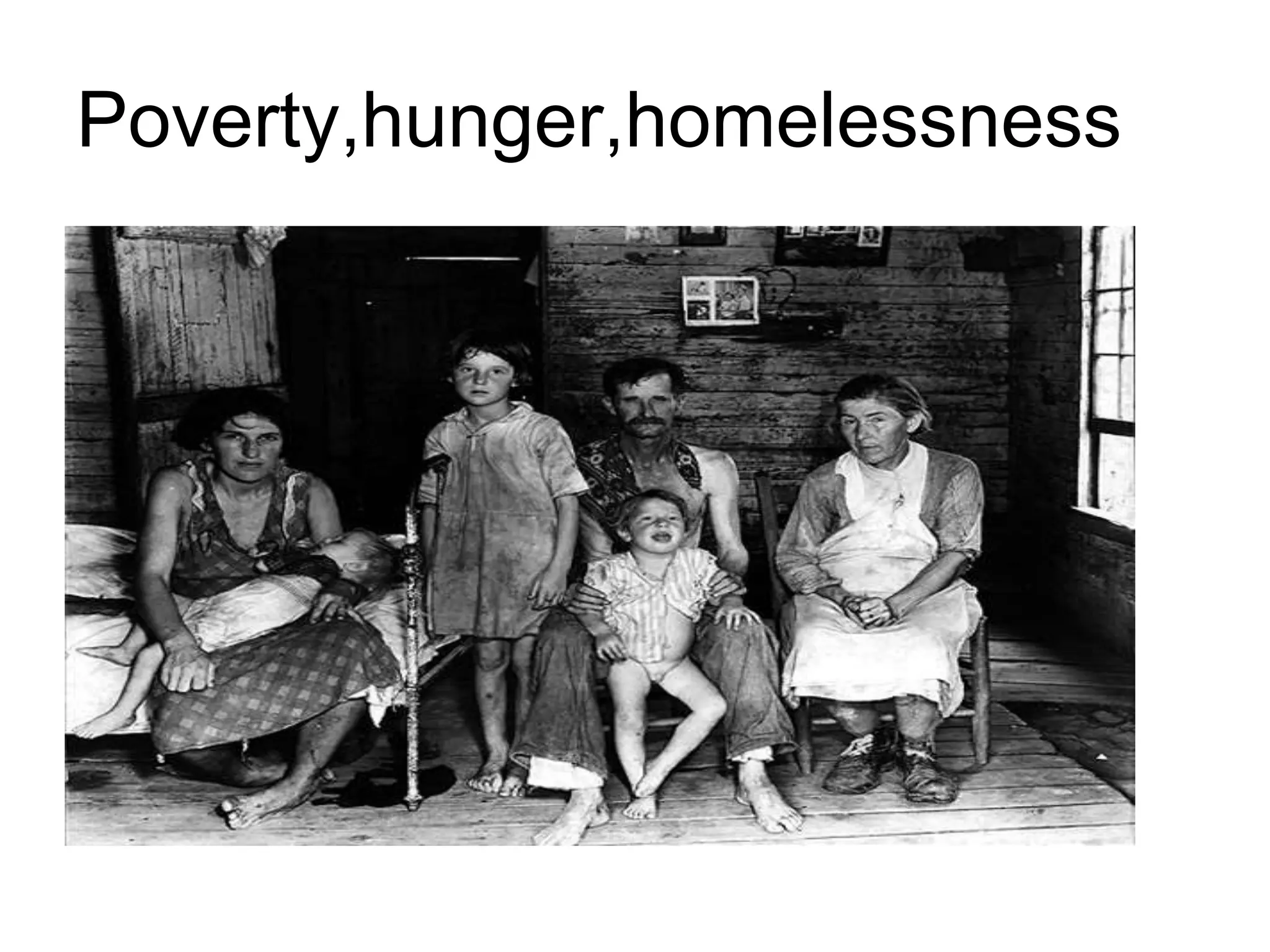
• Many people lived in primitive conditions close to
famine.
• One New York family moved into a cave in Central Park.
• In St Louis, more than 1,000 people lived in shacks
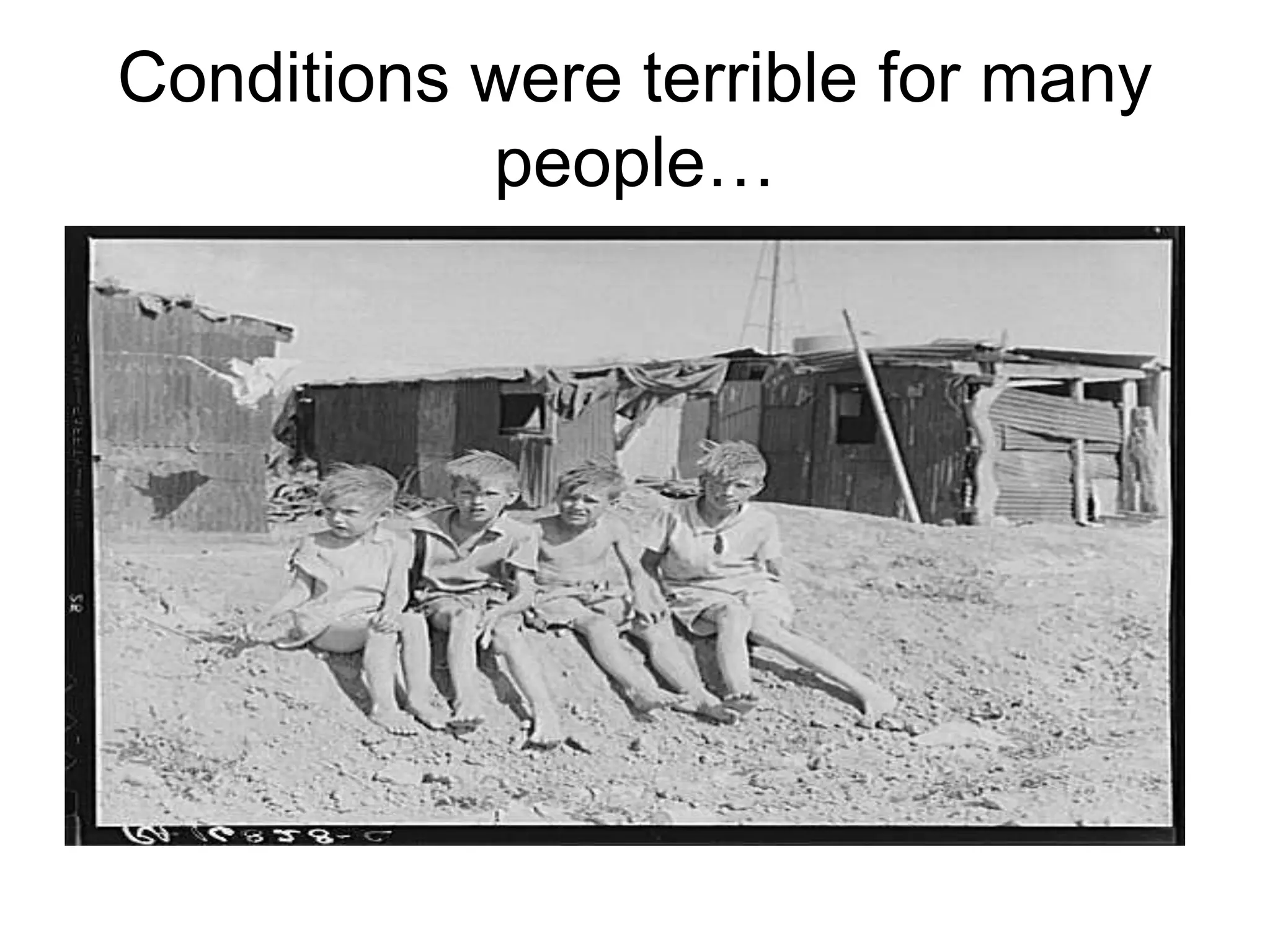
made from scrap metal and boxes.
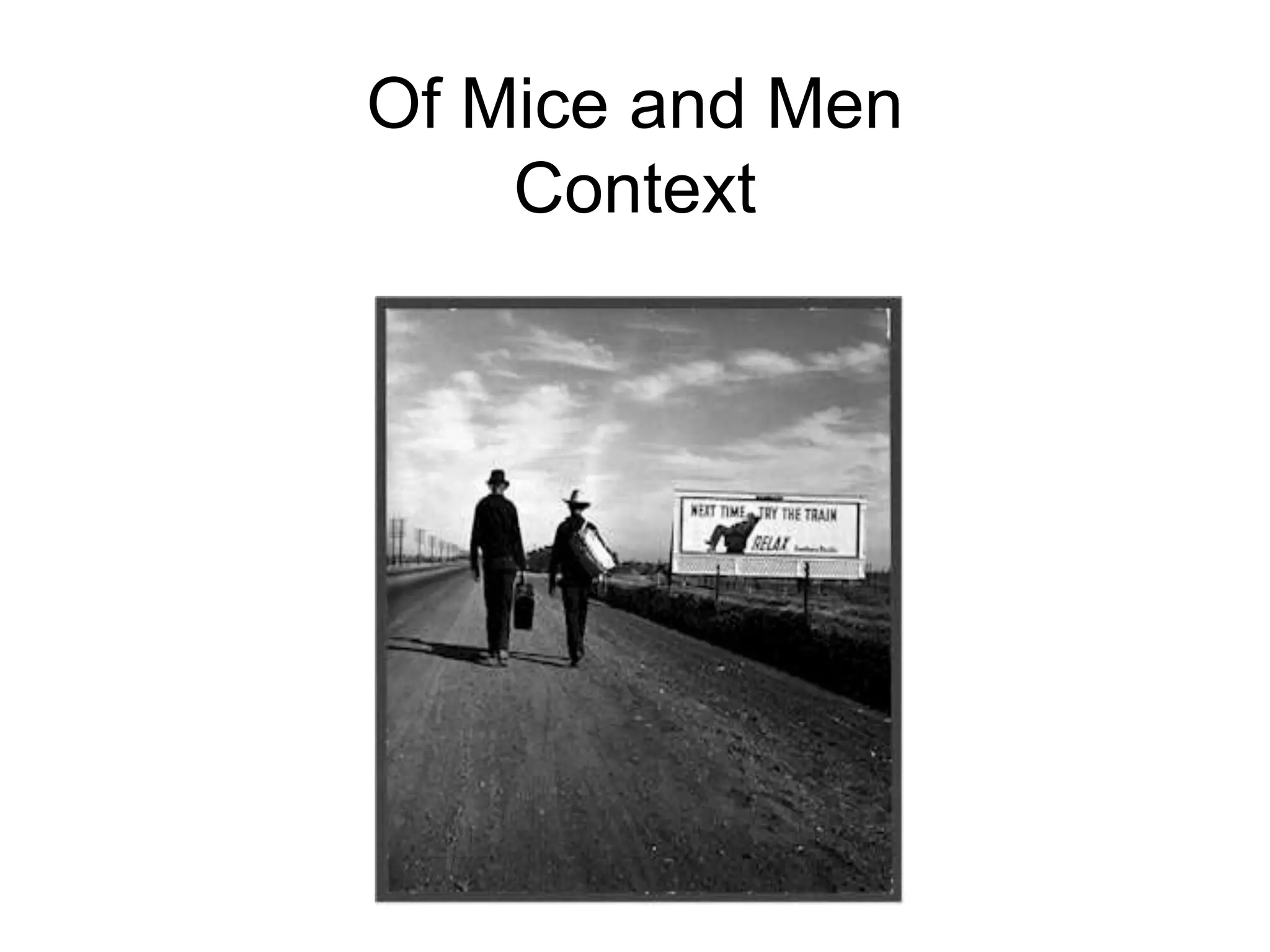
• Between 1 and 2 million people travelled the country
desperately looking for work.
• Signs saying 'No Men Wanted' were displayed all over
the country
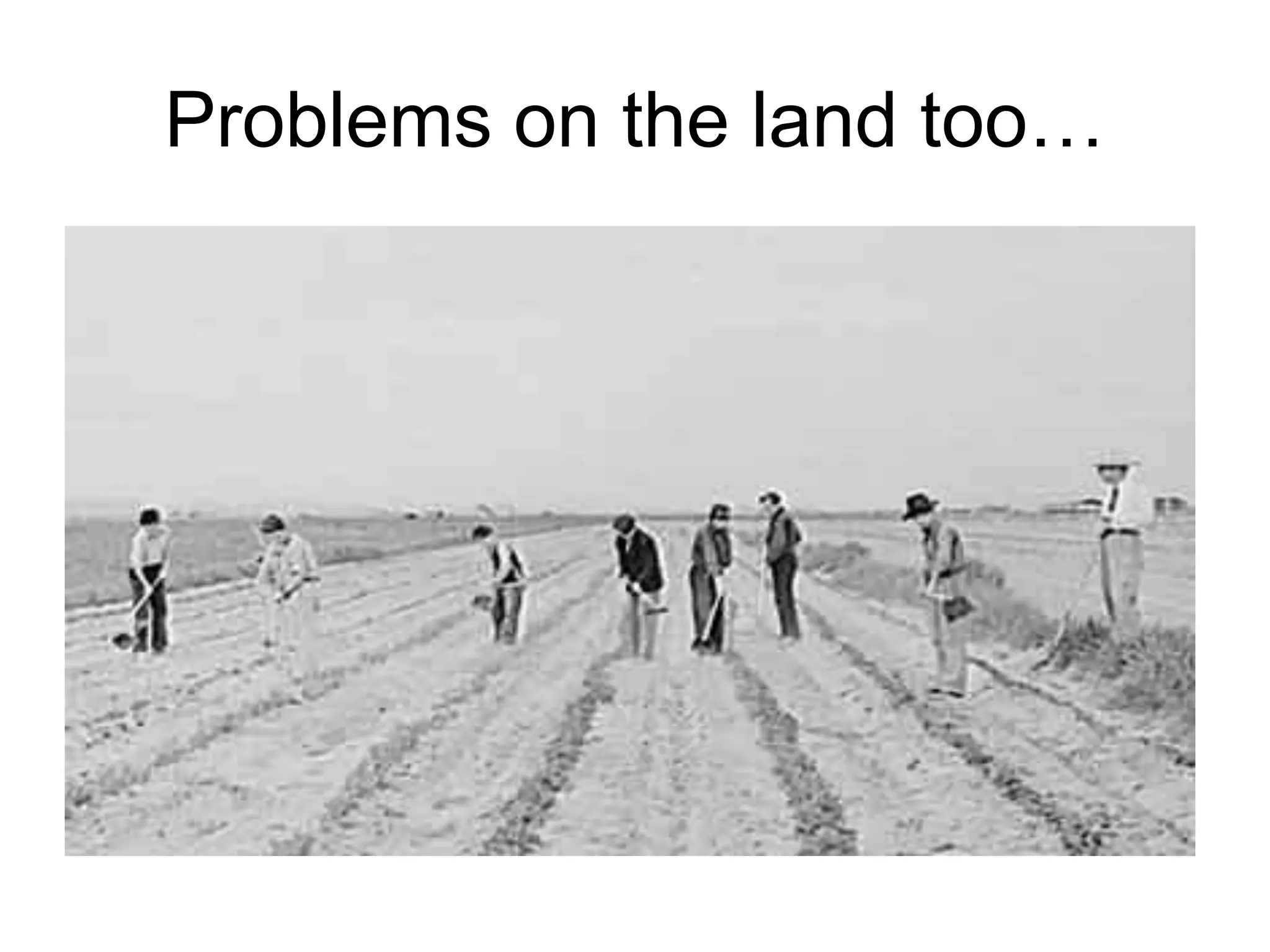
Problems on the land too…
Problems on the land…
• Added to the man-made financial problems were
natural ones
• A series of droughts in southern mid-western
states like Kansas, Oklahoma and Texas led to
failed harvests and dried-up land.
• Farmers were forced to move off their land:
they couldn't repay the bank-loans which had
helped buy the farms
• They had to sell what they owned
The displaced farm labourers
moved to California..
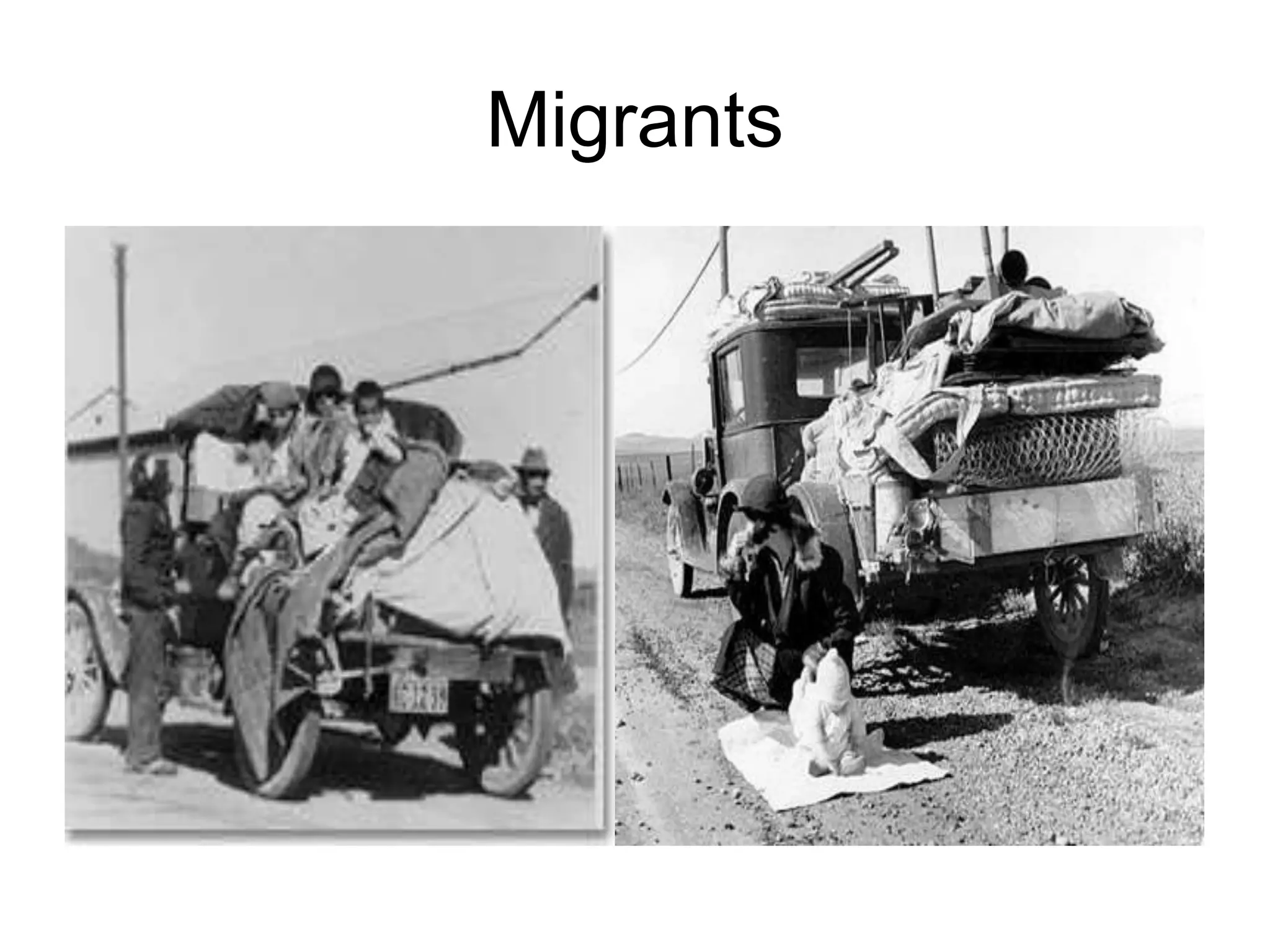
• Many economic migrants headed west to
'Golden' California, thinking there would be land
going spare
• but the Californians turned many back, fearing
they would be over-run.
• The refuges had nowhere to go back to, so they
set up home in huge camps in the California
valleys
• They lived in shacks of cardboard and old metal
• They sought work as casual farmhands
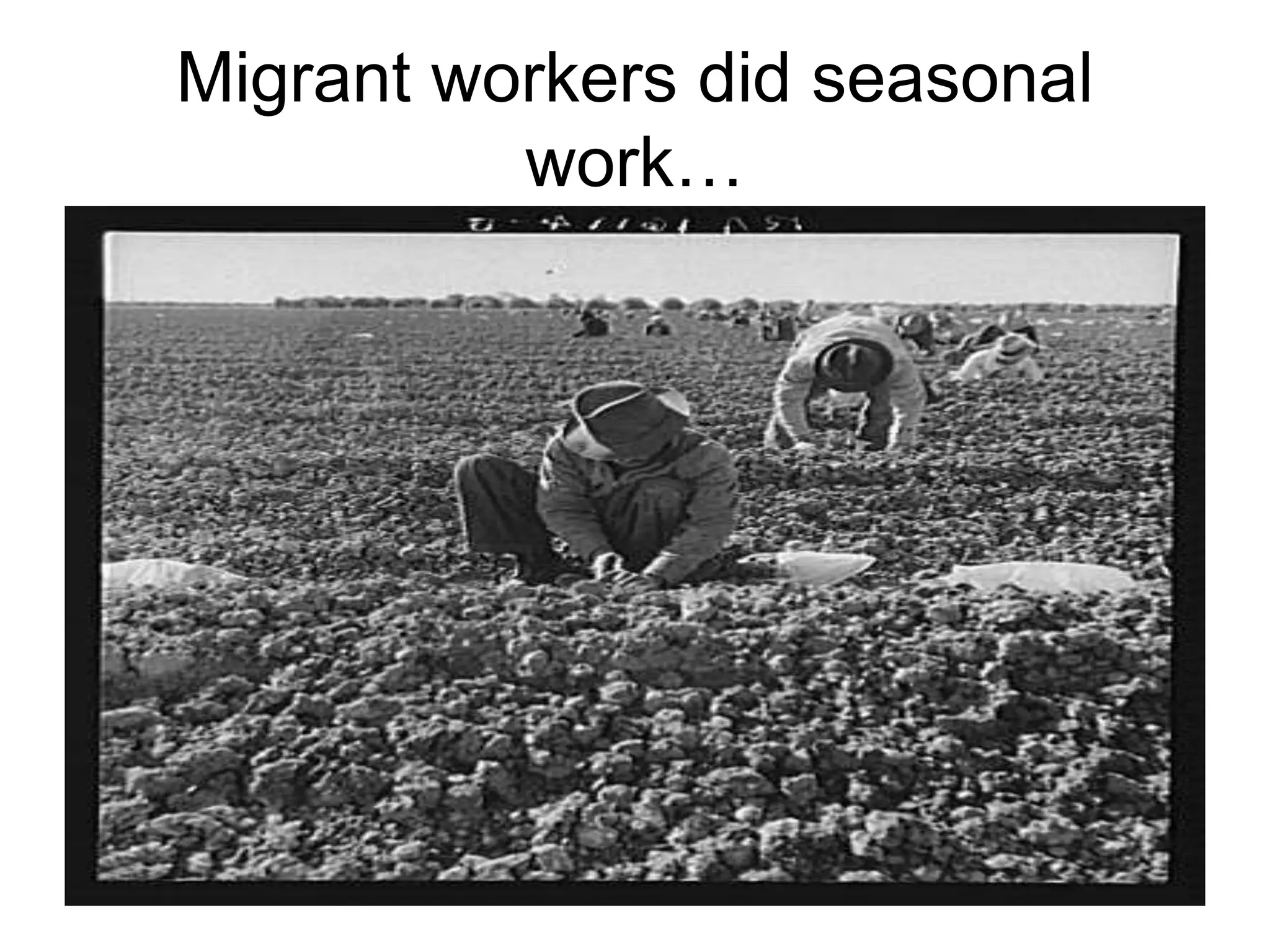
Migrant workers did seasonal
work…
Migrants
Conditions were terrible for many
people…
Poverty,hunger,homelessness
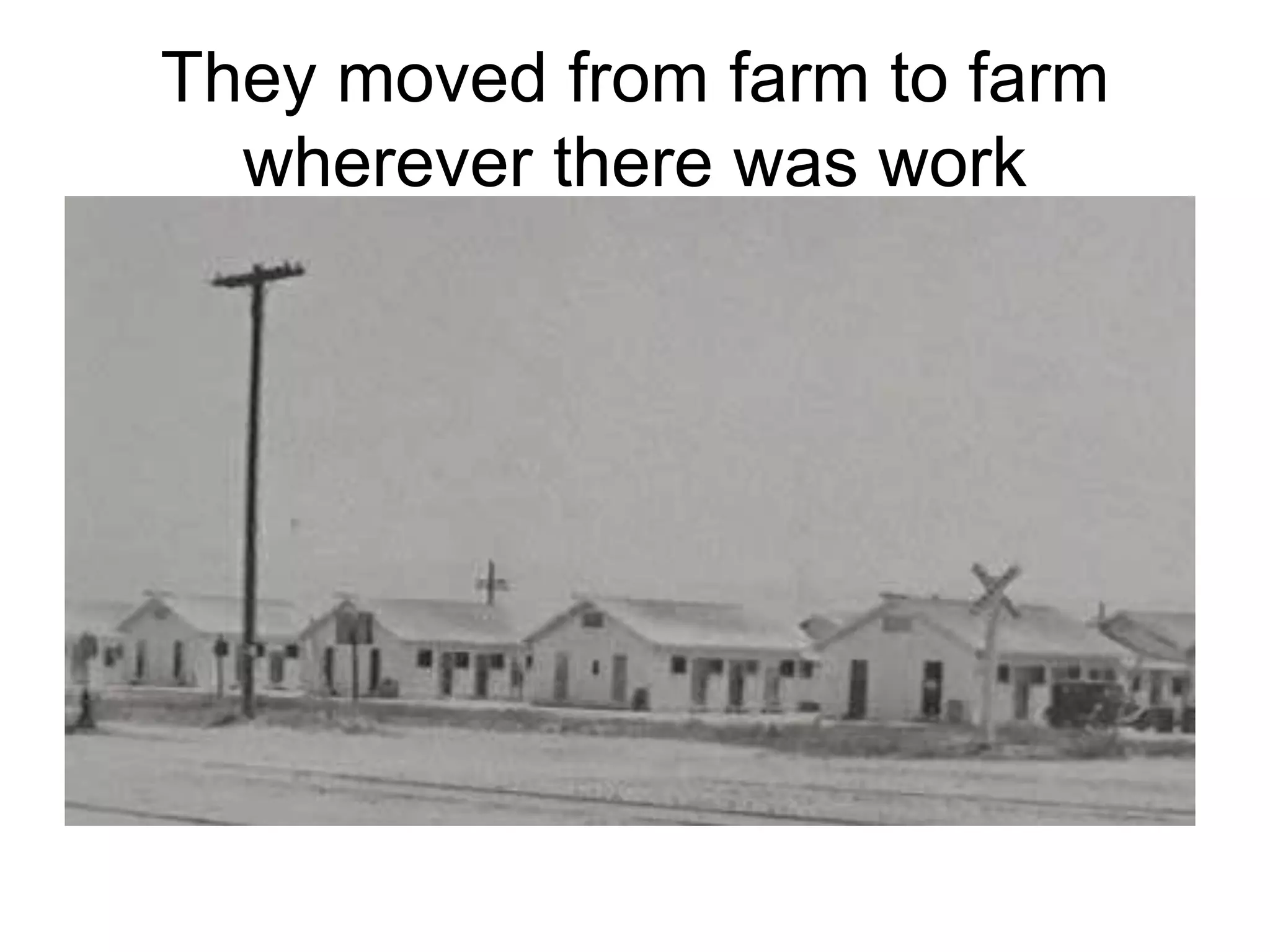
They moved from farm to farm
wherever there was work
Ranch hands
• Against this background, ranch hands like
George and Lennie were lucky to have
work.
• They were grateful for at least a bunk-
house to live in and to have food provided,
even though the pay was low.
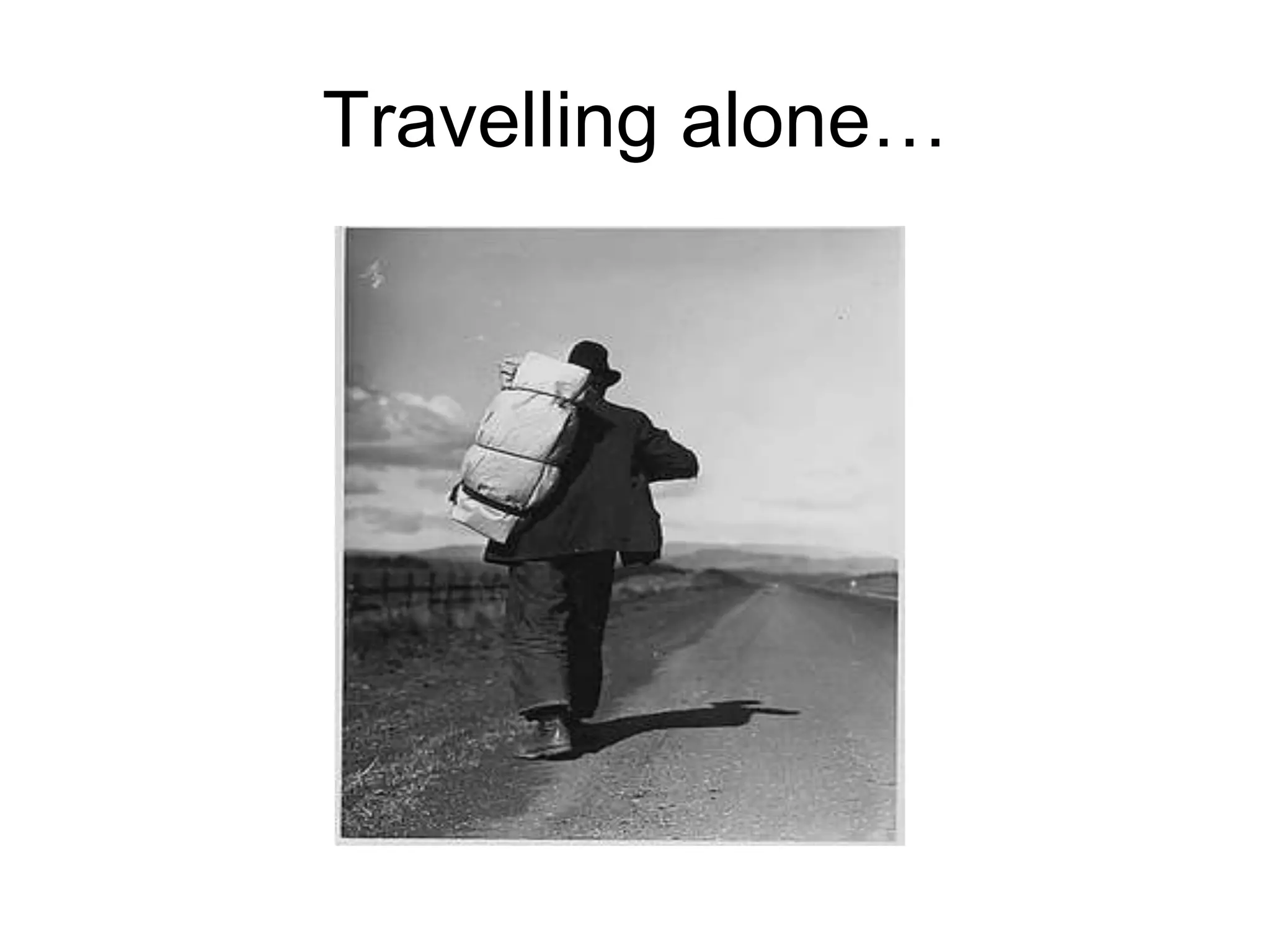
Travelling alone…

Of mice and men context

  • 1.
    Of Mice andMen Context
  • 2.
  • 3.
    John Steinbeck • JohnSteinbeck was born in Salinas, California in 1902. • His family was wealthy, he was interested in the lives of the farm labourers and spent time working with them. • He used his experiences as material for his writing. • He wrote a number of novels about poor people who worked on the land and dreamed of a better life • Steinbeck was awarded the Nobel Prize for Literature in 1962, six years before his death in 1968.
  • 4.
    The Depression • OnOctober 29 1929, millions of dollars were wiped out in an event that became known as the Wall Street Crash. • It led to the Depression in America which crippled the country from 1930 - 1936. • People lost their life savings when firms and banks went bust • 12 - 15 million men and women - one third of America's population were unemployed. • There was then no dole to fall back on, so food was short and the unemployed in cities couldn't pay their rent.
  • 5.
  • 6.
    Families had nothingto fall back on…
  • 7.
    Huge Unemployment Ledto Desperation • The number of unemployed people reached upwards of 13 million. • Many people lived in primitive conditions close to famine. • One New York family moved into a cave in Central Park. • In St Louis, more than 1,000 people lived in shacks made from scrap metal and boxes. • Between 1 and 2 million people travelled the country desperately looking for work. • Signs saying 'No Men Wanted' were displayed all over the country
  • 8.
    Problems on theland too…
  • 9.
    Problems on theland… • Added to the man-made financial problems were natural ones • A series of droughts in southern mid-western states like Kansas, Oklahoma and Texas led to failed harvests and dried-up land. • Farmers were forced to move off their land: they couldn't repay the bank-loans which had helped buy the farms • They had to sell what they owned
  • 10.
    The displaced farmlabourers moved to California.. • Many economic migrants headed west to 'Golden' California, thinking there would be land going spare • but the Californians turned many back, fearing they would be over-run. • The refuges had nowhere to go back to, so they set up home in huge camps in the California valleys • They lived in shacks of cardboard and old metal • They sought work as casual farmhands
  • 11.
    Migrant workers didseasonal work…
  • 12.
  • 13.
    Conditions were terriblefor many people…
  • 14.
  • 15.
    They moved fromfarm to farm wherever there was work
  • 16.
    Ranch hands • Againstthis background, ranch hands like George and Lennie were lucky to have work. • They were grateful for at least a bunk- house to live in and to have food provided, even though the pay was low.
  • 17.