The Jim Crow Era
END OF RECONSTRUCTION – GREAT MIGRATION
USII.4c & 6b Vocabulary
•Jim Crow Laws •The Atlanta Compromise
•Segregation •W.E.B. DuBois
•Discriminate/Discrimination •Niagara Movement
•Booker T. Washington •Migrate/Migration
•Vocational Training •Race Riots
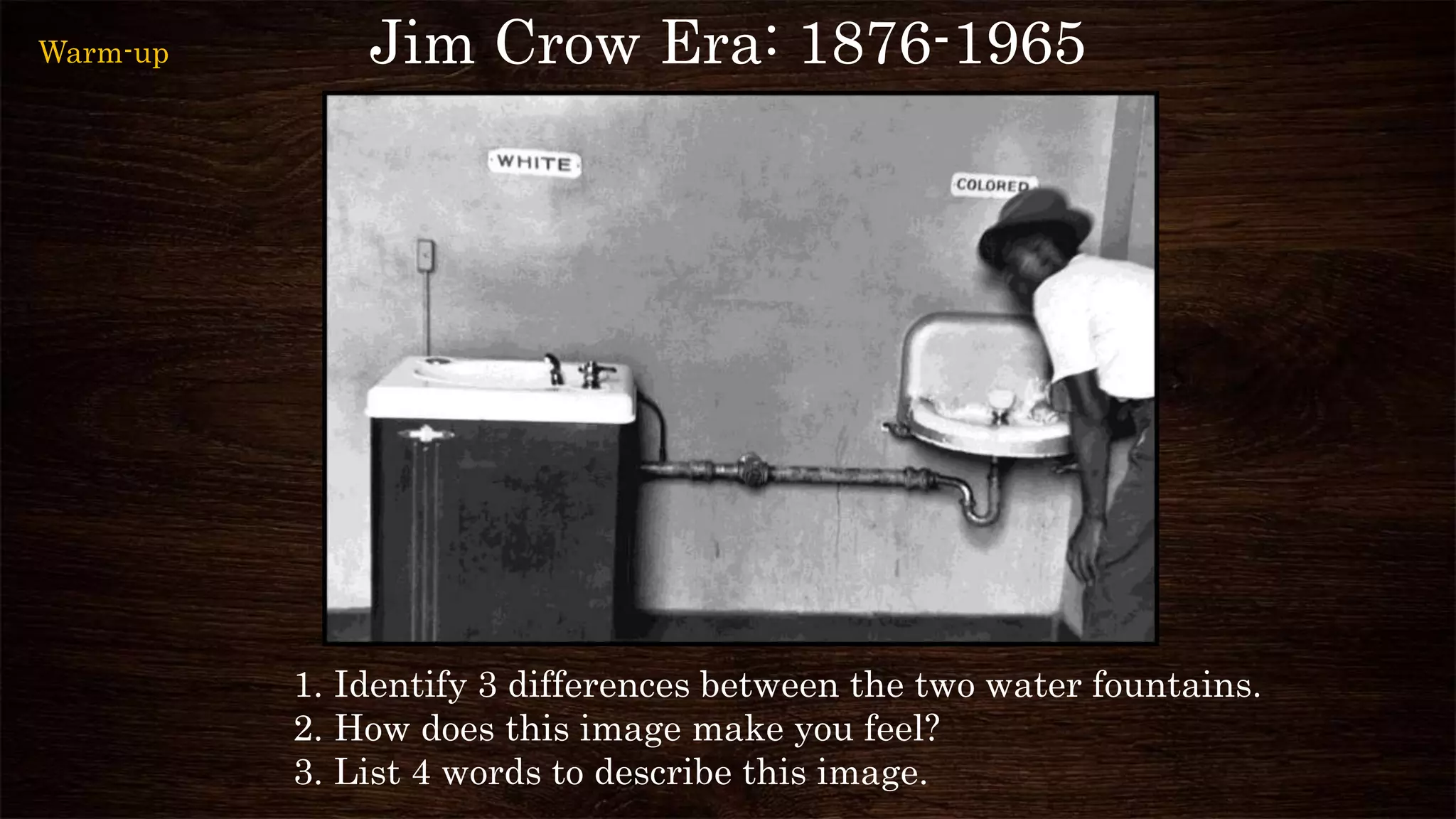
Jim Crow Era: 1876-1965
1. Identify 3 differences between the two water fountains.
2. How does this image make you feel?
3. List 4 words to describe this image.
Warm-up
Timeline:
1863 – Emancipation Proclamation & Start of Reconstruction
1865 – 13th Amendment
1868 – 14th Amendment
1870 – 15th Amendment
1877 – End of Reconstruction
1877 – Start of the Jim Crow Era
1895 – Booker T. Washington’s Atlanta Exposition Address (aka the Atlanta Compromise)
1905 – W,E.B. DuBois’ Niagara Movement
1910 – 30 The Great Migration
1920 – Harlem Renaissance (Jazz Age/Roaring 20’s)
1930 – End of the Great Migration/Harlem Renaissance
1st BLACK CODES
laws were passed in
the South
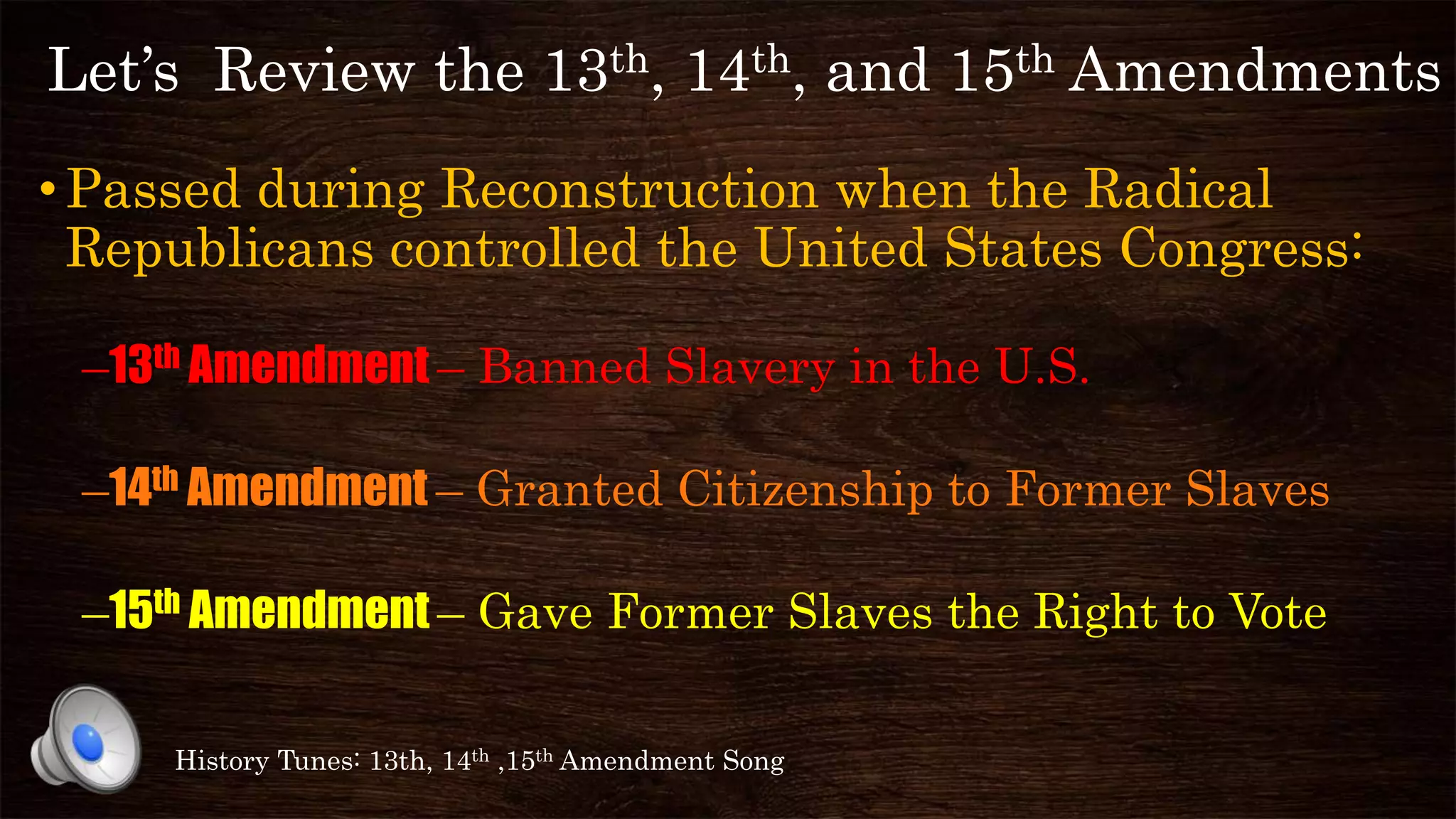
Let’s Review the 13th, 14th, and 15th Amendments
•Passed during Reconstruction when the Radical
Republicans controlled the United States Congress:
–13th Amendment – Banned Slavery in the U.S.
–14th Amendment – Granted Citizenship to Former Slaves
–15th Amendment – Gave Former Slaves the Right to Vote
History Tunes: 13th, 14th ,15th Amendment Song
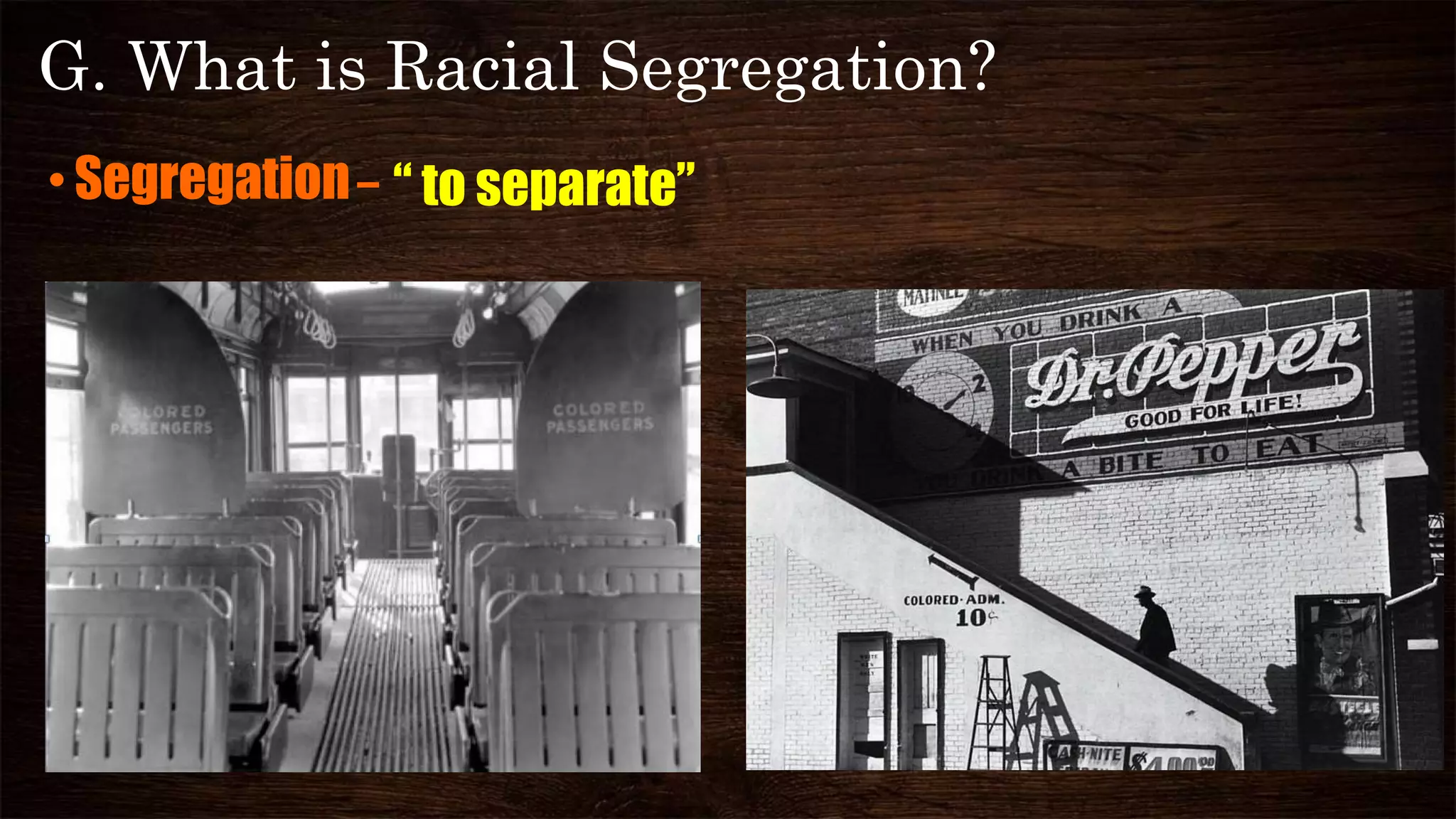
G. What is Racial Segregation?
•Segregation– “ to separate”
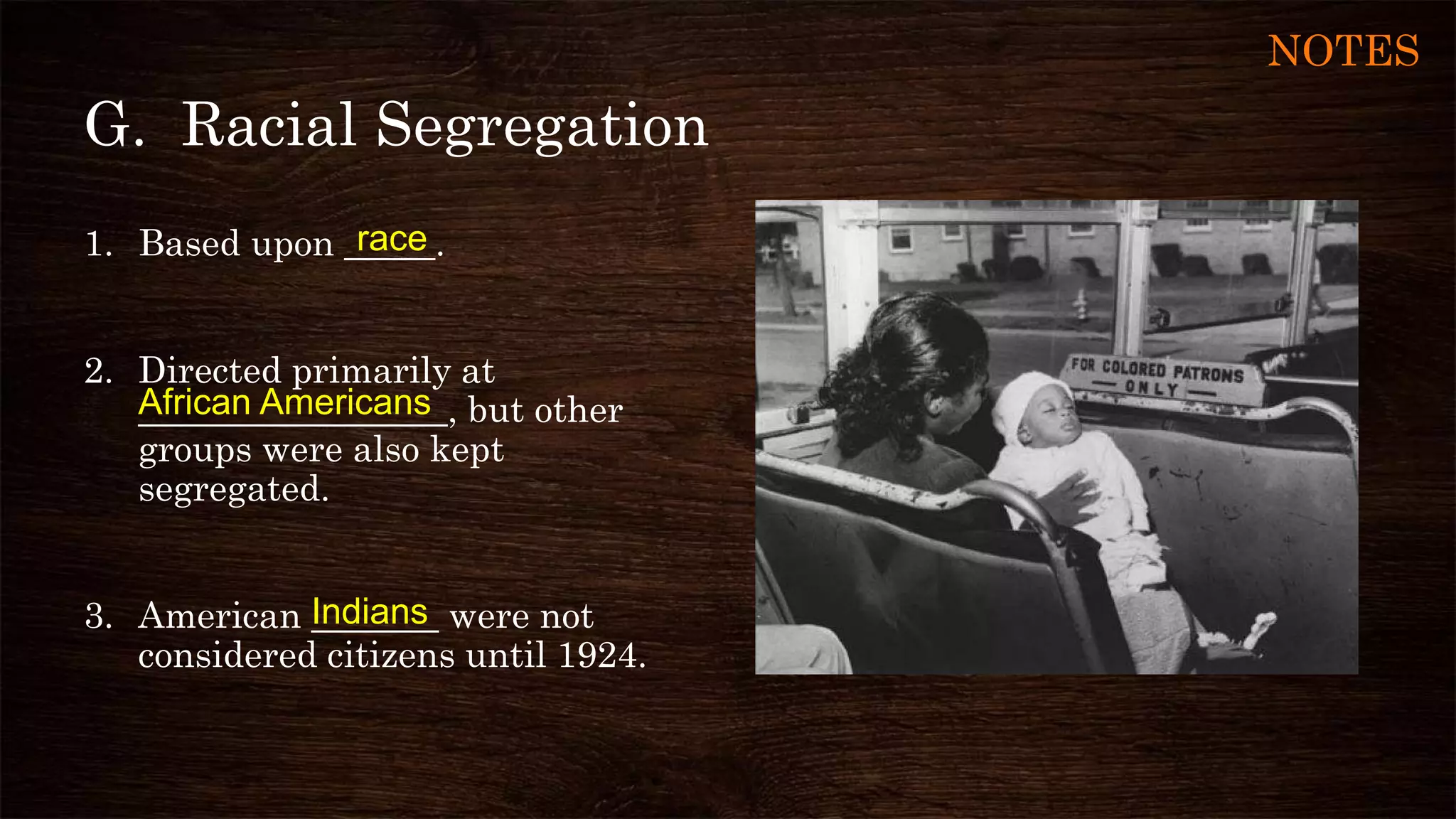
G. Racial Segregation
1. Based upon _____.
2. Directed primarily at
_________________, but other
groups were also kept
segregated.
3. American _______ were not
considered citizens until 1924.
race
African Americans
Indians
NOTES
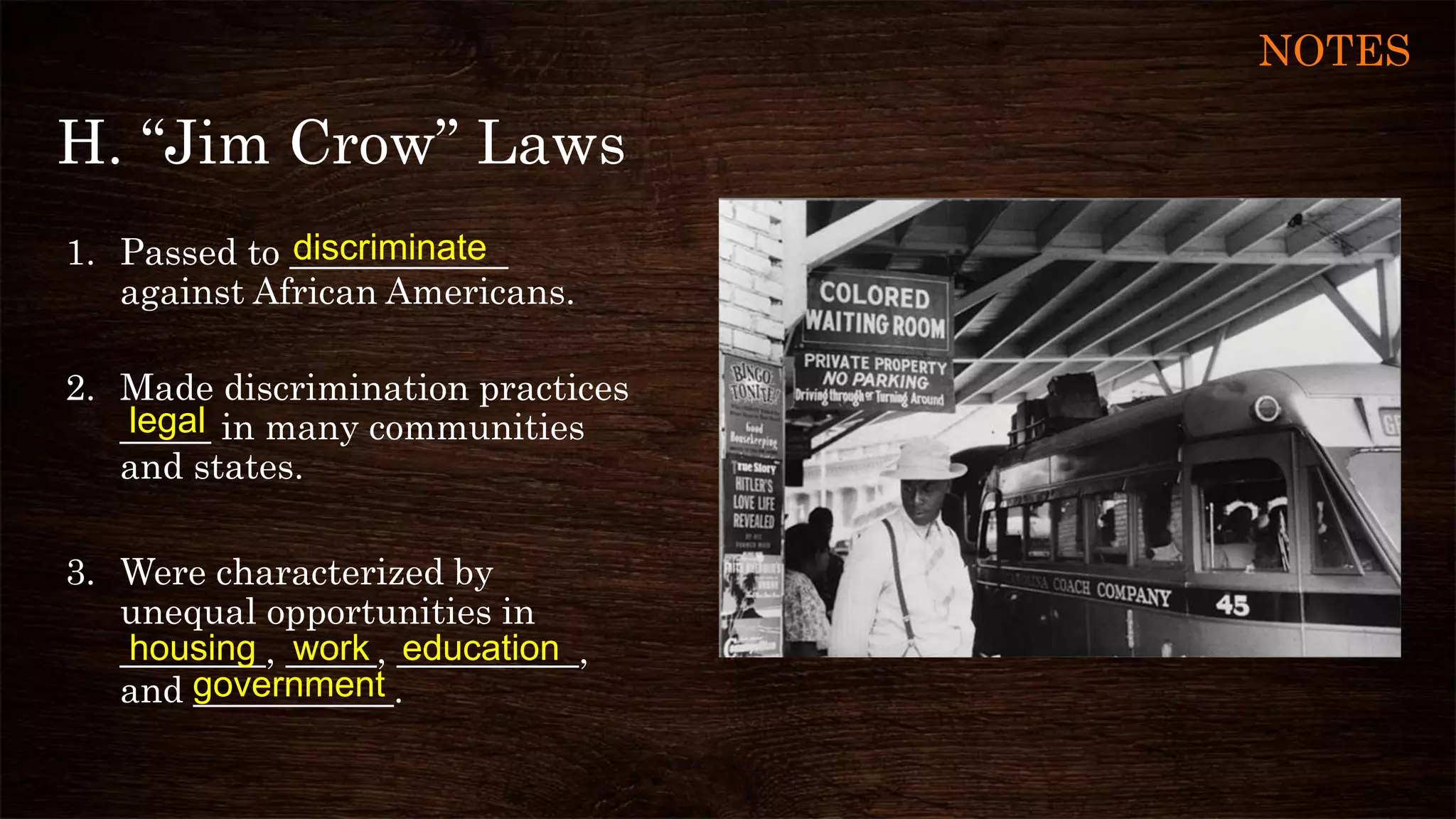
H. “Jim Crow” Laws
1. Passed to ____________
against African Americans.
2. Made discrimination practices
_____ in many communities
and states.
3. Were characterized by
unequal opportunities in
________, _____, __________,
and ___________.
discriminate
government
workhousing
legal
education
NOTES
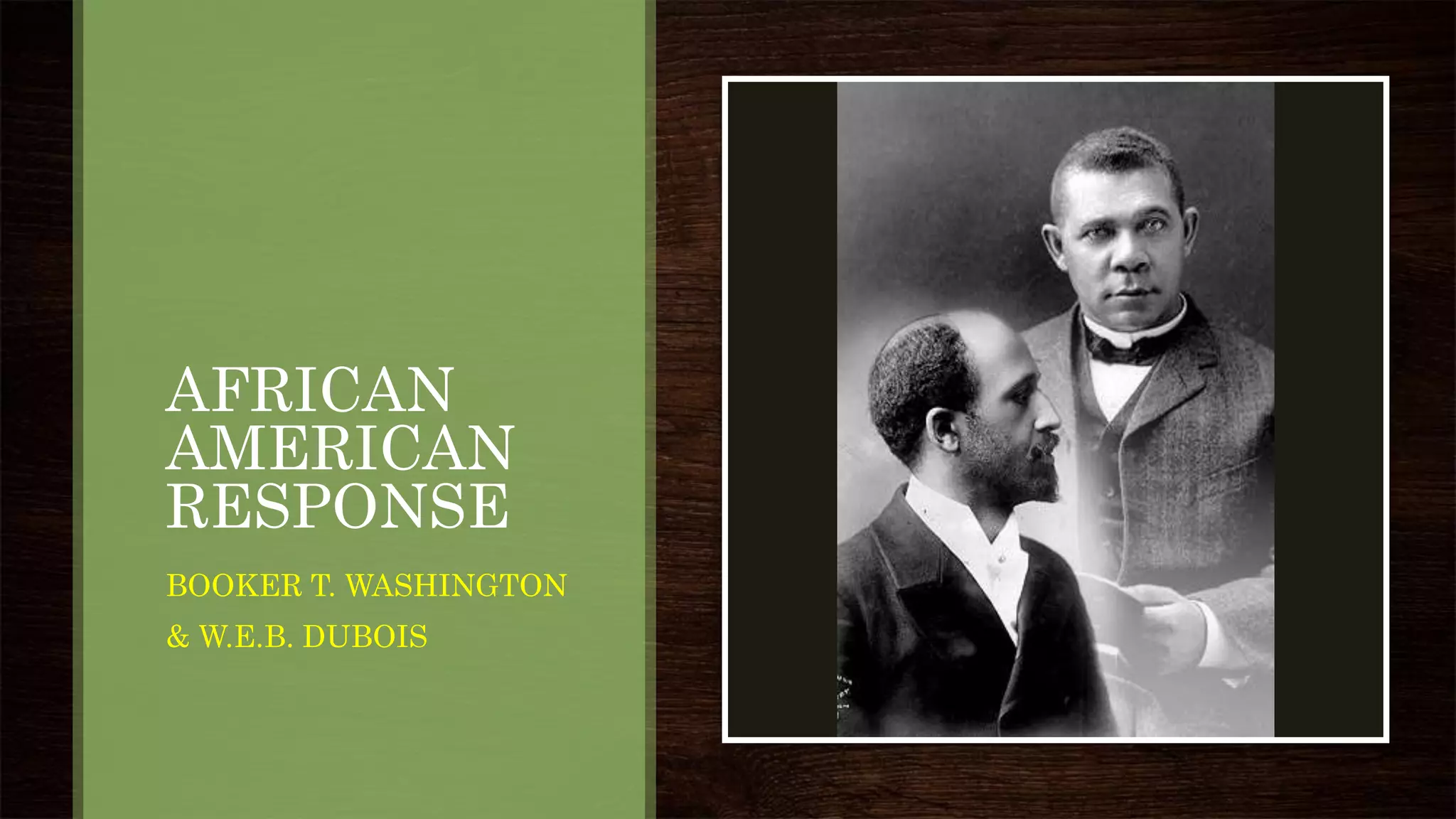
AFRICAN
AMERICAN
RESPONSE
BOOKER T. WASHINGTON
& W.E.B. DUBOIS
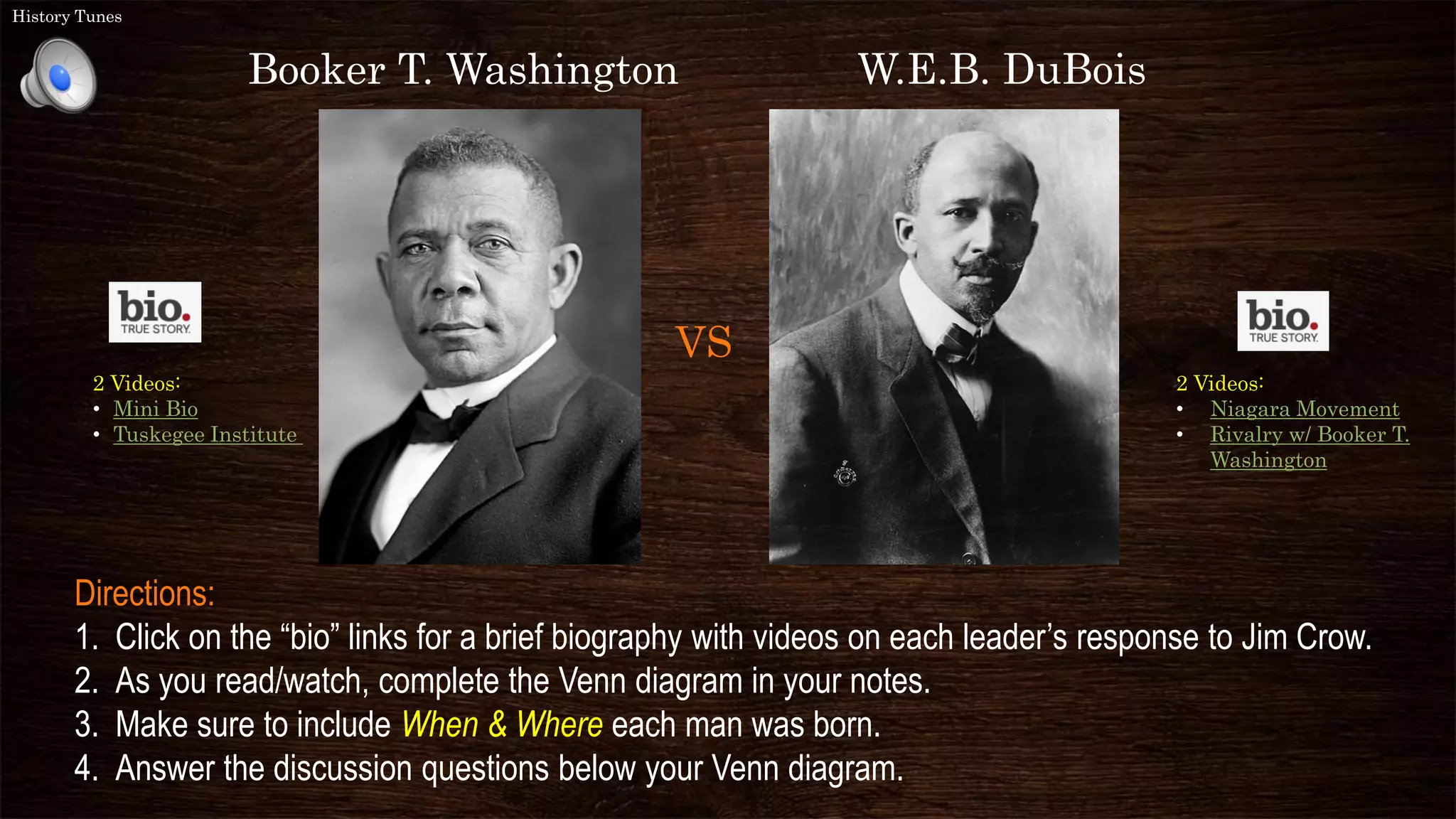
Booker T. Washington W.E.B. DuBois
Directions:
1. Click on the “bio” links for a brief biography with videos on each leader’s response to Jim Crow.
2. As you read/watch, complete the Venn diagram in your notes.
3. Make sure to include When & Where each man was born.
4. Answer the discussion questions below your Venn diagram.
VS
2 Videos:
• Mini Bio
• Tuskegee Institute
History Tunes
2 Videos:
• Niagara Movement
• Rivalry w/ Booker T.
Washington
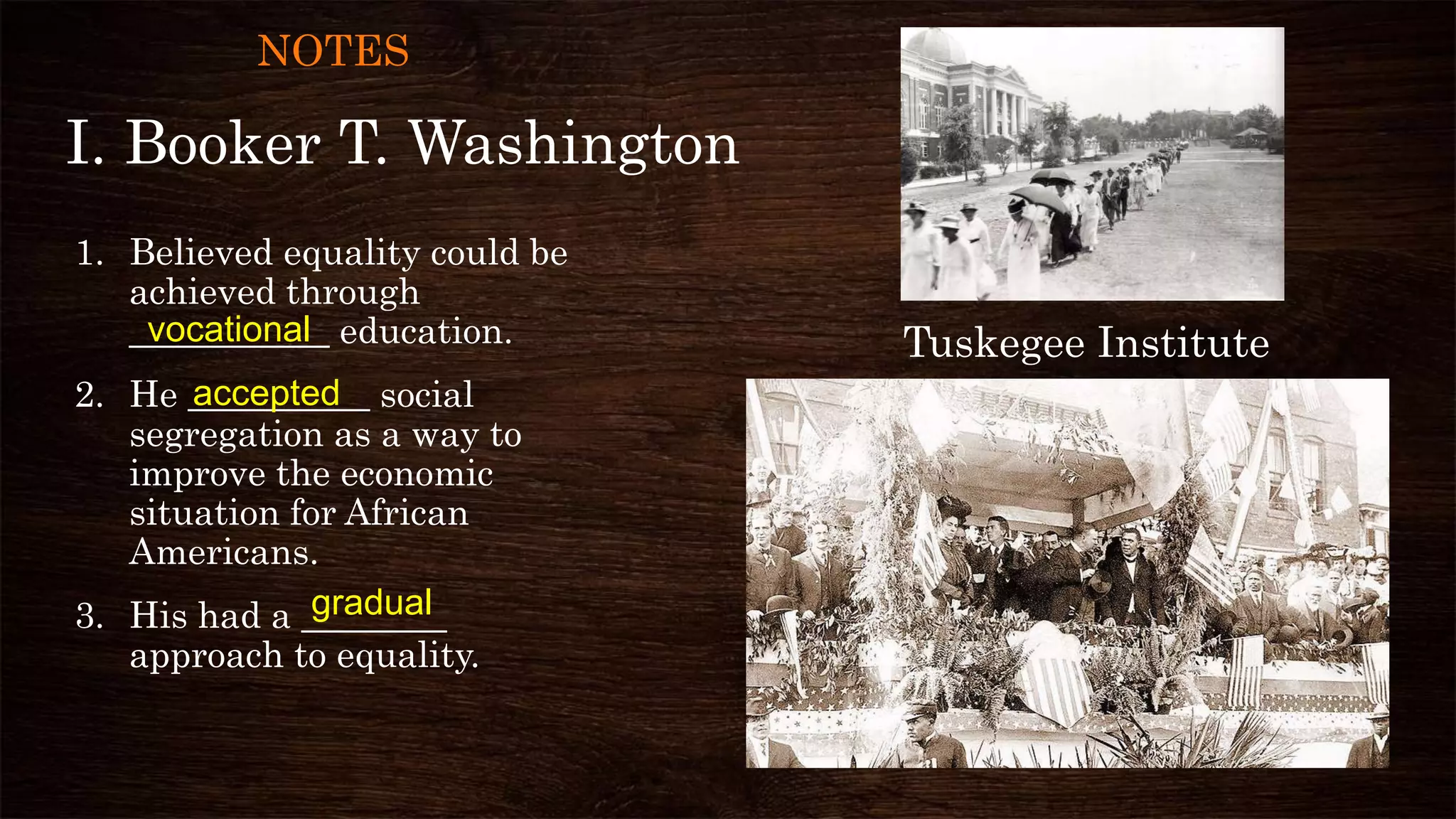
I. Booker T. Washington
1. Believed equality could be
achieved through
___________ education.
2. He __________ social
segregation as a way to
improve the economic
situation for African
Americans.
3. His had a ________
approach to equality.
vocational
accepted
Tuskegee Institute
gradual
NOTES
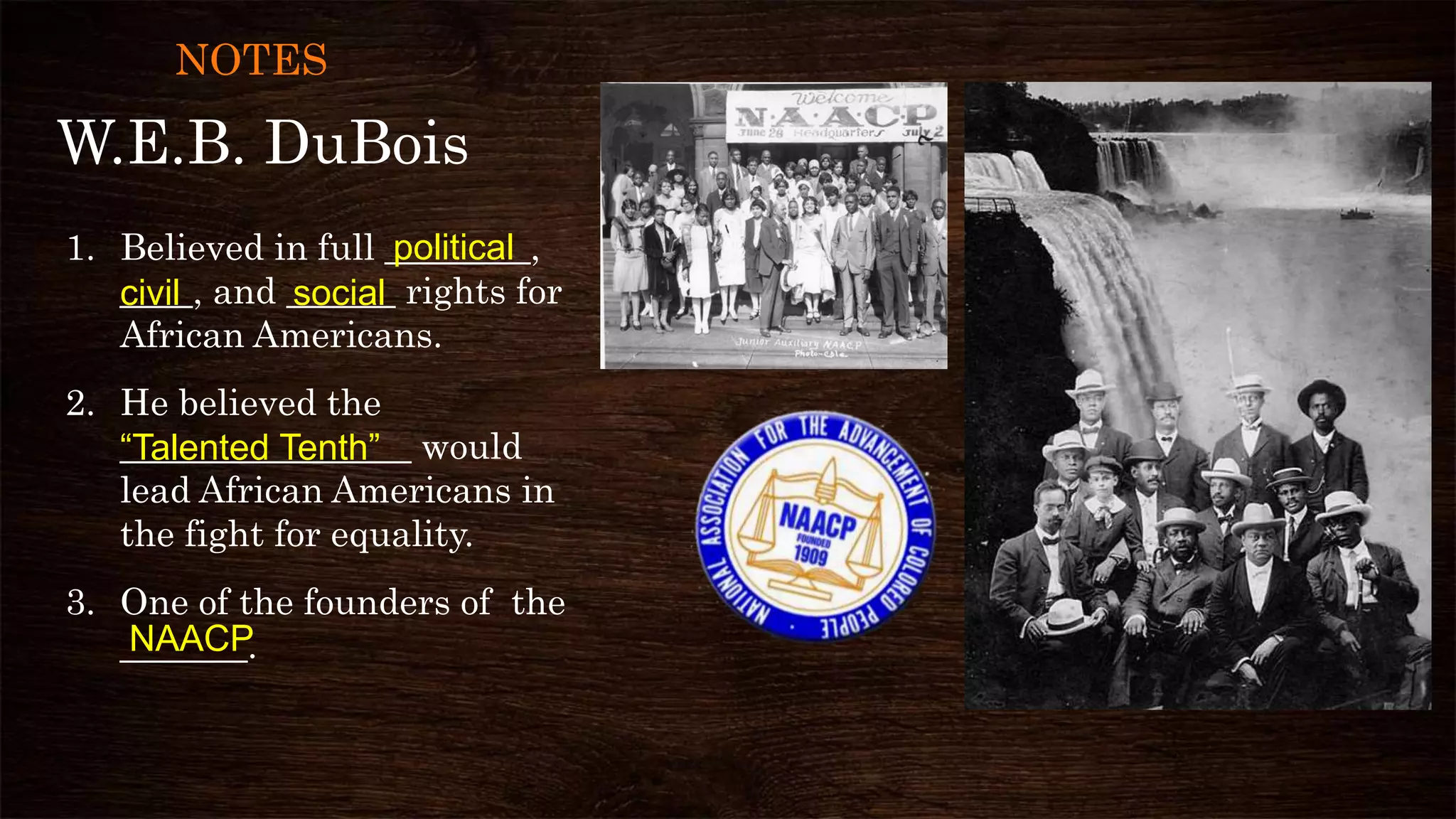
W.E.B. DuBois
1. Believed in full ________,
____, and ______ rights for
African Americans.
2. He believed the
________________ would
lead African Americans in
the fight for equality.
3. One of the founders of the
_______.
civil
political
“Talented Tenth”
social
NAACP
NOTES
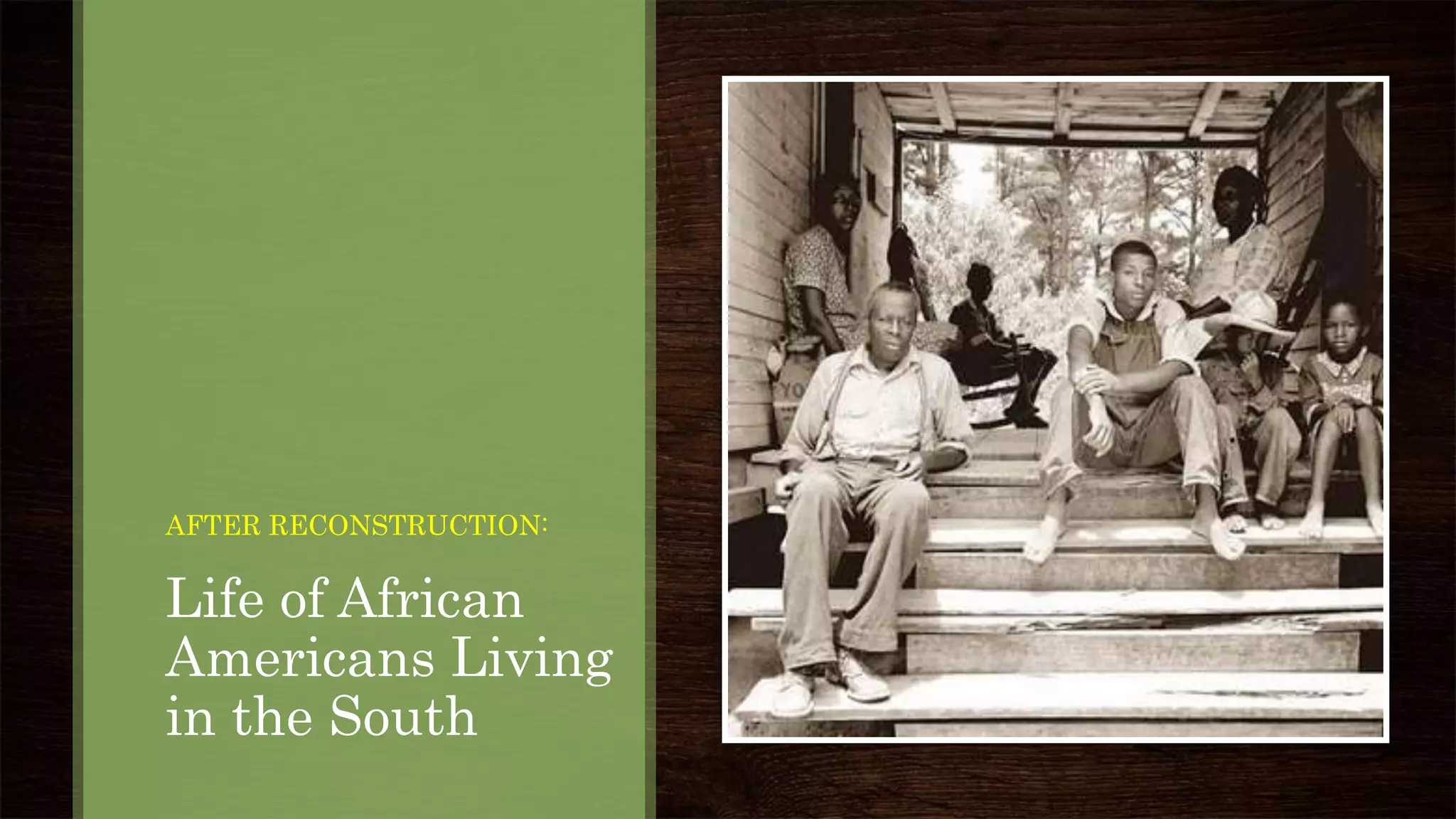
AFTER RECONSTRUCTION:
Life of African
Americans Living
in the South
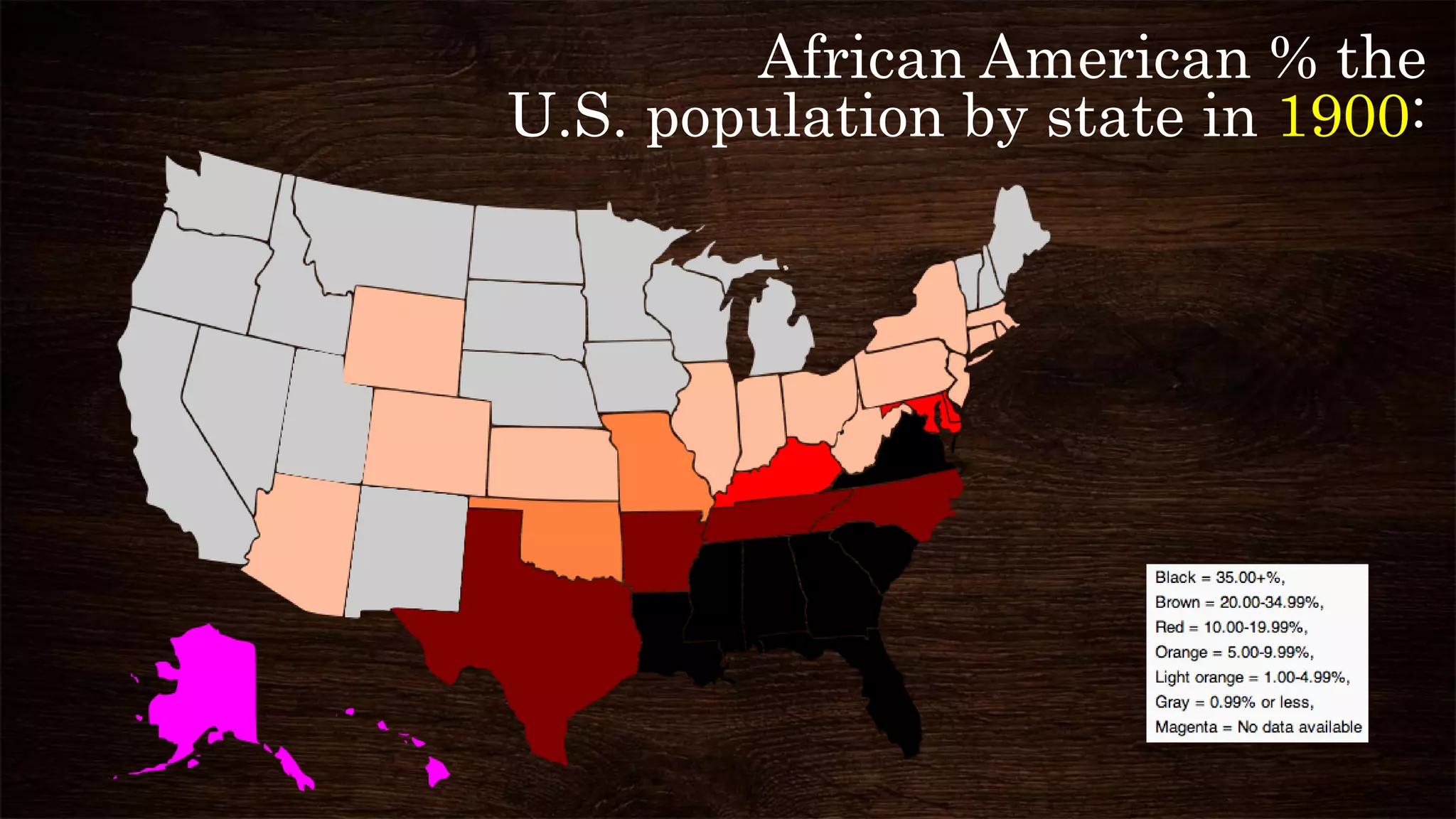
African American % the
U.S. population by state in 1900:
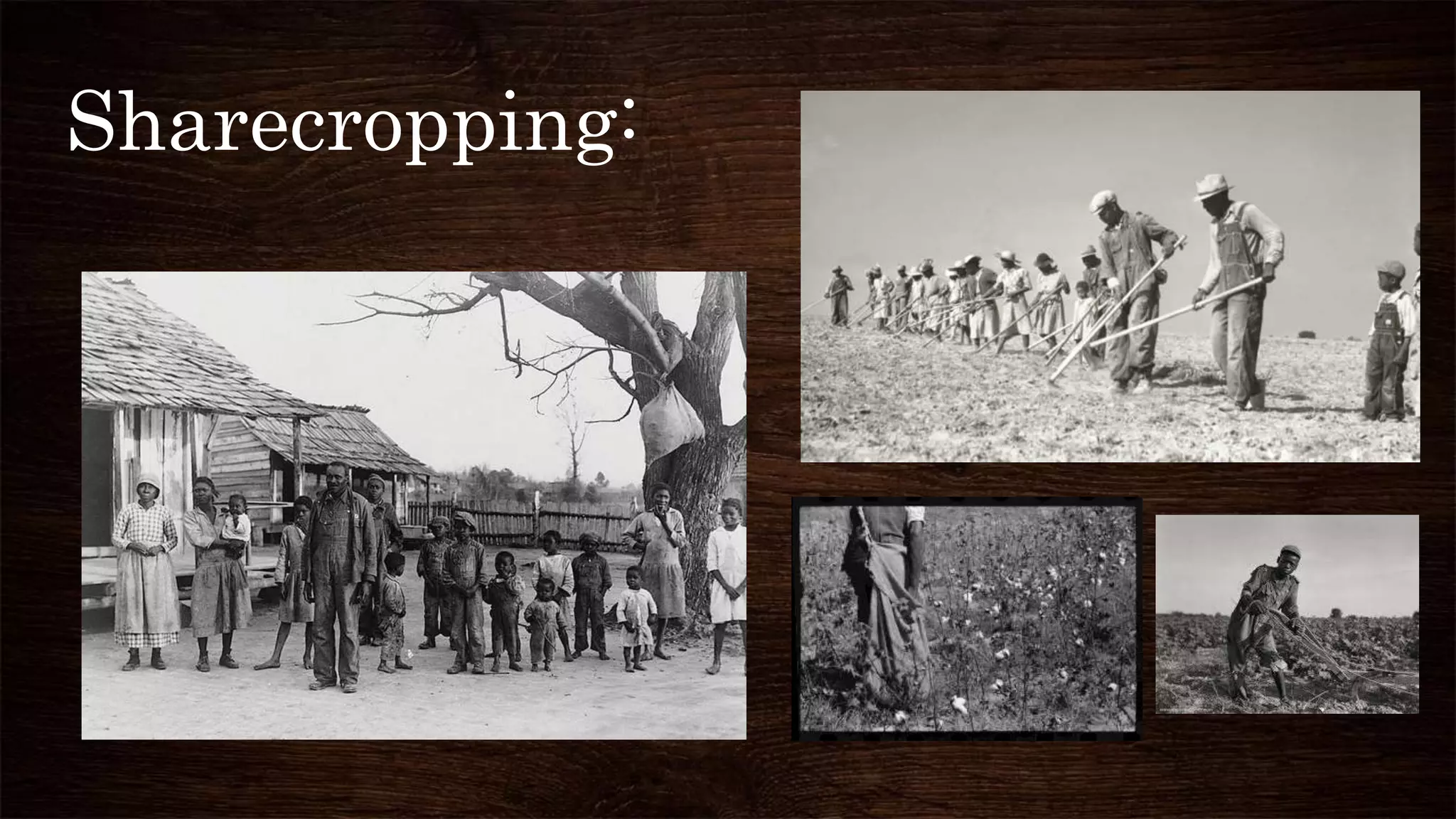
Sharecropping:
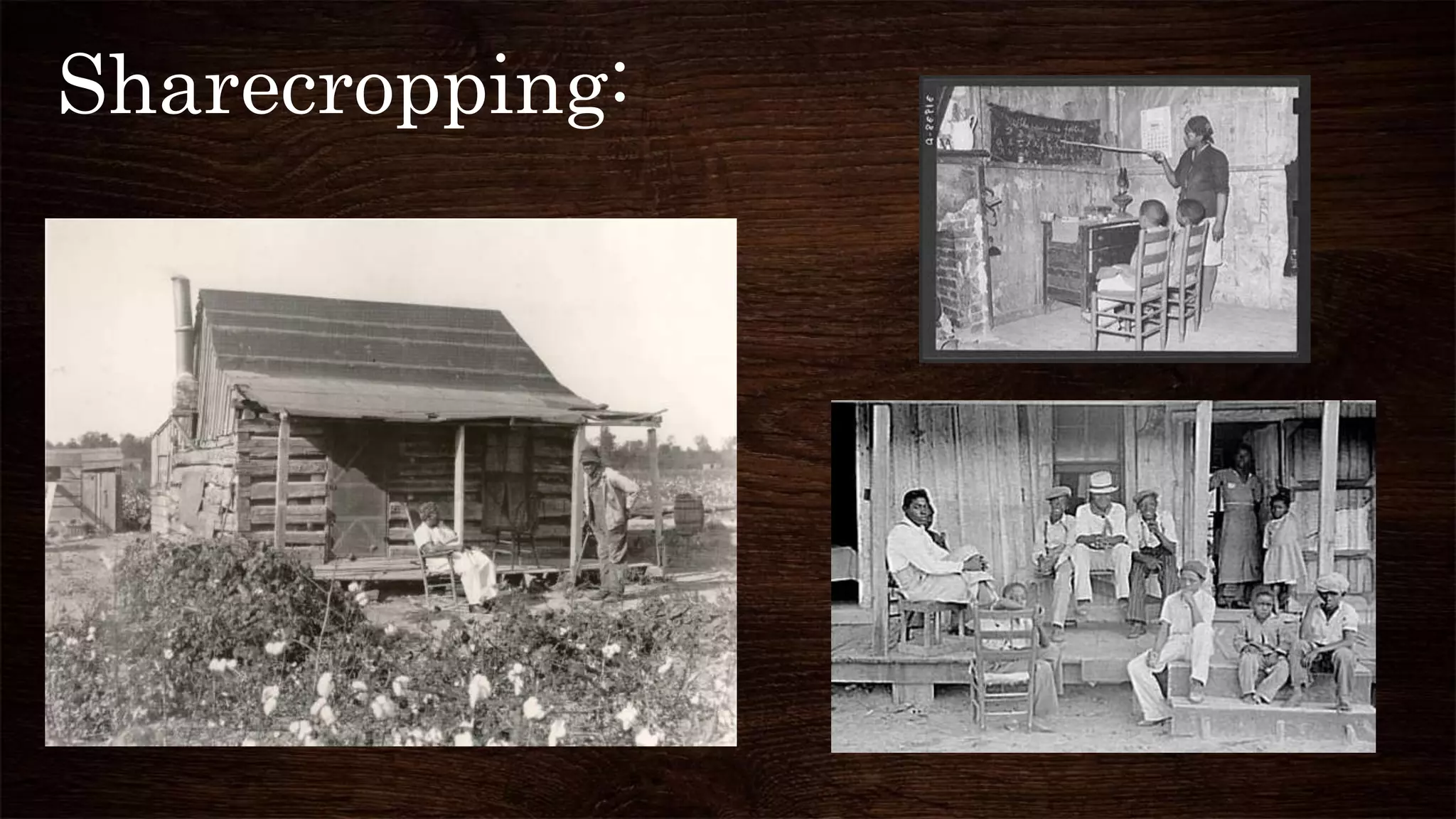
Sharecropping:
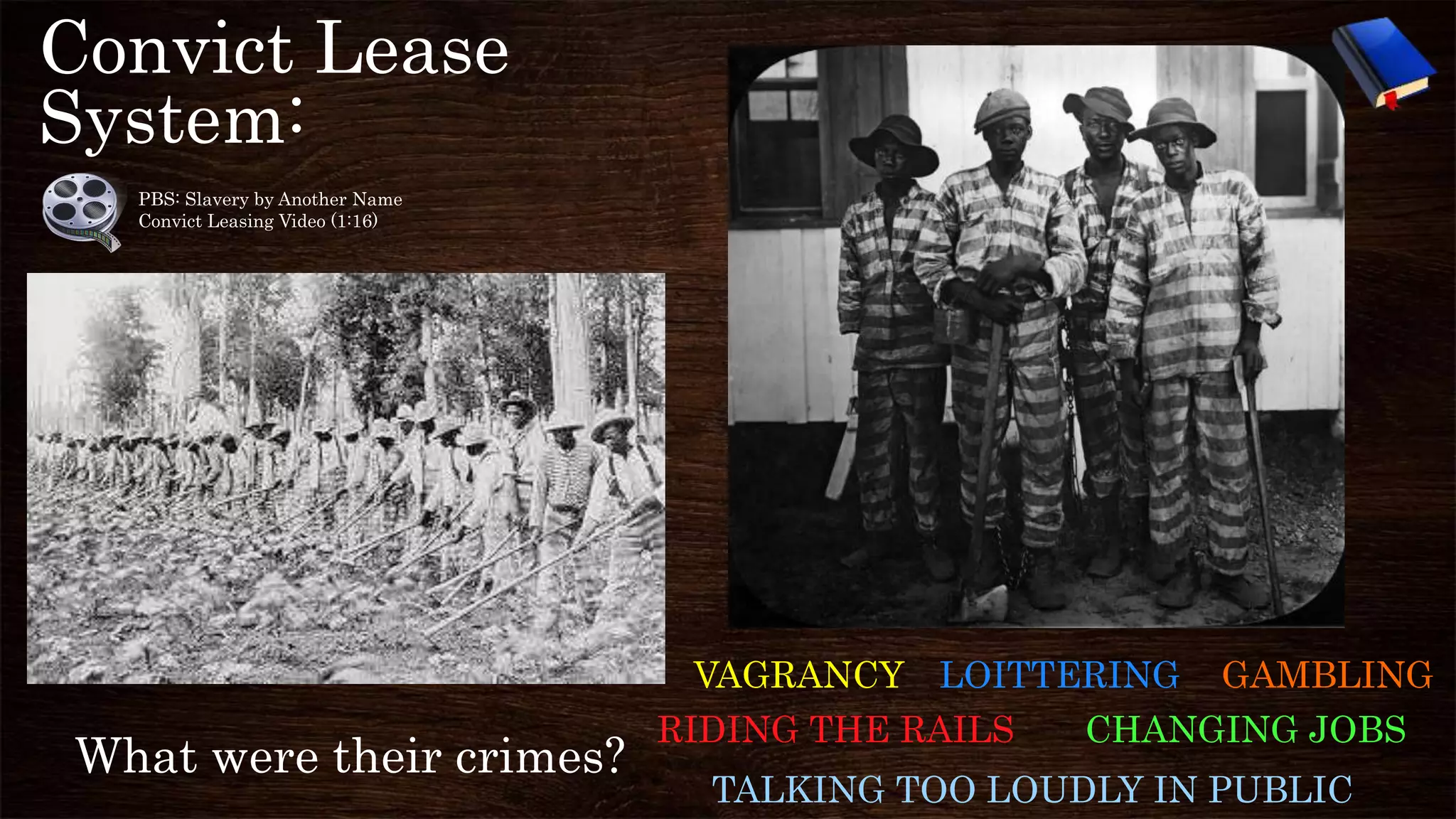
Convict Lease
System:
PBS: Slavery by Another Name
Convict Leasing Video (1:16)
What were their crimes?
VAGRANCY LOITTERING
RIDING THE RAILS CHANGING JOBS
GAMBLING
TALKING TOO LOUDLY IN PUBLIC
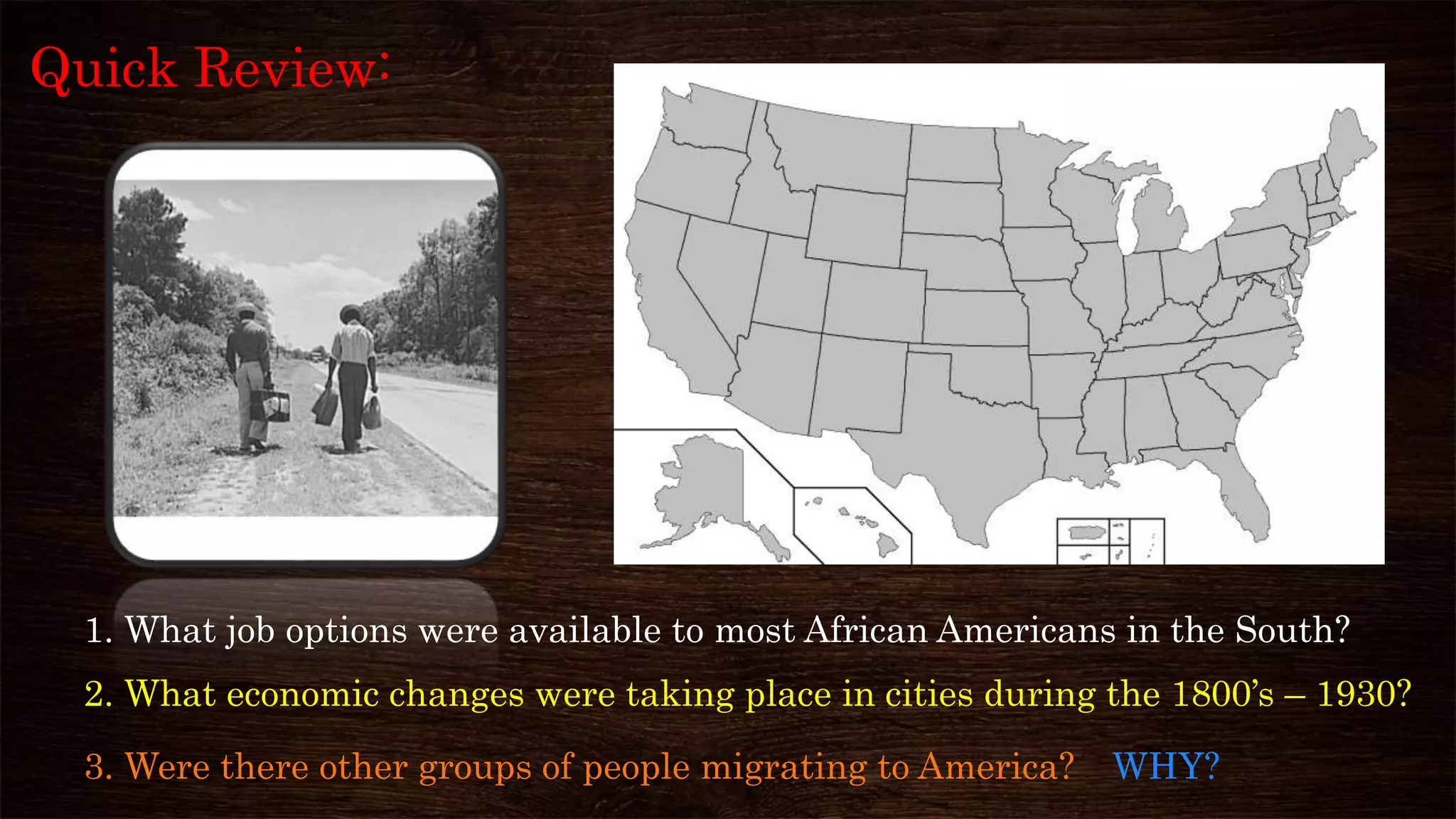
2. What economic changes were taking place in cities during the 1800’s – 1930?
3. Were there other groups of people migrating to America? WHY?
Quick Review:
1. What job options were available to most African Americans in the South?
How did populations and demographics change in America?
Map showing the African
American population
% change in U.S. states
between 1900-1990:
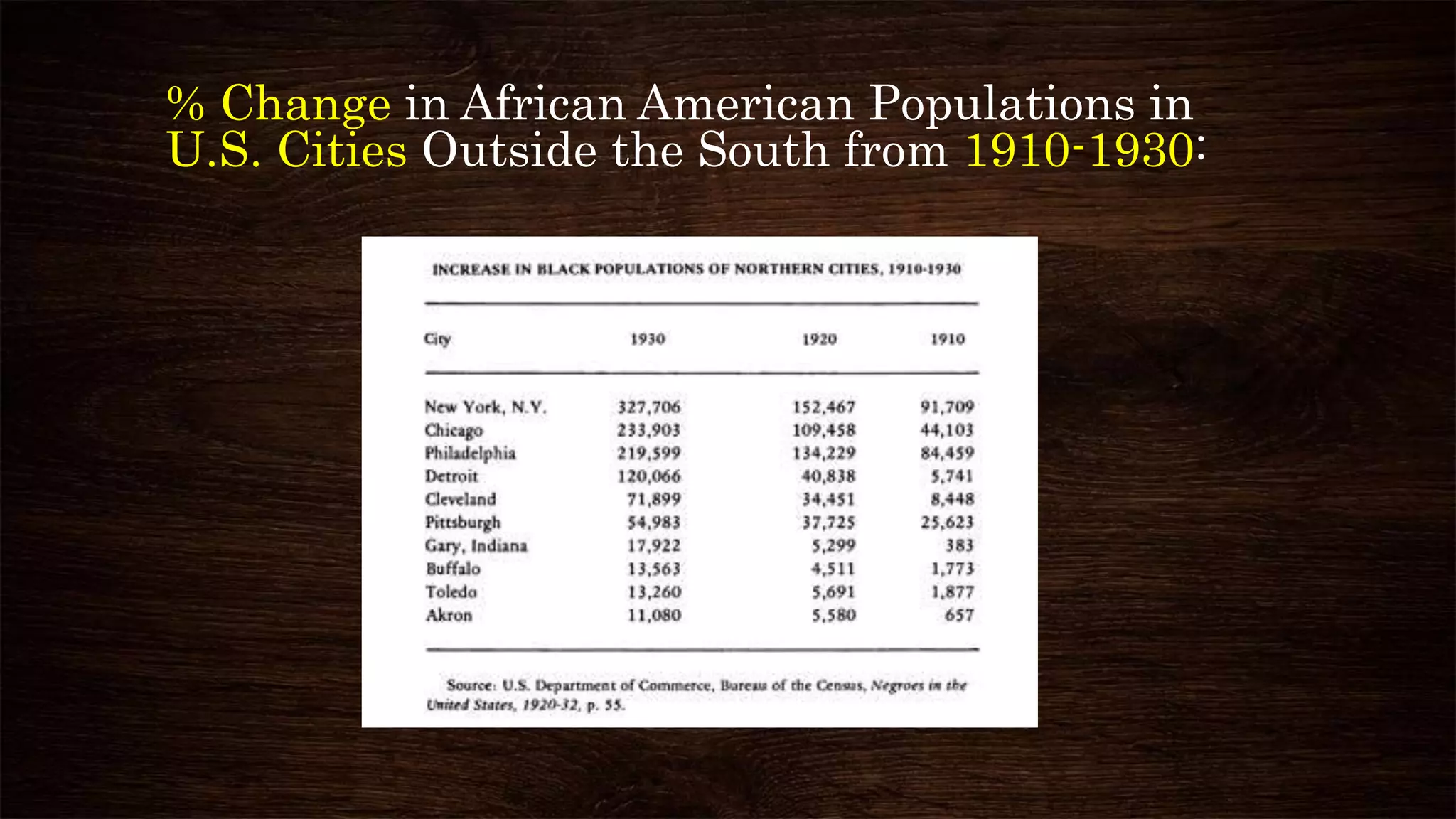
% Change in African American Populations in
U.S. Cities Outside the South from 1910-1930:
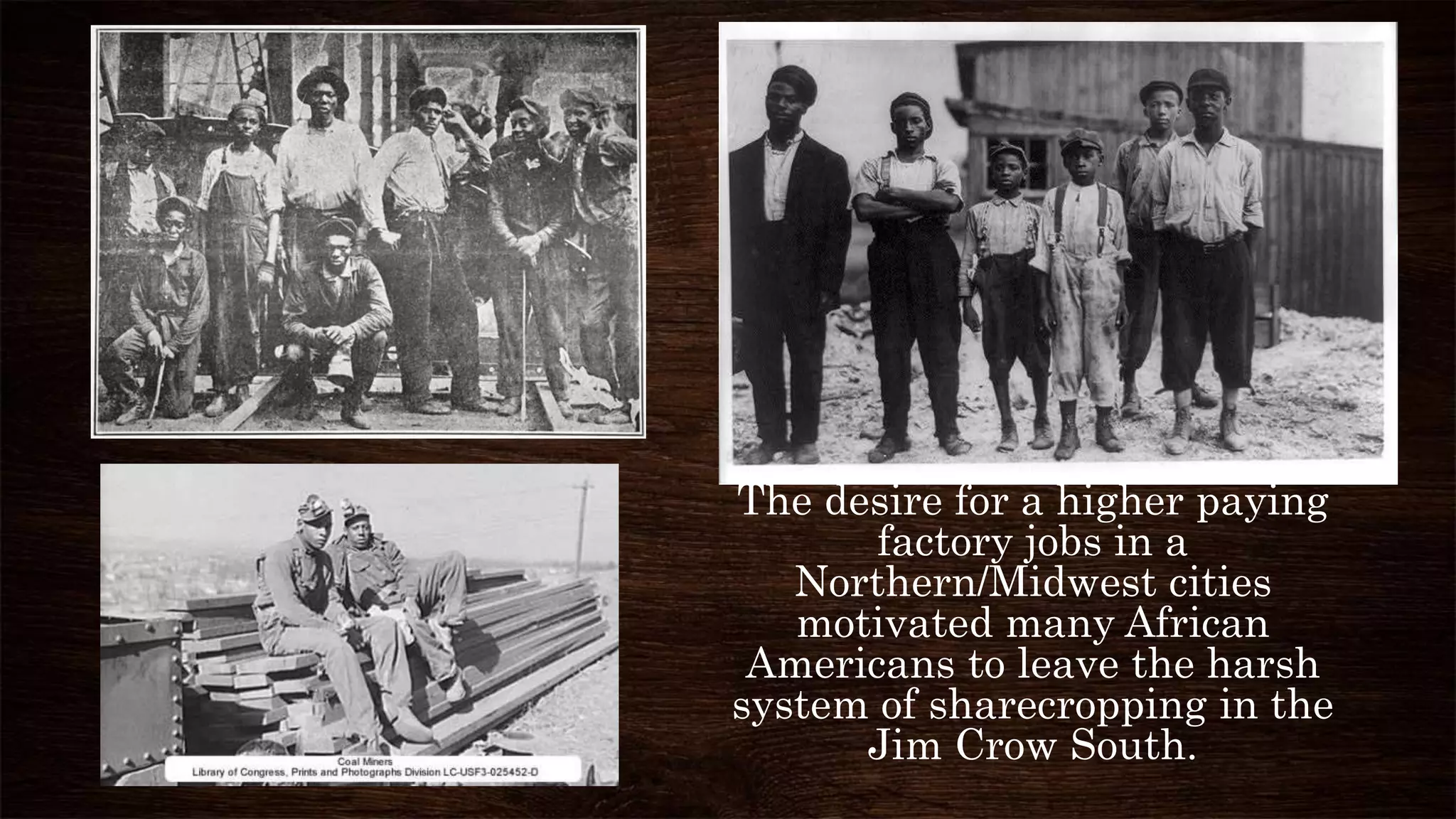
The desire for a higher paying
factory jobs in a
Northern/Midwest cities
motivated many African
Americans to leave the harsh
system of sharecropping in the
Jim Crow South.
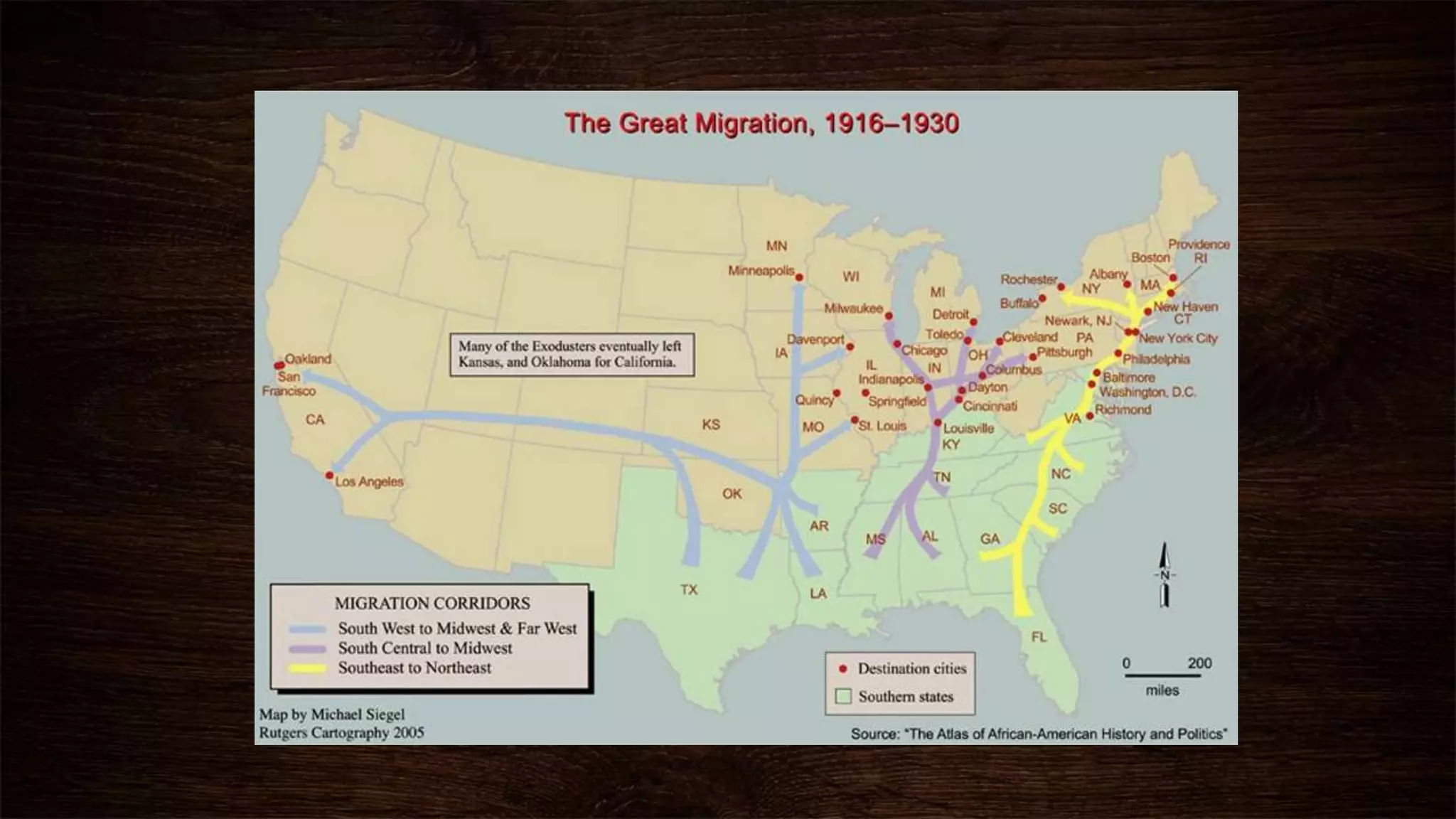
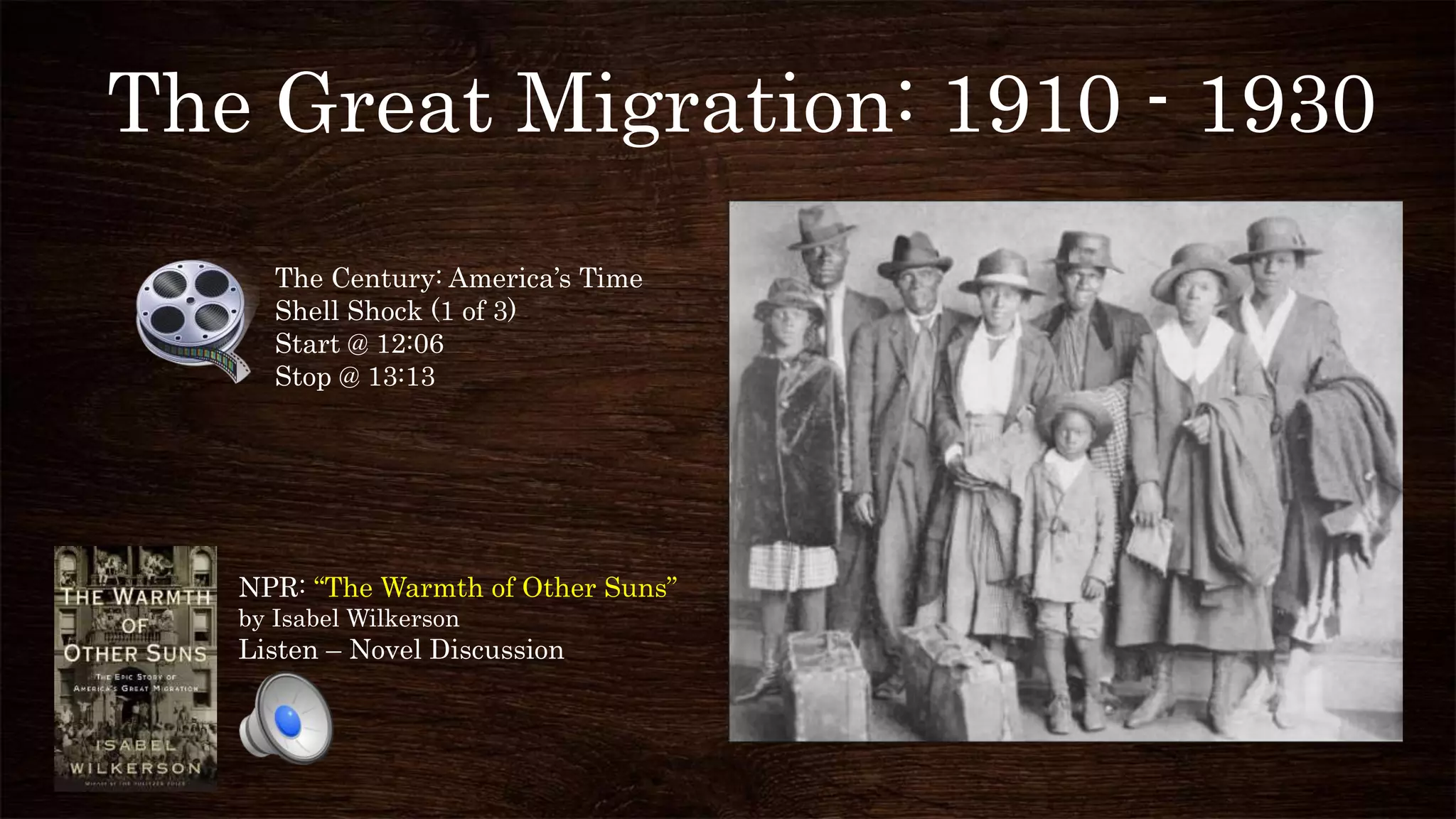
The Great Migration: 1910 - 1930
The Century: America’s Time
Shell Shock (1 of 3)
Start @ 12:06
Stop @ 13:13
NPR: “The Warmth of Other Suns”
by Isabel Wilkerson
Listen – Novel Discussion
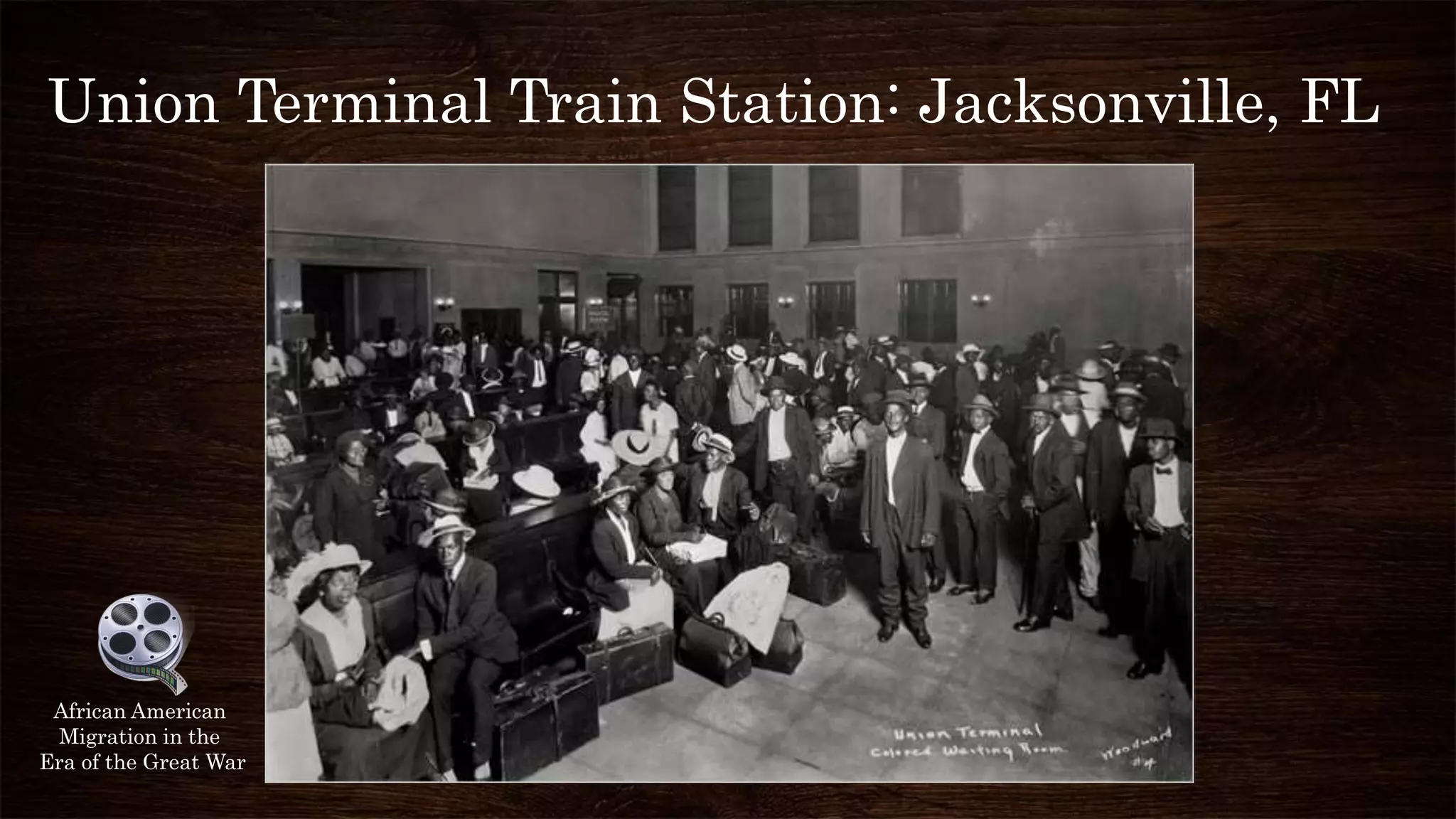
Union Terminal Train Station: Jacksonville, FL
African American
Migration in the
Era of the Great War
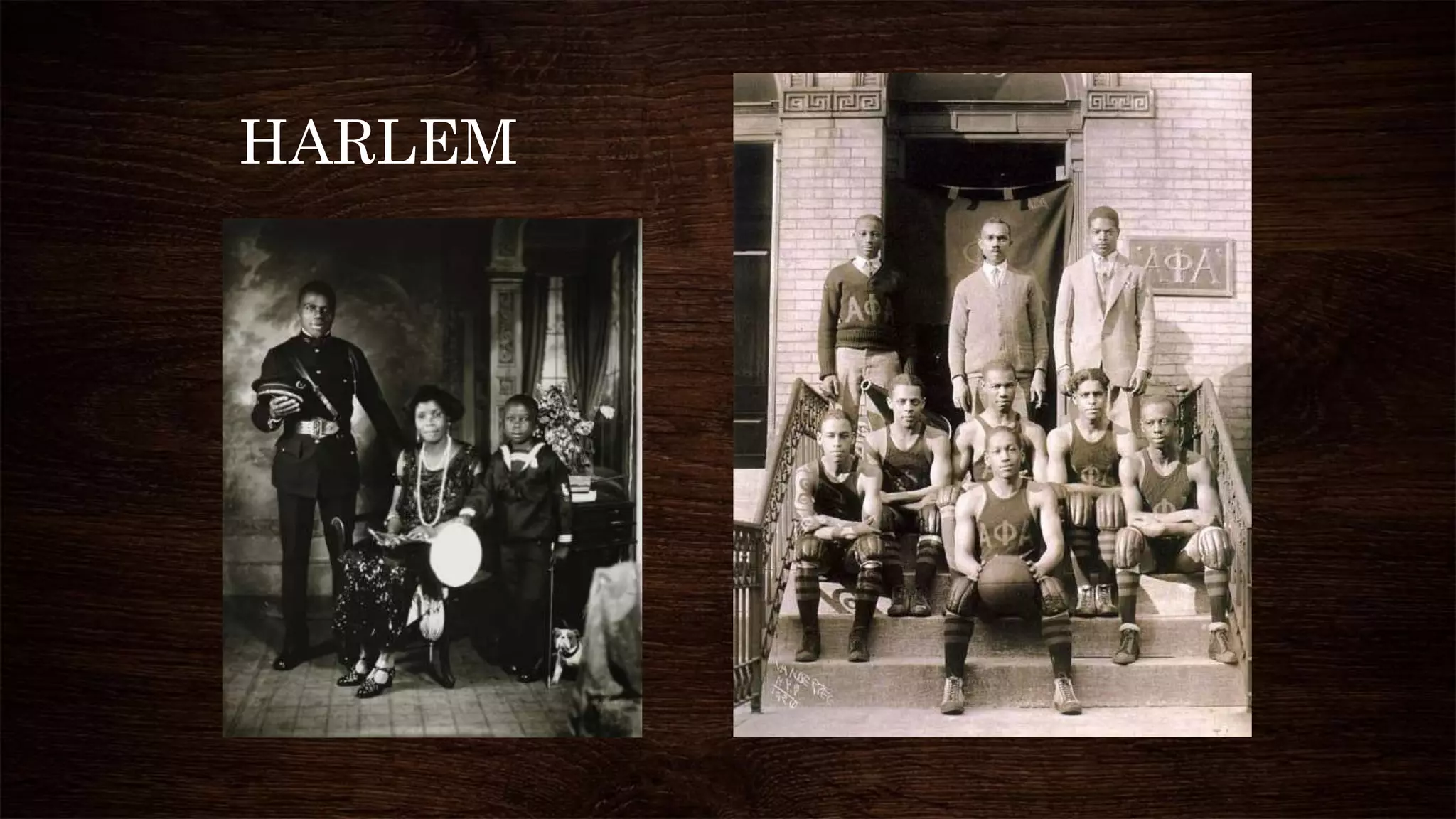
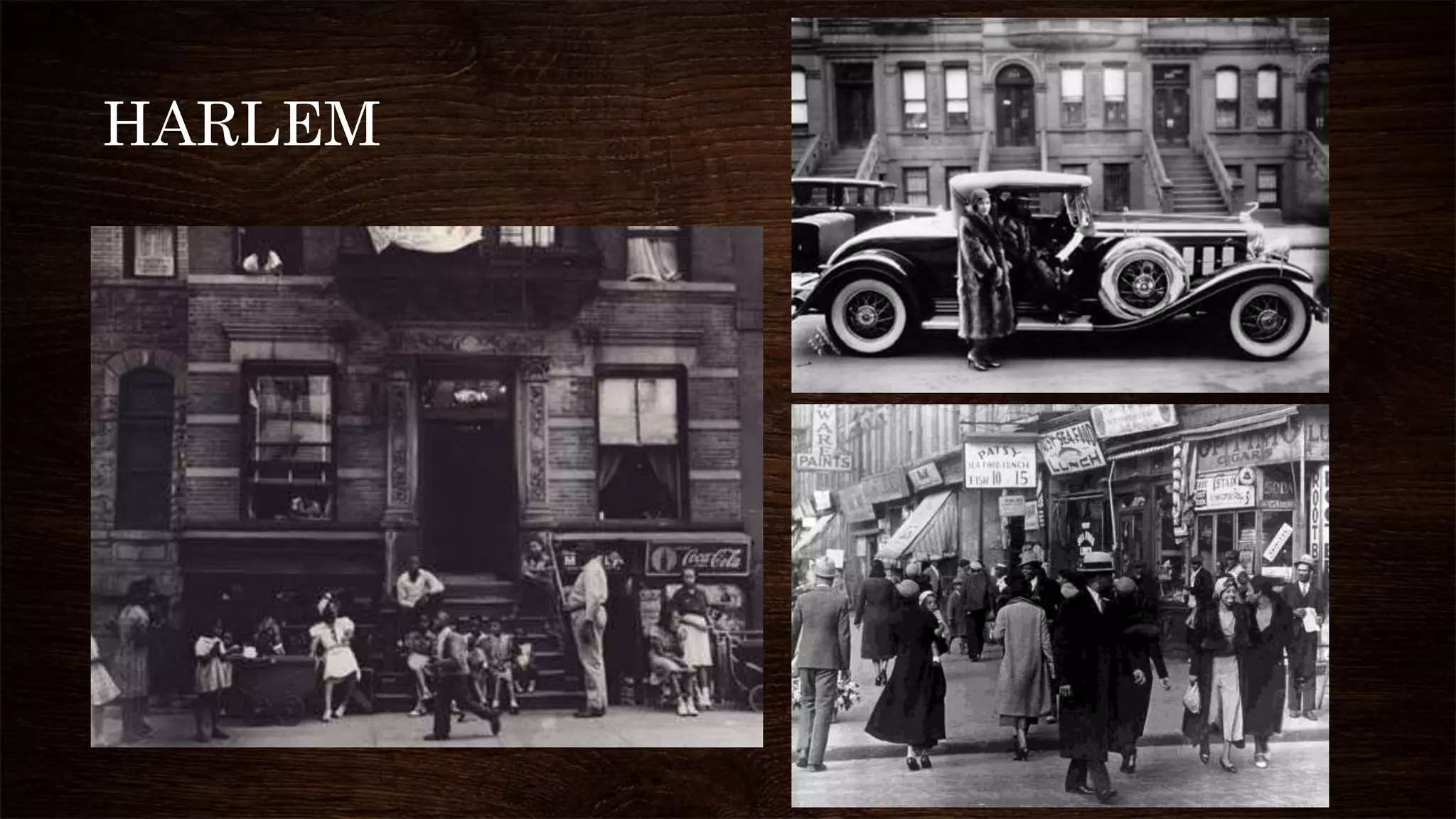
HARLEM
HARLEM
CHICAGO
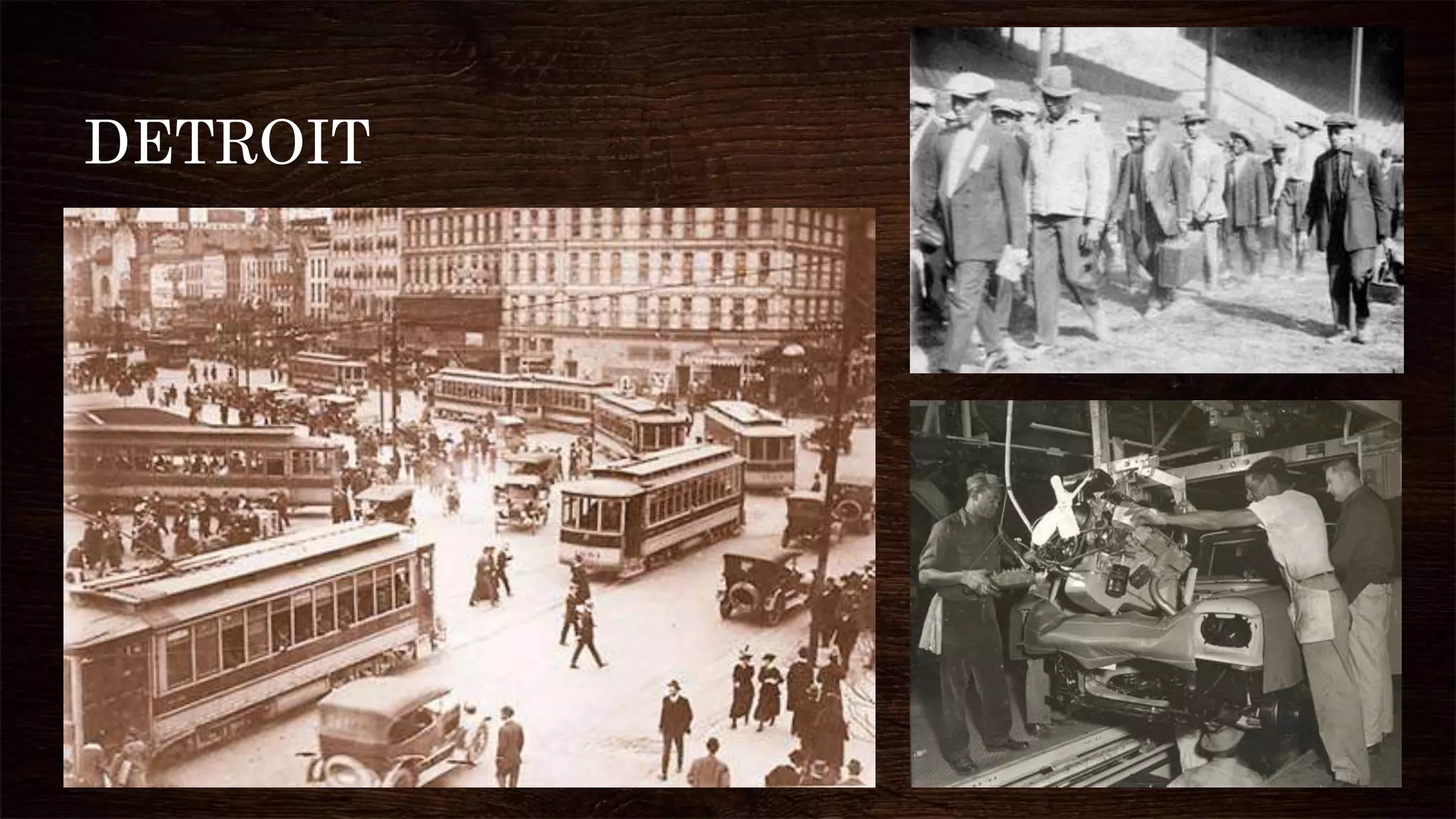
DETROIT
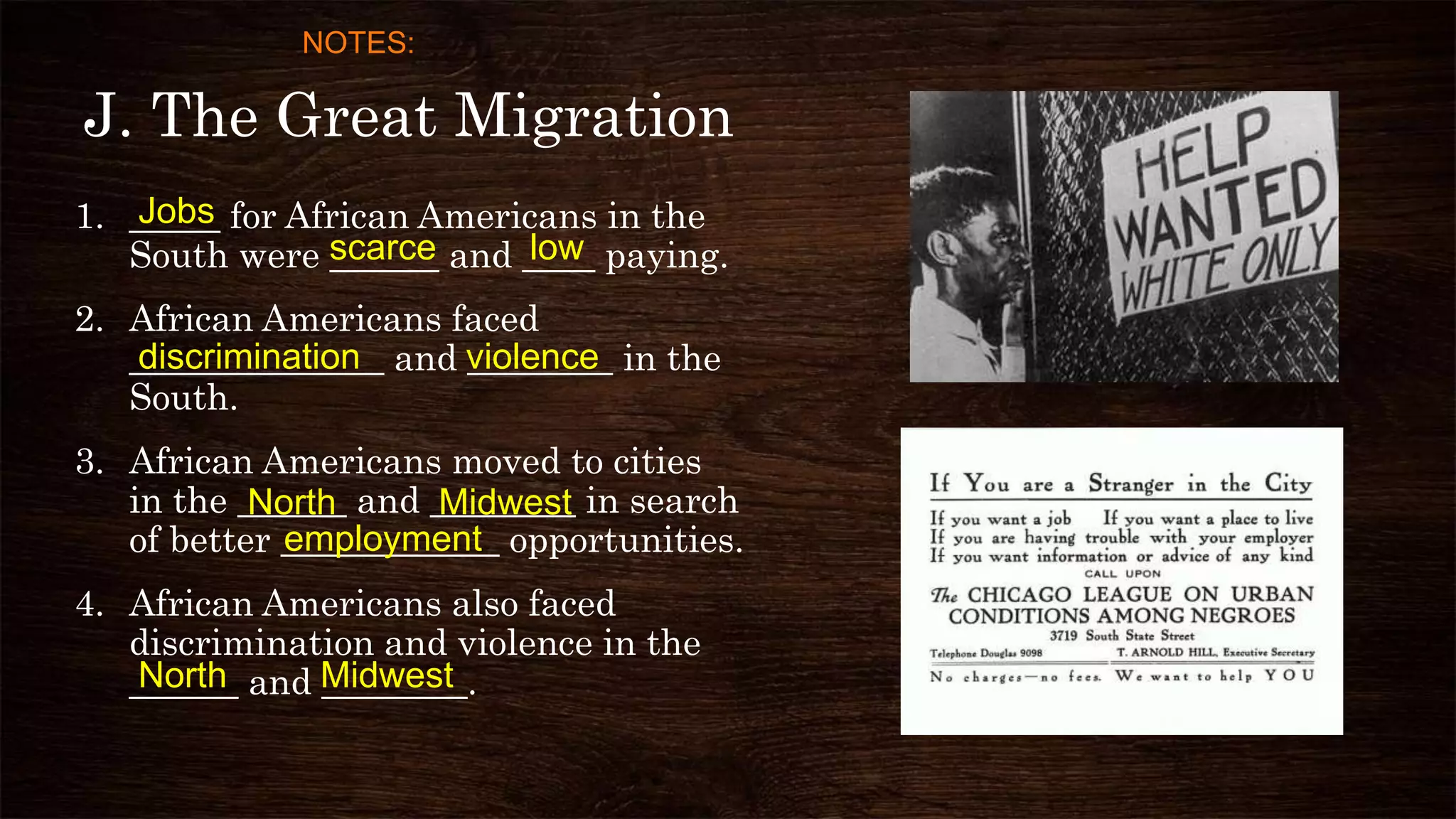
J. The Great Migration
1. _____ for African Americans in the
South were ______ and ____ paying.
2. African Americans faced
______________ and ________ in the
South.
3. African Americans moved to cities
in the ______ and ________ in search
of better ____________ opportunities.
4. African Americans also faced
discrimination and violence in the
______ and ________.
Jobs
scarce low
discrimination violence
employment
MidwestNorth
North Midwest
NOTES:
Discussion Questions:
1. How do you think Northern cities like Detroit, Chicago,
Cleveland, and New York City reacted to Great Migration?
1. Would they have felt any backlash from groups already living
in these cities? If so, what groups and why?
1. How do you think Southerners reacted to the Great Migration?
Explain your opinion.
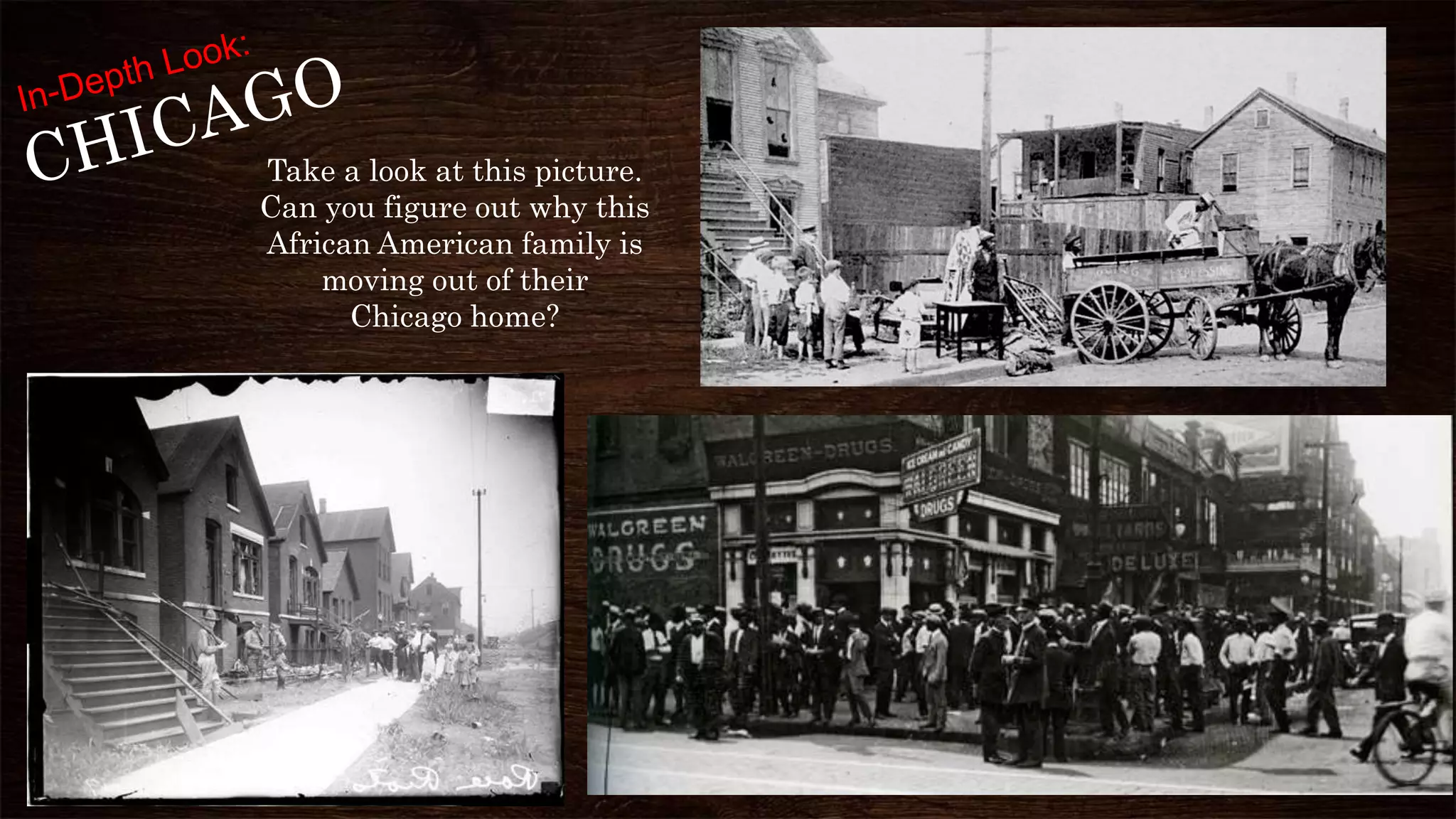
Take a look at this picture.
Can you figure out why this
African American family is
moving out of their
Chicago home?
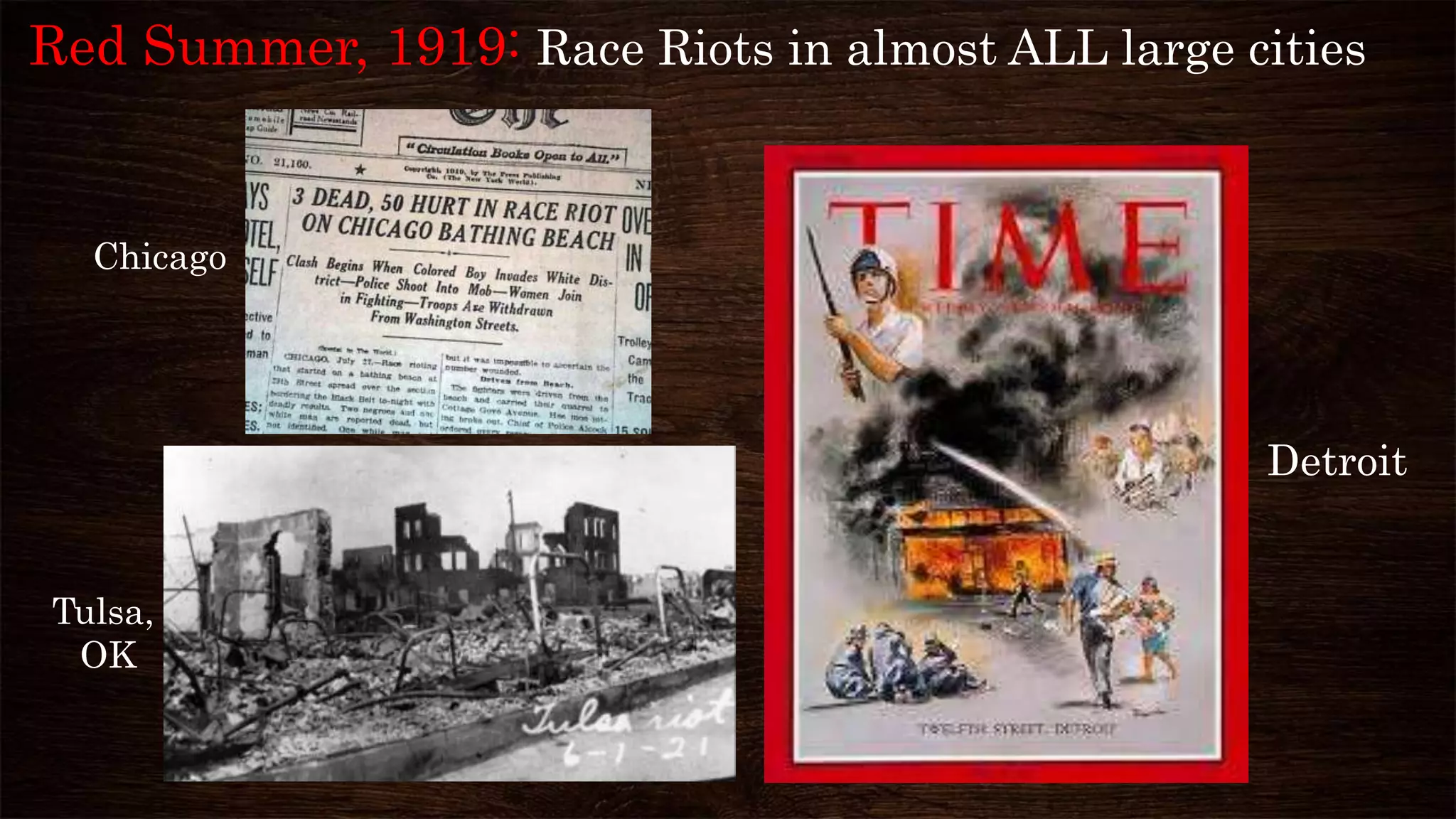
Detroit
Tulsa,
OK
Chicago
Red Summer, 1919: Race Riots in almost ALL large cities
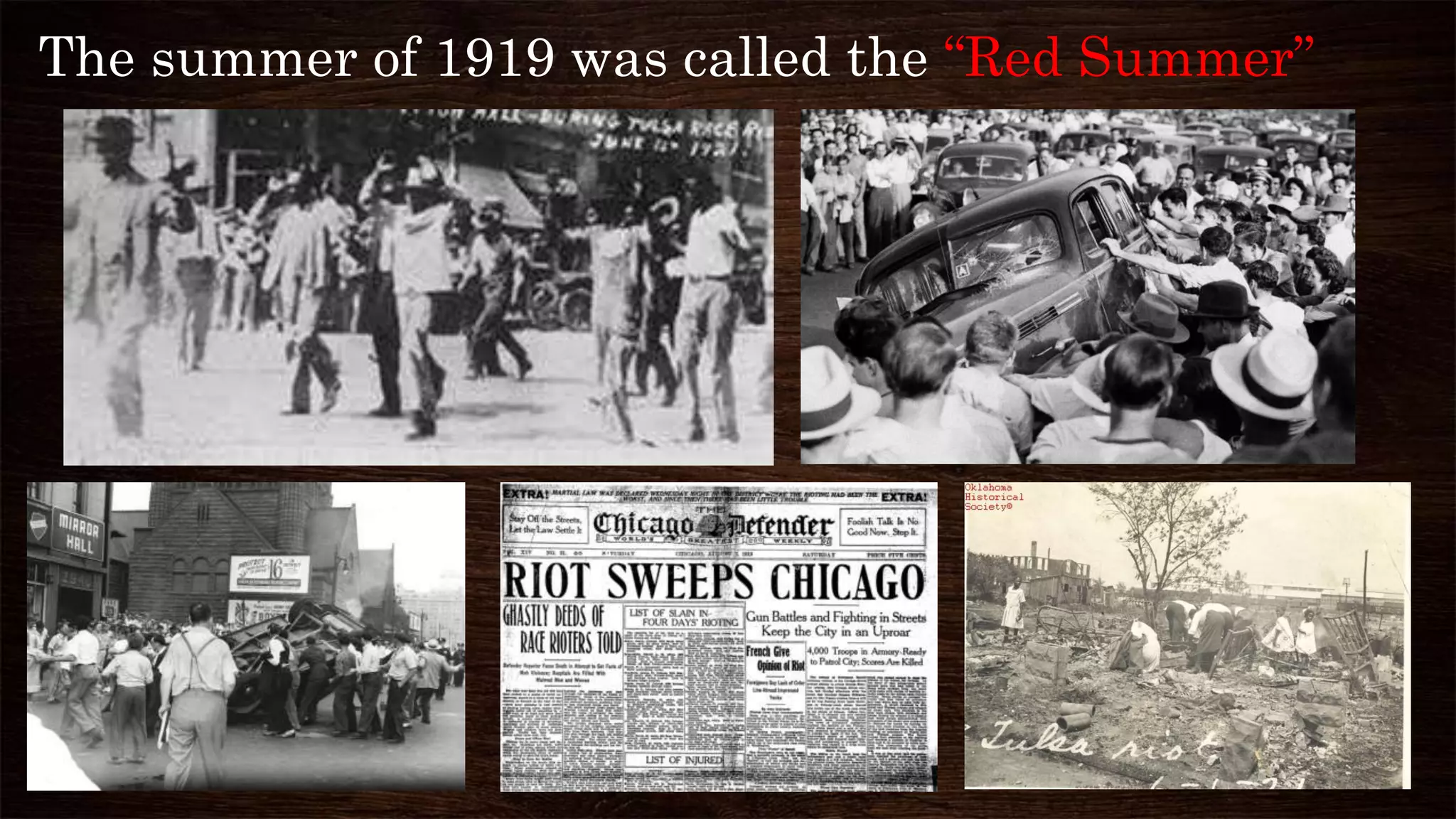
The summer of 1919 was called the “Red Summer”

Jim crow great migration presentation g-j

  • 1.
    The Jim CrowEra END OF RECONSTRUCTION – GREAT MIGRATION
  • 2.
    USII.4c & 6bVocabulary •Jim Crow Laws •The Atlanta Compromise •Segregation •W.E.B. DuBois •Discriminate/Discrimination •Niagara Movement •Booker T. Washington •Migrate/Migration •Vocational Training •Race Riots
  • 3.
    Jim Crow Era:1876-1965 1. Identify 3 differences between the two water fountains. 2. How does this image make you feel? 3. List 4 words to describe this image. Warm-up
  • 4.
    Timeline: 1863 – EmancipationProclamation & Start of Reconstruction 1865 – 13th Amendment 1868 – 14th Amendment 1870 – 15th Amendment 1877 – End of Reconstruction 1877 – Start of the Jim Crow Era 1895 – Booker T. Washington’s Atlanta Exposition Address (aka the Atlanta Compromise) 1905 – W,E.B. DuBois’ Niagara Movement 1910 – 30 The Great Migration 1920 – Harlem Renaissance (Jazz Age/Roaring 20’s) 1930 – End of the Great Migration/Harlem Renaissance 1st BLACK CODES laws were passed in the South
  • 5.
    Let’s Review the13th, 14th, and 15th Amendments •Passed during Reconstruction when the Radical Republicans controlled the United States Congress: –13th Amendment – Banned Slavery in the U.S. –14th Amendment – Granted Citizenship to Former Slaves –15th Amendment – Gave Former Slaves the Right to Vote History Tunes: 13th, 14th ,15th Amendment Song
  • 6.
    G. What isRacial Segregation? •Segregation– “ to separate”
  • 7.
    G. Racial Segregation 1.Based upon _____. 2. Directed primarily at _________________, but other groups were also kept segregated. 3. American _______ were not considered citizens until 1924. race African Americans Indians NOTES
  • 8.
    H. “Jim Crow”Laws 1. Passed to ____________ against African Americans. 2. Made discrimination practices _____ in many communities and states. 3. Were characterized by unequal opportunities in ________, _____, __________, and ___________. discriminate government workhousing legal education NOTES
  • 9.
  • 10.
    Booker T. WashingtonW.E.B. DuBois Directions: 1. Click on the “bio” links for a brief biography with videos on each leader’s response to Jim Crow. 2. As you read/watch, complete the Venn diagram in your notes. 3. Make sure to include When & Where each man was born. 4. Answer the discussion questions below your Venn diagram. VS 2 Videos: • Mini Bio • Tuskegee Institute History Tunes 2 Videos: • Niagara Movement • Rivalry w/ Booker T. Washington
  • 11.
    I. Booker T.Washington 1. Believed equality could be achieved through ___________ education. 2. He __________ social segregation as a way to improve the economic situation for African Americans. 3. His had a ________ approach to equality. vocational accepted Tuskegee Institute gradual NOTES
  • 12.
    W.E.B. DuBois 1. Believedin full ________, ____, and ______ rights for African Americans. 2. He believed the ________________ would lead African Americans in the fight for equality. 3. One of the founders of the _______. civil political “Talented Tenth” social NAACP NOTES
  • 13.
    AFTER RECONSTRUCTION: Life ofAfrican Americans Living in the South
  • 14.
    African American %the U.S. population by state in 1900:
  • 15.
  • 16.
  • 17.
    Convict Lease System: PBS: Slaveryby Another Name Convict Leasing Video (1:16) What were their crimes? VAGRANCY LOITTERING RIDING THE RAILS CHANGING JOBS GAMBLING TALKING TOO LOUDLY IN PUBLIC
  • 18.
    2. What economicchanges were taking place in cities during the 1800’s – 1930? 3. Were there other groups of people migrating to America? WHY? Quick Review: 1. What job options were available to most African Americans in the South?
  • 19.
    How did populationsand demographics change in America? Map showing the African American population % change in U.S. states between 1900-1990:
  • 20.
    % Change inAfrican American Populations in U.S. Cities Outside the South from 1910-1930:
  • 22.
    The desire fora higher paying factory jobs in a Northern/Midwest cities motivated many African Americans to leave the harsh system of sharecropping in the Jim Crow South.
  • 23.
    The Great Migration:1910 - 1930 The Century: America’s Time Shell Shock (1 of 3) Start @ 12:06 Stop @ 13:13 NPR: “The Warmth of Other Suns” by Isabel Wilkerson Listen – Novel Discussion
  • 24.
    Union Terminal TrainStation: Jacksonville, FL African American Migration in the Era of the Great War
  • 25.
  • 26.
  • 27.
  • 28.
  • 29.
    J. The GreatMigration 1. _____ for African Americans in the South were ______ and ____ paying. 2. African Americans faced ______________ and ________ in the South. 3. African Americans moved to cities in the ______ and ________ in search of better ____________ opportunities. 4. African Americans also faced discrimination and violence in the ______ and ________. Jobs scarce low discrimination violence employment MidwestNorth North Midwest NOTES:
  • 30.
    Discussion Questions: 1. Howdo you think Northern cities like Detroit, Chicago, Cleveland, and New York City reacted to Great Migration? 1. Would they have felt any backlash from groups already living in these cities? If so, what groups and why? 1. How do you think Southerners reacted to the Great Migration? Explain your opinion.
  • 31.
    Take a lookat this picture. Can you figure out why this African American family is moving out of their Chicago home?
  • 32.
    Detroit Tulsa, OK Chicago Red Summer, 1919:Race Riots in almost ALL large cities
  • 33.
    The summer of1919 was called the “Red Summer”