OCULAR INSERTS
Pharmaceutics 2nd semester
GROUP MEMBERS:
 Amina Tariq 19623
(types)
 Sidra Munir 18978
(methods of manufacturing)
 Sadia Ayaz 20050
(innovations)
 Saba Inayat 20036
(drug dosage forms)
 Mehwish Saleem 20110
(adv. & disadv.)
 Wardah Tariq 20063
(def. & applications)
OCULAR INSERTS
CONTENTS:
 Definition
 Types of ocular inserts
 Significance/Applications
 Advantages and disadvantages
 Methods of manufacturing
 Available drug dosage forms in market
 Innovations
 References
DEFINITION:
“Ocular inserts are defined as sterile, thin,
mono or multilayered , drug-impregnated,
solid or semi-solid consistency devices
placed into the cul-de-sac or conjuctival sac,
whose size and shapes are especially
designed for ophthalmic application. They
are composed of a polymeric support that
may or may not contain a drug.”
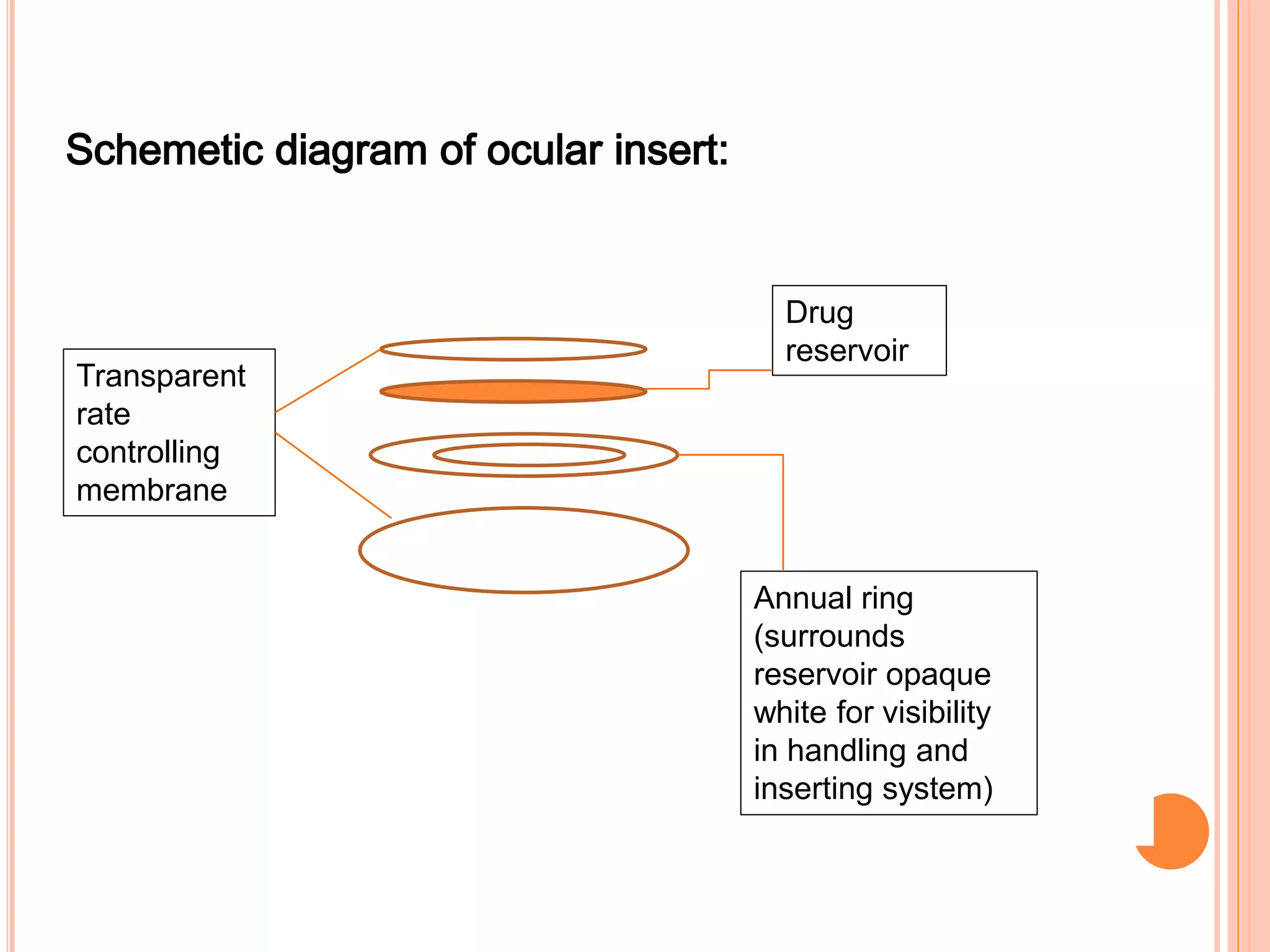
Annual ring
(surrounds
reservoir opaque
white for visibility
in handling and
inserting system)
Drug
reservoir
Transparent
rate
controlling
membrane
INTRODUCTION:
 Ocular inserts represent a significant
advancement in therapy of eye diseases.
 Ocular inserts offer an attractive alternative
approach to the difficult problem of limited pre-
corneal drug residence time.
 Main objective of ocular inserts is to increase its
contact time with the corneal surface. For
increasing the contact time viscosity-enhancers are
added in preparations.
CHALLENGING TASK:
 Ocular drug delivery is one of the most
challenging tasks faced by Pharmaceutical
researchers.
 Major barriers in ocular medication are the
ability to maintain a therapeutic level of the
drug at the site of action for a prolonged
duration.
 The anatomy, physiology, and
biochemistry of the eye is such that it
is impervious to foreign substances,
therefore, it is a challenge for the
formulator to pass through the
protective barriers of the eye without
causing any permanent tissue
damage.
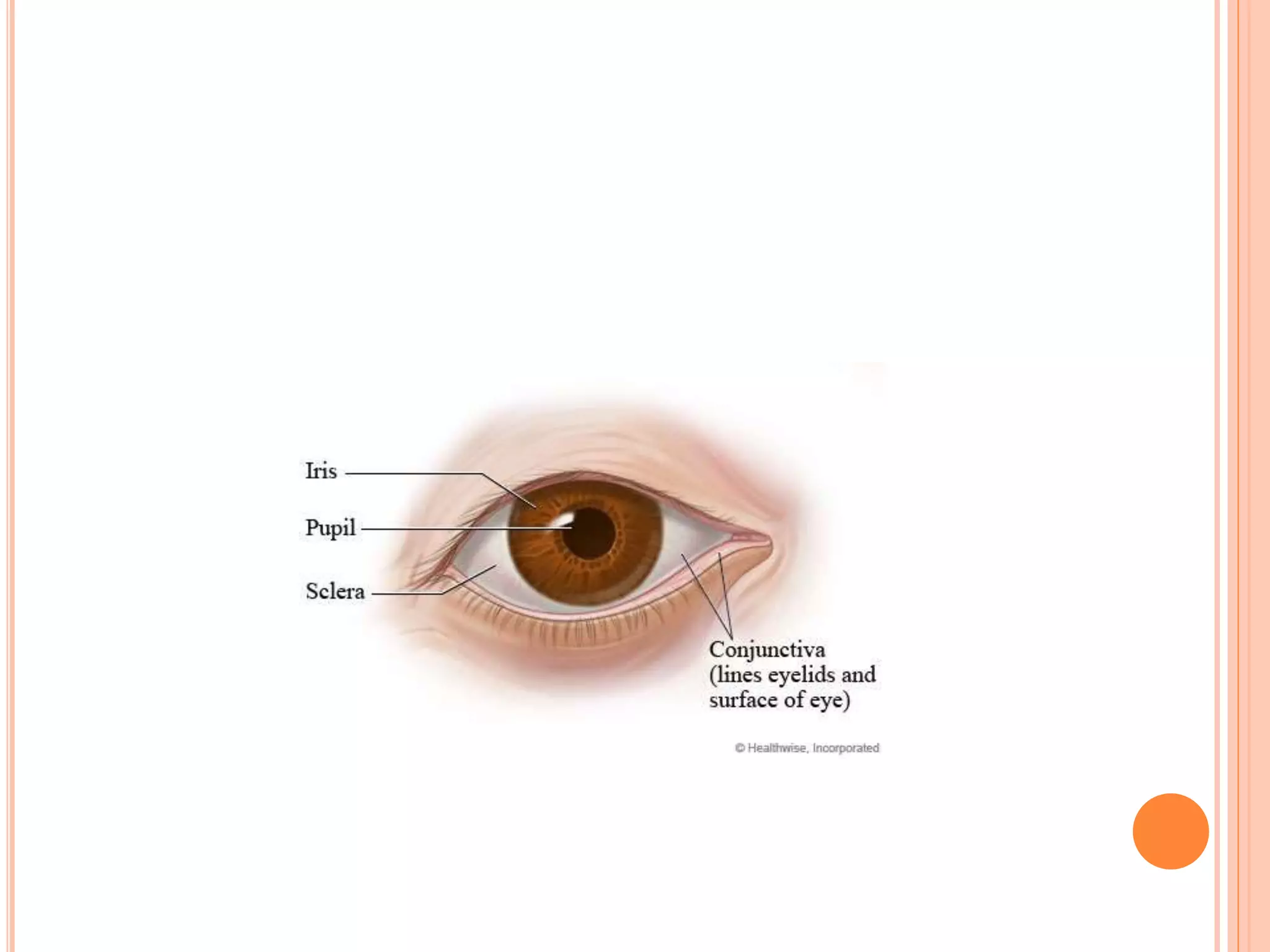
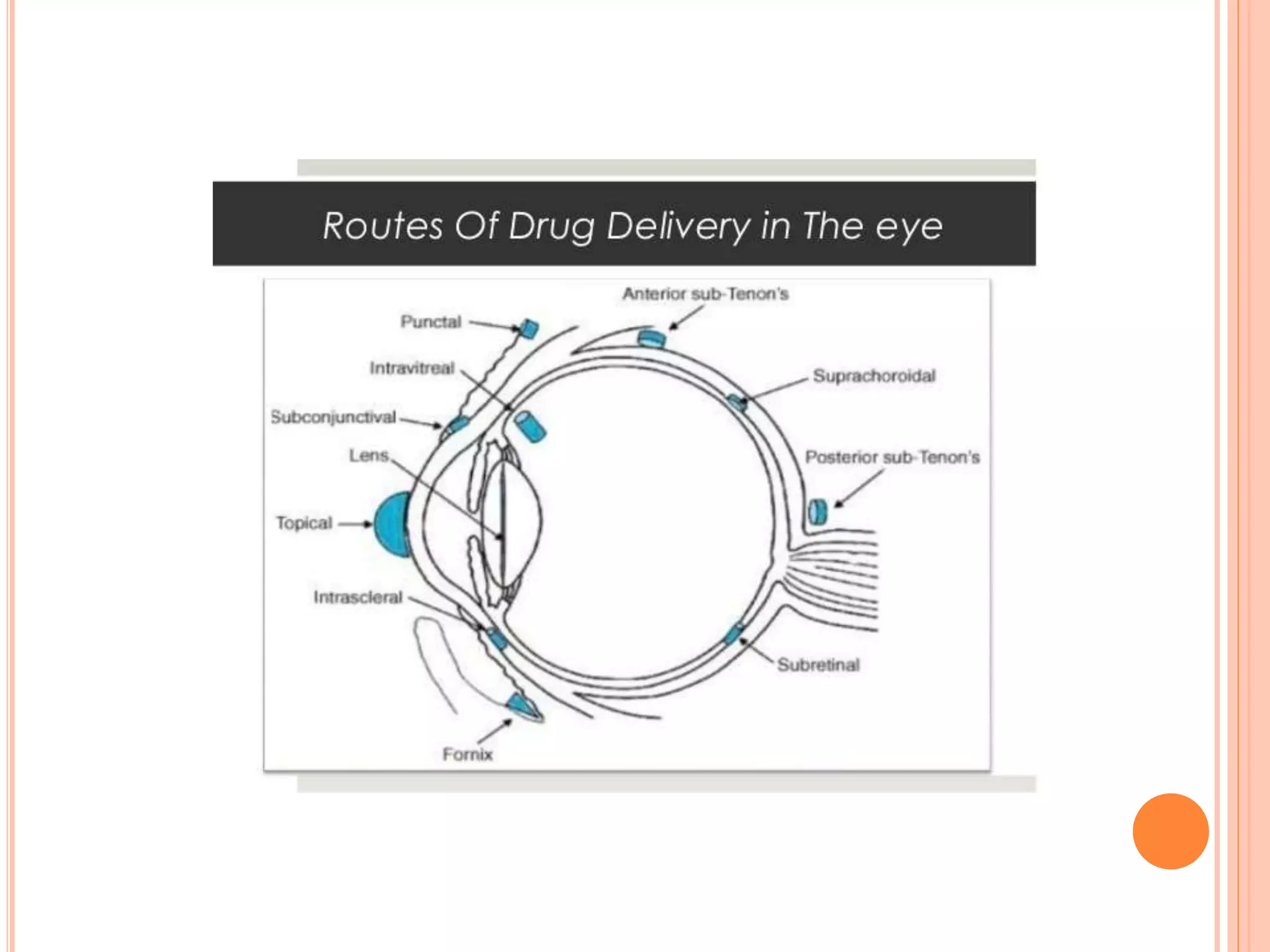
ABSORPTION OF DRUGS IN THE EYE.
 Topical delivery into the cul-de-sac is, by far, the
most common route of ocular drug delivery,
absorption from this site by.
 1. Corneal
 2. Non-corneal routes.
 Maximum absorption takes place through the
cornea, which leads the drug into aqueous humor.
 The non-corneal route involves absorption across
the sclera and conjunctiva, this route is not
productive as it restrains the entry of drug into the
intraocular tissues
TYPES OF OCULAR INSERTS ON THE BASIS OF
SOLUBILITY:
 The foreign-body sensation leads to discomfort,
which causes poor-patient compliance, excessive
lacrimation that accompanies irritation, dilutes the
drug, and reduces its concentration.
 A properly designed ocular insert will minimize the
sensation caused by its insertion .
TYPES OF OCULAR INSERTS ON THE BASIS OF
SOLUBILITY:
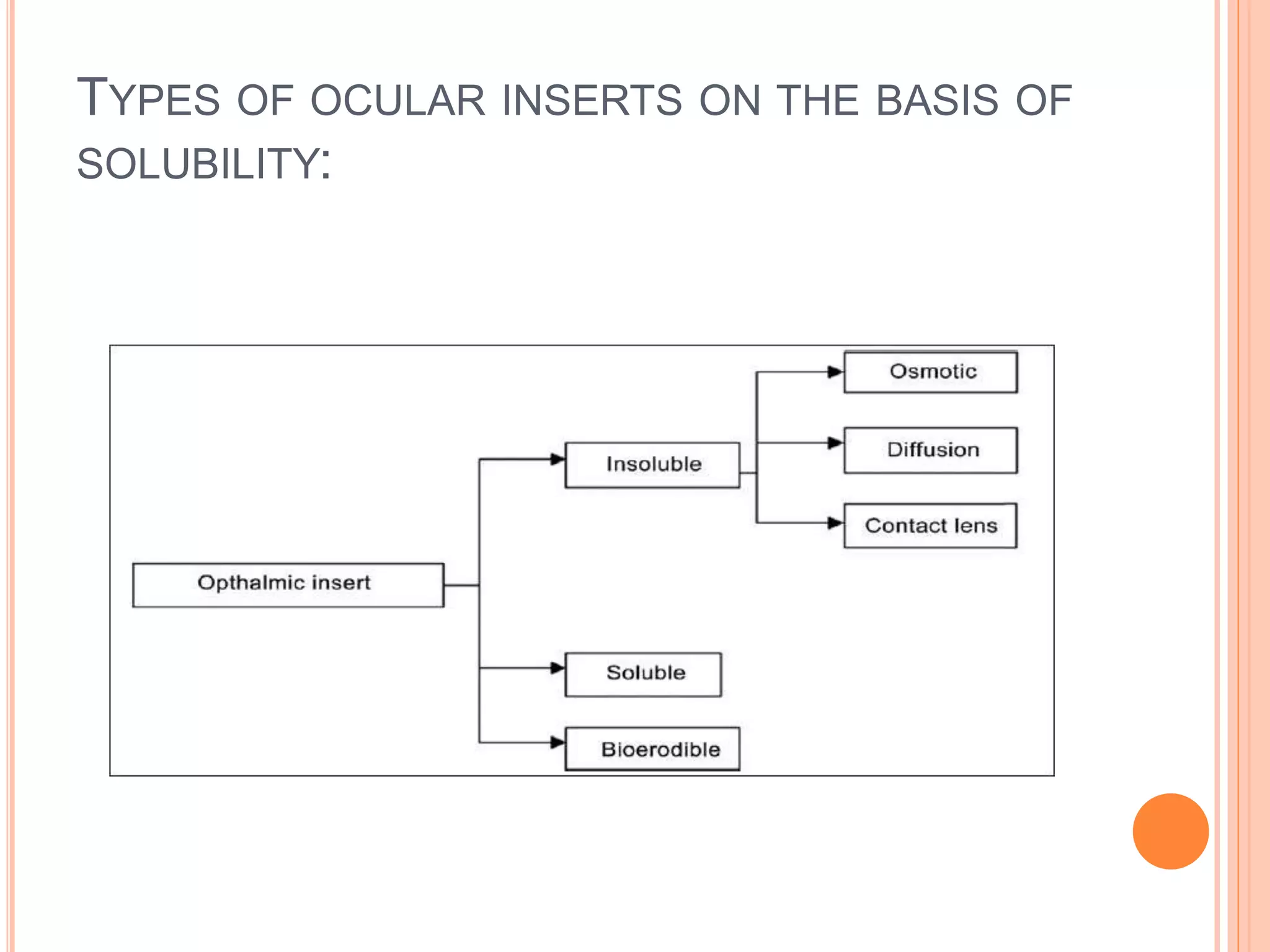
TYPES:
Soluble ocular inserts
Insoluble ocular inserts
Erodible ocular inserts
SOLUBLE INSERTS:
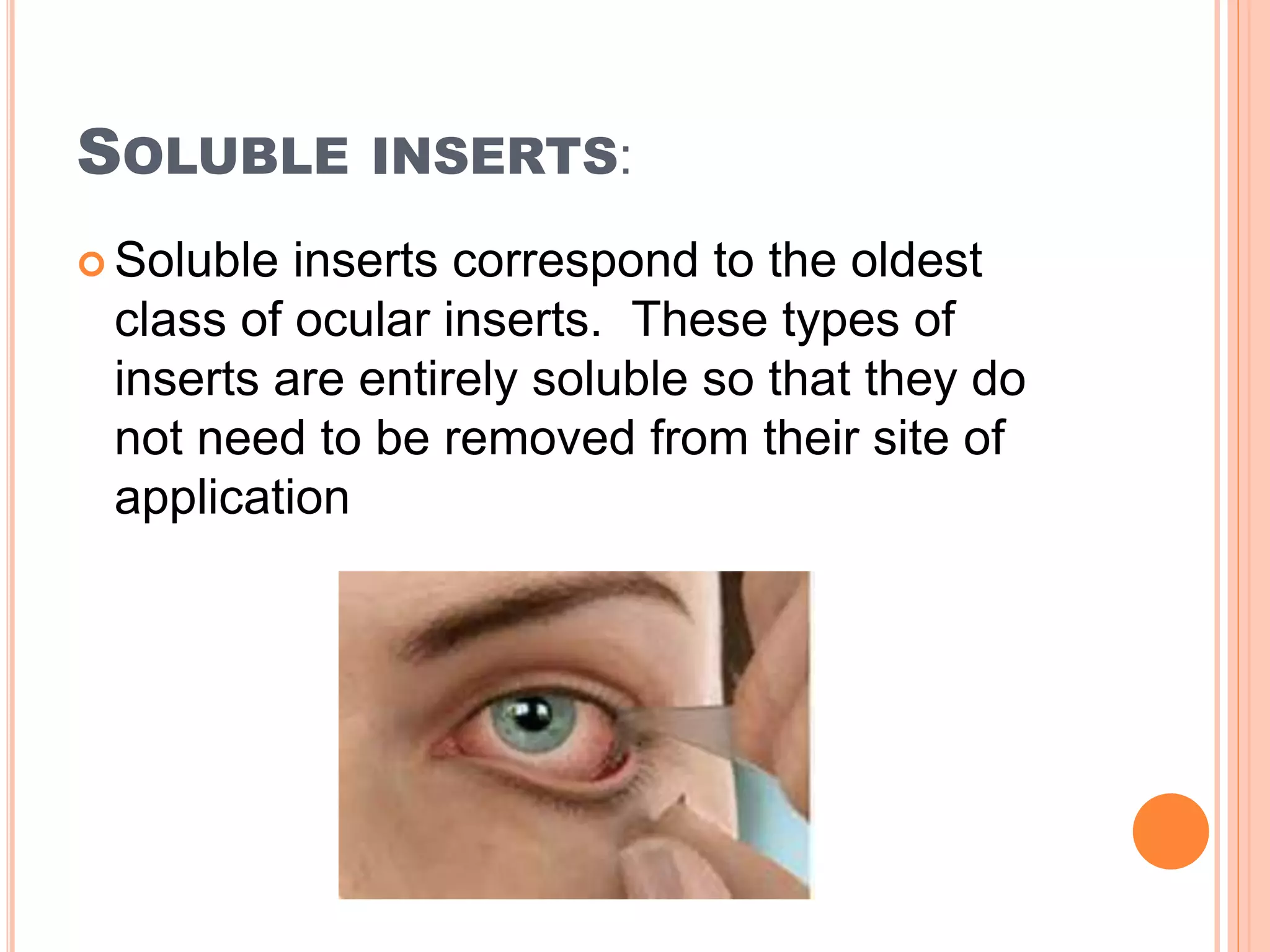
 Soluble inserts correspond to the oldest
class of ocular inserts. These types of
inserts are entirely soluble so that they do
not need to be removed from their site of
application
CONTI…..
 The release of the drug takes place when
tears penetrate into the insert. This induces
drug release by diffusion and forms a layer
of gel around the core of the insert.
 This gelification causes further release of
the drug, but it is still controlled by diffusion.
 Example is lacrisert
INSOLUBLE OPHTHALMIC INSERTS:
 Diffusional Inserts.
 Osmotic Inserts.
 Contact Lenses.
 The first two classes (Diffusion and osmotic
systems) are reservoir type of systems. The
reservoir contain either a liquid/ gel/ colloid/ solid
matrix or a carrier – containing drug homogenously
or heterogeneously dispersed or dissolved there in.
 The third class includes contact lenses.
DIFFUSIONAL INSERTS:
 The diffusional inserts are composed of a
central reservoir of drug enclosed in
specially designed semi permeable, which
allow the drug to diffuse from the reservoir
at precisely determined rate. The lacrimal
fluid permeating through the membrane until
the sufficient internal pressure is reached to
drive the drug out of reservoir controls the
drug release from such a system.
OSMOTIC INSERTS:
 The osmotic inserts are composed of two
distinct compartments.
 One compartment contains drug and other
contains osmotic solute, which is
sandwiched between the rate controlling
membrane.
 The tears diffuse into osmotic compartment
inducing an osmotic pressure due to which
drug diffuses.
CONTACT LENSES:
 Contact lenses are covalently cross-linked
hydrophilic or hydrophobic polymer that
forms a three-dimensional network capable
of retaining water aqueous drug solution or
solid components.
ERODIBLE OCULAR INSERTS:
 The biodegradable inserts are composed of
material homogeneous dispersion of a drug
included or not into a hydrophobic coating which is
substantially impermeable.
 The release of the drug from such a system is the
consequence of the contact of the device with the
tear fluid inducing a superficial diversion of the
matrix.
 Sodi and minidiscs are the examples of erodible
inserts.
APPLICATIONS:
 Ocular inserts are widely used as:
 SODI (soluble ocular drug insert)
 Collagen shields
 Ocusert
 Lacrisert
 Dry drops
 Minidisc or ocular therapeutic
 Bioadhesive ophthalmic eye insert
 Gelfoam
 New ophthalmic drug delivery system
ADVANTAGES OF OCUSERTS:
 Increased contact time and thus improved bio-
availability.
 Possibility of providing a prolonged drug release
and thus a better efficacy.
 Administration of an accurate dose in the eye and
thus a better therapy.
 Reduction of systemic side effects and thus
reduced adverse effects.
 Reduction of the number of administrations and
thus better patient compliance, comfort.
CONTI….
 Lack of explosion.
 Ease of handling and insertion.
 Non-interference with vision and oxygen
permeability.
 Reproducibility of release kinetics.
 Sterility.
 Stability.
 Exclusion of preservatives
 Increased shelf life with comparison to aqueous
solutions due to absence of water.
DISADVANTAGES:
 The insert may be lost immediately.
 Sometimes the insert twists to form ‘a figure eight’,
which diminishes the delivery rate.
 A leakage may occur.
 Dislocation of the device in front of the pupil.
 Irritation to eye
 Expensive
 Periodical check of unit
 Retention in the eye for full 7 days
METHOD OF MANUFACTURING:
 Casting method:
 Polymer solution of different composition is
prepared in boiling water.
 Keep aside for 20-24 hrs to get clear solution &
then 10% w/w plasticizer is added & stirred for 3
hrs.
 Weighed amount of drug is added & stirred for 4 hrs
to get uniform dispersion.
 Dispersion is disgassed & cast on glass substrate &
dry for at 50C for 18-20 hrs.
 Dried films are carefully removed & inserts of
required dimensions are punch out ,wrap
individually in Al. foil.
AVAILABLE DRUG DOSAGE FORMS IN MARKET:
 The therapeutic efficacy of an ocular drug can be
improved by increasing its contact time with the
corneal surface.
 For increasing the contact time viscosity-enhancers
are added in preparations or the drug is formulated
in a water-insoluble ointment formulation, to sustain
the duration of drug-eye contact.
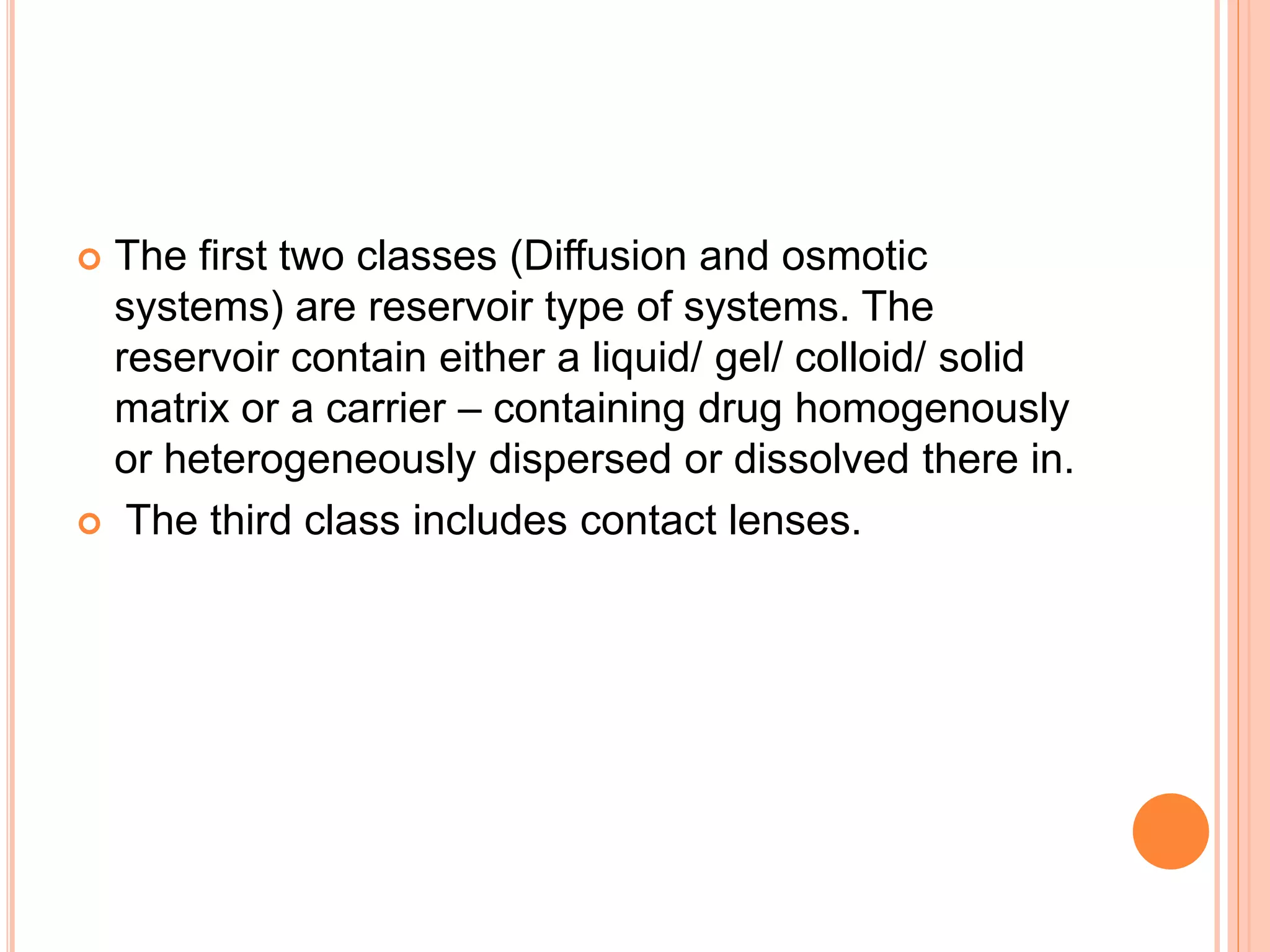
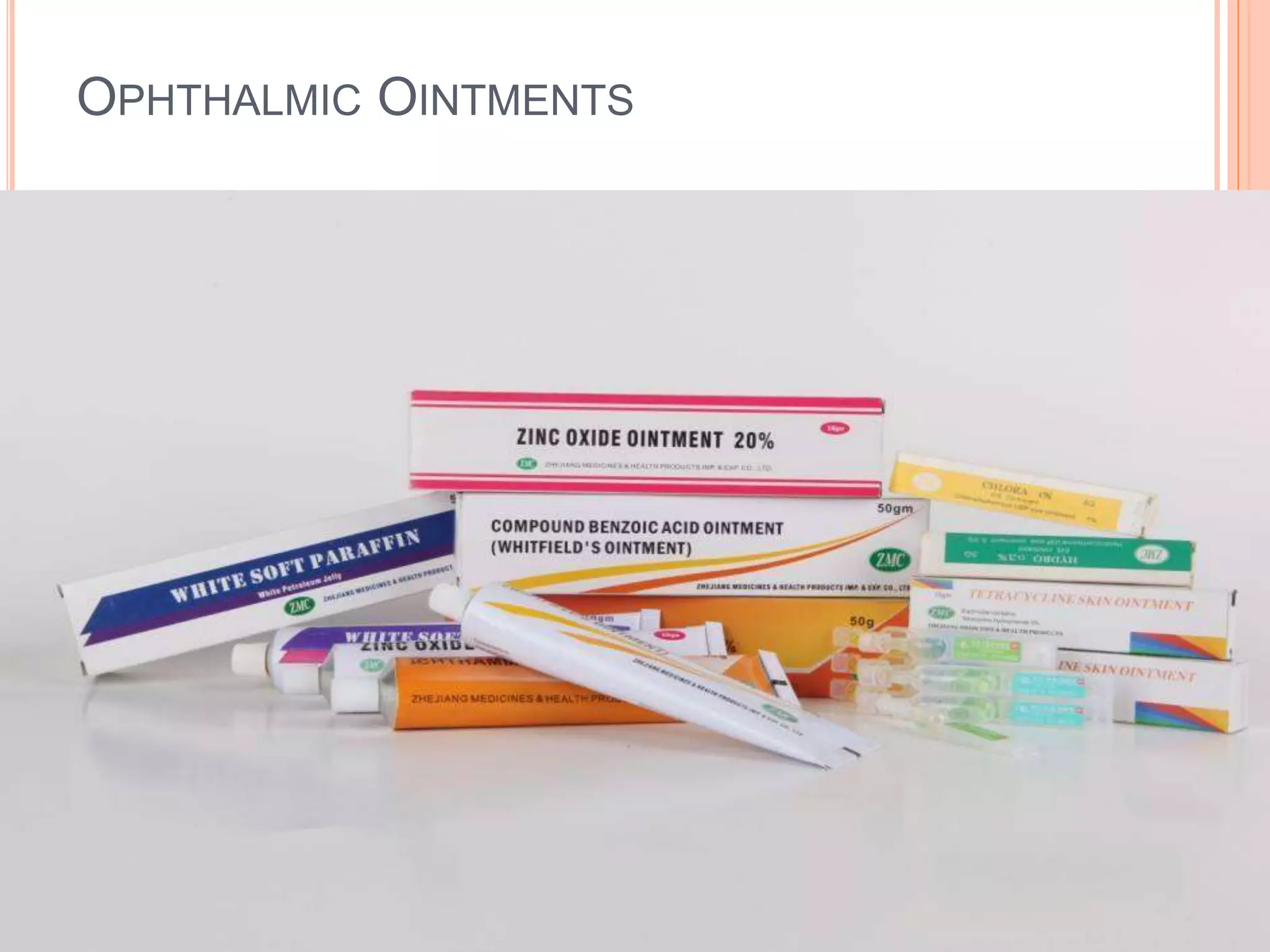
THE CONVENTIONAL OCULAR DOSAGE FORMS :
 Eye drops (solution, suspension)
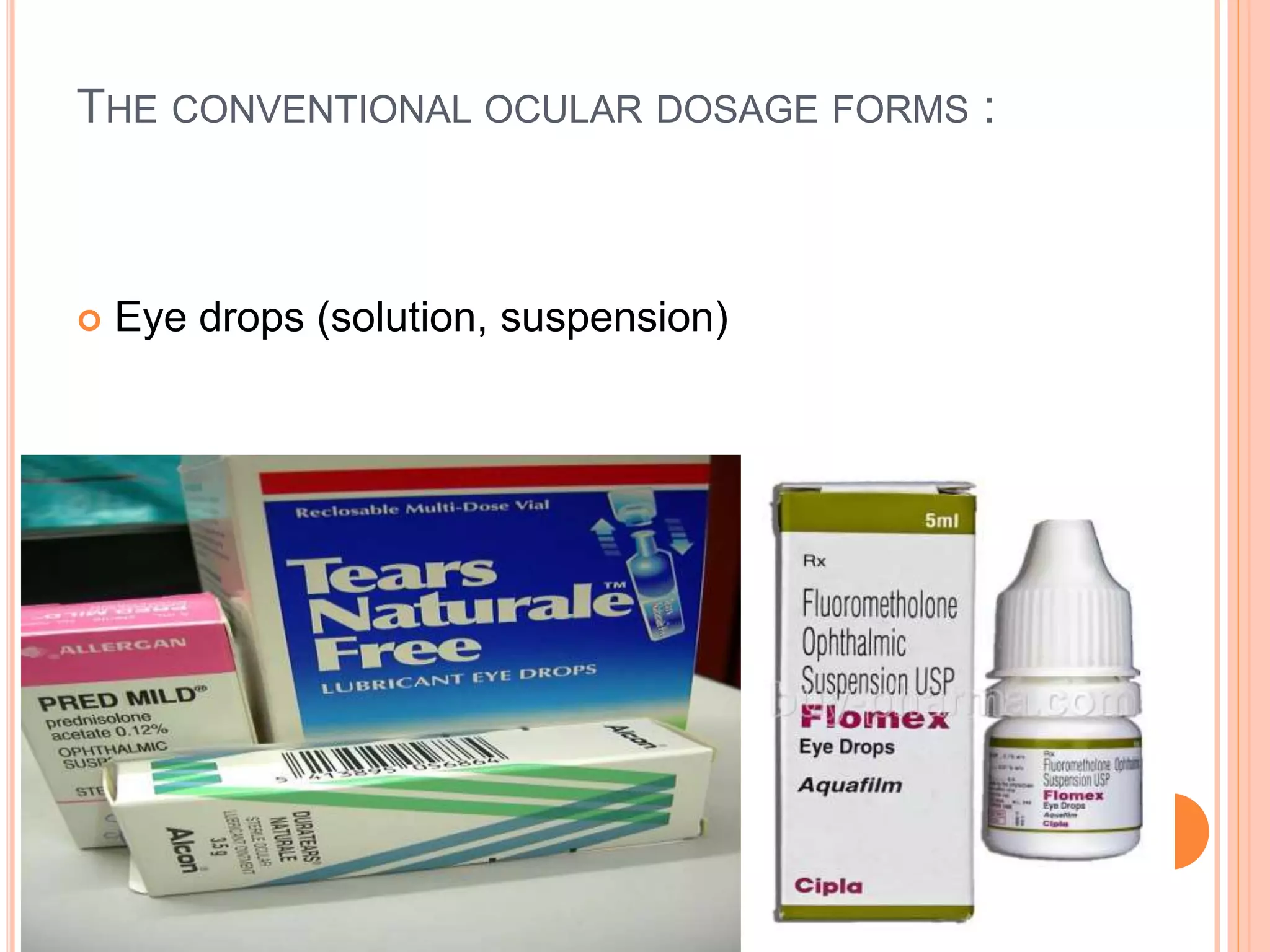
OPHTHALMIC OINTMENTS
 Unfortunately, conventional dosage forms give only
a marginally sustained drug-eye contact like eye
drop solutions and do not yield constant drug
bioavailability.
 These dosage forms are easy to administer, but
have inherent drawback that most of the instilled
volume is eliminated from the pre-corneal area
resulting in poor bioavailability, ranging from 1 –
10% of the total administered dose.
 This occurs mainly due to:
 Conjunctival absorption
 Rapid solution drainage by gravity
 Induced lachrymation
 Blinking reflex
 Low corneal permeability
 Normal tear turnover.
 To overcome this, many ocular drugs are used in
high concentrations. This causes both ocular and
systemic side-effects
RECENT TRENDING DRUG DOSAGE FORMS IN
THE MARKET:
 Membrane-bound ocular inserts (biodegradable
and non-biodegradable)
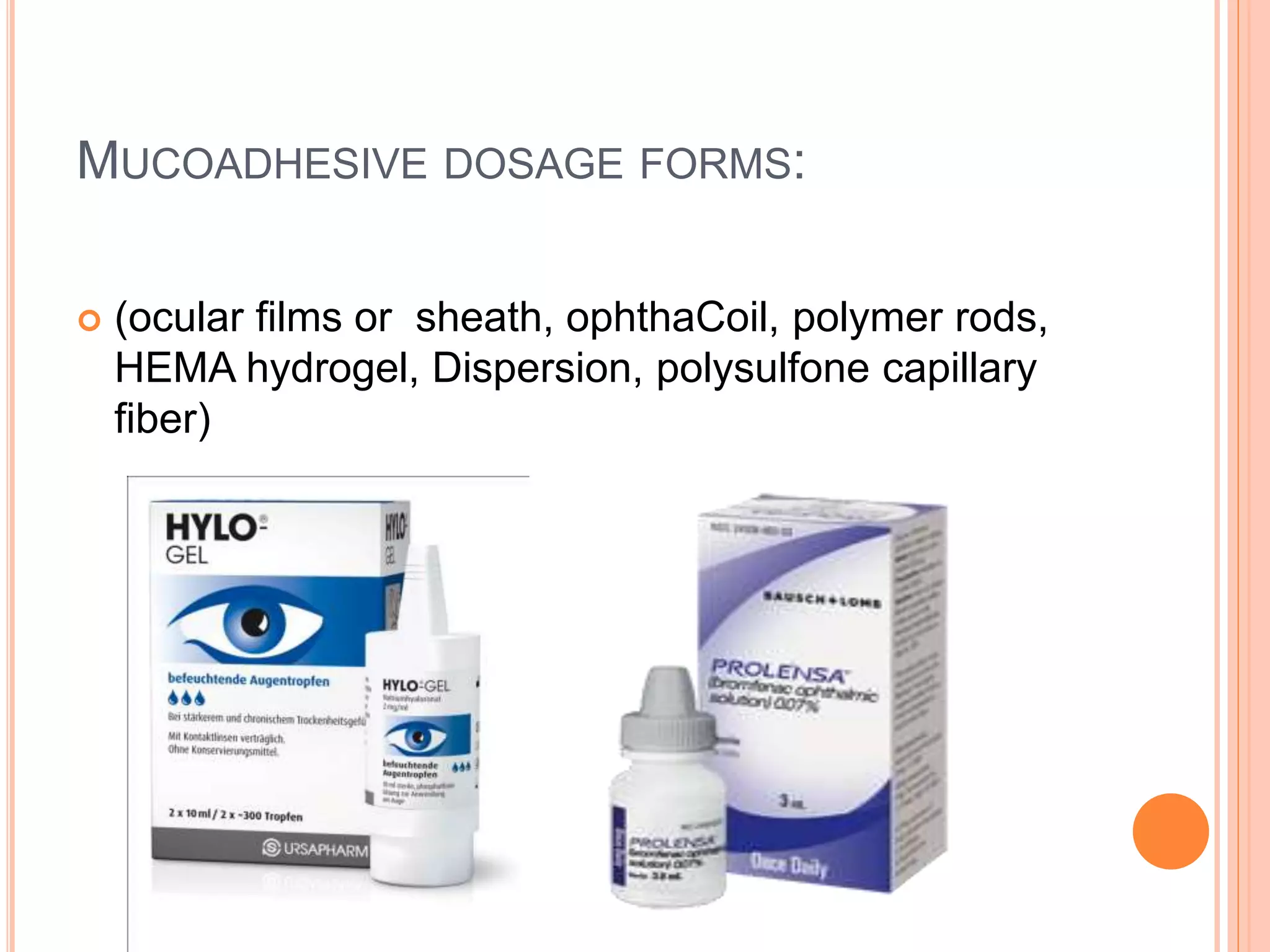
MUCOADHESIVE DOSAGE FORMS:
 (ocular films or sheath, ophthaCoil, polymer rods,
HEMA hydrogel, Dispersion, polysulfone capillary
fiber)
 Collagen shields, cyclodextrine based system,
ophthalmic rods.
 Filter paper strips (drug-impregnated filter paper
strips for staining agent- sodium fluorescent,
lissamine green and rose Bengal)
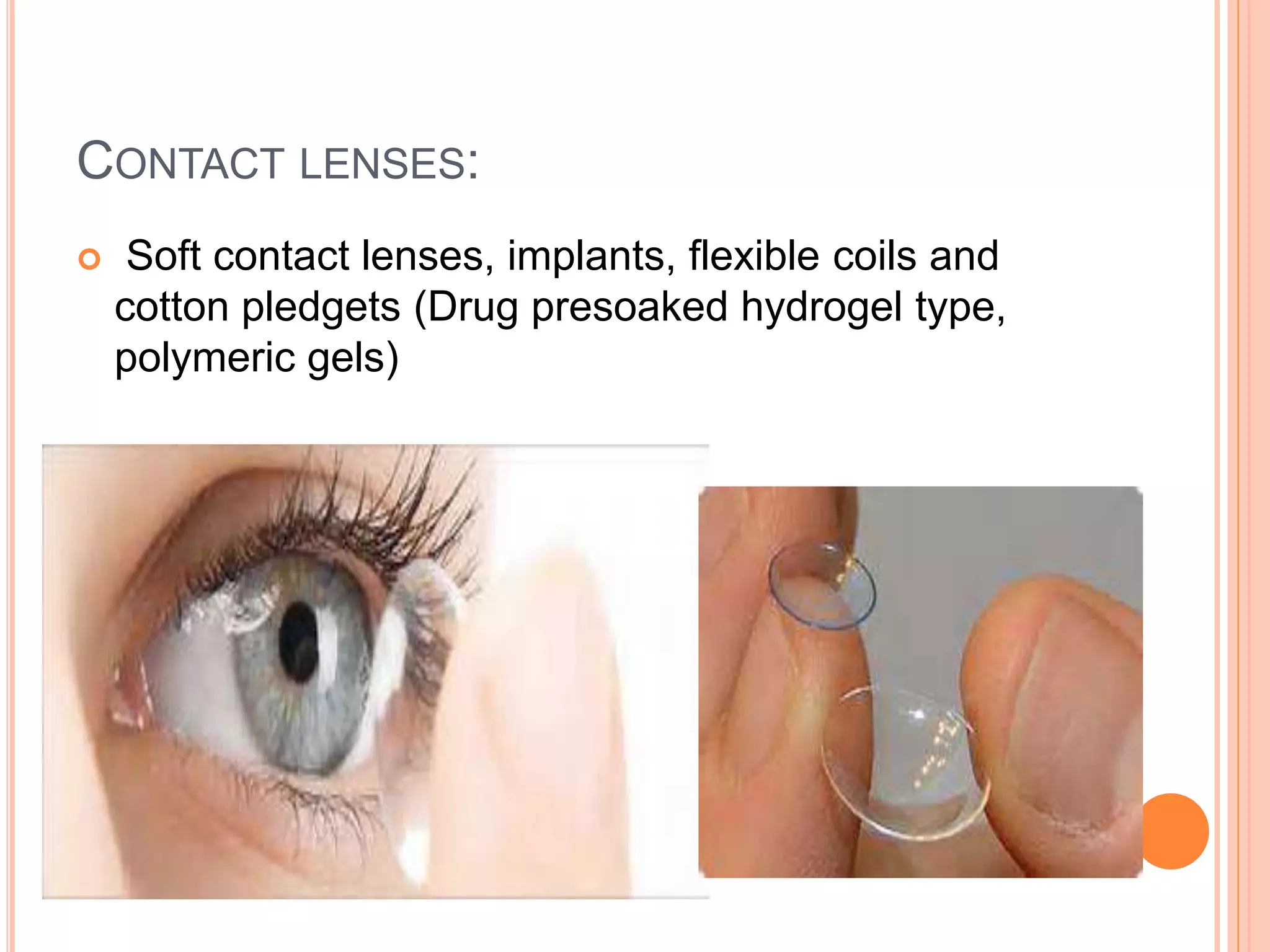
CONTACT LENSES:
 Soft contact lenses, implants, flexible coils and
cotton pledgets (Drug presoaked hydrogel type,
polymeric gels)
IONTOPHORESIS:
 Nanoparticles (Microspheres, nanosuspension,
Amphiphilogels, Niosomes, Liposomes, Dendrimers
and Quantom dots)
 Iontophoresis
INNOVATIONS IN EYE DISEASE THERAPY:
 The ocular insert represents a significant
advancement in the therapy of eye:
 Punctal plug
OPHTHALMIC IONTOPHORESIS
EYE GENE THERAPY
NANO TEARS:
CONCLUSION:
 In conclusion, an ideal ocular insert as a
therapeutic system should be bio stable,
biocompatible with minimal tissue-implant
interaction, stable, nontoxic, non carcinogenic,
retrievable and should release the drug at a
constant programmed rate for a predetermined
duration of medication.
 . Different categories of drugs like antiglaucoma,
antibacterials, antivirals, anaesthetics, NSAIDs can
be loaded through the ocular inserts for the
treatment of eye disorders.
REFERENCES:
 www.thepharmajournal.com
 http://ijpsr.com/bft-article/an-insight-into-ocular-
insert/?view=fulltext
 https://www.ncbi.nlm.nih.gov/pmc/articles/PMC3255
407/
 http://www.authorstream.com/Presentation/bhasker
reddy1149-982436-0cular-inserts/
 http://dx.doi.org/10.1155/2014/861904

Ocular inserts

  • 1.
  • 2.
    GROUP MEMBERS:  AminaTariq 19623 (types)  Sidra Munir 18978 (methods of manufacturing)  Sadia Ayaz 20050 (innovations)  Saba Inayat 20036 (drug dosage forms)  Mehwish Saleem 20110 (adv. & disadv.)  Wardah Tariq 20063 (def. & applications)
  • 3.
  • 4.
    CONTENTS:  Definition  Typesof ocular inserts  Significance/Applications  Advantages and disadvantages  Methods of manufacturing  Available drug dosage forms in market  Innovations  References
  • 5.
    DEFINITION: “Ocular inserts aredefined as sterile, thin, mono or multilayered , drug-impregnated, solid or semi-solid consistency devices placed into the cul-de-sac or conjuctival sac, whose size and shapes are especially designed for ophthalmic application. They are composed of a polymeric support that may or may not contain a drug.”
  • 6.
    Annual ring (surrounds reservoir opaque whitefor visibility in handling and inserting system) Drug reservoir Transparent rate controlling membrane
  • 7.
    INTRODUCTION:  Ocular insertsrepresent a significant advancement in therapy of eye diseases.  Ocular inserts offer an attractive alternative approach to the difficult problem of limited pre- corneal drug residence time.  Main objective of ocular inserts is to increase its contact time with the corneal surface. For increasing the contact time viscosity-enhancers are added in preparations.
  • 8.
    CHALLENGING TASK:  Oculardrug delivery is one of the most challenging tasks faced by Pharmaceutical researchers.  Major barriers in ocular medication are the ability to maintain a therapeutic level of the drug at the site of action for a prolonged duration.
  • 9.
     The anatomy,physiology, and biochemistry of the eye is such that it is impervious to foreign substances, therefore, it is a challenge for the formulator to pass through the protective barriers of the eye without causing any permanent tissue damage.
  • 11.
    ABSORPTION OF DRUGSIN THE EYE.  Topical delivery into the cul-de-sac is, by far, the most common route of ocular drug delivery, absorption from this site by.  1. Corneal  2. Non-corneal routes.  Maximum absorption takes place through the cornea, which leads the drug into aqueous humor.  The non-corneal route involves absorption across the sclera and conjunctiva, this route is not productive as it restrains the entry of drug into the intraocular tissues
  • 13.
    TYPES OF OCULARINSERTS ON THE BASIS OF SOLUBILITY:  The foreign-body sensation leads to discomfort, which causes poor-patient compliance, excessive lacrimation that accompanies irritation, dilutes the drug, and reduces its concentration.  A properly designed ocular insert will minimize the sensation caused by its insertion .
  • 14.
    TYPES OF OCULARINSERTS ON THE BASIS OF SOLUBILITY:
  • 15.
    TYPES: Soluble ocular inserts Insolubleocular inserts Erodible ocular inserts
  • 16.
    SOLUBLE INSERTS:  Solubleinserts correspond to the oldest class of ocular inserts. These types of inserts are entirely soluble so that they do not need to be removed from their site of application
  • 17.
    CONTI…..  The releaseof the drug takes place when tears penetrate into the insert. This induces drug release by diffusion and forms a layer of gel around the core of the insert.  This gelification causes further release of the drug, but it is still controlled by diffusion.  Example is lacrisert
  • 18.
    INSOLUBLE OPHTHALMIC INSERTS: Diffusional Inserts.  Osmotic Inserts.  Contact Lenses.
  • 19.
     The firsttwo classes (Diffusion and osmotic systems) are reservoir type of systems. The reservoir contain either a liquid/ gel/ colloid/ solid matrix or a carrier – containing drug homogenously or heterogeneously dispersed or dissolved there in.  The third class includes contact lenses.
  • 20.
    DIFFUSIONAL INSERTS:  Thediffusional inserts are composed of a central reservoir of drug enclosed in specially designed semi permeable, which allow the drug to diffuse from the reservoir at precisely determined rate. The lacrimal fluid permeating through the membrane until the sufficient internal pressure is reached to drive the drug out of reservoir controls the drug release from such a system.
  • 21.
    OSMOTIC INSERTS:  Theosmotic inserts are composed of two distinct compartments.  One compartment contains drug and other contains osmotic solute, which is sandwiched between the rate controlling membrane.  The tears diffuse into osmotic compartment inducing an osmotic pressure due to which drug diffuses.
  • 23.
    CONTACT LENSES:  Contactlenses are covalently cross-linked hydrophilic or hydrophobic polymer that forms a three-dimensional network capable of retaining water aqueous drug solution or solid components.
  • 24.
    ERODIBLE OCULAR INSERTS: The biodegradable inserts are composed of material homogeneous dispersion of a drug included or not into a hydrophobic coating which is substantially impermeable.  The release of the drug from such a system is the consequence of the contact of the device with the tear fluid inducing a superficial diversion of the matrix.  Sodi and minidiscs are the examples of erodible inserts.
  • 25.
    APPLICATIONS:  Ocular insertsare widely used as:  SODI (soluble ocular drug insert)  Collagen shields  Ocusert  Lacrisert  Dry drops  Minidisc or ocular therapeutic  Bioadhesive ophthalmic eye insert  Gelfoam  New ophthalmic drug delivery system
  • 26.
    ADVANTAGES OF OCUSERTS: Increased contact time and thus improved bio- availability.  Possibility of providing a prolonged drug release and thus a better efficacy.  Administration of an accurate dose in the eye and thus a better therapy.  Reduction of systemic side effects and thus reduced adverse effects.  Reduction of the number of administrations and thus better patient compliance, comfort.
  • 27.
    CONTI….  Lack ofexplosion.  Ease of handling and insertion.  Non-interference with vision and oxygen permeability.  Reproducibility of release kinetics.  Sterility.  Stability.  Exclusion of preservatives  Increased shelf life with comparison to aqueous solutions due to absence of water.
  • 28.
    DISADVANTAGES:  The insertmay be lost immediately.  Sometimes the insert twists to form ‘a figure eight’, which diminishes the delivery rate.  A leakage may occur.  Dislocation of the device in front of the pupil.  Irritation to eye  Expensive  Periodical check of unit  Retention in the eye for full 7 days
  • 30.
    METHOD OF MANUFACTURING: Casting method:  Polymer solution of different composition is prepared in boiling water.  Keep aside for 20-24 hrs to get clear solution & then 10% w/w plasticizer is added & stirred for 3 hrs.  Weighed amount of drug is added & stirred for 4 hrs to get uniform dispersion.  Dispersion is disgassed & cast on glass substrate & dry for at 50C for 18-20 hrs.  Dried films are carefully removed & inserts of required dimensions are punch out ,wrap individually in Al. foil.
  • 31.
    AVAILABLE DRUG DOSAGEFORMS IN MARKET:  The therapeutic efficacy of an ocular drug can be improved by increasing its contact time with the corneal surface.  For increasing the contact time viscosity-enhancers are added in preparations or the drug is formulated in a water-insoluble ointment formulation, to sustain the duration of drug-eye contact.
  • 32.
    THE CONVENTIONAL OCULARDOSAGE FORMS :  Eye drops (solution, suspension)
  • 33.
  • 34.
     Unfortunately, conventionaldosage forms give only a marginally sustained drug-eye contact like eye drop solutions and do not yield constant drug bioavailability.  These dosage forms are easy to administer, but have inherent drawback that most of the instilled volume is eliminated from the pre-corneal area resulting in poor bioavailability, ranging from 1 – 10% of the total administered dose.
  • 35.
     This occursmainly due to:  Conjunctival absorption  Rapid solution drainage by gravity  Induced lachrymation  Blinking reflex  Low corneal permeability  Normal tear turnover.  To overcome this, many ocular drugs are used in high concentrations. This causes both ocular and systemic side-effects
  • 36.
    RECENT TRENDING DRUGDOSAGE FORMS IN THE MARKET:  Membrane-bound ocular inserts (biodegradable and non-biodegradable)
  • 37.
    MUCOADHESIVE DOSAGE FORMS: (ocular films or sheath, ophthaCoil, polymer rods, HEMA hydrogel, Dispersion, polysulfone capillary fiber)
  • 38.
     Collagen shields,cyclodextrine based system, ophthalmic rods.  Filter paper strips (drug-impregnated filter paper strips for staining agent- sodium fluorescent, lissamine green and rose Bengal)
  • 39.
    CONTACT LENSES:  Softcontact lenses, implants, flexible coils and cotton pledgets (Drug presoaked hydrogel type, polymeric gels)
  • 40.
    IONTOPHORESIS:  Nanoparticles (Microspheres,nanosuspension, Amphiphilogels, Niosomes, Liposomes, Dendrimers and Quantom dots)  Iontophoresis
  • 41.
    INNOVATIONS IN EYEDISEASE THERAPY:  The ocular insert represents a significant advancement in the therapy of eye:  Punctal plug
  • 42.
  • 43.
  • 44.
  • 45.
    CONCLUSION:  In conclusion,an ideal ocular insert as a therapeutic system should be bio stable, biocompatible with minimal tissue-implant interaction, stable, nontoxic, non carcinogenic, retrievable and should release the drug at a constant programmed rate for a predetermined duration of medication.  . Different categories of drugs like antiglaucoma, antibacterials, antivirals, anaesthetics, NSAIDs can be loaded through the ocular inserts for the treatment of eye disorders.
  • 46.
    REFERENCES:  www.thepharmajournal.com  http://ijpsr.com/bft-article/an-insight-into-ocular- insert/?view=fulltext https://www.ncbi.nlm.nih.gov/pmc/articles/PMC3255 407/  http://www.authorstream.com/Presentation/bhasker reddy1149-982436-0cular-inserts/  http://dx.doi.org/10.1155/2014/861904