Objectives
- Discuss how nutrition can be related to
the development or the prevention of
cancer.
- State the effects of cancer on the
nutritional status of the host.
- Describe nutritional problems resulting
from the medical treatment of cancer.
- Describe nutritional therapy for cancer
clients.
Cancer
- Cancer is the second leading cause of
death in the United States.
- Characterized by abnormal cell growth;
cell growth becomes unstructured and
excessive; can occur in any organ.
- Cancerous tumors are malignant, affecting
the structure, and consequently the
function, of organs.
Causes of Cancer
- The precise etiology of cancer is
unknown.
- Heredity, viruses, environmental
carcinogens, and possibly emotional
stress may contribute to its development.
- Cancer is not inherited, but some families
appear to have a genetic predisposition
for it.
- Environmental carcinogens include
radiation (X-rays, sun, nuclear wastes),
certain chemicals (ingested in food and
water or touched by skin) and certain
substances that are breathed in (tobacco
smoke).
- Carcinogens cause cancer after repeated
exposure.
Relationships of Food and Cancer
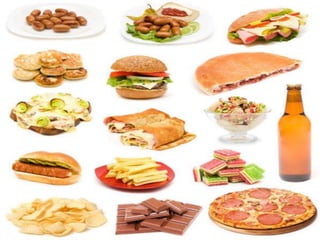
Certain substances in foods are thought to
be carcinogenic:
- Nitrates in cured and smoked foods
associated with stomach and
esophagus cancer
- High-fat diets associated with uterine,
breast, prostate, and colon cancers
- Excessive caloric intake associated
with gallbladder and endometrial
cancer
- Alcohol and cigarettes associated with
lung, mouth, pharynx, and esophagus
cancer
Certain diets seem to have health
benefits
- Diets high in fiber help protect against
colorectal cancer.
- Diets rich in vitamin C may protect
against stomach and esophagus cancer
- Diets high in vitamin A may protect
against lung, bladder, and larynx
cancer
Health benefits
- Phytochemicals occur naturally in
plant foods and are thought to be
anticarcinogenic.
- Legumes contain vitamins, minerals,
protein, and fiber and may protect
against cancer.
- High intake of soy foods are associated
with a decreased risk of breast and
colon cancer.
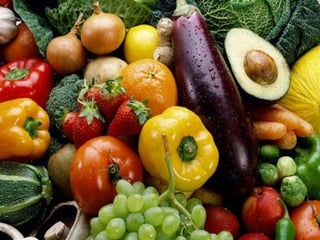
Food and Cancer
- 9 or more servings of fruits and
vegetables per day is recommended
- 2 ½ cups of vegetables and 2 cups of fruit
on a 2000 calorie diet
- Intact immune system is thought to
protect against cancer
- Moderation is key
The Effects of Cancer
- May cause unexplained weight loss,
weakness, early satiety, and anorexia
- May lead to loss of muscle tissue,
hypoalbuminemia, and anemia
- Effect of cancer on the client depends on
the location of the tumor
- Sense of taste and smell may be affected:
some foods may not have much taste;
everything may taste the same
Treatment of Cancer
- Surgical removal, radiation, chemo-
therapy, or a combination of these
methods used to treat cancer
- Side effects of these treatments can affect
nutrition.
- Nausea, vomiting, sore mouth are
common
Radiation and chemotherapy may cause:
- Xerostomia (dry mouth)
- Dysphagia (difficulty in swallowing)
- Anorexia
- Nausea and vomiting
- Diarrhea with possible fluid and
electrolyte imbalances
- Radiation and chemotherapy depress
appetite
Nutritional Goals
- Meet increased metabolic demands of the
disease and prevent catabolism
- Alleviate symptoms resulting from the
disease and its treatment through
adaptations of food and the feeding
process
Nutritional Care
- Calorie needs of the client with cancer are
greater than before the illness.
- Basal metabolic rate is increased, tissue
must be rebuilt, nutrients are lost to
cancer
- Clients who can eat normally tolerate the
side effects of therapy better.
- Malnutrition can lead to cachexia and
ultimately death
- Soft diet if chewing is a problem
- Low-residue diet for diarrhea
- High-protein, high-calorie diets and
plenty of fluids for clients undergoing
radiation or chemotherapy
- 45 to 50 calories per kg of body weight
per day
- Carbohydrates and fat needed to provide
energy and spare protein for tissue
building and the immune system
- 1.0 to 1.2 g of protein per kg of body
weight a day
- Malnourished clients may need from 1.3
to 2.0 g of protein per kg of body weight a
day.
- Vitamins and minerals are essential.
- Encourage foods that will increase
appetite such as:
- Foods brought from home
- Cold foods may be more appealing.
- Milk, cheese, eggs, and fish may be
more appealing than meat (can taste
bitter)
- Salad dressings, gravies, sauces, and
syrups appropriately served on foods can
be helpful for dry mouth.
- Several small meals may be better
tolerated than three large meals.
- Snacks as tolerated
- Use drugs to control nausea and pain.
- Nutritional supplements may be needed.
Dietary Modifications for Nutrition-
Related Side Effects
Anorexia: small frequent meals, high-
calorie, high-protein, nutrient-dense
foods, supplements, food preferences
Altered taste and odor: herbs and
seasonings; cold foods, avoid foods with
offensive odors
Somatitis: liquid or pureed foods, avoid
tart or acidic, dry or coarse foods, serve
foods with sauces or gravies
Nausea and vomiting: frequent small
meals, avoid greasy, fried, high-fat foods
Diarrhea: frequent small meals, encourage
liquids, limit lactose and high fiber foods
A client with cancer may feel that
comments to encourage eating are
depressing reminders of the cancer and
the situation.
How can the health care professional be
helpful to the client with cancer?
- At appropriate time, explain why it is
important that the client eat.
- Encourage the client to eat foods that he
or she enjoys.
- Recommend that the client avoid eating at
the time of day nausea is likely to occur.
Conclusion
- Cancer is a disease characterized by
abnormal cell growth.
- Energy needs increase because of the
hypermetabolic state and the tumor’s need
for energy nutrients.
- Surgery, radiation, and chemotherapy can
cause side effects that affect nutrition.
- Improving the nutritional state is difficult
because of the illness and anorexia.
- Parenteral or enteral nutrition may be
necessary.
- The health care professional can help the
client improve nutrition.
Thank

Diet and Cancer

  • 2.
    Objectives - Discuss hownutrition can be related to the development or the prevention of cancer. - State the effects of cancer on the nutritional status of the host. - Describe nutritional problems resulting from the medical treatment of cancer. - Describe nutritional therapy for cancer clients.
  • 3.
    Cancer - Cancer isthe second leading cause of death in the United States. - Characterized by abnormal cell growth; cell growth becomes unstructured and excessive; can occur in any organ. - Cancerous tumors are malignant, affecting the structure, and consequently the function, of organs.
  • 4.
    Causes of Cancer -The precise etiology of cancer is unknown. - Heredity, viruses, environmental carcinogens, and possibly emotional stress may contribute to its development. - Cancer is not inherited, but some families appear to have a genetic predisposition for it.
  • 5.
    - Environmental carcinogensinclude radiation (X-rays, sun, nuclear wastes), certain chemicals (ingested in food and water or touched by skin) and certain substances that are breathed in (tobacco smoke). - Carcinogens cause cancer after repeated exposure.
  • 6.
    Relationships of Foodand Cancer Certain substances in foods are thought to be carcinogenic: - Nitrates in cured and smoked foods associated with stomach and esophagus cancer - High-fat diets associated with uterine, breast, prostate, and colon cancers
  • 7.
    - Excessive caloricintake associated with gallbladder and endometrial cancer - Alcohol and cigarettes associated with lung, mouth, pharynx, and esophagus cancer
  • 9.
    Certain diets seemto have health benefits - Diets high in fiber help protect against colorectal cancer. - Diets rich in vitamin C may protect against stomach and esophagus cancer - Diets high in vitamin A may protect against lung, bladder, and larynx cancer
  • 11.
    Health benefits - Phytochemicalsoccur naturally in plant foods and are thought to be anticarcinogenic. - Legumes contain vitamins, minerals, protein, and fiber and may protect against cancer. - High intake of soy foods are associated with a decreased risk of breast and colon cancer.
  • 12.
    Food and Cancer -9 or more servings of fruits and vegetables per day is recommended - 2 ½ cups of vegetables and 2 cups of fruit on a 2000 calorie diet - Intact immune system is thought to protect against cancer - Moderation is key
  • 13.
    The Effects ofCancer - May cause unexplained weight loss, weakness, early satiety, and anorexia - May lead to loss of muscle tissue, hypoalbuminemia, and anemia
  • 14.
    - Effect ofcancer on the client depends on the location of the tumor - Sense of taste and smell may be affected: some foods may not have much taste; everything may taste the same
  • 15.
    Treatment of Cancer -Surgical removal, radiation, chemo- therapy, or a combination of these methods used to treat cancer - Side effects of these treatments can affect nutrition. - Nausea, vomiting, sore mouth are common
  • 16.
    Radiation and chemotherapymay cause: - Xerostomia (dry mouth) - Dysphagia (difficulty in swallowing) - Anorexia - Nausea and vomiting - Diarrhea with possible fluid and electrolyte imbalances - Radiation and chemotherapy depress appetite
  • 17.
    Nutritional Goals - Meetincreased metabolic demands of the disease and prevent catabolism - Alleviate symptoms resulting from the disease and its treatment through adaptations of food and the feeding process
  • 18.
    Nutritional Care - Calorieneeds of the client with cancer are greater than before the illness. - Basal metabolic rate is increased, tissue must be rebuilt, nutrients are lost to cancer
  • 19.
    - Clients whocan eat normally tolerate the side effects of therapy better. - Malnutrition can lead to cachexia and ultimately death
  • 20.
    - Soft dietif chewing is a problem - Low-residue diet for diarrhea - High-protein, high-calorie diets and plenty of fluids for clients undergoing radiation or chemotherapy - 45 to 50 calories per kg of body weight per day
  • 21.
    - Carbohydrates andfat needed to provide energy and spare protein for tissue building and the immune system - 1.0 to 1.2 g of protein per kg of body weight a day - Malnourished clients may need from 1.3 to 2.0 g of protein per kg of body weight a day. - Vitamins and minerals are essential.
  • 22.
    - Encourage foodsthat will increase appetite such as: - Foods brought from home - Cold foods may be more appealing. - Milk, cheese, eggs, and fish may be more appealing than meat (can taste bitter)
  • 23.
    - Salad dressings,gravies, sauces, and syrups appropriately served on foods can be helpful for dry mouth. - Several small meals may be better tolerated than three large meals. - Snacks as tolerated - Use drugs to control nausea and pain. - Nutritional supplements may be needed.
  • 24.
    Dietary Modifications forNutrition- Related Side Effects Anorexia: small frequent meals, high- calorie, high-protein, nutrient-dense foods, supplements, food preferences Altered taste and odor: herbs and seasonings; cold foods, avoid foods with offensive odors
  • 25.
    Somatitis: liquid orpureed foods, avoid tart or acidic, dry or coarse foods, serve foods with sauces or gravies Nausea and vomiting: frequent small meals, avoid greasy, fried, high-fat foods Diarrhea: frequent small meals, encourage liquids, limit lactose and high fiber foods
  • 26.
    A client withcancer may feel that comments to encourage eating are depressing reminders of the cancer and the situation. How can the health care professional be helpful to the client with cancer?
  • 27.
    - At appropriatetime, explain why it is important that the client eat. - Encourage the client to eat foods that he or she enjoys. - Recommend that the client avoid eating at the time of day nausea is likely to occur.
  • 28.
    Conclusion - Cancer isa disease characterized by abnormal cell growth. - Energy needs increase because of the hypermetabolic state and the tumor’s need for energy nutrients. - Surgery, radiation, and chemotherapy can cause side effects that affect nutrition.
  • 29.
    - Improving thenutritional state is difficult because of the illness and anorexia. - Parenteral or enteral nutrition may be necessary. - The health care professional can help the client improve nutrition.
  • 30.