21st Century learning in Higher Education: 
seizing opportunities for change 
Prof A Armellini | @alejandroa | ale.armellini@northampton.ac.uk 
Director, Institute of Learning & Teaching in HE 
University of Northampton 
12 December 2014
Plan 
1. Principles 
2. What is changing 
3. Anticipating and shaping change 
4. Innovation – really? 
5. Viable futures for learning 
@alejandroa 
2
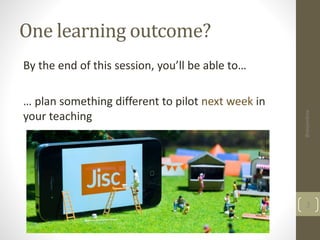
One learning outcome? 
By the end of this session, you’ll be able to… 
… plan something different to pilot next week in 
your teaching 
@alejandroa 
3
Principles 
• Transformational learning experiences through 
inspirational teaching 
• Low cost, high value for our students and 
colleagues 
• Knowledge and learning and open, mobile, 
connected and scalable 
• Overlapping modes of study: 
‘blended’ = ‘campus & mobile’ 
@alejandroa 
• Robust QE process 4
Three disruptive waves 
a. Competition for students 
b. Competition from cheaper alternatives or 
providers 
c. Competition from online delivery (sometimes 
free) 
The Economist, 28 June 2014 
@alejandroa 
5
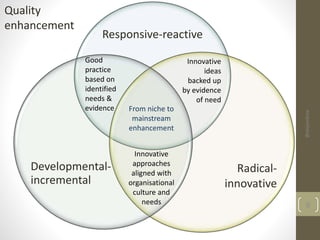
Responsive-reactive 
Radical-innovative 
Good 
practice 
based on 
identified 
needs & 
evidence 
Developmental-incremental 
Innovative 
ideas 
backed up 
by evidence 
of need 
From niche to 
mainstream 
enhancement 
Innovative 
approaches 
aligned with 
organisational 
culture and 
needs 
Quality 
enhancement 
@alejandroa 
6
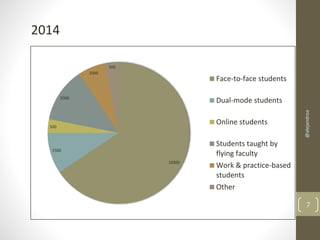
10500 
500 
2000 
1500 
1000 
500 
Face-to-face students 
Dual-mode students 
Online students 
Students taught by 
flying faculty 
Work & practice-based 
students 
Other 
2014 
@alejandroa 
7
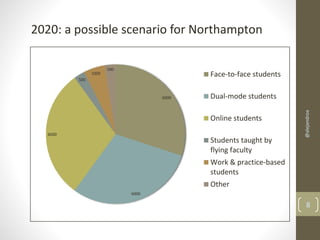
2020: a possible scenario for Northampton 
6000 
6000 
6000 
500 
1000 
500 
Face-to-face students 
Dual-mode students 
Online students 
Students taught by 
flying faculty 
Work & practice-based 
students 
Other 
@alejandroa 
8
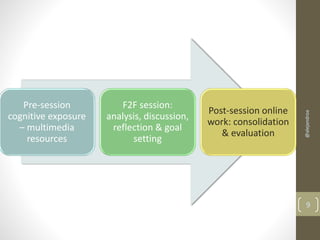
Pre-session 
cognitive exposure 
– multimedia 
resources 
F2F session: 
analysis, discussion, 
reflection & goal 
setting 
Post-session online 
work: consolidation 
& evaluation 
@alejandroa 
9
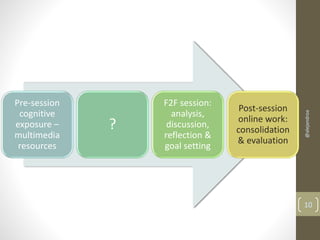
Pre-session 
cognitive 
exposure – 
multimedia 
resources 
? 
F2F session: 
analysis, 
discussion, 
reflection & 
goal setting 
Post-session 
online work: 
consolidation 
& evaluation 
@alejandroa 
10
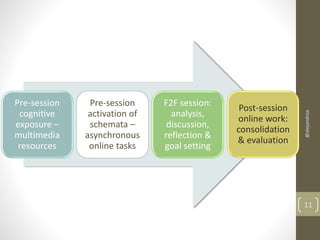
Pre-session 
cognitive 
exposure – 
multimedia 
resources 
Pre-session 
activation of 
schemata – 
asynchronous 
online tasks 
F2F session: 
analysis, 
discussion, 
reflection & 
goal setting 
Post-session 
online work: 
consolidation 
& evaluation 
@alejandroa 
11
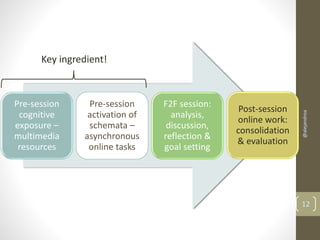
Pre-session 
cognitive 
exposure – 
multimedia 
resources 
Pre-session 
activation of 
schemata – 
asynchronous 
online tasks 
F2F session: 
analysis, 
discussion, 
reflection & 
goal setting 
Post-session 
online work: 
consolidation 
& evaluation 
@alejandroa 
12 
Key ingredient!
VLE design benchmarks 
Level Focus Key features 
@alejandroa 
13
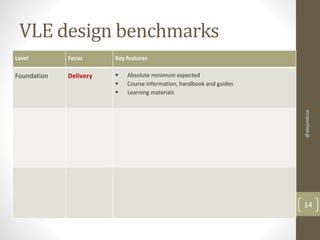
VLE design benchmarks 
Level Focus Key features 
Foundation Delivery  Absolute minimum expected 
 Course information, handbook and guides 
 Learning materials 
@alejandroa 
14
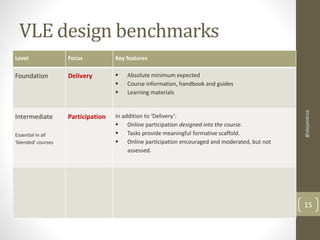
VLE design benchmarks 
Level Focus Key features 
Foundation Delivery  Absolute minimum expected 
 Course information, handbook and guides 
 Learning materials 
Intermediate 
Essential in all 
‘blended’ courses 
Participation In addition to ‘Delivery’: 
 Online participation designed into the course. 
 Tasks provide meaningful formative scaffold. 
 Online participation encouraged and moderated, but not 
assessed. 
@alejandroa 
15
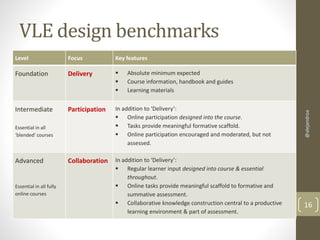
VLE design benchmarks 
Level Focus Key features 
Foundation Delivery  Absolute minimum expected 
 Course information, handbook and guides 
 Learning materials 
Intermediate 
Essential in all 
‘blended’ courses 
Participation In addition to ‘Delivery’: 
 Online participation designed into the course. 
 Tasks provide meaningful formative scaffold. 
 Online participation encouraged and moderated, but not 
assessed. 
Advanced 
Essential in all fully 
online courses 
Collaboration In addition to ‘Delivery’: 
 Regular learner input designed into course & essential 
throughout. 
 Online tasks provide meaningful scaffold to formative and 
summative assessment. 
 Collaborative knowledge construction central to a productive 
learning environment & part of assessment. 
@alejandroa 
16
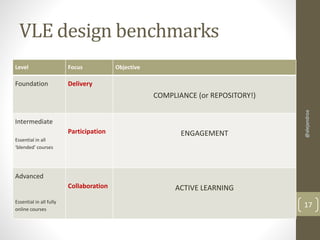
VLE design benchmarks 
Level Focus Objective 
Foundation Delivery 
COMPLIANCE (or REPOSITORY!) 
Intermediate 
Essential in all 
‘blended’ courses 
Participation ENGAGEMENT 
Advanced 
Essential in all fully 
online courses 
Collaboration ACTIVE LEARNING 
@alejandroa 
17
CAIeRO = Carpe Diem@ Northampton 
Creating Aligned Interactive educational Resource Opportunities 
Design for effective online and blended learning: 
A two-day intensive workshop 
@alejandroa 
18
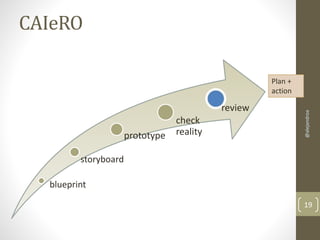
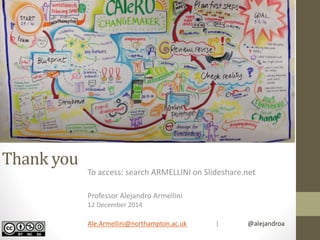
CAIeRO 
19 
storyboard 
blueprint 
prototype 
check 
reality 
review 
Plan + 
action 
@alejandroa
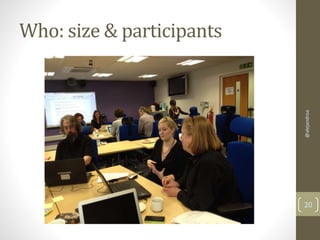
Who: size & participants 
@alejandroa 
20
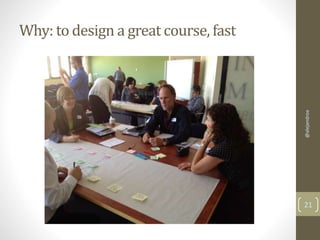
Why: to design a great course, fast 
@alejandroa 
21
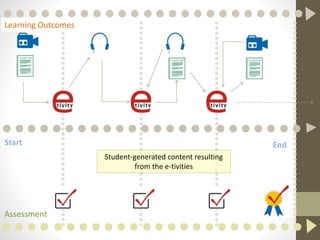
Learning Outcomes 
Start End 
Assessment 
Student-generated content resulting 
from the e-tivities
24 
@alejandroa
25 
@alejandroa
26 
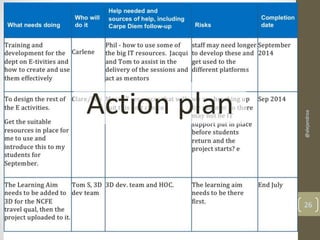
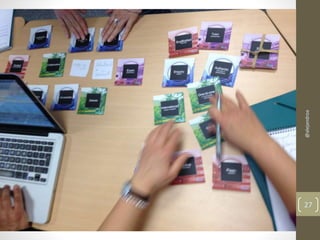
Action plan 
@alejandroa
27 
@alejandroa
28 
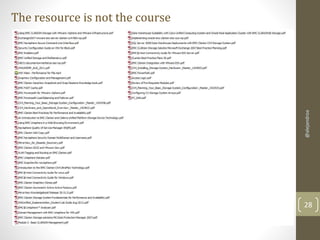
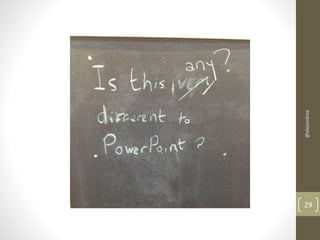
The resource is not the course 
@alejandroa
29 
@alejandroa
Pedagogic innovation 
“Adapting to characteristics of students and 
responding to their development is an inherent 
aspect of pedagogy. […] These adaptations can be 
considered innovations if are based [sic] on a new 
idea and when they have the potential to improve 
student learning, or when they are linked with 
other outcomes […]” 
(Vieluf, Kaplan, Klieeme & Bayer, 2012) 
@alejandroa 
32
Pedagogic innovation 
“What is an innovation in one education system 
may be well-established practice in another; what 
is appreciated as an improvement may be rejected 
elsewhere.” 
(Vieluf et al., 2012) 
@alejandroa 
33
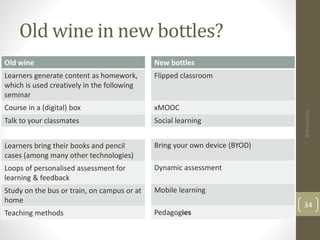
Old wine in new bottles? 
Old wine 
Learners generate content as homework, 
which is used creatively in the following 
seminar 
Course in a (digital) box 
Talk to your classmates 
34 
New bottles 
Flipped classroom 
xMOOC 
Social learning 
Learners bring their books and pencil 
cases (among many other technologies) 
Loops of personalised assessment for 
learning & feedback 
Study on the bus or train, on campus or at 
home 
Teaching methods 
Bring your own device (BYOD) 
Dynamic assessment 
Mobile learning 
Pedagogies 
@alejandroa
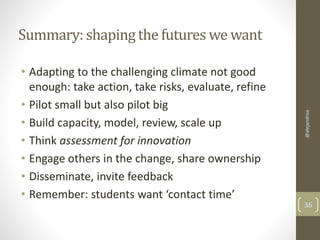
Summary: shaping the futures we want 
• Adapting to the challenging climate not good 
enough: take action, take risks, evaluate, refine 
• Pilot small but also pilot big 
• Build capacity, model, review, scale up 
• Think assessment for innovation 
• Engage others in the change, share ownership 
• Disseminate, invite feedback 
• Remember: students want ‘contact time’ 
@alejandroa 
36
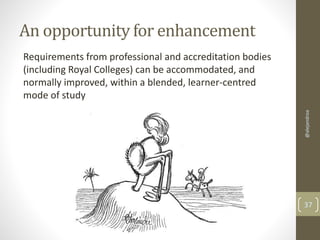
An opportunity for enhancement 
Requirements from professional and accreditation bodies 
(including Royal Colleges) can be accommodated, and 
normally improved, within a blended, learner-centred 
mode of study 
@alejandroa 
37
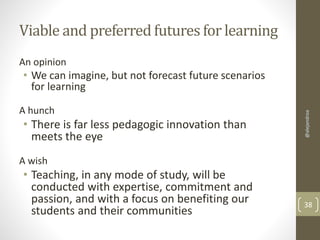
Viable and preferred futures for learning 
An opinion 
• We can imagine, but not forecast future scenarios 
for learning 
A hunch 
• There is far less pedagogic innovation than 
meets the eye 
@alejandroa 
A wish 
• Teaching, in any mode of study, will be 
conducted with expertise, commitment and 
passion, and with a focus on benefiting our 
students and their communities 38
Reading 
• Gilly Salmon’s blog: http://www.gillysalmon.com/blog.html 
• Armellini, A. & Nie, M. (2013). Open educational practices for curriculum enhancement. Open Learning 
28(1) 7-20. 
• Rogerson-Revell, P., Nie, M. & Armellini, A. (2012) An evaluation of the use of voice boards, e-book readers 
and virtual worlds in a postgraduate distance learning Applied Linguistics and TESOL programme. Open 
Learning, 27(2), 103-119. 
• Nie, M., Armellini, A., Witthaus, G. & Barklamb, K. (2011). How do e-book readers enhance learning 
opportunities for distance work-based learners? ALT-J, Research in Learning Technology, 19(1), 19-38. 
• Nie, M., Armellini, A., Randall, R., Harrington, S. & Barklamb, K. (2010). The role of podcasting in effective 
curriculum renewal. ALT-J, Research in Learning Technology 18(2), 105-118. 
• Armellini, A., & Aiyegbayo, O. (2010). Learning design and assessment with e-tivities. British Journal of 
Educational Technology 41(6), 922-935. 
• Armellini, A., & Jones, S. (2008). Carpe Diem: Seizing each day to foster change in e-learning 
design. Reflecting Education, 4(1), 17-29. Available from http://tinyurl.com/58q2lj 
• Salmon, G., Jones, S., & Armellini, A. (2008). Building institutional capability in e-learning design. ALT-J, 
Research in Learning Technology, 16(2), 95-109. 
• Salmon, G. (2013). E-tivities: The key to active online learning (2nd ed.). London and New York: Routledge. 
• Salmon, G. (2011). E-moderating: The key to teaching and learning online (3rd ed.). New York: Routledge. 
39 
Ale.Armellini@northampton.ac.uk 
@alejandroa 
@alejandroa
Thank you 
To access: search ARMELLINI on Slideshare.net 
Professor Alejandro Armellini 
12 December 2014 
Ale.Armellini@northampton.ac.uk | @alejandroa 
Image by Topgold on Flickr

Nottingham armellini ale10 dec

  • 1.
    21st Century learningin Higher Education: seizing opportunities for change Prof A Armellini | @alejandroa | ale.armellini@northampton.ac.uk Director, Institute of Learning & Teaching in HE University of Northampton 12 December 2014
  • 2.
    Plan 1. Principles 2. What is changing 3. Anticipating and shaping change 4. Innovation – really? 5. Viable futures for learning @alejandroa 2
  • 3.
    One learning outcome? By the end of this session, you’ll be able to… … plan something different to pilot next week in your teaching @alejandroa 3
  • 4.
    Principles • Transformationallearning experiences through inspirational teaching • Low cost, high value for our students and colleagues • Knowledge and learning and open, mobile, connected and scalable • Overlapping modes of study: ‘blended’ = ‘campus & mobile’ @alejandroa • Robust QE process 4
  • 5.
    Three disruptive waves a. Competition for students b. Competition from cheaper alternatives or providers c. Competition from online delivery (sometimes free) The Economist, 28 June 2014 @alejandroa 5
  • 6.
    Responsive-reactive Radical-innovative Good practice based on identified needs & evidence Developmental-incremental Innovative ideas backed up by evidence of need From niche to mainstream enhancement Innovative approaches aligned with organisational culture and needs Quality enhancement @alejandroa 6
  • 7.
    10500 500 2000 1500 1000 500 Face-to-face students Dual-mode students Online students Students taught by flying faculty Work & practice-based students Other 2014 @alejandroa 7
  • 8.
    2020: a possiblescenario for Northampton 6000 6000 6000 500 1000 500 Face-to-face students Dual-mode students Online students Students taught by flying faculty Work & practice-based students Other @alejandroa 8
  • 9.
    Pre-session cognitive exposure – multimedia resources F2F session: analysis, discussion, reflection & goal setting Post-session online work: consolidation & evaluation @alejandroa 9
  • 10.
    Pre-session cognitive exposure– multimedia resources ? F2F session: analysis, discussion, reflection & goal setting Post-session online work: consolidation & evaluation @alejandroa 10
  • 11.
    Pre-session cognitive exposure– multimedia resources Pre-session activation of schemata – asynchronous online tasks F2F session: analysis, discussion, reflection & goal setting Post-session online work: consolidation & evaluation @alejandroa 11
  • 12.
    Pre-session cognitive exposure– multimedia resources Pre-session activation of schemata – asynchronous online tasks F2F session: analysis, discussion, reflection & goal setting Post-session online work: consolidation & evaluation @alejandroa 12 Key ingredient!
  • 13.
    VLE design benchmarks Level Focus Key features @alejandroa 13
  • 14.
    VLE design benchmarks Level Focus Key features Foundation Delivery  Absolute minimum expected  Course information, handbook and guides  Learning materials @alejandroa 14
  • 15.
    VLE design benchmarks Level Focus Key features Foundation Delivery  Absolute minimum expected  Course information, handbook and guides  Learning materials Intermediate Essential in all ‘blended’ courses Participation In addition to ‘Delivery’:  Online participation designed into the course.  Tasks provide meaningful formative scaffold.  Online participation encouraged and moderated, but not assessed. @alejandroa 15
  • 16.
    VLE design benchmarks Level Focus Key features Foundation Delivery  Absolute minimum expected  Course information, handbook and guides  Learning materials Intermediate Essential in all ‘blended’ courses Participation In addition to ‘Delivery’:  Online participation designed into the course.  Tasks provide meaningful formative scaffold.  Online participation encouraged and moderated, but not assessed. Advanced Essential in all fully online courses Collaboration In addition to ‘Delivery’:  Regular learner input designed into course & essential throughout.  Online tasks provide meaningful scaffold to formative and summative assessment.  Collaborative knowledge construction central to a productive learning environment & part of assessment. @alejandroa 16
  • 17.
    VLE design benchmarks Level Focus Objective Foundation Delivery COMPLIANCE (or REPOSITORY!) Intermediate Essential in all ‘blended’ courses Participation ENGAGEMENT Advanced Essential in all fully online courses Collaboration ACTIVE LEARNING @alejandroa 17
  • 18.
    CAIeRO = CarpeDiem@ Northampton Creating Aligned Interactive educational Resource Opportunities Design for effective online and blended learning: A two-day intensive workshop @alejandroa 18
  • 19.
    CAIeRO 19 storyboard blueprint prototype check reality review Plan + action @alejandroa
  • 20.
    Who: size &participants @alejandroa 20
  • 21.
    Why: to designa great course, fast @alejandroa 21
  • 22.
    Learning Outcomes StartEnd Assessment Student-generated content resulting from the e-tivities
  • 23.
  • 24.
  • 25.
    26 Action plan @alejandroa
  • 26.
  • 27.
    28 The resourceis not the course @alejandroa
  • 28.
  • 29.
    Pedagogic innovation “Adaptingto characteristics of students and responding to their development is an inherent aspect of pedagogy. […] These adaptations can be considered innovations if are based [sic] on a new idea and when they have the potential to improve student learning, or when they are linked with other outcomes […]” (Vieluf, Kaplan, Klieeme & Bayer, 2012) @alejandroa 32
  • 30.
    Pedagogic innovation “Whatis an innovation in one education system may be well-established practice in another; what is appreciated as an improvement may be rejected elsewhere.” (Vieluf et al., 2012) @alejandroa 33
  • 31.
    Old wine innew bottles? Old wine Learners generate content as homework, which is used creatively in the following seminar Course in a (digital) box Talk to your classmates 34 New bottles Flipped classroom xMOOC Social learning Learners bring their books and pencil cases (among many other technologies) Loops of personalised assessment for learning & feedback Study on the bus or train, on campus or at home Teaching methods Bring your own device (BYOD) Dynamic assessment Mobile learning Pedagogies @alejandroa
  • 32.
    Summary: shaping thefutures we want • Adapting to the challenging climate not good enough: take action, take risks, evaluate, refine • Pilot small but also pilot big • Build capacity, model, review, scale up • Think assessment for innovation • Engage others in the change, share ownership • Disseminate, invite feedback • Remember: students want ‘contact time’ @alejandroa 36
  • 33.
    An opportunity forenhancement Requirements from professional and accreditation bodies (including Royal Colleges) can be accommodated, and normally improved, within a blended, learner-centred mode of study @alejandroa 37
  • 34.
    Viable and preferredfutures for learning An opinion • We can imagine, but not forecast future scenarios for learning A hunch • There is far less pedagogic innovation than meets the eye @alejandroa A wish • Teaching, in any mode of study, will be conducted with expertise, commitment and passion, and with a focus on benefiting our students and their communities 38
  • 35.
    Reading • GillySalmon’s blog: http://www.gillysalmon.com/blog.html • Armellini, A. & Nie, M. (2013). Open educational practices for curriculum enhancement. Open Learning 28(1) 7-20. • Rogerson-Revell, P., Nie, M. & Armellini, A. (2012) An evaluation of the use of voice boards, e-book readers and virtual worlds in a postgraduate distance learning Applied Linguistics and TESOL programme. Open Learning, 27(2), 103-119. • Nie, M., Armellini, A., Witthaus, G. & Barklamb, K. (2011). How do e-book readers enhance learning opportunities for distance work-based learners? ALT-J, Research in Learning Technology, 19(1), 19-38. • Nie, M., Armellini, A., Randall, R., Harrington, S. & Barklamb, K. (2010). The role of podcasting in effective curriculum renewal. ALT-J, Research in Learning Technology 18(2), 105-118. • Armellini, A., & Aiyegbayo, O. (2010). Learning design and assessment with e-tivities. British Journal of Educational Technology 41(6), 922-935. • Armellini, A., & Jones, S. (2008). Carpe Diem: Seizing each day to foster change in e-learning design. Reflecting Education, 4(1), 17-29. Available from http://tinyurl.com/58q2lj • Salmon, G., Jones, S., & Armellini, A. (2008). Building institutional capability in e-learning design. ALT-J, Research in Learning Technology, 16(2), 95-109. • Salmon, G. (2013). E-tivities: The key to active online learning (2nd ed.). London and New York: Routledge. • Salmon, G. (2011). E-moderating: The key to teaching and learning online (3rd ed.). New York: Routledge. 39 Ale.Armellini@northampton.ac.uk @alejandroa @alejandroa
  • 36.
    Thank you Toaccess: search ARMELLINI on Slideshare.net Professor Alejandro Armellini 12 December 2014 Ale.Armellini@northampton.ac.uk | @alejandroa Image by Topgold on Flickr

Editor's Notes

  • #5 Ale
  • #6 Jane
  • #10 Ale
  • #11 Ale
  • #12 Ale
  • #13 Ale
  • #33 Vieluf, S., Kaplan, D., Klieeme, E. & Bayer, S. (2012). Teaching Practices and Pedagogical Innovation: Evidence from TALIS. OECD Publishing. http://dx.doi.org/10.1787/9789264123540-en If we consider this true, then anything could be considered innovative! A “definition”: “Adapting to characteristics of students and responding to their development is an inherent aspect of pedagogy. […] These adaptations can be considered innovations if are based on a new idea and when they have the potential to improve student learning, or when they are linked with other outcomes (such as improving the health of students, preventing teenage violence or drug abuse, or improving the job satisfaction and well-being of teachers)” (Vieluf, Kaplan, Klieeme & Bayer, 2012).
  • #34 Vieluf, S., Kaplan, D., Klieeme, E. & Bayer, S. (2012). Teaching Practices and Pedagogical Innovation: Evidence from TALIS. OECD Publishing. http://dx.doi.org/10.1787/9789264123540-en If we consider this true, then anything could be considered innovative! A “definition”: “Adapting to characteristics of students and responding to their development is an inherent aspect of pedagogy. […] These adaptations can be considered innovations if are based on a new idea and when they have the potential to improve student learning, or when they are linked with other outcomes (such as improving the health of students, preventing teenage violence or drug abuse, or improving the job satisfaction and well-being of teachers)” (Vieluf, Kaplan, Klieeme & Bayer, 2012).
  • #36 Tendríamos que decidir si hablar de “pedagogical innovation” es válido aunque sólo sea innovación real para la organización que la lleva a cabo.
  • #37 Ale