Downloaded 140 times
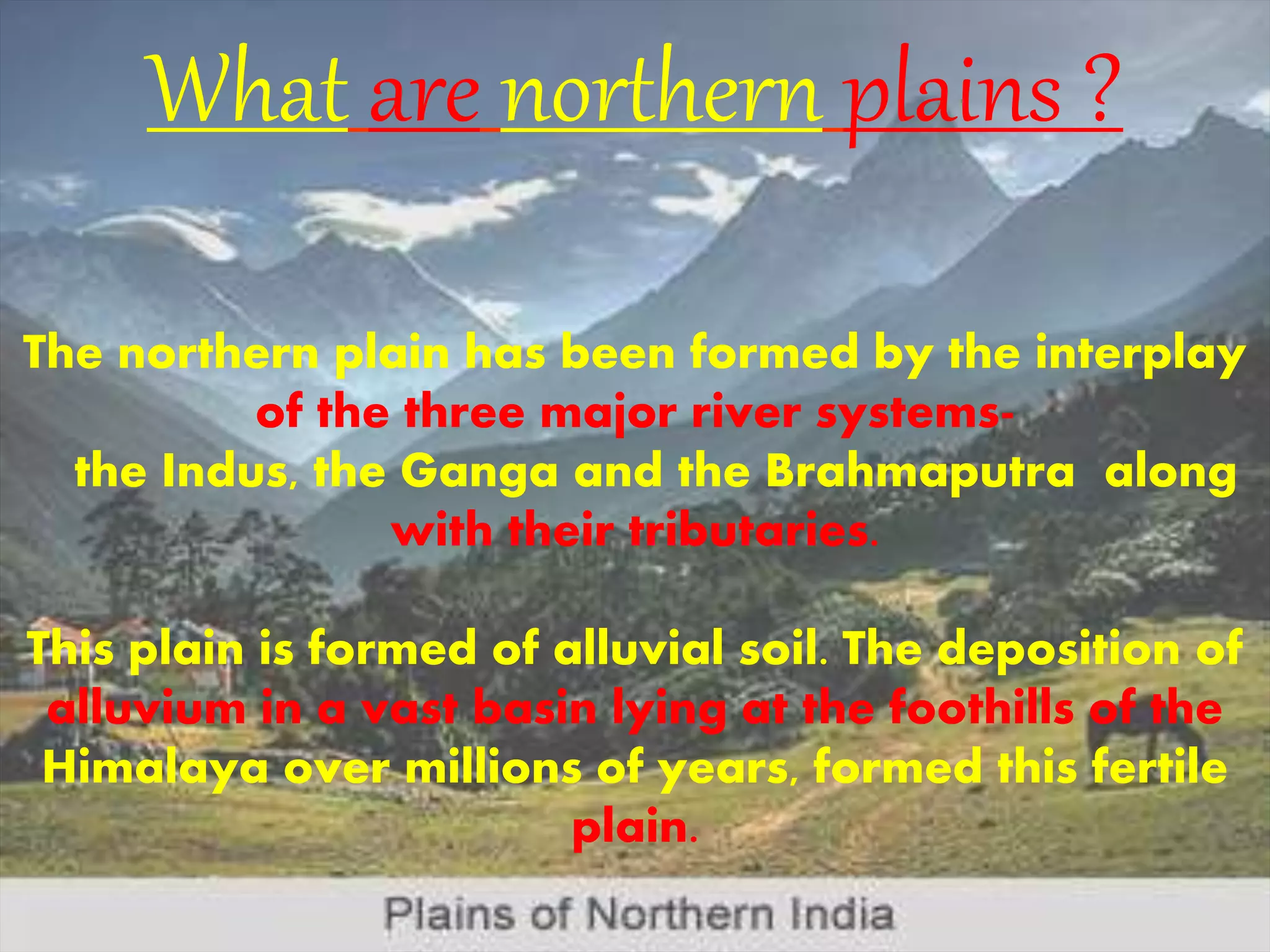
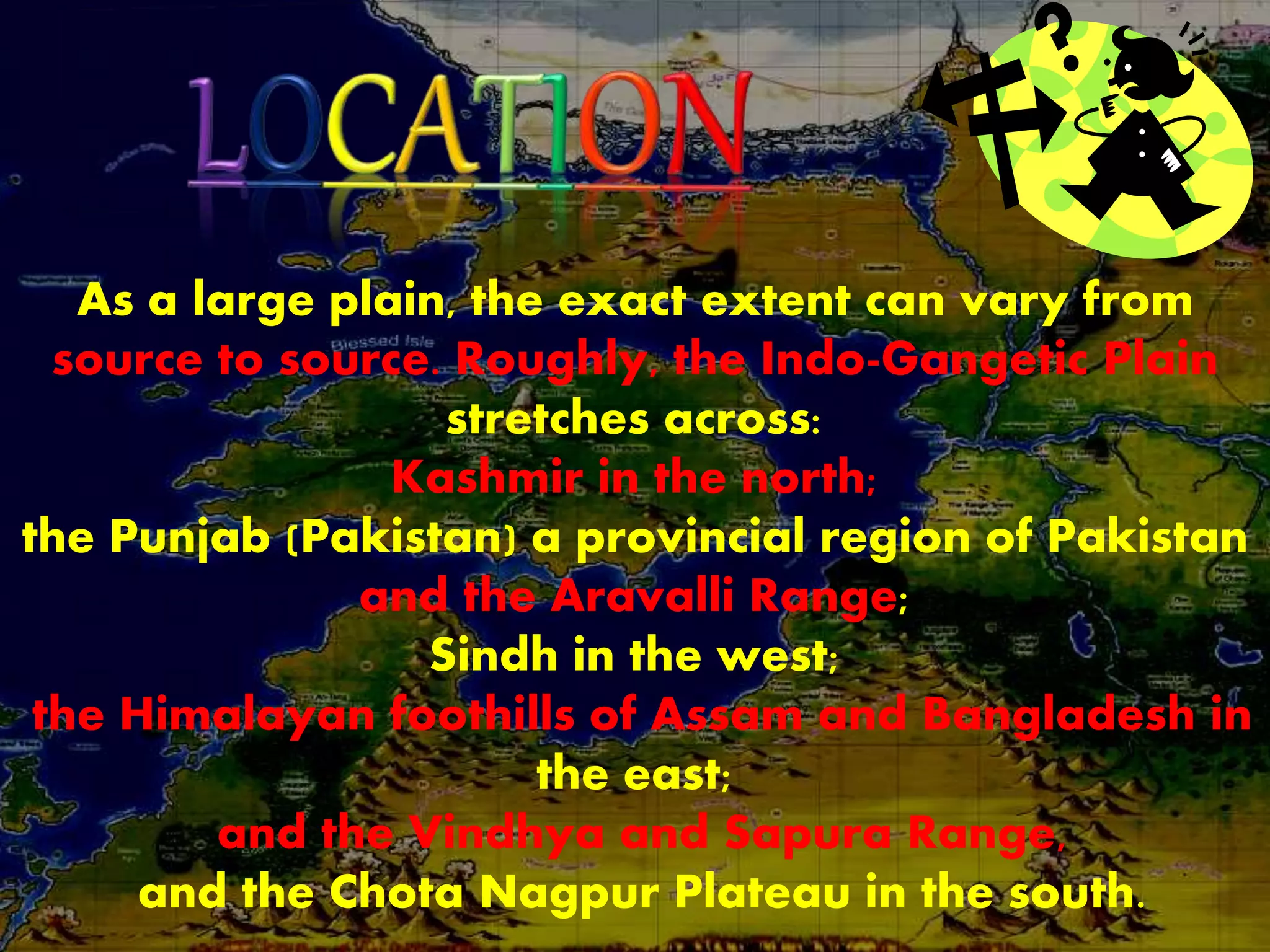
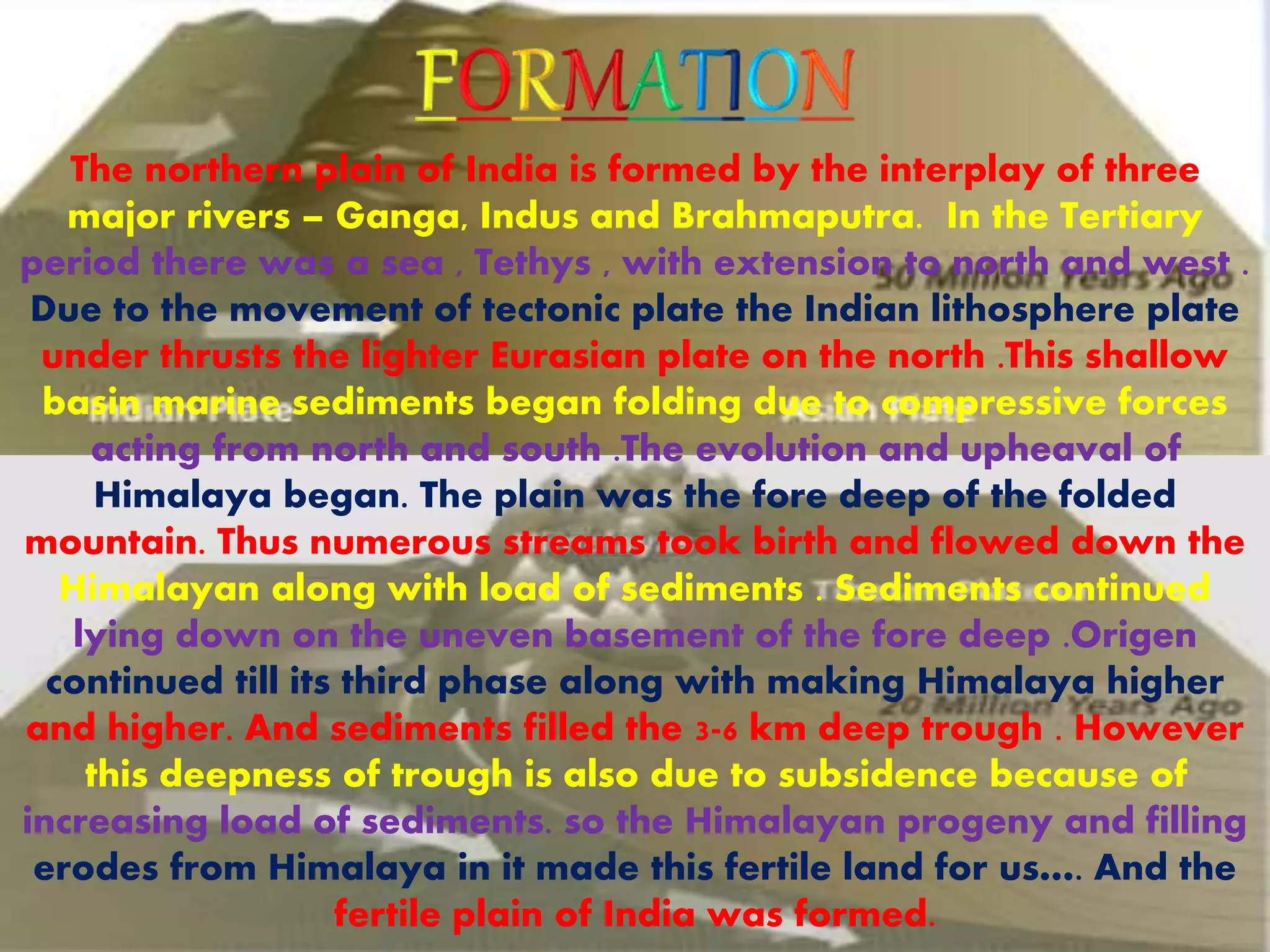
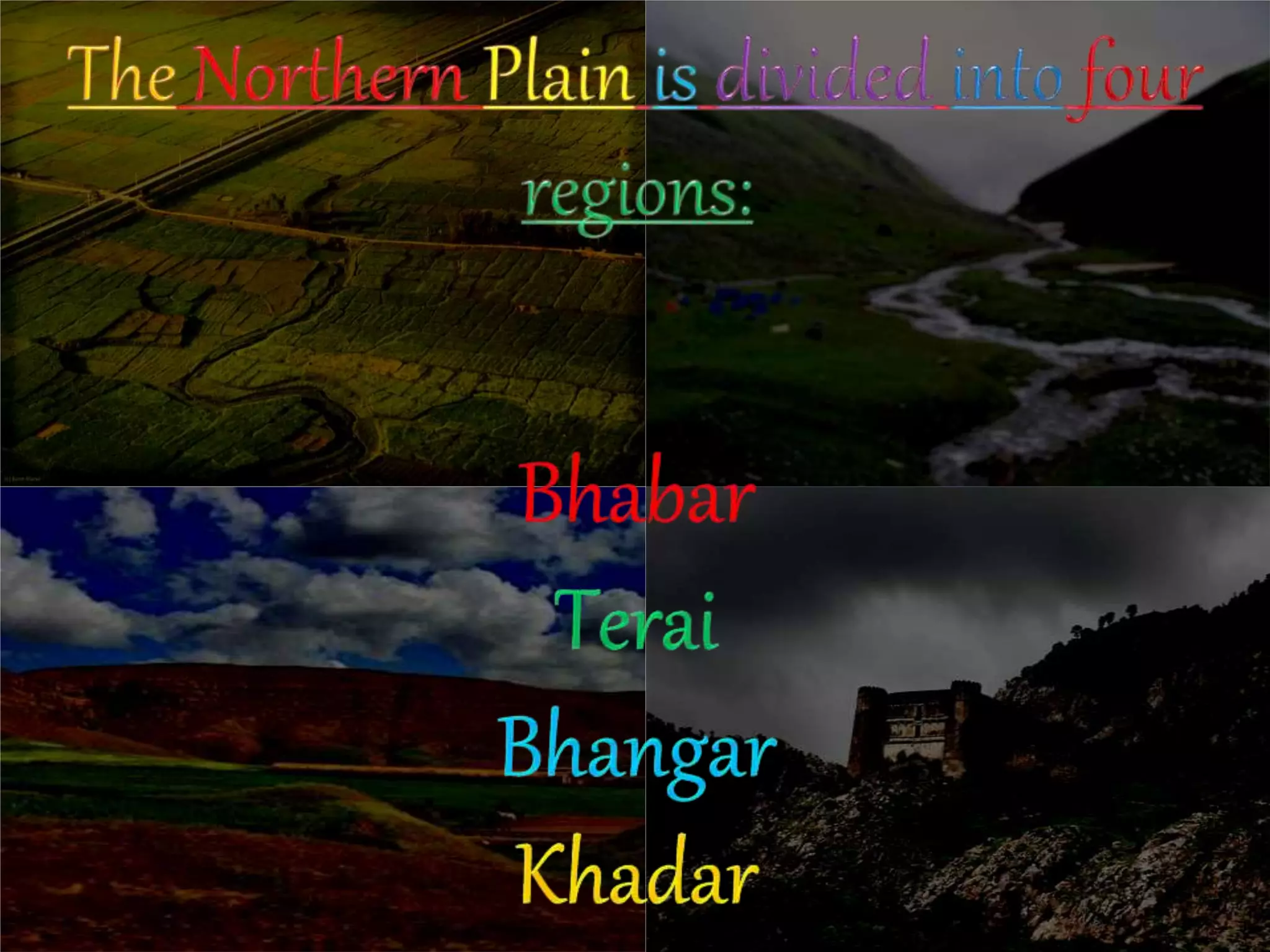


The northern plains of India have formed from the sediment deposition of the Indus, Ganga, and Brahmaputra rivers over millions of years, resulting in fertile alluvial soil. Spanning approximately 2,500 km from Punjab in the northwest to Assam in the east, these vast flat areas are crucial for agriculture, particularly wheat farming, and are supported by navigable rivers and irrigation facilities. The plains are also significant for infrastructure development due to their flat terrain, aiding in the construction of roads, railways, and hydropower projects.


![[Slideshare-Downloader-la]-649a802f32a57.pptx](https://cdn.slidesharecdn.com/ss_thumbnails/slideshare-downloader-la-649a802f32a57-230714063120-43bfbf18-thumbnail.jpg?width=640&height=640&fit=bounds)


