
Northern Rocks 2014
What do great teachers do?
How do we help them do it?
‘A research-engaged learning
community’
Tom Sherrington
@headguruteacher
What makes a great teacher?
• they are relentless in pursuit of excellence and their
language with students is infused with this sense of urgency
and drive:
• there is no argument about expected standards of
behaviour. They achieve this in different ways – sometimes
through the gravitas of maturity and experience;
sometimes through amazing warm, interpersonal
interactions with every child
• they have the ability to explain complex concepts in ways
that make sense; they ask good questions and give really
good feedback; however it is done, students feel that they
are learning; they know where they stand and feel
confident about the process
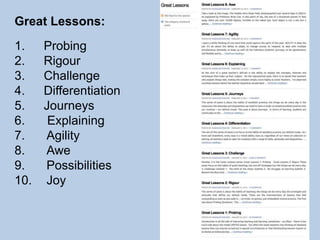
Great Lessons:
1. Probing
2. Rigour
3. Challenge
4. Differentiation
5. Journeys
6. Explaining
7. Agility
8. Awe
9. Possibilities
10. Joy
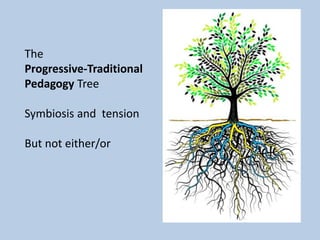
The
Progressive-Traditional
Pedagogy Tree
Symbiosis and tension
But not either/or
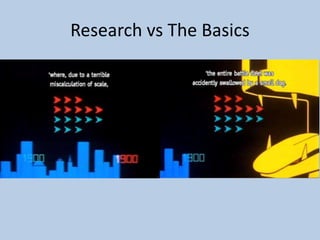
Research vs The Basics
Culture + Systems
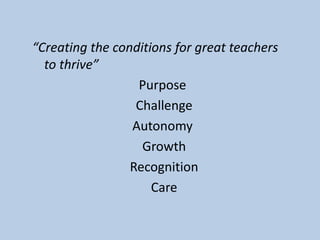
“Creating the conditions for great teachers
to thrive”
Purpose
Challenge
Autonomy
Growth
Recognition
Care
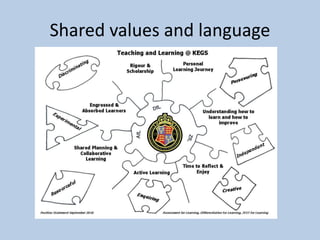
Shared values and language
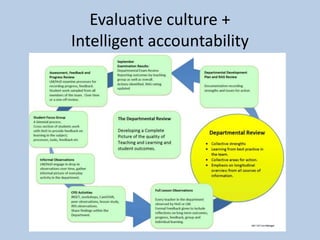
Evaluative culture +
Intelligent accountability
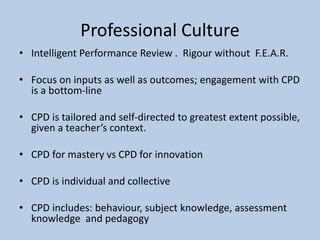
Professional Culture
• Intelligent Performance Review . Rigour without F.E.A.R.
• Focus on inputs as well as outcomes; engagement with CPD
is a bottom-line
• CPD is tailored and self-directed to greatest extent possible,
given a teacher’s context.
• CPD for mastery vs CPD for innovation
• CPD is individual and collective
• CPD includes: behaviour, subject knowledge, assessment
knowledge and pedagogy
A Research-Engaged Learning
Community #1
Engaging WITH research
• Reading Research
- blogs, books, journals, examiners’ reports
• Sharing the Learning from the Reading of
Research
- the pedagogy champions, the bloggers, the
myth-busters, the challengers
Research-Engaged Learning
Community #2
Engaging IN research
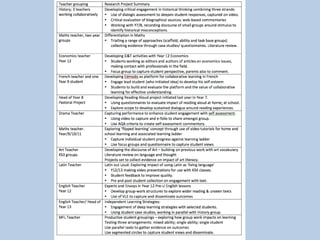
• Masters, CamSTAR
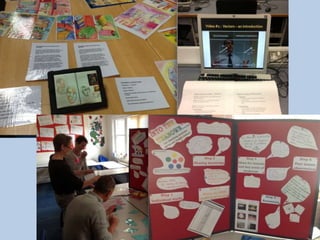
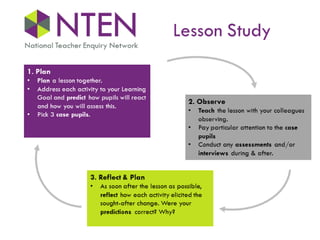
• KEGS T&L Workshops: 6 key sessions across the year
–Key Question
–Evidence Collection
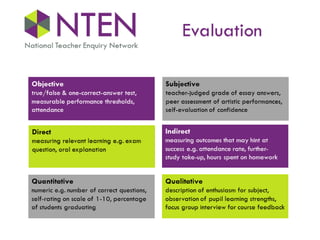
–Evaluation: qualitative; quantitative
–Conclusions
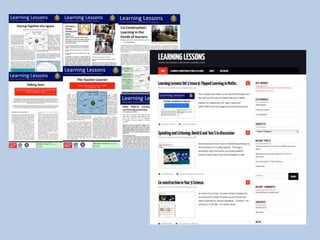
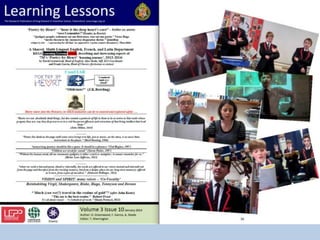
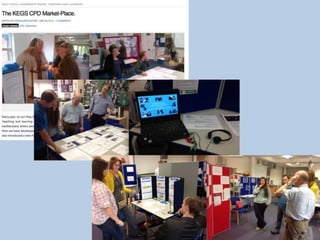
–Dissemination : The marketplace; Learning
Lessons
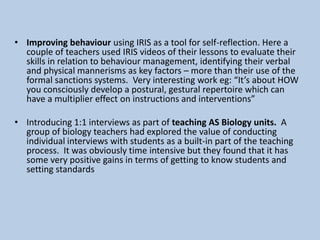
• Improving behaviour using IRIS as a tool for self-reflection. Here a
couple of teachers used IRIS videos of their lessons to evaluate their
skills in relation to behaviour management, identifying their verbal
and physical mannerisms as key factors – more than their use of the
formal sanctions systems. Very interesting work eg: “It’s about HOW
you consciously develop a postural, gestural repertoire which can
have a multiplier effect on instructions and interventions”
• Introducing 1:1 interviews as part of teaching AS Biology units. A
group of biology teachers had explored the value of conducting
individual interviews with students as a built-in part of the teaching
process. It was obviously time intensive but they found that it has
some very positive gains in terms of getting to know students and
setting standards
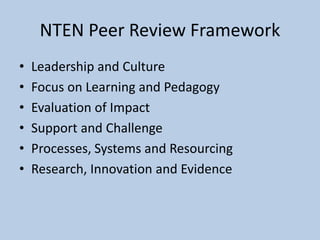
NTEN Peer Review Framework
• Leadership and Culture
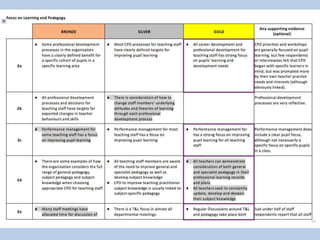
• Focus on Learning and Pedagogy
• Evaluation of Impact
• Support and Challenge
• Processes, Systems and Resourcing
• Research, Innovation and Evidence
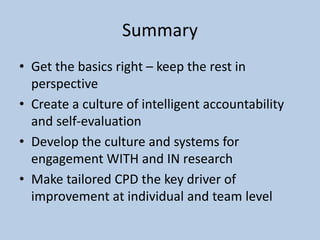
Summary
• Get the basics right – keep the rest in
perspective
• Create a culture of intelligent accountability
and self-evaluation
• Develop the culture and systems for
engagement WITH and IN research
• Make tailored CPD the key driver of
improvement at individual and team level

Northern rocks 2014 slides

  • 1.
    Northern Rocks 2014 Whatdo great teachers do? How do we help them do it? ‘A research-engaged learning community’ Tom Sherrington @headguruteacher
  • 2.
    What makes agreat teacher? • they are relentless in pursuit of excellence and their language with students is infused with this sense of urgency and drive: • there is no argument about expected standards of behaviour. They achieve this in different ways – sometimes through the gravitas of maturity and experience; sometimes through amazing warm, interpersonal interactions with every child • they have the ability to explain complex concepts in ways that make sense; they ask good questions and give really good feedback; however it is done, students feel that they are learning; they know where they stand and feel confident about the process
  • 3.
    Great Lessons: 1. Probing 2.Rigour 3. Challenge 4. Differentiation 5. Journeys 6. Explaining 7. Agility 8. Awe 9. Possibilities 10. Joy
  • 4.
  • 5.
  • 6.
  • 7.
    “Creating the conditionsfor great teachers to thrive” Purpose Challenge Autonomy Growth Recognition Care
  • 8.
  • 9.
  • 10.
    Professional Culture • IntelligentPerformance Review . Rigour without F.E.A.R. • Focus on inputs as well as outcomes; engagement with CPD is a bottom-line • CPD is tailored and self-directed to greatest extent possible, given a teacher’s context. • CPD for mastery vs CPD for innovation • CPD is individual and collective • CPD includes: behaviour, subject knowledge, assessment knowledge and pedagogy
  • 12.
    A Research-Engaged Learning Community#1 Engaging WITH research • Reading Research - blogs, books, journals, examiners’ reports • Sharing the Learning from the Reading of Research - the pedagogy champions, the bloggers, the myth-busters, the challengers
  • 14.
    Research-Engaged Learning Community #2 EngagingIN research • Masters, CamSTAR • KEGS T&L Workshops: 6 key sessions across the year –Key Question –Evidence Collection –Evaluation: qualitative; quantitative –Conclusions –Dissemination : The marketplace; Learning Lessons
  • 20.
    • Improving behaviourusing IRIS as a tool for self-reflection. Here a couple of teachers used IRIS videos of their lessons to evaluate their skills in relation to behaviour management, identifying their verbal and physical mannerisms as key factors – more than their use of the formal sanctions systems. Very interesting work eg: “It’s about HOW you consciously develop a postural, gestural repertoire which can have a multiplier effect on instructions and interventions” • Introducing 1:1 interviews as part of teaching AS Biology units. A group of biology teachers had explored the value of conducting individual interviews with students as a built-in part of the teaching process. It was obviously time intensive but they found that it has some very positive gains in terms of getting to know students and setting standards
  • 26.
    NTEN Peer ReviewFramework • Leadership and Culture • Focus on Learning and Pedagogy • Evaluation of Impact • Support and Challenge • Processes, Systems and Resourcing • Research, Innovation and Evidence
  • 28.
    Summary • Get thebasics right – keep the rest in perspective • Create a culture of intelligent accountability and self-evaluation • Develop the culture and systems for engagement WITH and IN research • Make tailored CPD the key driver of improvement at individual and team level