Neuromuscular Coordination
REPRESENTED
BY:
ZAINAB NASIR
AYESHA NASEEM
1ST YEAR DPT
COP, JPMC
DEFINITION:
 Neuromuscular Coordiantion is the
coordination between nerves and muscles.
 It is also known as “Motor Control”.
 Neuromuscular coordination relates to the
ability of nervous system to efficiently
recruit a muscle or group of muscles in
order to perform a specific task
Neuromuscular Coordination
Works On Two Levels
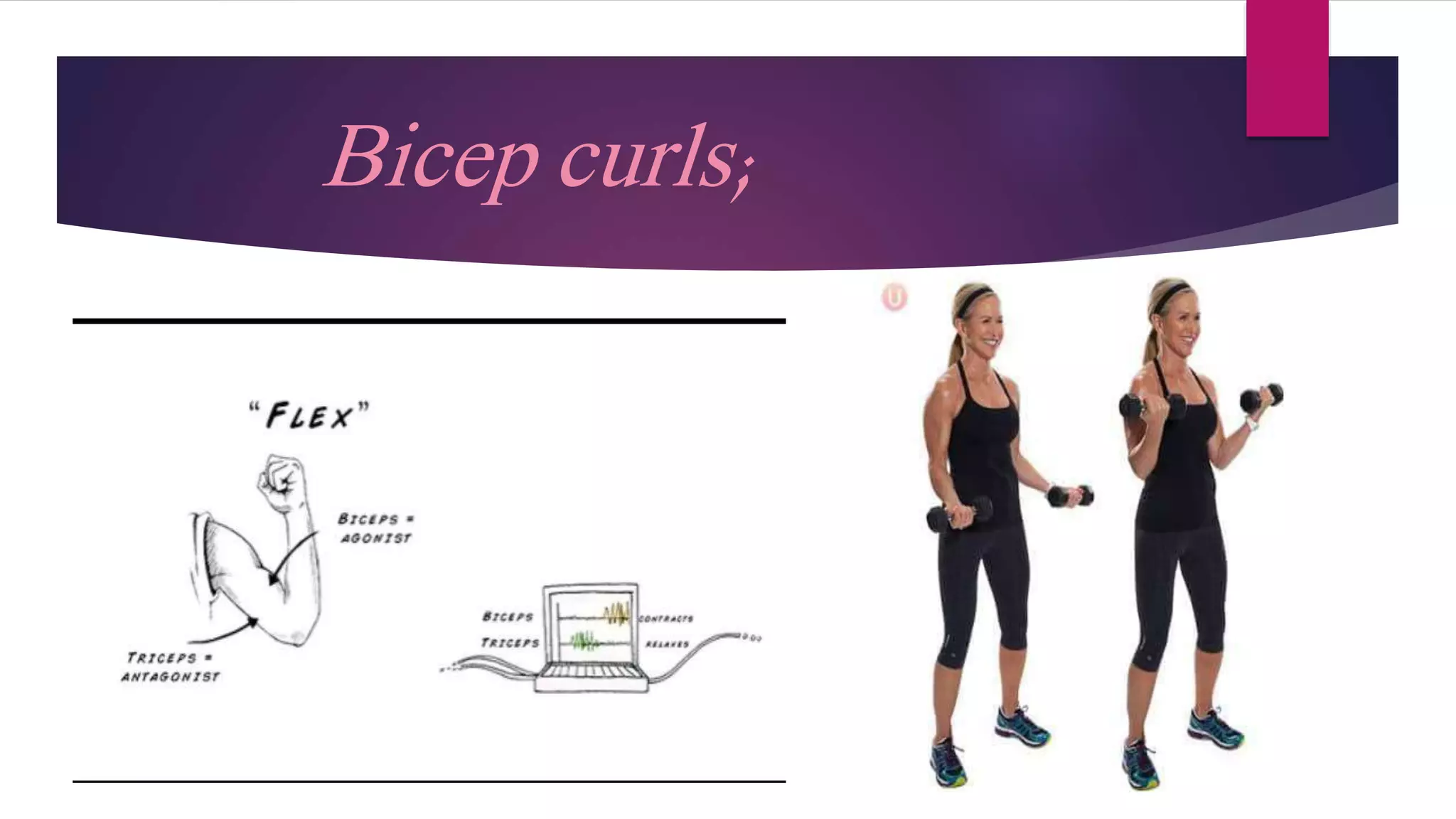
Intermuscular
Coordination
Intramuscular
Coordination
Relates to the interaction between
muscles group(Agonist,
Antagonist,fixators and
neutralizers) while performing a
specific task or activity.
The greater the level of
coordination between different
muscles groups the better.
INTERMUSCULAR COORDINATION
Bicep curls;
INTRAMUSCULAR COORDINATION
 Is the activation of individual neuromuscular
units within a singe muscle fibre.
 The activation of muscle fibre is dependent on
:
1. Rate Coding( “Firing rate” of action potential)
2. Recuitment of neuro muscular motor units
3. Synchronization of motor units
• RATECODING
It is the firing rate of neurouscular
control units which in return
increases the strength of muscle
contraction.
When action
Muscle AP (cont.)
• Spread of the AP via Transverse Tubules
Fig. 7.5 Transverse (T) tubule-
sarcoplamic reticulum system
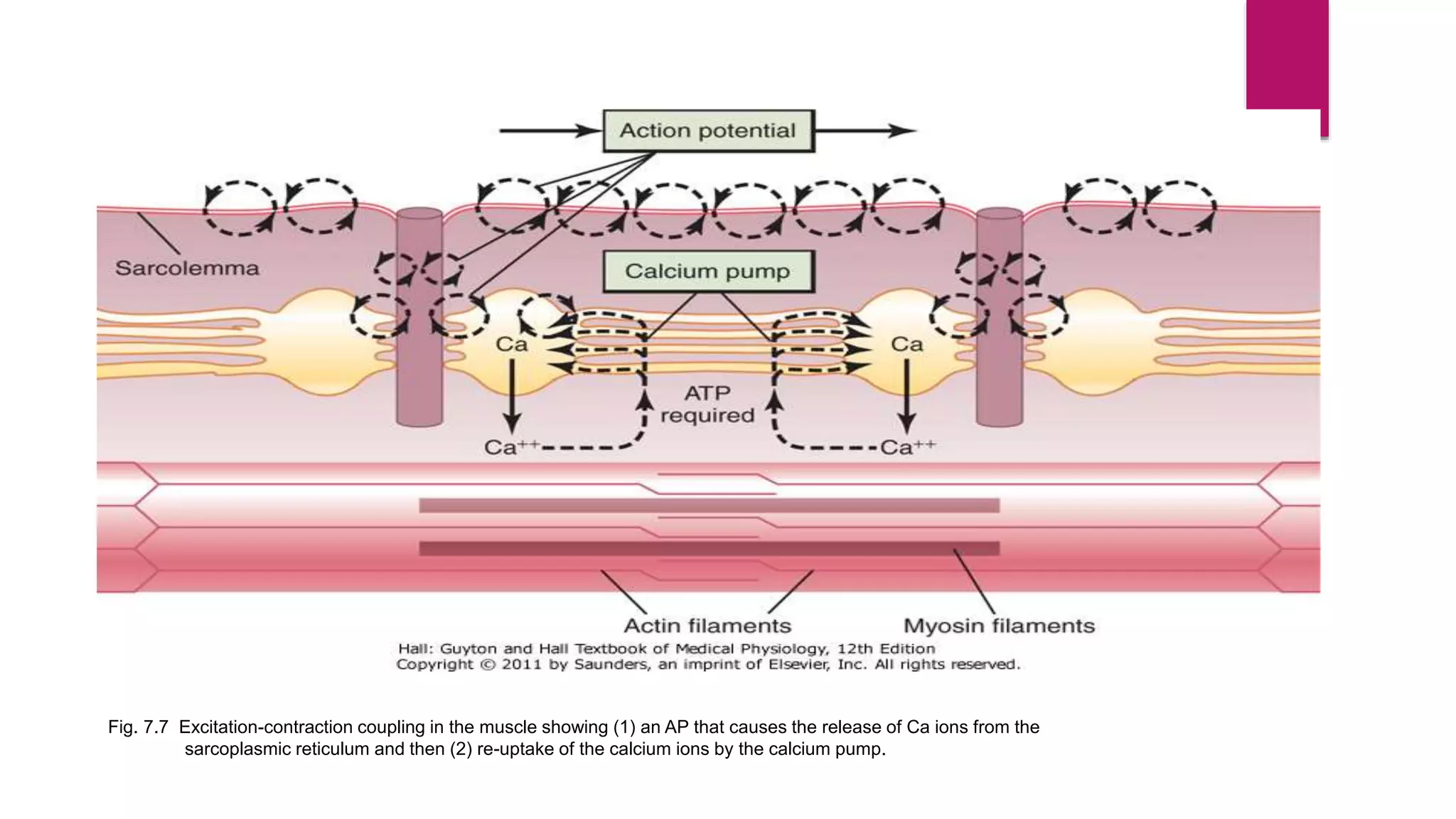
Fig. 7.7 Excitation-contraction coupling in the muscle showing (1) an AP that causes the release of Ca ions from the
sarcoplasmic reticulum and then (2) re-uptake of the calcium ions by the calcium pump.
• RECRUITMENT OF
NEUROMUSCULAR MOTOR
UNITS
 By working against
resistance,muscles can recruit
mOre motor units to overcome
resistance.
 It could be increased by :
1. Maximum load training
OR
1. Plyometric training
CONT….
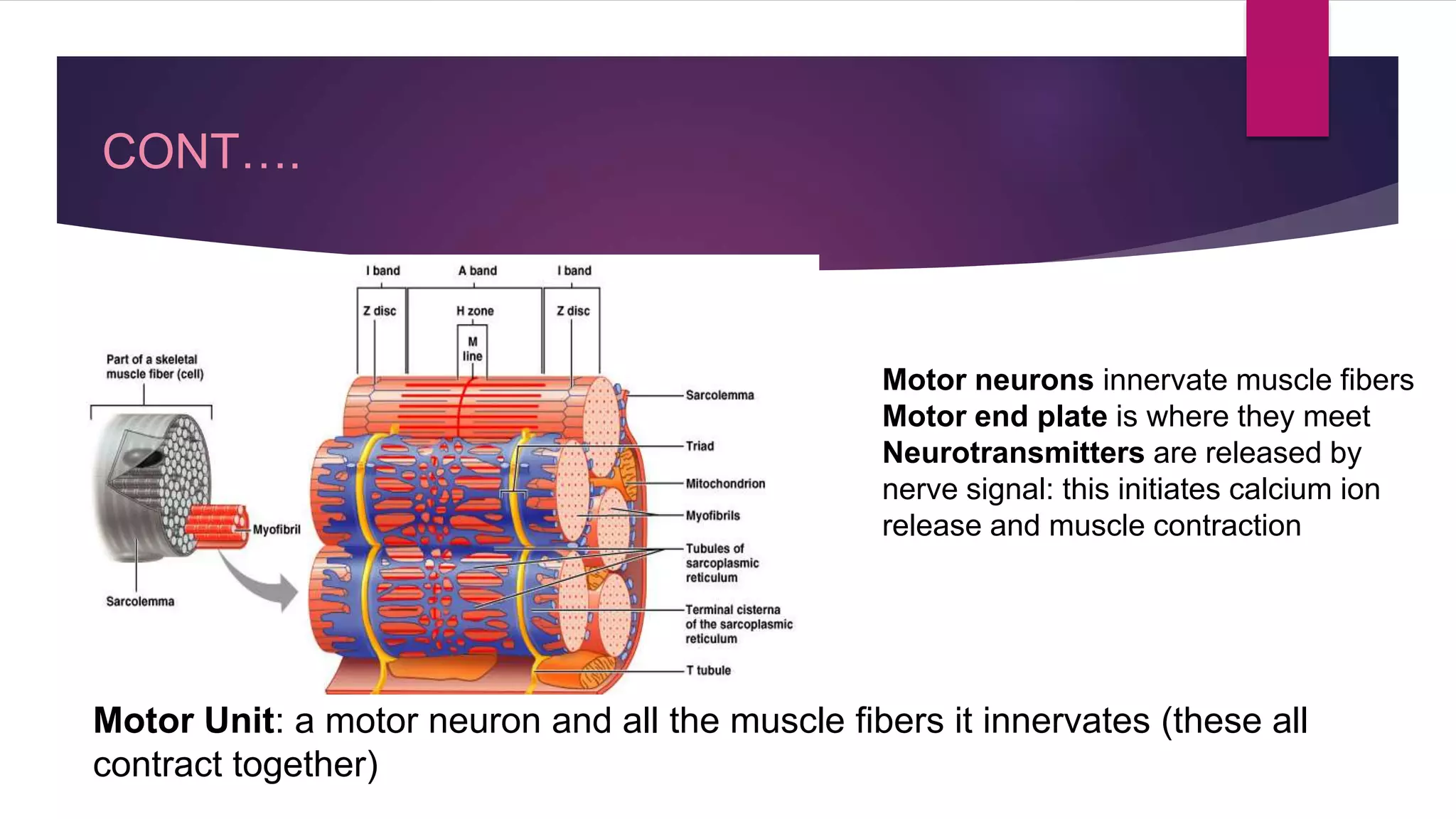
Motor neurons innervate muscle fibers
Motor end plate is where they meet
Neurotransmitters are released by
nerve signal: this initiates calcium ion
release and muscle contraction
Motor Unit: a motor neuron and all the muscle fibers it innervates (these all
contract together)
• PLYOMETRIC TRAINING
Excercises in which muscles
exert maximum force in
short interval of time.
Its goal is to increase
muscle power.
• SYNCHRONIZATIONOFMOTORUNITS
The process refers to the summation of motor
unit while performing an activity.The degree of
summation of motor unit is influenced by
when more and more units being stimulated.
It can be enhance during ;
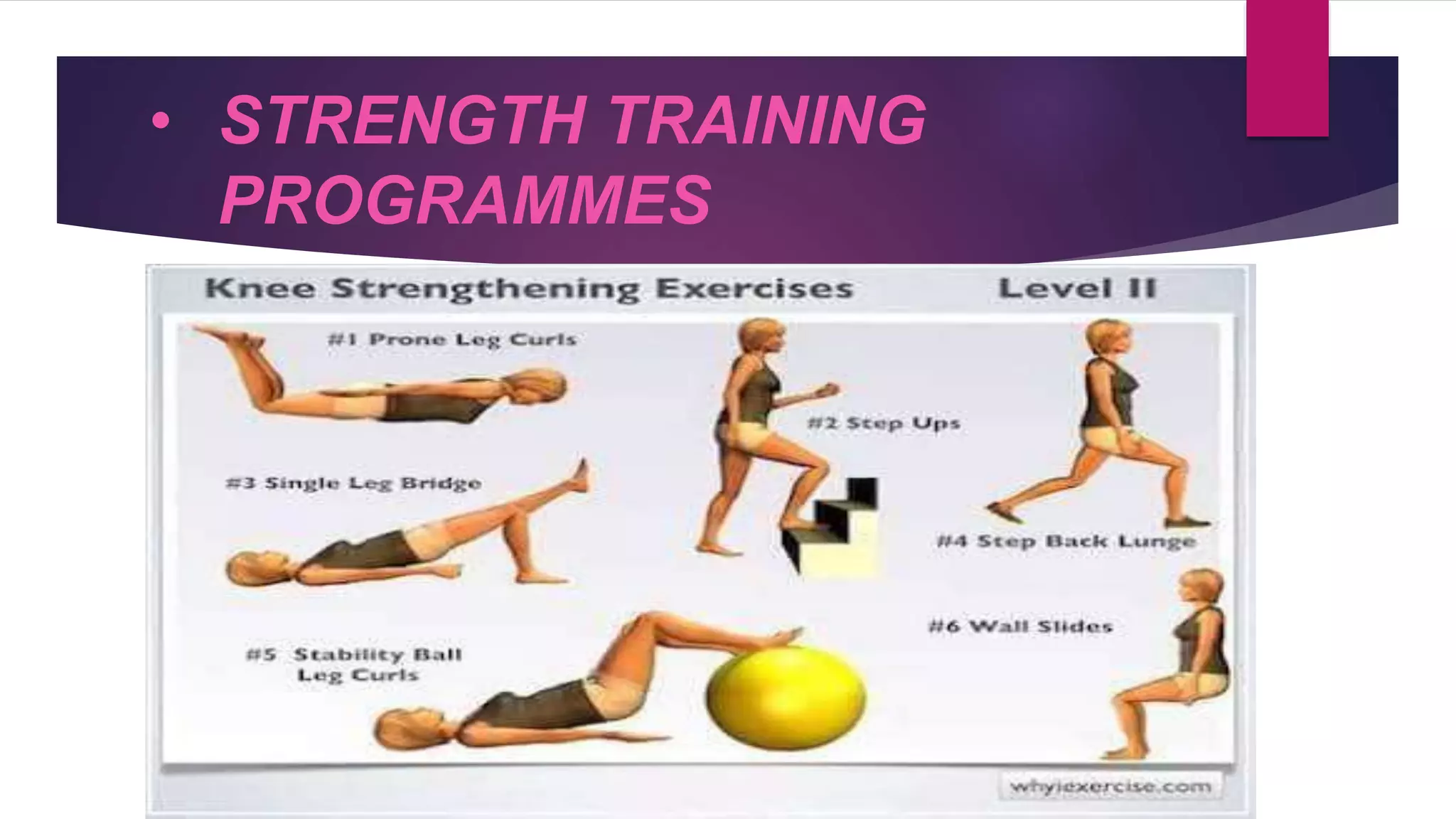
1. Strenght training programmes
• STRENGTH TRAINING
PROGRAMMES
MECHANISM OF
NEUROMUSCUAR
COORDINATION
Mechanism of neuromuscuar
coordination comprises on 4
leves;
1. The cerebelum cortex
2. The motor pathway
3. The cerebellum
4. Kinaesthetic sensation
Motor Unit: a motor neuron and all the muscle fibers it innervates (these all
contract together)
MECHANISM OF
NEUROMUSCULAR CO-
ORDINATION
1. THE CEREBRAL CORTEX :
Voluntary movement is initiated in response to sensory
stimulus.An initiation centre exist in the brainstem
which alert the cerebral cortex which then is
responsible for planning the pattern of movement.
2.THE MOTOR PATHWAY :
The action of each muscle group is determined by the
afferent impulses which reach it by the motor pathways.
Cont..
3.THE CEREBELLUM :
The cerebellum is a receiving station of information which
reaches it by the afferent pathways conveying impulses of
kinesthetic sensation from the periphery and from other parts
of the brain.
4.KINAESTHETIC SENSATION :
The afferent impulses of kinaesthetic sensation arise from
proprioceptors situated in muscles tendons and joints and
they record contraction or stretching of muscles and the
knowledge of movement and positions of limb
EXERCISES RELATED TO
NEUROMAUSCULAR
COORDINATION
Exercises that improve the brain
body connection with coordinated
movement :
1. SHOOTING BASKETBALL
2. WALKING BACKWARD
3. SIDE-STEPPING
4. KARATE KICK ON ONE LEG
WALKING BACKWARD
SIDE STEPPING
KARATE KICKS ON ONE LEG
Would you like to ask,
“Have a bright future ahead .. (so
be it)

Neuromuscular coordinatioN ,

  • 1.
  • 2.
    DEFINITION:  Neuromuscular Coordiantionis the coordination between nerves and muscles.  It is also known as “Motor Control”.  Neuromuscular coordination relates to the ability of nervous system to efficiently recruit a muscle or group of muscles in order to perform a specific task
  • 3.
    Neuromuscular Coordination Works OnTwo Levels Intermuscular Coordination Intramuscular Coordination
  • 4.
    Relates to theinteraction between muscles group(Agonist, Antagonist,fixators and neutralizers) while performing a specific task or activity. The greater the level of coordination between different muscles groups the better. INTERMUSCULAR COORDINATION
  • 5.
  • 6.
    INTRAMUSCULAR COORDINATION  Isthe activation of individual neuromuscular units within a singe muscle fibre.  The activation of muscle fibre is dependent on : 1. Rate Coding( “Firing rate” of action potential) 2. Recuitment of neuro muscular motor units 3. Synchronization of motor units
  • 7.
    • RATECODING It isthe firing rate of neurouscular control units which in return increases the strength of muscle contraction. When action
  • 8.
    Muscle AP (cont.) •Spread of the AP via Transverse Tubules Fig. 7.5 Transverse (T) tubule- sarcoplamic reticulum system
  • 9.
    Fig. 7.7 Excitation-contractioncoupling in the muscle showing (1) an AP that causes the release of Ca ions from the sarcoplasmic reticulum and then (2) re-uptake of the calcium ions by the calcium pump.
  • 10.
    • RECRUITMENT OF NEUROMUSCULARMOTOR UNITS  By working against resistance,muscles can recruit mOre motor units to overcome resistance.  It could be increased by : 1. Maximum load training OR 1. Plyometric training
  • 11.
    CONT…. Motor neurons innervatemuscle fibers Motor end plate is where they meet Neurotransmitters are released by nerve signal: this initiates calcium ion release and muscle contraction Motor Unit: a motor neuron and all the muscle fibers it innervates (these all contract together)
  • 12.
    • PLYOMETRIC TRAINING Excercisesin which muscles exert maximum force in short interval of time. Its goal is to increase muscle power.
  • 13.
    • SYNCHRONIZATIONOFMOTORUNITS The processrefers to the summation of motor unit while performing an activity.The degree of summation of motor unit is influenced by when more and more units being stimulated. It can be enhance during ; 1. Strenght training programmes
  • 15.
  • 16.
    MECHANISM OF NEUROMUSCUAR COORDINATION Mechanism ofneuromuscuar coordination comprises on 4 leves; 1. The cerebelum cortex 2. The motor pathway 3. The cerebellum 4. Kinaesthetic sensation Motor Unit: a motor neuron and all the muscle fibers it innervates (these all contract together)
  • 17.
    MECHANISM OF NEUROMUSCULAR CO- ORDINATION 1.THE CEREBRAL CORTEX : Voluntary movement is initiated in response to sensory stimulus.An initiation centre exist in the brainstem which alert the cerebral cortex which then is responsible for planning the pattern of movement. 2.THE MOTOR PATHWAY : The action of each muscle group is determined by the afferent impulses which reach it by the motor pathways.
  • 18.
    Cont.. 3.THE CEREBELLUM : Thecerebellum is a receiving station of information which reaches it by the afferent pathways conveying impulses of kinesthetic sensation from the periphery and from other parts of the brain. 4.KINAESTHETIC SENSATION : The afferent impulses of kinaesthetic sensation arise from proprioceptors situated in muscles tendons and joints and they record contraction or stretching of muscles and the knowledge of movement and positions of limb
  • 19.
    EXERCISES RELATED TO NEUROMAUSCULAR COORDINATION Exercisesthat improve the brain body connection with coordinated movement : 1. SHOOTING BASKETBALL 2. WALKING BACKWARD 3. SIDE-STEPPING 4. KARATE KICK ON ONE LEG
  • 20.
  • 21.
  • 22.
  • 23.
  • 24.
    “Have a brightfuture ahead .. (so be it)