
Nelson Literacy Pilot Day 4 May 2009
Welcome
Inclusion Turn to a partner and discuss: “ When you were a child, what did you want to be when you grew up?”
 
Inclusion Turn to a partner and discuss: “ When you were a child, what did your parent(s) want to be when you grew up?”
Objectives Reflect and share on experiences during the ‘Send a Message & Reality Check’ units (including timelines). Review components. Reading / Writing connections. Grouping students. Planning the next unit. Next year.
Norms Begin and end on time Listen to each other with respect and trust Be open to and be willing to share new ideas Invest in your own learning and the learning of others Honour the professionalism of your colleagues
Before we go forward: Reflect back on the previous unit experiences.
Share responses brought. How did students do? How did you assess their progress? Observations (formative or evaluative) Culminating Task  Report cards?
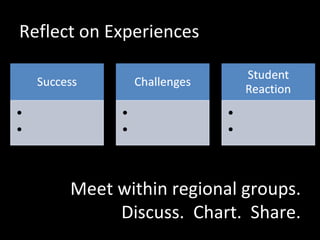
Reflect on Experiences Meet within regional groups. Discuss.  Chart.  Share.
Consensus Timeline: Use the most recent unit to chart the major events. Refer to how much time each component took in each of the previous units. Chart a consensus of the time required for each element. (40 minute block, etc.)
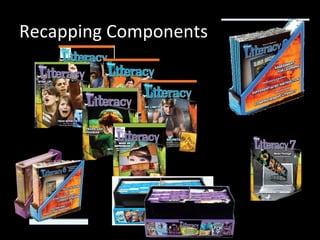
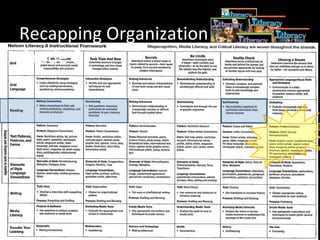
Recapping Components
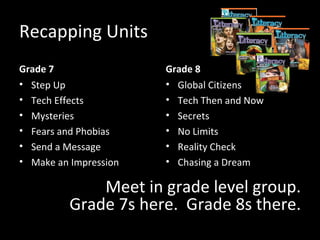
Recapping Units Grade 7 Step Up Tech Effects Mysteries Fears and Phobias Send a Message Make an Impression Grade 8 Global Citizens Tech Then and Now Secrets No Limits Reality Check Chasing a Dream Meet in grade level group. Grade 7s here.  Grade 8s there.
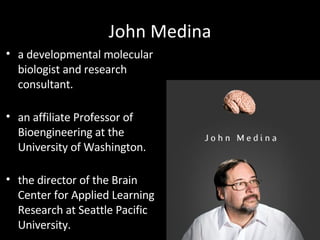
John Medina a developmental molecular biologist and research consultant.  an affiliate Professor of Bioengineering at the University of Washington.  the director of the Brain Center for Applied Learning Research at Seattle Pacific University.
Why do we need to keep a strategy focus?  Memory: Rule 5 & 6 What does this mean for our classrooms? What does this mean for cross-curriculum integration with literacy (oral, reading, writing, media)?
Repeat to Remember Classroom Example… What does this mean for our classrooms? What does this mean for cross-curriculum integration with literacy (oral, reading, writing, media)?
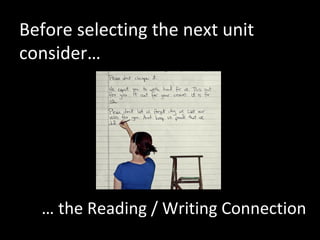
Before selecting the next unit consider… …  the Reading / Writing Connection
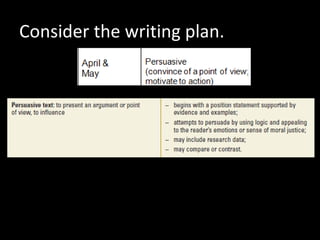
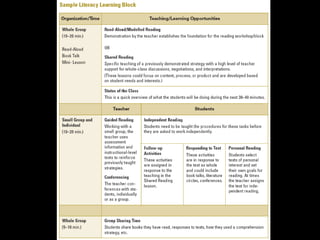
Consider the writing plan.
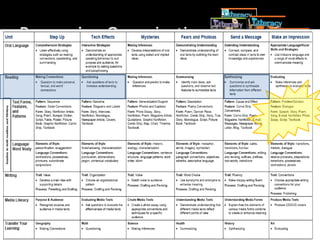
Recapping Organization Grade 7
Recapping Organization Grade 8
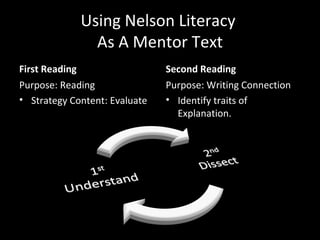
Using Nelson Literacy  As A Mentor Text First Reading Purpose: Reading Strategy Content: Evaluate Second Reading Purpose: Writing Connection Identify traits of Explanation.
Divide your group to look at different resources  (i.e., Transparencies, Student Book, etc.). Open to Unit.  Look for Persuasive Writing Connections.
Building a Foundation Schema Clip How do mentor texts help students build schema? How do connections to student issues build schema?
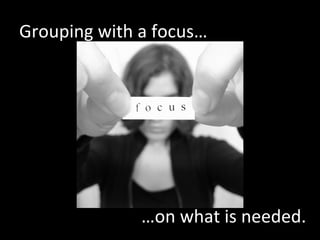
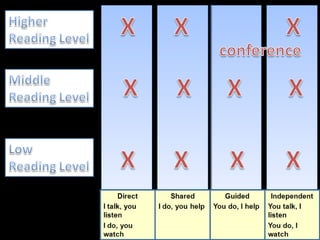
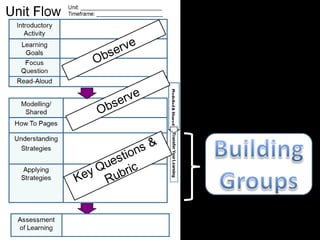
Grouping with a focus… … on what is needed.
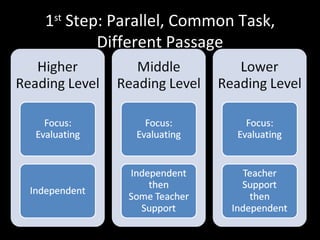
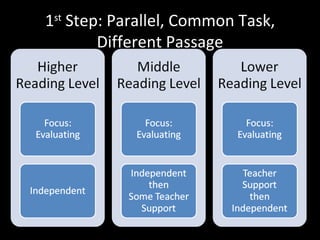
1 st  Step: Parallel, Common Task, Different Passage
 
1 st  Step: Parallel, Common Task, Different Passage
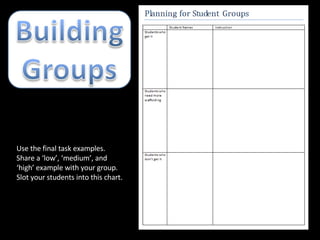
Use the final task examples. Share a ‘low’, ‘medium’, and ‘high’ example with your group. Slot your students into this chart.
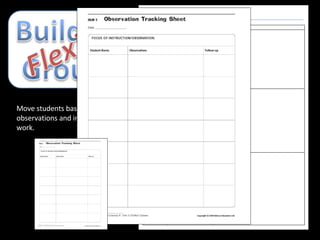
Move students based on observations and independent work.
 
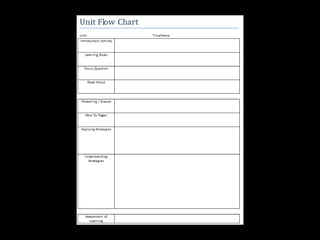
Planning: In grade level groups. Plan the next unit. Will present the group the plan.  Do the introduction activity with the group today.
 
 
Planning: In grade level groups. Plan the next unit. Will present the group the plan.  Do the introduction activity with the group today.
Presenting.
Next Steps: Online Site http://tinyurl.com/lkdsbnelsonlit http://intermediatenelsonlit.ning.com/?xgi=fcS5ZmQ
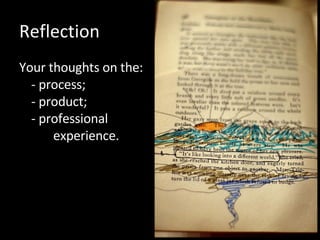
Reflection Your thoughts on the: - process; - product; - professional    experience.

Nelson Literacy Pilot Day 4

  • 1.
    Nelson Literacy PilotDay 4 May 2009
  • 2.
  • 3.
    Inclusion Turn toa partner and discuss: “ When you were a child, what did you want to be when you grew up?”
  • 4.
  • 5.
    Inclusion Turn toa partner and discuss: “ When you were a child, what did your parent(s) want to be when you grew up?”
  • 6.
    Objectives Reflect andshare on experiences during the ‘Send a Message & Reality Check’ units (including timelines). Review components. Reading / Writing connections. Grouping students. Planning the next unit. Next year.
  • 7.
    Norms Begin andend on time Listen to each other with respect and trust Be open to and be willing to share new ideas Invest in your own learning and the learning of others Honour the professionalism of your colleagues
  • 8.
    Before we goforward: Reflect back on the previous unit experiences.
  • 9.
    Share responses brought.How did students do? How did you assess their progress? Observations (formative or evaluative) Culminating Task Report cards?
  • 10.
    Reflect on ExperiencesMeet within regional groups. Discuss. Chart. Share.
  • 11.
    Consensus Timeline: Usethe most recent unit to chart the major events. Refer to how much time each component took in each of the previous units. Chart a consensus of the time required for each element. (40 minute block, etc.)
  • 12.
  • 13.
    Recapping Units Grade7 Step Up Tech Effects Mysteries Fears and Phobias Send a Message Make an Impression Grade 8 Global Citizens Tech Then and Now Secrets No Limits Reality Check Chasing a Dream Meet in grade level group. Grade 7s here. Grade 8s there.
  • 14.
    John Medina adevelopmental molecular biologist and research consultant. an affiliate Professor of Bioengineering at the University of Washington. the director of the Brain Center for Applied Learning Research at Seattle Pacific University.
  • 15.
    Why do weneed to keep a strategy focus? Memory: Rule 5 & 6 What does this mean for our classrooms? What does this mean for cross-curriculum integration with literacy (oral, reading, writing, media)?
  • 16.
    Repeat to RememberClassroom Example… What does this mean for our classrooms? What does this mean for cross-curriculum integration with literacy (oral, reading, writing, media)?
  • 17.
    Before selecting thenext unit consider… … the Reading / Writing Connection
  • 18.
  • 19.
  • 20.
  • 21.
    Using Nelson Literacy As A Mentor Text First Reading Purpose: Reading Strategy Content: Evaluate Second Reading Purpose: Writing Connection Identify traits of Explanation.
  • 22.
    Divide your groupto look at different resources (i.e., Transparencies, Student Book, etc.). Open to Unit. Look for Persuasive Writing Connections.
  • 23.
    Building a FoundationSchema Clip How do mentor texts help students build schema? How do connections to student issues build schema?
  • 24.
    Grouping with afocus… … on what is needed.
  • 25.
    1 st Step: Parallel, Common Task, Different Passage
  • 26.
  • 27.
    1 st Step: Parallel, Common Task, Different Passage
  • 28.
    Use the finaltask examples. Share a ‘low’, ‘medium’, and ‘high’ example with your group. Slot your students into this chart.
  • 29.
    Move students basedon observations and independent work.
  • 30.
  • 31.
    Planning: In gradelevel groups. Plan the next unit. Will present the group the plan. Do the introduction activity with the group today.
  • 32.
  • 33.
  • 34.
    Planning: In gradelevel groups. Plan the next unit. Will present the group the plan. Do the introduction activity with the group today.
  • 35.
  • 36.
    Next Steps: OnlineSite http://tinyurl.com/lkdsbnelsonlit http://intermediatenelsonlit.ning.com/?xgi=fcS5ZmQ
  • 37.
    Reflection Your thoughtson the: - process; - product; - professional experience.