Principles of learning,
practice, reinforcement
understanding,
retention.
Module 10
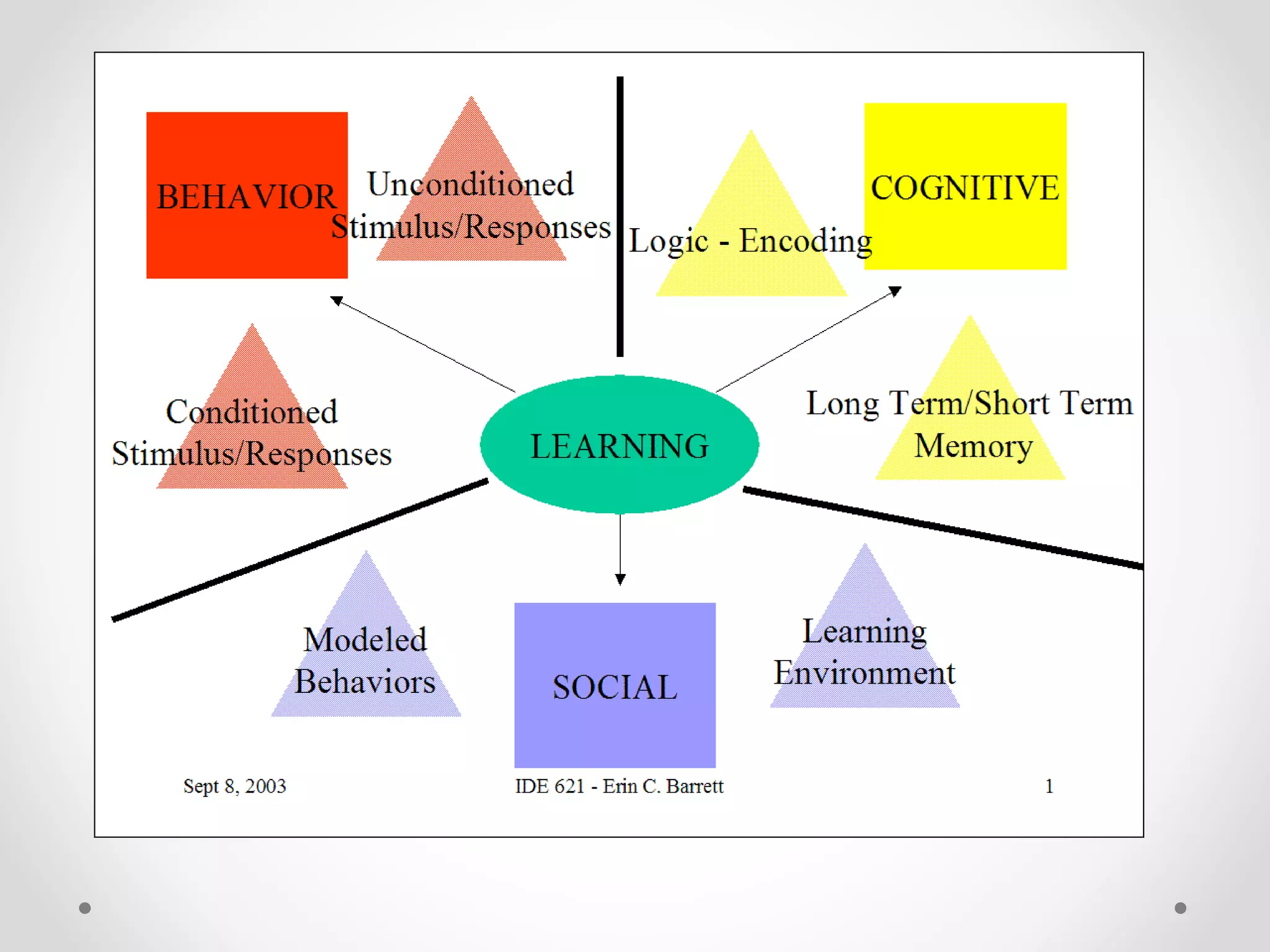
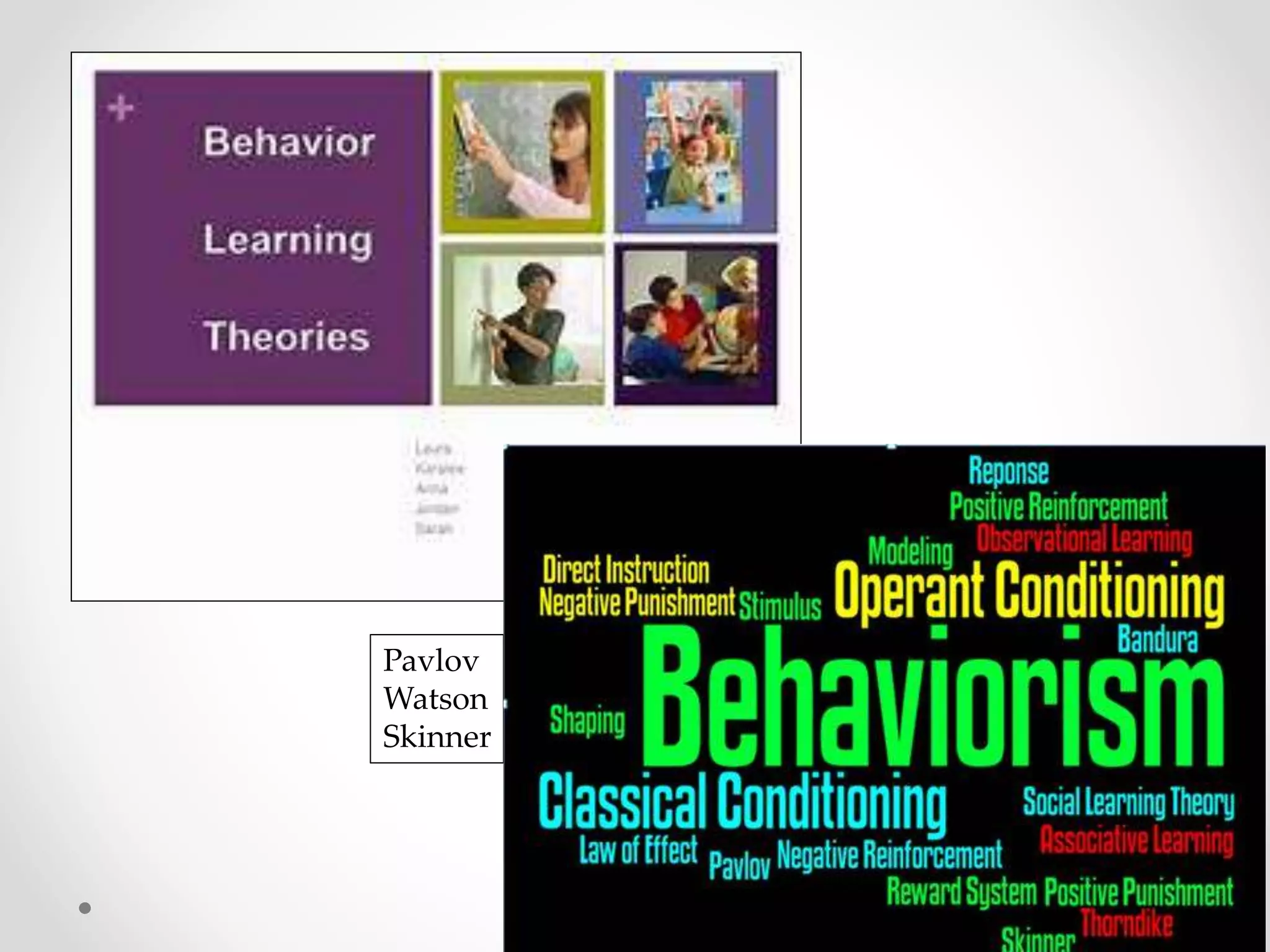
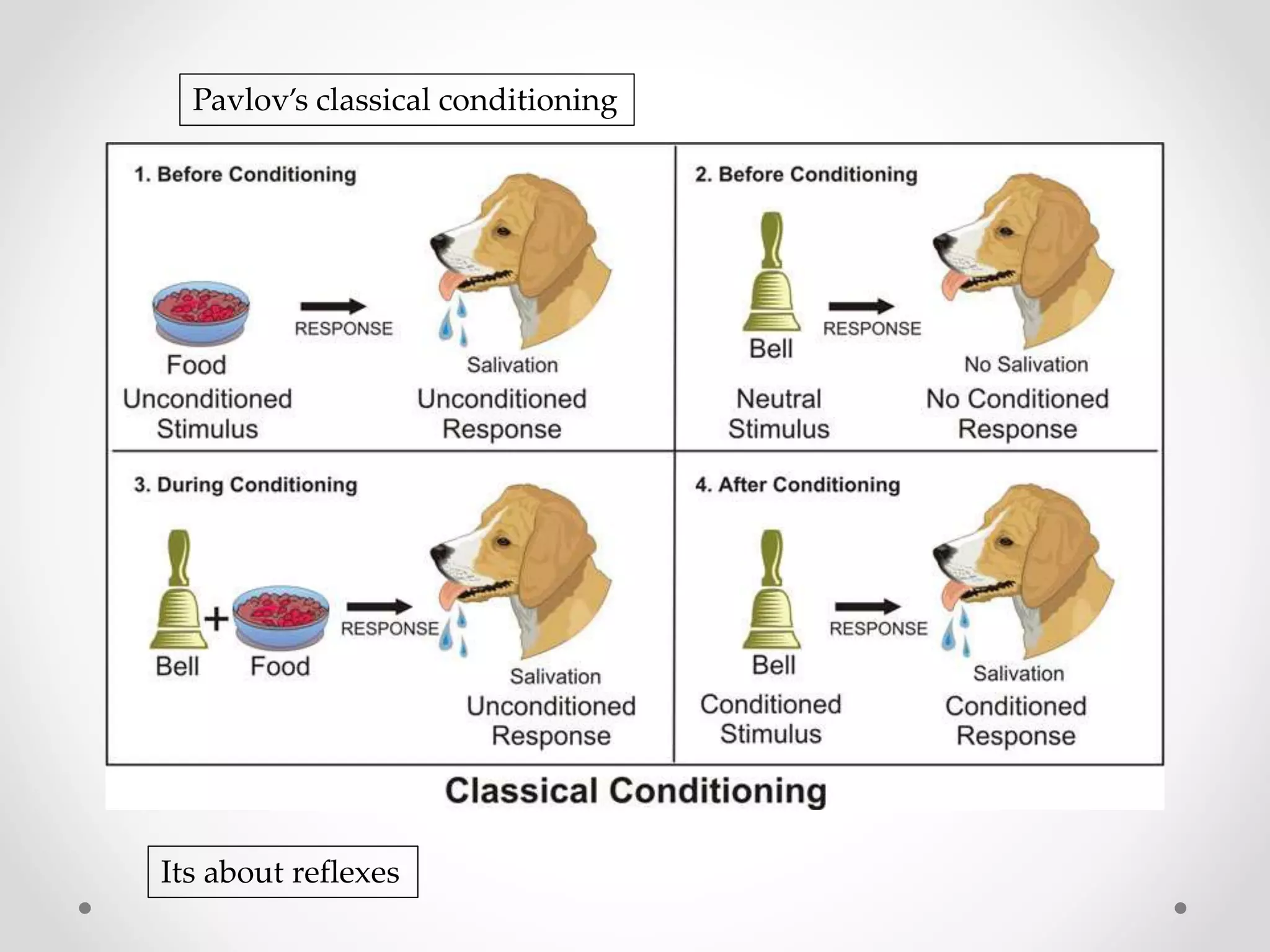
Pavlov
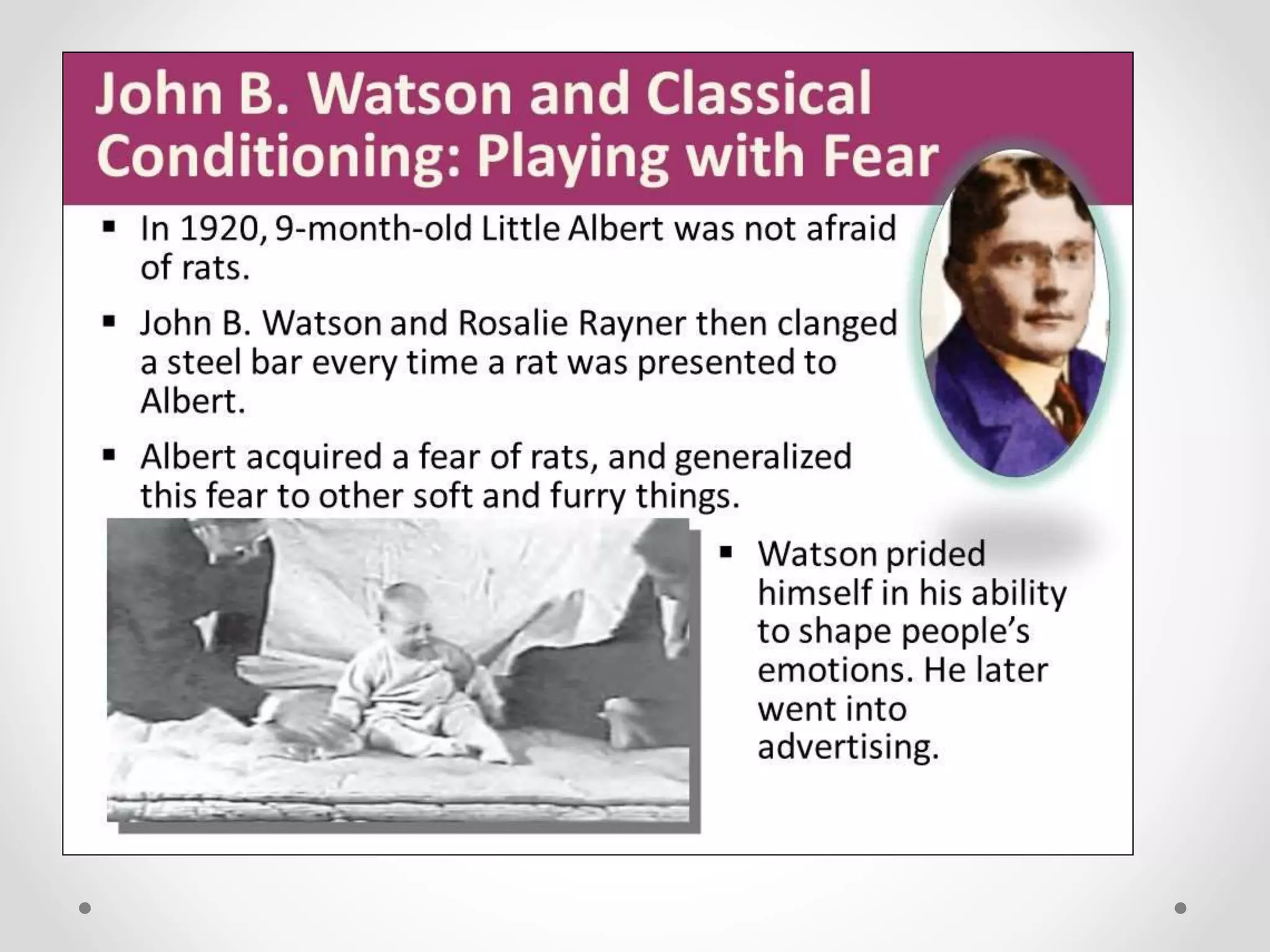
Watson
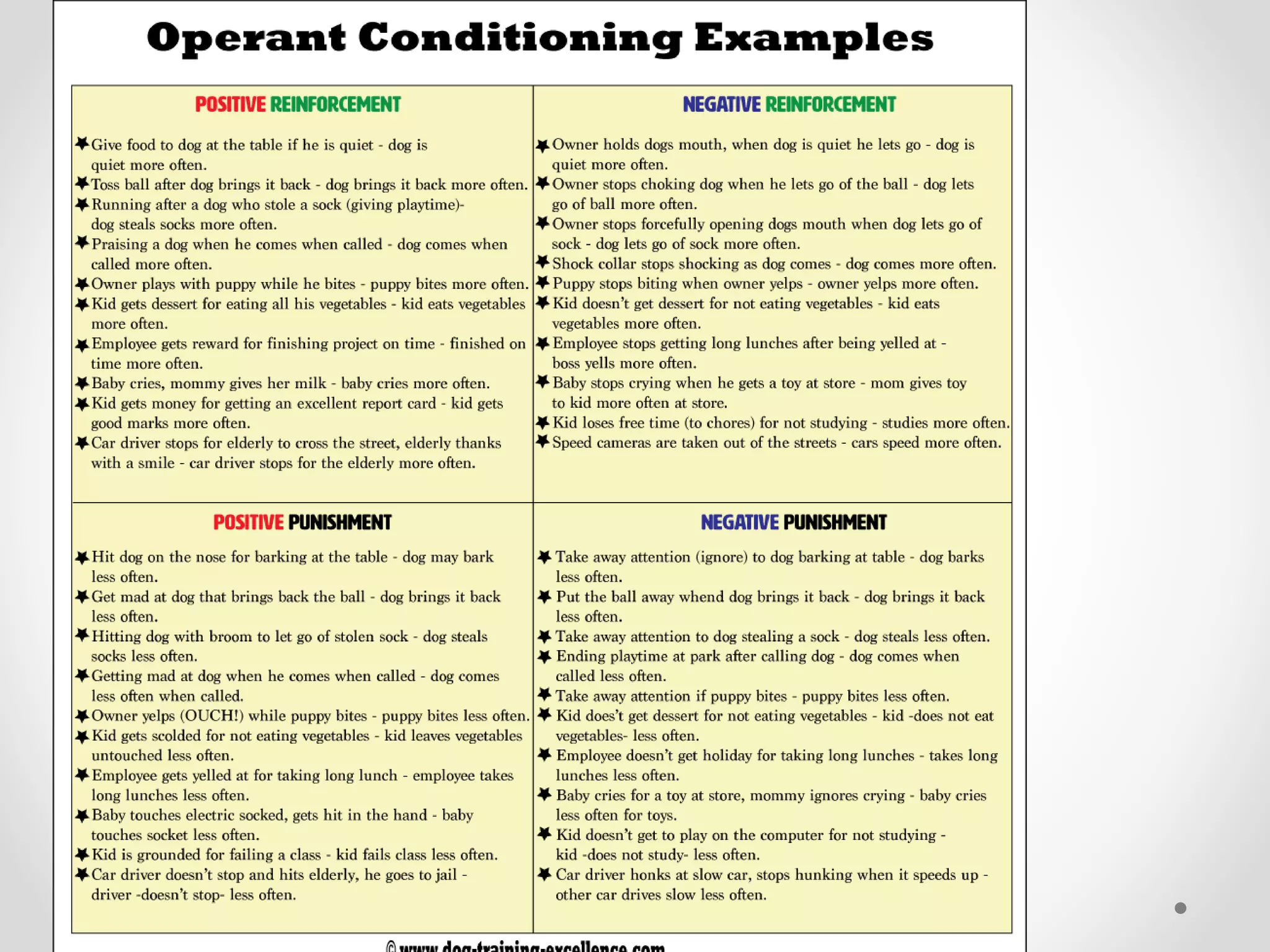
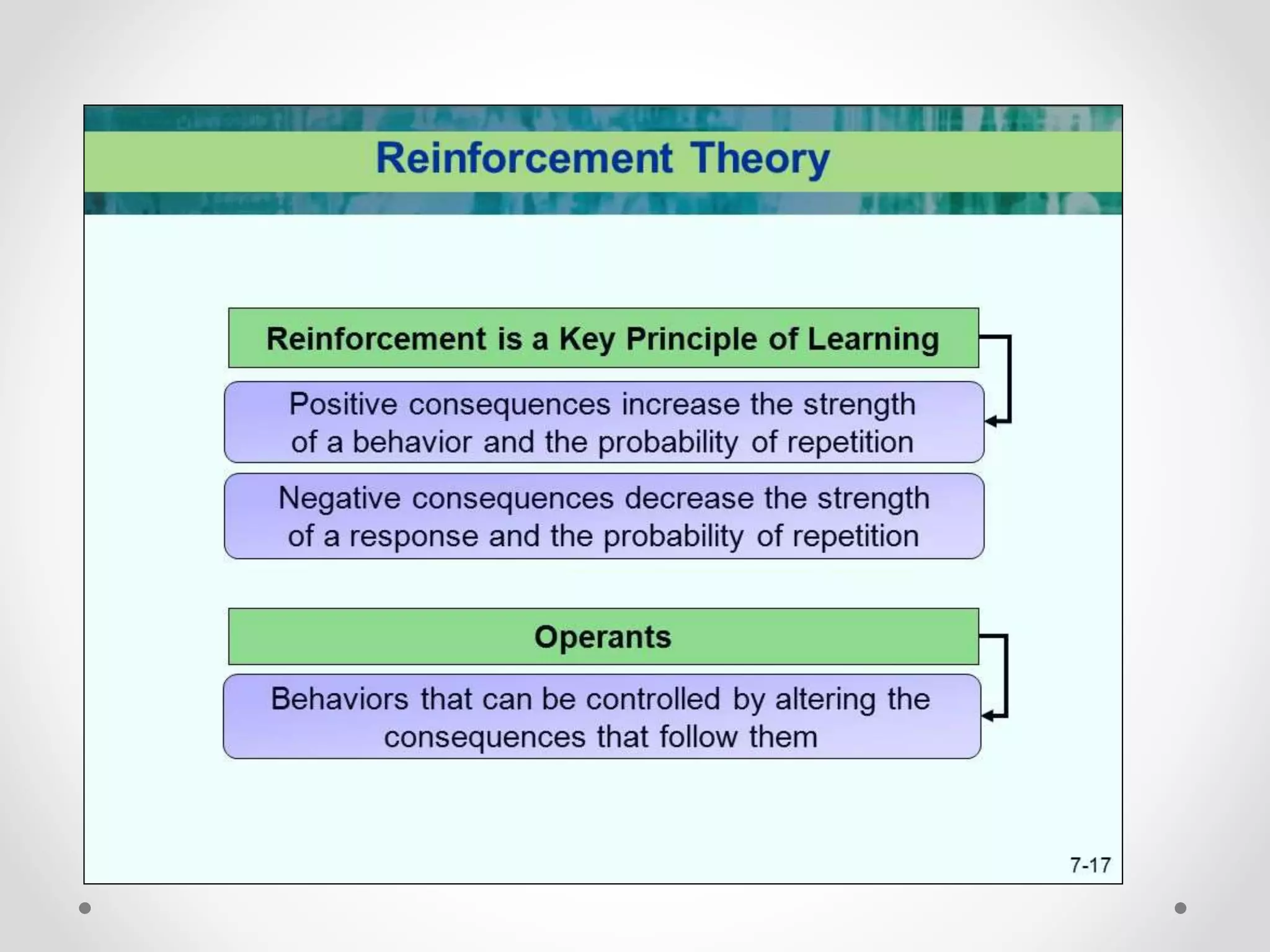
Skinner
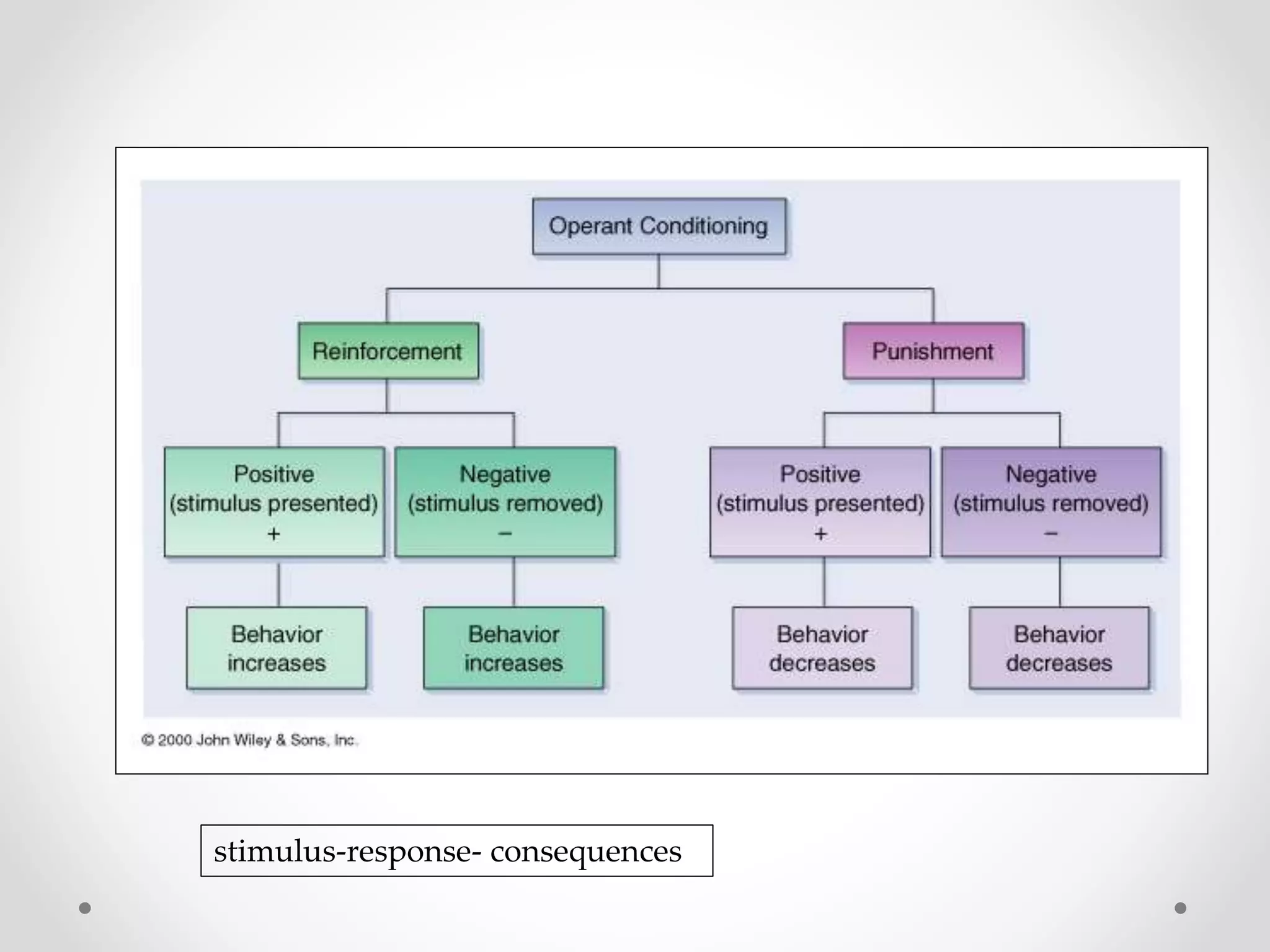
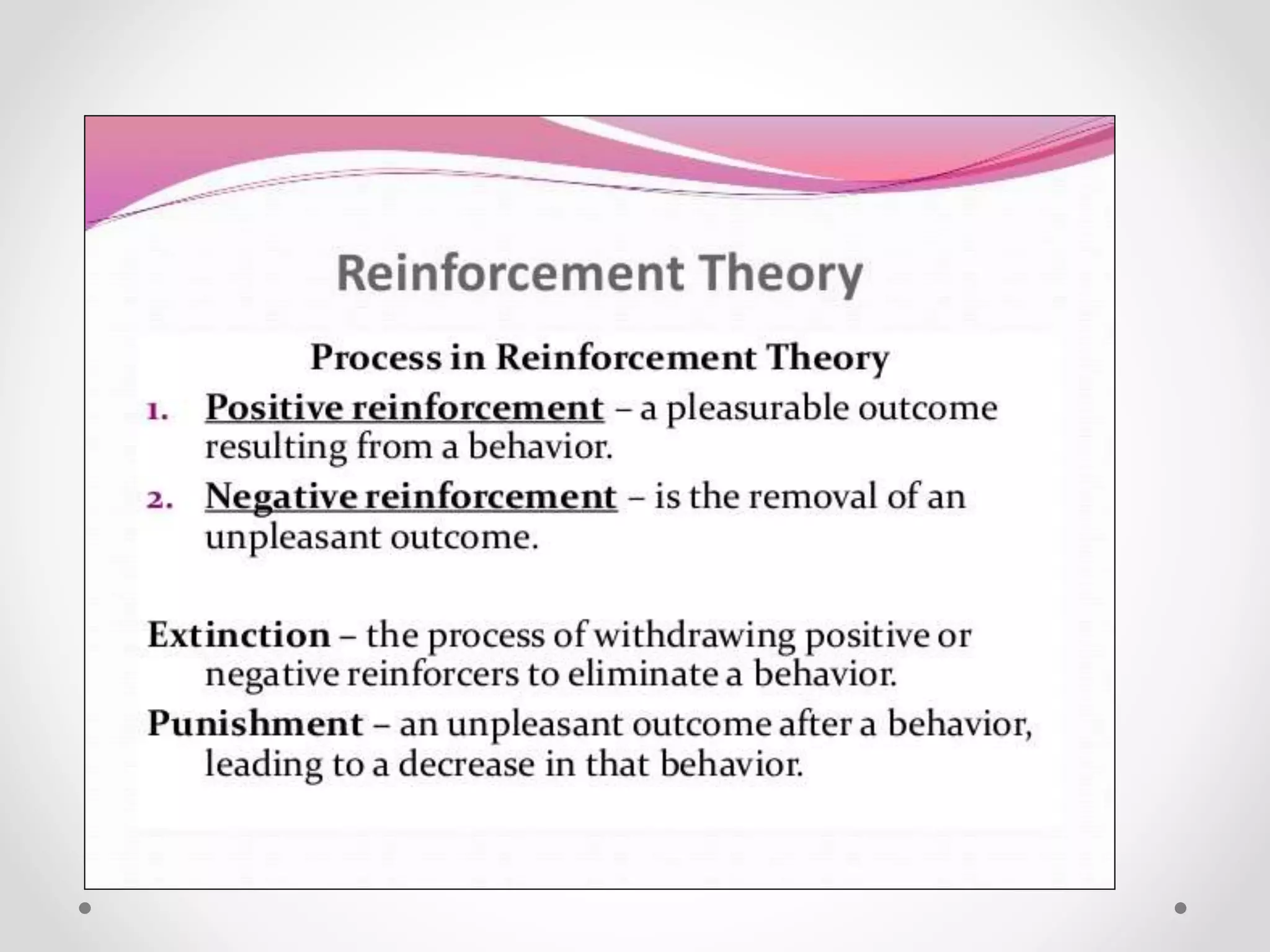
stimulus-response- consequences
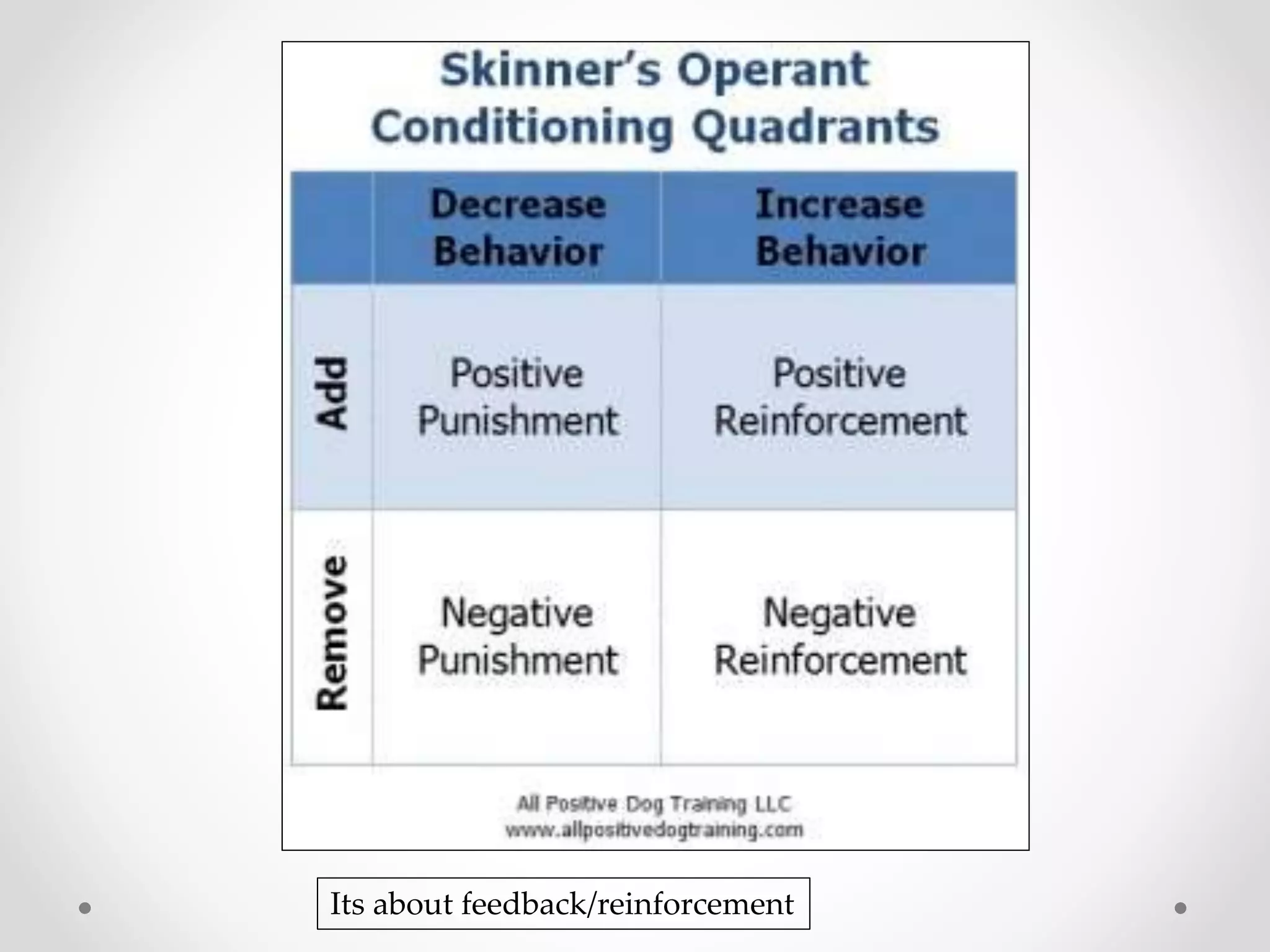
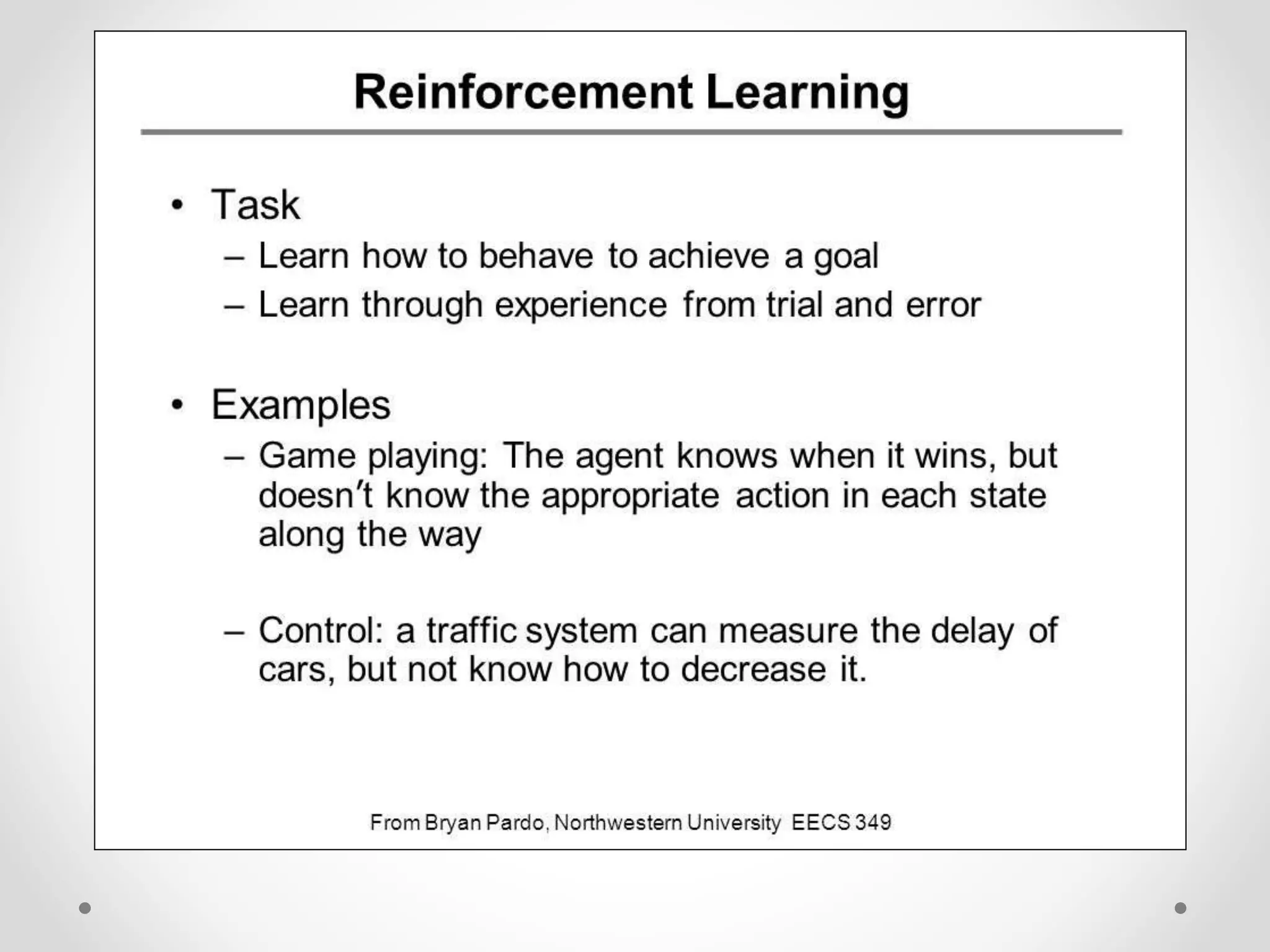
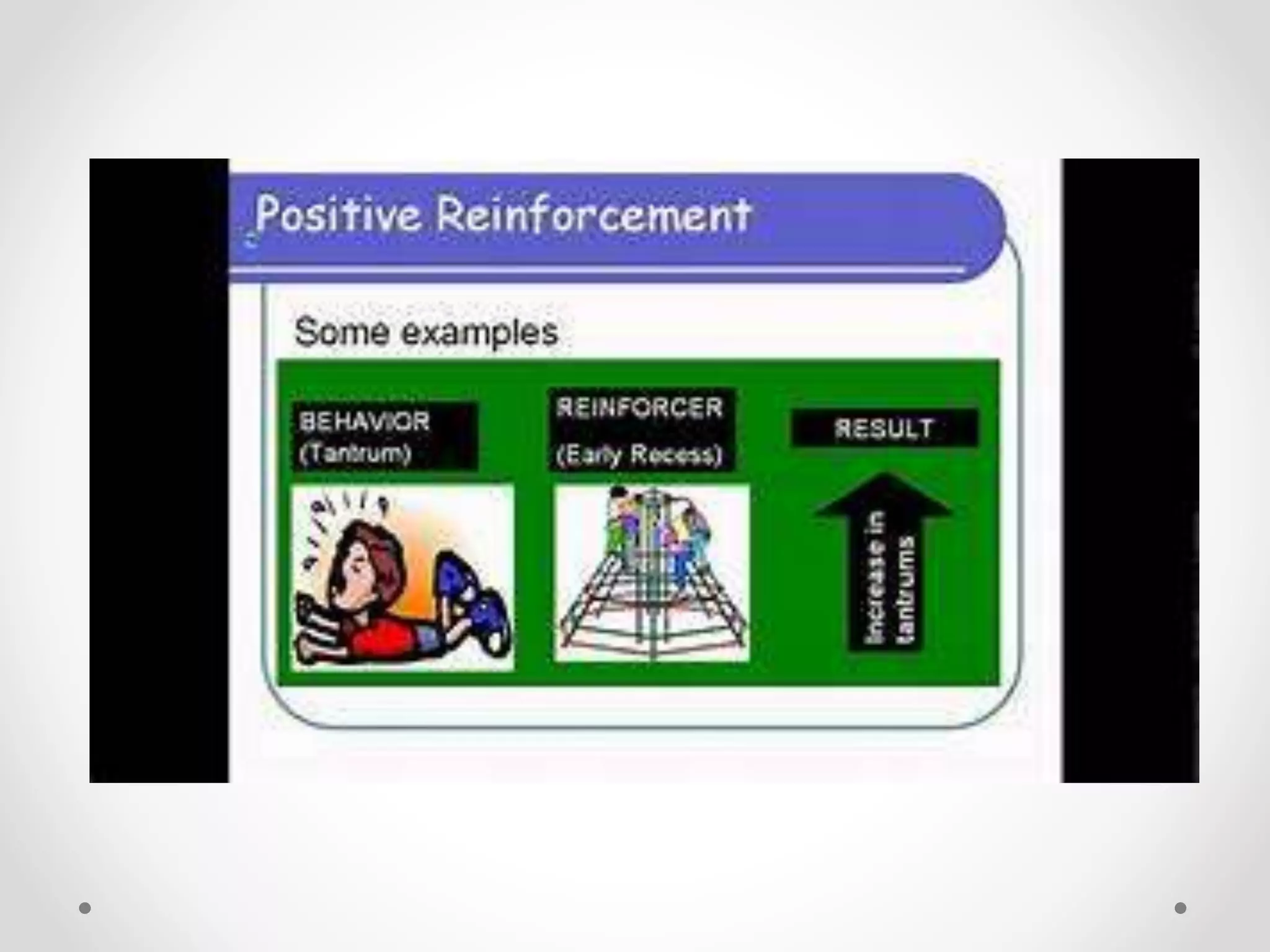
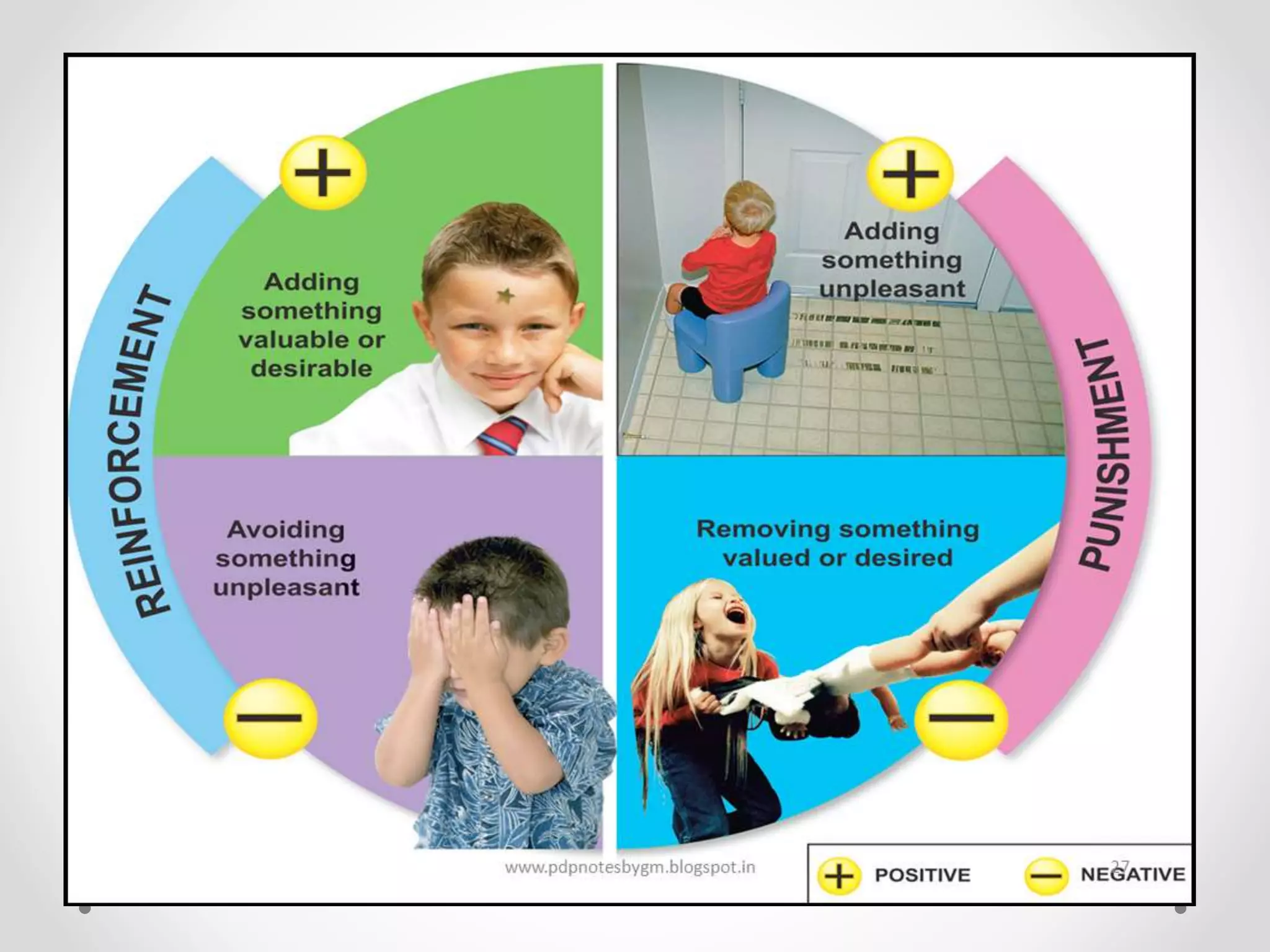
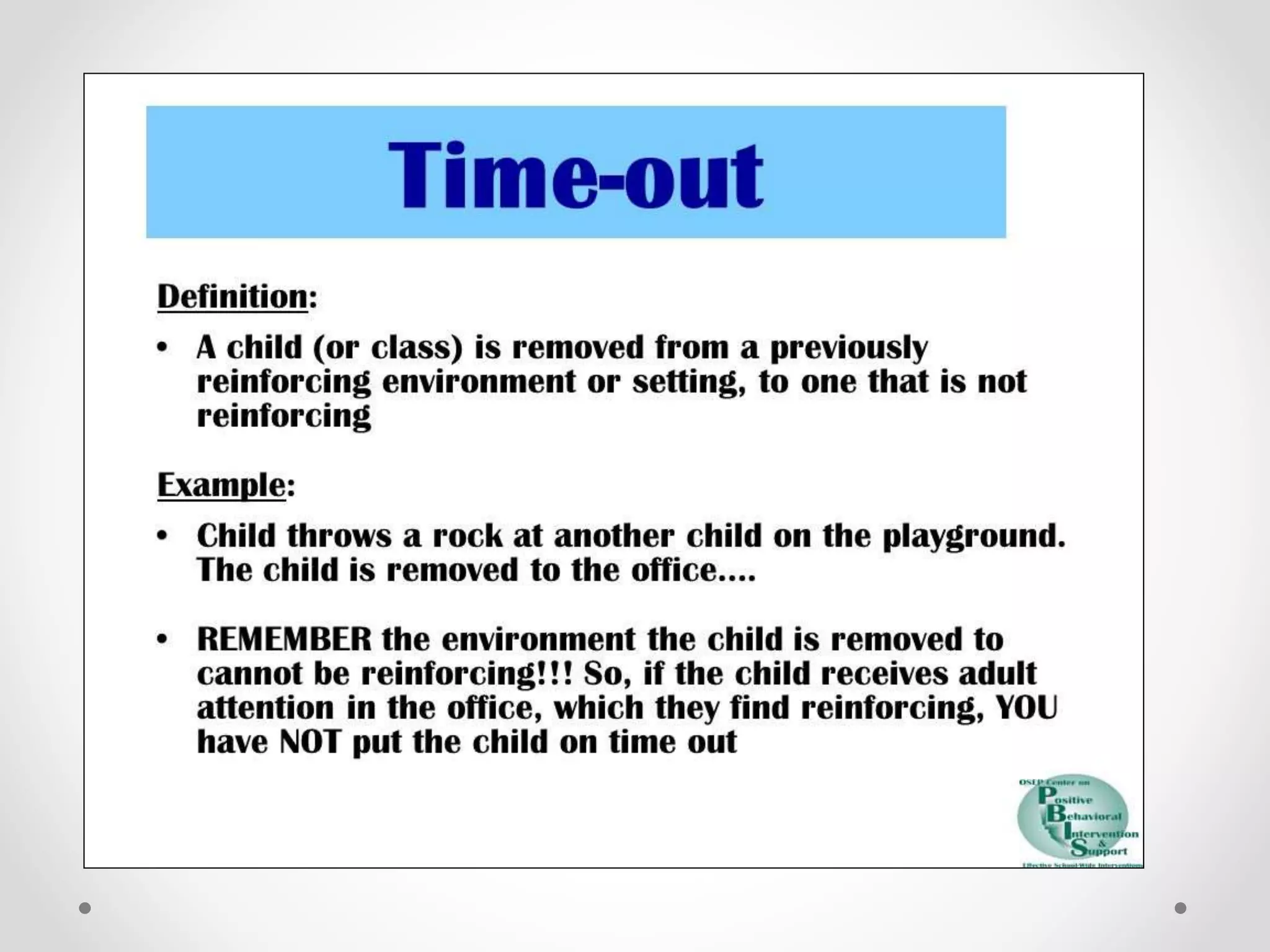
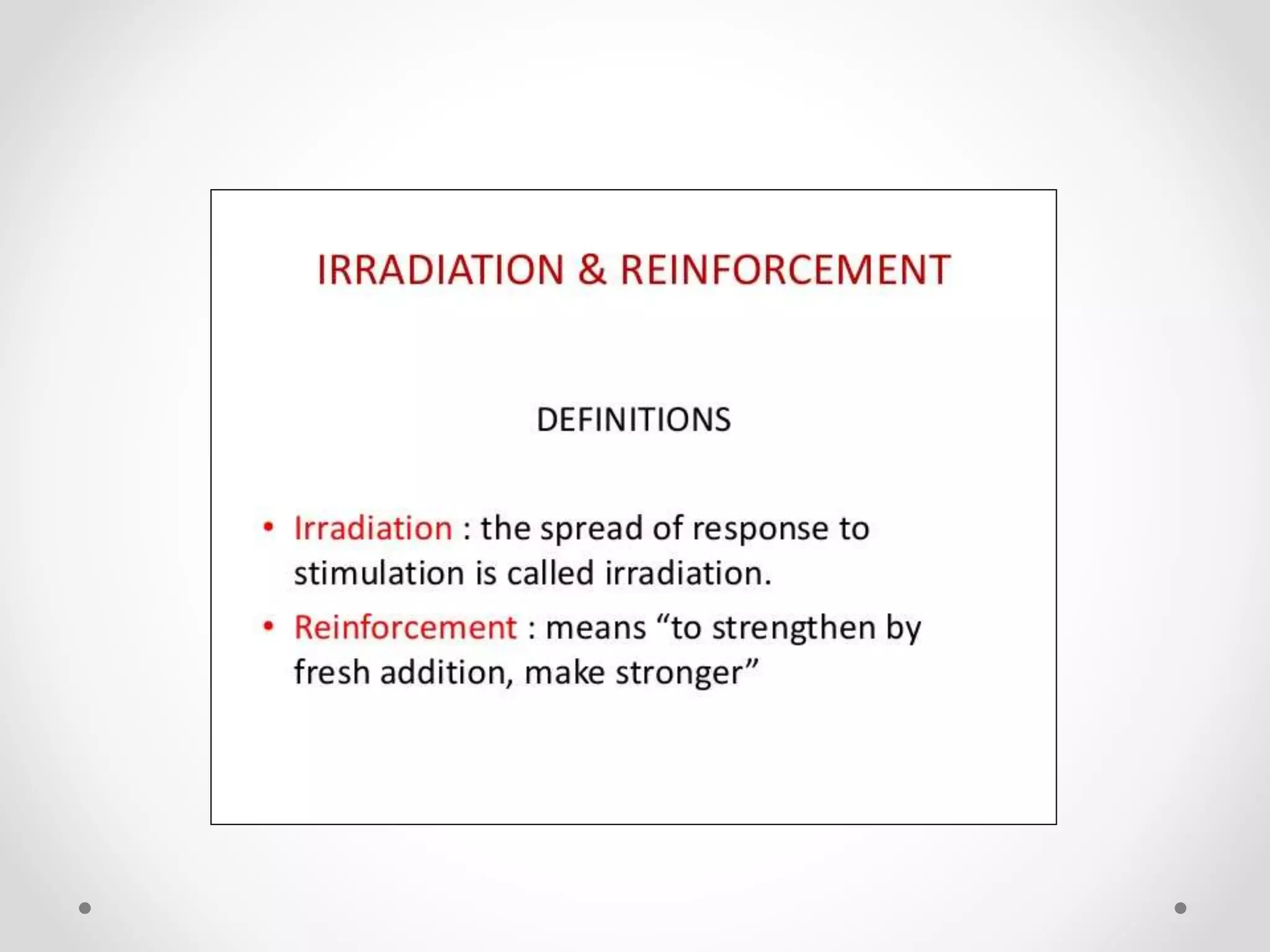
Its about feedback/reinforcement
Pavlov’s classical conditioning
Its about reflexes
Videos:
What is real learning? TED Talk Carl Jarvis 25:21
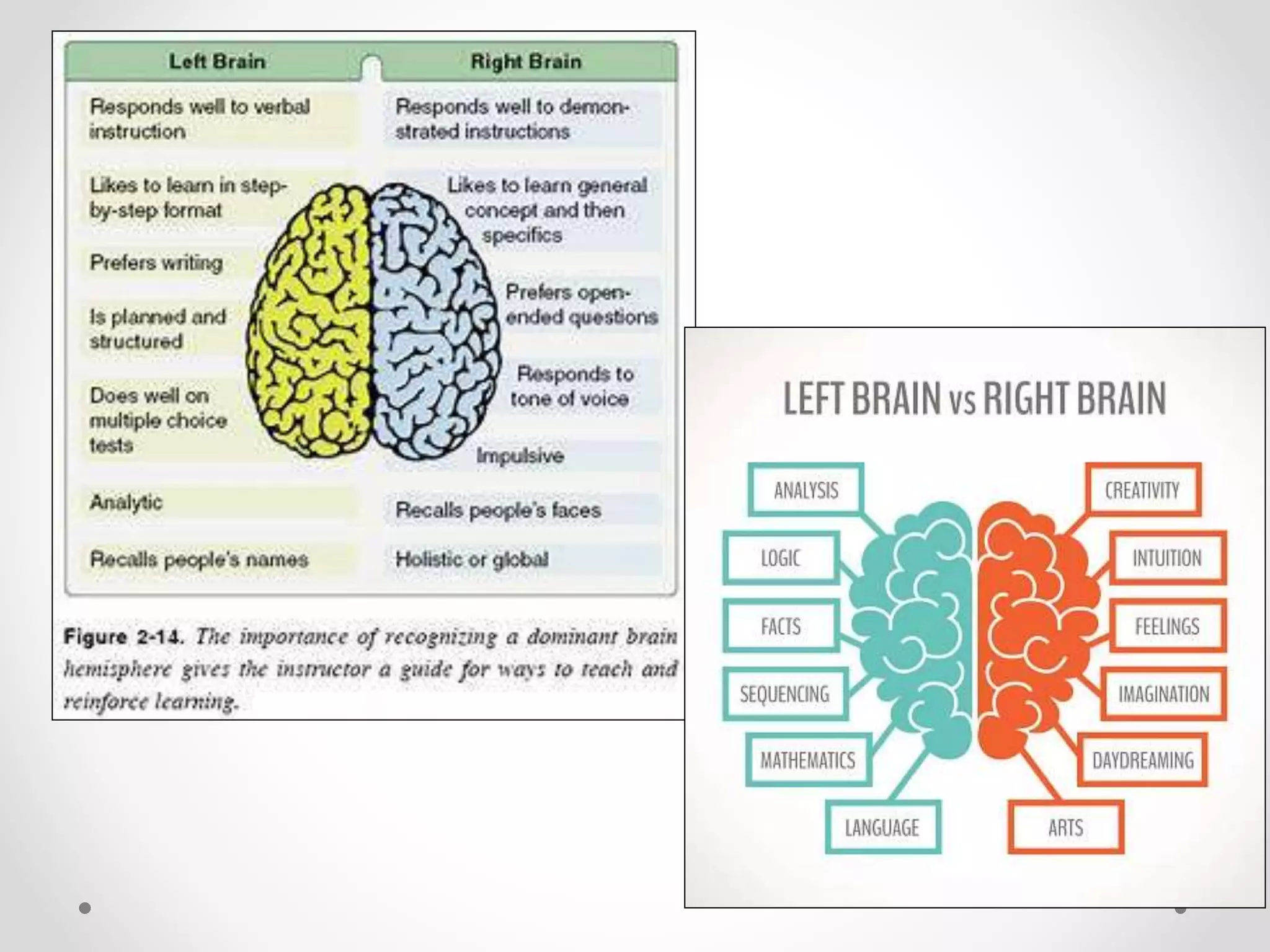
Left and right brains? A look at lateralization 4:11
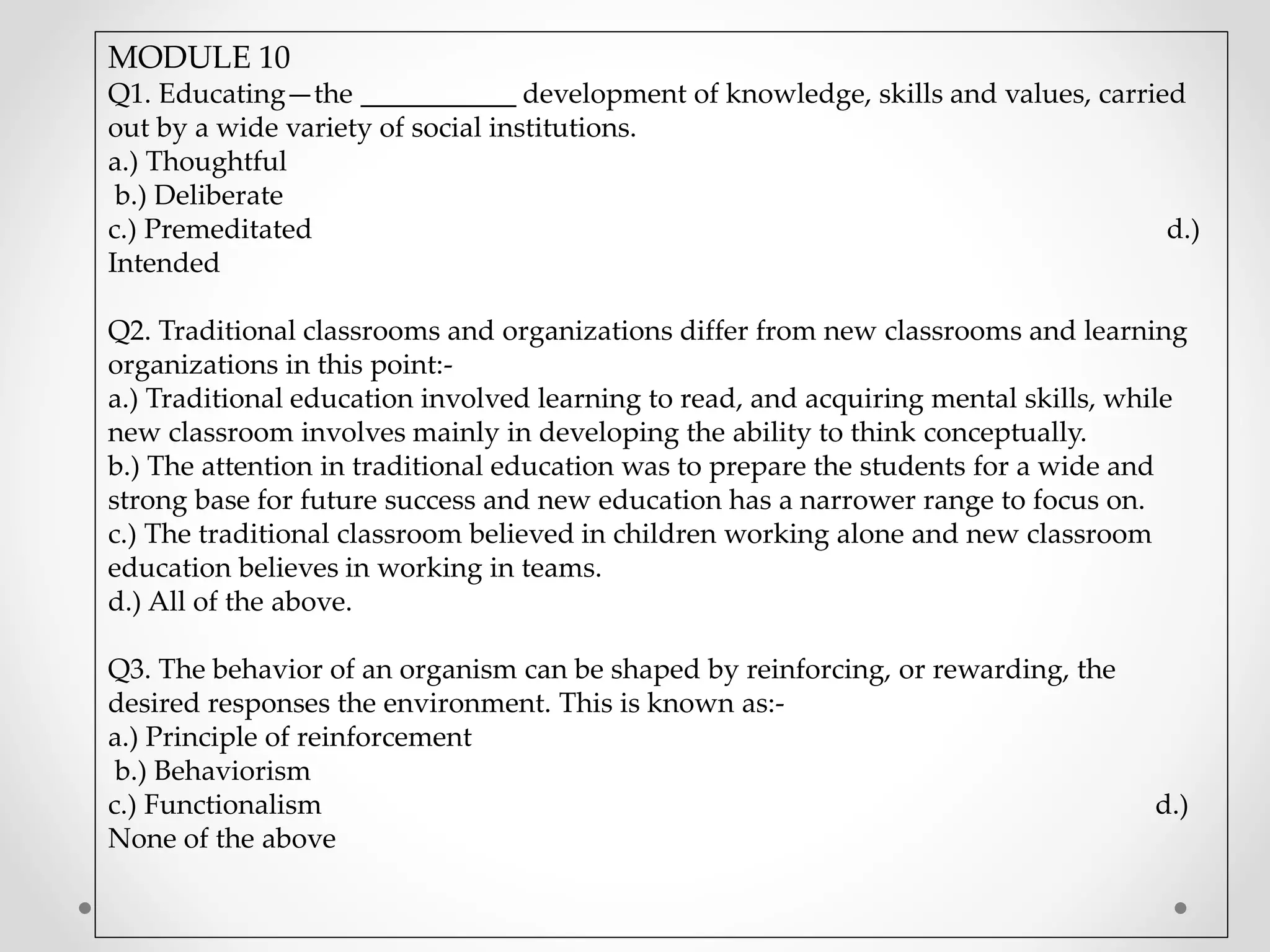
MODULE 10
Q1. Educating—the ___________ development of knowledge, skills and values, carried
out by a wide variety of social institutions.
a.) Thoughtful
b.) Deliberate
c.) Premeditated d.)
Intended
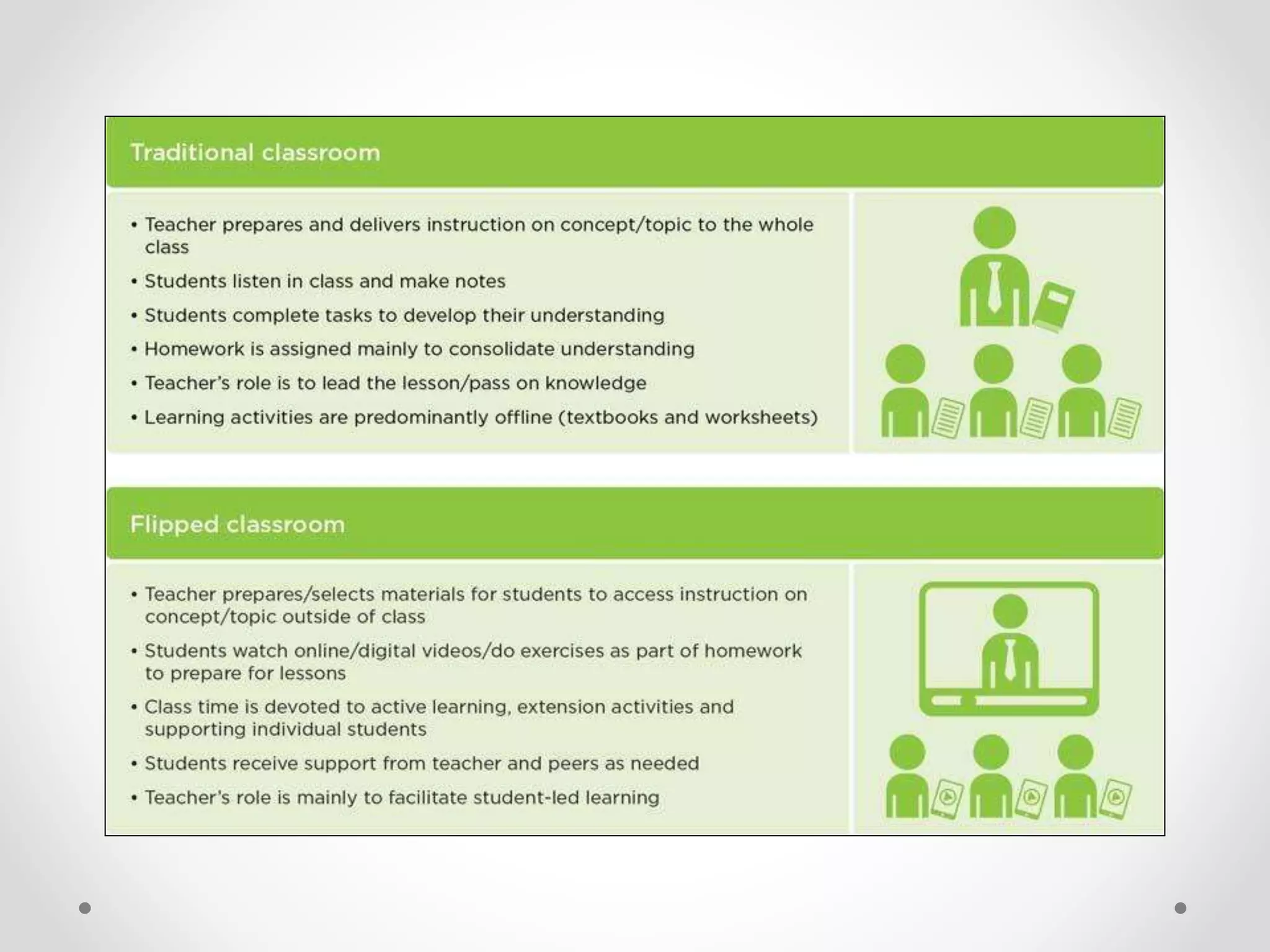
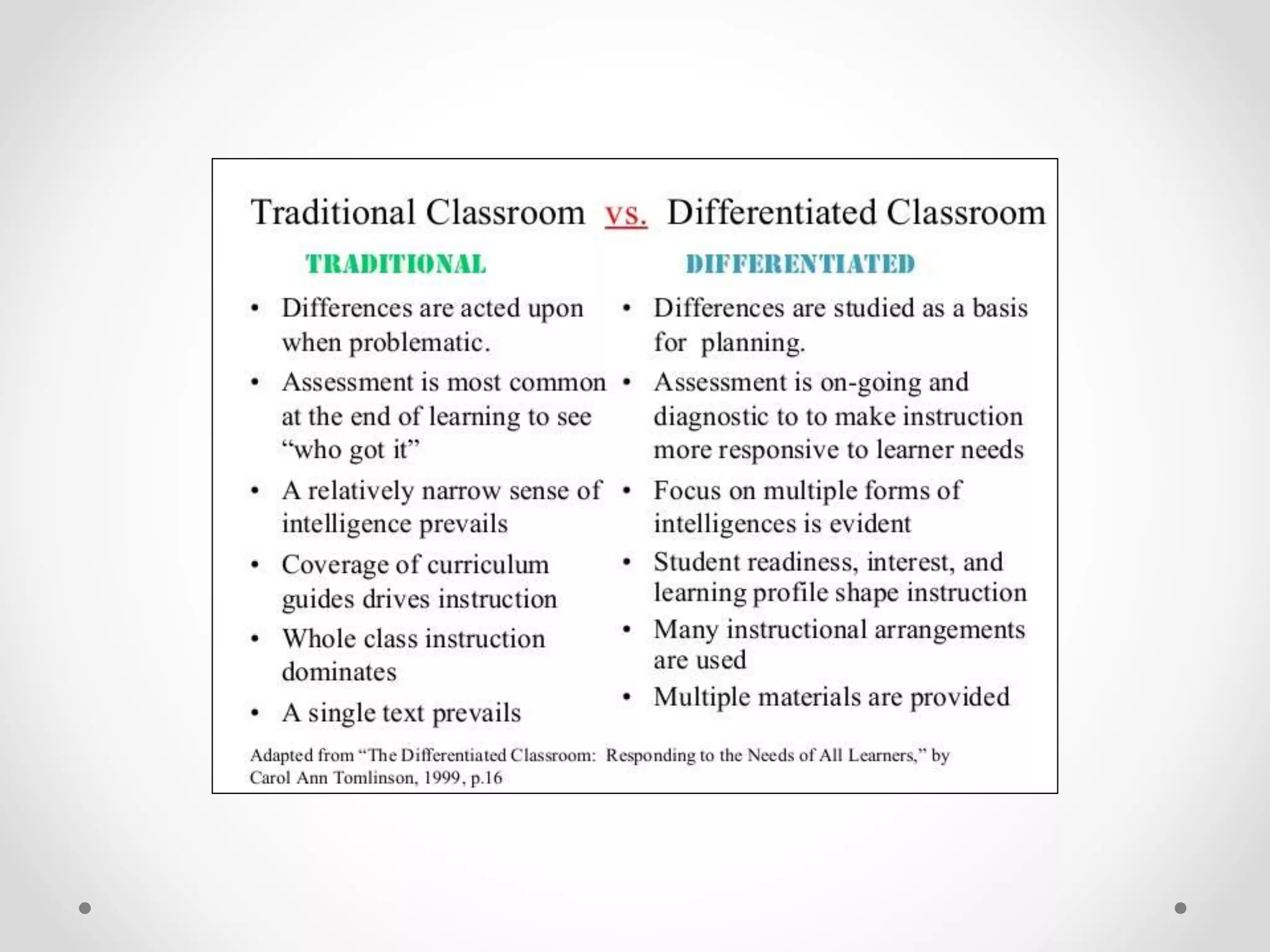
Q2. Traditional classrooms and organizations differ from new classrooms and learning
organizations in this point:-
a.) Traditional education involved learning to read, and acquiring mental skills, while
new classroom involves mainly in developing the ability to think conceptually.
b.) The attention in traditional education was to prepare the students for a wide and
strong base for future success and new education has a narrower range to focus on.
c.) The traditional classroom believed in children working alone and new classroom
education believes in working in teams.
d.) All of the above.
Q3. The behavior of an organism can be shaped by reinforcing, or rewarding, the
desired responses the environment. This is known as:-
a.) Principle of reinforcement
b.) Behaviorism
c.) Functionalism d.)
None of the above
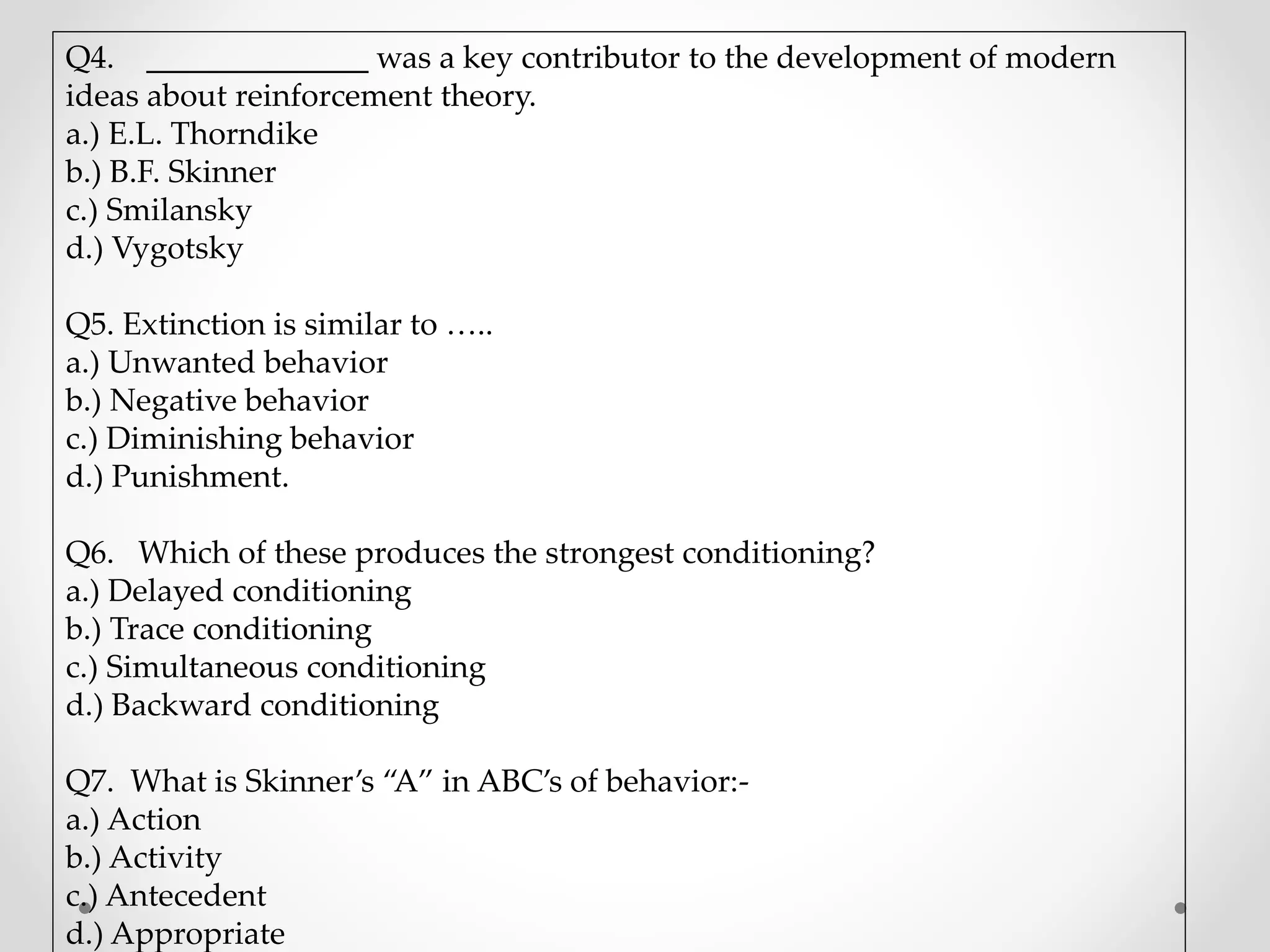
Q4. ______________ was a key contributor to the development of modern
ideas about reinforcement theory.
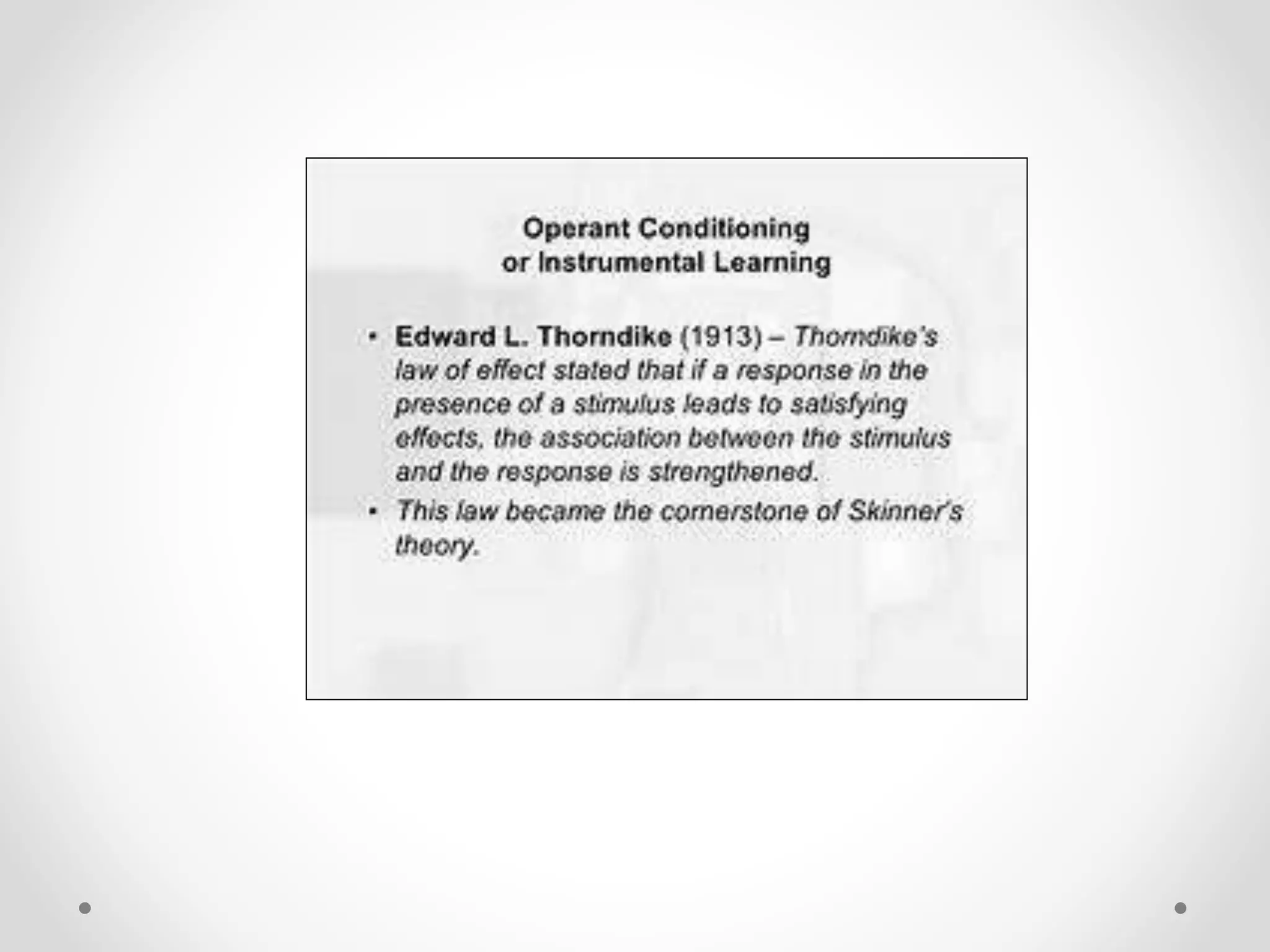
a.) E.L. Thorndike
b.) B.F. Skinner
c.) Smilansky
d.) Vygotsky
Q5. Extinction is similar to …..
a.) Unwanted behavior
b.) Negative behavior
c.) Diminishing behavior
d.) Punishment.
Q6. Which of these produces the strongest conditioning?
a.) Delayed conditioning
b.) Trace conditioning
c.) Simultaneous conditioning
d.) Backward conditioning
Q7. What is Skinner’s “A” in ABC’s of behavior:-
a.) Action
b.) Activity
c.) Antecedent
d.) Appropriate
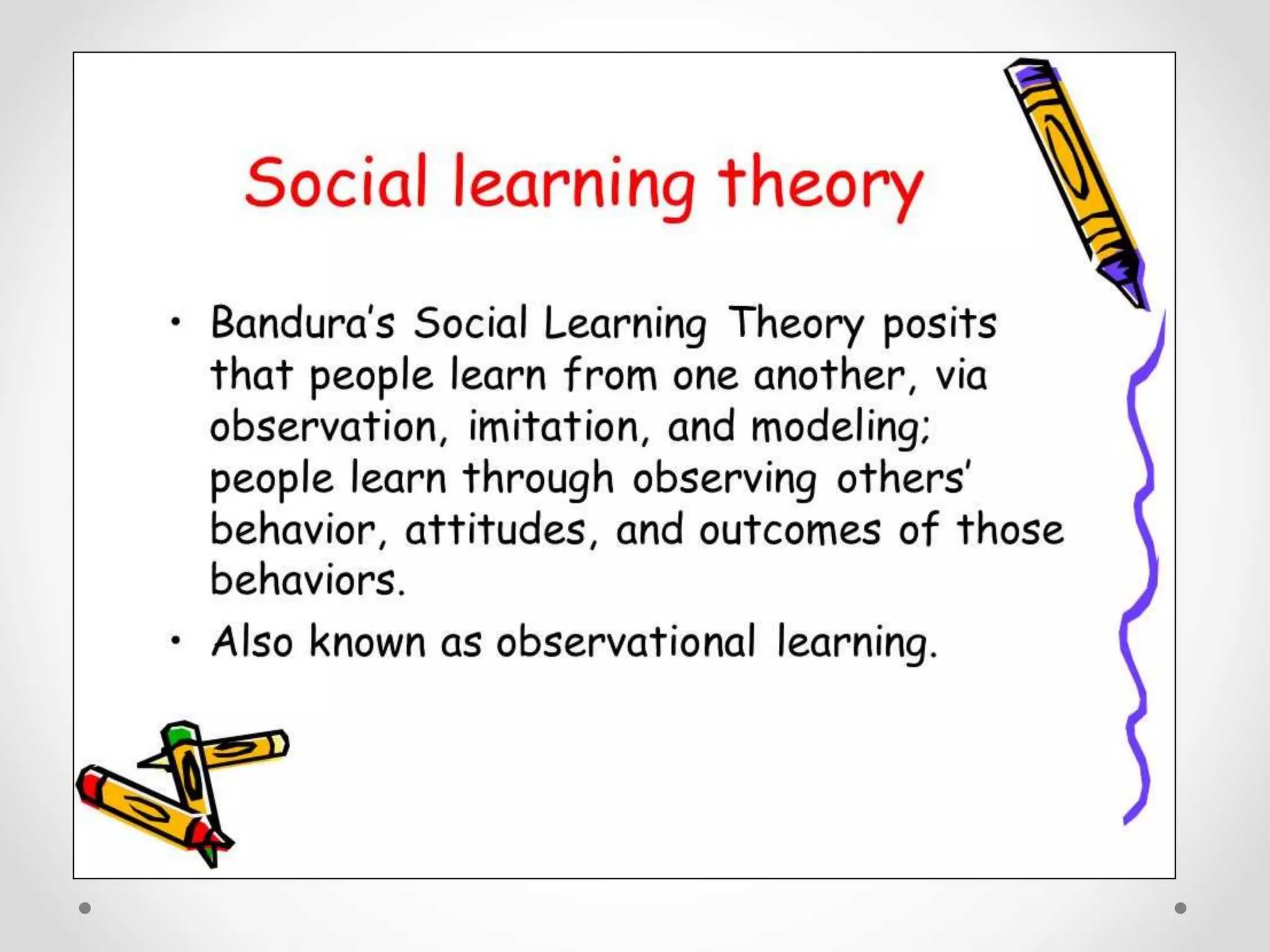
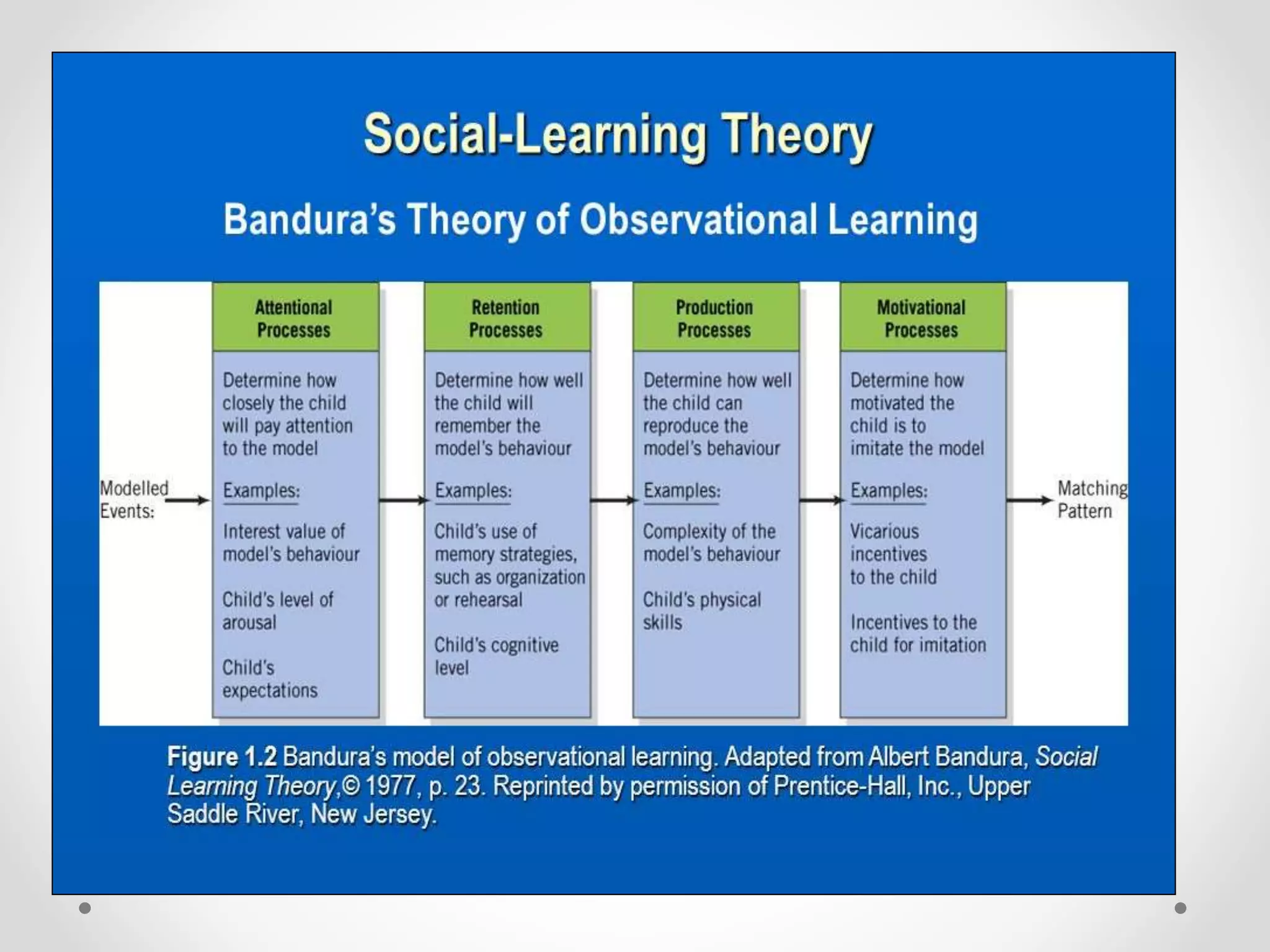
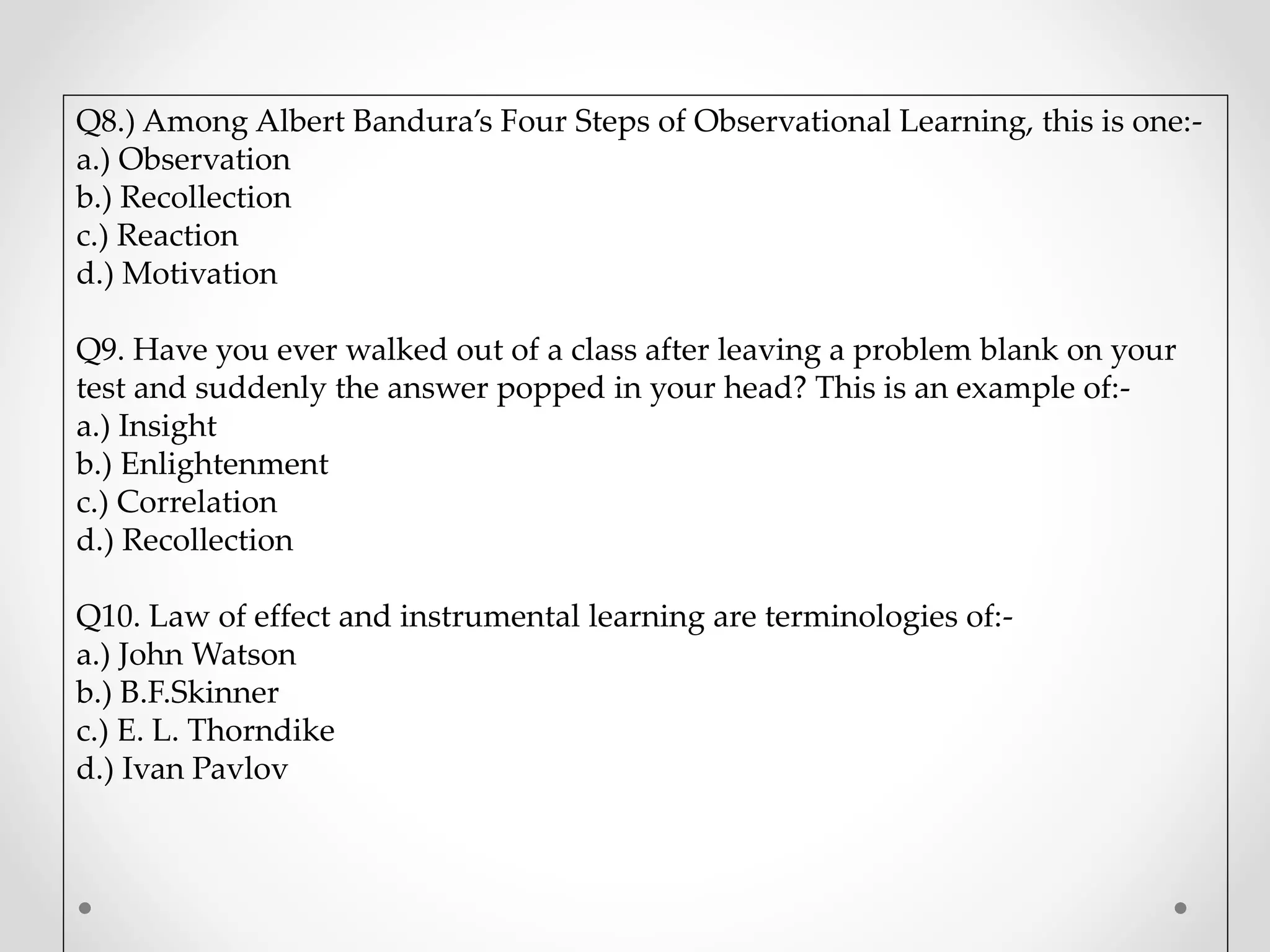
Q8.) Among Albert Bandura’s Four Steps of Observational Learning, this is one:-
a.) Observation
b.) Recollection
c.) Reaction
d.) Motivation
Q9. Have you ever walked out of a class after leaving a problem blank on your
test and suddenly the answer popped in your head? This is an example of:-
a.) Insight
b.) Enlightenment
c.) Correlation
d.) Recollection
Q10. Law of effect and instrumental learning are terminologies of:-
a.) John Watson
b.) B.F.Skinner
c.) E. L. Thorndike
d.) Ivan Pavlov

Module 10 principles of learning, practice, reinforcement understanding special ed

  • 1.
    Principles of learning, practice,reinforcement understanding, retention. Module 10
  • 13.
  • 15.
  • 16.
  • 18.
  • 31.
    Videos: What is reallearning? TED Talk Carl Jarvis 25:21 Left and right brains? A look at lateralization 4:11
  • 32.
    MODULE 10 Q1. Educating—the___________ development of knowledge, skills and values, carried out by a wide variety of social institutions. a.) Thoughtful b.) Deliberate c.) Premeditated d.) Intended Q2. Traditional classrooms and organizations differ from new classrooms and learning organizations in this point:- a.) Traditional education involved learning to read, and acquiring mental skills, while new classroom involves mainly in developing the ability to think conceptually. b.) The attention in traditional education was to prepare the students for a wide and strong base for future success and new education has a narrower range to focus on. c.) The traditional classroom believed in children working alone and new classroom education believes in working in teams. d.) All of the above. Q3. The behavior of an organism can be shaped by reinforcing, or rewarding, the desired responses the environment. This is known as:- a.) Principle of reinforcement b.) Behaviorism c.) Functionalism d.) None of the above
  • 33.
    Q4. ______________ wasa key contributor to the development of modern ideas about reinforcement theory. a.) E.L. Thorndike b.) B.F. Skinner c.) Smilansky d.) Vygotsky Q5. Extinction is similar to ….. a.) Unwanted behavior b.) Negative behavior c.) Diminishing behavior d.) Punishment. Q6. Which of these produces the strongest conditioning? a.) Delayed conditioning b.) Trace conditioning c.) Simultaneous conditioning d.) Backward conditioning Q7. What is Skinner’s “A” in ABC’s of behavior:- a.) Action b.) Activity c.) Antecedent d.) Appropriate
  • 34.
    Q8.) Among AlbertBandura’s Four Steps of Observational Learning, this is one:- a.) Observation b.) Recollection c.) Reaction d.) Motivation Q9. Have you ever walked out of a class after leaving a problem blank on your test and suddenly the answer popped in your head? This is an example of:- a.) Insight b.) Enlightenment c.) Correlation d.) Recollection Q10. Law of effect and instrumental learning are terminologies of:- a.) John Watson b.) B.F.Skinner c.) E. L. Thorndike d.) Ivan Pavlov