Download to read offline



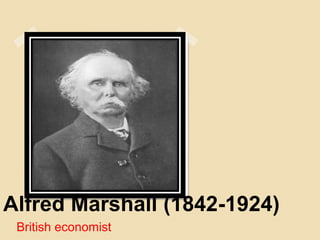


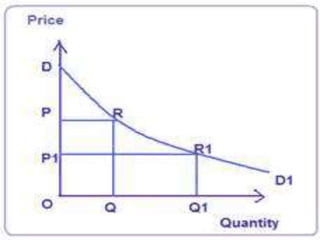




Classical welfare economics did not have a specific theory of economic welfare. Theorists like Adam Smith, David Ricardo, and J.S. Mill associated improvements in welfare with reducing the sacrifices required to produce goods and the labor hours needed per unit of output. Alfred Marshall developed marginalist welfare economics based on the concept of consumer surplus. He defined consumer surplus as the excess of what a consumer would be willing to pay for a good over the actual price paid, representing surplus satisfaction. Marshall saw aggregate consumer surplus as the sum of individual surpluses and as a measure of overall economic welfare.


