User Manual

Merchandising 101
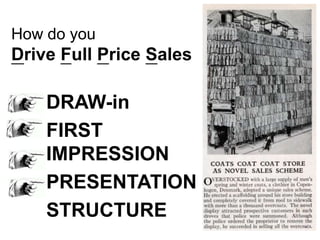
How do you

Drive Full Price Sales

DRAW-in
FIRST
IMPRESSION
PRESENTATION
STRUCTURE
1. DRAW-IN
Is the exterior of the store magnetic enough to draw
customers in?

 Street Appeal
•
•
•
•
•

Sandwich board
Plants
Lighting
Awnings
Clean sidewalk

 Window Display
• Interesting, captivating and up-to-date
• Clean
• Well lit

 Branding/Marketing
• Name of store can be found and in good
shape
• Up-to-date advertising/event marketing
What does this mean?
 Street Appeal-Creating a welcoming store front is key to
drawing customers in.
 Objects outside the store need to be in good shape, any
fixtures that are dirty, broken or old should be
replaced or repaired
 Get rid of clutter
 Plants should be healthy and taken care of. Plants are
also a cheap and easy way to create a nice entryespecially around the door
 If your outdoors then the street needs to be clean as
well. Maybe time for a power washing
 Window Display-Needs to be up-to-date, well lit, clean and
thoughtful.
 It should be changed often to entice frequent shoppers
 The other windows in the store should also be examined
 Branding/Marketing-Your brand needs to be expressed with
care
 Marketing should be placed with thought and take old
stuff down.
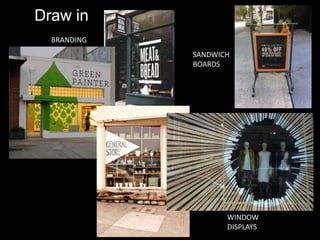
Draw in
BRANDING
SANDWICH
BOARDS

WINDOW
DISPLAYS
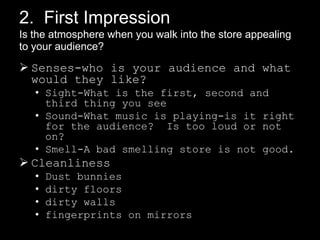
2. First Impression
Is the atmosphere when you walk into the store appealing
to your audience??

 Senses-who is your audience and what
would they like?
• Sight-What is the first, second and
third thing you see
• Sound-What music is playing-is it right
for the audience? Is too loud or not
on?
• Smell-A bad smelling store is not good.

 Cleanliness
•
•
•
•

Dust bunnies
dirty floors
dirty walls
fingerprints on mirrors
First Impression: what does this mean?
You regularly need to put on your “customer hat”
and objectively and critically look at what kind of a
“first impression” you are giving your
customers. In that process, you must separate out
all of the reasons that might have caused the poor
impression, (i.e. a staff member was sick, the
weather was bad, we were busier than expected,
etc.) none of which your customers cares about, and
focus on making that important “first Impression”.
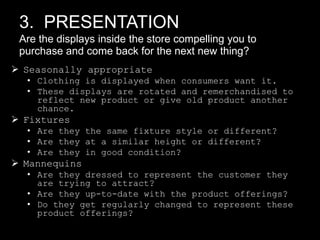
3. PRESENTATION
Are the displays inside the store compelling you to
purchase and come back for the next new thing??
 Seasonally appropriate
• Clothing is displayed when consumers want it.
• These displays are rotated and remerchandised to
reflect new product or give old product another
chance.

 Fixtures
• Are they the same fixture style or different?
• Are they at a similar height or different?
• Are they in good condition?

 Mannequins
• Are they dressed to represent the customer they
are trying to attract?
• Are they up-to-date with the product offerings?
• Do they get regularly changed to represent these
product offerings?
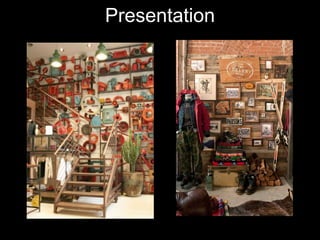
Presentation
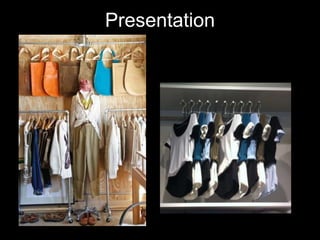
Presentation
What does this mean?
You either need to develop this
talent through training and
finding examples for
inspiration-or you need to hire
someone interested in visual
merchandising.
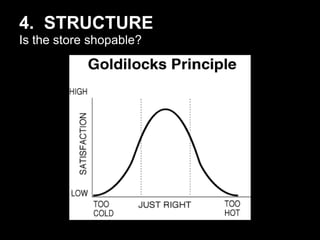
4. STRUCTURE
Is the store shopable??
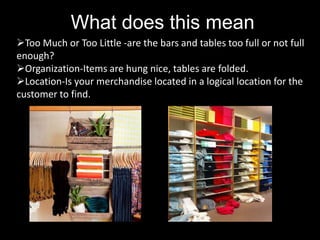
What does this mean
Too Much or Too Little -are the bars and tables too full or not full
enough?
Organization-Items are hung nice, tables are folded.
Location-Is your merchandise located in a logical location for the
customer to find.
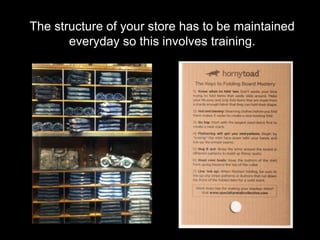
The structure of your store has to be maintained
everyday so this involves training.
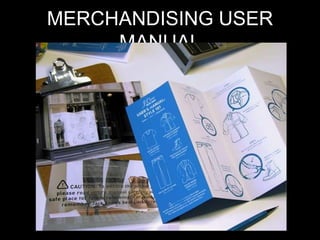
MERCHANDISING USER
MANUAL

Merchandising 101 User Manual

  • 1.
  • 2.
    How do you DriveFull Price Sales DRAW-in FIRST IMPRESSION PRESENTATION STRUCTURE
  • 3.
    1. DRAW-IN Is theexterior of the store magnetic enough to draw customers in?  Street Appeal • • • • • Sandwich board Plants Lighting Awnings Clean sidewalk  Window Display • Interesting, captivating and up-to-date • Clean • Well lit  Branding/Marketing • Name of store can be found and in good shape • Up-to-date advertising/event marketing
  • 4.
    What does thismean?  Street Appeal-Creating a welcoming store front is key to drawing customers in.  Objects outside the store need to be in good shape, any fixtures that are dirty, broken or old should be replaced or repaired  Get rid of clutter  Plants should be healthy and taken care of. Plants are also a cheap and easy way to create a nice entryespecially around the door  If your outdoors then the street needs to be clean as well. Maybe time for a power washing  Window Display-Needs to be up-to-date, well lit, clean and thoughtful.  It should be changed often to entice frequent shoppers  The other windows in the store should also be examined  Branding/Marketing-Your brand needs to be expressed with care  Marketing should be placed with thought and take old stuff down.
  • 5.
  • 7.
    2. First Impression Isthe atmosphere when you walk into the store appealing to your audience??  Senses-who is your audience and what would they like? • Sight-What is the first, second and third thing you see • Sound-What music is playing-is it right for the audience? Is too loud or not on? • Smell-A bad smelling store is not good.  Cleanliness • • • • Dust bunnies dirty floors dirty walls fingerprints on mirrors
  • 8.
    First Impression: whatdoes this mean? You regularly need to put on your “customer hat” and objectively and critically look at what kind of a “first impression” you are giving your customers. In that process, you must separate out all of the reasons that might have caused the poor impression, (i.e. a staff member was sick, the weather was bad, we were busier than expected, etc.) none of which your customers cares about, and focus on making that important “first Impression”.
  • 9.
    3. PRESENTATION Are thedisplays inside the store compelling you to purchase and come back for the next new thing??  Seasonally appropriate • Clothing is displayed when consumers want it. • These displays are rotated and remerchandised to reflect new product or give old product another chance.  Fixtures • Are they the same fixture style or different? • Are they at a similar height or different? • Are they in good condition?  Mannequins • Are they dressed to represent the customer they are trying to attract? • Are they up-to-date with the product offerings? • Do they get regularly changed to represent these product offerings?
  • 10.
  • 11.
  • 12.
    What does thismean? You either need to develop this talent through training and finding examples for inspiration-or you need to hire someone interested in visual merchandising.
  • 13.
    4. STRUCTURE Is thestore shopable??
  • 14.
    What does thismean Too Much or Too Little -are the bars and tables too full or not full enough? Organization-Items are hung nice, tables are folded. Location-Is your merchandise located in a logical location for the customer to find.
  • 15.
    The structure ofyour store has to be maintained everyday so this involves training.
  • 16.

Editor's Notes

  • #2 -This year for the merchandising clinic I thought it would be helpful to put together-a merchandising 101 that you and your stores can follow which outlines the basic visual concepts which drive sales. I would like this to be a blueprint that if we wanted could be printed for those stores who are interested-so please take notes throughout this and if you think I haven’t included something major let me know. -What we are finding that one of the struggles in the outdoor industry is the concept that part of the retailers job is to capture and impress their audience through visual presentation. -The stores that really get it realize that it is a mandatory expense to retail success which is why we believe this type of training is valuable to you and in your interactions.
  • #3 The basic key concepts for driving sales within merchandising are the draw-in, the first impression, the presentation and the structure.What good is the greatest inventory in the world, if the store is unappealing. We don’t have a huge merchandising team like other outdoor companies, but that model isn’t really working in the long run. By providing you with the knowledge and training you can have a positive impact on your stores that lasts beyond your presence in the store. Since I can’t go to each and every store I’m aiming to use the SRC to pull together stories which address these four points and keep working with you guys through the sales meetings, OR, and immersion trips.
  • #4 The question to ask is “is the exterior of the store magnetic enough to draw customers in?” This is the first step in retail merchandising and usually it’s last on the list. The bottom line is customers aren’t going to buy anything if they aren’t drawn to the store in the first place. Cleaning up and updating the exterior of your store has an immediate impact on boosting traffic.-This includes the street appeal which is everything you see outside and your impression of it. So the sandwich boards, plants, lighting, awnings, etc…all the objects you find outside-The window display and how captivating it is, if you can see it, how does it connect with your audience-The branding and marketing
  • #6 Some examples of SRC posts that will address good street appeal. Interesting Sandwich board ideas, branding and marketing ideas, entryways, and then several posts on window displays throughout the year following seasons and holidays.
  • #8 Weall make snap judgment's whether we like a store or not when we first walk-in. That threshold area-the first 10-15 steps the customer takes is so important. Creating a mood and ambiance is often overlooked when you are in your store everyday. It’s easy as a store owner or employee to neglect the emotional connection that you have when you walk in because you have a long list of things to do.
  • #10 Often visual presentation and the fixtures or talent needed is an expense that many stores cut out or don’t realize is valuable. Good presentation is also up for debate depending on taste or product offerings. Style and taste aside these three things are always true for good presentation. Your clothes need to be seasonally appropriate.
  • #14 The way a store is arranged can create a great shopping experience or a frustrating one. If you’re frustrated then your customer is too. The structure of your store has to be maintained everyday so this involves training. Often the training of staff for maintaining a certain level of organization is difficult to achieve.
  • #15 Too much product is suffocating and stressful / not enough product (unless you’re a high end boutique) makes you think something is going on “are they closing” What seems to be the case is that many stores have no control for their displays when the brand merchandiser comes in. It’s like a case of bad city planning. Some brands are stuffed on a rack and some brands have just a few items. A well merchandised store reflects balanced fixtures with a similar amount of product. The structure of your store has to be maintained everyday so this involves training. Often the training of staff for maintaining a certain level of organization is difficult to achieve.
  • #16 Often the training of staff for maintaining a certain level of organization is not consistent. You need to have tools, manuals, and standards.