Media Training
September 2, 2015
Is it news?
• Why are people interested ?
• How can you make them care?
• How does news impact on your target
audiences?
• Take information about your organization
and tell it in a creative way that makes
people care
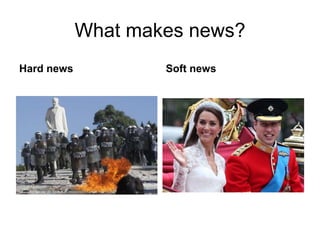
What makes news?
Hard news Soft news
Different types of news
Hard news
• Novelty and change
• Controversy
• Conflict
• Challenge
• Crisis
• Concern
• Problems
• Solutions
• Money
• Business
Soft news
• People
• Emotion
• Fun
• Lifestyle
• Celebrities
• Children
• Humour
• Romance
• Visual stories
• Trends and themes
Agenda
• Your rights
• Journalist responsibilities
• Interview preparation
• Interview best practices
• Advanced tools
• Practice
Interviewee Rights
• You have the right to decline an interview or find
someone else to do the interview.
• You have the right to take time to think about your
answer.
• You have the right to request PR or another person be
in attendance.
• You have the right to defer a question to someone
else.
• You have the right to not answer a question.
• You have the right to STOP the interview at any time.
Responsibilities
The Reporter is responsible for:
• Gathering, getting a story
• Accurate reporting
• Balanced reporting.
Reporters do not care about your name or
mission.
Reporters have little time for research and are
sometimes biased.
Preparing for the Interview
• Know the key messages you’d like to include.
• Understand the intent of the interviews.
• Watch/read a couple of the journalist’s
stories.
• Ask for backgrounders.
• Practice your key messages out loud or have
them on a sheet of paper.
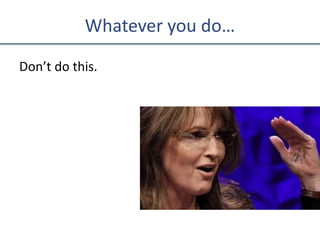
Whatever you do…
Don’t do this.
Expectations
• Expect to be edited. And not always
well.
• Don’t expect to be a huge part of the
story.
• Expect other parties to be quoted.
• Expect that sometimes you don’t get
used at all.
Making the Most of an Interview
• Nerves are normal – think of it
as adrenaline.
• Breathe deeply…but not into
the phone!
• Clench your hands or toes ten
times.
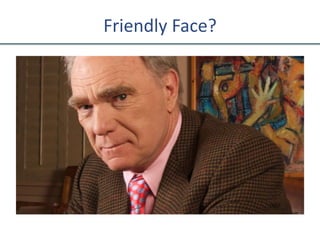
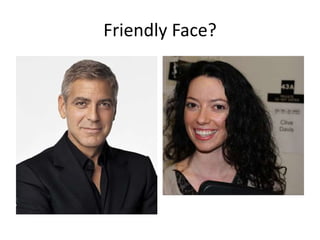
• Practice your “friendly face.”
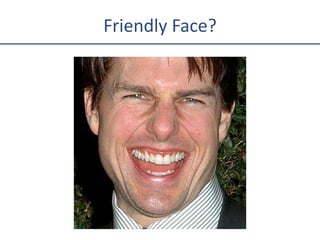
Friendly Face?
Friendly Face?
Friendly Face?
Vocal Behavior
• Don’t drink dairy or too much caffeine right
before the interview.
• Be concise and don’t be afraid to pause.
• Speak in a clear voice.
• Learn your tics: um, you know, so
Note: Know your physical habits too.
Making the most of the interview
• Shake hands with the reporter.
• Use the interviewer’s first name.
• The moment you meet a reporter, you’re ON.
• Comments meant to be off the cuff may be
used.
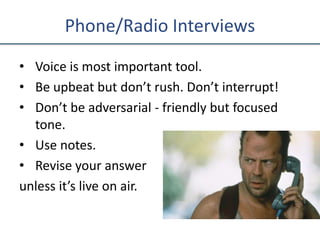
Phone/Radio Interviews
• Voice is most important tool.
• Be upbeat but don’t rush. Don’t interrupt!
• Don’t be adversarial - friendly but focused
tone.
• Use notes.
• Revise your answer
unless it’s live on air.
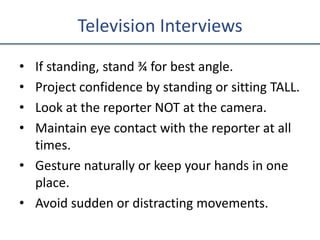
Television Interviews
• If standing, stand ¾ for best angle.
• Project confidence by standing or sitting TALL.
• Look at the reporter NOT at the camera.
• Maintain eye contact with the reporter at all
times.
• Gesture naturally or keep your hands in one
place.
• Avoid sudden or distracting movements.
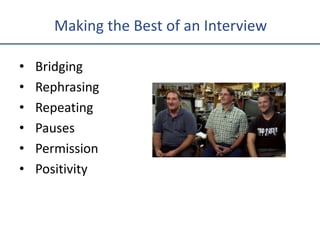
Making the Best of an Interview
• Bridging
• Rephrasing
• Repeating
• Pauses
• Permission
• Positivity
Bridging
• Recognize openings when you can.
• Use bridging to avoid uncomfortable
questions.
• Bridge to your important points
• Yes and in addition…
• I don’t know about that but what I can tell you…
• What’s important to remember…
Rephrasing
Start by rephrasing the question when:
• The reporter asks the same question more
than once – he/she wants a different sound
byte.
• When you need some time to answer.
• If you feel they’re putting words in your
mouth.
Repeating
• Say name of brand at the beginning of your
answer.
• Repeat the name of name of brand even if you
wouldn’t in normal conversation.
• Repeat the most important key message but not
others.
• Use a repeat if you feel the reporter wasn’t
engaged in your answer.
• Repeat if you feel you might be misconstrued or
misquoted.
Pauses
Have energy but DON’T RUSH.
• Pause if you need time to answer.
• Don’t interrupt too soon if the reporter pauses.
• If the reporter interrupts you in a pause, repeat
the entire phrase.
• If the reporter is negative, turn it into a positive.
• End the interview on a positive, upbeat note.
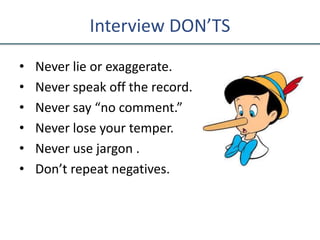
Interview DON’TS
• Never lie or exaggerate.
• Never speak off the record.
• Never say “no comment.”
• Never lose your temper.
• Never use jargon .
• Don’t repeat negatives.
Rehearsal
• Practice out loud.
• Practice your friendly face in the mirror.
• Role play.
• Practice bridging and dealing with
interruptions.
• Don’t stop if you make mistakes, just calmly
repeat your statement.
• Practice shortening your replies.
Talking Points
• Must be conversational.
• Must be concise and contain one point only.
• Must align with core strategy statement.
• Try to pick your top 2-3.
How do they differ from key messages?

Media Training

  • 1.
  • 2.
    Is it news? •Why are people interested ? • How can you make them care? • How does news impact on your target audiences? • Take information about your organization and tell it in a creative way that makes people care
  • 3.
    What makes news? Hardnews Soft news
  • 4.
    Different types ofnews Hard news • Novelty and change • Controversy • Conflict • Challenge • Crisis • Concern • Problems • Solutions • Money • Business Soft news • People • Emotion • Fun • Lifestyle • Celebrities • Children • Humour • Romance • Visual stories • Trends and themes
  • 5.
    Agenda • Your rights •Journalist responsibilities • Interview preparation • Interview best practices • Advanced tools • Practice
  • 6.
    Interviewee Rights • Youhave the right to decline an interview or find someone else to do the interview. • You have the right to take time to think about your answer. • You have the right to request PR or another person be in attendance. • You have the right to defer a question to someone else. • You have the right to not answer a question. • You have the right to STOP the interview at any time.
  • 7.
    Responsibilities The Reporter isresponsible for: • Gathering, getting a story • Accurate reporting • Balanced reporting. Reporters do not care about your name or mission. Reporters have little time for research and are sometimes biased.
  • 8.
    Preparing for theInterview • Know the key messages you’d like to include. • Understand the intent of the interviews. • Watch/read a couple of the journalist’s stories. • Ask for backgrounders. • Practice your key messages out loud or have them on a sheet of paper.
  • 9.
  • 10.
    Expectations • Expect tobe edited. And not always well. • Don’t expect to be a huge part of the story. • Expect other parties to be quoted. • Expect that sometimes you don’t get used at all.
  • 11.
    Making the Mostof an Interview • Nerves are normal – think of it as adrenaline. • Breathe deeply…but not into the phone! • Clench your hands or toes ten times. • Practice your “friendly face.”
  • 12.
  • 13.
  • 14.
  • 15.
    Vocal Behavior • Don’tdrink dairy or too much caffeine right before the interview. • Be concise and don’t be afraid to pause. • Speak in a clear voice. • Learn your tics: um, you know, so Note: Know your physical habits too.
  • 16.
    Making the mostof the interview • Shake hands with the reporter. • Use the interviewer’s first name. • The moment you meet a reporter, you’re ON. • Comments meant to be off the cuff may be used.
  • 17.
    Phone/Radio Interviews • Voiceis most important tool. • Be upbeat but don’t rush. Don’t interrupt! • Don’t be adversarial - friendly but focused tone. • Use notes. • Revise your answer unless it’s live on air.
  • 18.
    Television Interviews • Ifstanding, stand ¾ for best angle. • Project confidence by standing or sitting TALL. • Look at the reporter NOT at the camera. • Maintain eye contact with the reporter at all times. • Gesture naturally or keep your hands in one place. • Avoid sudden or distracting movements.
  • 19.
    Making the Bestof an Interview • Bridging • Rephrasing • Repeating • Pauses • Permission • Positivity
  • 20.
    Bridging • Recognize openingswhen you can. • Use bridging to avoid uncomfortable questions. • Bridge to your important points • Yes and in addition… • I don’t know about that but what I can tell you… • What’s important to remember…
  • 21.
    Rephrasing Start by rephrasingthe question when: • The reporter asks the same question more than once – he/she wants a different sound byte. • When you need some time to answer. • If you feel they’re putting words in your mouth.
  • 22.
    Repeating • Say nameof brand at the beginning of your answer. • Repeat the name of name of brand even if you wouldn’t in normal conversation. • Repeat the most important key message but not others. • Use a repeat if you feel the reporter wasn’t engaged in your answer. • Repeat if you feel you might be misconstrued or misquoted.
  • 23.
    Pauses Have energy butDON’T RUSH. • Pause if you need time to answer. • Don’t interrupt too soon if the reporter pauses. • If the reporter interrupts you in a pause, repeat the entire phrase. • If the reporter is negative, turn it into a positive. • End the interview on a positive, upbeat note.
  • 24.
    Interview DON’TS • Neverlie or exaggerate. • Never speak off the record. • Never say “no comment.” • Never lose your temper. • Never use jargon . • Don’t repeat negatives.
  • 25.
    Rehearsal • Practice outloud. • Practice your friendly face in the mirror. • Role play. • Practice bridging and dealing with interruptions. • Don’t stop if you make mistakes, just calmly repeat your statement. • Practice shortening your replies.
  • 26.
    Talking Points • Mustbe conversational. • Must be concise and contain one point only. • Must align with core strategy statement. • Try to pick your top 2-3. How do they differ from key messages?