MBTI
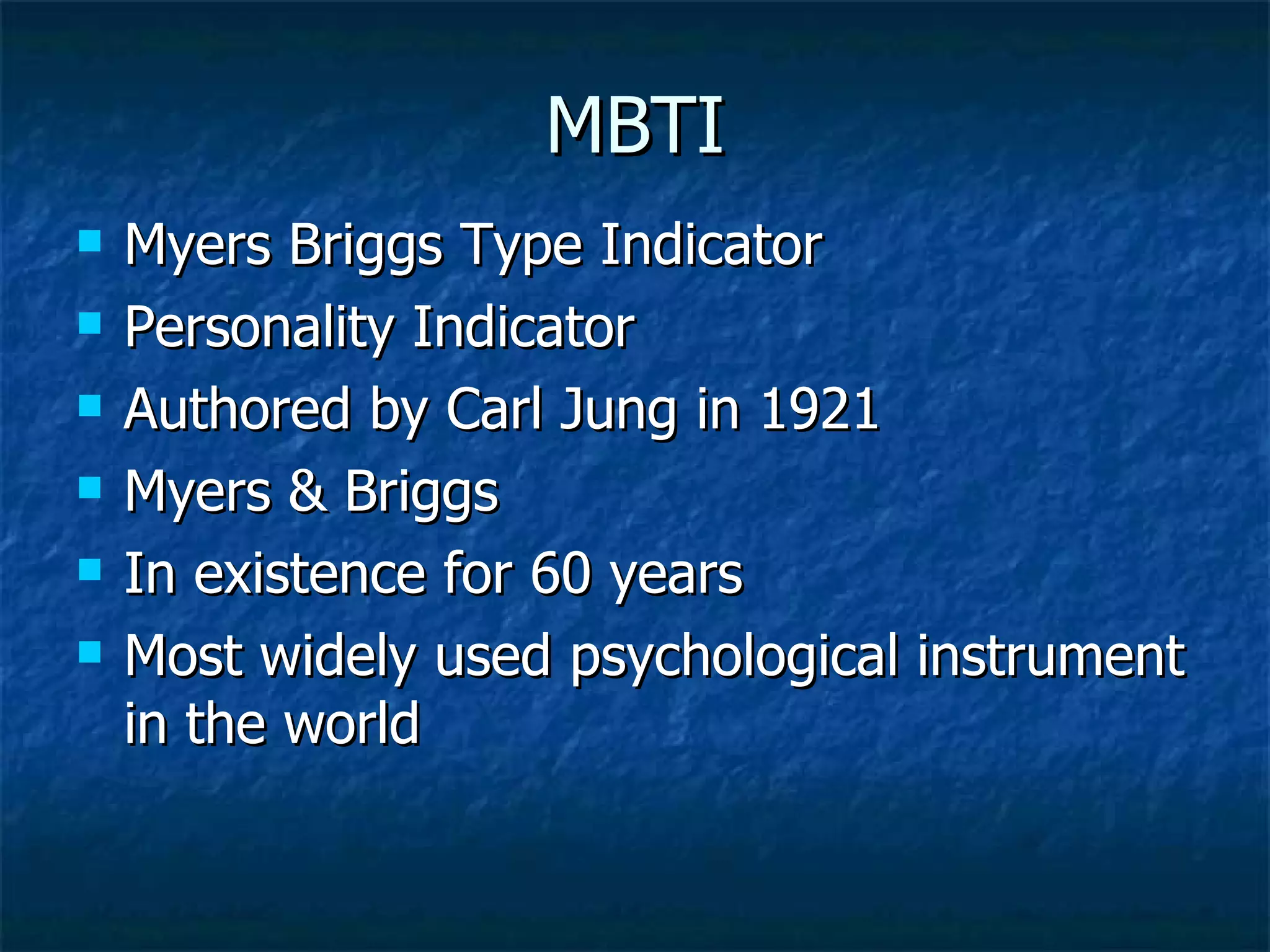
MBTI Myers Briggs Type Indicator Personality Indicator Authored by Carl Jung in 1921 Myers & Briggs In existence for 60 years Most widely used psychological instrument in the world
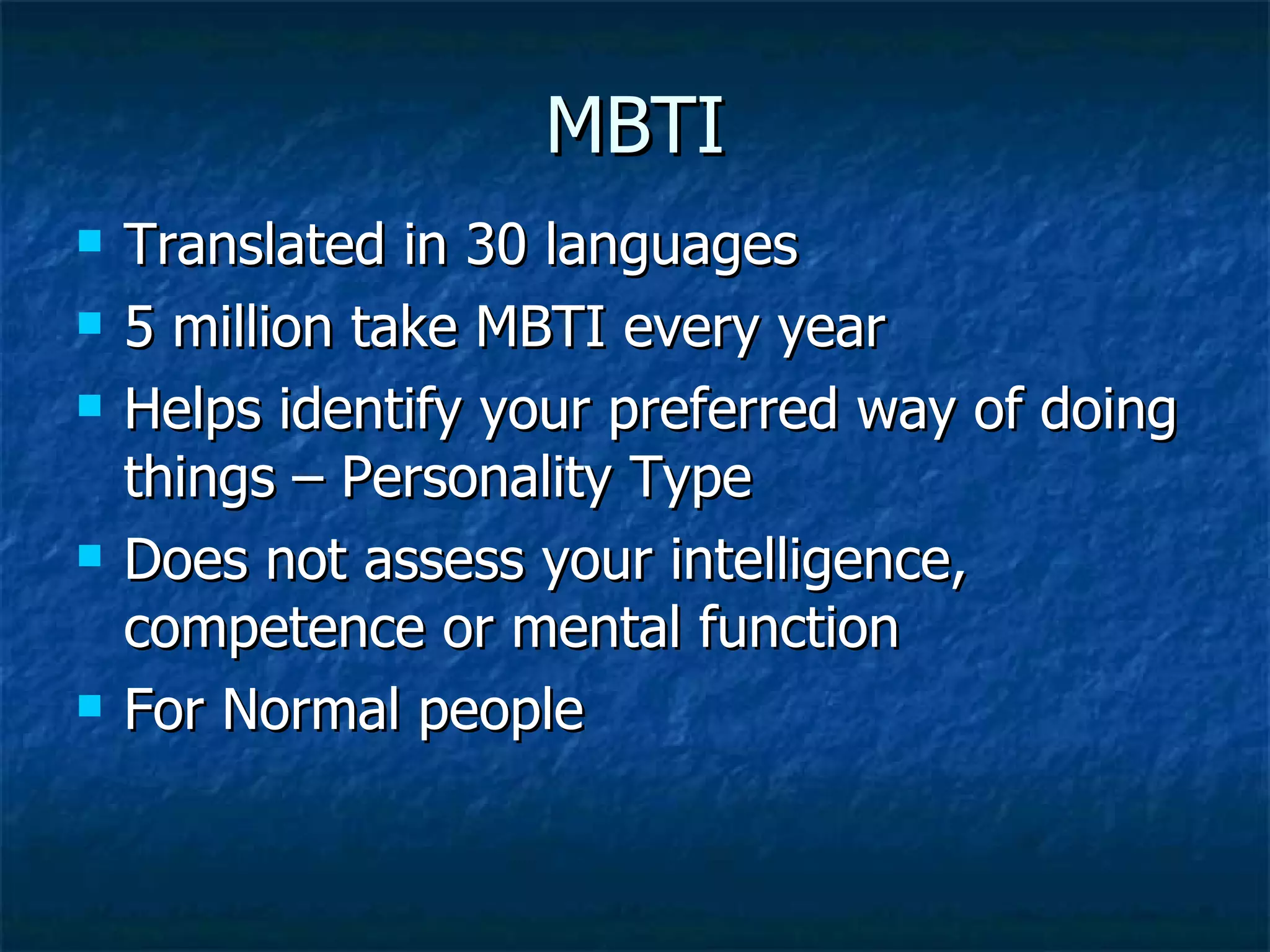
MBTI Translated in 30 languages 5 million take MBTI every year Helps identify your preferred way of doing things – Personality Type Does not assess your intelligence, competence or mental function For Normal people
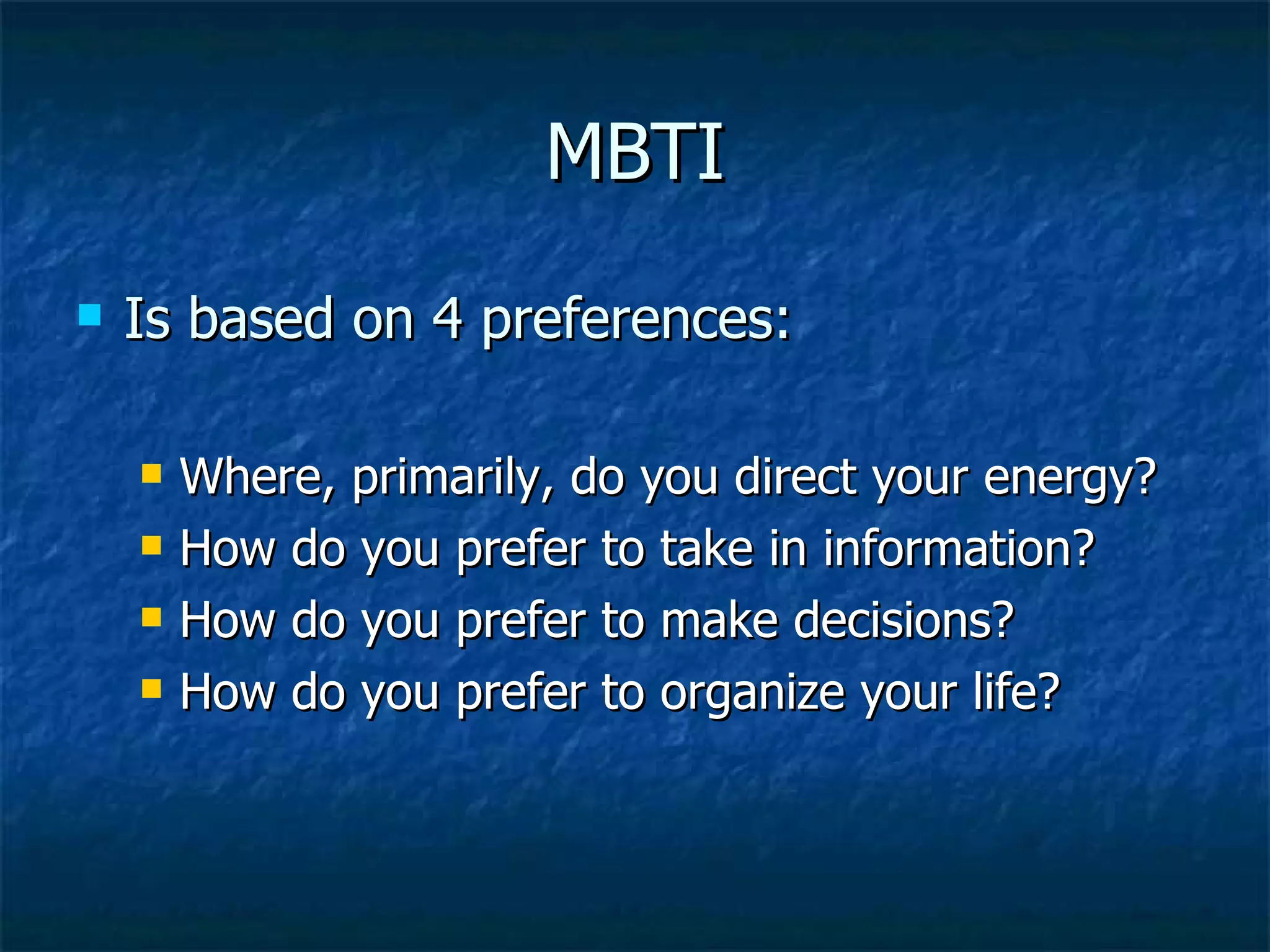
MBTI Is based on 4 preferences: Where, primarily, do you direct your energy? How do you prefer to take in information? How do you prefer to make decisions? How do you prefer to organize your life?
MBTI Preference is…. feeling most natural and comfortable with a particular way of behaving with most interest and energy more likely to behave in certain ways what a person does when he is not under the pressure of a time limit or an external reward or coercion
MBTI “ For me kindness is an alien quality; and like a difficult French verb I must learn it slowly, painfully and probably imperfectly. It does not wake with me in the mornings; everyday I have to coax it into existence, breath on it to keep it alive; practice it to keep it in good working order. And most difficult of all, I have to exercise it in such a way that it looks spontaneous and genuine; I have to see that it flows without hesitation as it does from its practitioners, its lucky heirs who acquire it without laborious seeking.”
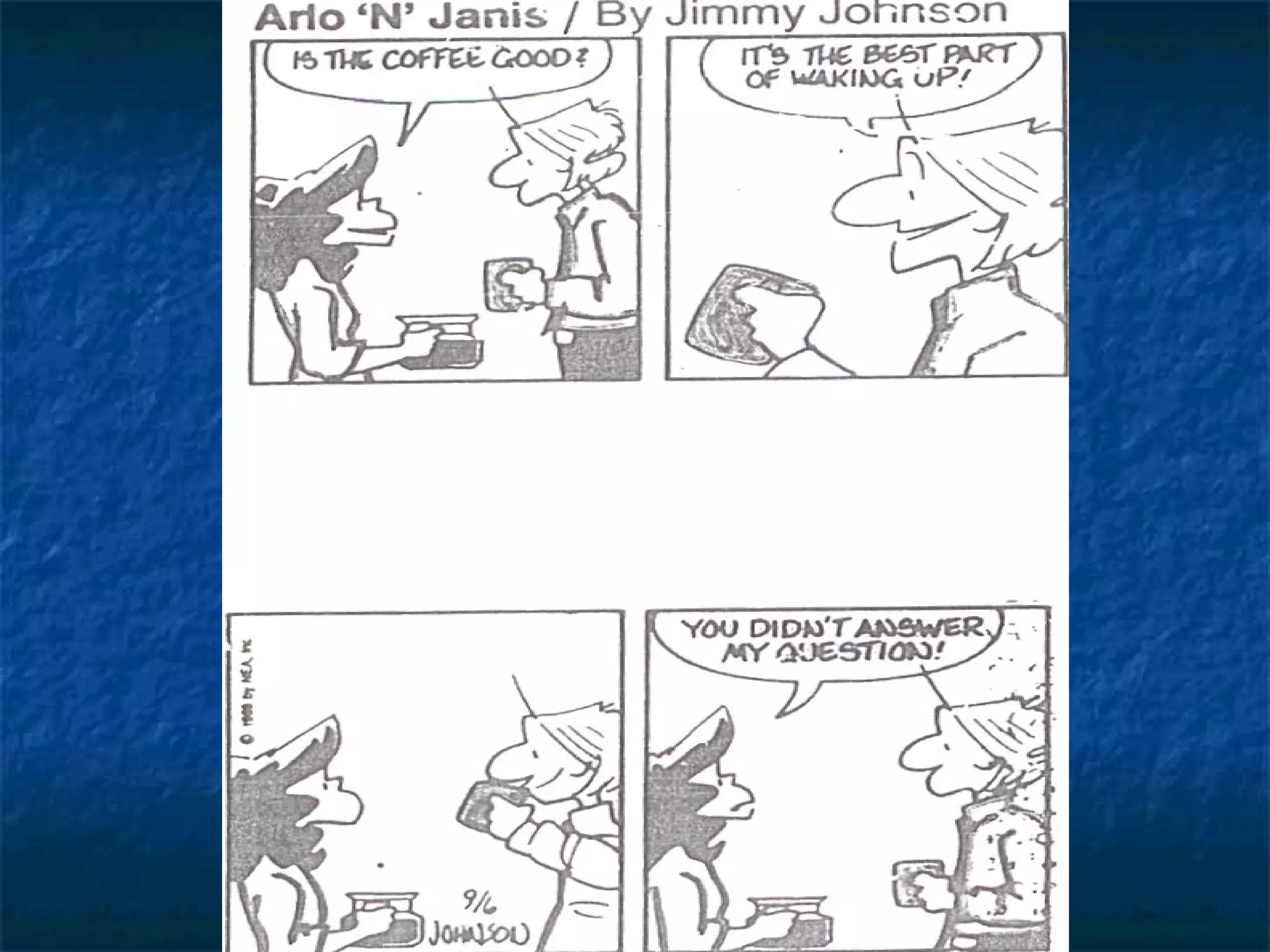
E/I Where, primarily, do you direct your energy To the outer world of activity and spoken words (Extraversion)  E To the inner world of thoughts and emotions (Introversion)  I
EXERCISE Ideal Weekend Airport
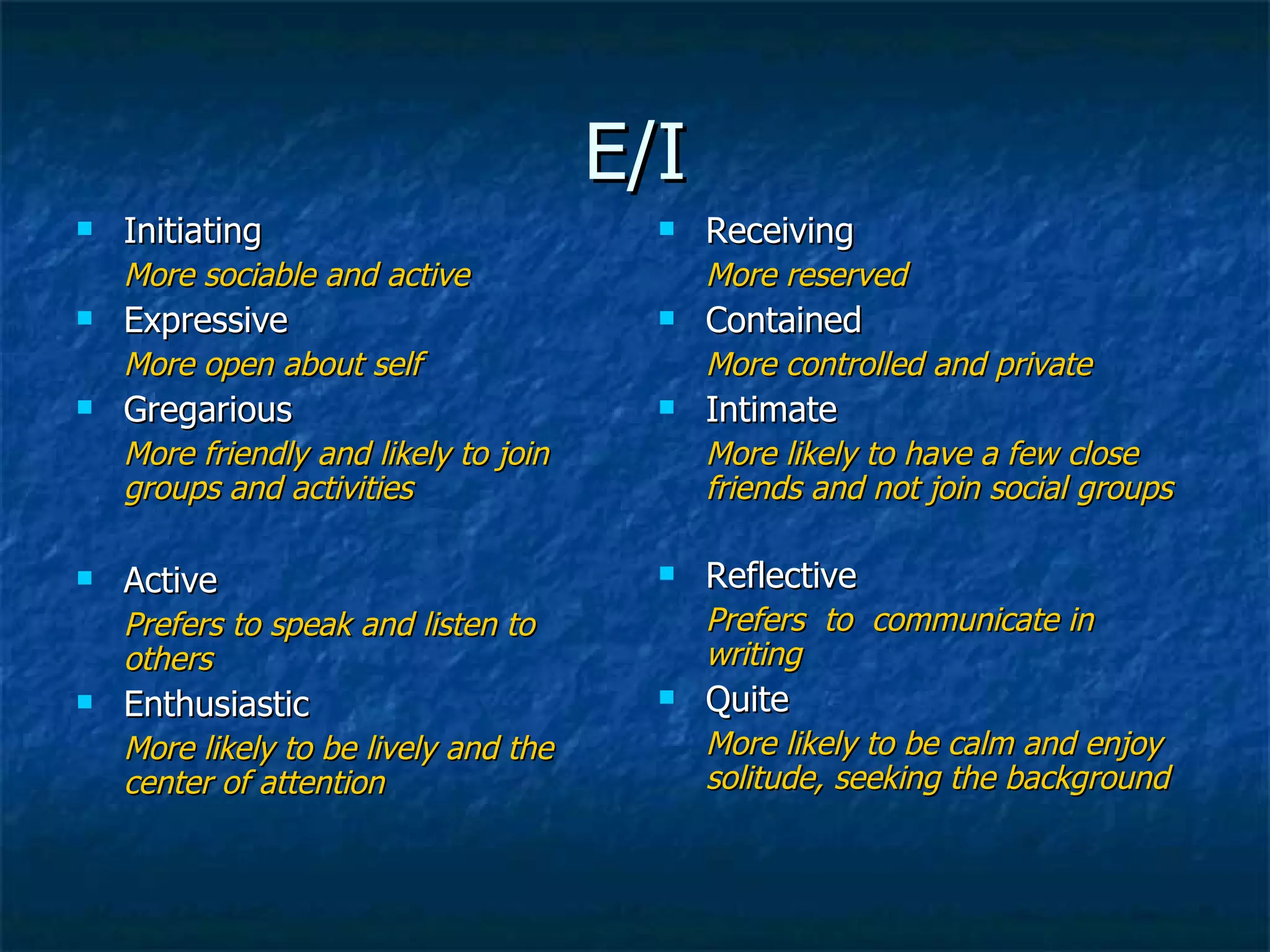
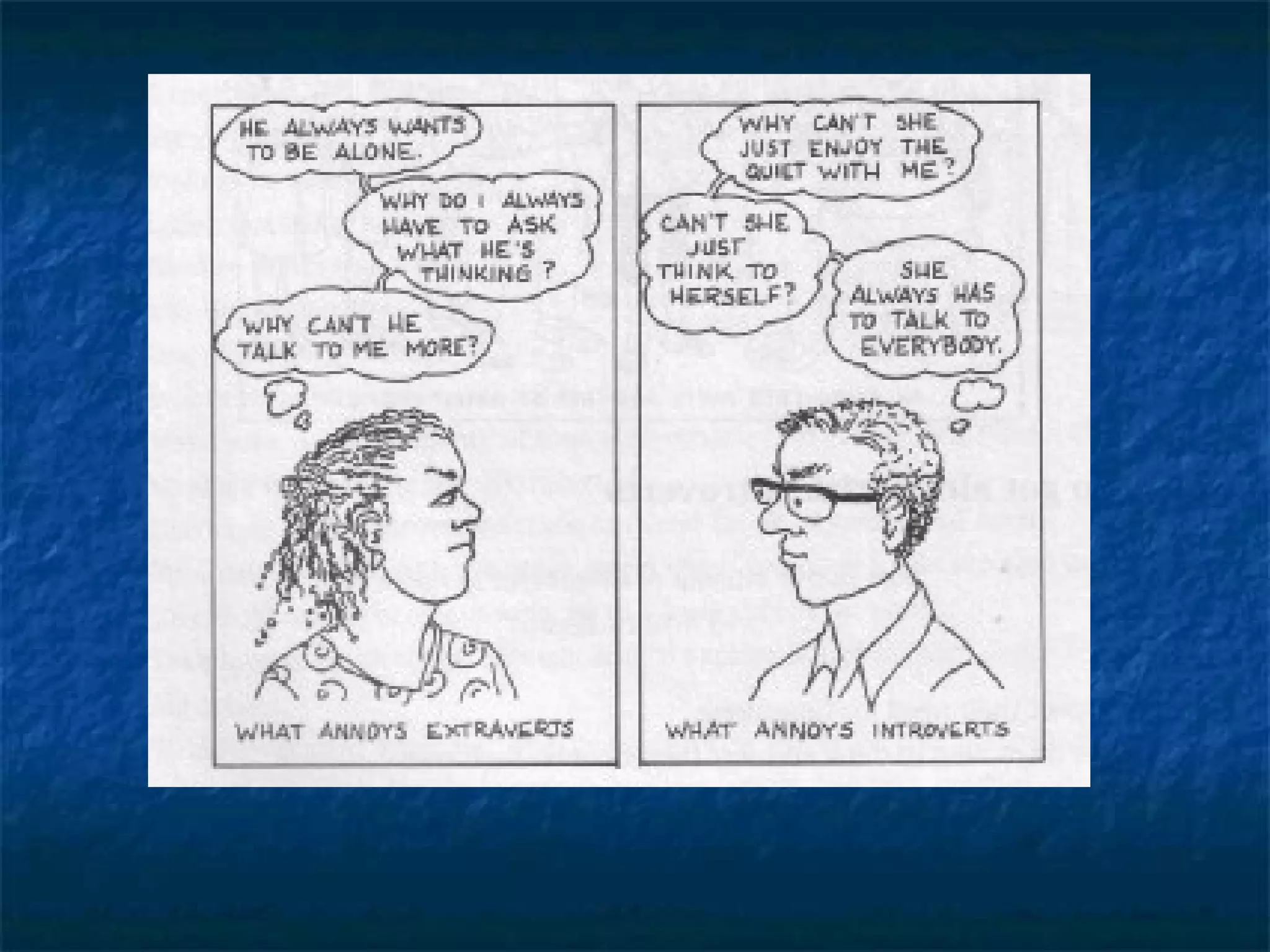
E/I Initiating More sociable and active Expressive More open about self Gregarious More friendly and likely to join groups and activities Active Prefers to speak and listen to others Enthusiastic More likely to be lively and the center of attention Receiving More reserved Contained More controlled and private Intimate More likely to have a few close friends and not join social groups Reflective Prefers  to  communicate in writing Quite More likely to be calm and enjoy solitude, seeking the background
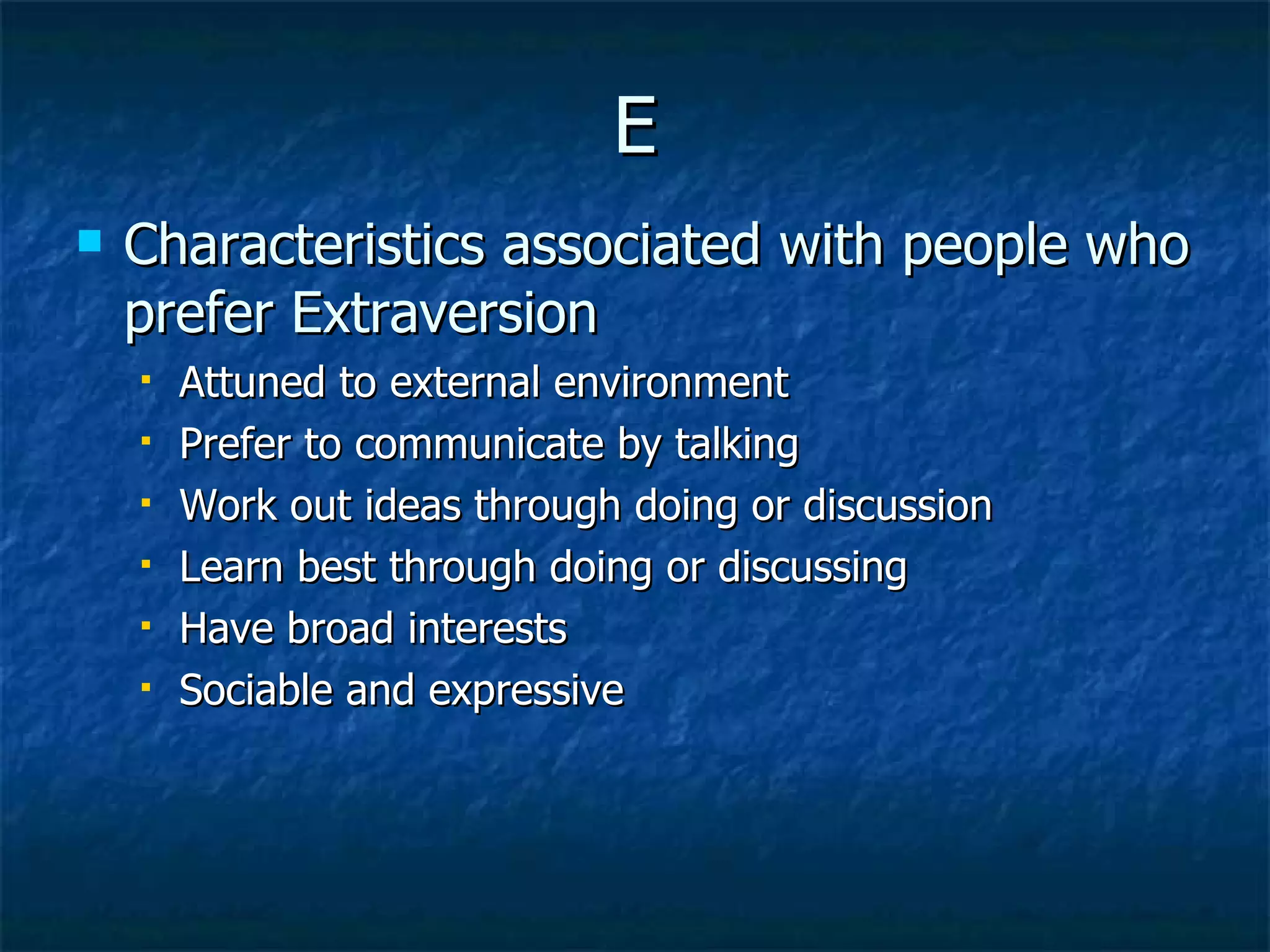
E Characteristics associated with people who prefer Extraversion Attuned to external environment Prefer to communicate by talking Work out ideas through doing or discussion Learn best through doing or discussing Have broad interests Sociable and expressive
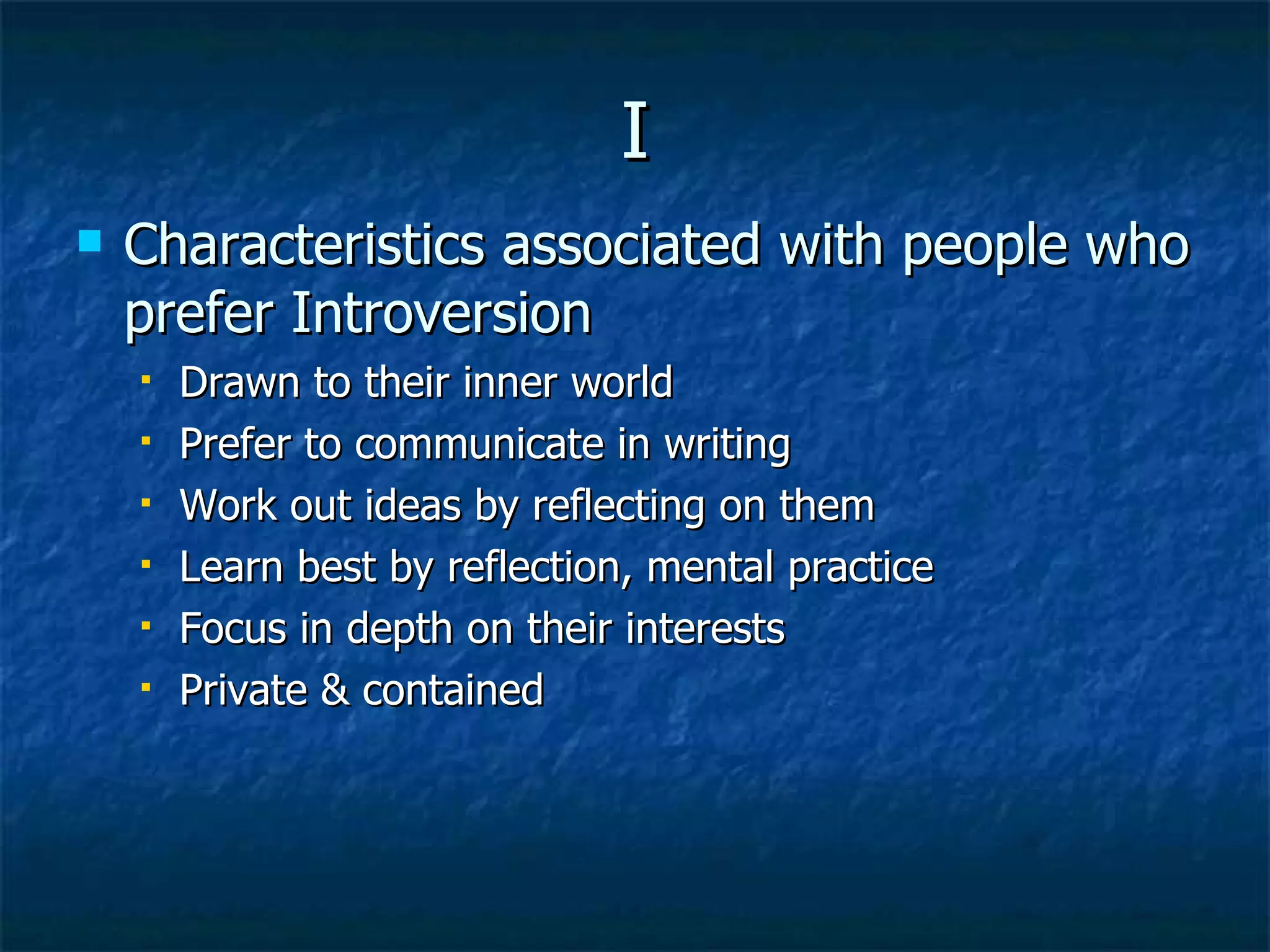
I Characteristics associated with people who prefer Introversion Drawn to their inner world Prefer to communicate in writing Work out ideas by reflecting on them Learn best by reflection, mental practice Focus in depth on their interests Private & contained
 
 
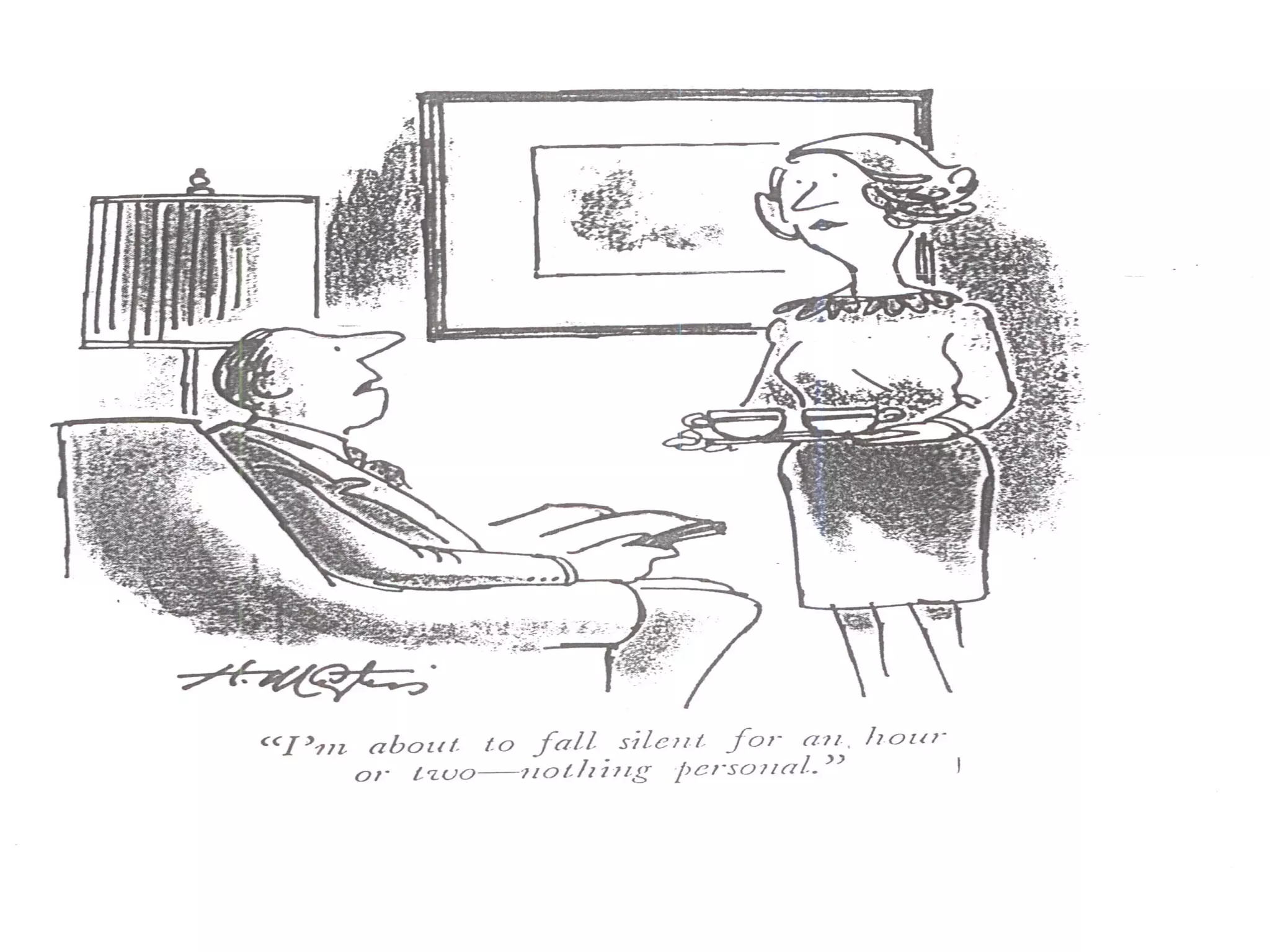
Extravert does not mean talkative or loud Introvert does not mean shy or inhibited
S/N How do you prefer to take in information? Information that is real & tangible – what is actually happening (Sensing)  S By seeing the big picture, focusing on the connections between facts  (iNtuition)  N
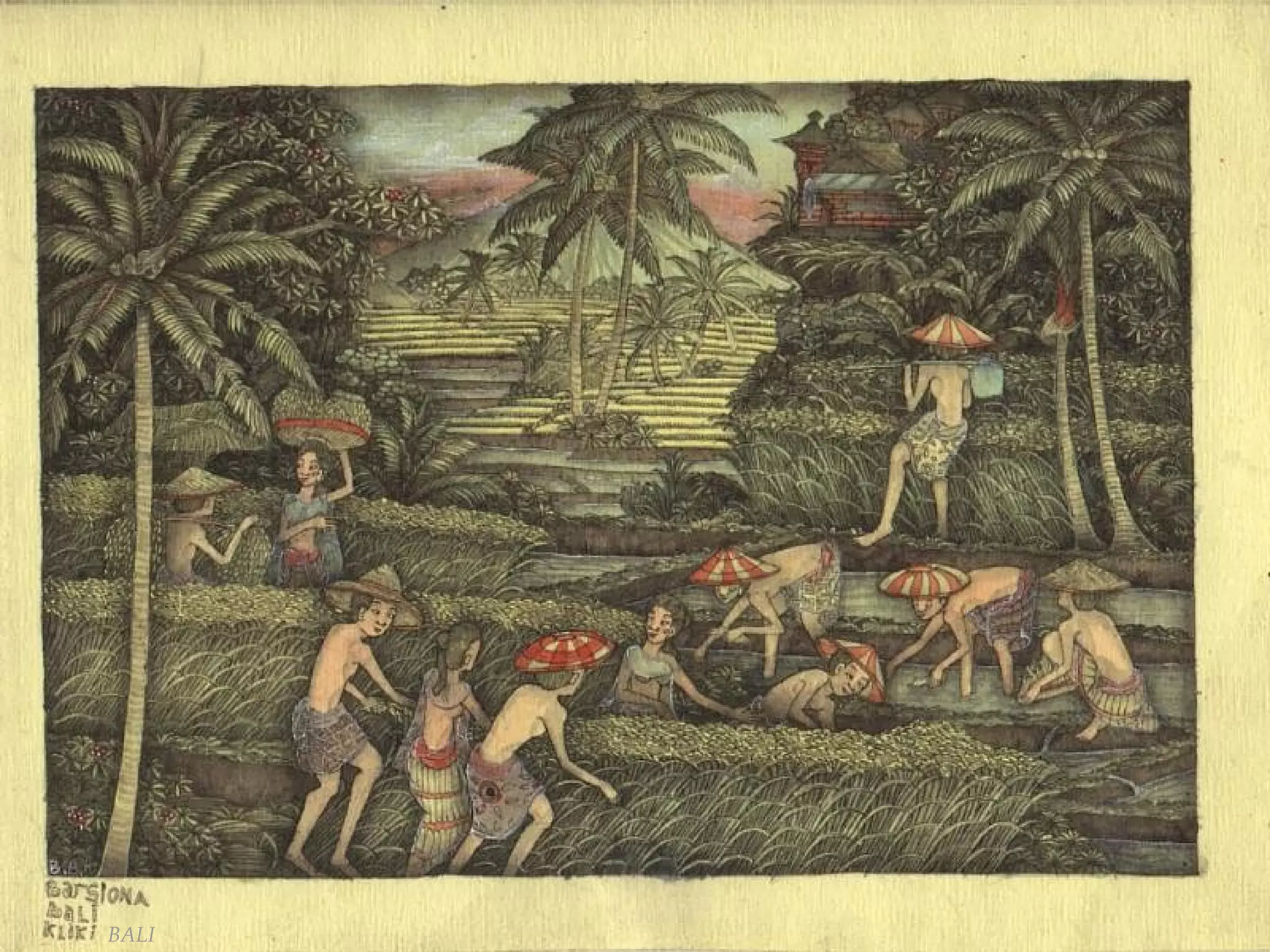
BALI
S/N Sensing Taste food Notice a stoplight has changed Memorize your presentation Follow steps in a process iNtuition Come up with a new way of doing things Think about future implications for a current action Perceive underlying meaning in what people say or do See the big picture
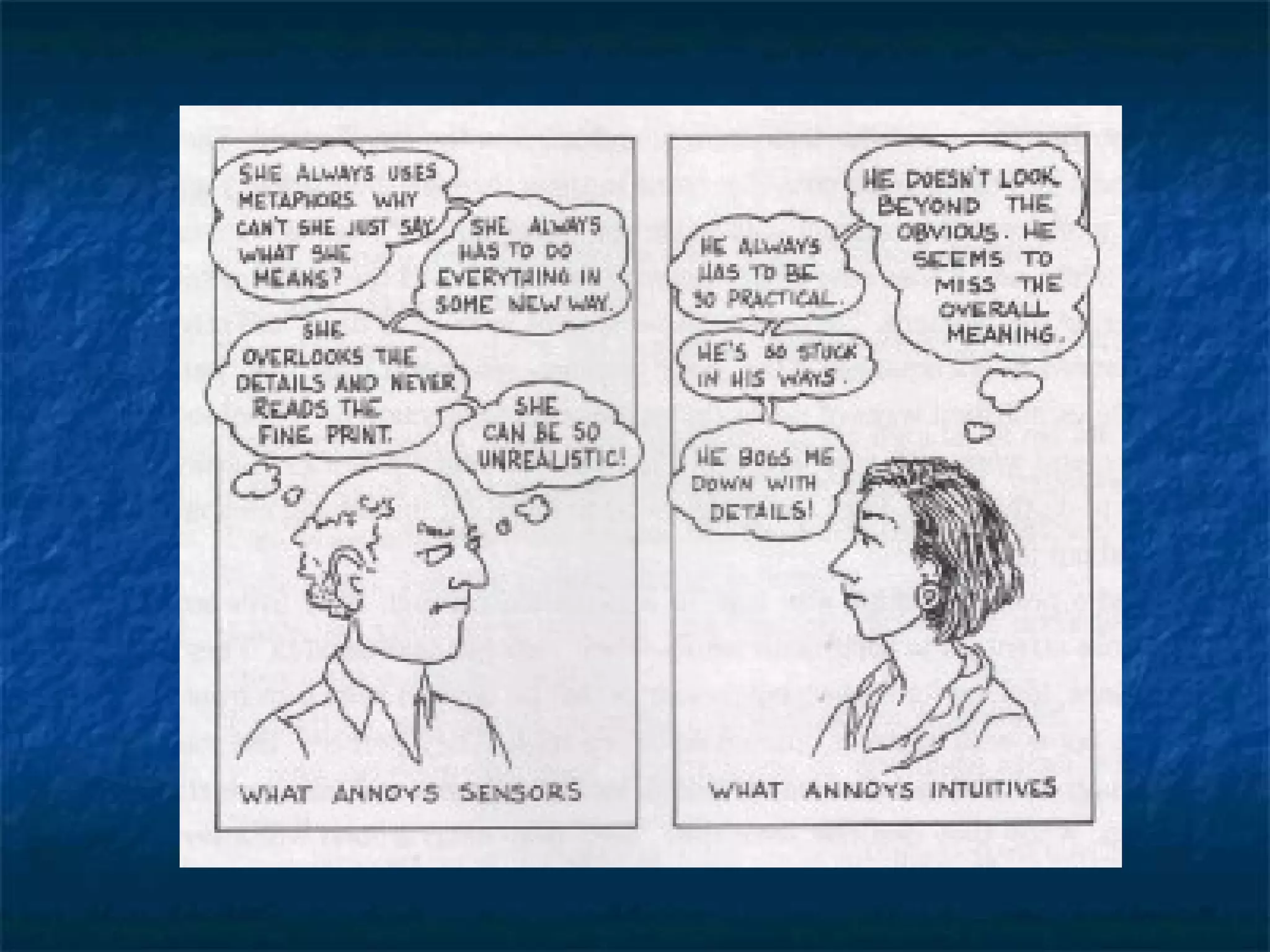
S/N Concrete More literal, tangible and liking exact facts Realistic More sensible, matter of fact and efficient Practical  More pragmatic and results oriented, like to apply ideas Experiential More realistic and empirical Traditional More conventional and valuing of institutions Abstract More drawn to symbolism and original ideas Imaginative More novel and ingenious Conceptual More interested in knowledge for its own sake Theoretical More “big picture” – theory and patterns Original More unconventional
S Characteristics associated with people who prefer Sensing Oriented to the past & present realities Need more data, examples and experience before being comfortable with a decision or theory Focus on what is real and actual Observe and remember specifics Build carefully and thoroughly toward conclusion Trust experience Seem methodical, certain, adamant about details and focused on the here and now
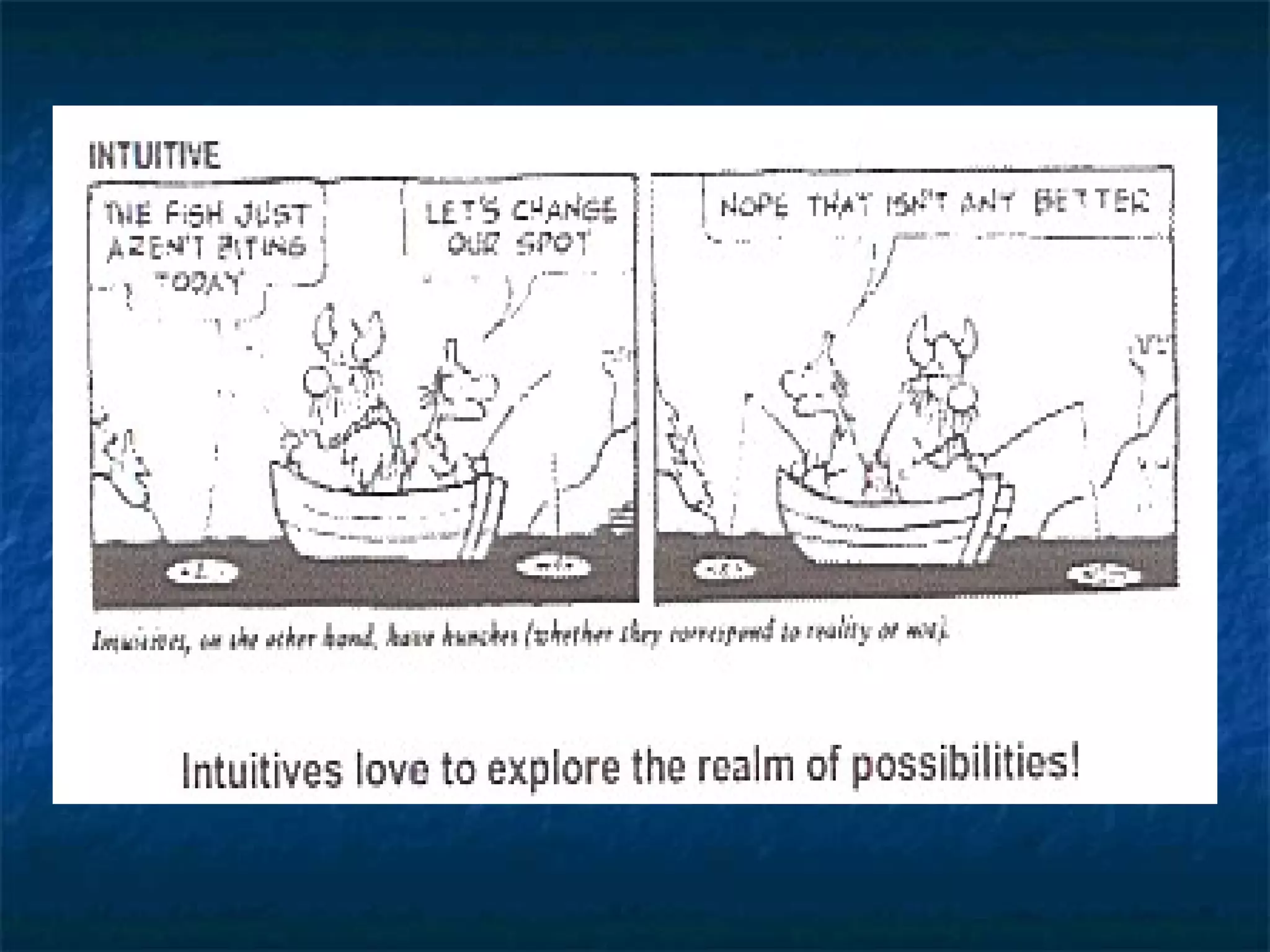
N Characteristics associated with people who prefer iNtuition Oriented to future possibilities Have a tendency toward “quickness of understanding” Focus on the patterns and meanings in data Remember specifics when they relate to a pattern Move quickly to conclusions, follow hunches Trust inspiration Seem imaginative, unconventional, intellectual, having a mental focus on the future


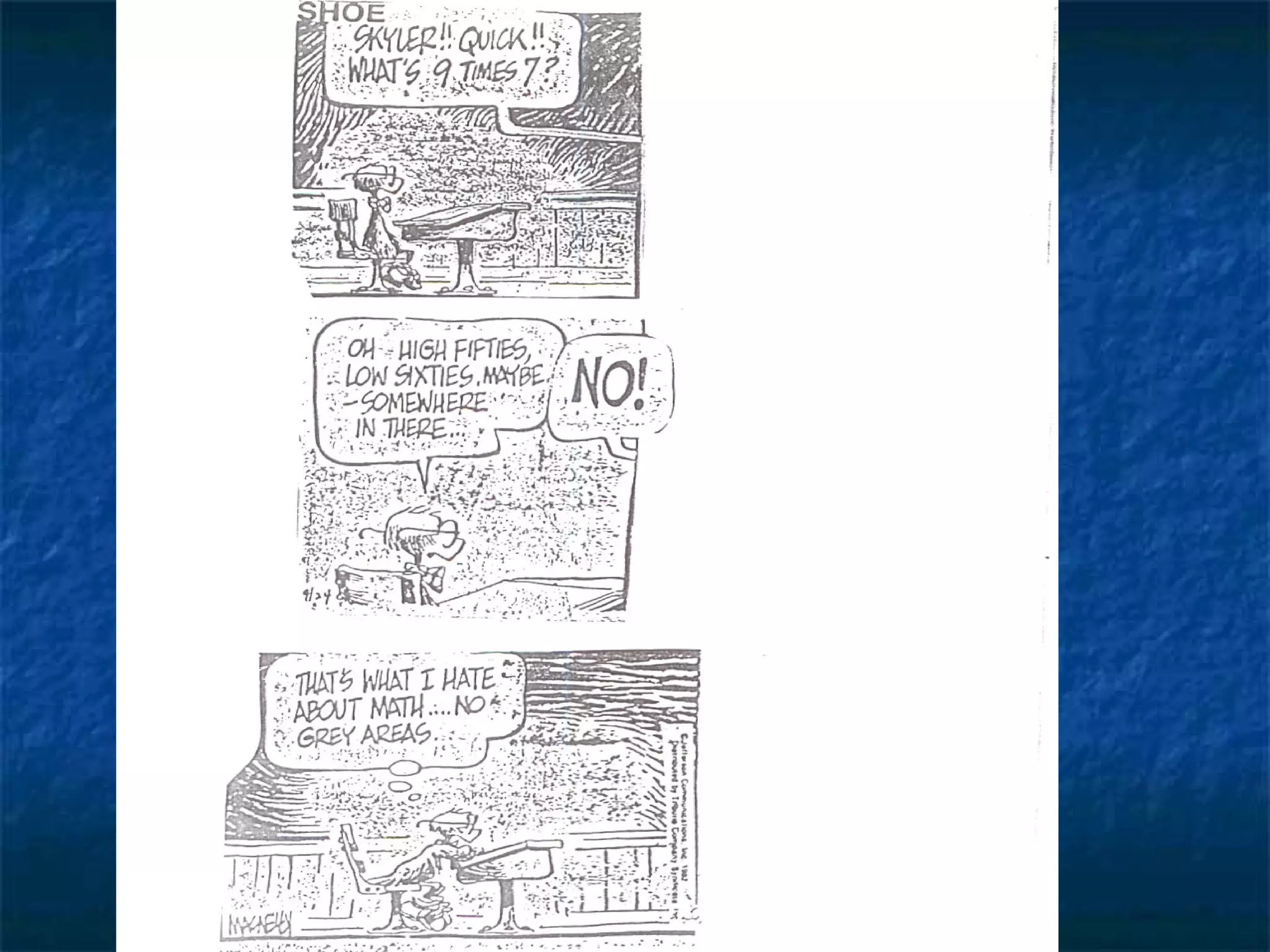
T/F How do you prefer to make decisions? On the basis of logic and objective considerations (Thinking)  T On the basis of personal values  (Feeling)  F
EXERCISE Overseas visit Beggar
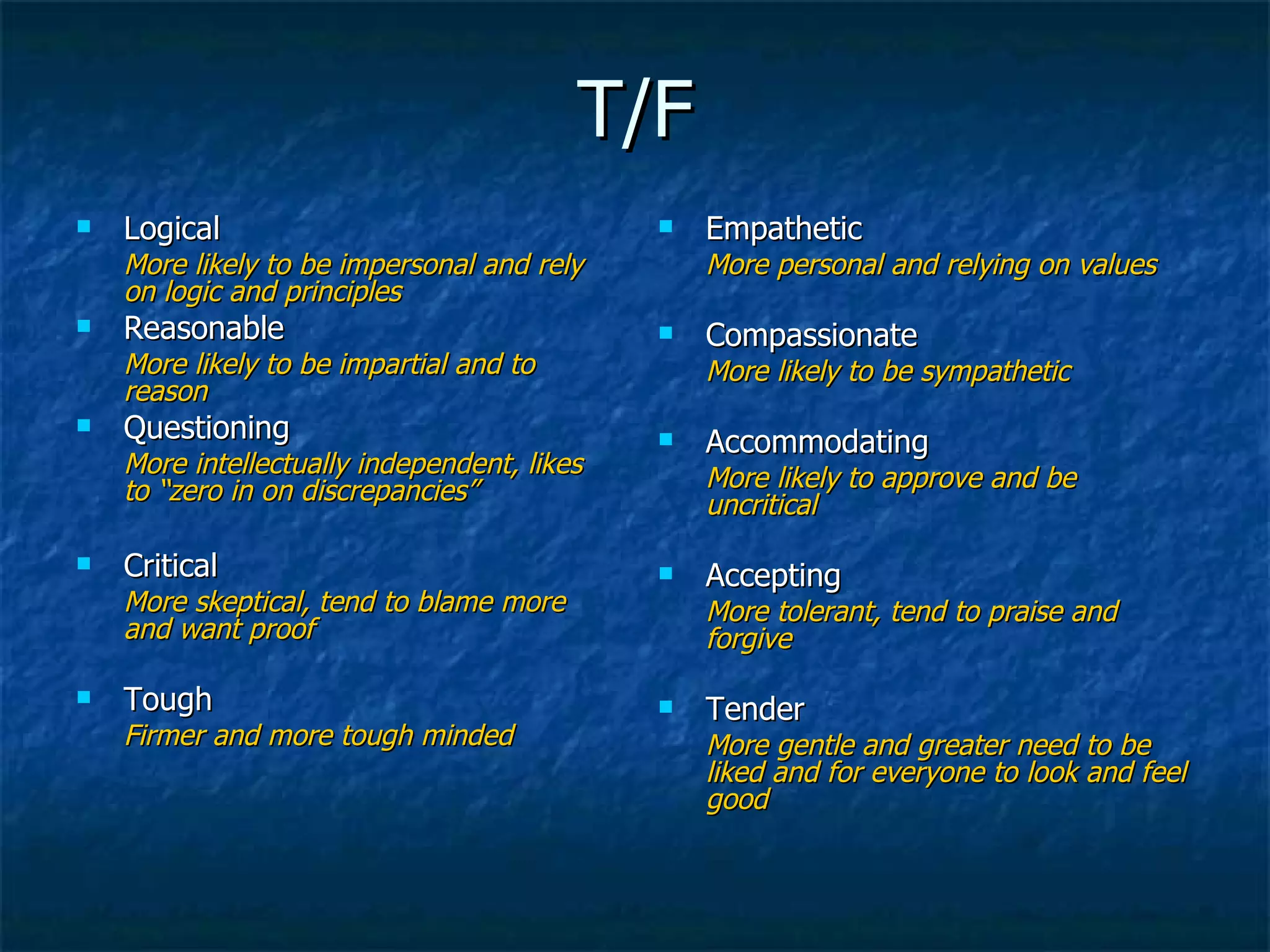
T/F Logical More likely to be impersonal and rely on logic and principles Reasonable More likely to be impartial and to reason Questioning  More intellectually independent, likes to “zero in on discrepancies” Critical More skeptical, tend to blame more and want proof Tough Firmer and more tough minded Empathetic More personal and relying on values Compassionate More likely to be sympathetic Accommodating More likely to approve and be uncritical Accepting More tolerant, tend to praise and forgive Tender More gentle and greater need to be liked and for everyone to look and feel good
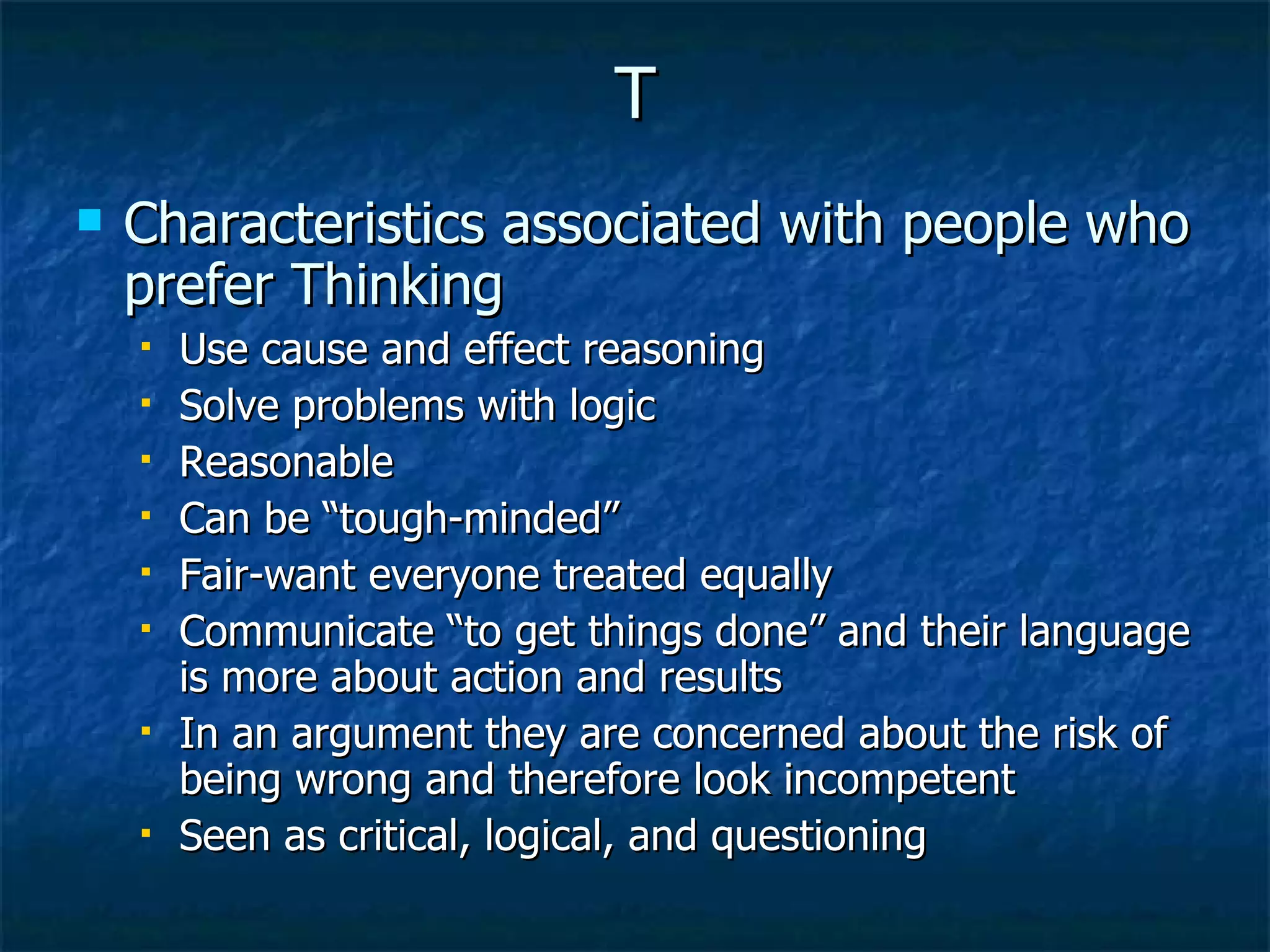
T Characteristics associated with people who prefer Thinking Use cause and effect reasoning Solve problems with logic Reasonable Can be “tough-minded” Fair-want everyone treated equally Communicate “to get things done” and their language is more about action and results In an argument they are concerned about the risk of being wrong and therefore look incompetent  Seen as critical, logical, and questioning
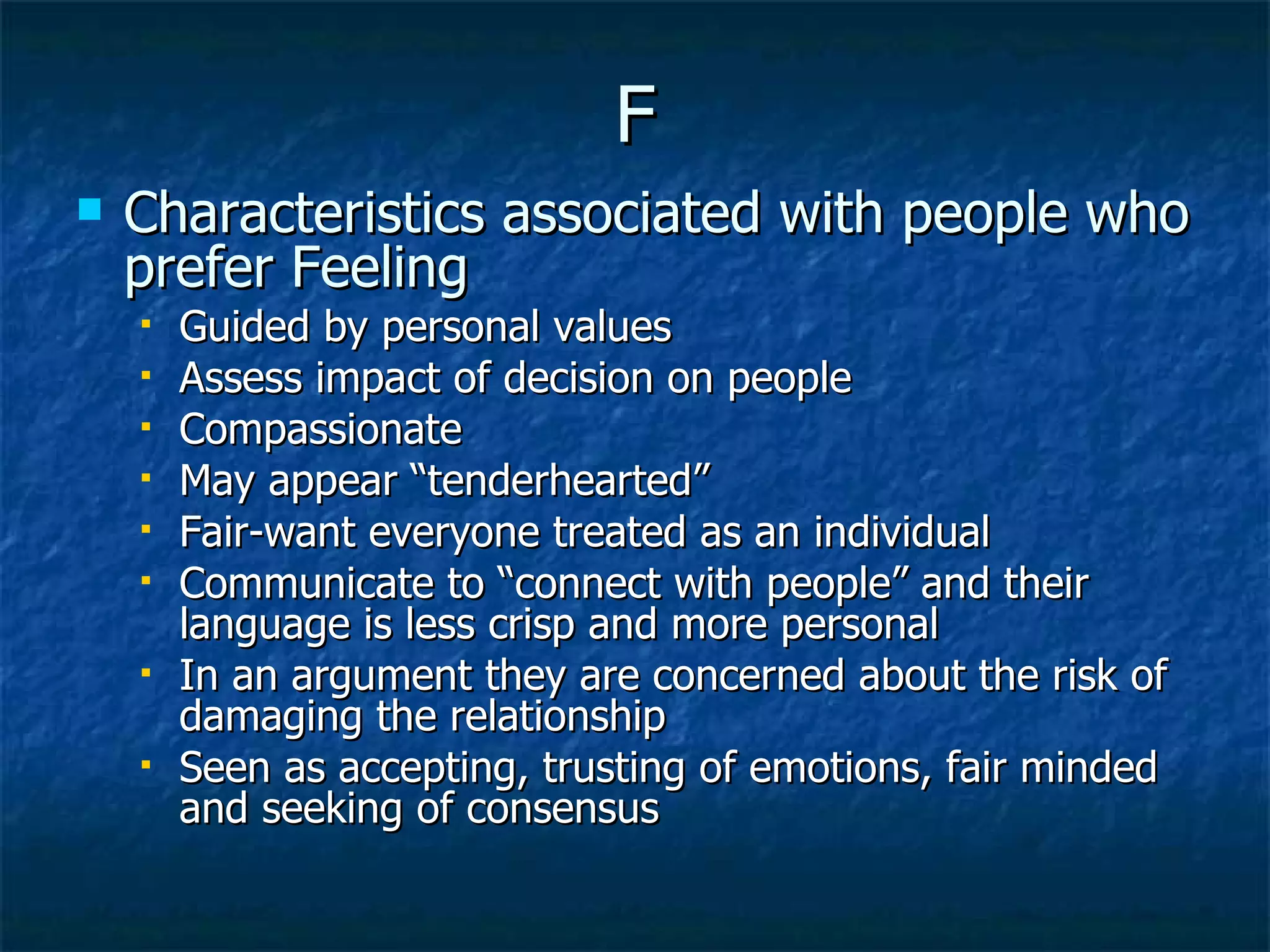
F Characteristics associated with people who prefer Feeling Guided by personal values Assess impact of decision on people Compassionate May appear “tenderhearted” Fair-want everyone treated as an individual Communicate to “connect with people” and their language is less crisp and more personal In an argument they are concerned about the risk of damaging the relationship  Seen as accepting, trusting of emotions, fair minded and seeking of consensus
 
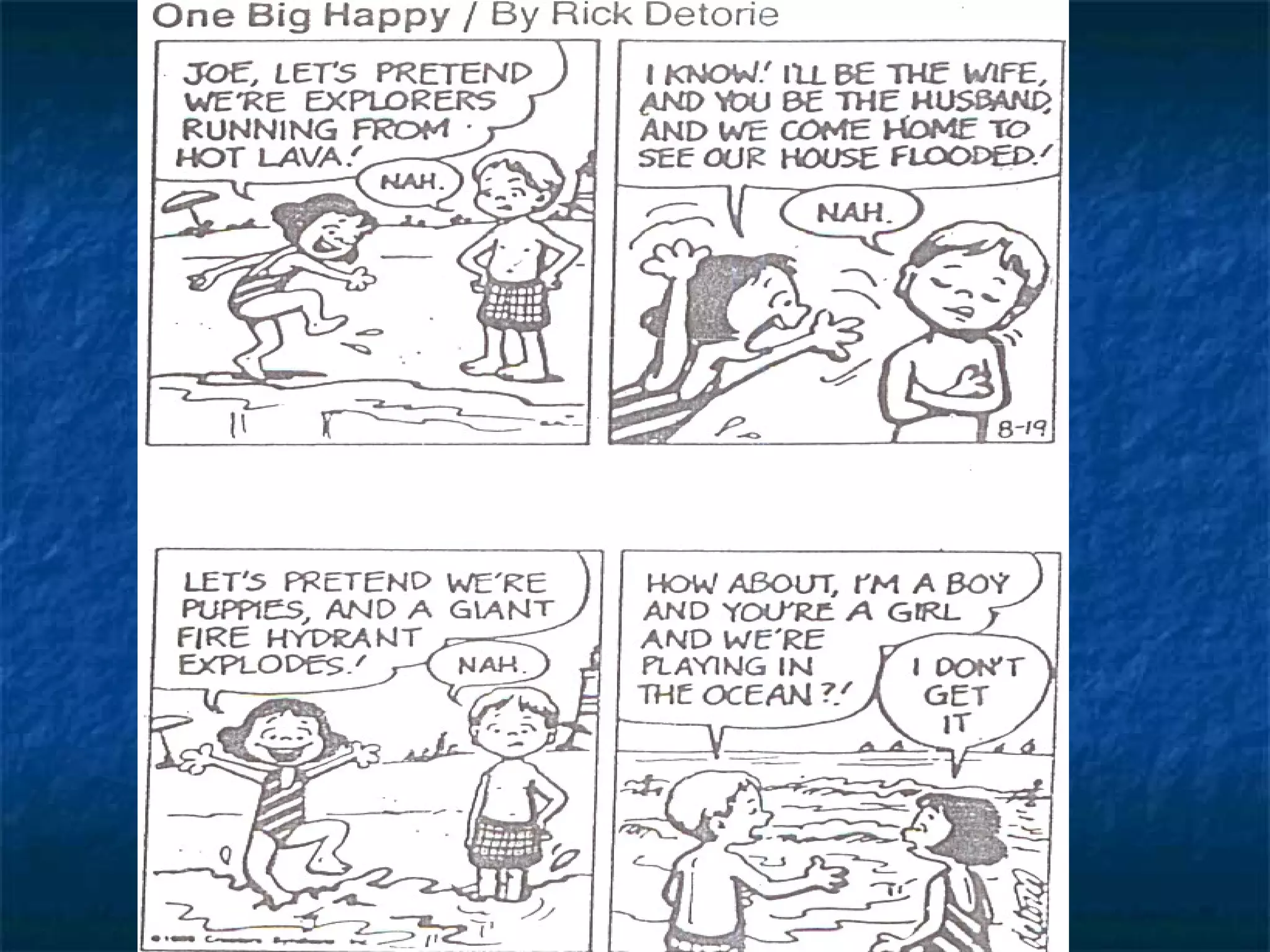
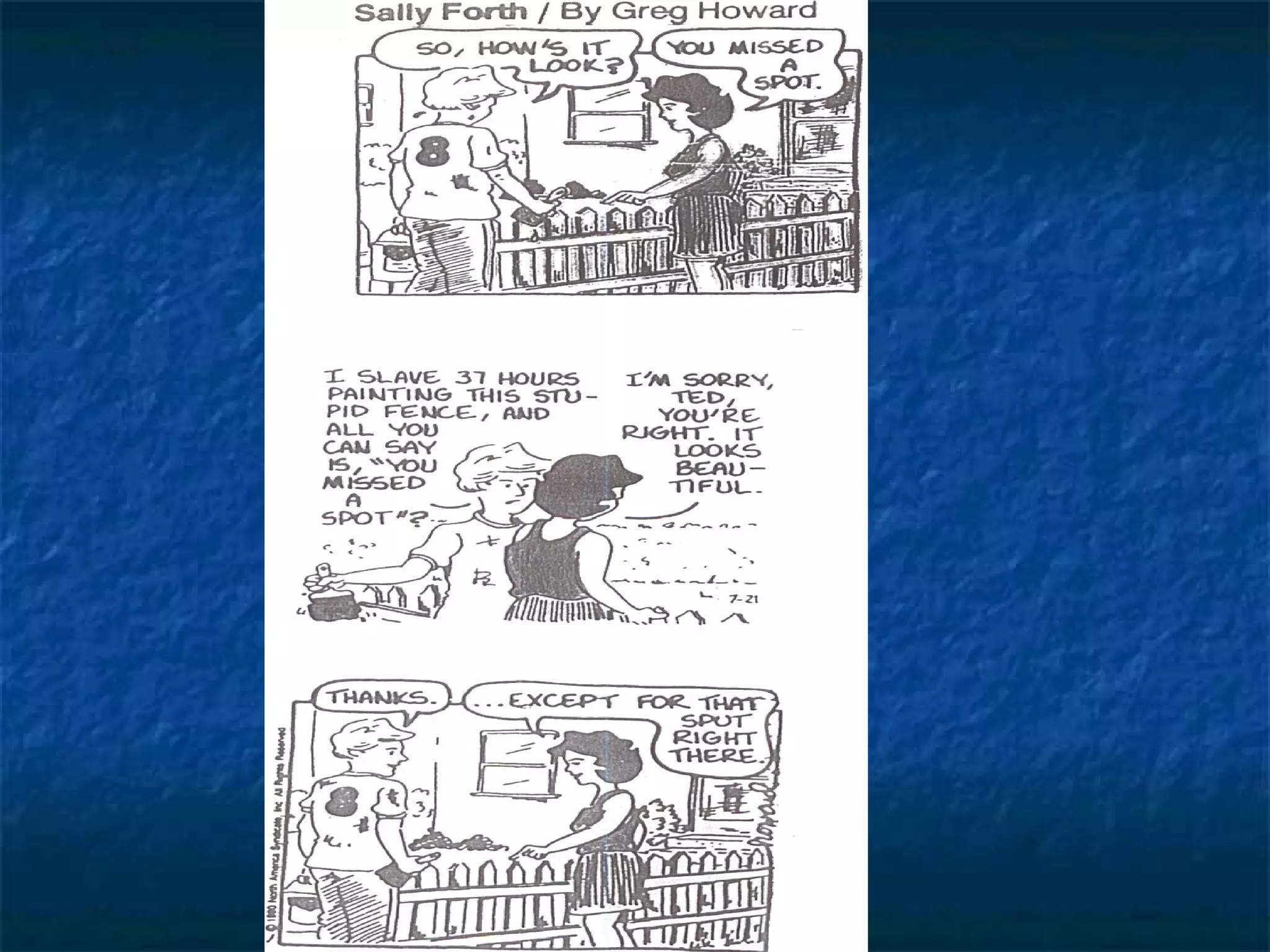
J/P How do you prefer to organize your life? In a planned, orderly way, seeking to regulate and manage their lives (Judging)  J In a flexible, spontaneous way, seeking to experience and understand life, rather than control it  (Perceiving)  P
EXERCISE Visit to Manali
J/P Systematic More orderly and more likely to plan thoroughly including for the worst possibilities Planful More likely to plan long term and to need to be settled Early starting  As it sounds – the suggested motive is to try to prevent stress Scheduled More likely to prefer routine and procedures Methodical More likely to make detailed plans for a current task Casual More easygoing and leisurely, and likely to welcome diversions Open-ended More impulsive and spur of the moment, need not to be tied down Pressure prompted More last minute and enjoy the challenge of this Spontaneous More likely to be uncomfortable with routine and to enjoy the unexpected Emergent More likely to “wing it” trusting that a solution will emerge
J Characteristics associated with people who prefer Judging Scheduled Organize their lives Make short term & long term plan Like to have things decided Try to avoid last minute stresses
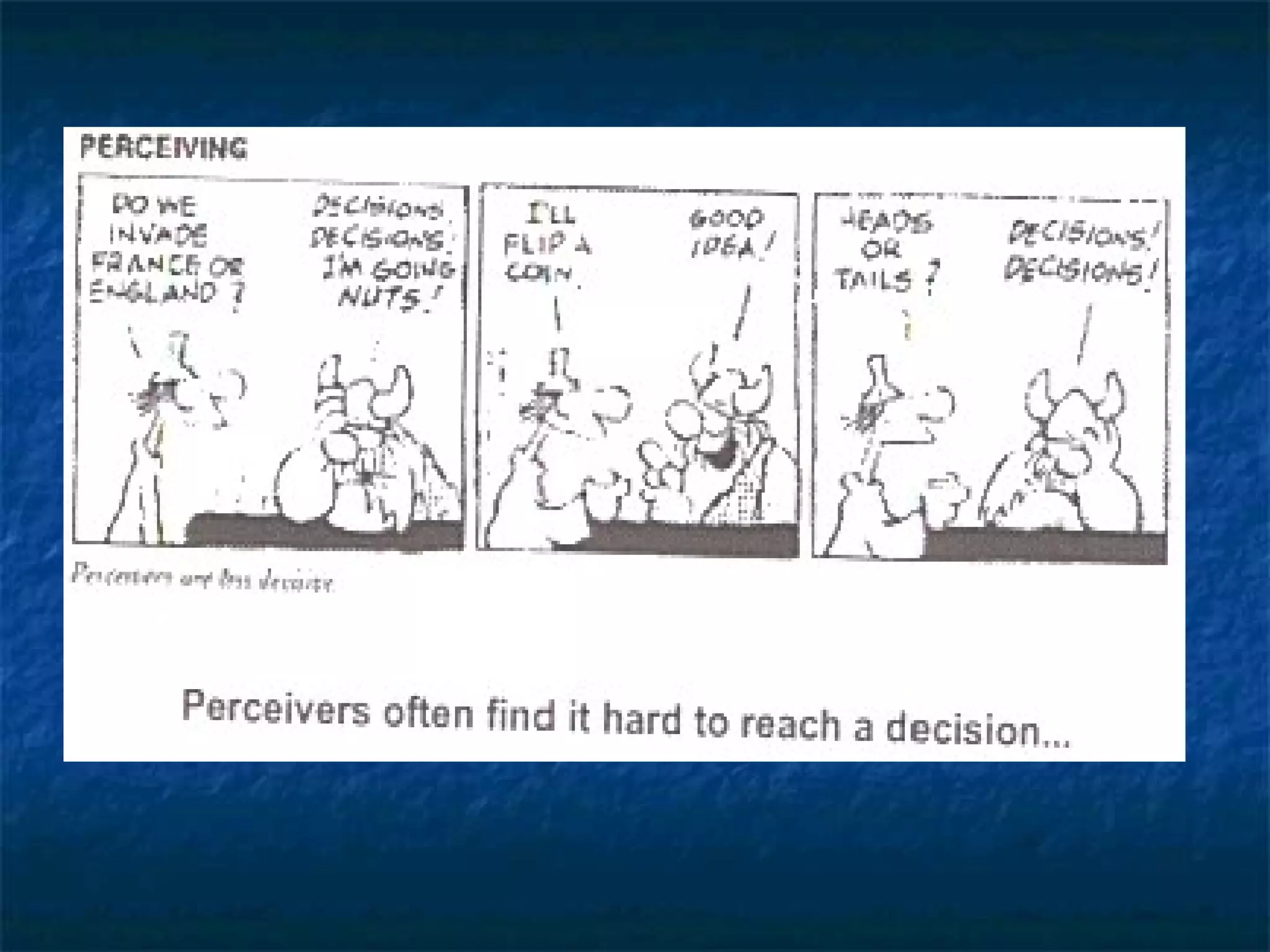
P Characteristics associated with people who prefer Perceiving Spontaneous Flexible Adapt, change course Like things loose and open to change Feel energized by last minute pressures


Judging does not mean judgmental
Common Biases Es may think Is are uninterested or witholding information when Is are processing internally Es may see Is as dull and slow Is may think Es are uncertain or inconsistent when they are processing a decision out loud Is may feel overwhelmed and hurried by Es
 
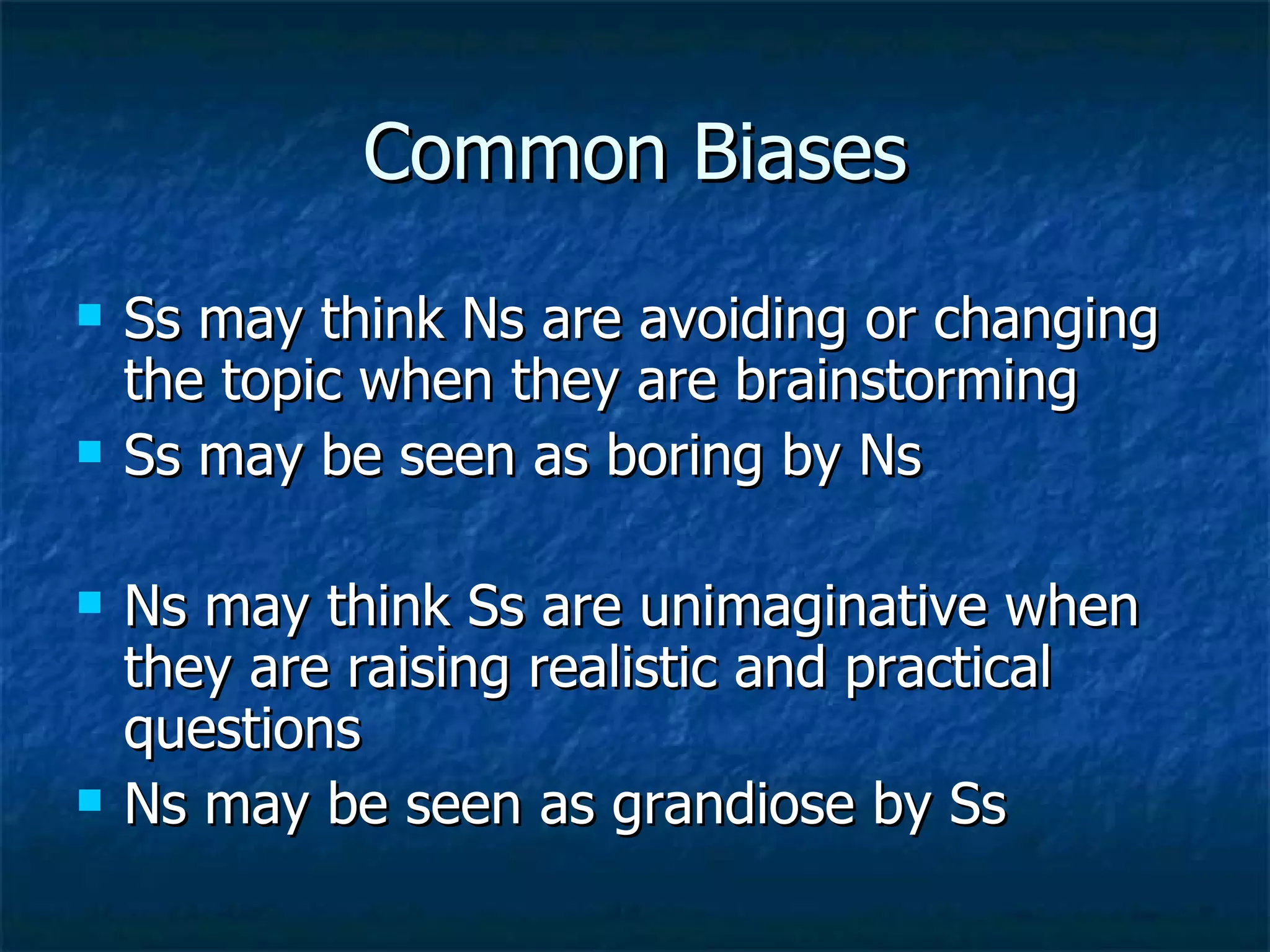
Common Biases Ss may think Ns are avoiding or changing the topic when they are brainstorming Ss may be seen as boring by Ns Ns may think Ss are unimaginative when they are raising realistic and practical questions Ns may be seen as grandiose by Ss
 
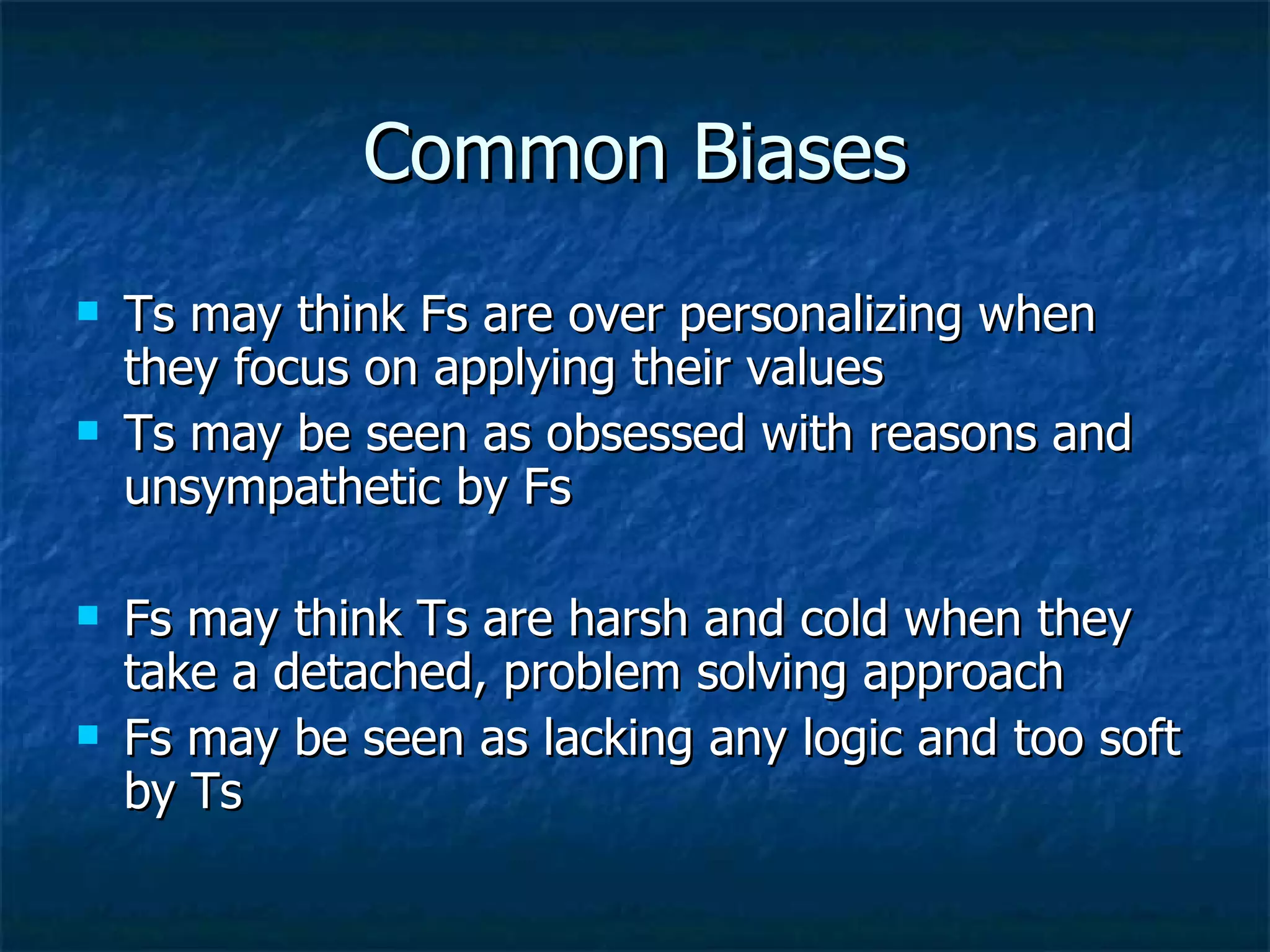
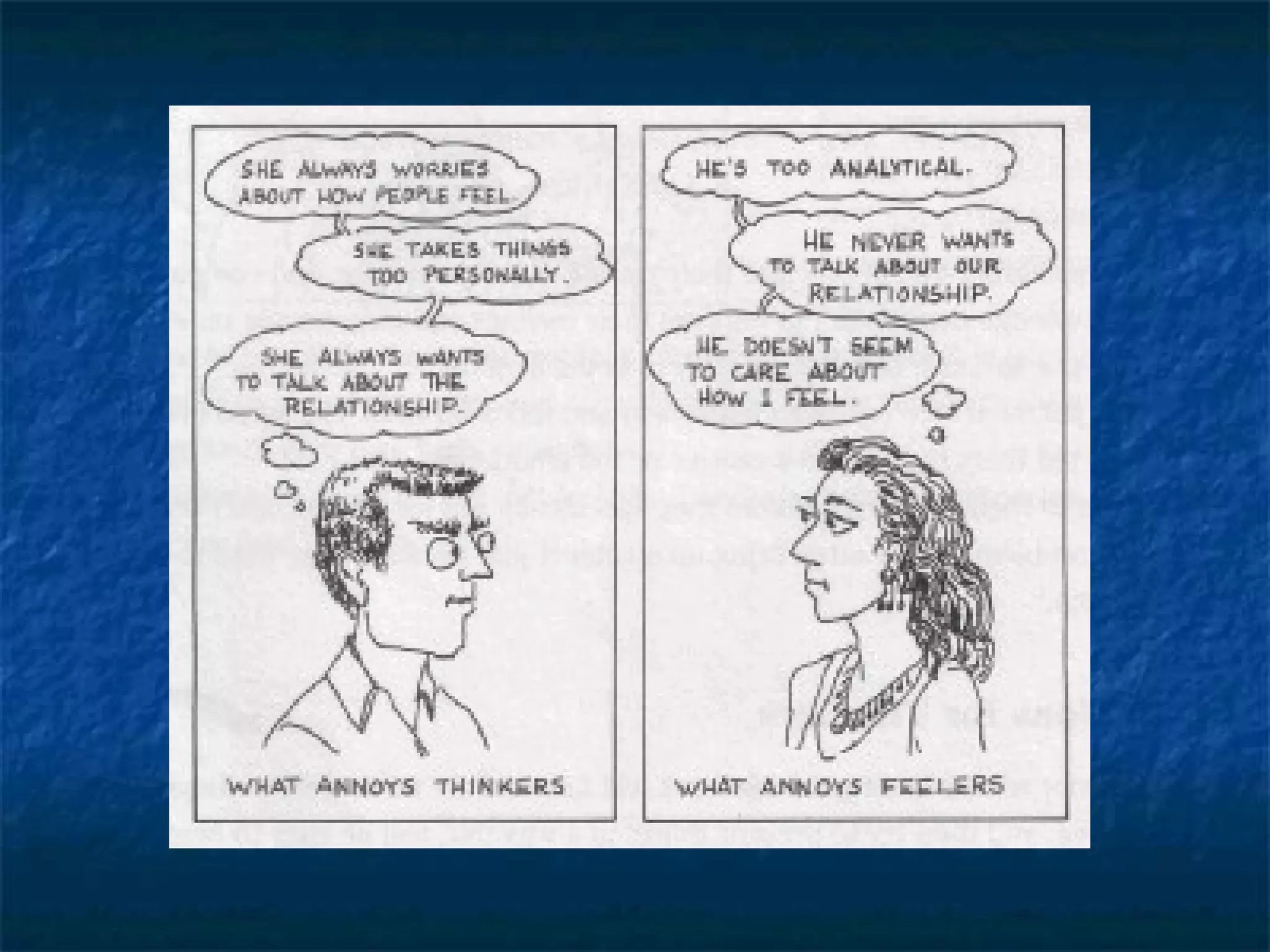
Common Biases Ts may think Fs are over personalizing when they focus on applying their values Ts may be seen as obsessed with reasons and unsympathetic by Fs Fs may think Ts are harsh and cold when they take a detached, problem solving approach Fs may be seen as lacking any logic and too soft by Ts
 
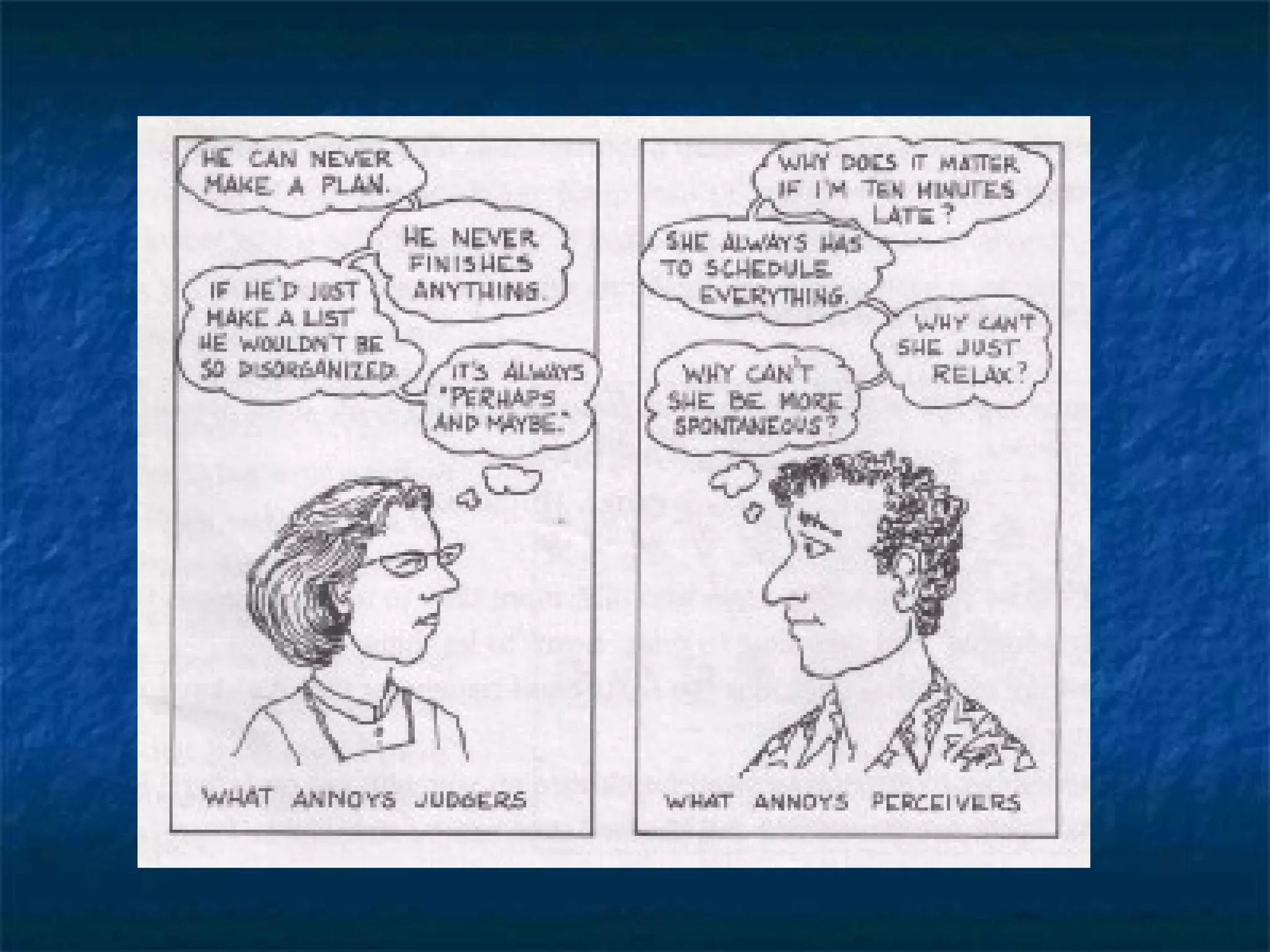
Common Biases Js may think Ps are procrastinating and unreliable when they are trying to keep options open Js may be seen as pushy and rigid by Ps Ps may think Js are rigid  and controlling when they are structuring and scheduling Ps may be seen as aimless and disorganized
 
Using Type Differences at work The clearest vision of the future usually comes from an Intuitive type The most practical realism usually comes from a sensing type The most incisive analysis comes from a Thinking type The most skillful understanding and handling of people usually comes from a Feeling type
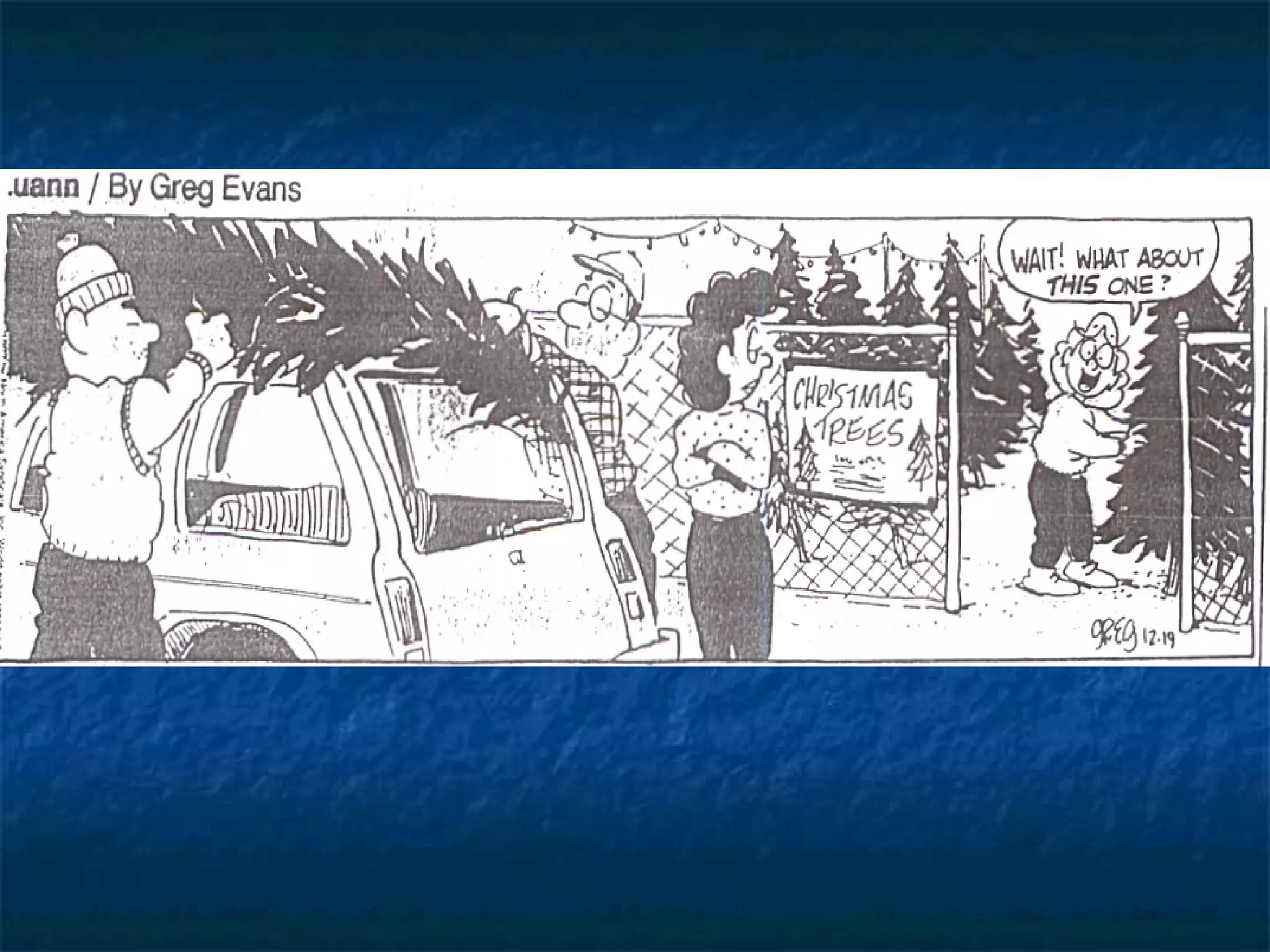
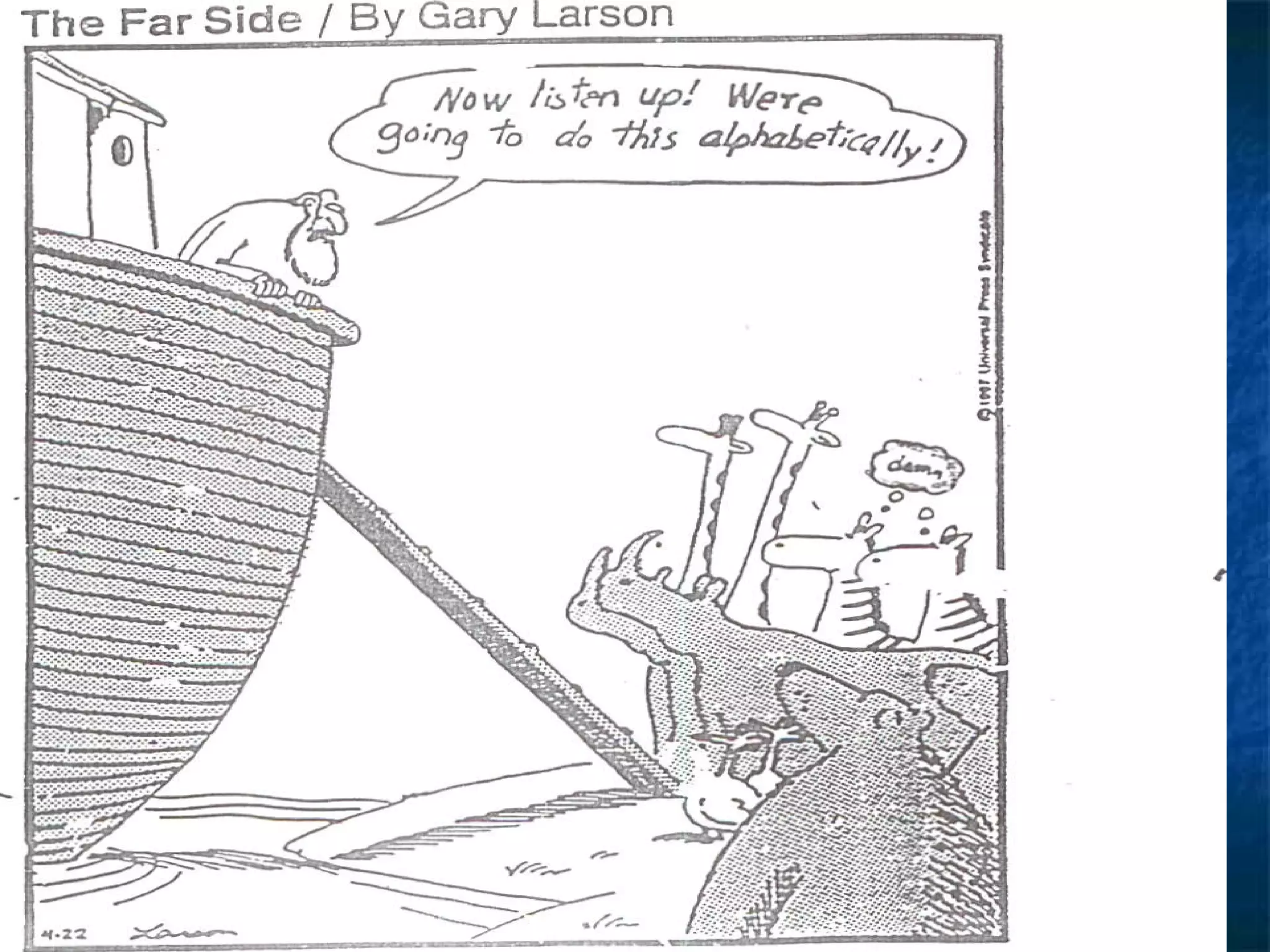
Conclusion The four letter type is much more than simple addition of the 4 preferences. – it is the interaction of the preferences with one another There is no good or bad type Purpose of learning type is to help you understand yourself better and to enhance your relationships with others Each person is unique
Conclusion Everyone uses each of the preferences to some degree. Our type consists of those we prefer MBTI suggests your probable type. You are the final judge of your type Type does not explain everything. Human personality is much more complex Type should NOT keep you from considering any activity or relationship
THANK YOU

Mbti

  • 1.
  • 2.
    MBTI Myers BriggsType Indicator Personality Indicator Authored by Carl Jung in 1921 Myers & Briggs In existence for 60 years Most widely used psychological instrument in the world
  • 3.
    MBTI Translated in30 languages 5 million take MBTI every year Helps identify your preferred way of doing things – Personality Type Does not assess your intelligence, competence or mental function For Normal people
  • 4.
    MBTI Is basedon 4 preferences: Where, primarily, do you direct your energy? How do you prefer to take in information? How do you prefer to make decisions? How do you prefer to organize your life?
  • 5.
    MBTI Preference is….feeling most natural and comfortable with a particular way of behaving with most interest and energy more likely to behave in certain ways what a person does when he is not under the pressure of a time limit or an external reward or coercion
  • 6.
    MBTI “ Forme kindness is an alien quality; and like a difficult French verb I must learn it slowly, painfully and probably imperfectly. It does not wake with me in the mornings; everyday I have to coax it into existence, breath on it to keep it alive; practice it to keep it in good working order. And most difficult of all, I have to exercise it in such a way that it looks spontaneous and genuine; I have to see that it flows without hesitation as it does from its practitioners, its lucky heirs who acquire it without laborious seeking.”
  • 7.
    E/I Where, primarily,do you direct your energy To the outer world of activity and spoken words (Extraversion) E To the inner world of thoughts and emotions (Introversion) I
  • 8.
  • 9.
    E/I Initiating Moresociable and active Expressive More open about self Gregarious More friendly and likely to join groups and activities Active Prefers to speak and listen to others Enthusiastic More likely to be lively and the center of attention Receiving More reserved Contained More controlled and private Intimate More likely to have a few close friends and not join social groups Reflective Prefers to communicate in writing Quite More likely to be calm and enjoy solitude, seeking the background
  • 10.
    E Characteristics associatedwith people who prefer Extraversion Attuned to external environment Prefer to communicate by talking Work out ideas through doing or discussion Learn best through doing or discussing Have broad interests Sociable and expressive
  • 11.
    I Characteristics associatedwith people who prefer Introversion Drawn to their inner world Prefer to communicate in writing Work out ideas by reflecting on them Learn best by reflection, mental practice Focus in depth on their interests Private & contained
  • 12.
  • 13.
  • 14.
    Extravert does notmean talkative or loud Introvert does not mean shy or inhibited
  • 15.
    S/N How doyou prefer to take in information? Information that is real & tangible – what is actually happening (Sensing) S By seeing the big picture, focusing on the connections between facts (iNtuition) N
  • 16.
  • 17.
    S/N Sensing Tastefood Notice a stoplight has changed Memorize your presentation Follow steps in a process iNtuition Come up with a new way of doing things Think about future implications for a current action Perceive underlying meaning in what people say or do See the big picture
  • 18.
    S/N Concrete Moreliteral, tangible and liking exact facts Realistic More sensible, matter of fact and efficient Practical More pragmatic and results oriented, like to apply ideas Experiential More realistic and empirical Traditional More conventional and valuing of institutions Abstract More drawn to symbolism and original ideas Imaginative More novel and ingenious Conceptual More interested in knowledge for its own sake Theoretical More “big picture” – theory and patterns Original More unconventional
  • 19.
    S Characteristics associatedwith people who prefer Sensing Oriented to the past & present realities Need more data, examples and experience before being comfortable with a decision or theory Focus on what is real and actual Observe and remember specifics Build carefully and thoroughly toward conclusion Trust experience Seem methodical, certain, adamant about details and focused on the here and now
  • 20.
    N Characteristics associatedwith people who prefer iNtuition Oriented to future possibilities Have a tendency toward “quickness of understanding” Focus on the patterns and meanings in data Remember specifics when they relate to a pattern Move quickly to conclusions, follow hunches Trust inspiration Seem imaginative, unconventional, intellectual, having a mental focus on the future
  • 21.
  • 22.
  • 23.
  • 24.
  • 25.
    T/F How doyou prefer to make decisions? On the basis of logic and objective considerations (Thinking) T On the basis of personal values (Feeling) F
  • 26.
  • 27.
    T/F Logical Morelikely to be impersonal and rely on logic and principles Reasonable More likely to be impartial and to reason Questioning More intellectually independent, likes to “zero in on discrepancies” Critical More skeptical, tend to blame more and want proof Tough Firmer and more tough minded Empathetic More personal and relying on values Compassionate More likely to be sympathetic Accommodating More likely to approve and be uncritical Accepting More tolerant, tend to praise and forgive Tender More gentle and greater need to be liked and for everyone to look and feel good
  • 28.
    T Characteristics associatedwith people who prefer Thinking Use cause and effect reasoning Solve problems with logic Reasonable Can be “tough-minded” Fair-want everyone treated equally Communicate “to get things done” and their language is more about action and results In an argument they are concerned about the risk of being wrong and therefore look incompetent Seen as critical, logical, and questioning
  • 29.
    F Characteristics associatedwith people who prefer Feeling Guided by personal values Assess impact of decision on people Compassionate May appear “tenderhearted” Fair-want everyone treated as an individual Communicate to “connect with people” and their language is less crisp and more personal In an argument they are concerned about the risk of damaging the relationship Seen as accepting, trusting of emotions, fair minded and seeking of consensus
  • 30.
  • 31.
    J/P How doyou prefer to organize your life? In a planned, orderly way, seeking to regulate and manage their lives (Judging) J In a flexible, spontaneous way, seeking to experience and understand life, rather than control it (Perceiving) P
  • 32.
  • 33.
    J/P Systematic Moreorderly and more likely to plan thoroughly including for the worst possibilities Planful More likely to plan long term and to need to be settled Early starting As it sounds – the suggested motive is to try to prevent stress Scheduled More likely to prefer routine and procedures Methodical More likely to make detailed plans for a current task Casual More easygoing and leisurely, and likely to welcome diversions Open-ended More impulsive and spur of the moment, need not to be tied down Pressure prompted More last minute and enjoy the challenge of this Spontaneous More likely to be uncomfortable with routine and to enjoy the unexpected Emergent More likely to “wing it” trusting that a solution will emerge
  • 34.
    J Characteristics associatedwith people who prefer Judging Scheduled Organize their lives Make short term & long term plan Like to have things decided Try to avoid last minute stresses
  • 35.
    P Characteristics associatedwith people who prefer Perceiving Spontaneous Flexible Adapt, change course Like things loose and open to change Feel energized by last minute pressures
  • 36.
  • 37.
  • 38.
  • 39.
    Judging does notmean judgmental
  • 40.
    Common Biases Esmay think Is are uninterested or witholding information when Is are processing internally Es may see Is as dull and slow Is may think Es are uncertain or inconsistent when they are processing a decision out loud Is may feel overwhelmed and hurried by Es
  • 41.
  • 42.
    Common Biases Ssmay think Ns are avoiding or changing the topic when they are brainstorming Ss may be seen as boring by Ns Ns may think Ss are unimaginative when they are raising realistic and practical questions Ns may be seen as grandiose by Ss
  • 43.
  • 44.
    Common Biases Tsmay think Fs are over personalizing when they focus on applying their values Ts may be seen as obsessed with reasons and unsympathetic by Fs Fs may think Ts are harsh and cold when they take a detached, problem solving approach Fs may be seen as lacking any logic and too soft by Ts
  • 45.
  • 46.
    Common Biases Jsmay think Ps are procrastinating and unreliable when they are trying to keep options open Js may be seen as pushy and rigid by Ps Ps may think Js are rigid and controlling when they are structuring and scheduling Ps may be seen as aimless and disorganized
  • 47.
  • 48.
    Using Type Differencesat work The clearest vision of the future usually comes from an Intuitive type The most practical realism usually comes from a sensing type The most incisive analysis comes from a Thinking type The most skillful understanding and handling of people usually comes from a Feeling type
  • 49.
    Conclusion The fourletter type is much more than simple addition of the 4 preferences. – it is the interaction of the preferences with one another There is no good or bad type Purpose of learning type is to help you understand yourself better and to enhance your relationships with others Each person is unique
  • 50.
    Conclusion Everyone useseach of the preferences to some degree. Our type consists of those we prefer MBTI suggests your probable type. You are the final judge of your type Type does not explain everything. Human personality is much more complex Type should NOT keep you from considering any activity or relationship
  • 51.