Fundamentals of Marketing
                                The Marketing Environment


                                                                                              Soma Giri

Disclaimer: - Some of the images and content have been taken from different online sources and this presentation
                  is intended only for knowledge sharing but not for any profitable reasons
•   The marketing environment consists of actors and forces outside the
    organization that affect management’s ability to build and maintain
    relationships with target customers

•   Includes:
     – Microenvironment: actors close to the company that affect its ability
        to serve its customers.

     – Macroenvironment: larger societal forces that affect the
       microenvironment.
        • Considered to be beyond the control of the organization.
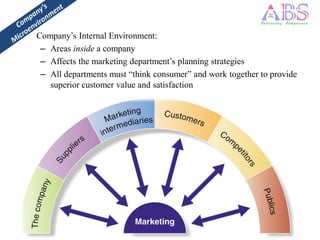
Company’s Internal Environment:
 – Areas inside a company
 – Affects the marketing department’s planning strategies
 – All departments must “think consumer” and work together to provide
   superior customer value and satisfaction
Suppliers:
 – Provide resources needed to produce goods and services.
 – Important link in the “value delivery system.”
 – Most marketers treat suppliers like partners.

Marketing Intermediaries:
   Help the company to promote, sell, and distribute its goods to final buyers
         – Resellers
         – Physical distribution firms
         – Marketing services agencies
         – Financial intermediaries
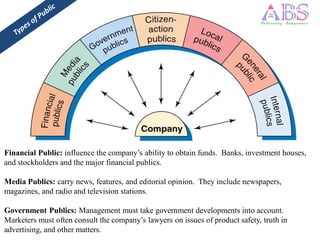
Financial Public: influence the company’s ability to obtain funds. Banks, investment houses,
and stockholders and the major financial publics.

Media Publics: carry news, features, and editorial opinion. They include newspapers,
magazines, and radio and television stations.

Government Publics: Management must take government developments into account.
Marketers must often consult the company’s lawyers on issues of product safety, truth in
advertising, and other matters.
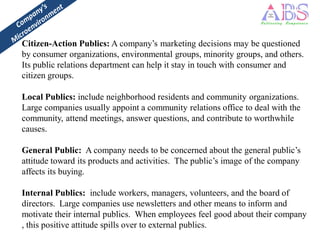
Citizen-Action Publics: A company’s marketing decisions may be questioned
by consumer organizations, environmental groups, minority groups, and others.
Its public relations department can help it stay in touch with consumer and
citizen groups.

Local Publics: include neighborhood residents and community organizations.
Large companies usually appoint a community relations office to deal with the
community, attend meetings, answer questions, and contribute to worthwhile
causes.

General Public: A company needs to be concerned about the general public’s
attitude toward its products and activities. The public’s image of the company
affects its buying.

Internal Publics: include workers, managers, volunteers, and the board of
directors. Large companies use newsletters and other means to inform and
motivate their internal publics. When employees feel good about their company
, this positive attitude spills over to external publics.
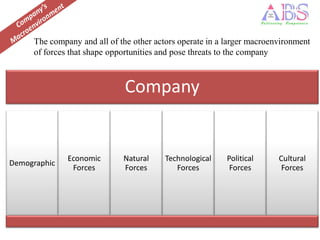
The company and all of the other actors operate in a larger macroenvironment
     of forces that shape opportunities and pose threats to the company


                              Company


              Economic       Natural     Technological    Political     Cultural
Demographic
               Forces        Forces         Forces         Forces        Forces
•   Demography is the study of human populations in terms of size, density,
    location, age, gender, race, occupation, and other statistics
•   Changing age structure of the population
     – Baby boomers include people born between 1946 and 1964
     – Generation X includes people born between 1965 and 1976
          • High parental divorce rates
          • Cautious economic outlook
          • Less materialistic
          • Family comes first
          • Lag behind on retirement savings
•   Millennials (gen Y or echo boomers) include those born between 1977 and
    2000
     – Comfortable with technology
     – Includes:
          • Tweens (ages 8–12)
          • Teens (13–19)
          • Young adults (20’s)
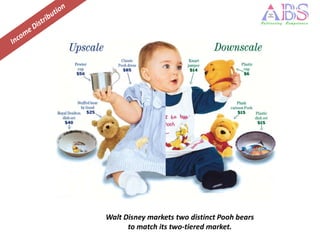
Walt Disney markets two distinct Pooh bears
      to match its two-tiered market.
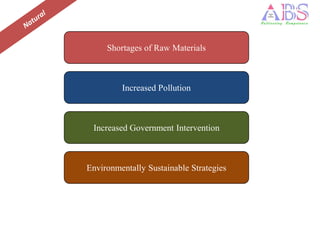
Shortages of Raw Materials


         Increased Pollution


 Increased Government Intervention


Environmentally Sustainable Strategies
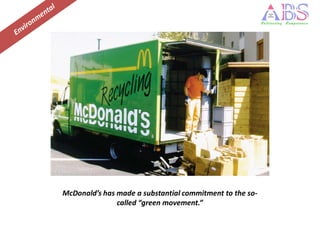
McDonald’s has made a substantial commitment to the so-
               called “green movement.”
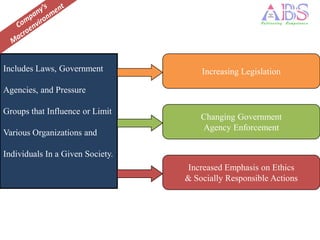
Includes Laws, Government             Increasing Legislation

Agencies, and Pressure

Groups that Influence or Limit
                                      Changing Government
                                      Agency Enforcement
Various Organizations and

Individuals In a Given Society.
                                  Increased Emphasis on Ethics
                                  & Socially Responsible Actions
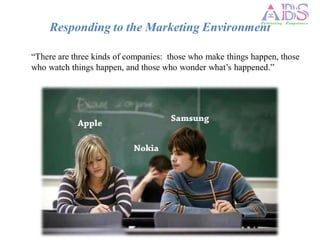
Responding to the Marketing Environment

“There are three kinds of companies: those who make things happen, those
who watch things happen, and those who wonder what’s happened.”
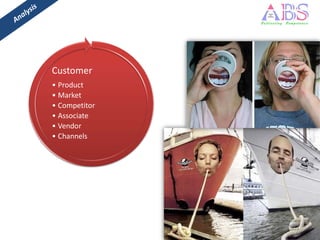
Customer
• Product
• Market
• Competitor
• Associate
• Vendor
• Channels
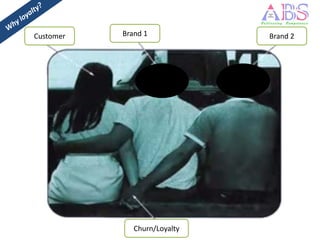
Customer   Brand 1            Brand 2


              Churn/Loyalty
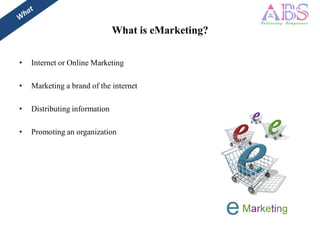
What is eMarketing?

•   Internet or Online Marketing

•   Marketing a brand of the internet

•   Distributing information

•   Promoting an organization
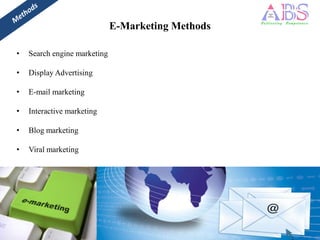
E-Marketing Methods

•   Search engine marketing

•   Display Advertising

•   E-mail marketing

•   Interactive marketing

•   Blog marketing

•   Viral marketing
E-Marketing Strategies


•   Market research

•   E-mail marketing

•   Direct sales

Marketing environment

  • 1.
    Fundamentals of Marketing The Marketing Environment Soma Giri Disclaimer: - Some of the images and content have been taken from different online sources and this presentation is intended only for knowledge sharing but not for any profitable reasons
  • 2.
    The marketing environment consists of actors and forces outside the organization that affect management’s ability to build and maintain relationships with target customers • Includes: – Microenvironment: actors close to the company that affect its ability to serve its customers. – Macroenvironment: larger societal forces that affect the microenvironment. • Considered to be beyond the control of the organization.
  • 3.
    Company’s Internal Environment: – Areas inside a company – Affects the marketing department’s planning strategies – All departments must “think consumer” and work together to provide superior customer value and satisfaction
  • 4.
    Suppliers: – Provideresources needed to produce goods and services. – Important link in the “value delivery system.” – Most marketers treat suppliers like partners. Marketing Intermediaries: Help the company to promote, sell, and distribute its goods to final buyers – Resellers – Physical distribution firms – Marketing services agencies – Financial intermediaries
  • 5.
    Financial Public: influencethe company’s ability to obtain funds. Banks, investment houses, and stockholders and the major financial publics. Media Publics: carry news, features, and editorial opinion. They include newspapers, magazines, and radio and television stations. Government Publics: Management must take government developments into account. Marketers must often consult the company’s lawyers on issues of product safety, truth in advertising, and other matters.
  • 6.
    Citizen-Action Publics: Acompany’s marketing decisions may be questioned by consumer organizations, environmental groups, minority groups, and others. Its public relations department can help it stay in touch with consumer and citizen groups. Local Publics: include neighborhood residents and community organizations. Large companies usually appoint a community relations office to deal with the community, attend meetings, answer questions, and contribute to worthwhile causes. General Public: A company needs to be concerned about the general public’s attitude toward its products and activities. The public’s image of the company affects its buying. Internal Publics: include workers, managers, volunteers, and the board of directors. Large companies use newsletters and other means to inform and motivate their internal publics. When employees feel good about their company , this positive attitude spills over to external publics.
  • 7.
    The company andall of the other actors operate in a larger macroenvironment of forces that shape opportunities and pose threats to the company Company Economic Natural Technological Political Cultural Demographic Forces Forces Forces Forces Forces
  • 8.
    Demography is the study of human populations in terms of size, density, location, age, gender, race, occupation, and other statistics • Changing age structure of the population – Baby boomers include people born between 1946 and 1964 – Generation X includes people born between 1965 and 1976 • High parental divorce rates • Cautious economic outlook • Less materialistic • Family comes first • Lag behind on retirement savings • Millennials (gen Y or echo boomers) include those born between 1977 and 2000 – Comfortable with technology – Includes: • Tweens (ages 8–12) • Teens (13–19) • Young adults (20’s)
  • 9.
    Walt Disney marketstwo distinct Pooh bears to match its two-tiered market.
  • 10.
    Shortages of RawMaterials Increased Pollution Increased Government Intervention Environmentally Sustainable Strategies
  • 11.
    McDonald’s has madea substantial commitment to the so- called “green movement.”
  • 13.
    Includes Laws, Government Increasing Legislation Agencies, and Pressure Groups that Influence or Limit Changing Government Agency Enforcement Various Organizations and Individuals In a Given Society. Increased Emphasis on Ethics & Socially Responsible Actions
  • 14.
    Responding to theMarketing Environment “There are three kinds of companies: those who make things happen, those who watch things happen, and those who wonder what’s happened.”
  • 15.
    Customer • Product • Market •Competitor • Associate • Vendor • Channels
  • 16.
    Customer Brand 1 Brand 2 Churn/Loyalty
  • 17.
    What is eMarketing? • Internet or Online Marketing • Marketing a brand of the internet • Distributing information • Promoting an organization
  • 18.
    E-Marketing Methods • Search engine marketing • Display Advertising • E-mail marketing • Interactive marketing • Blog marketing • Viral marketing
  • 19.
    E-Marketing Strategies • Market research • E-mail marketing • Direct sales