Andrea Cattabriga - Slow/d
@andrecatta
Manufacturing as
inclusion tool
AGORADA+ 2016
drive
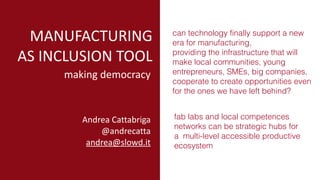
MANUFACTURING	
AS	INCLUSION	TOOL
can technology finally support a new
era for manufacturing,
providing the infrastructure that will
make local communities, young
entrepreneurs, SMEs, big companies,
cooperate to create opportunities even
for the ones we have left behind?
making	democracy
fab labs and local competences
networks can be strategic hubs for
a multi-level accessible productive
ecosystem
Andrea	Cattabriga	
@andrecatta	
andrea@slowd.it
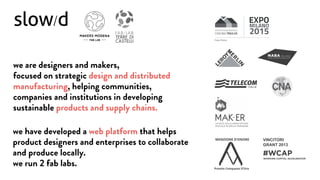
we are designers and makers,
focused on strategic design and distributed
manufacturing, helping communities,
companies and institutions in developing
sustainable products and supply chains.
we have developed a web platform that helps
product designers and enterprises to collaborate
and produce locally.
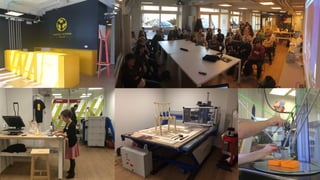
we run 2 fab labs. Premio Compasso D’Oro
MENZIONE D’ONORE VINCITORI
GRANT 2013
Project Partner
(da novembre 2013)
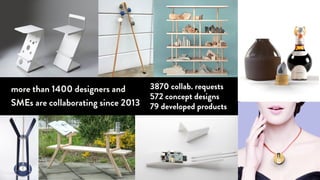
3870 collab. requests
572 concept designs
79 developed products
more than 1400 designers and
SMEs are collaborating since 2013
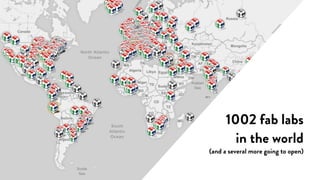
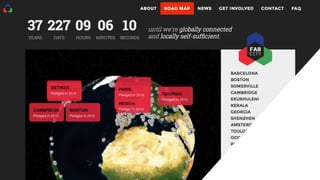
1002 fab labs
in the world
(and a several more going to open)
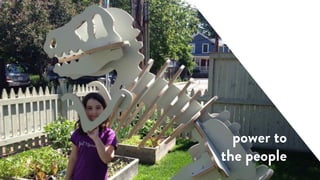
power to
the people
A.scrivetelo alla fine

tenetelo sotto le due pagine
B.raccontare gli aspetti fondamentali
• cos’è il vostro prodotto?
• chi sono i clienti?
• chi lo fa?
• come sarà il futuro del vostro settore?
Individuare titolo
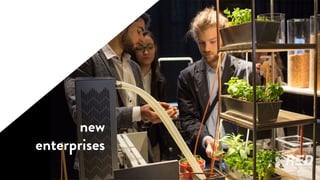
new
enterprises
scientific
tools for
collaborative
researches
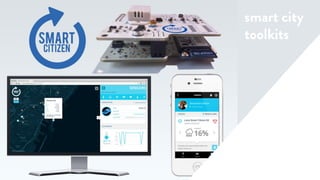
smart city
toolkits
Fab Labs are not only
change-MAKERS
but first of all,
change-ENABLERS
everything we have built
our society upon is going
to change or die, forever
Andrea Botto / "KA-BOOM #05" Pieve Emanuele, 2011
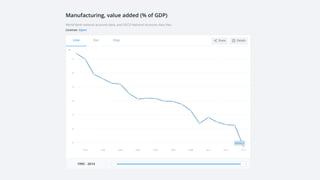
manufacturing
changes as well
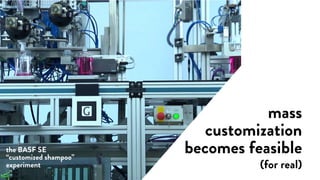
mass
customization
becomes feasible
(for real)
the BASF SE
“customized shampoo”
experiment
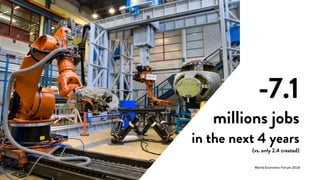
-7.1
millions jobs
in the next 4 years
(vs. only 2.4 created)
World Economic Forum 2016
(Forschungsunion 2013)
only a few big industrial an ICT companies will have the capitals
to be invested in consistent innovation projects
limited number of actors capable to lead a tangible
transformation inside the value chain
maybe only a few competences centers (universities), will be able
to intercept funds for research
no actual strategies to support the empowerment of SMEs
the problem with
4.0 policies
orientation...
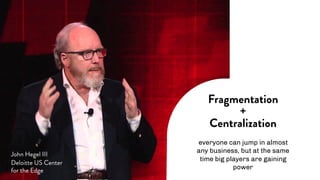
John Hegel III
Deloitte US Center
for the Edge
Fragmentation
+
Centralization
everyone can jump in almost
any business, but at the same
time big players are gaining
power
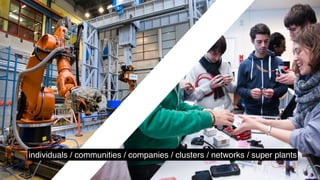
individuals / communities / companies / clusters / networks / super plants
technology can finally support
networks of competencies, machines
and peer-manufacturing
communities in creating
local value, in the most connected
way ever seen
we have a big chance:
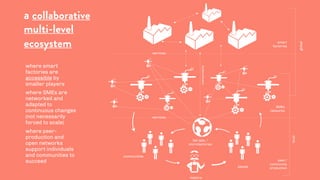
a collaborative
multi-level
ecosystem
where smart
factories are
accessible by
smaller players
where SMEs are
networked and
adapted to
continuous changes
(not necessarily
forced to scale)
where peer-
production and
open networks
support individuals
and communities to
succeed
smart
factories
SMEs
networks
peer/
community
production
local
global
interoperability
communities
makers
fab labs /
microfactories
people
services
services
fablabs and local SMEs
networks can
play a strategic role in
this scenario
(of course)
fablabs will keep on “doing” fablabs :)
facilities
technology transfers
innovation enablers
etc…
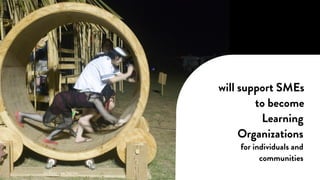
CC Flickr user Patrick
Learning
Organizations
for individuals and
communities
will support SMEs
to become
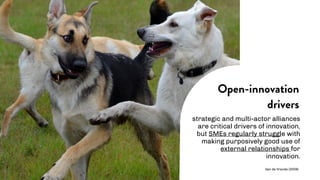
strategic and multi-actor alliances
are critical drivers of innovation,
but SMEs regularly struggle with
making purposively good use of
external relationships for
innovation.
Open-innovation
drivers
Van de Vrande (2009)
[in 4.0 scenarios] the use of highly
specialized profiles with
manufacturing skills for control
and supervisions, could be a key
factor from a competitiveness point
of view
On-demand Skills
Providers
Seghetti, F. (2016)
CC Flickr user Hammerstein NWC
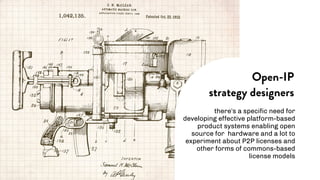
there’s a specific need for
developing effective platform-based
product systems enabling open
source for hardware and a lot to
experiment about P2P licenses and
other forms of commons-based
license models
Open-IP
strategy designers
making the entire new ecosystem
working means interoperability
and development of standards,
allowing M2M communications.
Makers must be involved in
embracing an open attitude
Support open
interoperability
protocols / standards
become
inclusive hubs
for local production
ecosystems
for a new
accessible,
democratic,
sustainable way
of making
things
GRAZIE
image CC Flickr user Sweetie187
Andrea Cattabriga
twitter @andrecatta
mail andrea@slowd.it
Organised by
In collaboration with
Agorada+ 2016
Social Innovation for Territories
Bologna (Emilia-Romagna), 22th and 23th of November

Manufacturing as inclusion tool

  • 1.
    Andrea Cattabriga -Slow/d @andrecatta Manufacturing as inclusion tool AGORADA+ 2016
  • 2.
    drive MANUFACTURING AS INCLUSION TOOL can technology finallysupport a new era for manufacturing, providing the infrastructure that will make local communities, young entrepreneurs, SMEs, big companies, cooperate to create opportunities even for the ones we have left behind? making democracy fab labs and local competences networks can be strategic hubs for a multi-level accessible productive ecosystem Andrea Cattabriga @andrecatta andrea@slowd.it
  • 3.
    we are designersand makers, focused on strategic design and distributed manufacturing, helping communities, companies and institutions in developing sustainable products and supply chains. we have developed a web platform that helps product designers and enterprises to collaborate and produce locally. we run 2 fab labs. Premio Compasso D’Oro MENZIONE D’ONORE VINCITORI GRANT 2013 Project Partner
  • 4.
    (da novembre 2013) 3870collab. requests 572 concept designs 79 developed products more than 1400 designers and SMEs are collaborating since 2013
  • 6.
    1002 fab labs inthe world (and a several more going to open)
  • 7.
  • 8.
    A.scrivetelo alla fine
 tenetelosotto le due pagine B.raccontare gli aspetti fondamentali • cos’è il vostro prodotto? • chi sono i clienti? • chi lo fa? • come sarà il futuro del vostro settore? Individuare titolo new enterprises
  • 9.
  • 10.
  • 12.
    Fab Labs arenot only change-MAKERS but first of all, change-ENABLERS
  • 13.
    everything we havebuilt our society upon is going to change or die, forever Andrea Botto / "KA-BOOM #05" Pieve Emanuele, 2011
  • 14.
  • 16.
    mass customization becomes feasible (for real) theBASF SE “customized shampoo” experiment
  • 17.
    -7.1 millions jobs in thenext 4 years (vs. only 2.4 created) World Economic Forum 2016
  • 18.
    (Forschungsunion 2013) only afew big industrial an ICT companies will have the capitals to be invested in consistent innovation projects limited number of actors capable to lead a tangible transformation inside the value chain maybe only a few competences centers (universities), will be able to intercept funds for research no actual strategies to support the empowerment of SMEs the problem with 4.0 policies orientation...
  • 19.
    John Hegel III DeloitteUS Center for the Edge Fragmentation + Centralization everyone can jump in almost any business, but at the same time big players are gaining power
  • 20.
    individuals / communities/ companies / clusters / networks / super plants
  • 21.
    technology can finallysupport networks of competencies, machines and peer-manufacturing communities in creating local value, in the most connected way ever seen we have a big chance:
  • 22.
    a collaborative multi-level ecosystem where smart factoriesare accessible by smaller players where SMEs are networked and adapted to continuous changes (not necessarily forced to scale) where peer- production and open networks support individuals and communities to succeed smart factories SMEs networks peer/ community production local global interoperability communities makers fab labs / microfactories people services services
  • 23.
    fablabs and localSMEs networks can play a strategic role in this scenario
  • 24.
    (of course) fablabs willkeep on “doing” fablabs :) facilities technology transfers innovation enablers etc…
  • 25.
    CC Flickr userPatrick Learning Organizations for individuals and communities will support SMEs to become
  • 26.
    strategic and multi-actoralliances are critical drivers of innovation, but SMEs regularly struggle with making purposively good use of external relationships for innovation. Open-innovation drivers Van de Vrande (2009)
  • 27.
    [in 4.0 scenarios]the use of highly specialized profiles with manufacturing skills for control and supervisions, could be a key factor from a competitiveness point of view On-demand Skills Providers Seghetti, F. (2016) CC Flickr user Hammerstein NWC
  • 28.
    there’s a specificneed for developing effective platform-based product systems enabling open source for hardware and a lot to experiment about P2P licenses and other forms of commons-based license models Open-IP strategy designers
  • 29.
    making the entirenew ecosystem working means interoperability and development of standards, allowing M2M communications. Makers must be involved in embracing an open attitude Support open interoperability protocols / standards
  • 30.
    become inclusive hubs for localproduction ecosystems for a new accessible, democratic, sustainable way of making things
  • 31.
    GRAZIE image CC Flickruser Sweetie187 Andrea Cattabriga twitter @andrecatta mail andrea@slowd.it
  • 32.
    Organised by In collaborationwith Agorada+ 2016 Social Innovation for Territories Bologna (Emilia-Romagna), 22th and 23th of November