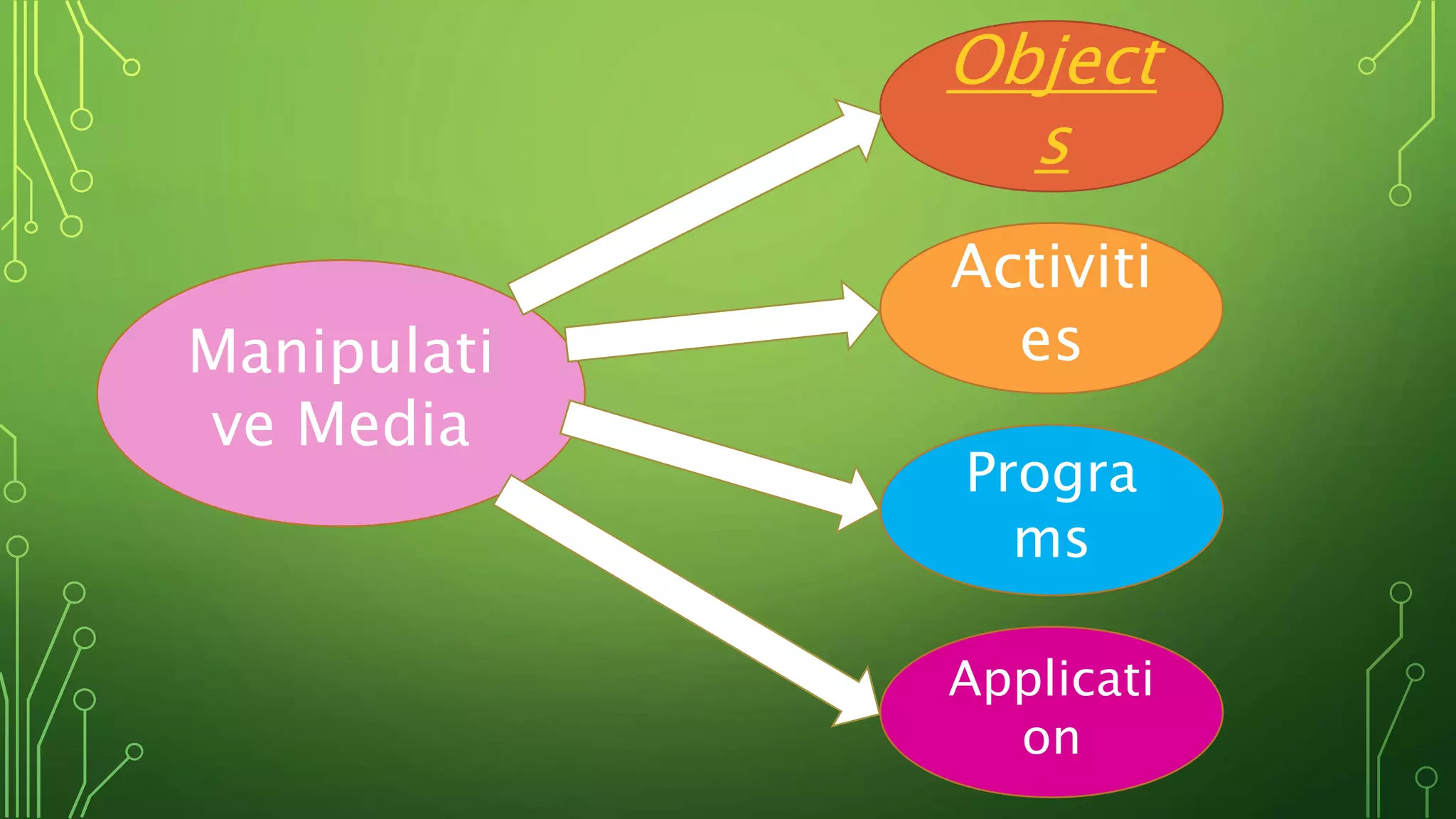
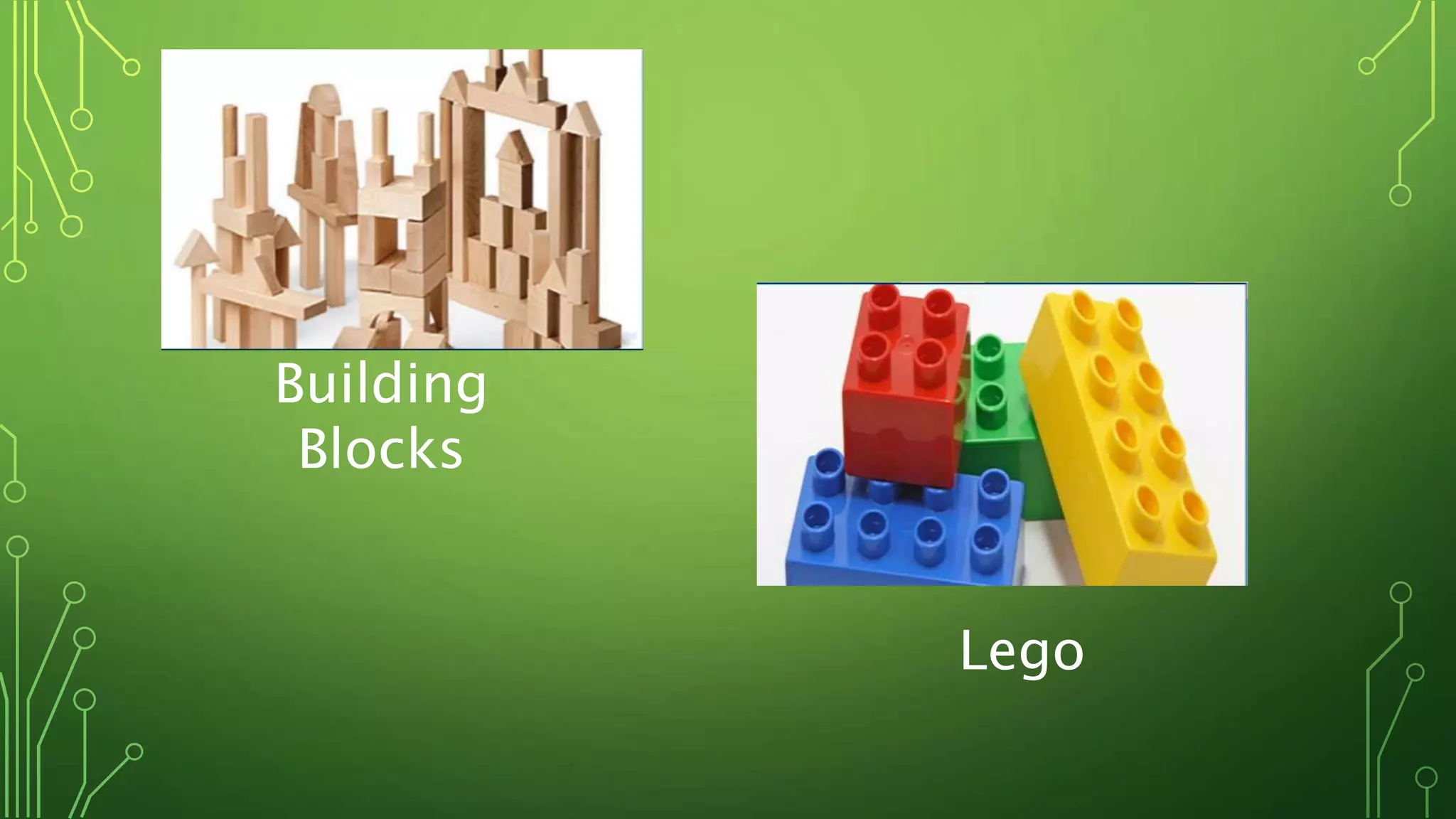
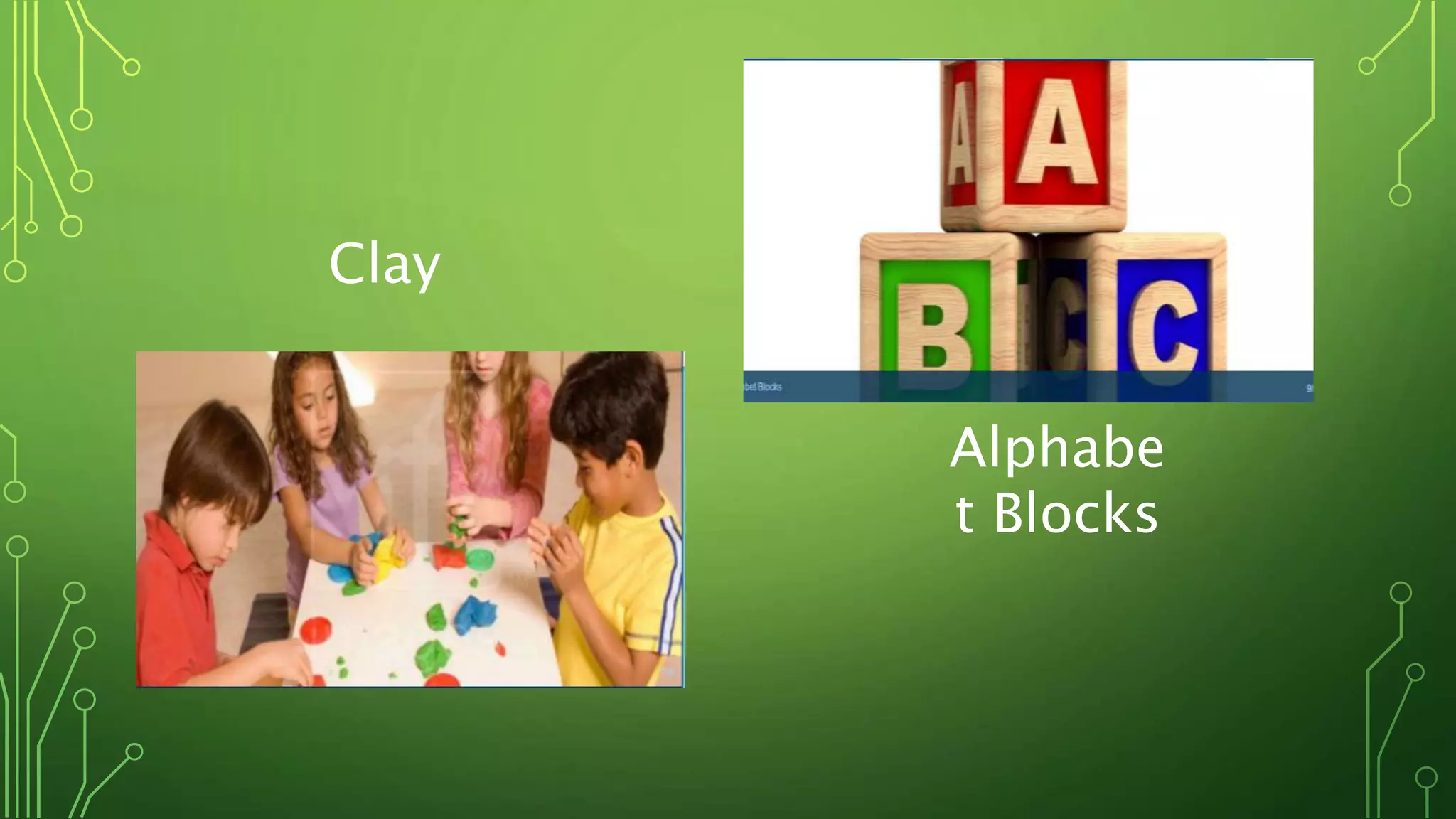
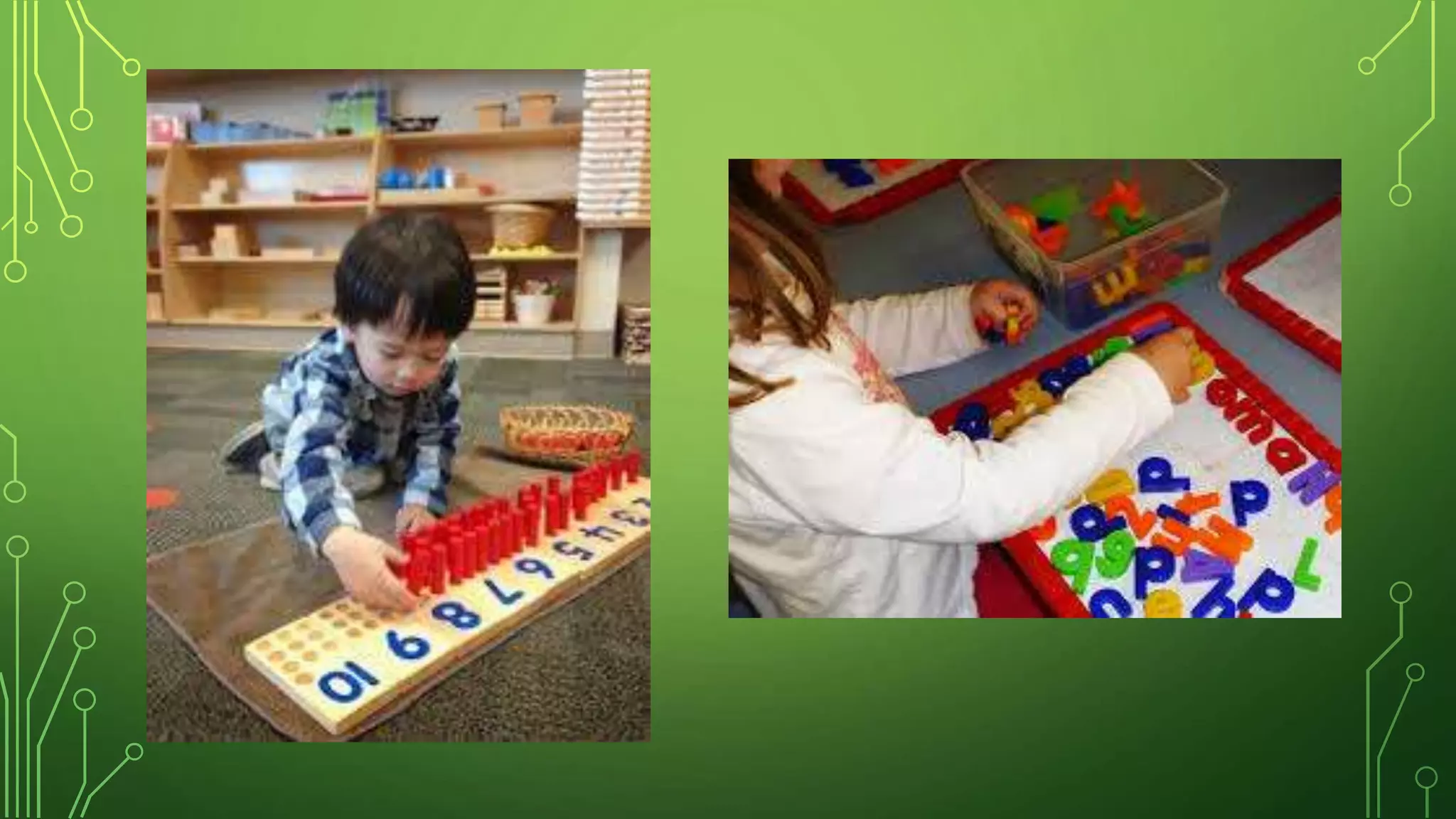
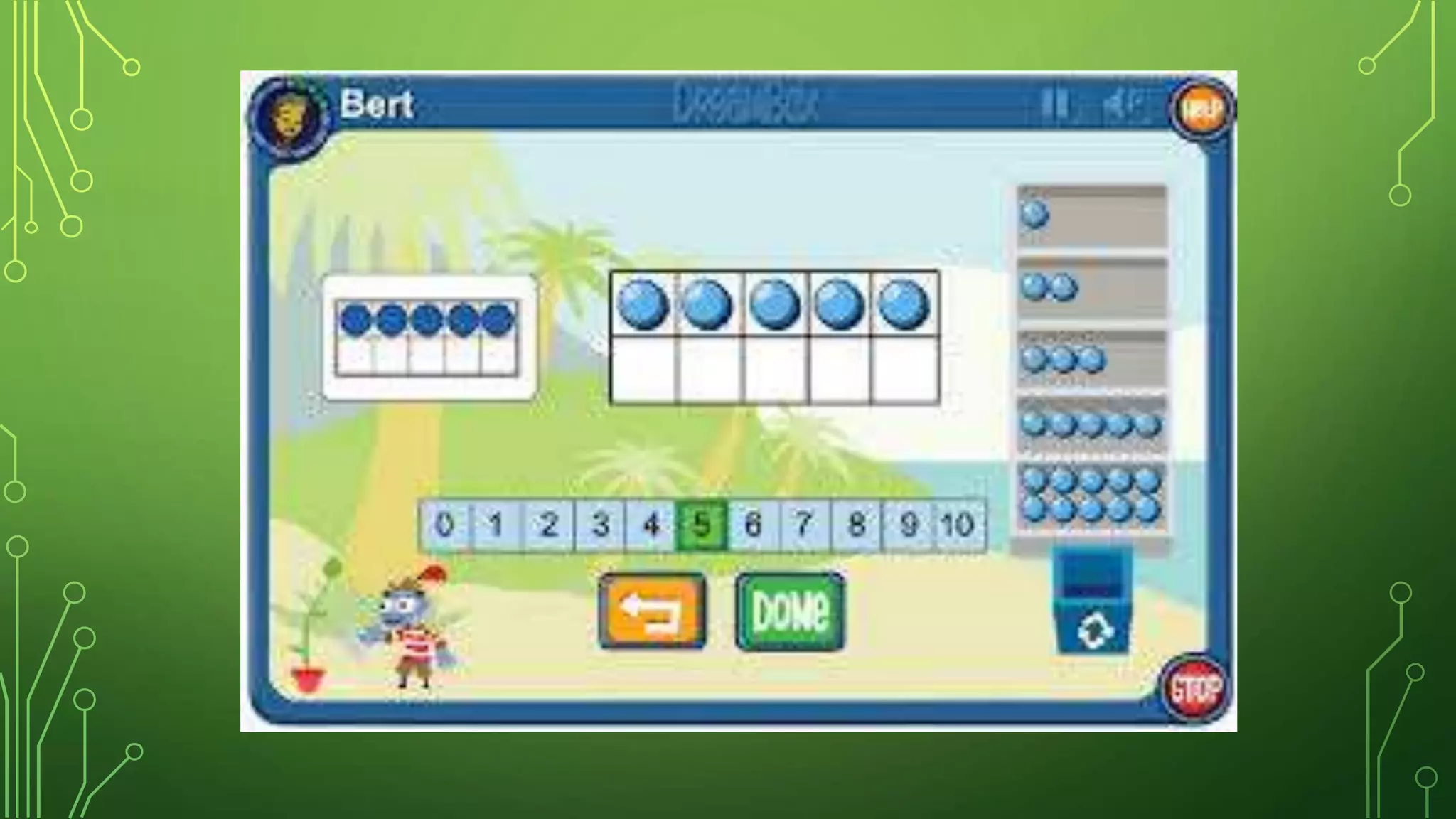
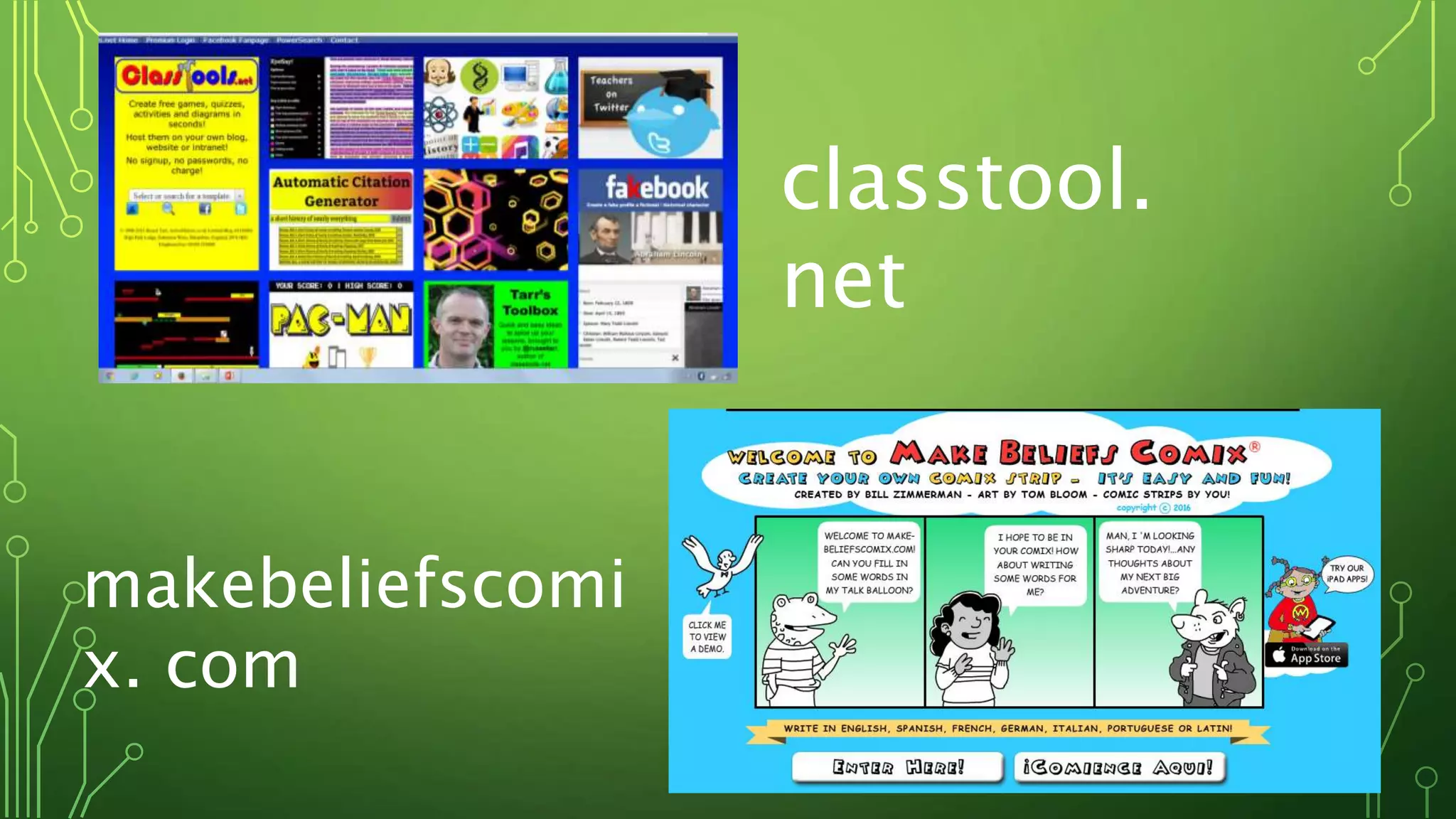
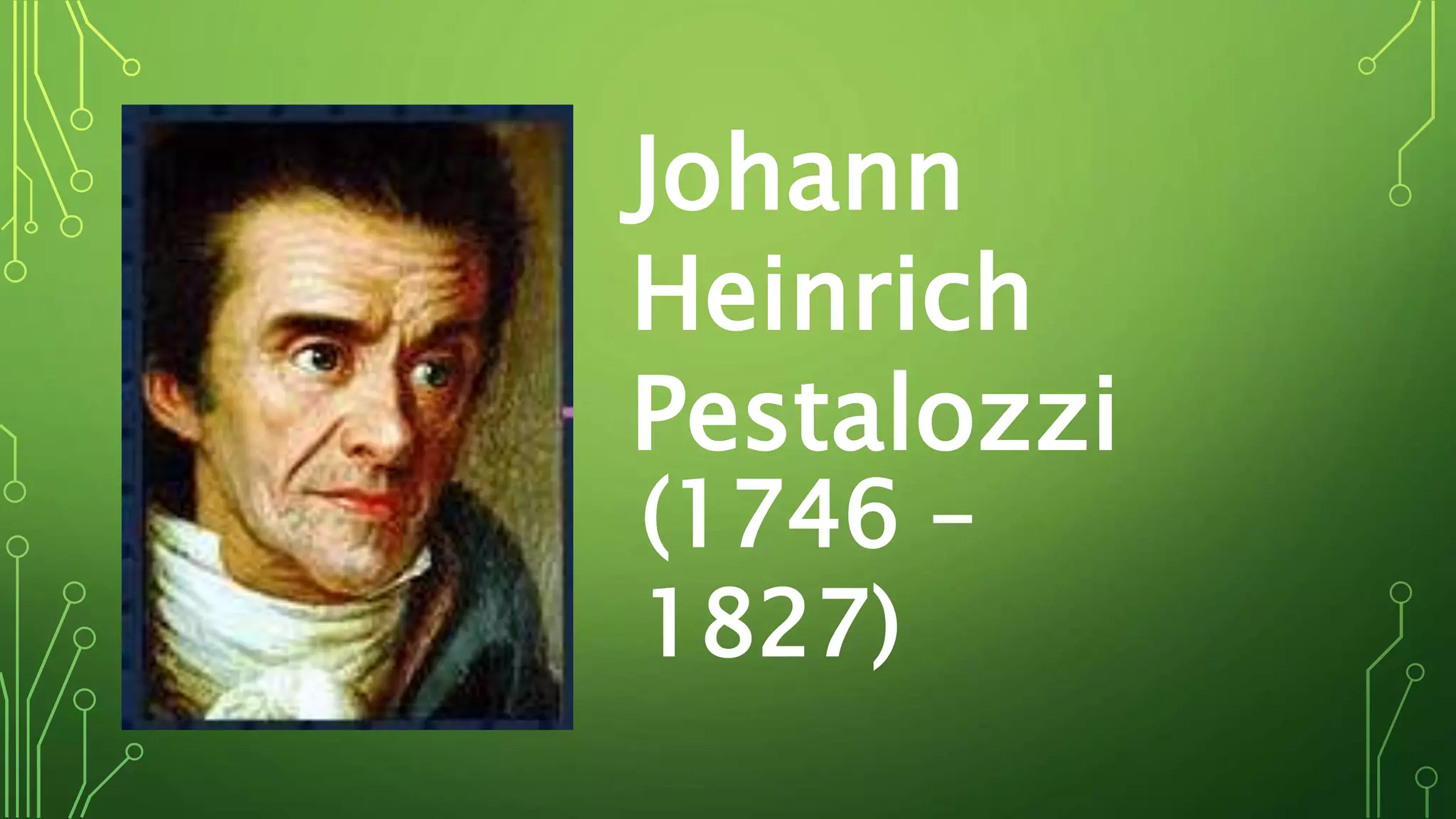
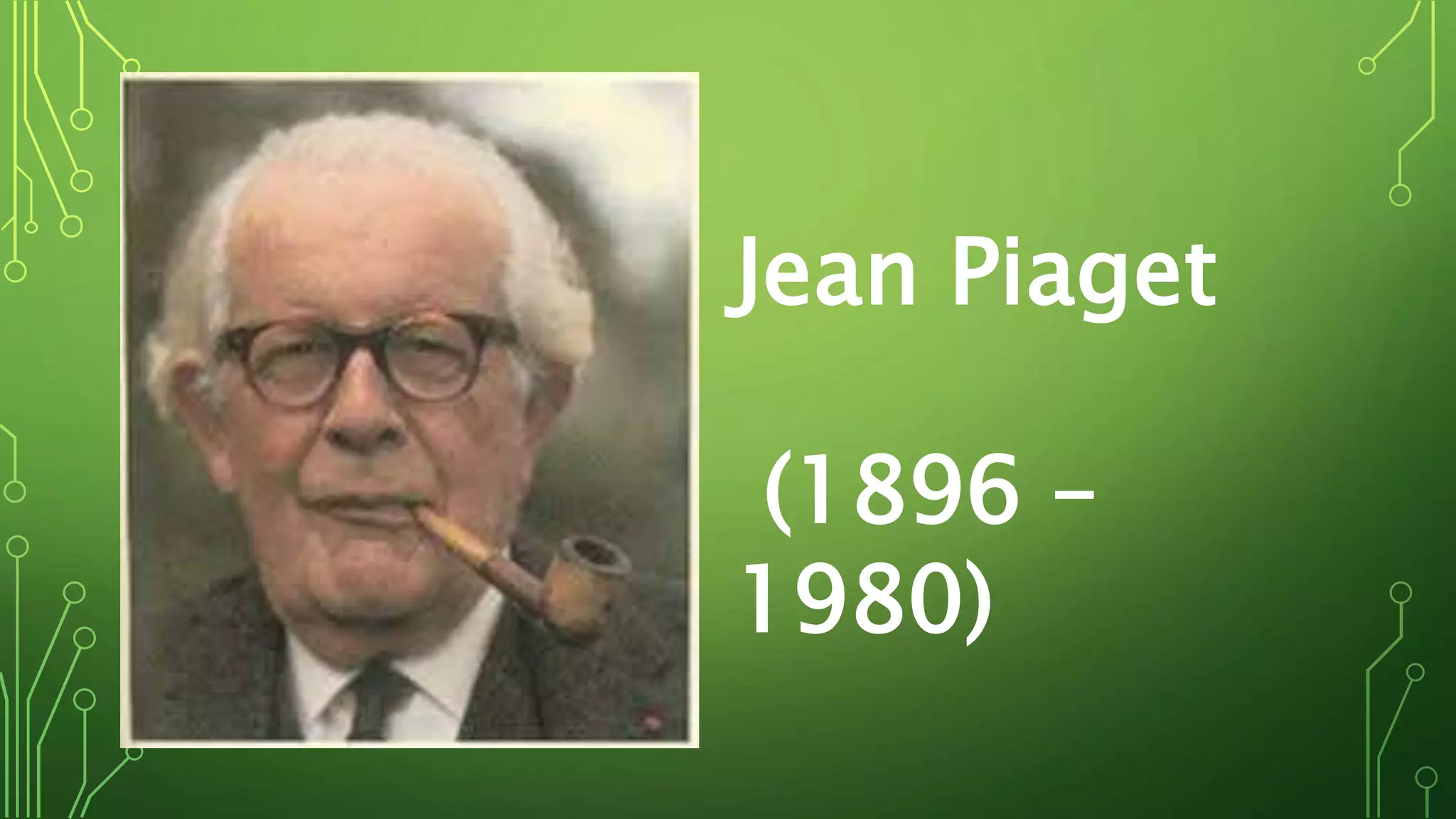
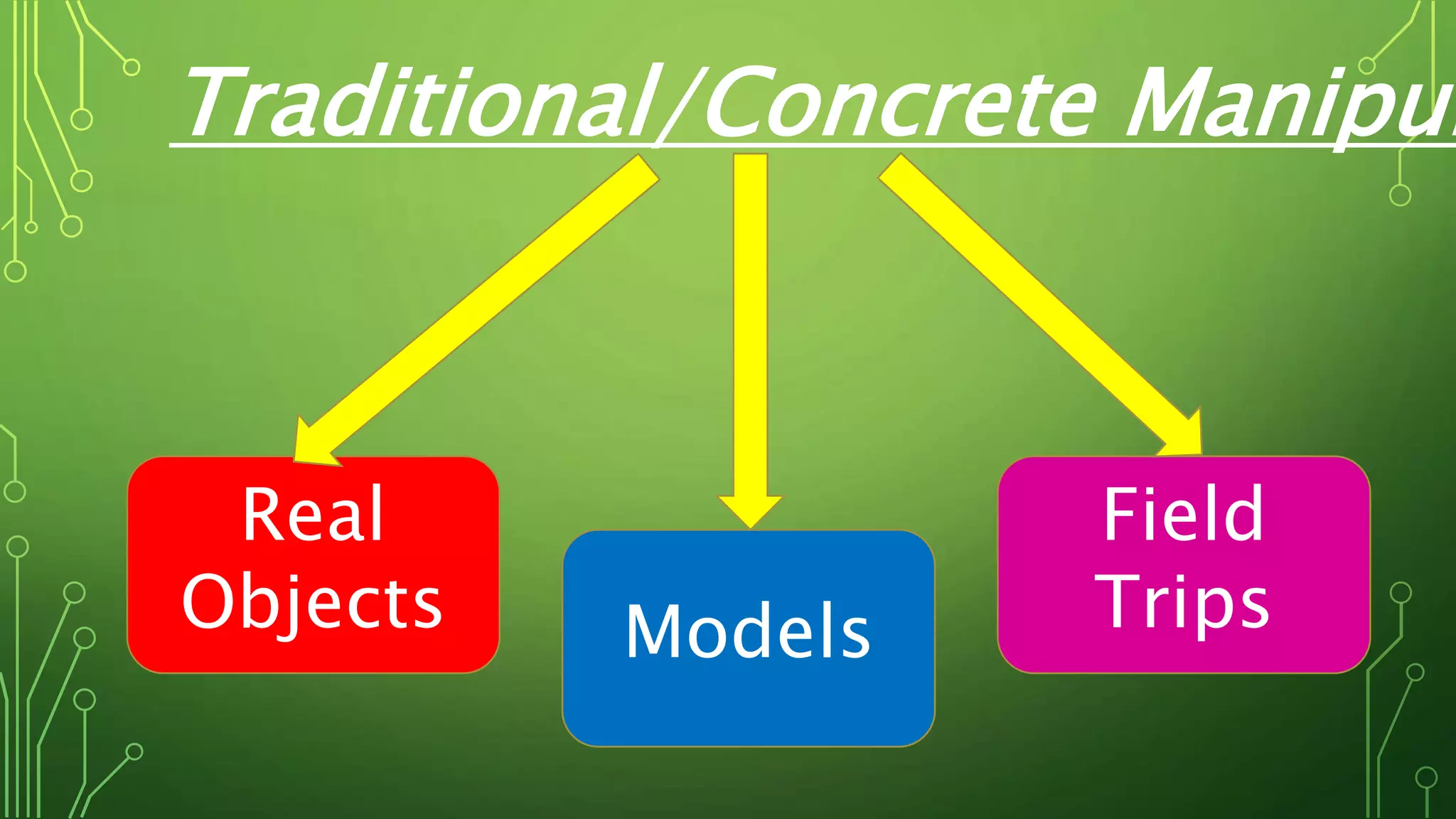
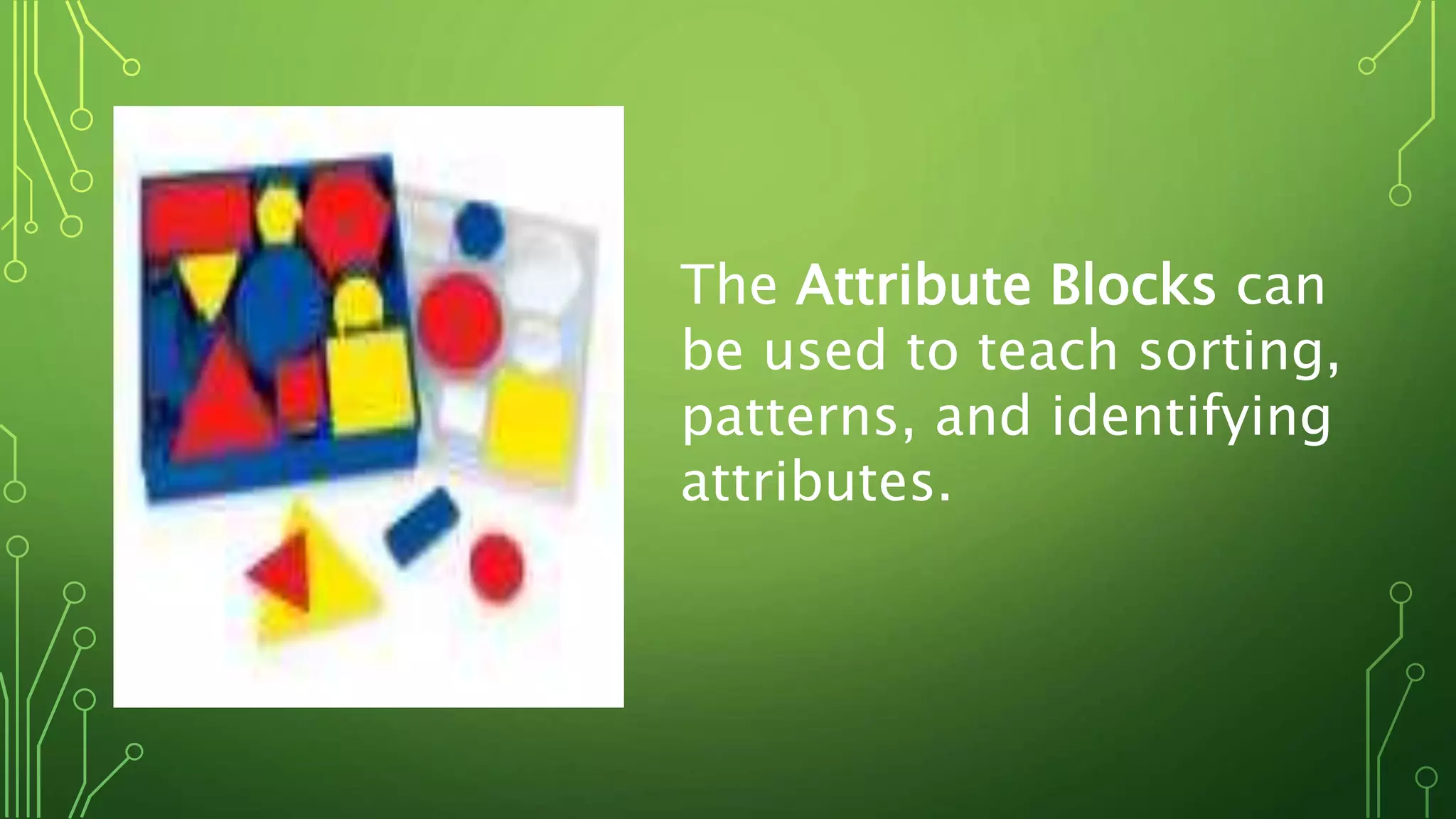
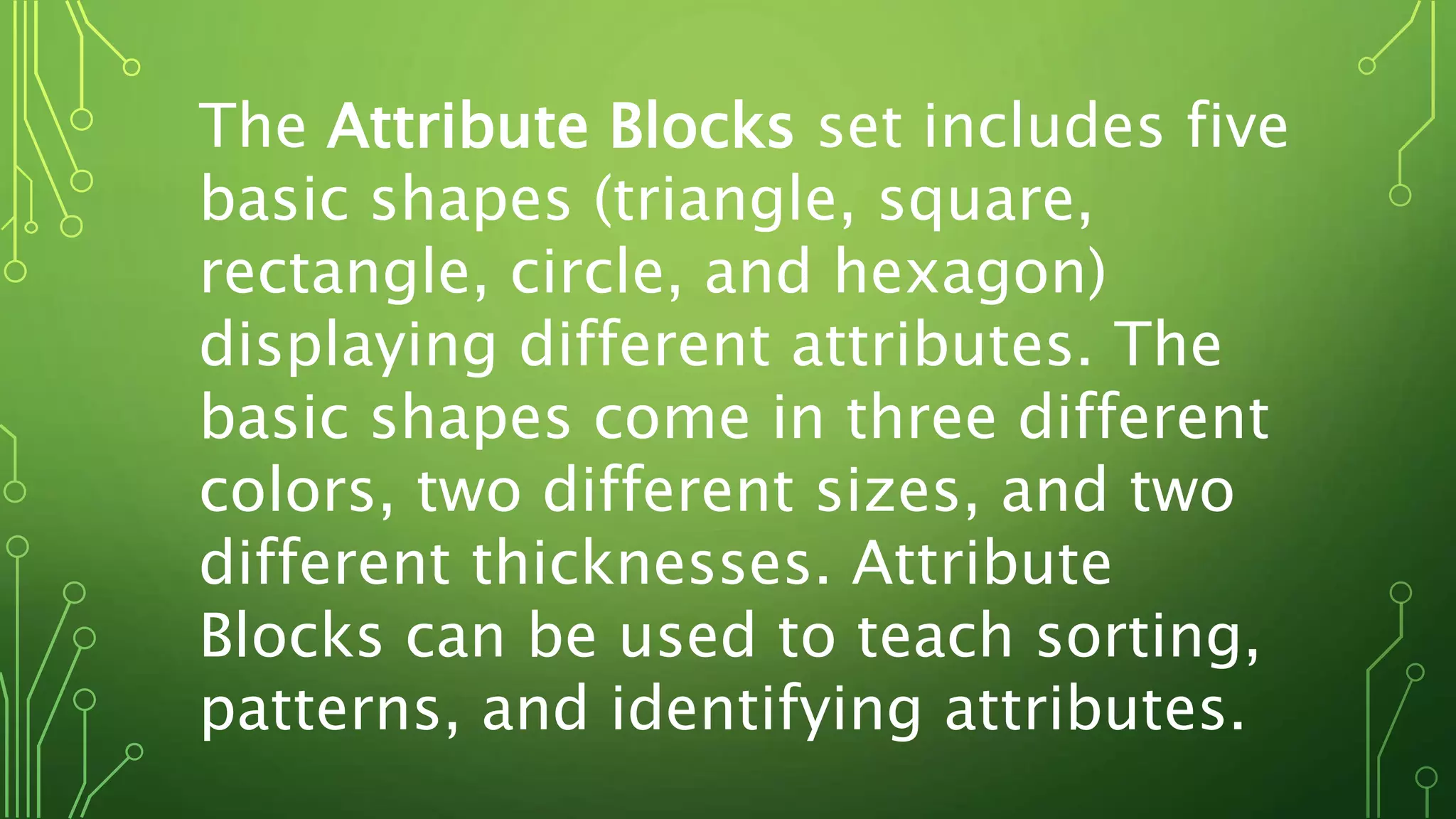
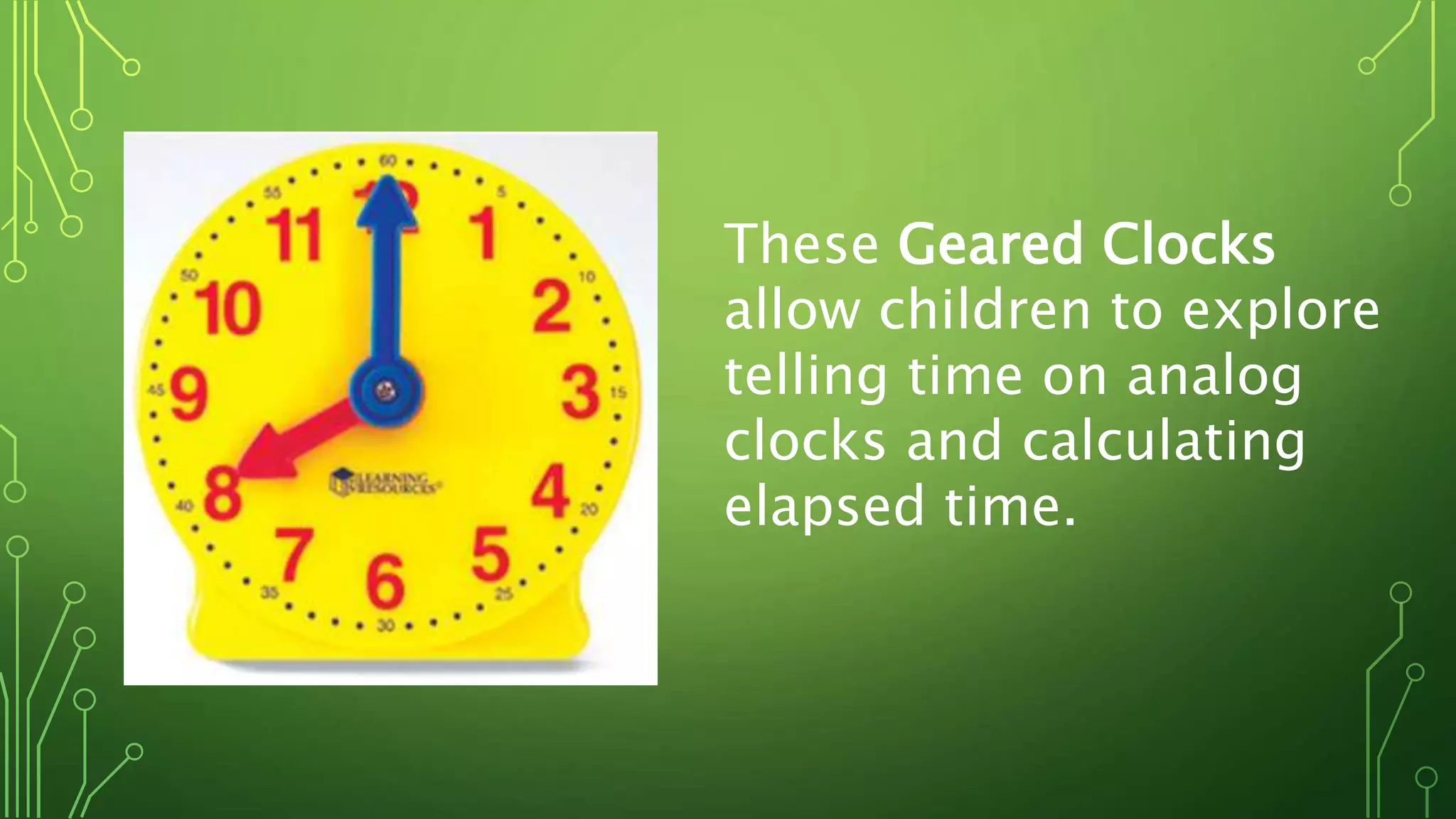
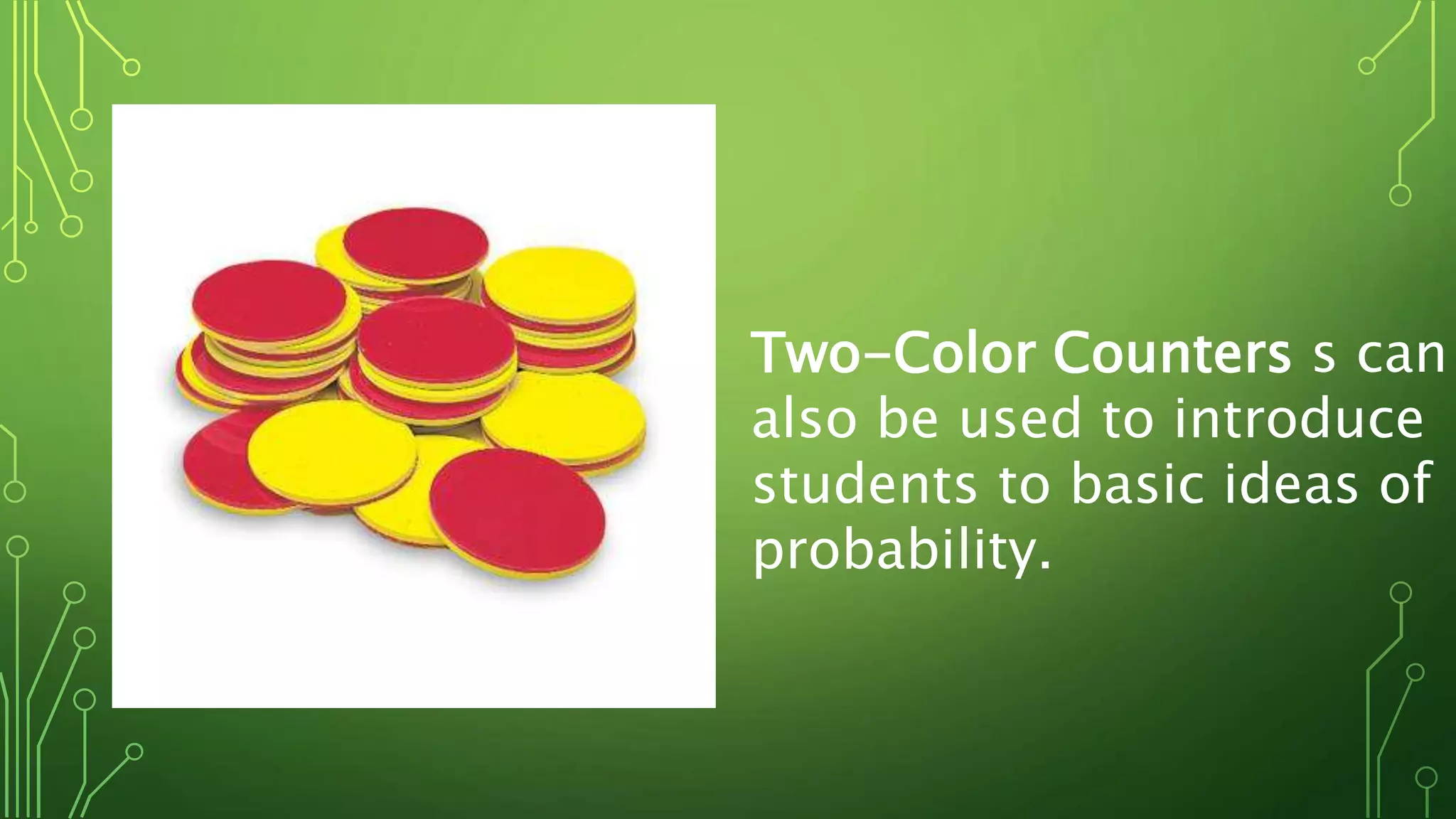
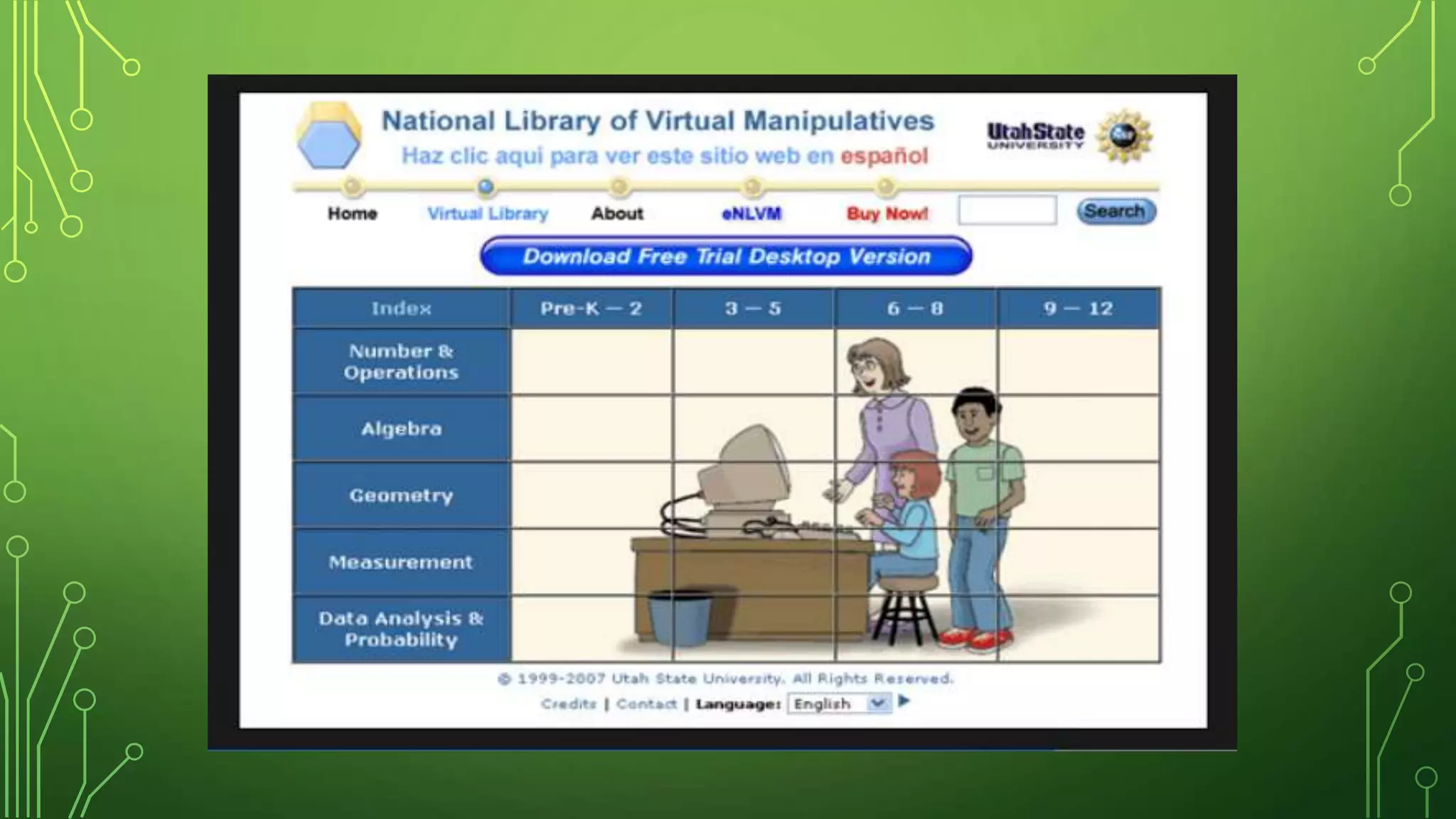
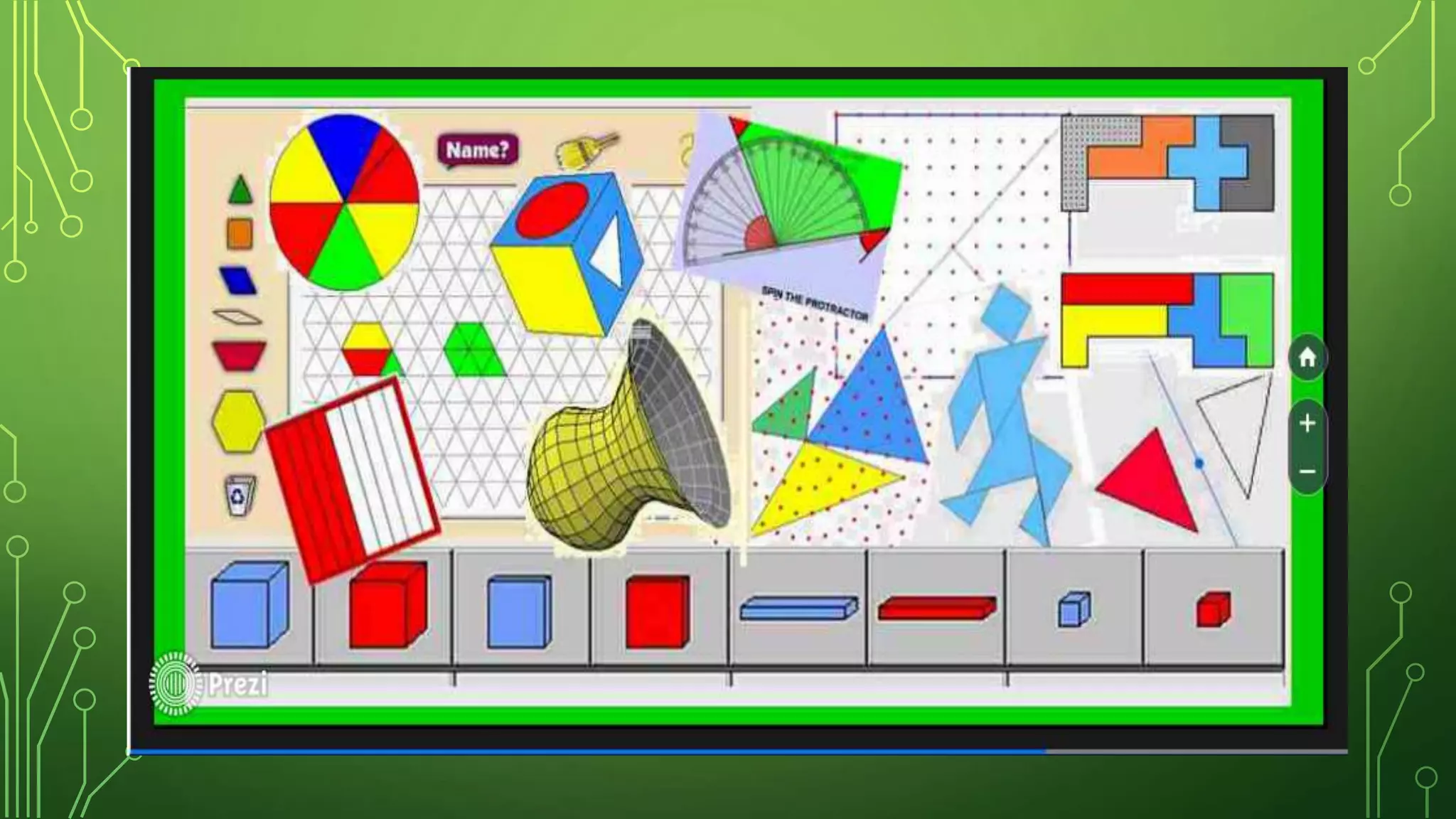
Manipulative media refers to hands-on learning tools that make abstract concepts more concrete. There are traditional/concrete manipulatives like building blocks, clay, and puzzles as well as digital/virtual manipulatives. Some key figures who advocated for manipulatives in education were Pestalozzi, Fröbel, Montessori, and Piaget. Concrete manipulatives allow students to connect ideas to physical objects and promote understanding but require supervision. Digital manipulatives are more practical for teachers but depend on technology access. Both have advantages like improving problem solving but also disadvantages such as potential misconceptions.











![Manipulative power[1]](https://cdn.slidesharecdn.com/ss_thumbnails/manipulativepower1-160712140929-thumbnail.jpg?width=640&height=640&fit=bounds)


