
MANAGEMENT OF NEONATAL
HYPOGLYCEMIA
MRS Niyati Das
Professor cum vice Principal
Kalinga Institute of Nursing Sciences
KIIT Deemed To Be University
OUTLINES OF
PRESENTATION
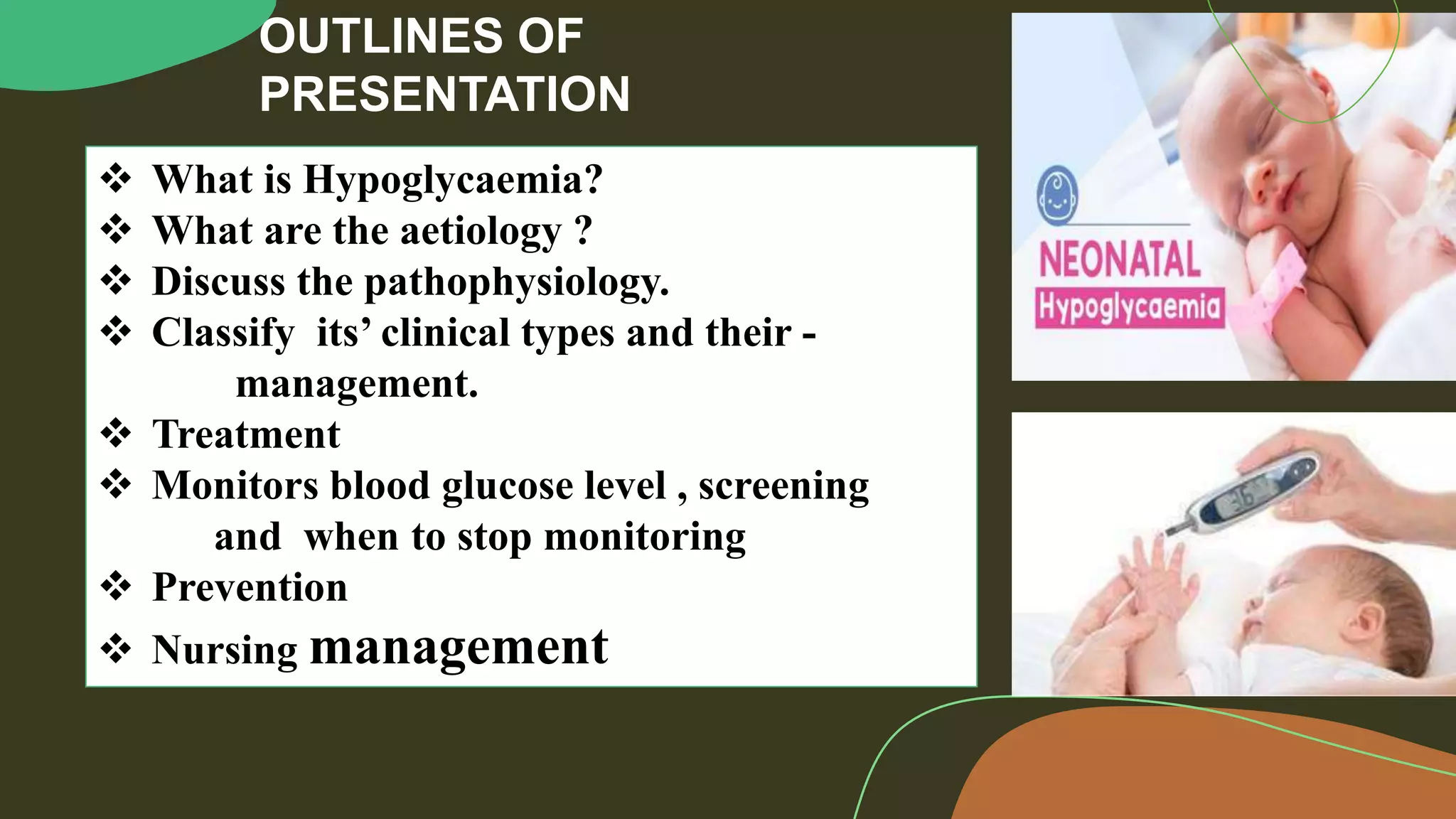
 What is Hypoglycaemia?
 What are the aetiology ?
 Discuss the pathophysiology.
 Classify its’ clinical types and their -
management.
 Treatment
 Monitors blood glucose level , screening
and when to stop monitoring
 Prevention
 Nursing management
INTRODUCTION
Glucose is the major energy source for fetus and neonate.
The newborn brain depends upon glucose almost exclusively.
Up to 90% of total glucose used is consumed by the brain.
Alternate fuels (e.g., ketones, lactate) are produced in very low quantities.
The usual rate of glucose utilization is 4-8 mg/kg/min.
 Glucose regulatory mechanisms are sluggish at birth.
 Thus, the infant is susceptible to hypoglycemia when glucose demands are
increased or when exogenous or endogenous glucose supply is limited.
 Severe or prolonged hypoglycemia may result in long term neurologic
damage
Neonatal hypoglycemia Statistics
• Neonatal hypoglycemia can affect as many as 5-15% of healthy infants. The risk of hypoglycemia may be as high as
72% in certain at-risk infants such as small for gestational age infants. There is currently not enough evidence to
define a specific glucose value that results in long-term neurodevelopmental sequela.Sep 19, 20
• The prevalence of hypoglycaemia is approximately
• 10%- in full term neonates
• 6.5% in appropriate for gestational age(AGA)
• 8% in large for gestational age(LGA)
• 15% in small for gestational age(SGA)
• 15.5% in late preterm infants
Why do neonates get hypoglycaemia?
• Glucagon helps regulate gluconeogenesis and
glycogenolysis within the liver as a counter regulatory agent
to insulin. Exaggerated insulin secretion from beta-cells can
occur during the first few hours to days of life, resulting in
hyperinsulinemia, which is the leading cause of
hypoglycaemia in neonates
What is Hypoglycemia
ETIOLOGY OF NEONATAL HYPOGLYCEMIA
Decreased
substrate
availability
Hyperinsulinemia:
Other endocrine
abnormalities:
Increased glucose
utilization
Miscellaneous conditions
Etiology
• 1. Decreased substrate availability:
• •Intra-uterine growth retardation •Glycogen storage disease
• •Inborn errors (e.g., fructose intolerance) • Prematurity
• •Prolonged fasting without IV glucose
• 2. Hyperinsulinemia:
• •Infant of diabetic mother •Islet cell hyperplasia
• •Erythroblastosis fetalis •Exchange transfusion
• •Beckwith-Wiedemann Syndrome •Maternal ß-mimetic tocolytic agents
• •”High” umbilical arterial catheter •Abrupt cessation of IV glucose
:
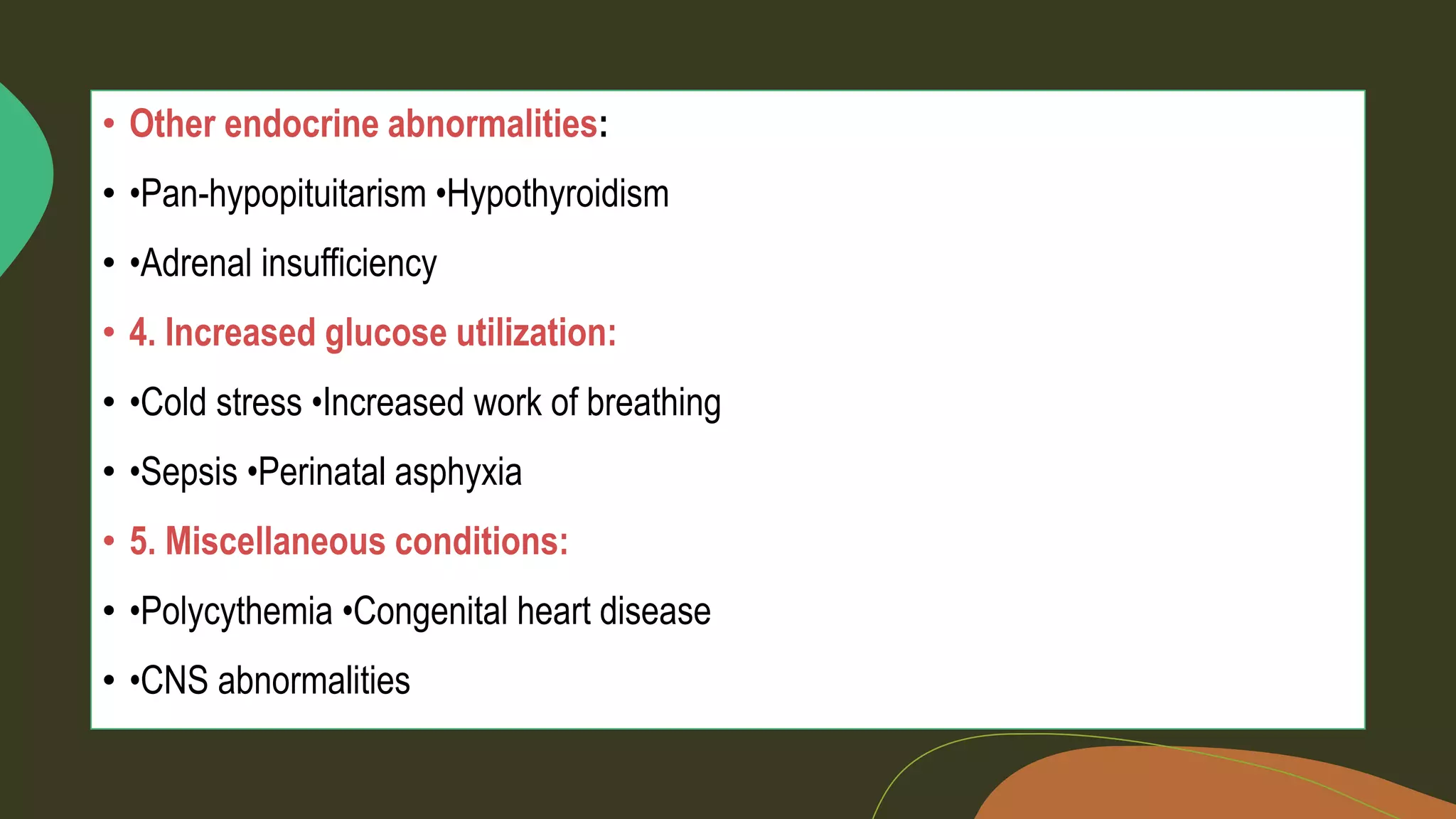
• •Pan-hypopituitarism •Hypothyroidism
• •Adrenal insufficiency
• •Cold stress •Increased work of breathing
• •Sepsis •Perinatal asphyxia
• •Polycythemia •Congenital heart disease
• •CNS abnormalities
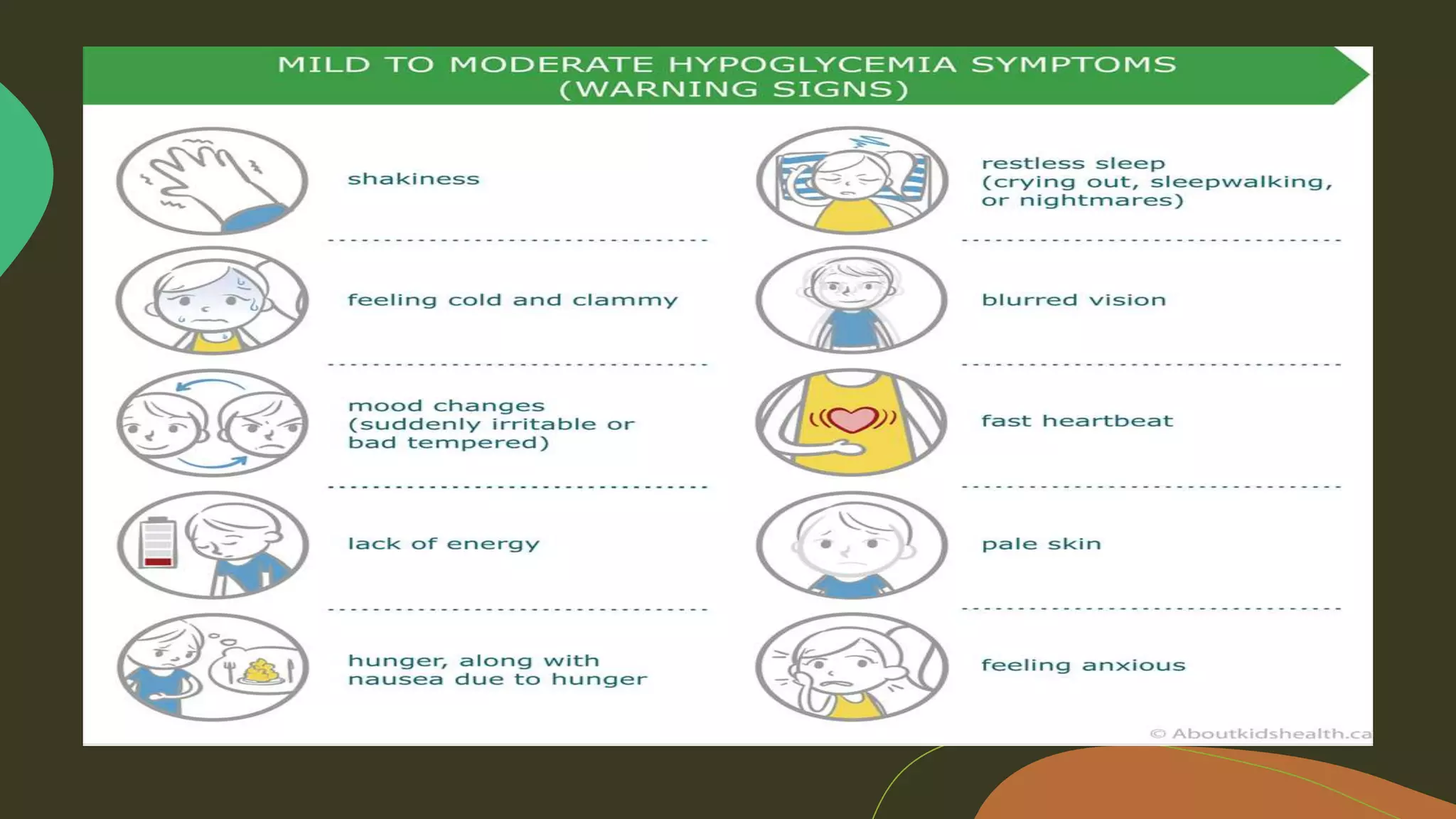
SIGNS AND SYMPTOMS OF NEONATAL HYPOGLYCEMIA
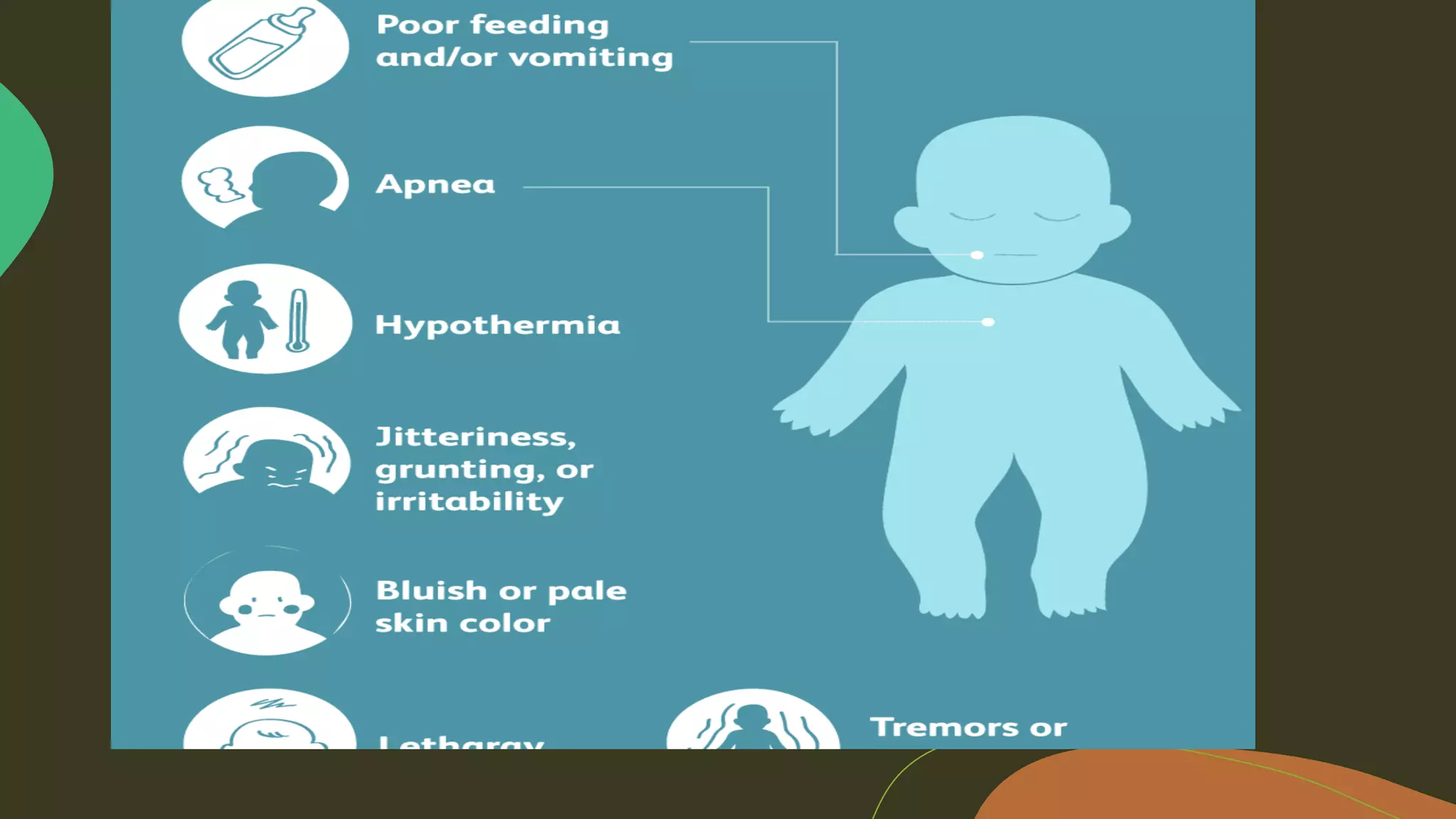
`• Bluish-coloured skin (cyanosis) or pale
skin
• Breathing problems, such as rapid
breathing (tachypnea), pauses in
breathing (apnea), or a grunting sound
• Irritability or listlessness
• Loose or floppy muscles (hypotonia)
• Vomiting or poor feeding
• Weak or high pitched cry
• Tremors, shakiness, sweating, or
seizures
CLASSIFICATION OF NEONATAL
HYPOGLYCEMIA
TRANSIENT
HYPOGLYCEMIA
PERSISTENT
HYPOGLYCEMIA
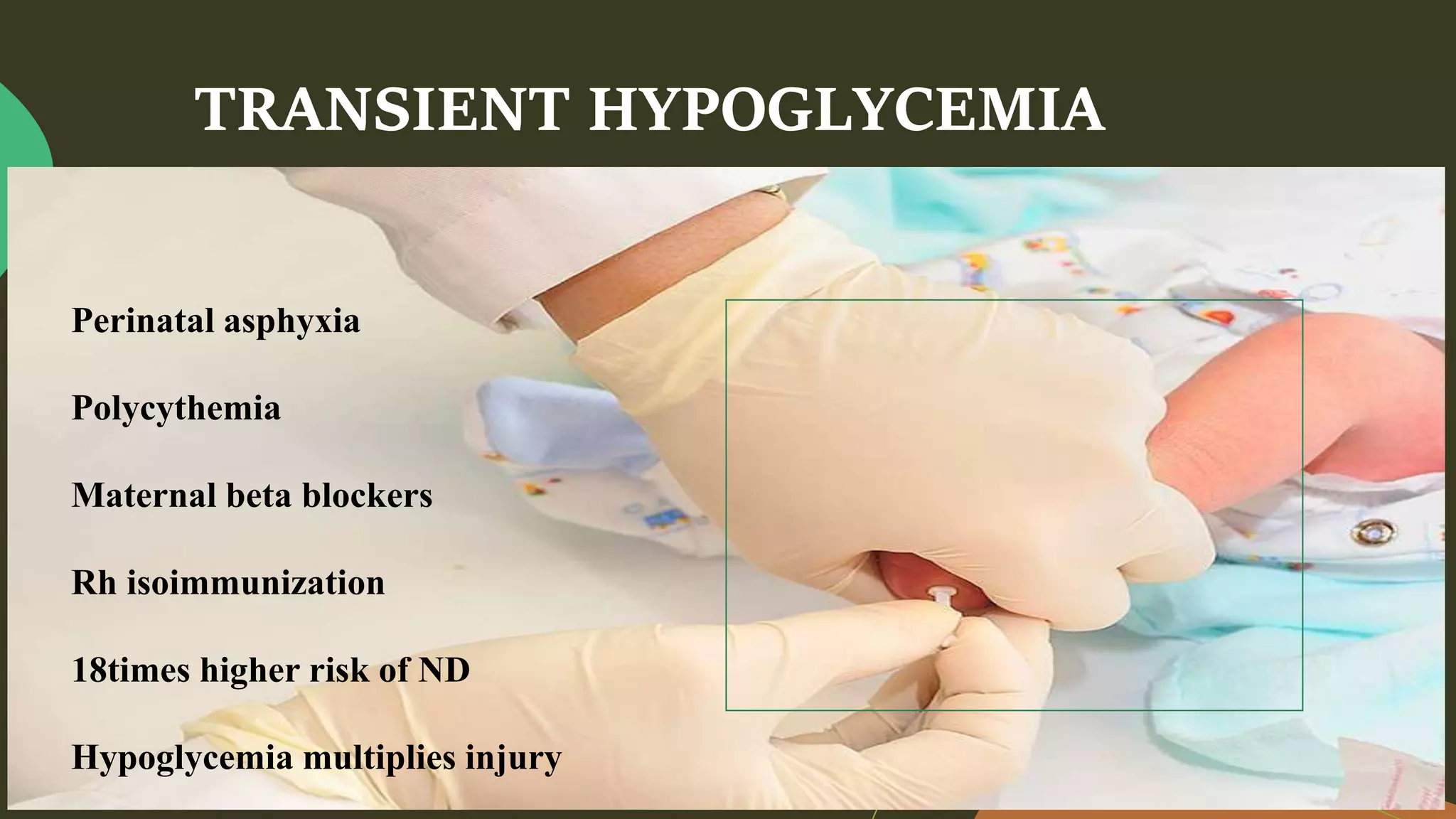
TRANSIENT HYPOGLYCEMIA
Perinatal asphyxia
Polycythemia
Maternal beta blockers
Rh isoimmunization
18times higher risk of ND
Hypoglycemia multiplies injury
MANAGEMENT OF TRANSIENT HYPOGLYCEMIA
Hypoglycemia persisting or
appearing for the first time after 48 hours of life is more
likely due to underlying metabolic or endocrine disorders
and requires more aggressive approach. Refractory or
persistent hypoglycemia should be suspected and
investigated if the glucose infusion requirement is >12
mg/kg/min or the hypoglycemia persists >5-7 days,
respectively . Congenital conditions such as Beckwith-
Wiedemann, Mosaic Turner syndrome, and Costello
syndromes have also been linked to hyperinsulinemia and
subsequent hypoglycemia. These patients may experience
a more prolonged hyperinsulinism lasting from several
days to week.
PERSISTENT HYPOGLYCEMIA
• One should rule out hyperinsulinemic
state or inborn errors of metabolism.
• Increase the DIR to 12–15 mg/kg/min
MANAGEMENT OF PERSISTENT
HYPOGLYCEMIA
DIAGNOSIS OF NEONATAL HYPOGLYCEMIA
Plasma serum level
Serum insulin
Urine sugar
Metabolic error
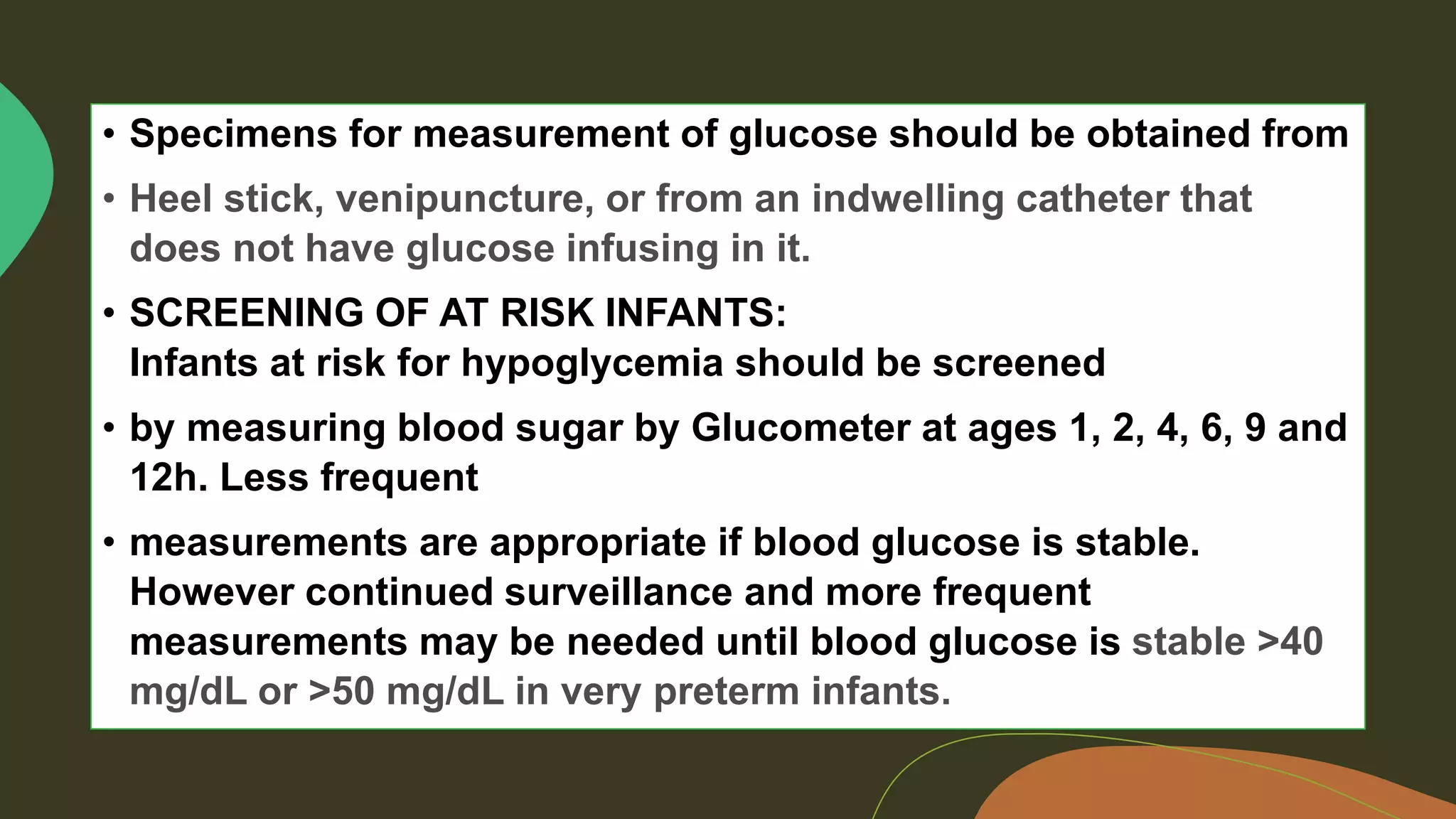
• Specimens for measurement of glucose should be obtained from
• SCREENING OF AT RISK INFANTS:
Infants at risk for hypoglycemia should be screened
• by measuring blood sugar by Glucometer at ages 1, 2, 4, 6, 9 and
12h. Less frequent
• measurements are appropriate if blood glucose is stable.
However continued surveillance and more frequent
measurements may be needed until blood glucose is
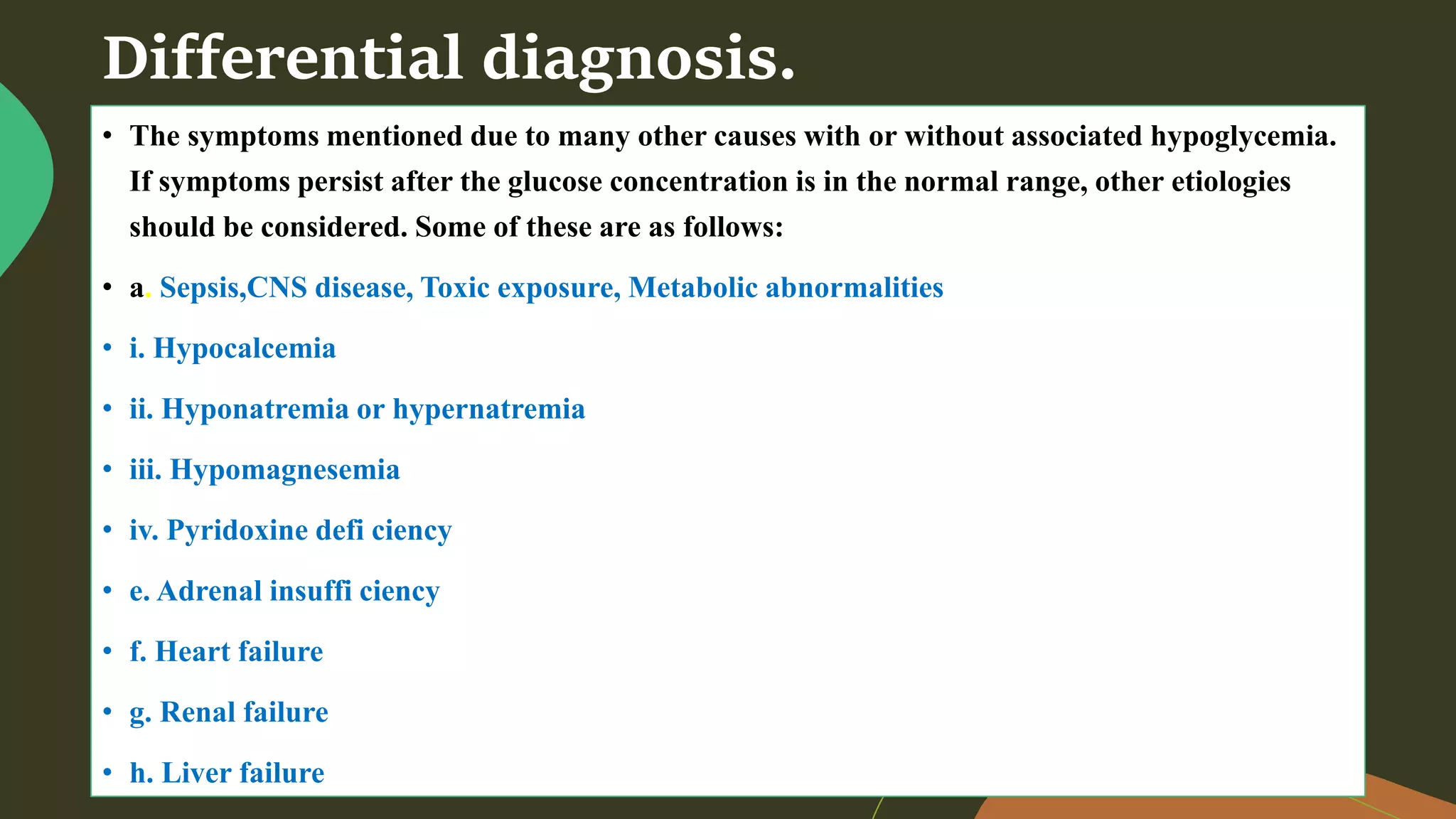
Differential diagnosis.
• The symptoms mentioned due to many other causes with or without associated hypoglycemia.
If symptoms persist after the glucose concentration is in the normal range, other etiologies
should be considered. Some of these are as follows:
• a. Sepsis,CNS disease, Toxic exposure, Metabolic abnormalities
• i. Hypocalcemia
• ii. Hyponatremia or hypernatremia
• iii. Hypomagnesemia
• iv. Pyridoxine defi ciency
• e. Adrenal insuffi ciency
• f. Heart failure
• g. Renal failure
• h. Liver failure
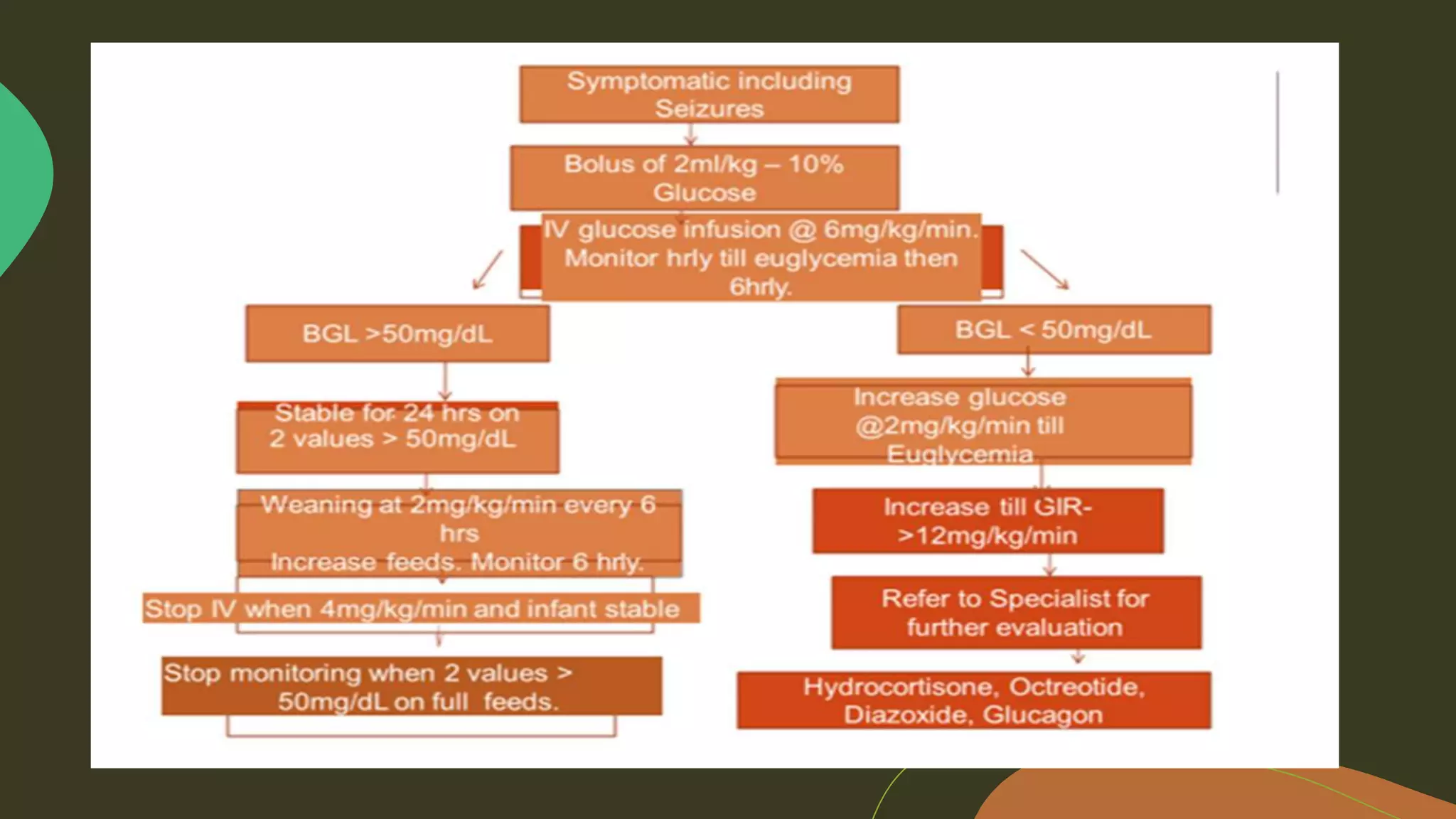
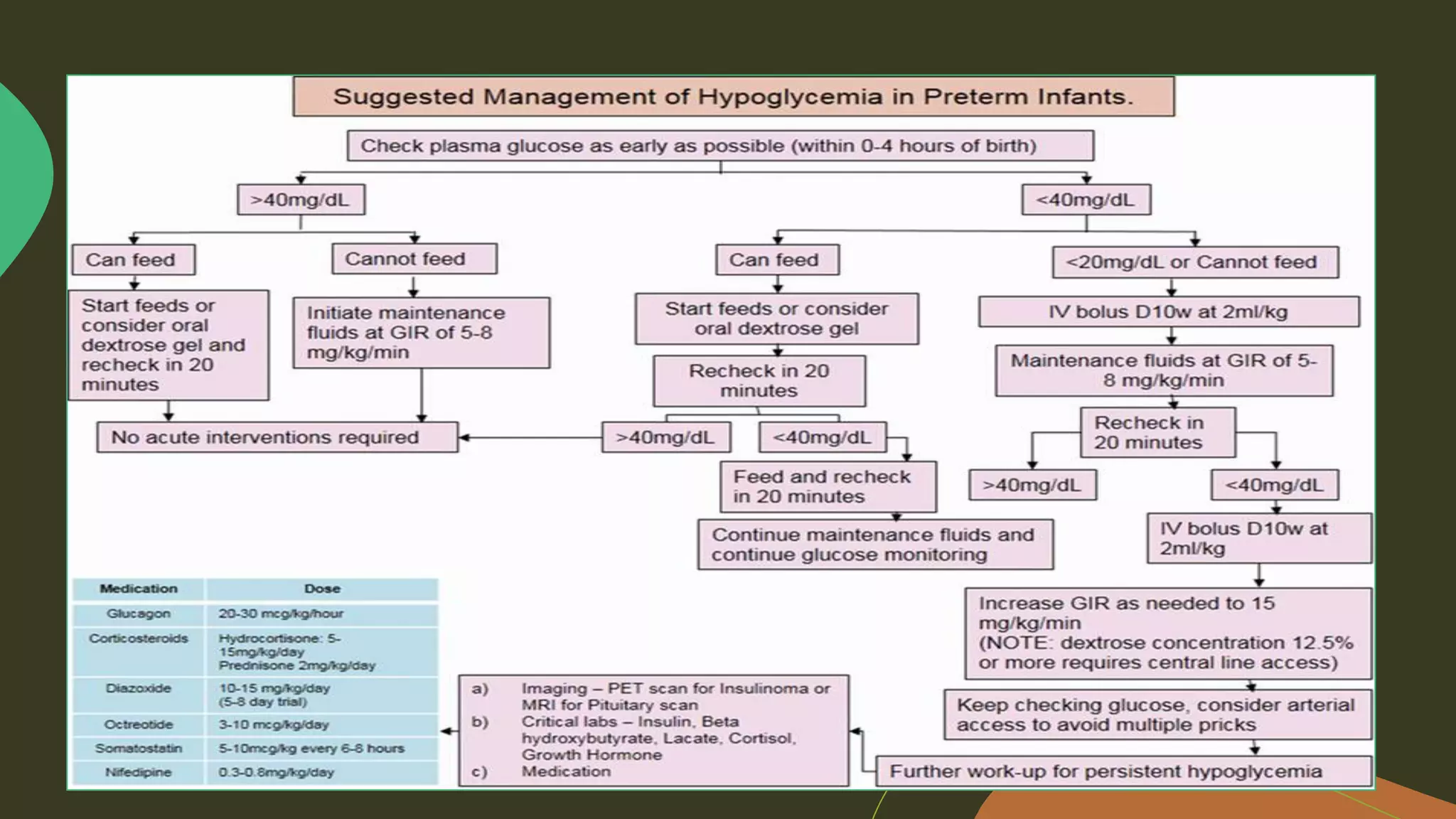
MANAGEMENT OF HYPOGLYCEMIA
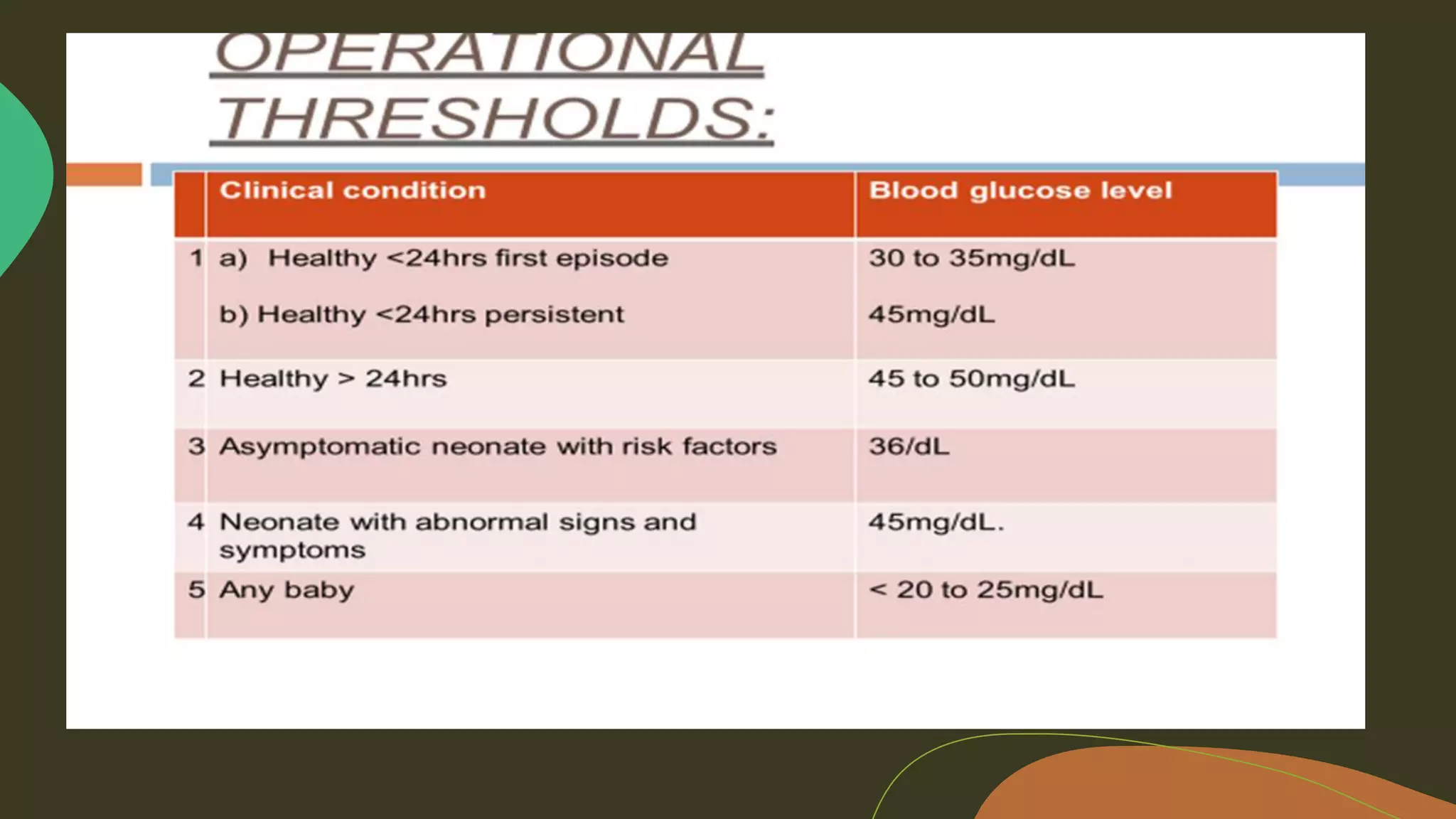
• Glucometer reading >40 mg/dL and infant is feeding normally: follow
usual nursery
• protocol.
• •Glucometer reading 20-40 mg/dL, infant is term and is able to feed:
• -Draw blood for stat blood glucose.
• -Feed 5 mL/kg of D5W.
• -Repeat blood glucose or Glucometer 20 min after feeding.
• Glucometer reading: (a) <20 mg/dL or
• (b) <40 mg/dL and NPO or preterm or
• (c) <40 mg/dL after feeding or
• (d) <40 mg/dL and symptomatic
• -Draw blood for stat glucose measurement.
• -Give IV bolus of 2-3 mL/kg of D10W.
• -Begin continuous infusion of D10W at 4-6 mg/kg/min.
• -If infant of diabetic mother, begin D10W at 8-10 mg/kg/min (100-125 cc/kg/d).
• -Repeat blood glucose in 20 min and pursue treatment until blood sugar >40
mg/dL.
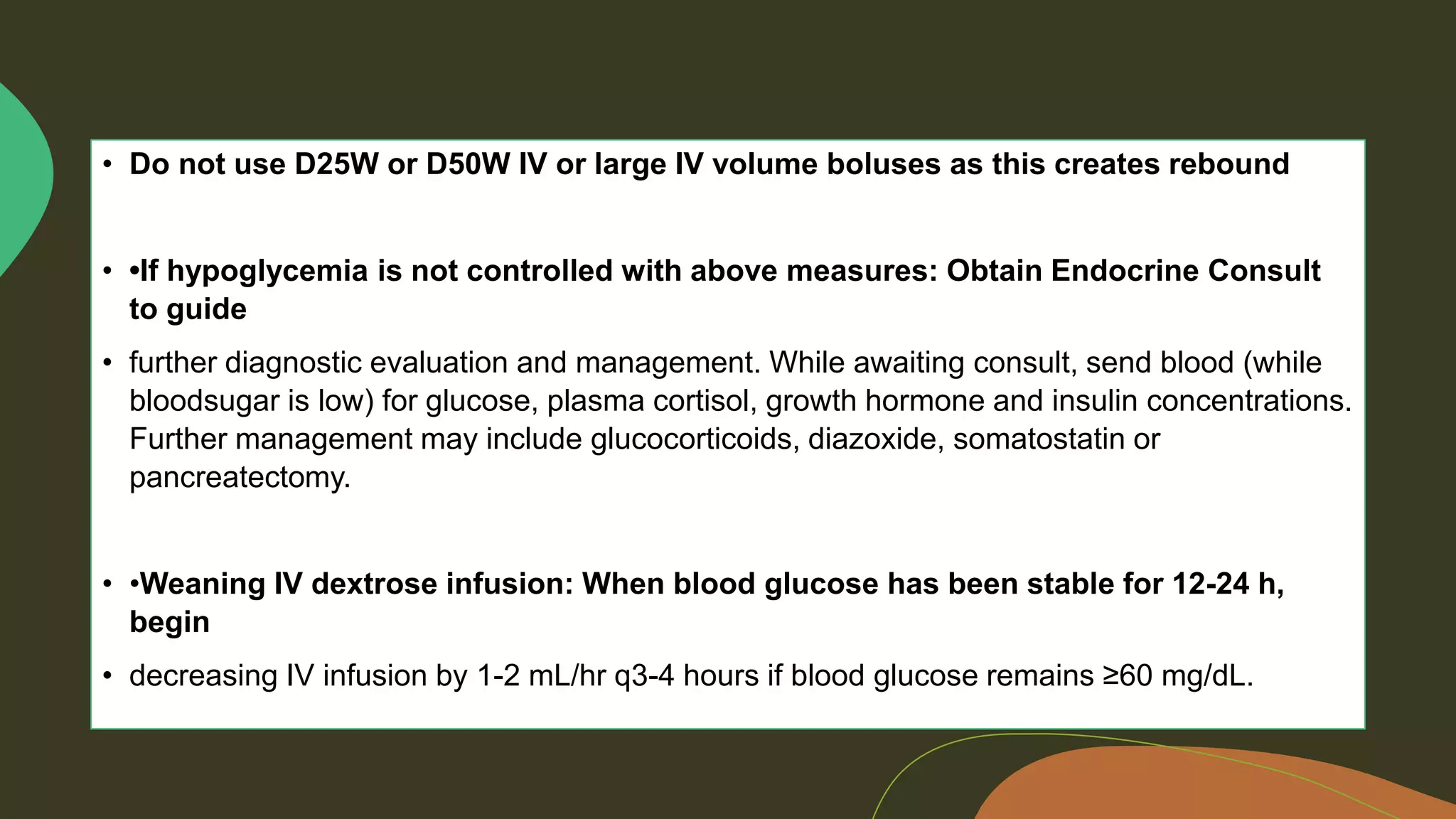
• Do not use D25W or D50W IV or large IV volume boluses as this creates rebound
• •If hypoglycemia is not controlled with above measures: Obtain Endocrine Consult
to guide
• further diagnostic evaluation and management. While awaiting consult, send blood (while
bloodsugar is low) for glucose, plasma cortisol, growth hormone and insulin concentrations.
Further management may include glucocorticoids, diazoxide, somatostatin or
pancreatectomy.
• •Weaning IV dextrose infusion: When blood glucose has been stable for 12-24 h,
begin
• decreasing IV infusion by 1-2 mL/hr q3-4 hours if blood glucose remains ≥60 mg/dL.
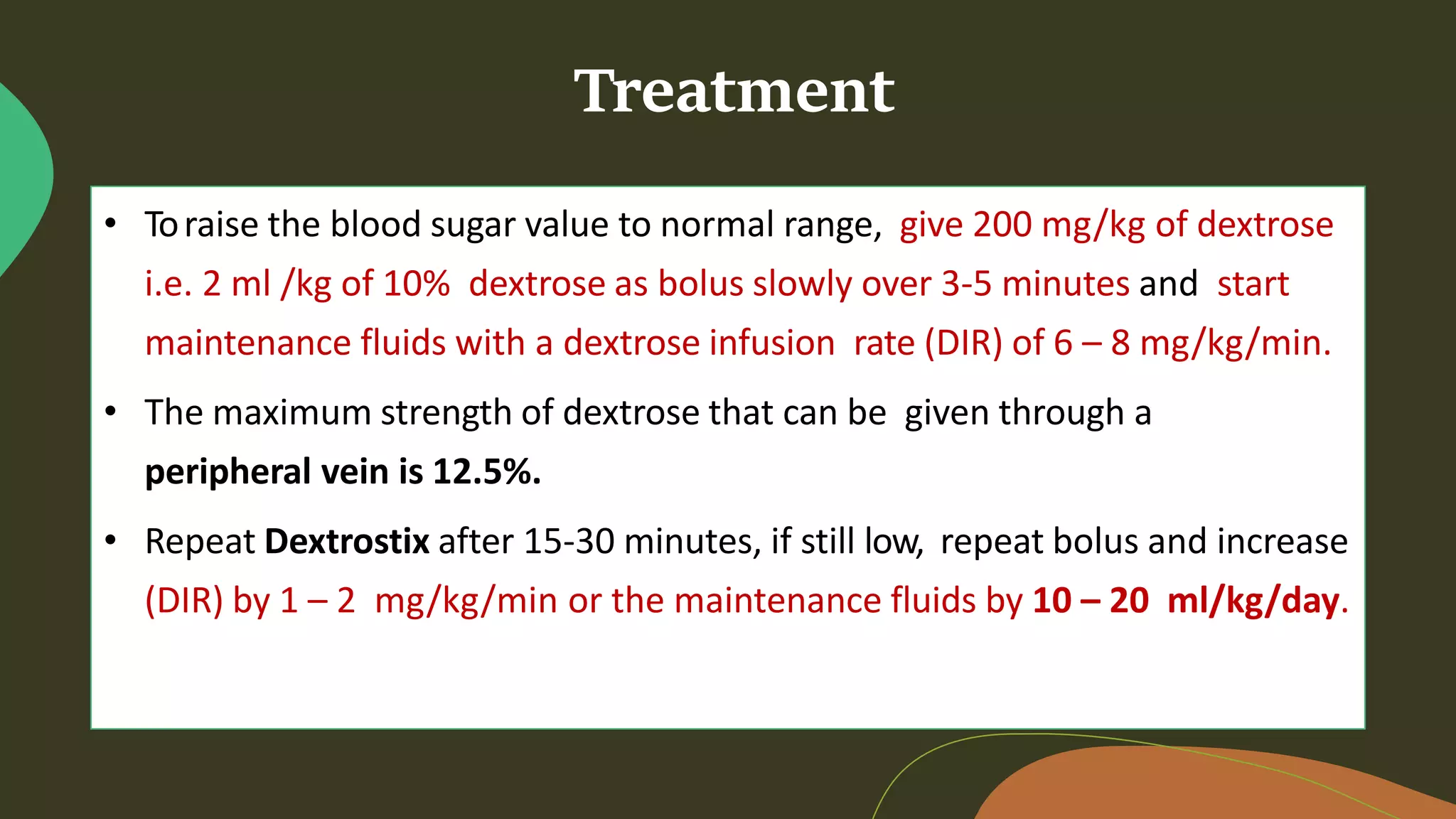
Treatment
• Toraise the blood sugar value to normal range, give 200 mg/kg of dextrose
i.e. 2 ml /kg of 10% dextrose as bolus slowly over 3-5 minutes and start
maintenance fluids with a dextrose infusion rate (DIR) of 6 – 8 mg/kg/min.
• The maximum strength of dextrose that can be given through a
peripheral vein is 12.5%.
• Repeat Dextrostix after 15-30 minutes, if still low, repeat bolus and increase
(DIR) by 1 – 2 mg/kg/min or the maintenance fluids by 10 – 20 ml/kg/day.
How to monitor blood glucose in
hypoglycemia
• In asymptomatic babies measure blood glucose within 2 hrs of
• birth, preferably before feeds.
• Frequency & duration depends on clinical features and glucose value, initial frequency
may be 2 hrly, and later 4 hrly and finally 8 - 12 hrly.
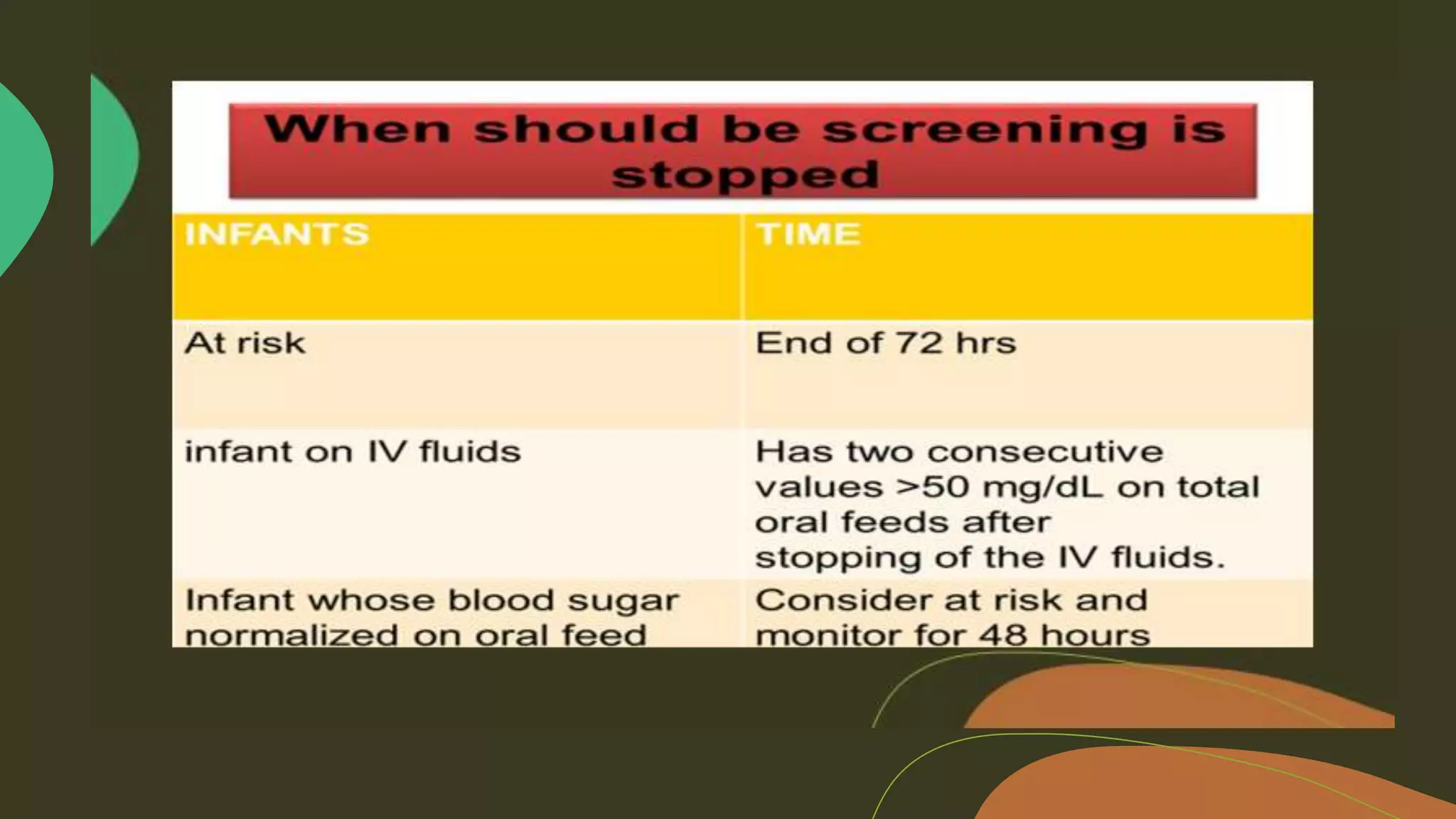
• Monitoring is usually done for 72 hrs after birth in at risk newborns or till glucose
levels remain normal for 48 – 72 hrs.
• Symptomatic babies: may require more frequent monitoring.
• Maintain the same DIR till the blood glucose is stable for at least 6 – 8hrs and then
decrease the DIR by not greater than 1 – 2 mg/kg/min every 2 hours with adequate
monitoring.
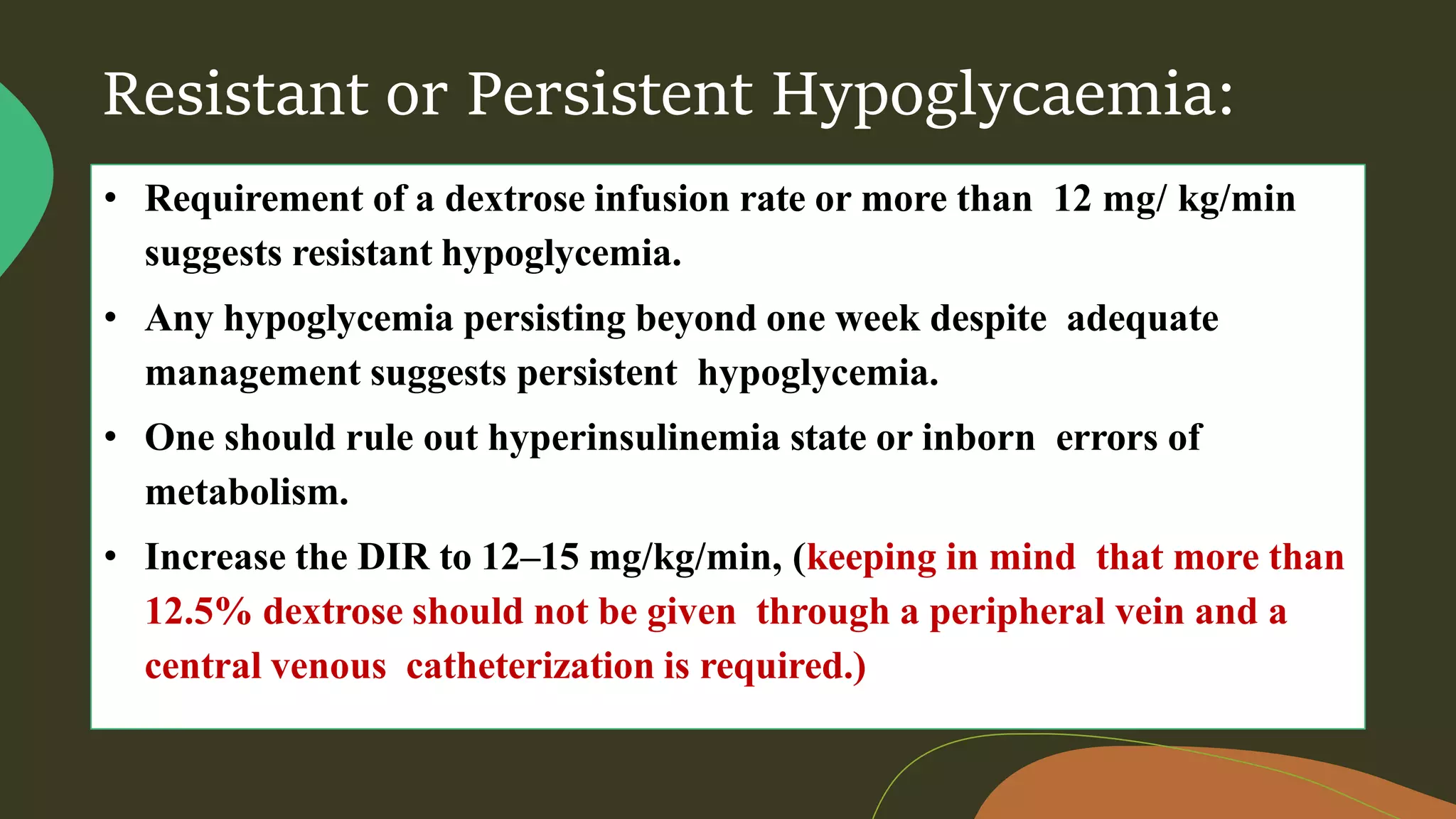
Resistant or Persistent Hypoglycaemia:
• Requirement of a dextrose infusion rate or more than 12 mg/ kg/min
suggests resistant hypoglycemia.
• Any hypoglycemia persisting beyond one week despite adequate
management suggests persistent hypoglycemia.
• One should rule out hyperinsulinemia state or inborn errors of
metabolism.
• Increase the DIR to 12–15 mg/kg/min, (keeping in mind that more than
12.5% dextrose should not be given through a peripheral vein and a
central venous catheterization is required.)
COMPLICATIONS
 Developmental delay
 Brain damage
 CNS dysfunction
 Seizures
 Heart failure
Indication for Routine Blood Glucose
Screening
1. Infants <2000grams.
2. Infants <_35 weeks.
3. Small for Gestational Age.
4. Large for Gestational Age.
5. Infant of Diabetic Mother.
6. Infants with Rh Hemolytic disease.
7. Mothers receiving therapy with Terbutaline/Propanolol/Lebatolol/Oral
Hypoglycemic agents
8. IUGR.
9. Any sick neonate (Perinatal asphyxia/Polycythemia/Sepsis/Shock)
10. Infants on Parenteral Nutrition.
GENERAL TREATMENTS
• If IV dextrose isn’t an option for a baby with NH, glucagon can be used as a treatment
and administered subcutaneously or intramuscularly.
• Glucagon can be used to treat babies who experience severe hypoglycemia and may not
have dextrose available to them.
• Babies who have experienced NH and are not being treated with dextrose or glucagon
should be fed within the first hour of life. These feedings should be done at two to
three hour intervals, and blood glucose concentrations should be monitored frequently
within 20 to 30 minutes after being fed.
PREVENTION OF HYPOGLYCEMIA
Breastfeeding within first hour of birth
Frequent and appropriate
breastfeeding
Supplementation with formula for at
risk infant
Supporting the Mother
• Giving birth to an infant who develops hypoglycemia is of concern to
both the mother and family and thus may jeopardize the
establishment of breastfeeding. Mothers should be explicitly
reassured that there is nothing wrong with their milk and that
supplementation is usually temporary. Having the mother hand-express
or pump milk
MANEGEMENT OF SEVERE HYPOGLYCEMIA
Start at
6mg/kg/min
Use central line
for infusion
greater than 12.5
Increase glucose
infusion by
2mg/kg/day till
BS>60mg/dl
Wait 8 to 12 hour
before tapering
Tapering should
slow and
gradually 6-8hour
Whenever possible
continue the
breastfeed to the
infant
NURSING MANAGEMENT
Nursing care management
• The biggest nursing concern for a neonate experiencing hypoglycemia is the physical assessment to potentially find
the cause.[1] It is also essential to prevent environmental factors such as cold stress that may predispose the newborn
for further decreasing blood sugar.[1] Within the physical assessment, comorbidities of hypoglycemia should also be
assessed such as intolerance of feeding, or respiratory distress.[1] Another important nursing intervention is assisting
the mother in successful breastfeeding as this can prevent and treat hypoglycemia.[1]
• If an IV infusion of 10% dextrose in water is initiated then the nurse must monitor for:
• •Circulatory overload[1]
• •Hyperglycemia[1]
• •Glycosuria[1]
• •Intracellular dehydration[1]
Recommendations for Future Research
 1. Well-planned, well-controlled studies are needed that look at plasma glucose concentrations, clinical
signs, and long-term sequelae to determine what levels of blood glucose are the minimum safe levels.
 2. The development and implementation of more reliable bedside testing methods would increase the
efficiency of diagnosis and treatment of significant glucose abnormalities.
 3. Studies to determine a clearer understanding of the role of other glucose-sparing fuels and the methods to
measure them in a clinically meaningful way and time frame are required to aid in understanding which
babies are truly at risk of neurologic sequelae and thus must be treated.
 4. For those infants who do become hypoglycemic, research into how much enteral glucose, and in what
form, is necessary to raise blood glucose to acceptable levels is important for clinical management.
 5. Randomized controlled studies of prenatal colostrum expression and storage for mothers with
infants at risk of hypoglycemia are important to determine if this is a practical and safe treatment modality.
THANK YOU

Management of neonatal hypoglycemia ppt

  • 1.
    MANAGEMENT OF NEONATAL HYPOGLYCEMIA MRSNiyati Das Professor cum vice Principal Kalinga Institute of Nursing Sciences KIIT Deemed To Be University
  • 2.
    OUTLINES OF PRESENTATION  Whatis Hypoglycaemia?  What are the aetiology ?  Discuss the pathophysiology.  Classify its’ clinical types and their - management.  Treatment  Monitors blood glucose level , screening and when to stop monitoring  Prevention  Nursing management
  • 3.
    INTRODUCTION Glucose is themajor energy source for fetus and neonate. The newborn brain depends upon glucose almost exclusively. Up to 90% of total glucose used is consumed by the brain. Alternate fuels (e.g., ketones, lactate) are produced in very low quantities. The usual rate of glucose utilization is 4-8 mg/kg/min.  Glucose regulatory mechanisms are sluggish at birth.  Thus, the infant is susceptible to hypoglycemia when glucose demands are increased or when exogenous or endogenous glucose supply is limited.  Severe or prolonged hypoglycemia may result in long term neurologic damage
  • 4.
    Neonatal hypoglycemia Statistics •Neonatal hypoglycemia can affect as many as 5-15% of healthy infants. The risk of hypoglycemia may be as high as 72% in certain at-risk infants such as small for gestational age infants. There is currently not enough evidence to define a specific glucose value that results in long-term neurodevelopmental sequela.Sep 19, 20 • The prevalence of hypoglycaemia is approximately • 10%- in full term neonates • 6.5% in appropriate for gestational age(AGA) • 8% in large for gestational age(LGA) • 15% in small for gestational age(SGA) • 15.5% in late preterm infants
  • 5.
    Why do neonatesget hypoglycaemia? • Glucagon helps regulate gluconeogenesis and glycogenolysis within the liver as a counter regulatory agent to insulin. Exaggerated insulin secretion from beta-cells can occur during the first few hours to days of life, resulting in hyperinsulinemia, which is the leading cause of hypoglycaemia in neonates
  • 6.
  • 10.
    ETIOLOGY OF NEONATALHYPOGLYCEMIA Decreased substrate availability Hyperinsulinemia: Other endocrine abnormalities: Increased glucose utilization Miscellaneous conditions
  • 11.
    Etiology • 1. Decreasedsubstrate availability: • •Intra-uterine growth retardation •Glycogen storage disease • •Inborn errors (e.g., fructose intolerance) • Prematurity • •Prolonged fasting without IV glucose • 2. Hyperinsulinemia: • •Infant of diabetic mother •Islet cell hyperplasia • •Erythroblastosis fetalis •Exchange transfusion • •Beckwith-Wiedemann Syndrome •Maternal ß-mimetic tocolytic agents • •”High” umbilical arterial catheter •Abrupt cessation of IV glucose
  • 12.
    : • •Pan-hypopituitarism •Hypothyroidism ••Adrenal insufficiency • •Cold stress •Increased work of breathing • •Sepsis •Perinatal asphyxia • •Polycythemia •Congenital heart disease • •CNS abnormalities
  • 14.
    SIGNS AND SYMPTOMSOF NEONATAL HYPOGLYCEMIA `• Bluish-coloured skin (cyanosis) or pale skin • Breathing problems, such as rapid breathing (tachypnea), pauses in breathing (apnea), or a grunting sound • Irritability or listlessness • Loose or floppy muscles (hypotonia) • Vomiting or poor feeding • Weak or high pitched cry • Tremors, shakiness, sweating, or seizures
  • 17.
  • 18.
    TRANSIENT HYPOGLYCEMIA Perinatal asphyxia Polycythemia Maternalbeta blockers Rh isoimmunization 18times higher risk of ND Hypoglycemia multiplies injury
  • 19.
  • 20.
    Hypoglycemia persisting or appearingfor the first time after 48 hours of life is more likely due to underlying metabolic or endocrine disorders and requires more aggressive approach. Refractory or persistent hypoglycemia should be suspected and investigated if the glucose infusion requirement is >12 mg/kg/min or the hypoglycemia persists >5-7 days, respectively . Congenital conditions such as Beckwith- Wiedemann, Mosaic Turner syndrome, and Costello syndromes have also been linked to hyperinsulinemia and subsequent hypoglycemia. These patients may experience a more prolonged hyperinsulinism lasting from several days to week. PERSISTENT HYPOGLYCEMIA
  • 21.
    • One shouldrule out hyperinsulinemic state or inborn errors of metabolism. • Increase the DIR to 12–15 mg/kg/min MANAGEMENT OF PERSISTENT HYPOGLYCEMIA
  • 23.
    DIAGNOSIS OF NEONATALHYPOGLYCEMIA Plasma serum level Serum insulin Urine sugar Metabolic error
  • 24.
    • Specimens formeasurement of glucose should be obtained from • SCREENING OF AT RISK INFANTS: Infants at risk for hypoglycemia should be screened • by measuring blood sugar by Glucometer at ages 1, 2, 4, 6, 9 and 12h. Less frequent • measurements are appropriate if blood glucose is stable. However continued surveillance and more frequent measurements may be needed until blood glucose is
  • 25.
    Differential diagnosis. • Thesymptoms mentioned due to many other causes with or without associated hypoglycemia. If symptoms persist after the glucose concentration is in the normal range, other etiologies should be considered. Some of these are as follows: • a. Sepsis,CNS disease, Toxic exposure, Metabolic abnormalities • i. Hypocalcemia • ii. Hyponatremia or hypernatremia • iii. Hypomagnesemia • iv. Pyridoxine defi ciency • e. Adrenal insuffi ciency • f. Heart failure • g. Renal failure • h. Liver failure
  • 29.
    MANAGEMENT OF HYPOGLYCEMIA •Glucometer reading >40 mg/dL and infant is feeding normally: follow usual nursery • protocol. • •Glucometer reading 20-40 mg/dL, infant is term and is able to feed: • -Draw blood for stat blood glucose. • -Feed 5 mL/kg of D5W. • -Repeat blood glucose or Glucometer 20 min after feeding.
  • 30.
    • Glucometer reading:(a) <20 mg/dL or • (b) <40 mg/dL and NPO or preterm or • (c) <40 mg/dL after feeding or • (d) <40 mg/dL and symptomatic • -Draw blood for stat glucose measurement. • -Give IV bolus of 2-3 mL/kg of D10W. • -Begin continuous infusion of D10W at 4-6 mg/kg/min. • -If infant of diabetic mother, begin D10W at 8-10 mg/kg/min (100-125 cc/kg/d). • -Repeat blood glucose in 20 min and pursue treatment until blood sugar >40 mg/dL.
  • 31.
    • Do notuse D25W or D50W IV or large IV volume boluses as this creates rebound • •If hypoglycemia is not controlled with above measures: Obtain Endocrine Consult to guide • further diagnostic evaluation and management. While awaiting consult, send blood (while bloodsugar is low) for glucose, plasma cortisol, growth hormone and insulin concentrations. Further management may include glucocorticoids, diazoxide, somatostatin or pancreatectomy. • •Weaning IV dextrose infusion: When blood glucose has been stable for 12-24 h, begin • decreasing IV infusion by 1-2 mL/hr q3-4 hours if blood glucose remains ≥60 mg/dL.
  • 32.
    Treatment • Toraise theblood sugar value to normal range, give 200 mg/kg of dextrose i.e. 2 ml /kg of 10% dextrose as bolus slowly over 3-5 minutes and start maintenance fluids with a dextrose infusion rate (DIR) of 6 – 8 mg/kg/min. • The maximum strength of dextrose that can be given through a peripheral vein is 12.5%. • Repeat Dextrostix after 15-30 minutes, if still low, repeat bolus and increase (DIR) by 1 – 2 mg/kg/min or the maintenance fluids by 10 – 20 ml/kg/day.
  • 33.
    How to monitorblood glucose in hypoglycemia • In asymptomatic babies measure blood glucose within 2 hrs of • birth, preferably before feeds. • Frequency & duration depends on clinical features and glucose value, initial frequency may be 2 hrly, and later 4 hrly and finally 8 - 12 hrly. • Monitoring is usually done for 72 hrs after birth in at risk newborns or till glucose levels remain normal for 48 – 72 hrs. • Symptomatic babies: may require more frequent monitoring. • Maintain the same DIR till the blood glucose is stable for at least 6 – 8hrs and then decrease the DIR by not greater than 1 – 2 mg/kg/min every 2 hours with adequate monitoring.
  • 34.
    Resistant or PersistentHypoglycaemia: • Requirement of a dextrose infusion rate or more than 12 mg/ kg/min suggests resistant hypoglycemia. • Any hypoglycemia persisting beyond one week despite adequate management suggests persistent hypoglycemia. • One should rule out hyperinsulinemia state or inborn errors of metabolism. • Increase the DIR to 12–15 mg/kg/min, (keeping in mind that more than 12.5% dextrose should not be given through a peripheral vein and a central venous catheterization is required.)
  • 36.
    COMPLICATIONS  Developmental delay Brain damage  CNS dysfunction  Seizures  Heart failure
  • 38.
    Indication for RoutineBlood Glucose Screening 1. Infants <2000grams. 2. Infants <_35 weeks. 3. Small for Gestational Age. 4. Large for Gestational Age. 5. Infant of Diabetic Mother. 6. Infants with Rh Hemolytic disease. 7. Mothers receiving therapy with Terbutaline/Propanolol/Lebatolol/Oral Hypoglycemic agents 8. IUGR. 9. Any sick neonate (Perinatal asphyxia/Polycythemia/Sepsis/Shock) 10. Infants on Parenteral Nutrition.
  • 41.
    GENERAL TREATMENTS • IfIV dextrose isn’t an option for a baby with NH, glucagon can be used as a treatment and administered subcutaneously or intramuscularly. • Glucagon can be used to treat babies who experience severe hypoglycemia and may not have dextrose available to them. • Babies who have experienced NH and are not being treated with dextrose or glucagon should be fed within the first hour of life. These feedings should be done at two to three hour intervals, and blood glucose concentrations should be monitored frequently within 20 to 30 minutes after being fed.
  • 42.
    PREVENTION OF HYPOGLYCEMIA Breastfeedingwithin first hour of birth Frequent and appropriate breastfeeding Supplementation with formula for at risk infant
  • 44.
    Supporting the Mother •Giving birth to an infant who develops hypoglycemia is of concern to both the mother and family and thus may jeopardize the establishment of breastfeeding. Mothers should be explicitly reassured that there is nothing wrong with their milk and that supplementation is usually temporary. Having the mother hand-express or pump milk
  • 45.
    MANEGEMENT OF SEVEREHYPOGLYCEMIA Start at 6mg/kg/min Use central line for infusion greater than 12.5 Increase glucose infusion by 2mg/kg/day till BS>60mg/dl Wait 8 to 12 hour before tapering Tapering should slow and gradually 6-8hour Whenever possible continue the breastfeed to the infant
  • 46.
  • 47.
    Nursing care management •The biggest nursing concern for a neonate experiencing hypoglycemia is the physical assessment to potentially find the cause.[1] It is also essential to prevent environmental factors such as cold stress that may predispose the newborn for further decreasing blood sugar.[1] Within the physical assessment, comorbidities of hypoglycemia should also be assessed such as intolerance of feeding, or respiratory distress.[1] Another important nursing intervention is assisting the mother in successful breastfeeding as this can prevent and treat hypoglycemia.[1] • If an IV infusion of 10% dextrose in water is initiated then the nurse must monitor for: • •Circulatory overload[1] • •Hyperglycemia[1] • •Glycosuria[1] • •Intracellular dehydration[1]
  • 50.
    Recommendations for FutureResearch  1. Well-planned, well-controlled studies are needed that look at plasma glucose concentrations, clinical signs, and long-term sequelae to determine what levels of blood glucose are the minimum safe levels.  2. The development and implementation of more reliable bedside testing methods would increase the efficiency of diagnosis and treatment of significant glucose abnormalities.  3. Studies to determine a clearer understanding of the role of other glucose-sparing fuels and the methods to measure them in a clinically meaningful way and time frame are required to aid in understanding which babies are truly at risk of neurologic sequelae and thus must be treated.  4. For those infants who do become hypoglycemic, research into how much enteral glucose, and in what form, is necessary to raise blood glucose to acceptable levels is important for clinical management.  5. Randomized controlled studies of prenatal colostrum expression and storage for mothers with infants at risk of hypoglycemia are important to determine if this is a practical and safe treatment modality.
  • 51.