Orthopedics
Extern Case Conference
Natthawut Nititanabhaworn
Patient profile
หญิงไทย อายุ 54 ปี
Chief complaint
รถจักรยานยนต์ล้มทับนิ้วมือซ้าย 2 ชั่วโมง
ก่อนมาโรงพยาบาล
Primary survey
A : can talk, no c-spine tenderness
B : no dyspnea, RR 20
C : no active external bleeding
full pulse, BP 102/80
D : E4V5M6
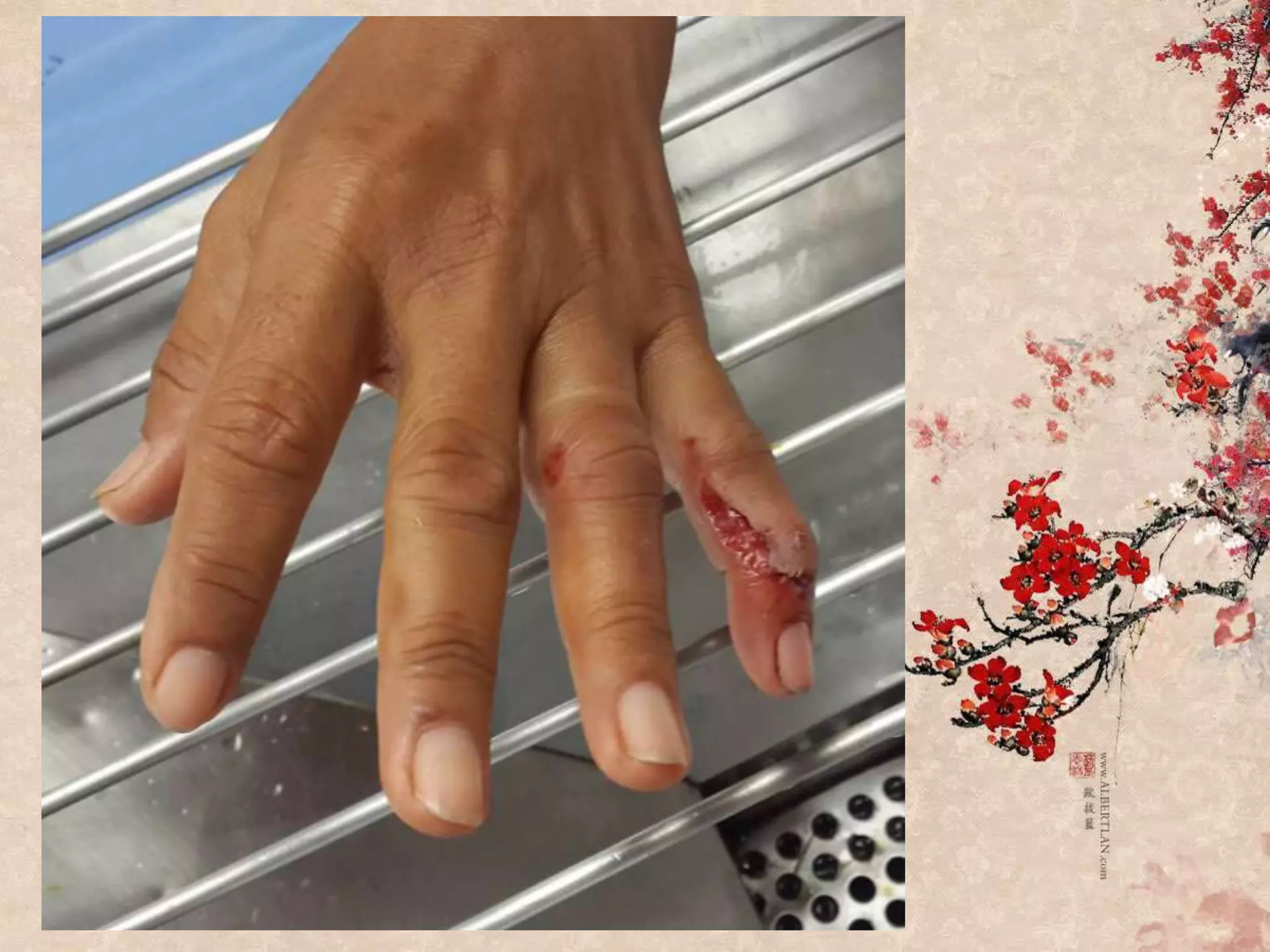
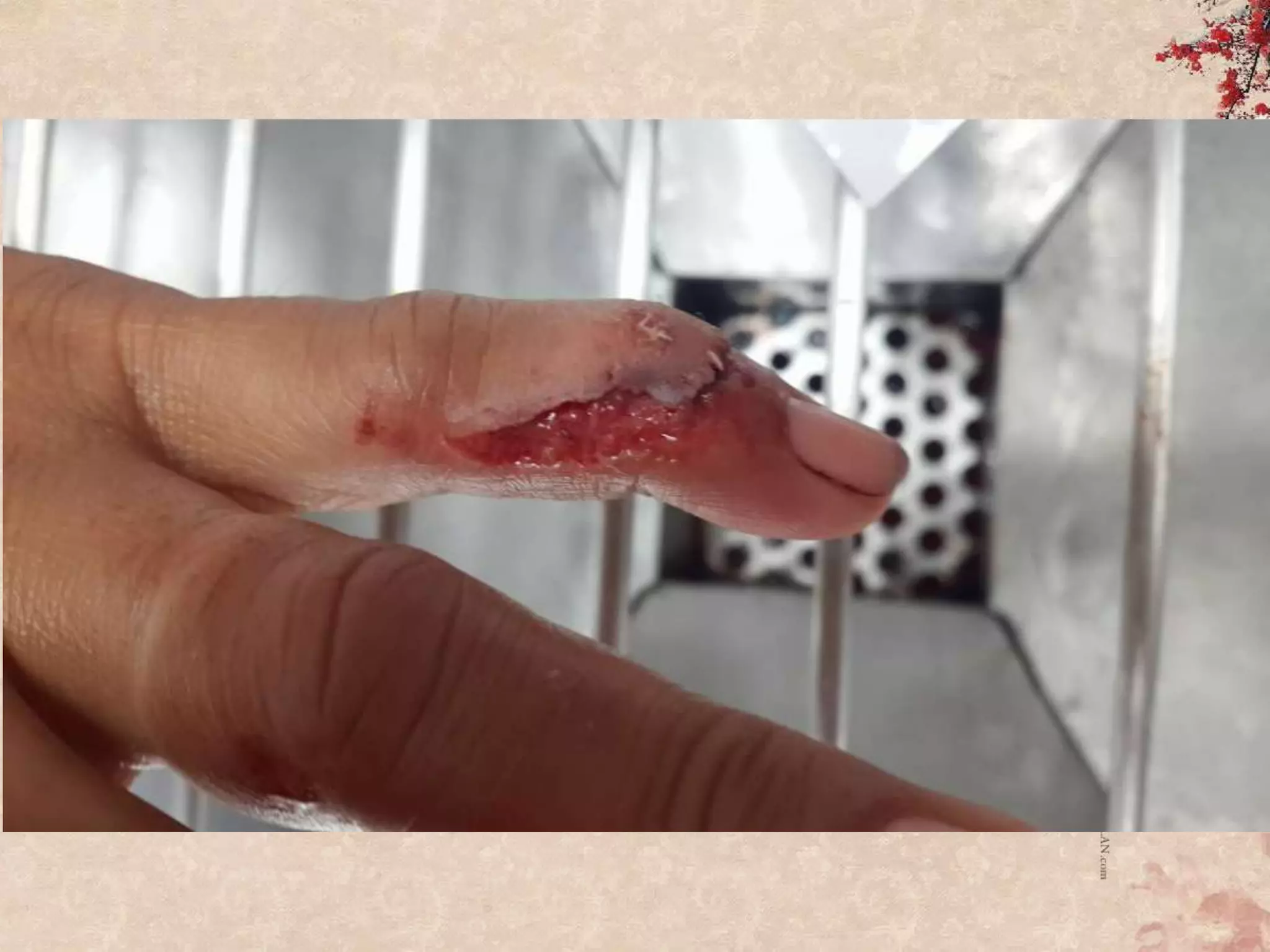
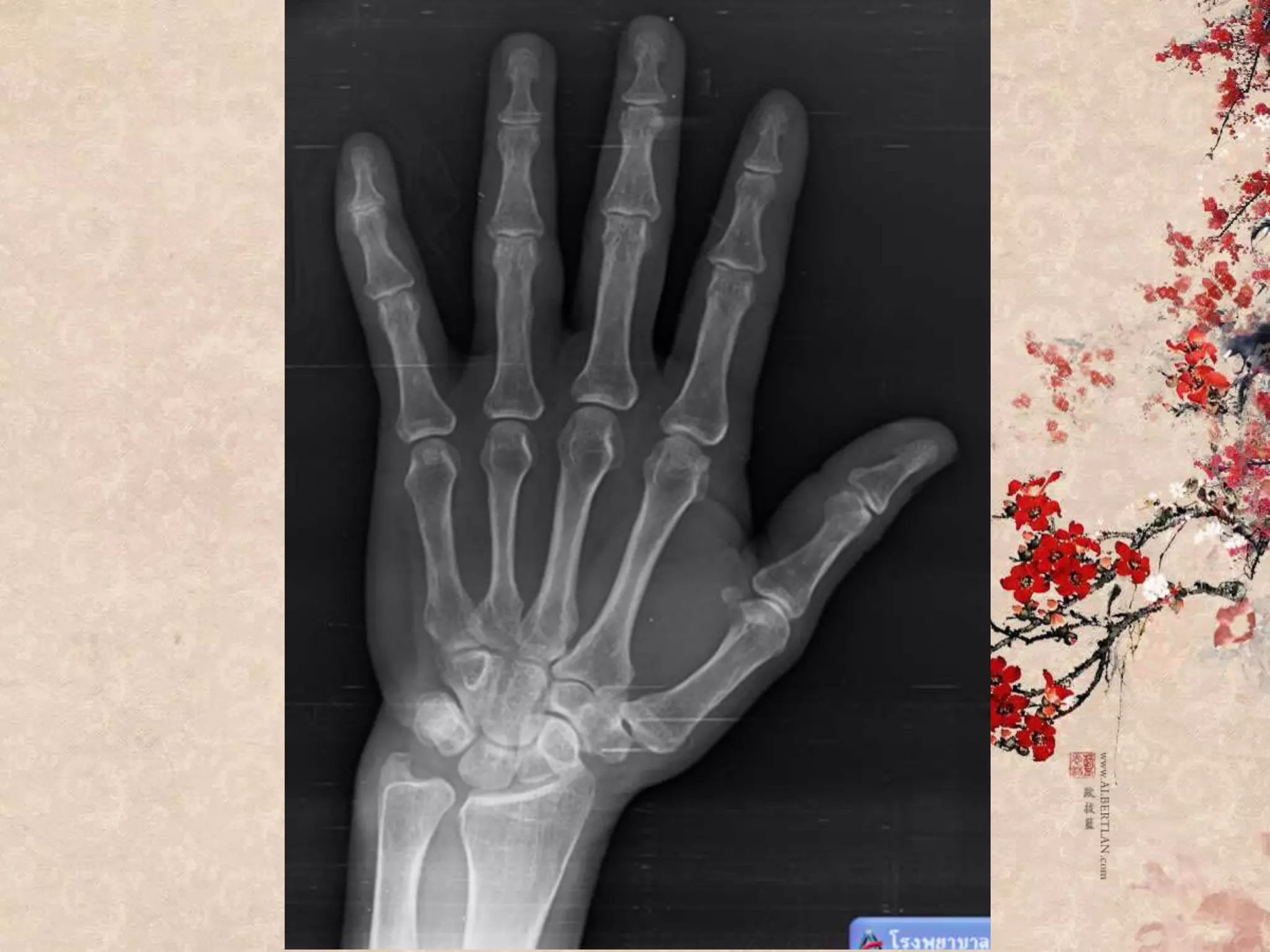
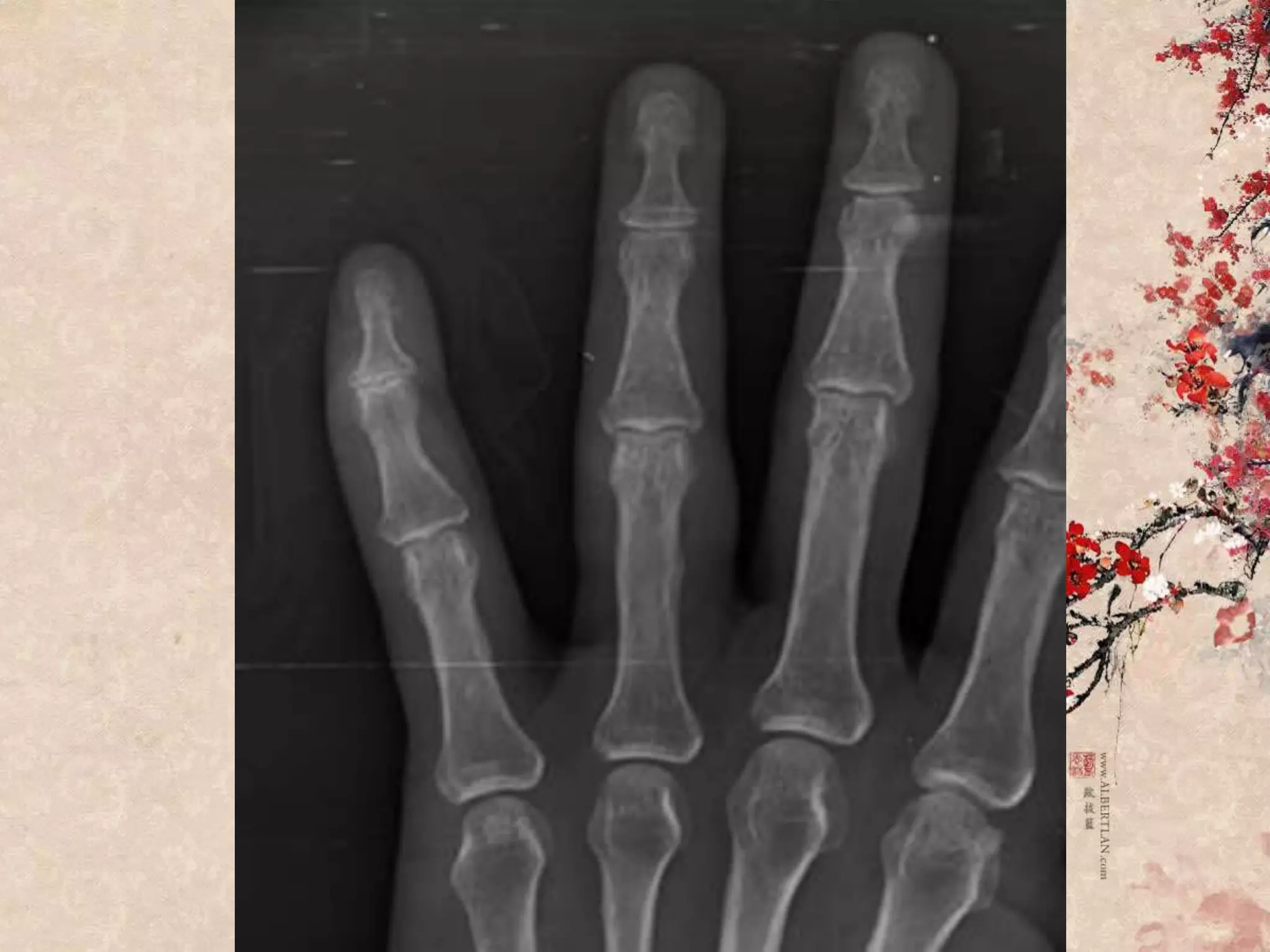
E : laceration wound 3 cm
at Lt. ring finger, deep to bone
Secondary survey
A : no drug/food allergy
M : no medication
P : no underlying disease
L : last meal 4 hr
E : รถจักรยานยนต์ที่จอดอยู่
ล้มทับนิ้วก้อยมือซ้าย มีแผลเปิด
ปวดมาก ขยับนิ้วก้อยได้ ไม่ชาปลายนิ้ว
มีเลือดออกซึมๆ เหตุเกิด 2 hr
Diagnosis
Diagnosis
Open Mallet finger
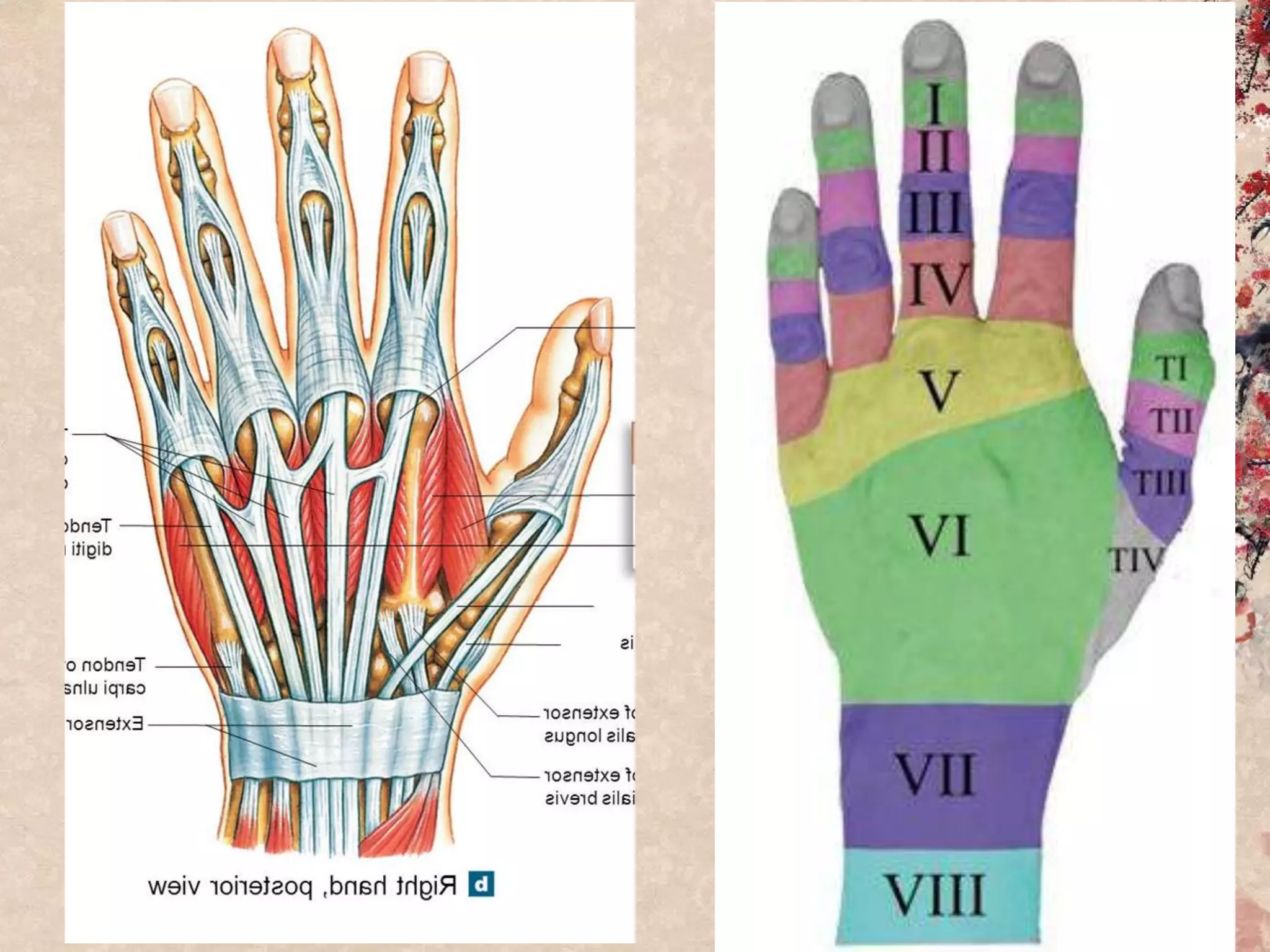
“Extensor tendon injury”
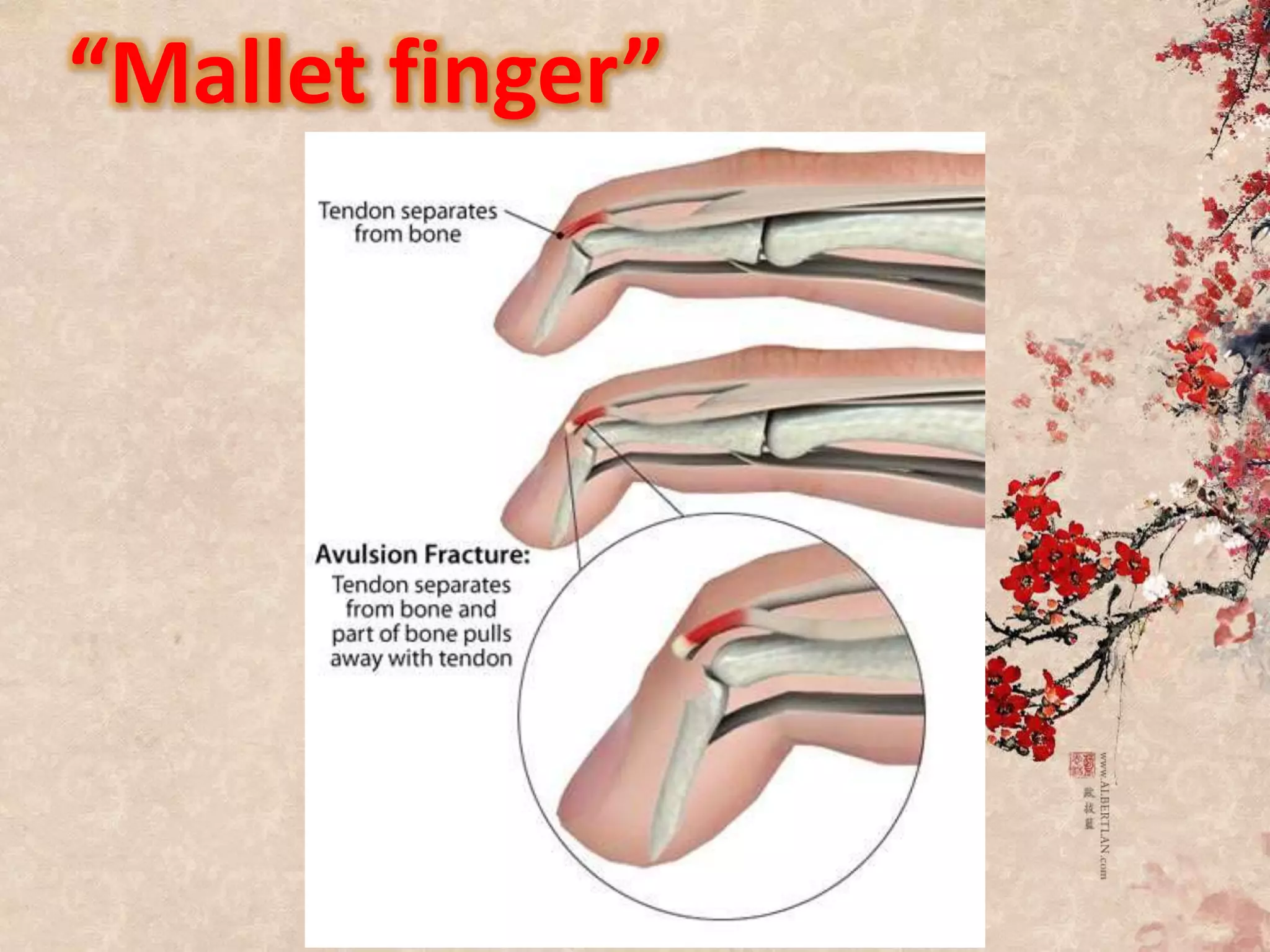
“Mallet finger”
“Mallet finger”
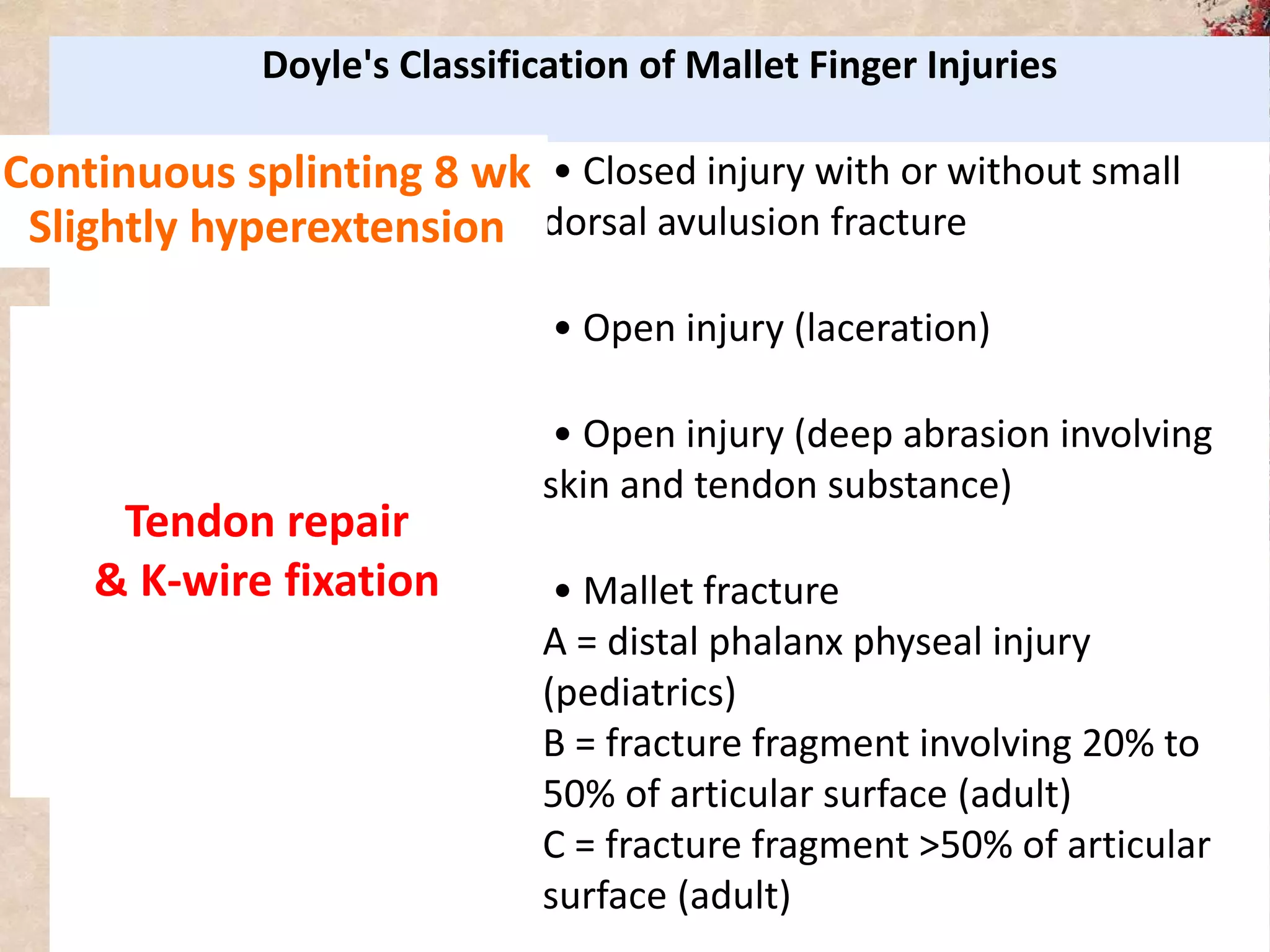
Doyle's Classification of Mallet Finger Injuries
Type I • Closed injury with or without small
dorsal avulusion fracture
Type II • Open injury (laceration)
Type III • Open injury (deep abrasion involving
skin and tendon substance)
Type IV • Mallet fracture
A = distal phalanx physeal injury
(pediatrics)
B = fracture fragment involving 20% to
50% of articular surface (adult)
C = fracture fragment >50% of articular
surface (adult)
Doyle's Classification of Mallet Finger Injuries
Type I • Closed injury with or without small
dorsal avulusion fracture
Type II • Open injury (laceration)
Type III • Open injury (deep abrasion involving
skin and tendon substance)
Type IV • Mallet fracture
A = distal phalanx physeal injury
(pediatrics)
B = fracture fragment involving 20% to
50% of articular surface (adult)
C = fracture fragment >50% of articular
surface (adult)
Continuous splinting 8 wk
Slightly hyperextension
Tendon repair
& K-wire fixation
Doyle's Classification of Mallet Finger Injuries
Type I • Closed injury with or without small
dorsal avulusion fracture
Type II • Open injury (laceration)
Type III • Open injury (deep abrasion involving
skin and tendon substance)
Type IV • Mallet fracture
A = distal phalanx physeal injury
(pediatrics)
B = fracture fragment involving 20% to
50% of articular surface (adult)
C = fracture fragment >50% of articular
surface (adult)
Continuous splinting 8 wk
Slightly hyperextension
Tendon repair
& K-wire fixation
Skin marceration/necrosis
“Swan neck deformities”
“Boutonniere deformities”
“Sagittal band rupture”
Thank you

Mallet finger

  • 1.
  • 2.
    Patient profile หญิงไทย อายุ54 ปี Chief complaint รถจักรยานยนต์ล้มทับนิ้วมือซ้าย 2 ชั่วโมง ก่อนมาโรงพยาบาล
  • 3.
    Primary survey A :can talk, no c-spine tenderness B : no dyspnea, RR 20 C : no active external bleeding full pulse, BP 102/80 D : E4V5M6 E : laceration wound 3 cm at Lt. ring finger, deep to bone
  • 4.
    Secondary survey A :no drug/food allergy M : no medication P : no underlying disease L : last meal 4 hr E : รถจักรยานยนต์ที่จอดอยู่ ล้มทับนิ้วก้อยมือซ้าย มีแผลเปิด ปวดมาก ขยับนิ้วก้อยได้ ไม่ชาปลายนิ้ว มีเลือดออกซึมๆ เหตุเกิด 2 hr
  • 12.
  • 13.
  • 14.
  • 18.
  • 19.
  • 20.
    Doyle's Classification ofMallet Finger Injuries Type I • Closed injury with or without small dorsal avulusion fracture Type II • Open injury (laceration) Type III • Open injury (deep abrasion involving skin and tendon substance) Type IV • Mallet fracture A = distal phalanx physeal injury (pediatrics) B = fracture fragment involving 20% to 50% of articular surface (adult) C = fracture fragment >50% of articular surface (adult)
  • 21.
    Doyle's Classification ofMallet Finger Injuries Type I • Closed injury with or without small dorsal avulusion fracture Type II • Open injury (laceration) Type III • Open injury (deep abrasion involving skin and tendon substance) Type IV • Mallet fracture A = distal phalanx physeal injury (pediatrics) B = fracture fragment involving 20% to 50% of articular surface (adult) C = fracture fragment >50% of articular surface (adult) Continuous splinting 8 wk Slightly hyperextension Tendon repair & K-wire fixation
  • 22.
    Doyle's Classification ofMallet Finger Injuries Type I • Closed injury with or without small dorsal avulusion fracture Type II • Open injury (laceration) Type III • Open injury (deep abrasion involving skin and tendon substance) Type IV • Mallet fracture A = distal phalanx physeal injury (pediatrics) B = fracture fragment involving 20% to 50% of articular surface (adult) C = fracture fragment >50% of articular surface (adult) Continuous splinting 8 wk Slightly hyperextension Tendon repair & K-wire fixation Skin marceration/necrosis
  • 24.
  • 25.
  • 26.
  • 27.