
Reflexive Verbs
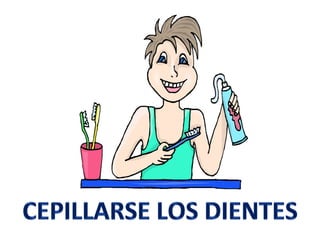
When you use reflexive verbs, the subject does the action and also receives it.  Example of a Reflexive action:  I brush my teeth.  This means  I brush my teeth myself. It is an action that I am doing to myself.  If the sentence is  I brush my dog , it is not a reflexive action because I am not receiving the action, the dog is receiving it.
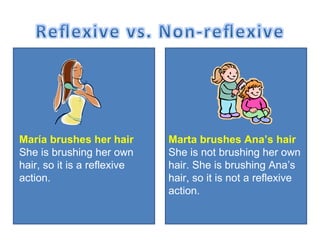
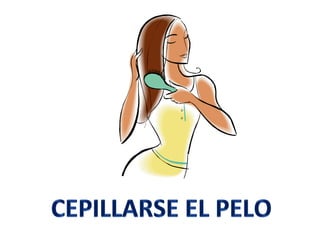
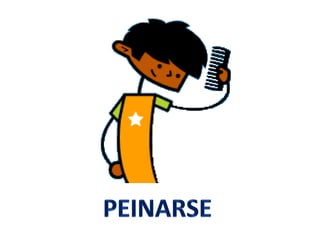
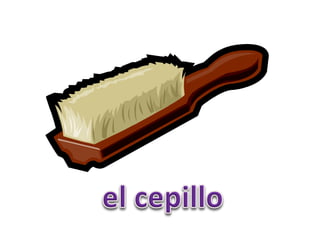
María brushes her hair She is brushing her own hair, so it is a reflexive action. Marta brushes Ana ’s hair She is not brushing her own hair. She is brushing Ana ’s hair, so it is not a reflexive action.
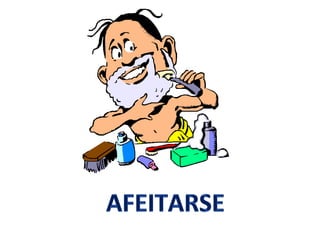
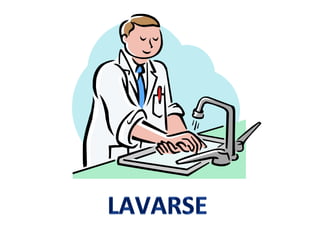
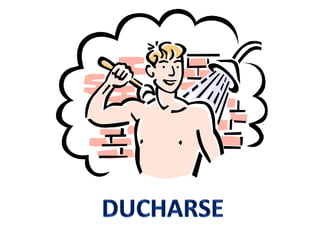
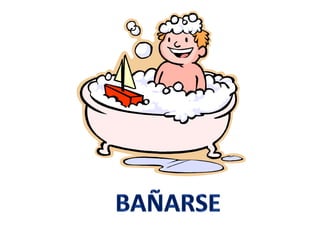
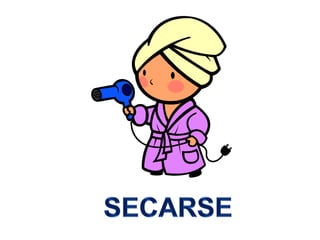
All reflexive verbs in Spanish have  ‘se’ attached to it. This helps you  identify  if the verb is reflexive or not.  Some examples of reflexive verbs: afeitarse – to shave oneself ducharse – to shower oneself cepillarse – to brush oneself lavarse – to wash oneself
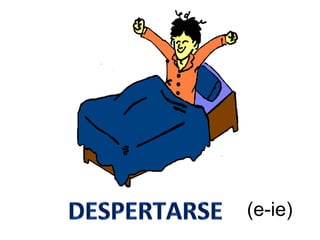
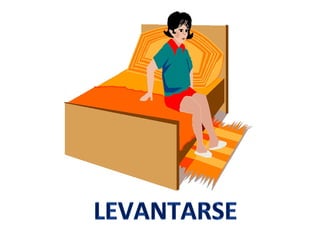
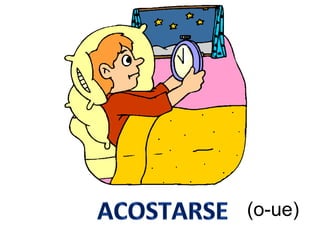
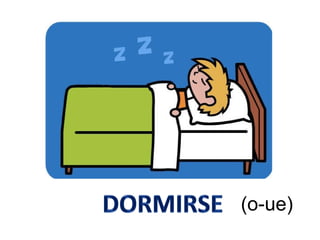
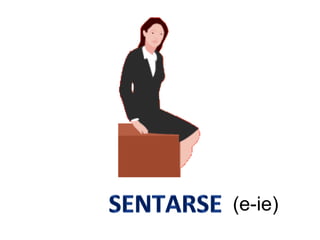
Let ’s review some of the reflexive verbs
(e-ie)


(o-ue)
(o-ue)
(e-ie)
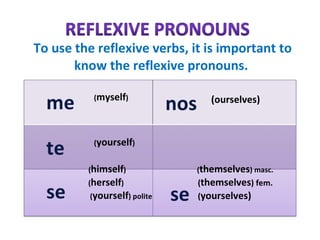
To use the reflexive verbs, it is important to know the reflexive pronouns.  ( herself ) ( himself ) ( yourself ) polite ( yourself ) ( myself ) (ourselves) ( yourselves) ( themselves ) masc. ( themselves ) fem.
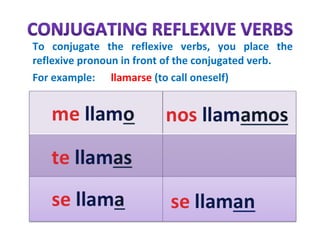
To conjugate the reflexive verbs, you place the reflexive pronoun in front of the conjugated verb.  For example:  llamarse  (to call oneself)
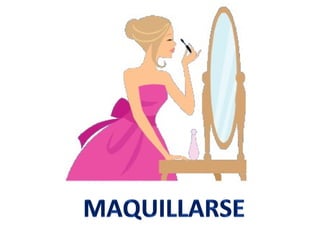
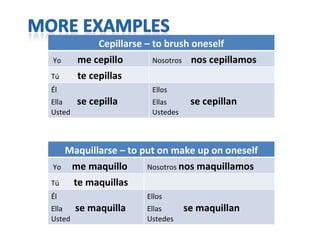
Cepillarse – to brush oneself Yo  me cepillo Nosotros  nos cepillamos Tú  te cepillas Él  Ella  se cepilla Usted Ellos Ellas  se cepillan Ustedes Maquillarse – to put on make up on oneself Yo  me maquillo Nosotros  nos maquillamos Tú  te maquillas Él  Ella  se maquilla Usted Ellos Ellas  se maquillan Ustedes
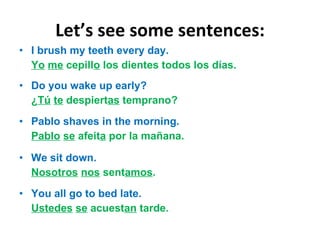
Let ’s see some sentences: I brush my teeth every day. Yo   me  cepill o  los dientes todos los días. Do you wake up early? ¿ Tú   te  despiert as  temprano? Pablo shaves in the morning. Pablo   se  afeit a  por la mañana. We sit down. Nosotros   nos  sent amos . You all go to bed late. Ustedes   se  acuest an  tarde.
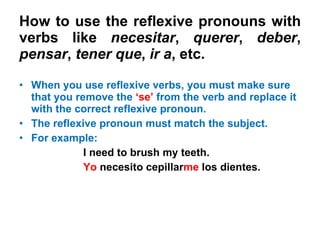
How to use the reflexive pronouns with verbs like  necesitar ,  querer ,  deber ,  pensar ,  tener que ,  ir a , etc. When you use reflexive verbs, you must make sure that you remove the  ‘se’  from the verb and replace it with the correct reflexive pronoun. The reflexive pronoun must match the subject.  For example:  I need to brush my teeth.  Yo  necesito cepillar me  los dientes.
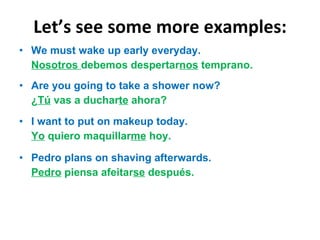
Let ’s see some more examples: We must wake up early everyday. Nosotros  debemos despertar nos  temprano. Are you going to take a shower now? ¿ Tú  vas a duchar te  ahora? I want to put on makeup today. Yo  quiero maquillar me  hoy. Pedro plans on shaving afterwards. Pedro  piensa afeitar se  después.


Los verbos reflexivos

  • 1.
  • 2.
    When you usereflexive verbs, the subject does the action and also receives it. Example of a Reflexive action: I brush my teeth. This means I brush my teeth myself. It is an action that I am doing to myself. If the sentence is I brush my dog , it is not a reflexive action because I am not receiving the action, the dog is receiving it.
  • 3.
    María brushes herhair She is brushing her own hair, so it is a reflexive action. Marta brushes Ana ’s hair She is not brushing her own hair. She is brushing Ana ’s hair, so it is not a reflexive action.
  • 4.
    All reflexive verbsin Spanish have ‘se’ attached to it. This helps you identify if the verb is reflexive or not. Some examples of reflexive verbs: afeitarse – to shave oneself ducharse – to shower oneself cepillarse – to brush oneself lavarse – to wash oneself
  • 5.
    Let ’s reviewsome of the reflexive verbs
  • 6.
  • 7.
  • 8.
  • 9.
  • 10.
  • 11.
  • 12.
  • 13.
  • 14.
  • 15.
  • 16.
  • 17.
  • 18.
  • 19.
  • 20.
  • 21.
    To use thereflexive verbs, it is important to know the reflexive pronouns. ( herself ) ( himself ) ( yourself ) polite ( yourself ) ( myself ) (ourselves) ( yourselves) ( themselves ) masc. ( themselves ) fem.
  • 22.
    To conjugate thereflexive verbs, you place the reflexive pronoun in front of the conjugated verb. For example: llamarse (to call oneself)
  • 23.
    Cepillarse – tobrush oneself Yo me cepillo Nosotros nos cepillamos Tú te cepillas Él Ella se cepilla Usted Ellos Ellas se cepillan Ustedes Maquillarse – to put on make up on oneself Yo me maquillo Nosotros nos maquillamos Tú te maquillas Él Ella se maquilla Usted Ellos Ellas se maquillan Ustedes
  • 24.
    Let ’s seesome sentences: I brush my teeth every day. Yo me cepill o los dientes todos los días. Do you wake up early? ¿ Tú te despiert as temprano? Pablo shaves in the morning. Pablo se afeit a por la mañana. We sit down. Nosotros nos sent amos . You all go to bed late. Ustedes se acuest an tarde.
  • 25.
    How to usethe reflexive pronouns with verbs like necesitar , querer , deber , pensar , tener que , ir a , etc. When you use reflexive verbs, you must make sure that you remove the ‘se’ from the verb and replace it with the correct reflexive pronoun. The reflexive pronoun must match the subject. For example: I need to brush my teeth. Yo necesito cepillar me los dientes.
  • 26.
    Let ’s seesome more examples: We must wake up early everyday. Nosotros debemos despertar nos temprano. Are you going to take a shower now? ¿ Tú vas a duchar te ahora? I want to put on makeup today. Yo quiero maquillar me hoy. Pedro plans on shaving afterwards. Pedro piensa afeitar se después.
  • 27.
  • 28.
  • 29.
  • 30.
  • 31.
  • 32.
  • 33.
  • 34.
  • 35.
  • 36.
  • 37.
  • 38.
  • 39.
  • 40.